

Rewilding the Kitchen
Introduction
About the Programme
Rewilding the Kitchen was launched in 2021 as a programme that explored the practices and world-views of four artists— Salma Serry (Sufra Kitchen), Moza Al Matrooshi, Aya Shaban and Manal Abu Shmais (Namliyeh)— through the lens of food.
Consisting of three recipes and texts featured on alserkal.online, complemented, off-line, by dishes that popped up at workshops and tastings at various events in Alserkal Avenue, the programme invited ingredients to tell their own authentic stories and explored how these artists allowed for that.
For its second and more expansive iteration in 2023, the impetus for a residency programme with tangible outcomes became evident as the culinary and art landscape continues to grow and produce new outcomes for research and practice.
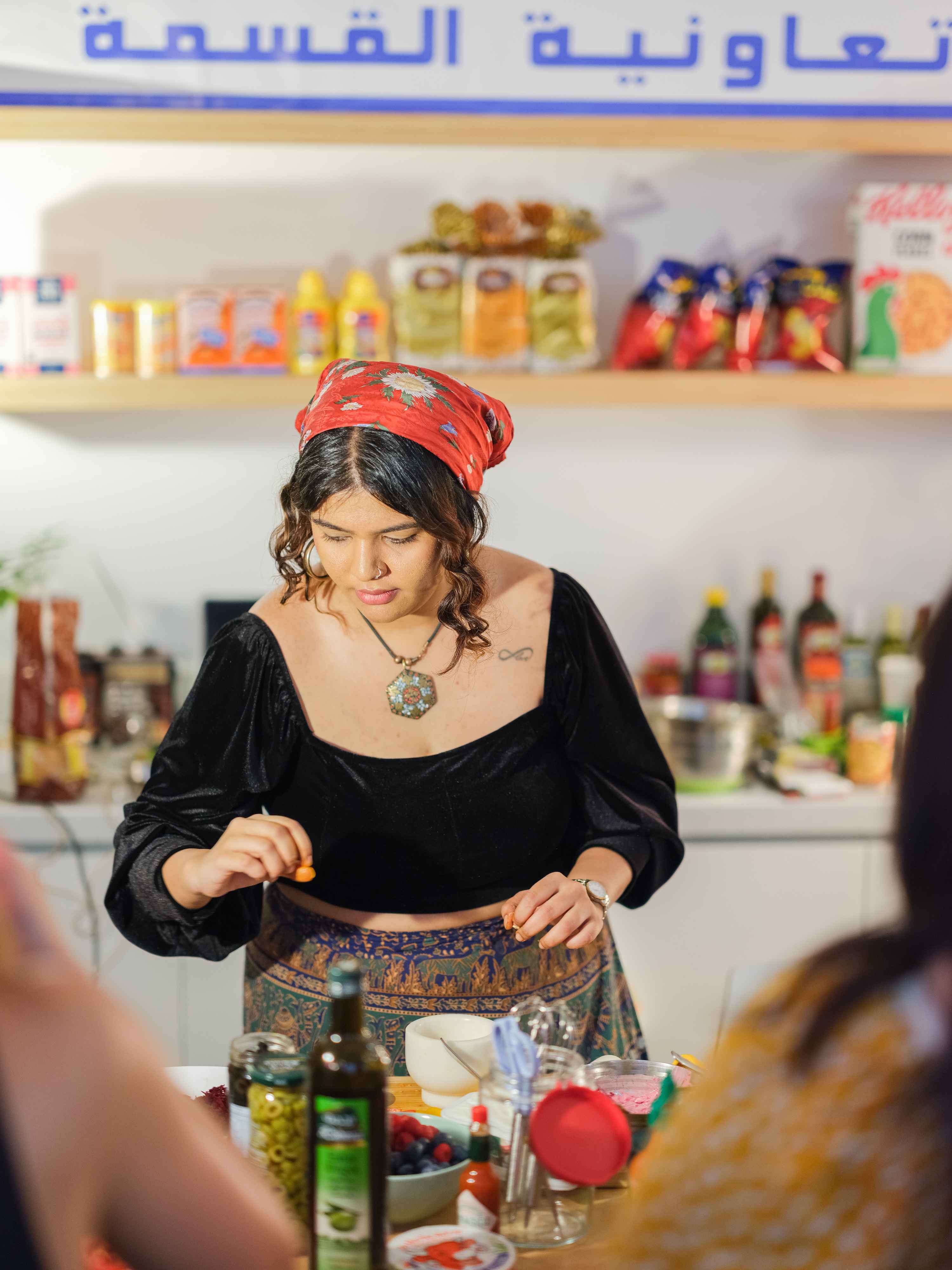
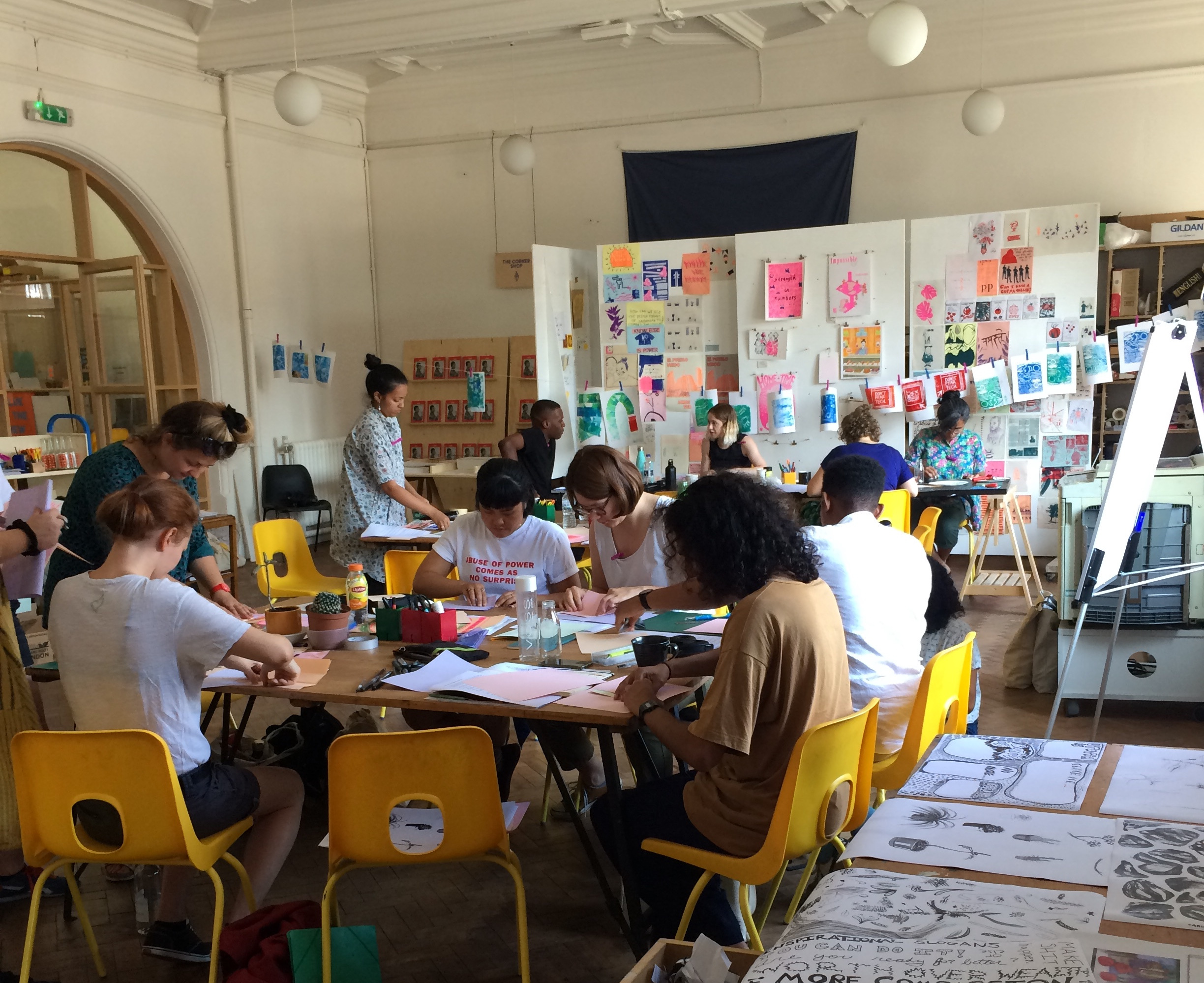
The Alserkal Arts Foundation's kitchen was activated as a space to discuss, read, write and cook, with a cohort encouraging collective thinking, intersectionality and experimentation.
Curatorial Note
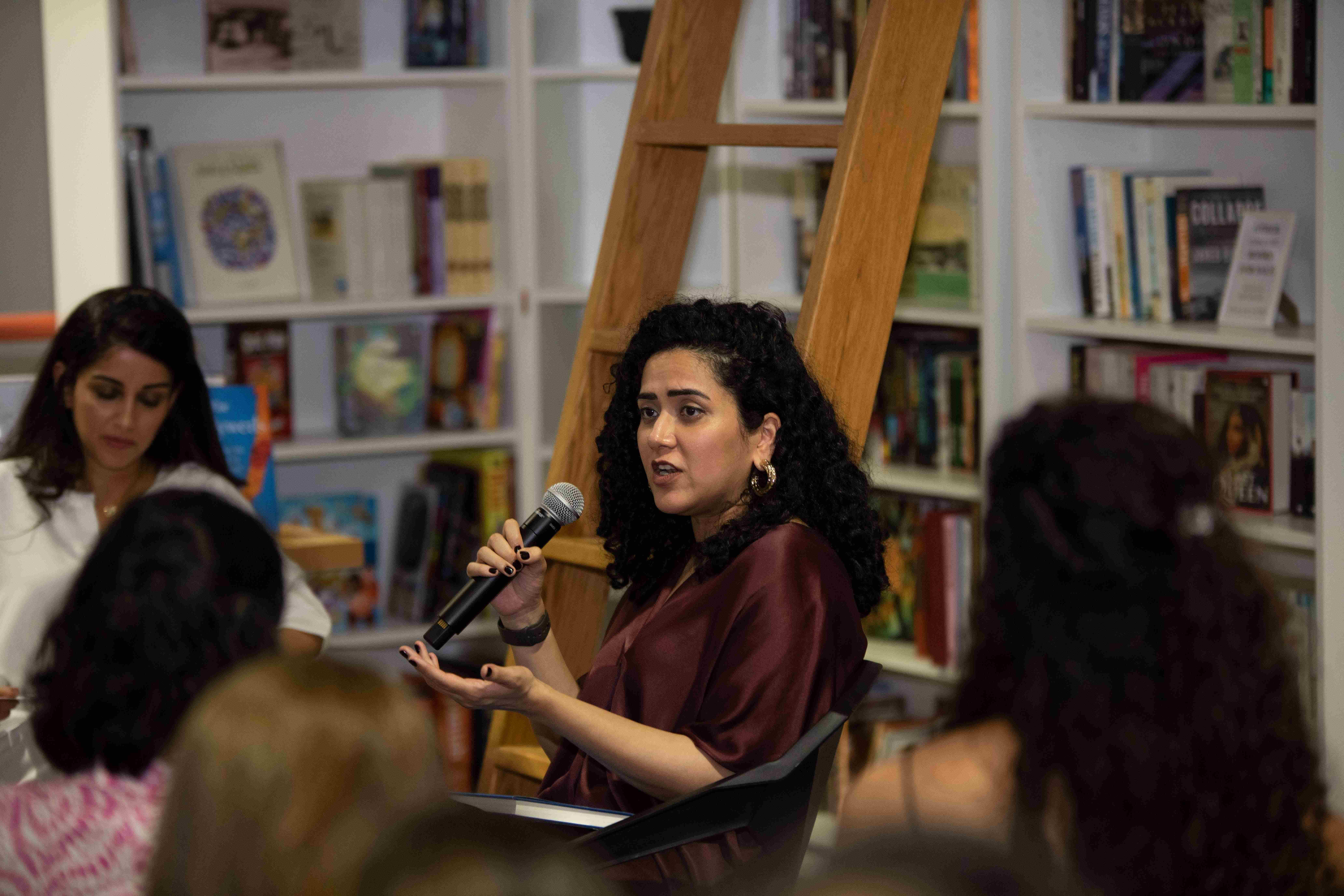
To ‘rewild’ is to restore a material or environment to its natural state. In my culinary practice I am in a constant state of rewilding. My pantry has been released from performing prescribed recipes, and instead, these spices and condiments are now actors and storytellers with agency, and my own body with her complex emotions and cravings, a porous alchemical vessel. Together, we concoct dishes that heal, dishes that resist colonisation, dishes that reenact and resurrect memories, dishes that seduce, dishes that transcend my cultural heritage, and dishes that surprise.
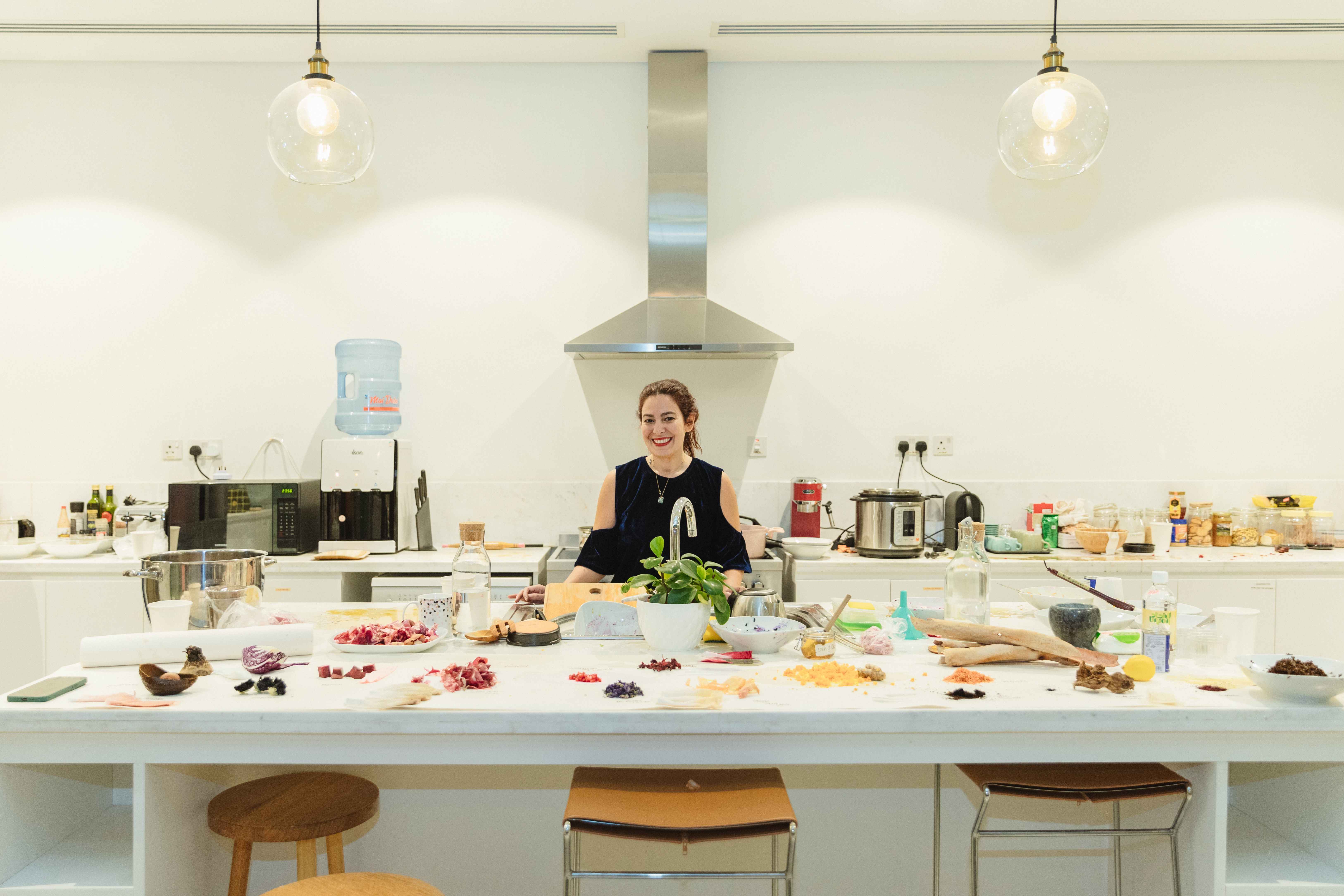
The culinary/art landscape is growing, signposting new practices and research in the fields of food, landscape and writing. This inspired me to create a residency-like programme, which led to an open call with the Alserkal Arts Foundation. Announced in March 2023, we on-boarded 15 participants. In my search for suitable collaborators to take up residence with me in the Alserkal Arts Foundation kitchen, I intentionally selected a cohort who came from diverse yet complementary backgrounds: professional chefs, practising artists, writers, and performers.
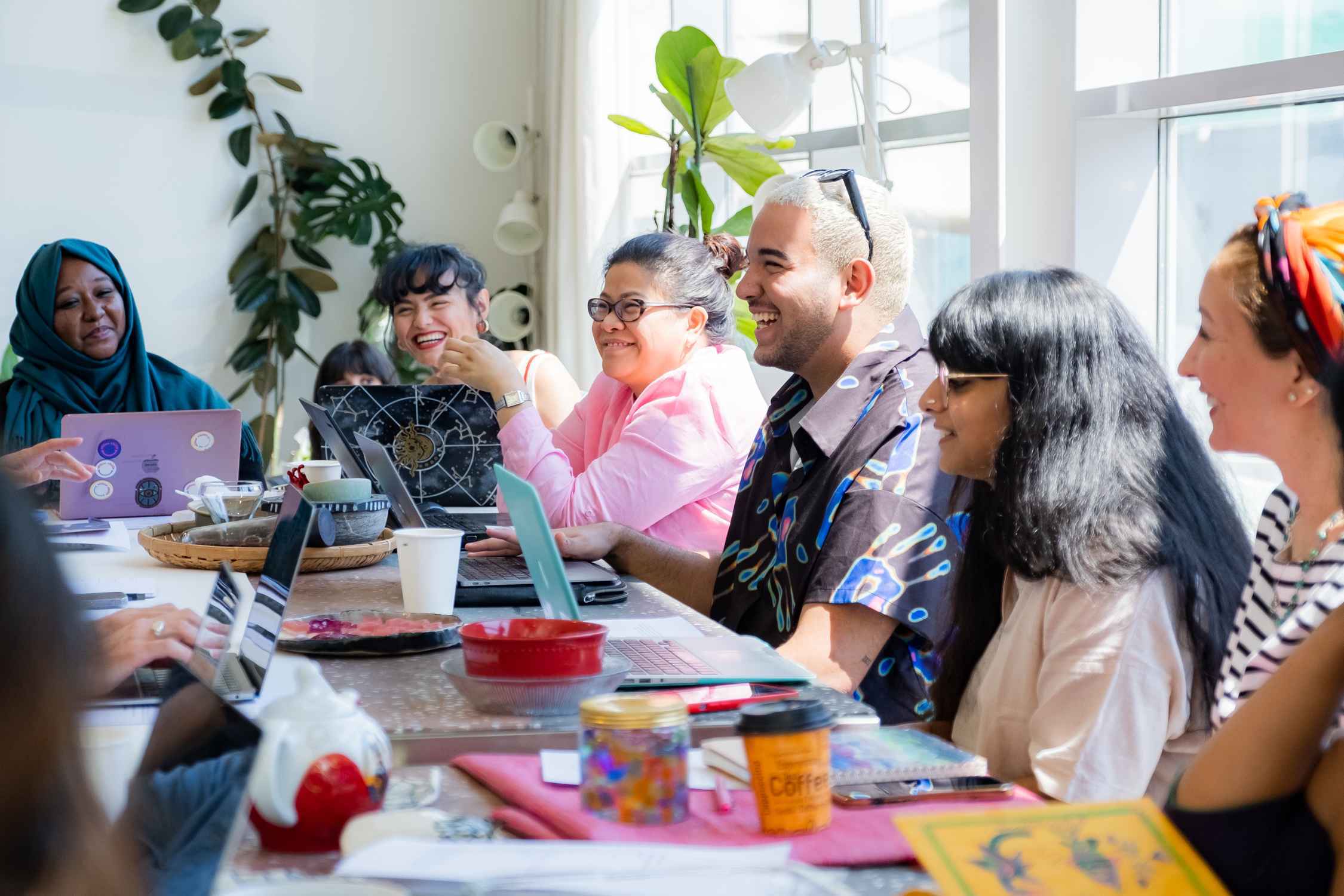
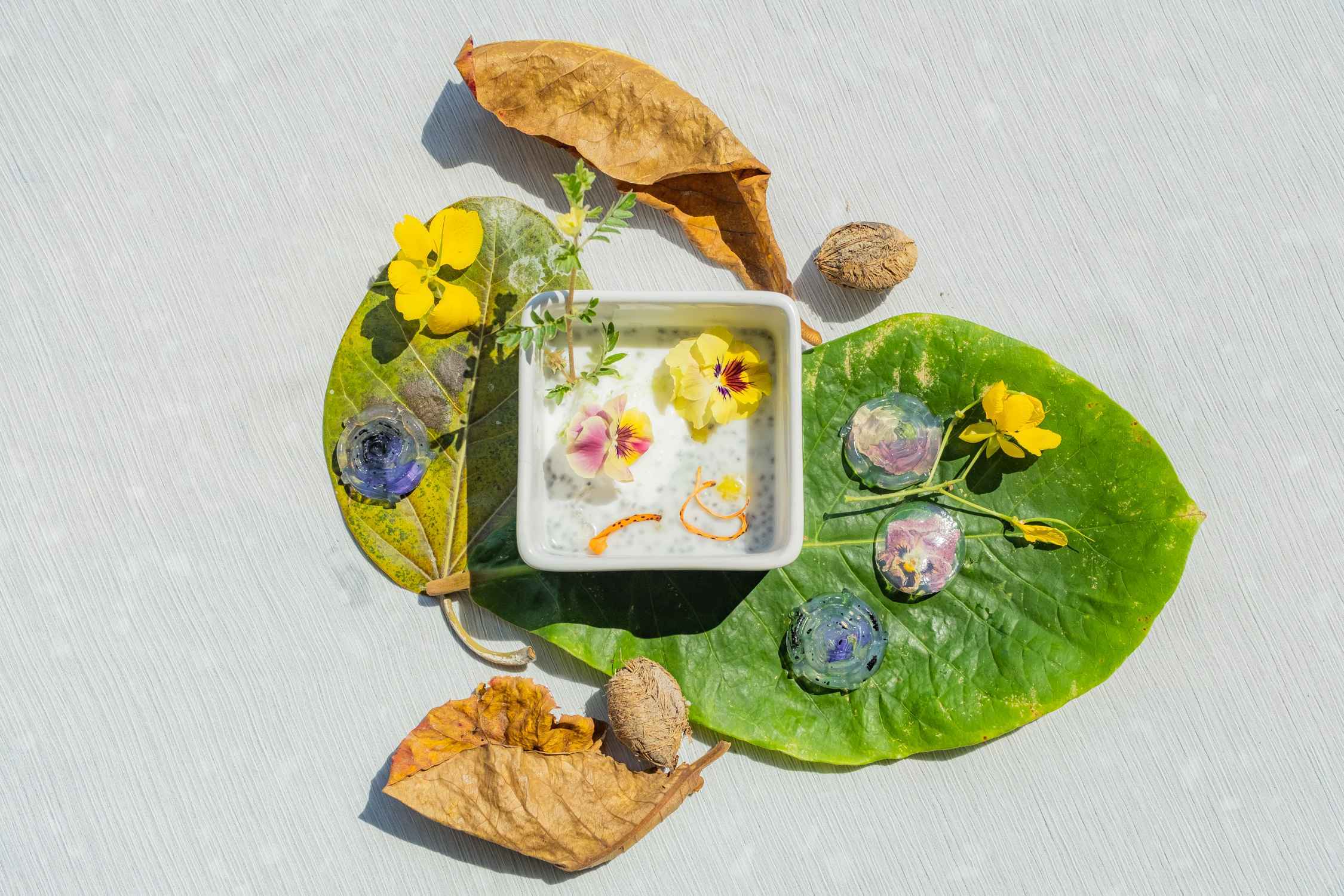
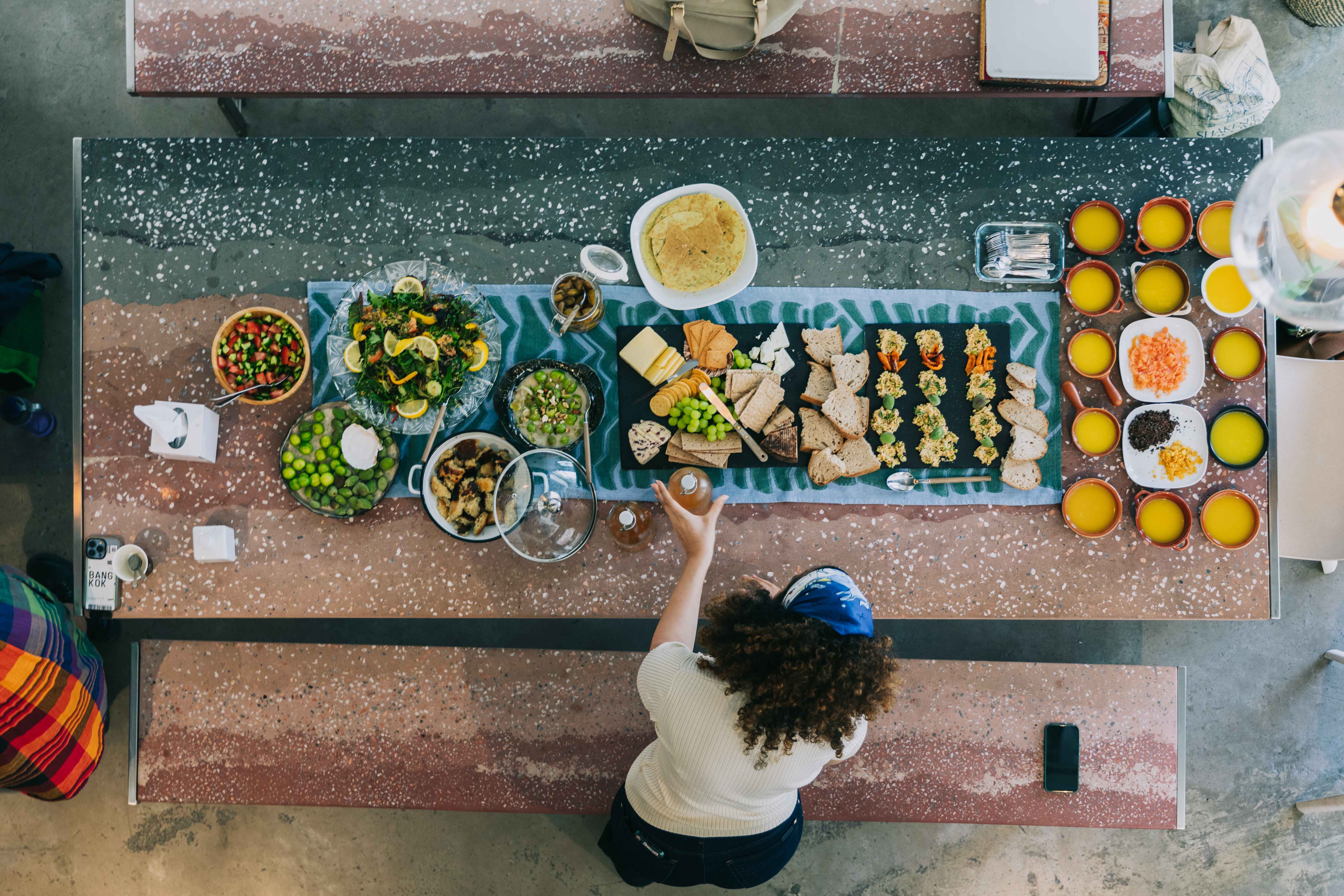
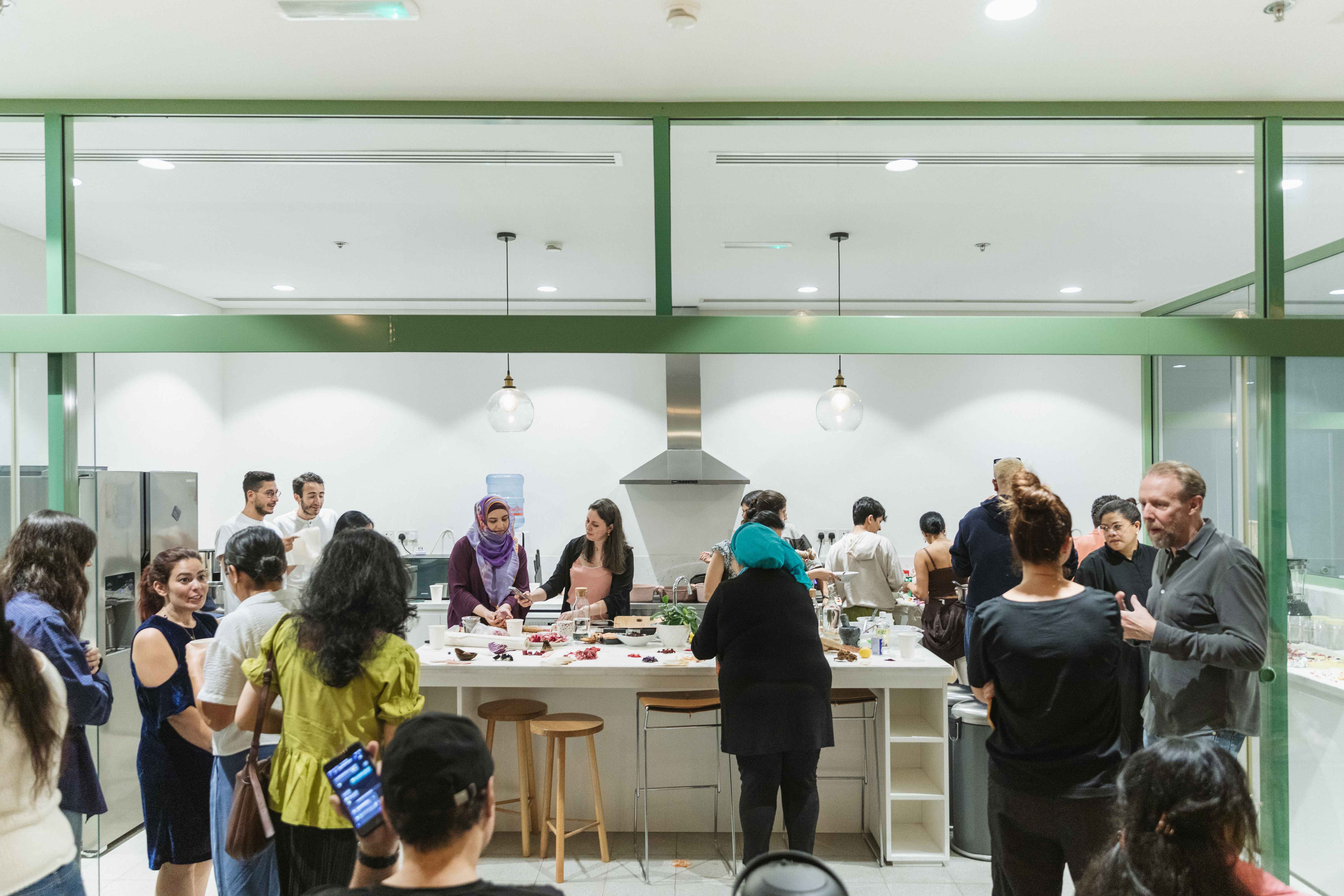
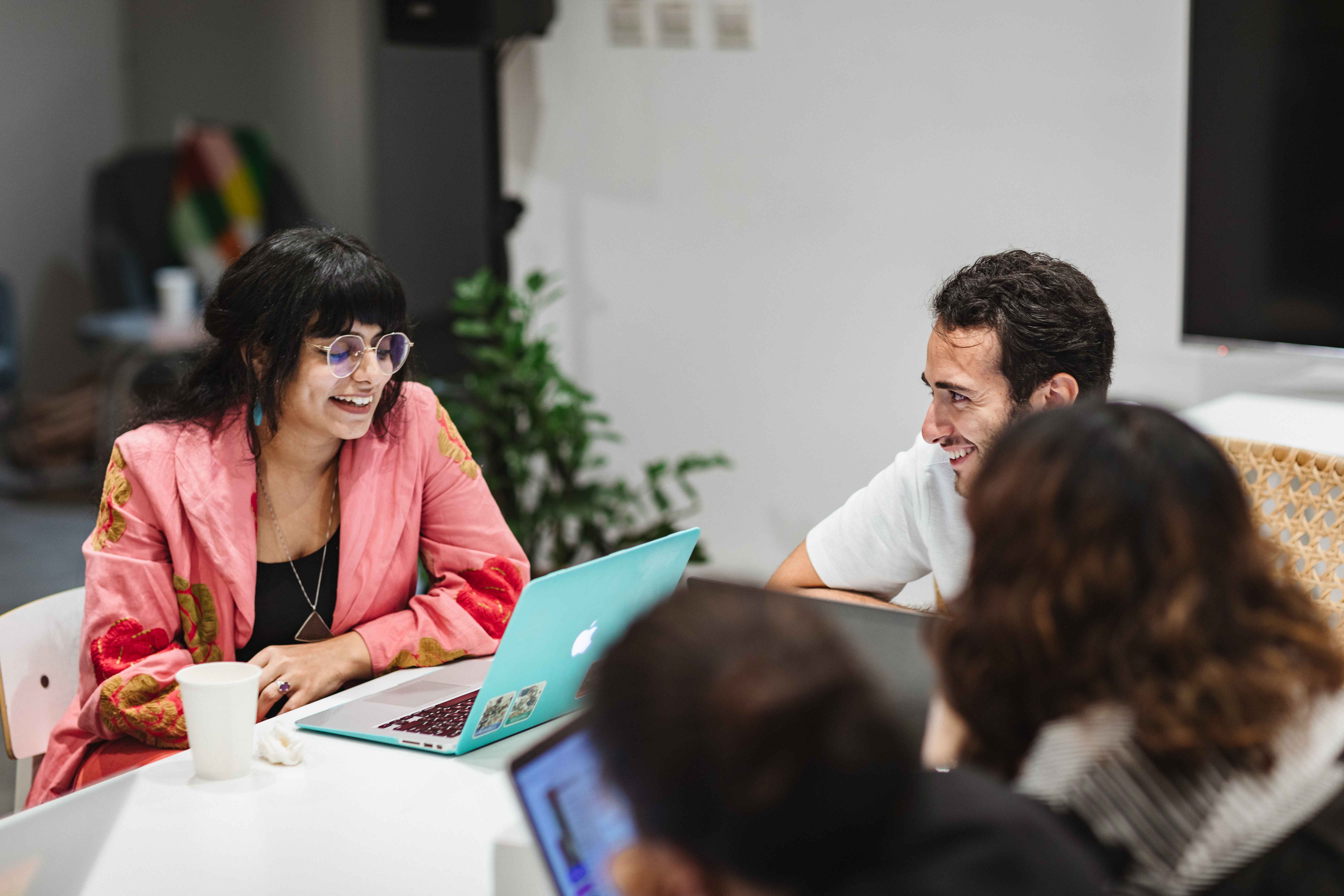
My methodology included finding ways in which the kitchen could become a space of production, experiments, and conversations; a site that would eventually transform itself into our home. The comfort and ease with which we were able to gather together—often chaotic and very warm—became invaluable. I donated my personal pantry and kitchen tools, which in themselves are an amalgamation of travels, precious ingredients, and equipment that have supported my practice. I also loaned my personal library of cookbooks, artists’ books, and zines to support and inspire the cohort. The Foundation allowed me and my family of kitchenware and books to settle into the space.
More deeply, Rewilding the Kitchen prompted the cohort to unlearn concepts of nostalgia, romanticising food, or the trap that as chefs we often find ourselves in. We work so hard to preserve our cultures through the lenses of singular nationhood loyalty, and we often neglect the self in this process. I have found that we are very ready to speak about, for example, our grandmothers’ recipes as noble legacies, yet bypass what her circumstances in making this dish were. Our relationship with food and memory is complex, and the more difficult conversations around addiction, grief, socio-economic circumstances and how our own emotions translate into food alchemically, are difficult subjects to broach. I prioritised creating a safe space, threading these vulnerable subjects into conversations, writing prompts, and cooking in ways that set everyone free.
Every session brought participants closer to this sense of self, unhinging and unravelling a collection of personal projects that are multidisciplinary and sensorial, and pivotal steps in their practices.
It has been evident and delightful to be surprised by how the learnings in the sessions spilled into menus, texts, and flavours—whether by presenting a sesame oil that is salted and painted onto bread, or an edible soil holding caramelised seasonal fruits, a traditional rice dish shaped into singular morsels, amplified kitchen bangs and crackles, and choreographed mundanity.
- Nahla Tabbaa
The Kitchen Sessions
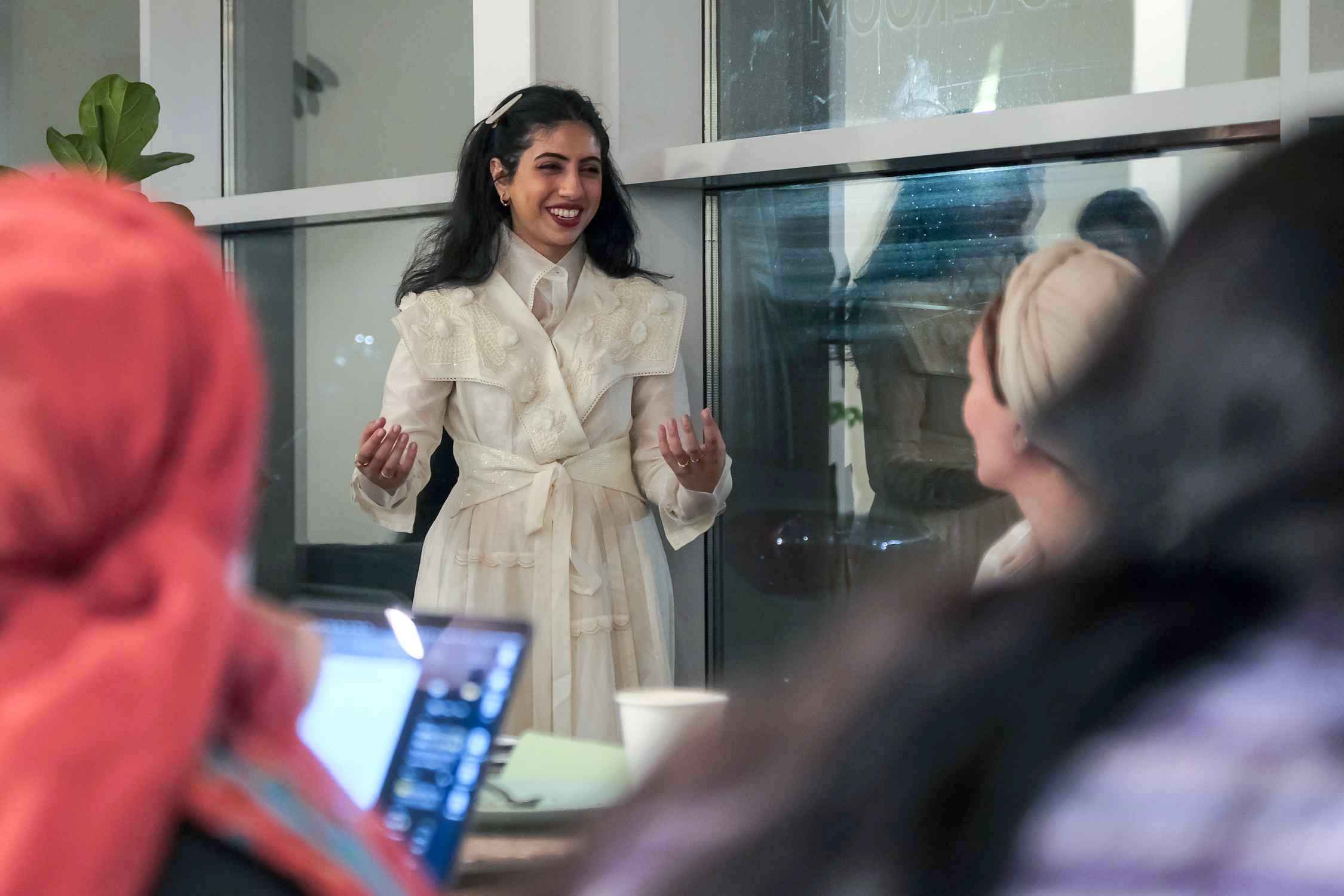
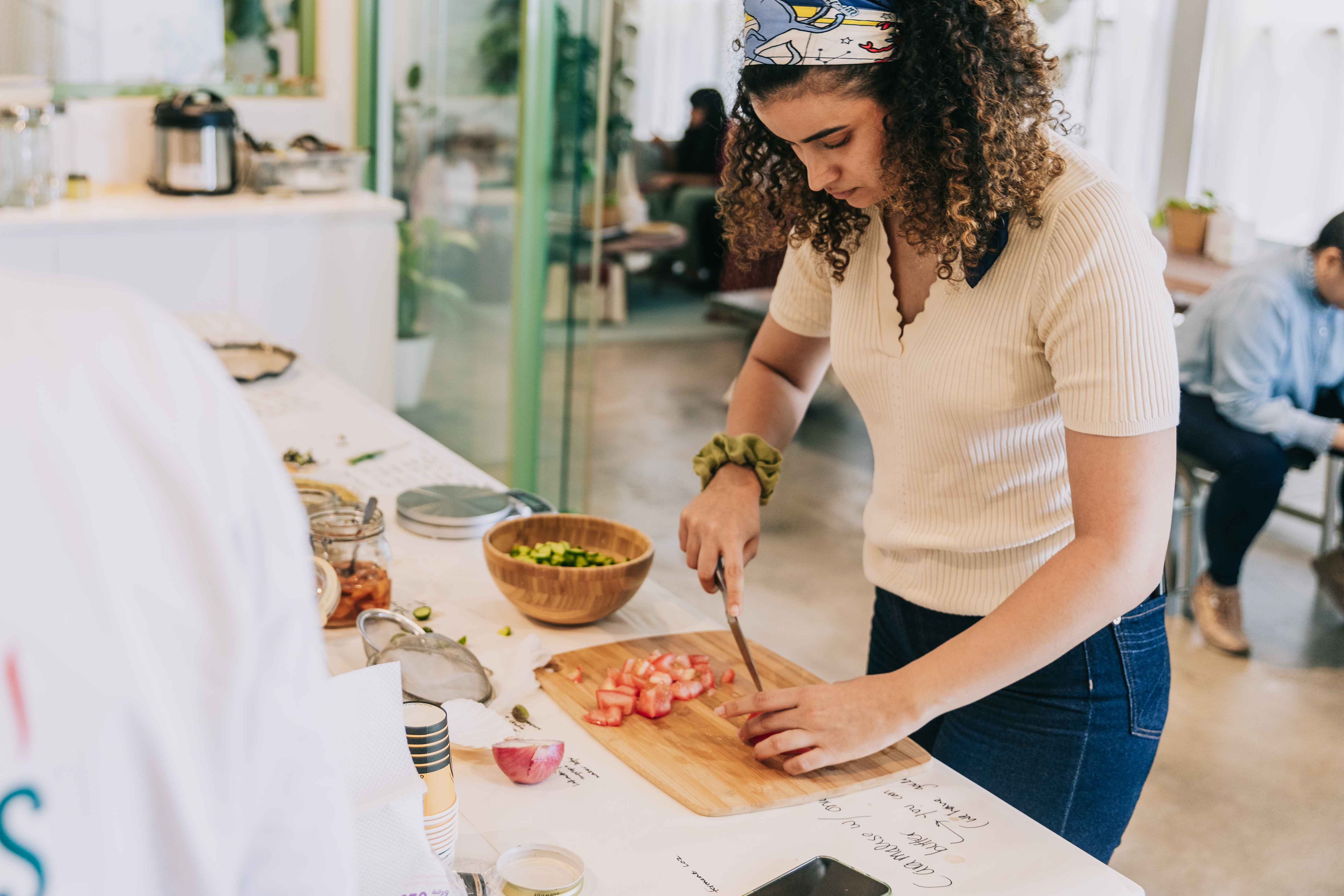
Every week, the cohort gathered in the Alserkal Arts Foundation kitchen to cook, write and engage. Below are summaries of the sessions and moving parts of the programme:
A Menu of Your Life with Nahla Tabbaa
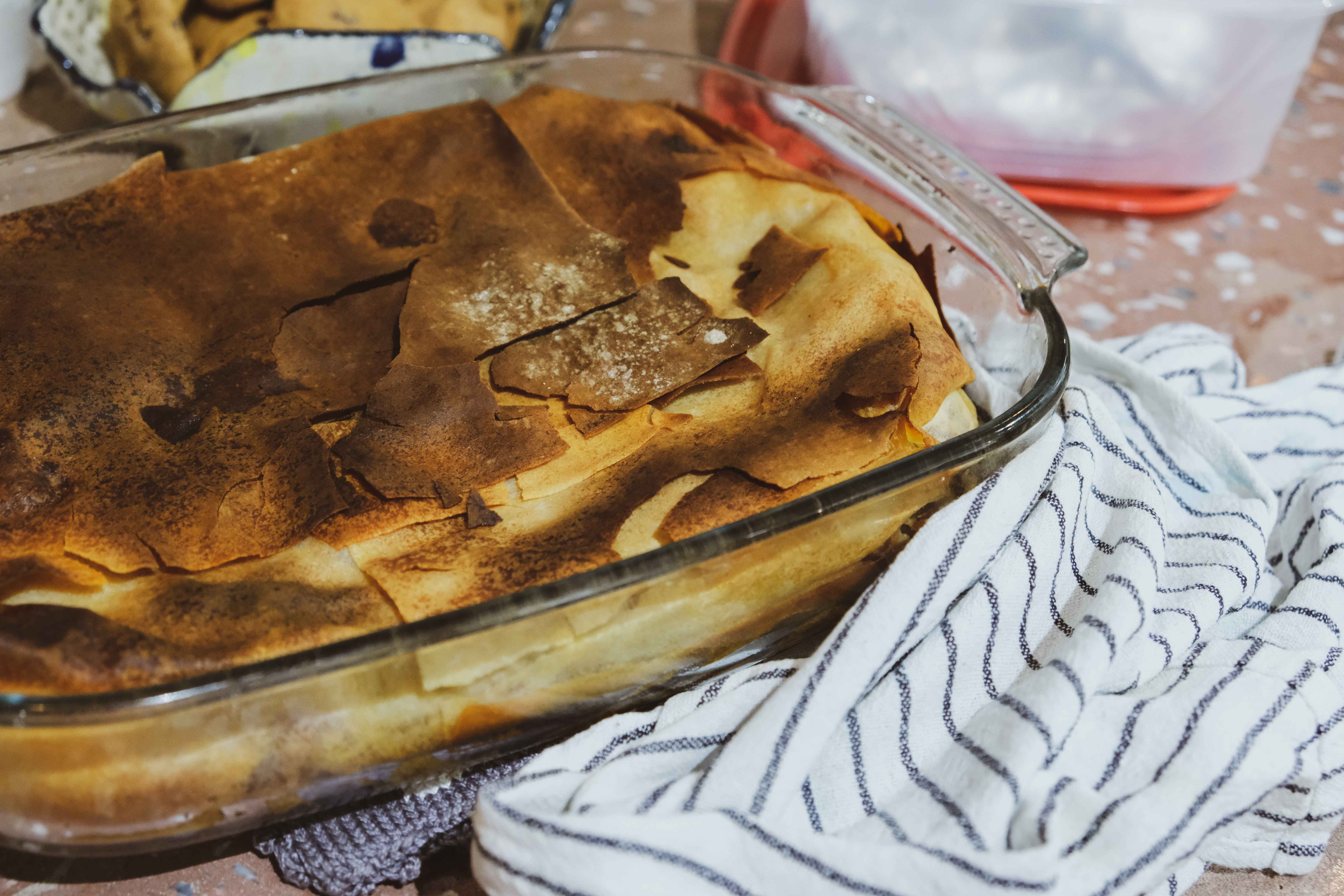
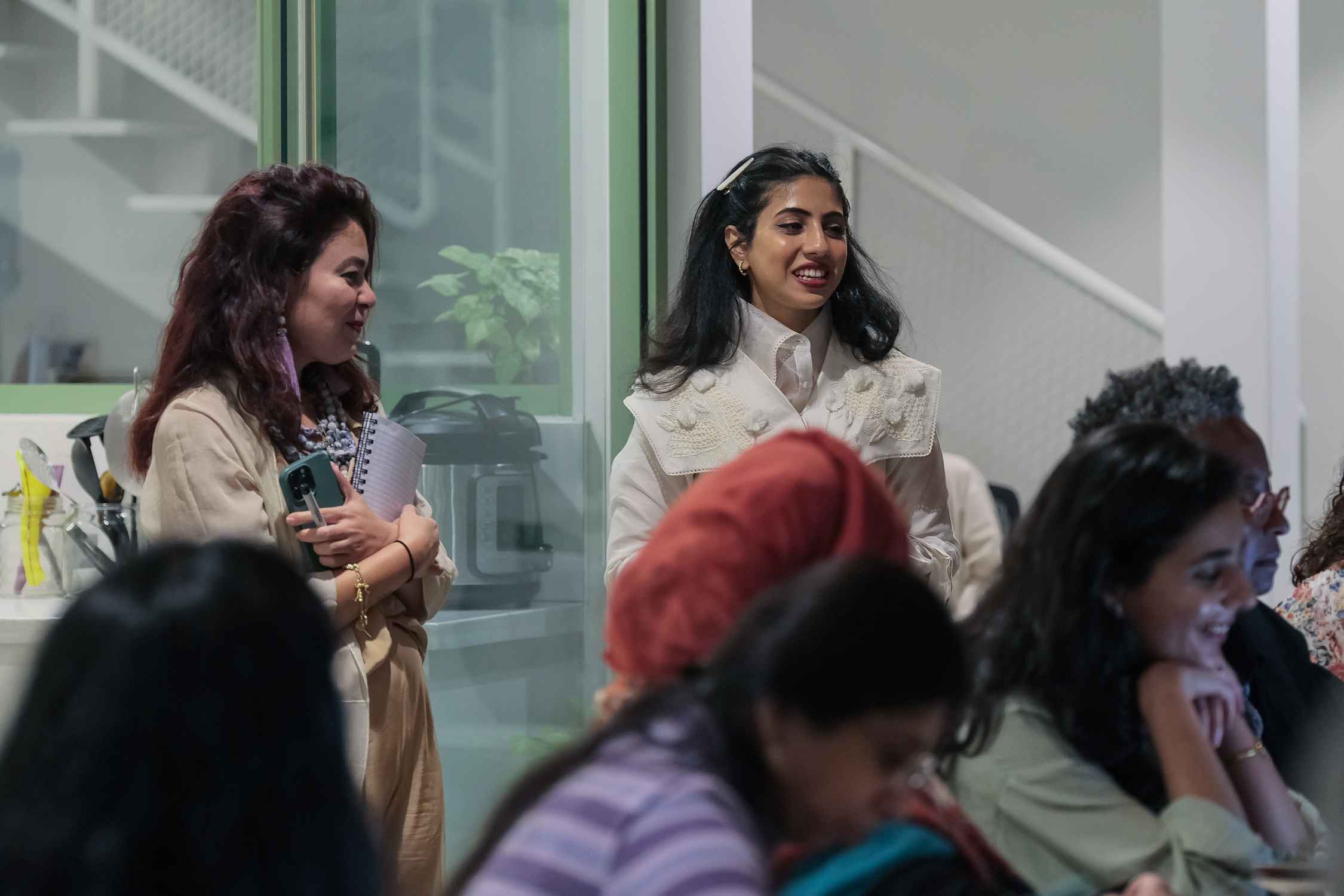
Launching Rewilding The Kitchen Nahla Tabbaa assigned participants to read aloud a four-course menu that told the story of who they are. They were also invited to bring one of these dishes so that the programme could launch with a shared collective of food that represented a complex mezze of emotions, life stories and heritage to forgo conventional ways of introducing one another through bios and professional backgrounds.
The Fictional Recipe with Moza Almatrooshi
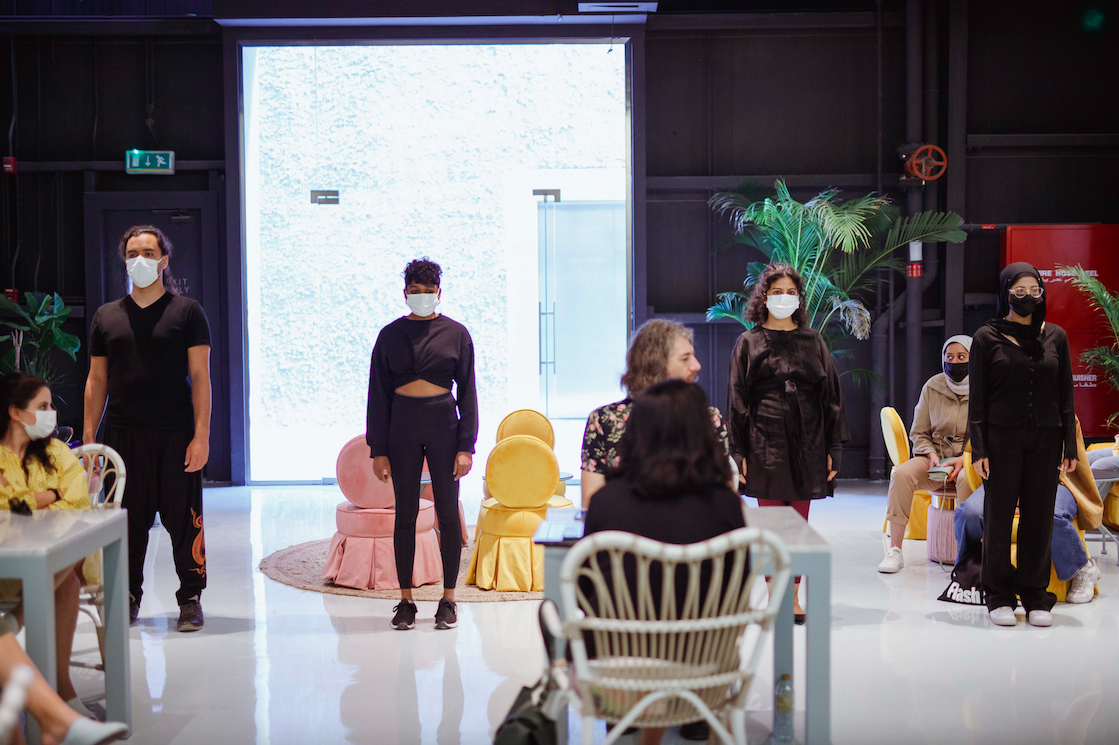
In this session Moza led the participants through a series of writing prompts that transported the recipe from being a functional document to a literary piece. The Fictional Recipe was concerned with unlearning romanticisation and nostalgia, moving participants to address food and recipe writing as nuanced spaces of knowledge. The kitchen and the recipe were no longer spaces of production and warmth but a mythical story, a battleground and a prison. Participants further performed gestures in the kitchen, where exaggerated movements of the mundane prompted them to think about sound and choreography as integral parts of their final outcomes.
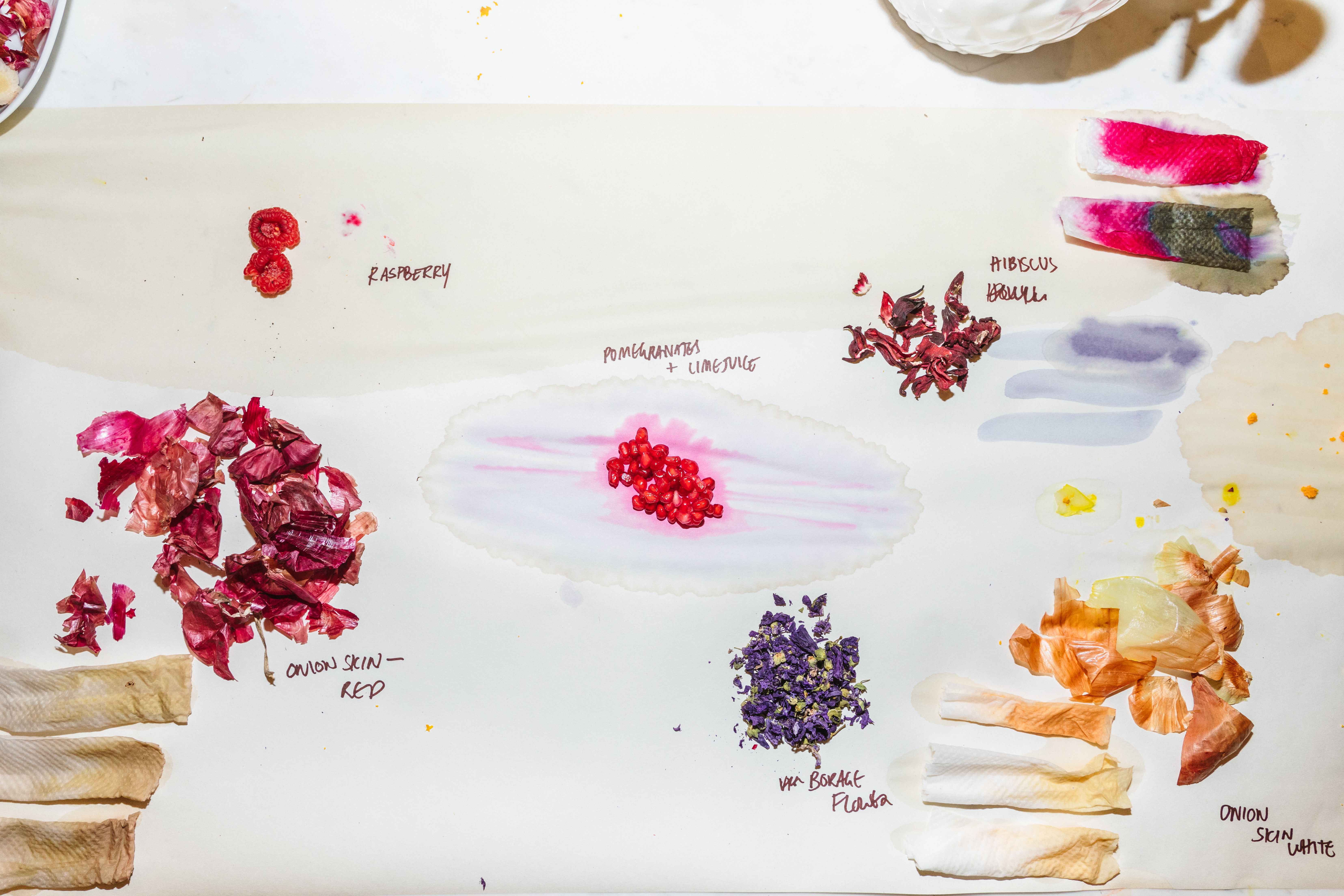
Eating Colour with The Alchemy of Dyeing
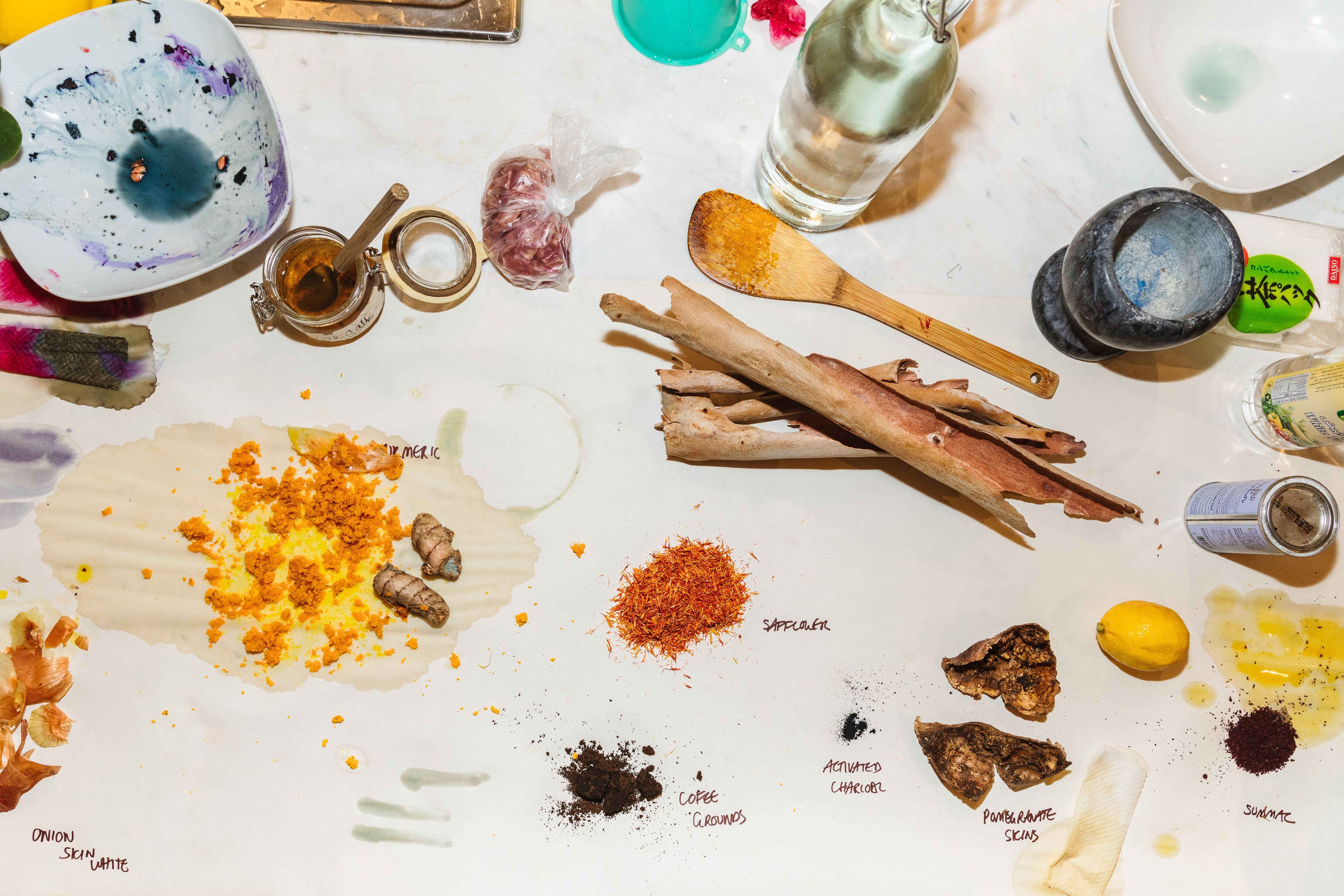
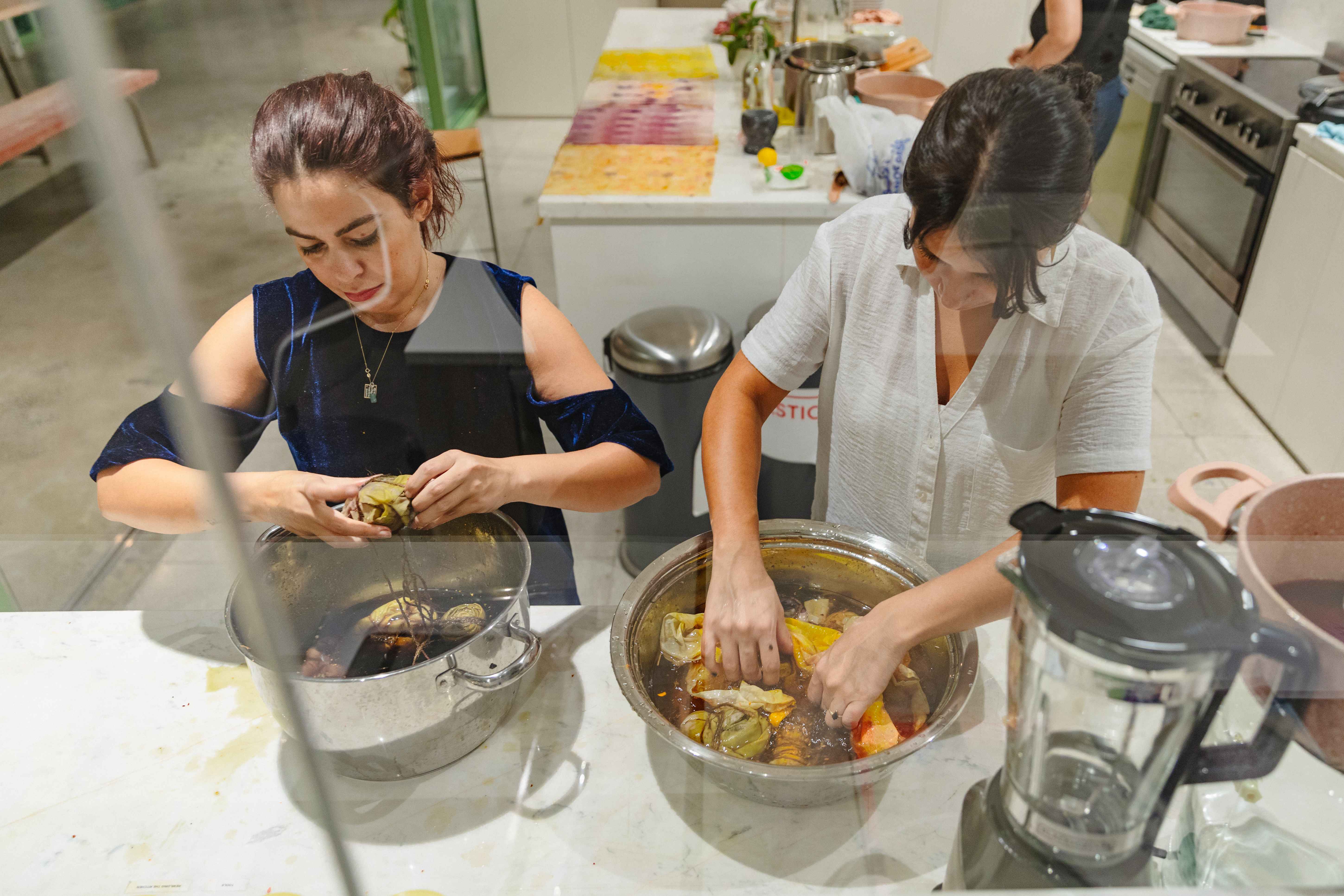
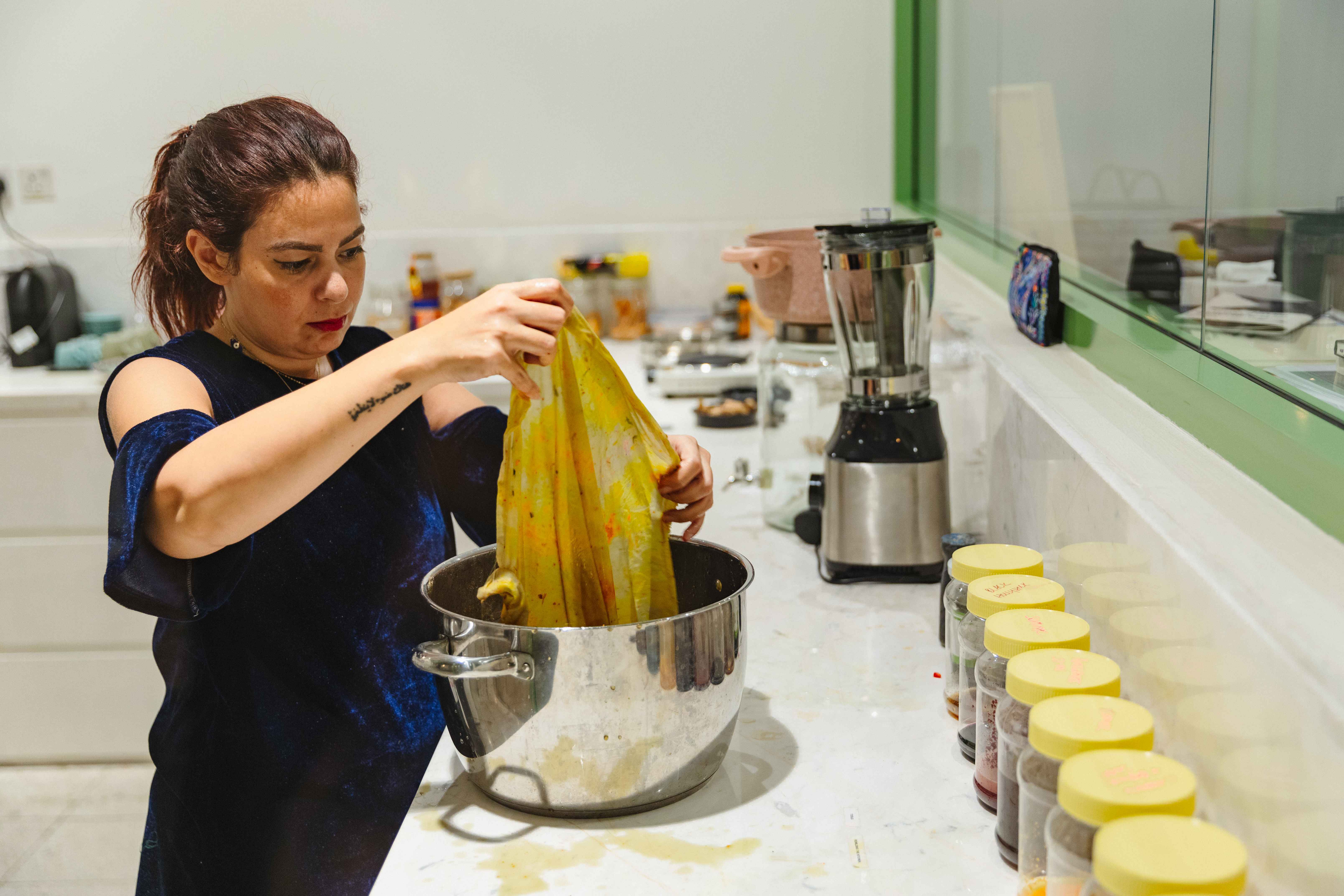
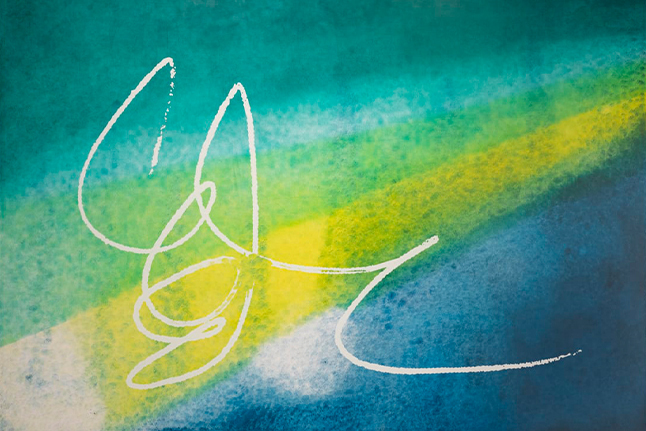
The Alchemy of Dyeing introduced participants to a rainbow of unexpected colours that exist within the pantry. They were able to further their knowledge of colour extraction, not only to be used on food but to create inks and dyes for textiles. The Alchemy of Dyeing emphasised the idea that one must show respect to a natural dye by allowing it to show up as the colour it intends to be. Kevin Jones then led a discussion and a series of writing exercises that explored reflection on colour extraction, colour transitions and moving away from prescribed meanings assigned to colours.
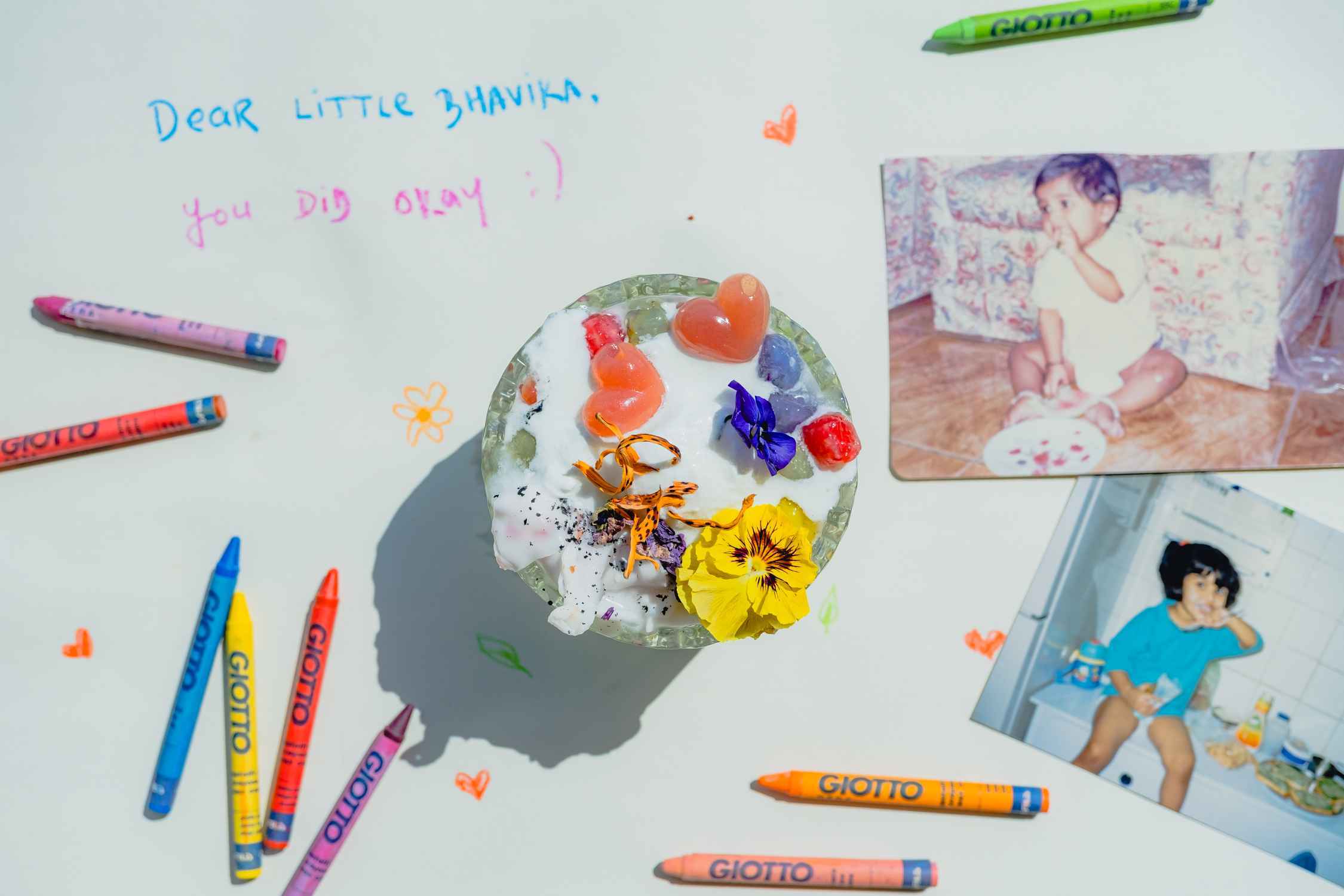
Making Tub Kim Krop with Chef Priyal ‘Dulce de Mirchi’
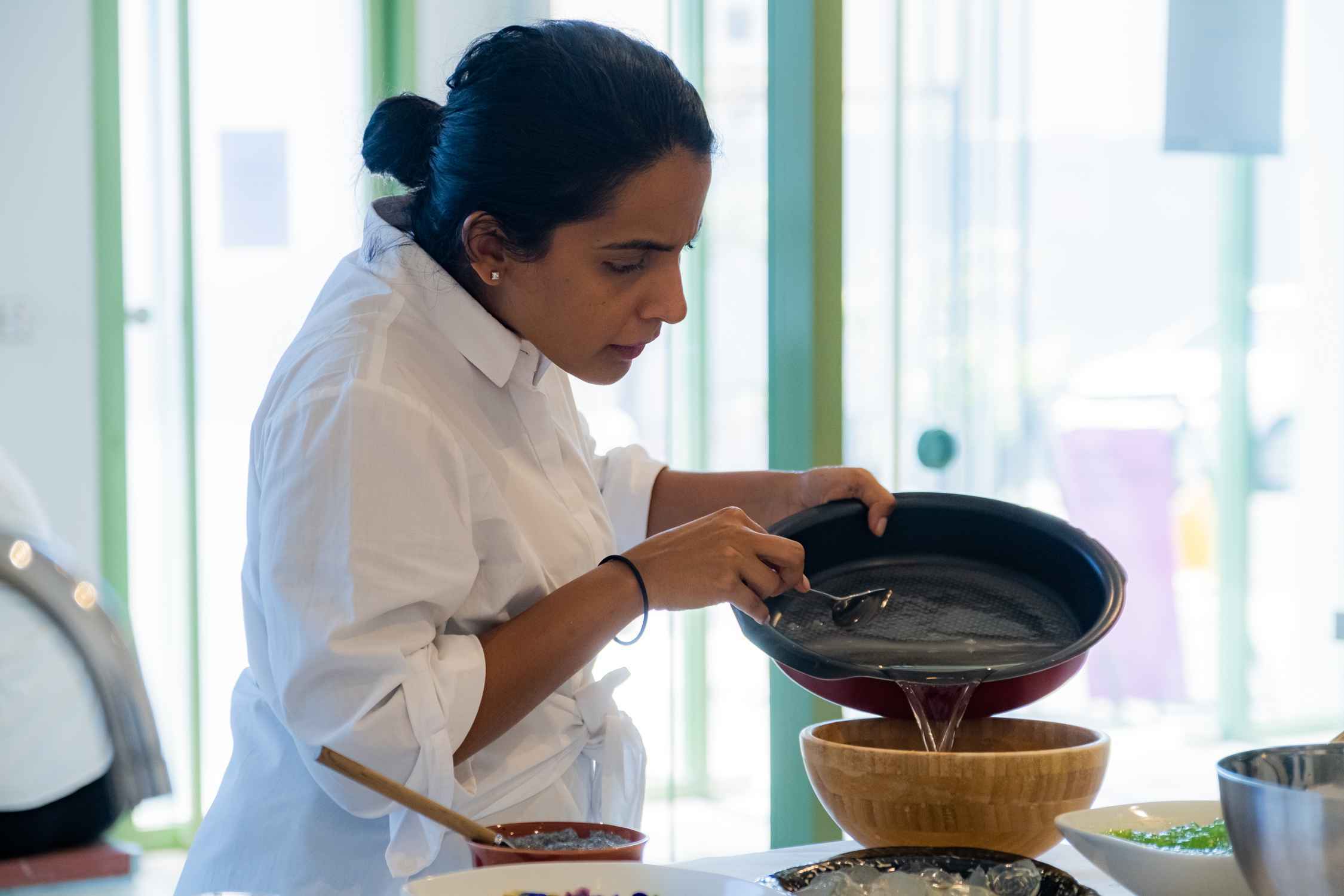
Chef Priyal ‘Dulce de Mirchi’ demonstrated the process of making Tub Kim Krop, a traditional Thai dessert integral to her childhood spent in Bangkok. Using natural dyes, casting and layering participants created their own assemblage of this traditional dessert, learnt how to make a frozen yoghurt, infuse pandan milk and plated their desserts on their own chosen vessels. Kevin Jones led the cohort to explore the tensions of guilt and delight when it comes to sugar consumption.
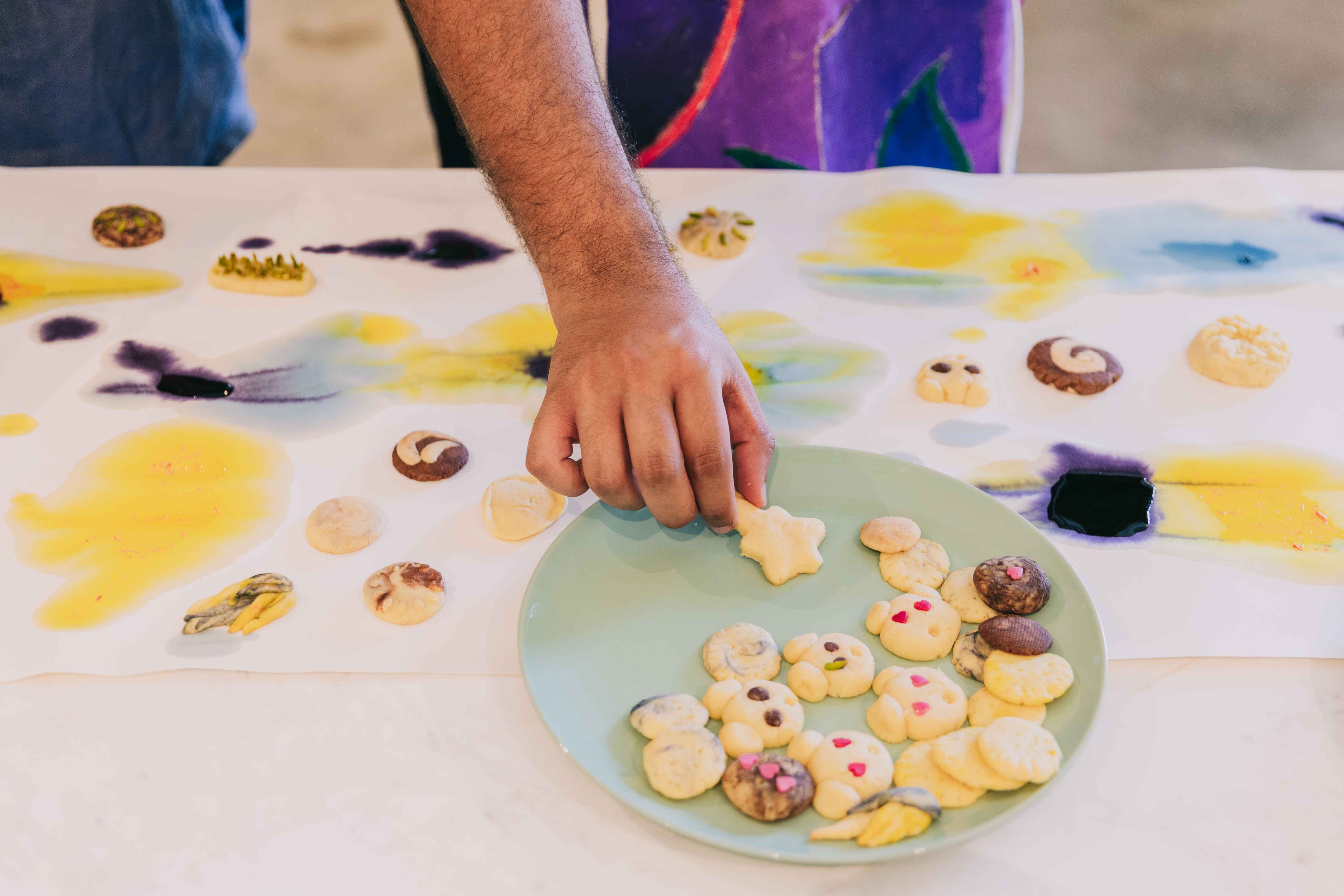
Egyptifying Petit Fours and Preserving Coptic Traditions with Andrew Riad
Andrew Riad created an atmosphere in the kitchen which became a cross between a Coptic church and his mother’s kitchen. Participants created Petit Fours, an Egyptian cookie with a colonial legacy. By allowing everybody to sculpt, shape and colour these cookies freely, the act of decolonisation and resistance began. Kevin Jones furthered this by prompting participants to think about resistance and decolonisation whilst personifying chosen foods in their writing.
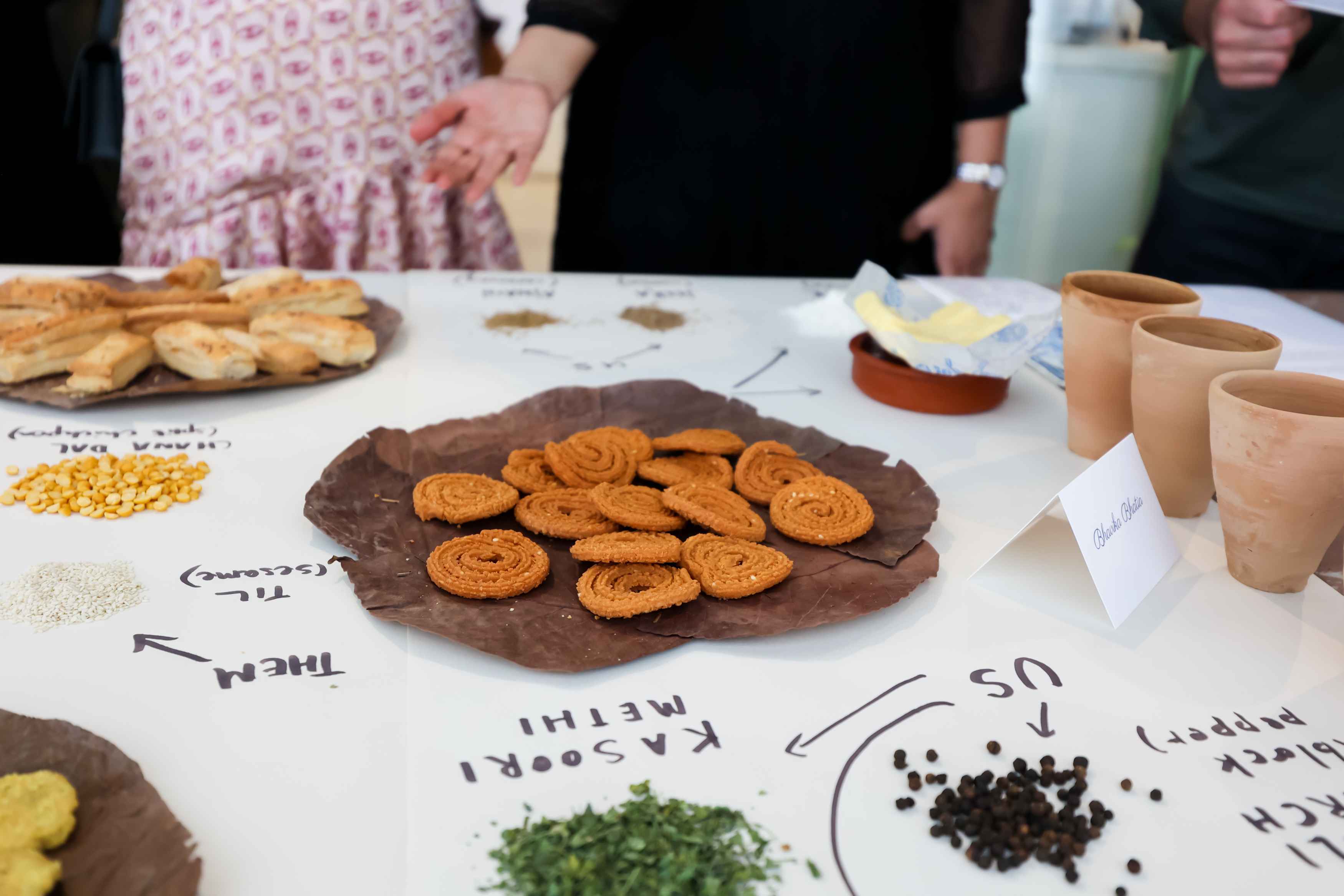
What The Food 2023 Tea Party
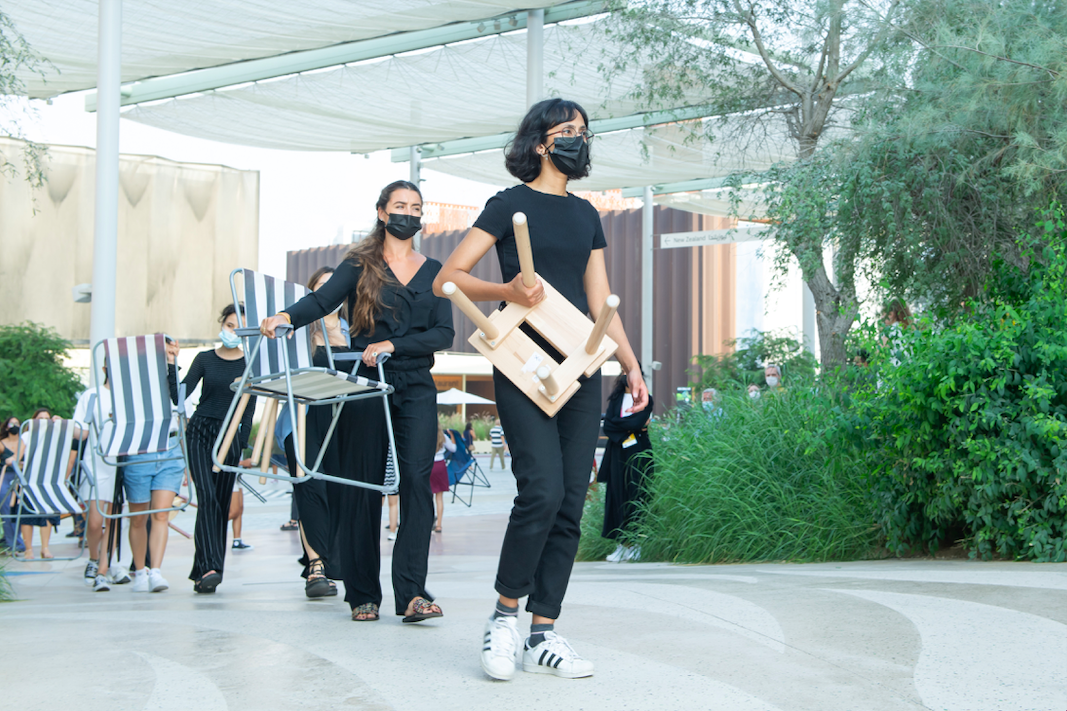
Participating in Alserkal Avenue’s What The Food 2023, Farah Nasrawi, kōl, Luchie Suguitan, Bhavika Bhatia, Richi Bhatia, Andrew Riad and Nahla Tabbaa (with Moza Almatrooshi, Salma Serry and Namliyeh) elaborated on Andrew’s previous workshop. The teaparty was curated to activate a site for collective reflections and informal discussions around an imagined tea party in an attempt to decolonise the ‘tea party’ as we know it.
Defamiliarising and Deconstructing Ingredients with Sondos Azzam
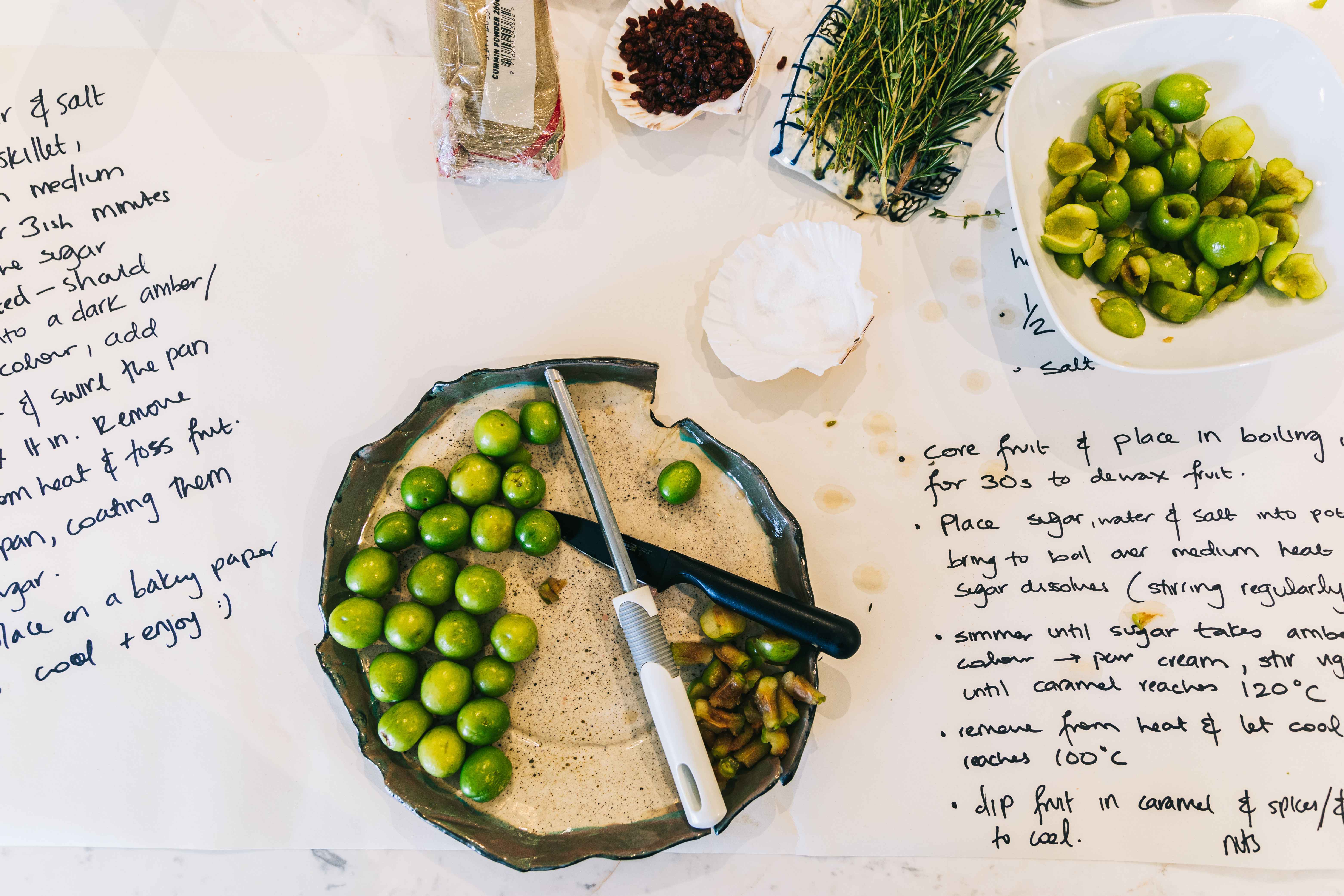
Sondos Azzam introduced participants to three in-season levantine fruits, using classical processes such as caramelising, dehydrating and stewing. Participants experimented, documented and produced short recipes that invited new pairings and possibilities in the name of honouring a season. The process of making was also disrupted with book discussions and readings of Tender Buttons by Gertrude Stein and Pond by Claire-Louise Bennett.
Sharjah Biennial 15 Excursion
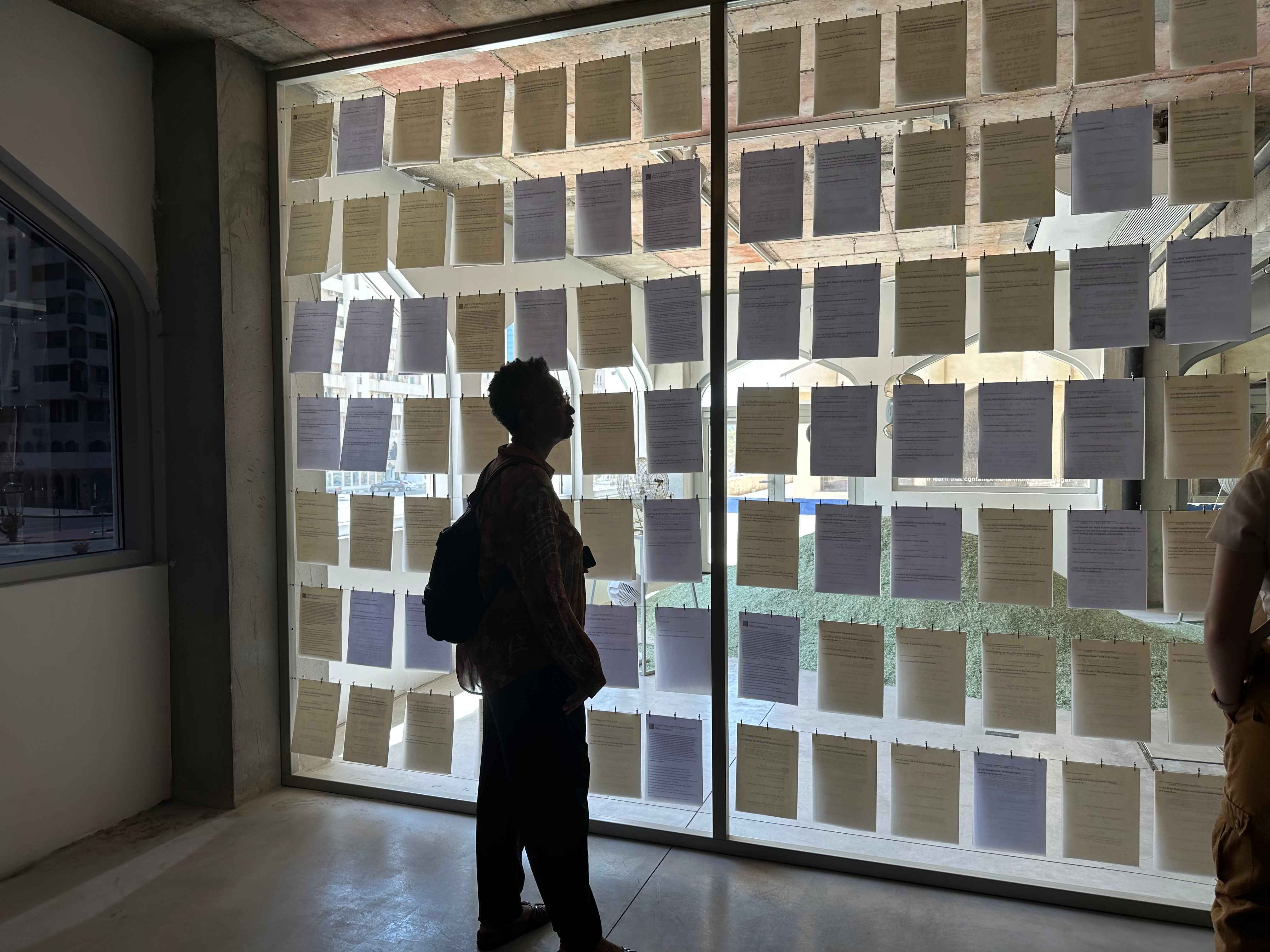
Participants visited Sharjah Biennial 15 and were led by Nahla Tabbaa and the Sharjah Art Foundation Education Team on a slow arts tour focusing on works that looked at culinary installations, research archives, the dining table and botany as expanded forms of art practice.
Films
The Colour of Pomegranates (1969)
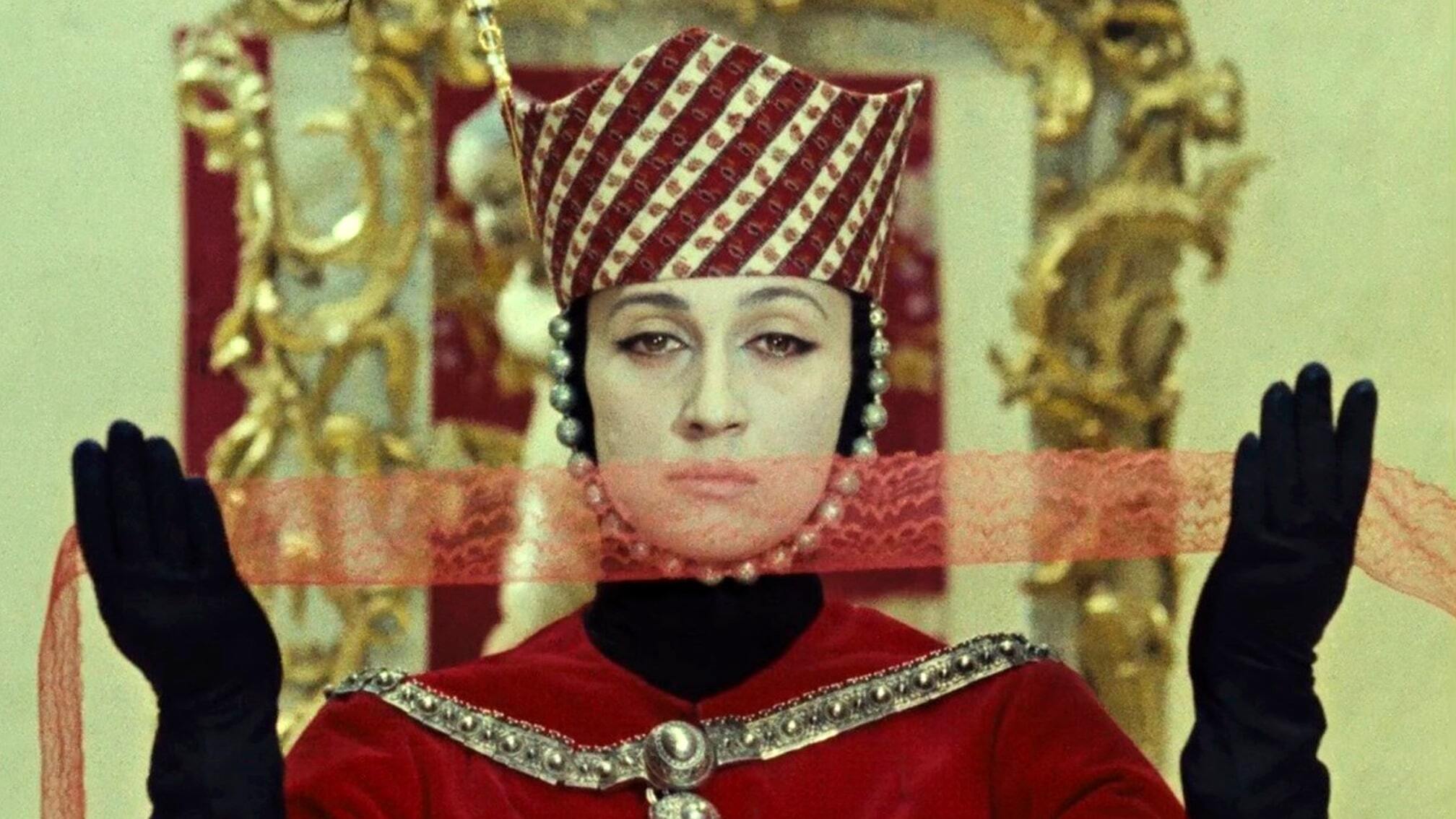
A visually acclaimed Armenian film that follows the biography of the poet Sayat-Nova through a series of scenes that are aesthetically sublime and replete with stories on suppression, persecution and love.
Like Water for Chocolate (1992)
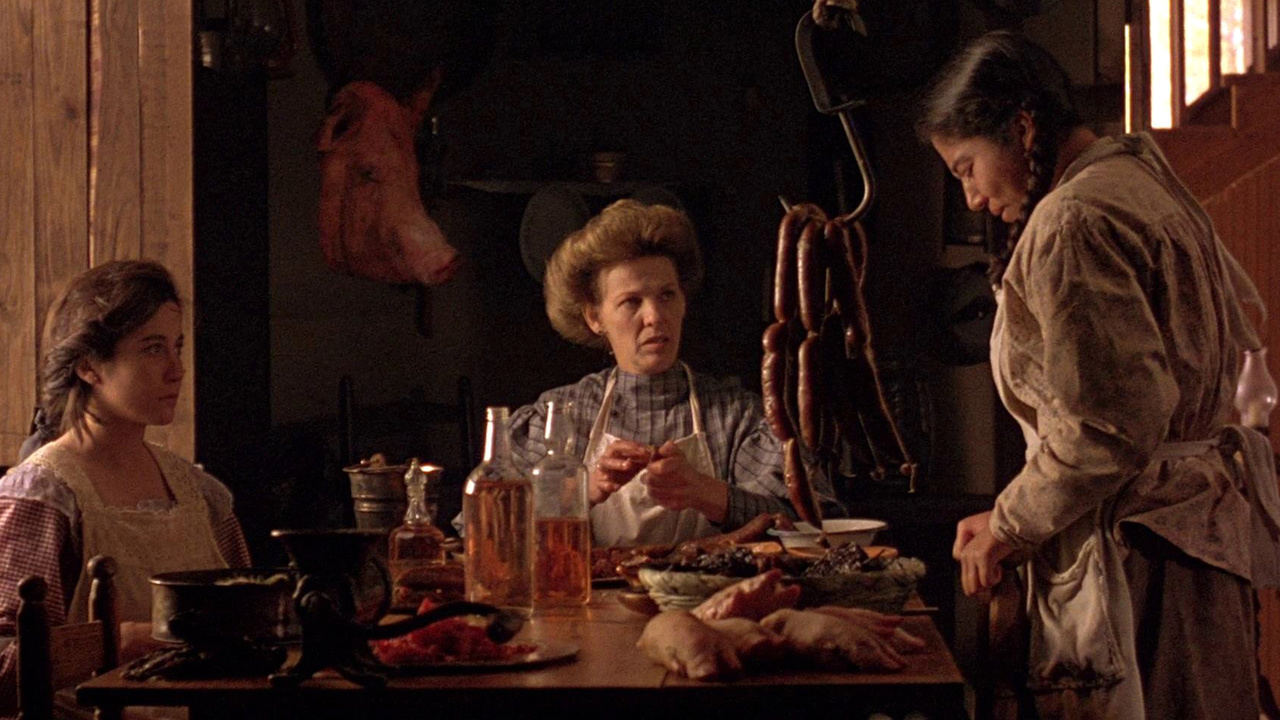
A critically acclaimed Mexican film based on the novel by Laura Esquivel that explores patriarchal and matriarchal roles, tradition, feminine archetypes through the protagonist’s love for cooking, in the style of magical realism.
Library
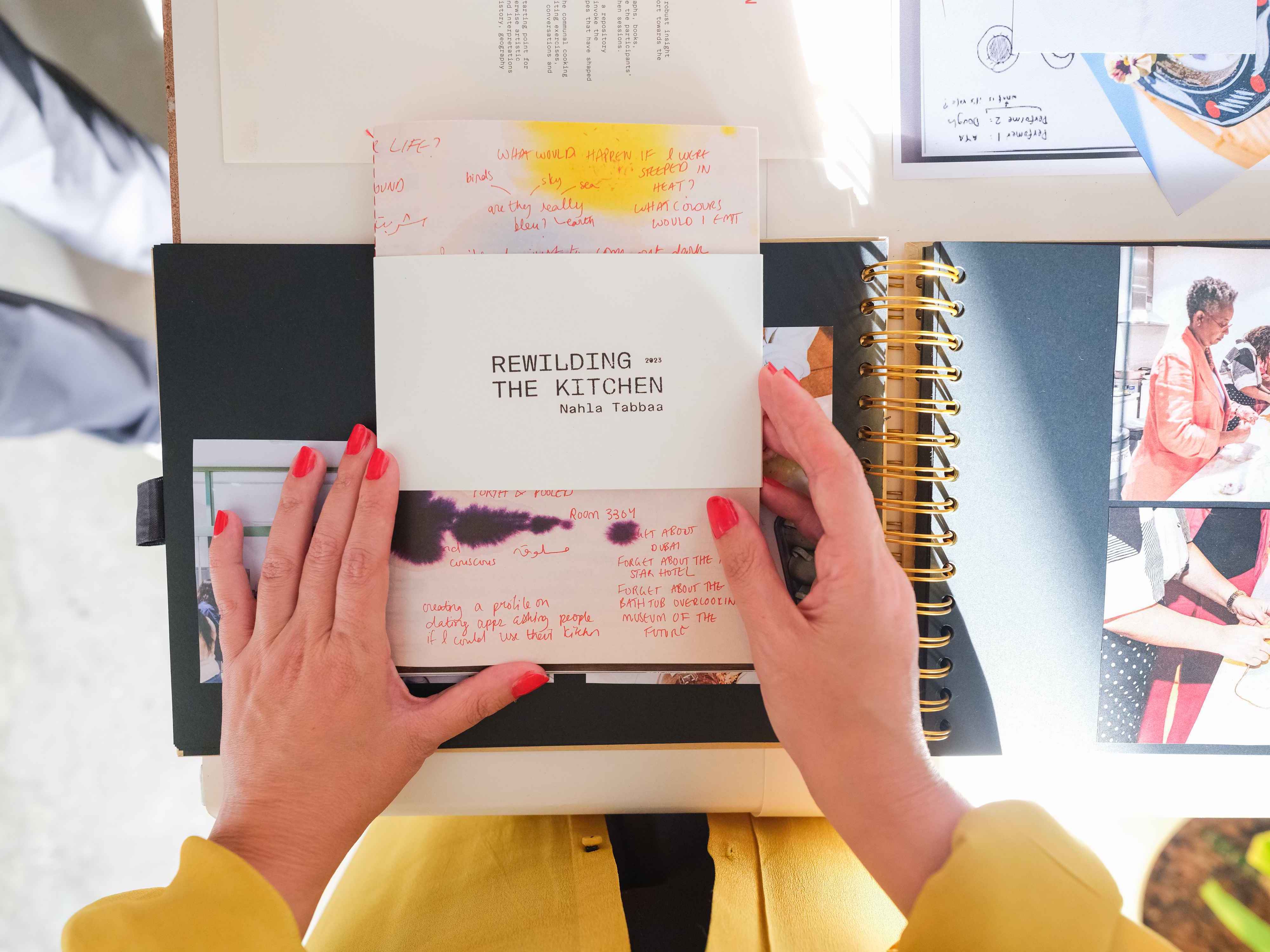
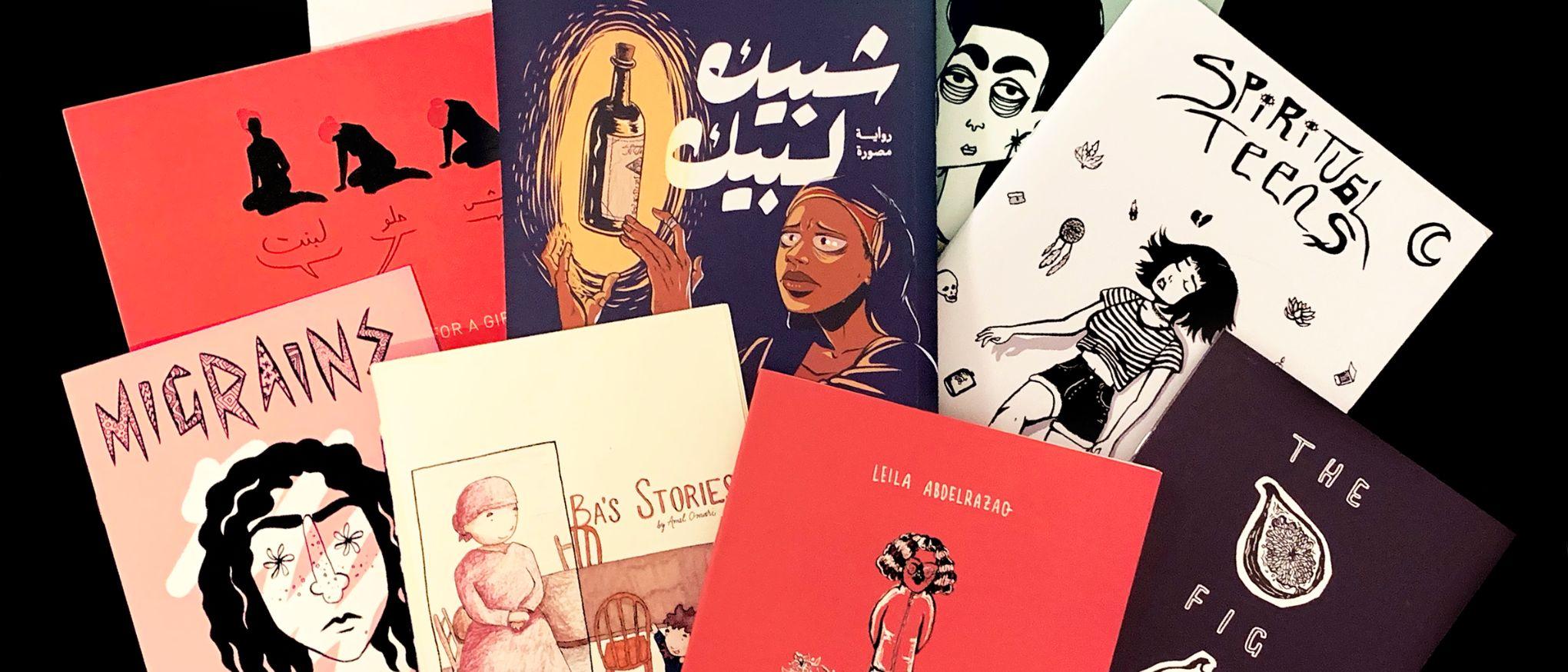
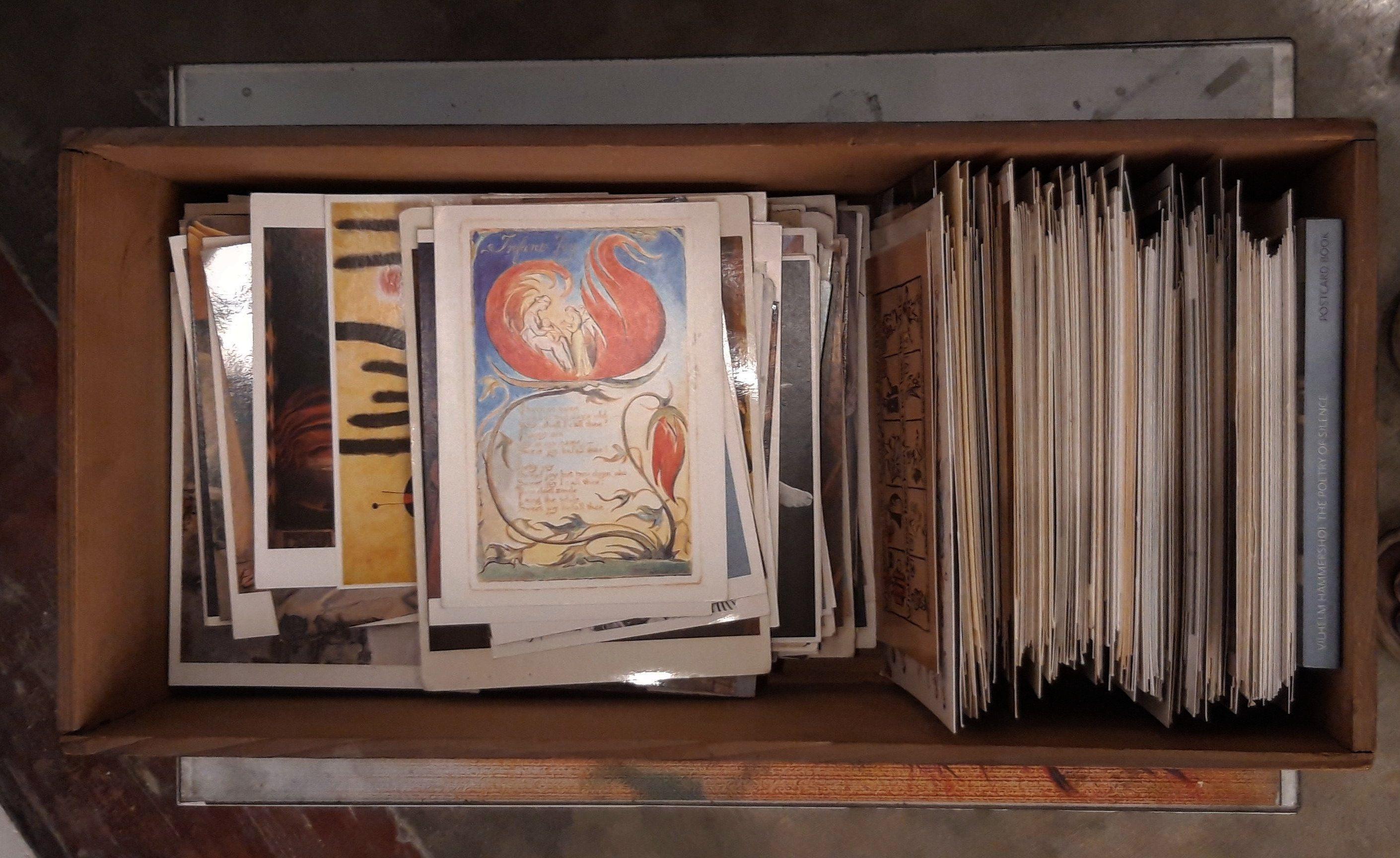
Nahla Tabbaa loaned her collection of cookbooks, zines and novels around food as references to inspire the cohort to develop recipes, modes of display and histories surrounding the culinary landscape. In collaboration with Alserkal Arts Foundation’s design team, recipes, imagery and fictional writing were submitted by the cohort to contribute to an experimental exhibition booklet that can also be read as a recipe book.
Biographies: Participants
Abbie De Garza is a musician, painter, and photographer with a multicultural background in Dubai. She studied art, fashion, business management, and digital marketing at Parsons NY and Emirates Aviation University, and has been recognised by National Geographic Arabia, Dubai Tourism, Gulf Photo Plus, and the Dubai Food Festival.
Abdullah Al Kindi, an Emirati artist born in Abu Dhabi in 2001, navigates the nuances of societal and Bedouin individualism, informed by his own heritage, using paint, sculpture, performance, and writing.
Abeer Loan is a visual artist who spent her formative years in Bahrain, completed her BFA in Visual Arts from BNU Lahore and her MFA from Ruskin School of Art, University of Oxford. She works in installation, printmaking, embroidery, and found objects.
Andrew Riad (b. 2000, Cairo) is a Coptic Nubian Egyptian artist and poet exploring the intersection of poetry, research and law, working with textiles, text, sound, food, nature, and photography. He graduated from New York University Abu Dhabi in 2022 and is a recipient of the Salama Bint Hamdan Al Nahyan Emerging Artists Fellowship.
Aya Afaneh is a Palestinian artist curious about the intimacies between ecologies and the body, centring food within her artistic practice. She graduated from New York University Abu Dhabi in 2021 and is a recipient of the Salama Bint Hamdan Al Nahyan Emerging Artists Fellowship.
Bhavika Bhatia completed her B.Des in Visual Communication from Symbiosis Institute of Design, Pune, and co-founded Moreish, a home-grown dining concept restaurant in Bombay.
Farah Nasrawi is an interior designer turned visual artist, art workshop facilitator, and art trail curator, working in watercolour, acrylic paints, ink, concrete and plasticine.
Jehan Ali earned her BFA in Interior Design from the American University of Dubai in 2001 and has exhibited internationally in New York, Tokyo, Madrid, Korea and Switzerland, as well as locally in Dubai, Ras Al Khaimah and Abu Dhabi. Her book DELVE An Artful Book was released in 2019.
Dr. Lamya Tawfik is an Egyptian performing artist, actress, storyteller and presenter who has performed with theater groups in Dubai since 2009, including Danú, Dubai Drama Group, ITACA, DramaDonne, and Artbox Group. She holds a Doctorate in Childhood Studies from Ain Shams University in Cairo.
Luchie Suguitan is head of products and COO at Co Chocolat, a UAE healthy chocolate brand, and holds the title of Maître Chocolate Maker from Ecole Chocolat.
Narimene Hakimi is a graduate of L’Ecole Superieure des Beaux-Arts d’Alger (ESBA) in Algeria working primarily in ceramics.
Richi Bhatia is a multidisciplinary artist and researcher who earned her MA in Painting from Maharaja Sayajirao University of Vadodara and a Diploma in Curatorial Studies from Dr. Bhau Daji Lad Museum, Mumbai.
Shannon Ayers Holden is the Community Relations Manager at Alserkal Avenue, with professional experience at arts and cultural institutions and corporate business environments. She holds a BA from Smith College, Massachusetts.
Shereen Saif is an actor, dancer, and artist trained in Bharatanatyam, Mohiniyattam, and Kathak, and an alumna of the Salama bint Hamdan Emerging Artists Fellowship (2021-22). Her solo storytelling show “A Woman’s Mind” was awarded the Abu Dhabi Cultural Foundation Production grant in 2021.
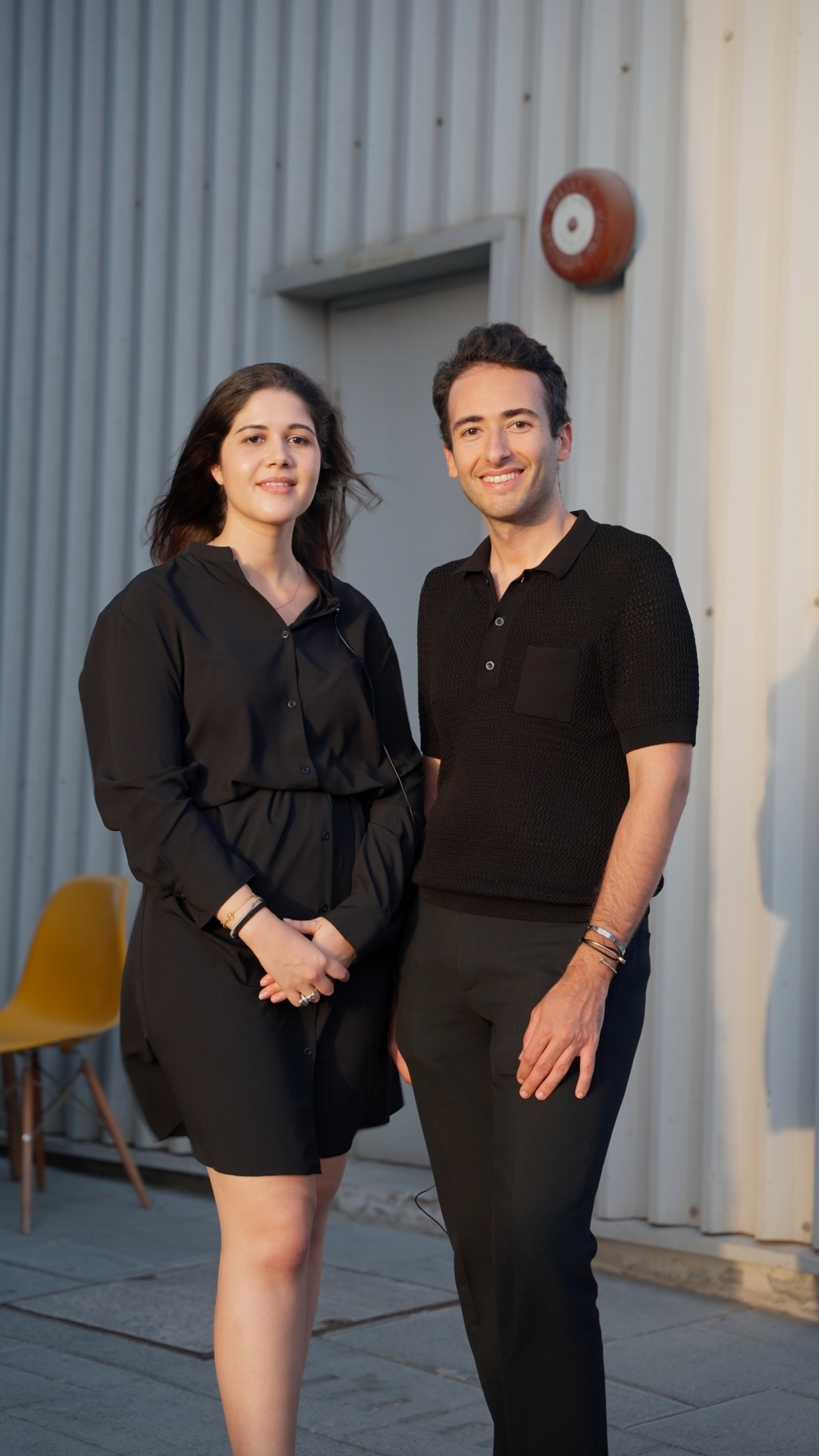
kōl is a food curation project founded by Zina Akrout and Fouad Boudjedra that explores the relationships between food, society, and identity. Zina holds degrees in Public Policy, Entrepreneurship, and Geography of Food; Fouad is a strategist with a curiosity for food's cultural, historical, and political dimensions.
Session Hosts
Andrew Riad (b. 2000, Cairo) is a Coptic Nubian Egyptian artist and poet exploring the intersection of poetry, research and law.
Moza Almatrooshi (b. 1991, Dubai, UAE) looks at narratives from ancient and contemporary mythologies in the Arabian Peninsula. In 2019 she gained an MFA from the Slade School of Fine Art (UK) and a diploma in culinary arts from ICCA Dubai (UAE) in 2020. Her artworks have been performed in the Victoria & Albert Museum (London) and displayed in the second Lahore Biennale.
The Alchemy of Dyeing (2020-2023) is a research platform conceived by fashion designer Mehru Khan and artist Nahla Tabbaa that dives into the alchemy of colour making, urban foraging, textile dyeing, chromophobia, and taste making, collaborating with entities including the Irthi Crafts Council, Al Hosn Heritage Festival and the Jameel Arts Centre.
Chef Priyal Mehta's culinary creations are plant-based and vegetarian, inspired by her childhood memories in Thailand, Hong Kong, and her Indian roots. She earned her BBA in Strategic Design Management from Parsons, New York, and trained at The Natural Gourmet Institute in New York. She curates private dining experiences under her brand Dulce de Mirchi.
Sondos Azzam is a Dubai-based artist who earned her MA in Design for Art Direction at London College of Art and her BFA in Fine Art from Central Saint Martins, focusing her practice on the consumption of food.
Kevin Jones is Director of Strategy at Alserkal. He has been the UAE Desk Editor for ArtAsiaPacific since 2004 and has contributed to The Art Newspaper, artforum.com, ArtReviewAsia and FlashArt International. He holds a BA from Northwestern University and an MA from the Université Sorbonne Nouvelle, Paris.
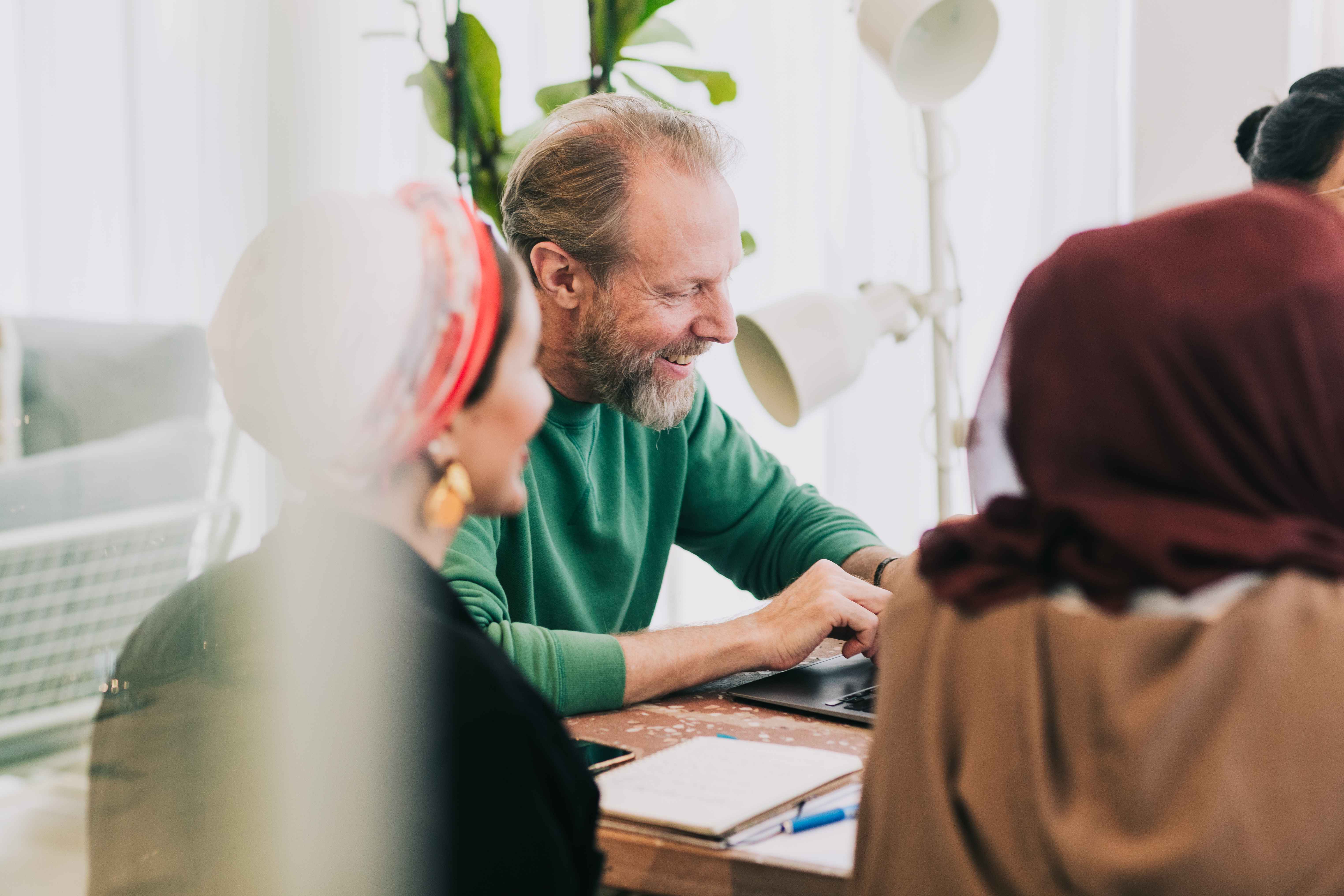
Curator
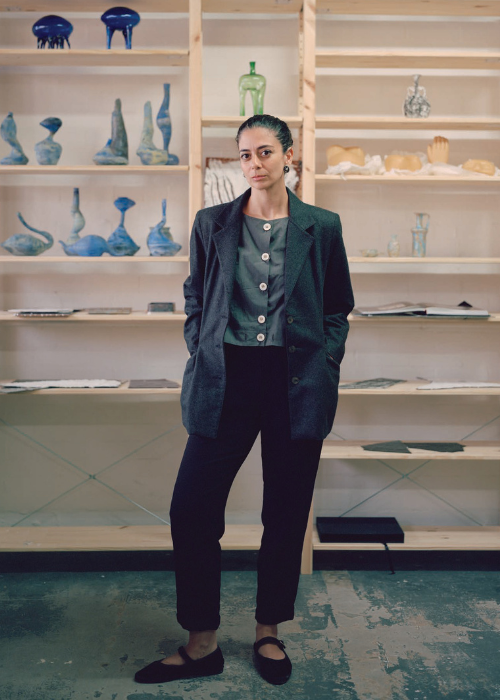
Nahla Tabbaa (b. 1986, Amman, Jordan) is an artist whose practice explores tensions between the urban and the organic, the beautiful and the grotesque. She earned her MA in Curatorial Practice from the Bath School of Art and Design (2012), and her BFA in Sculpture from Central Saint Martin’s College of Art and Design (2009). She previously led the community programme at Sharjah Art Foundation and is the co-founder of The Alchemy of Dyeing and Forsa School. Her work has been presented at Art Dubai (2018, 2020) and the 8th cohort of the Salama Bint Hamdan Emerging Artists Fellowship (2021).
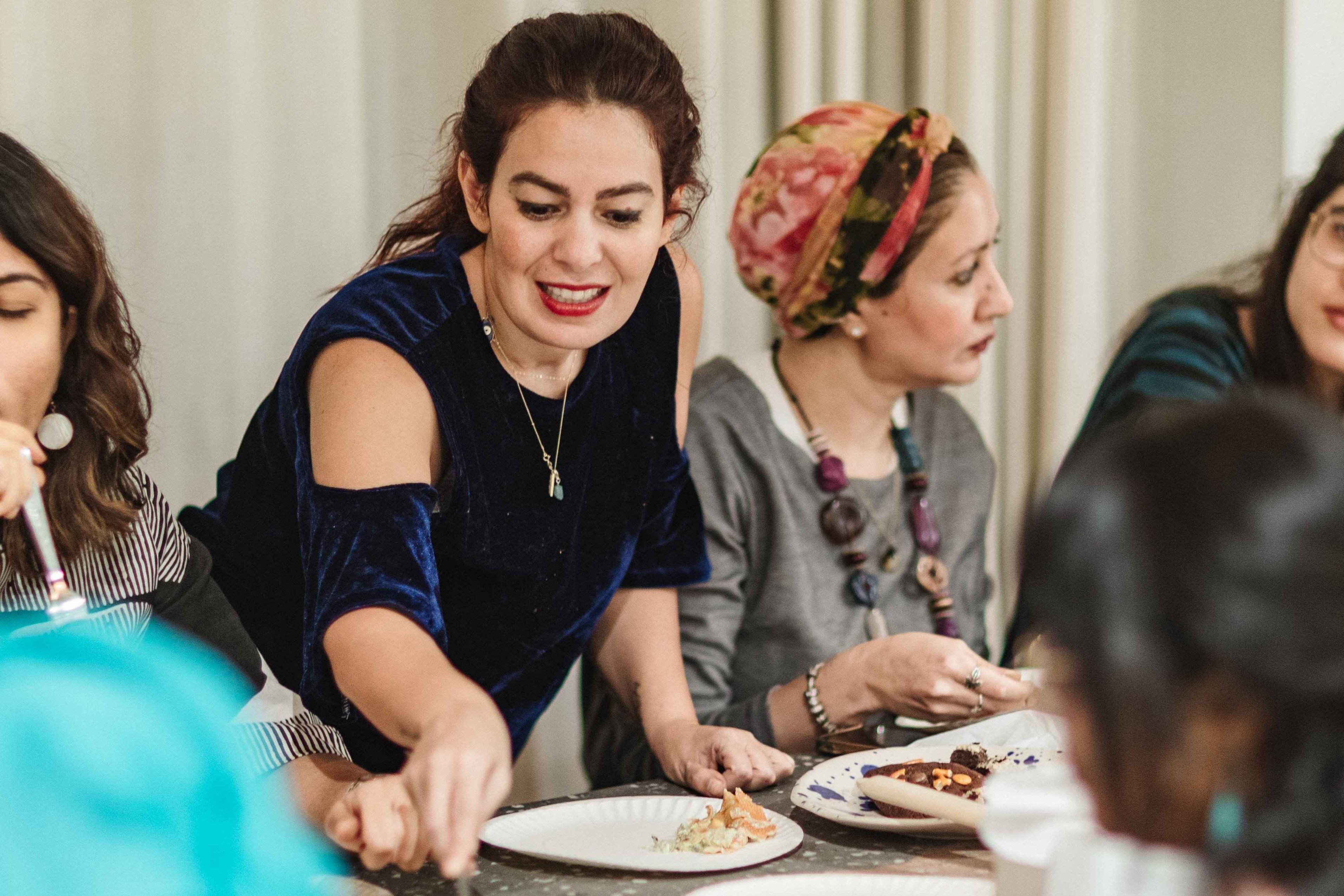
Acknowledgements
Alserkal Arts Foundation Team
Nada Raza, Diane Mehanna, Athija Alserkal, Mariam Abdellatif, Shama Nair, Natasha Wanigaratne, Laura Navarro, Nikoo Ghazvini, Sandy Zavzavadjian, Rabila Kidwai, Rahul Menon, Neha Khandwani, Nikhil Roy, Antonia Hodges, Mridula Muraleedharan, Dhils Paul, Bestin John, Muhammad Inam Afrin, Emelyn Dador, Stephen Kigoye, Rajesh Nair, Kumar Damodaran Nair, Syed Makhdoom, Hassan Hamisi Mbiru, Judith Montes, Nicoline Achu Shiri
Photography and Documentation
Seeing Things, Daryll Borja, Nino Consorte
Culinary and Production Support
Chef Dalia Arja, Chef Nadeem Khan, Punam Luhar
Open Kitchen
Open Kitchen
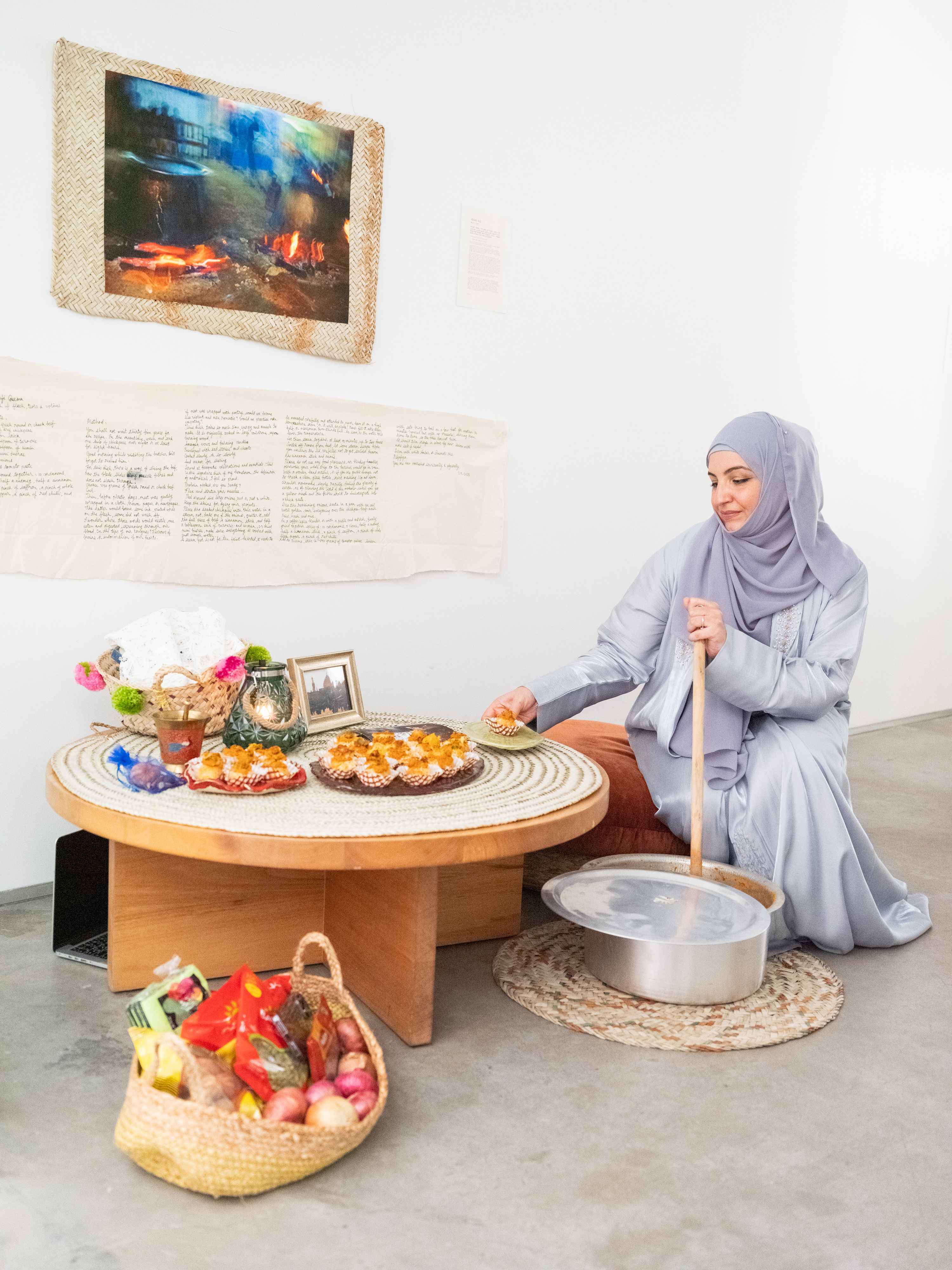
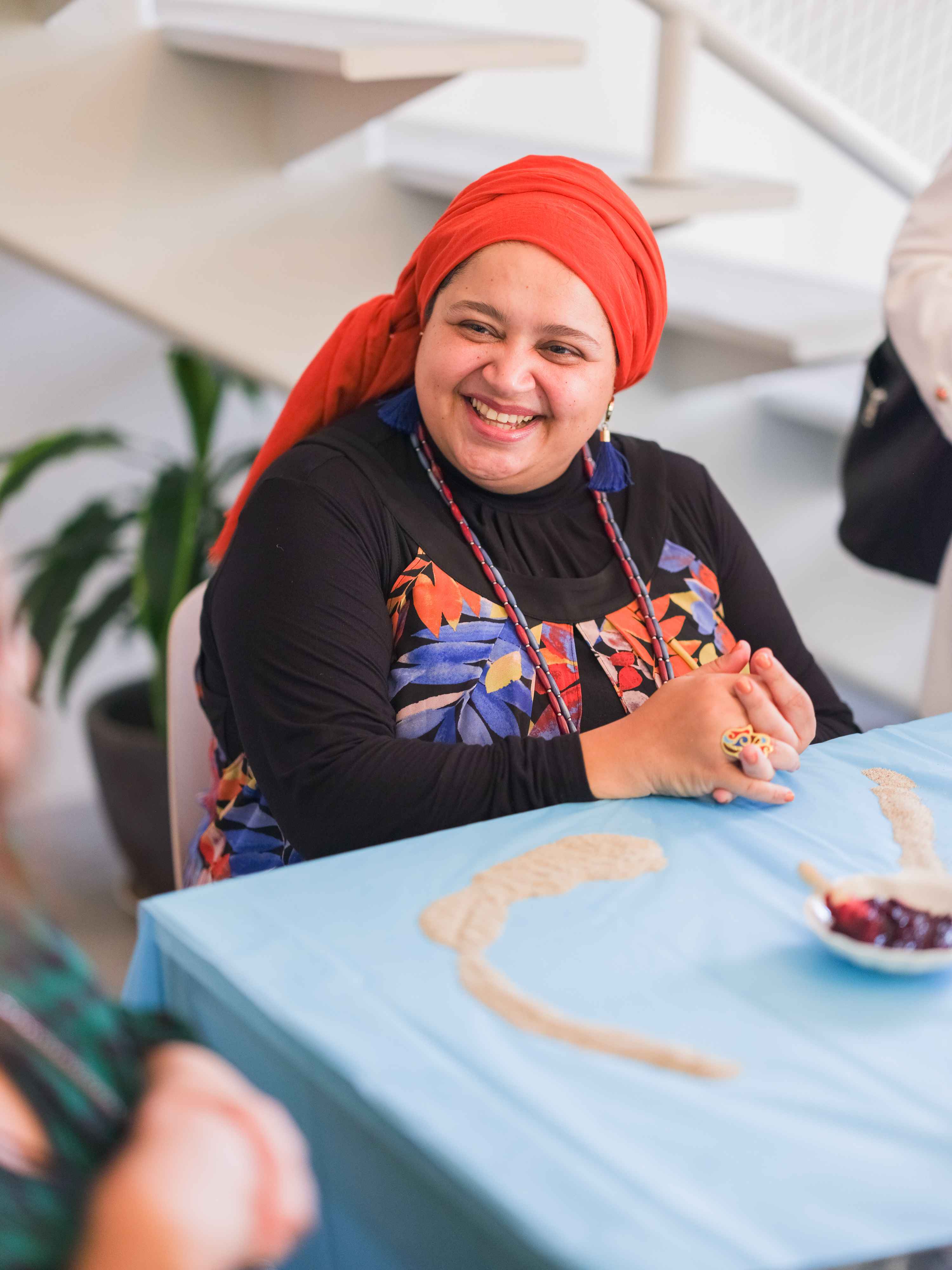
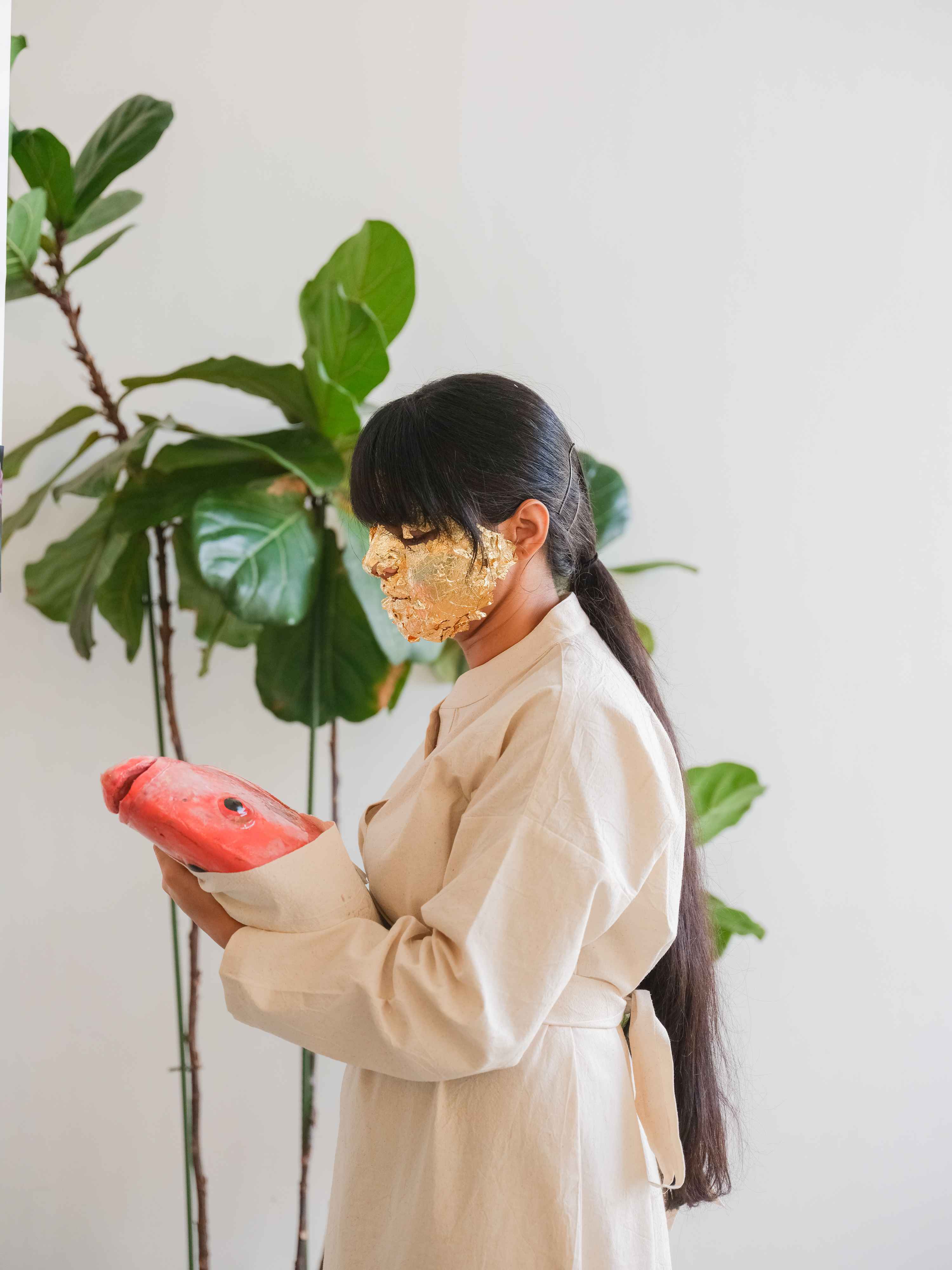
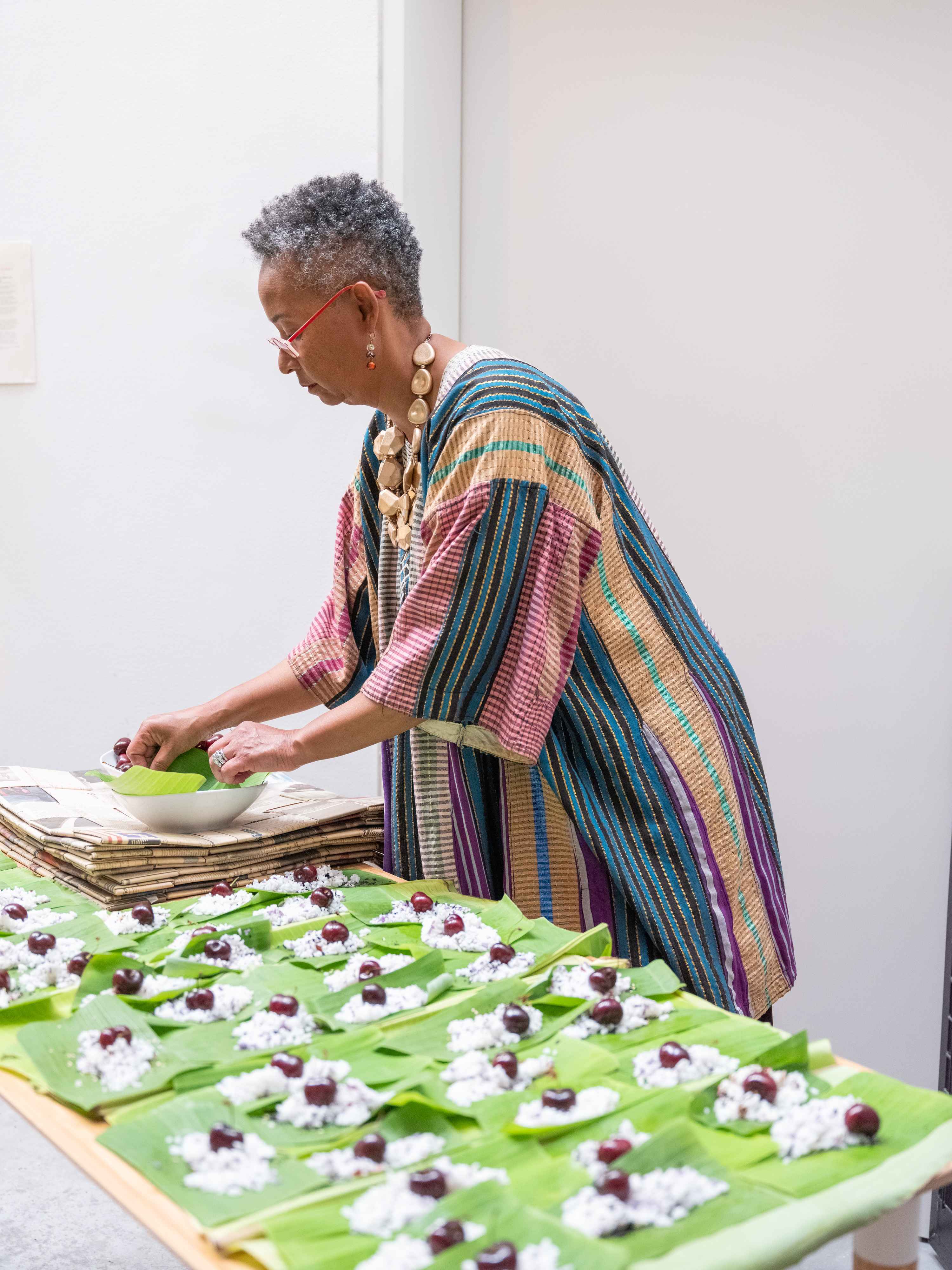
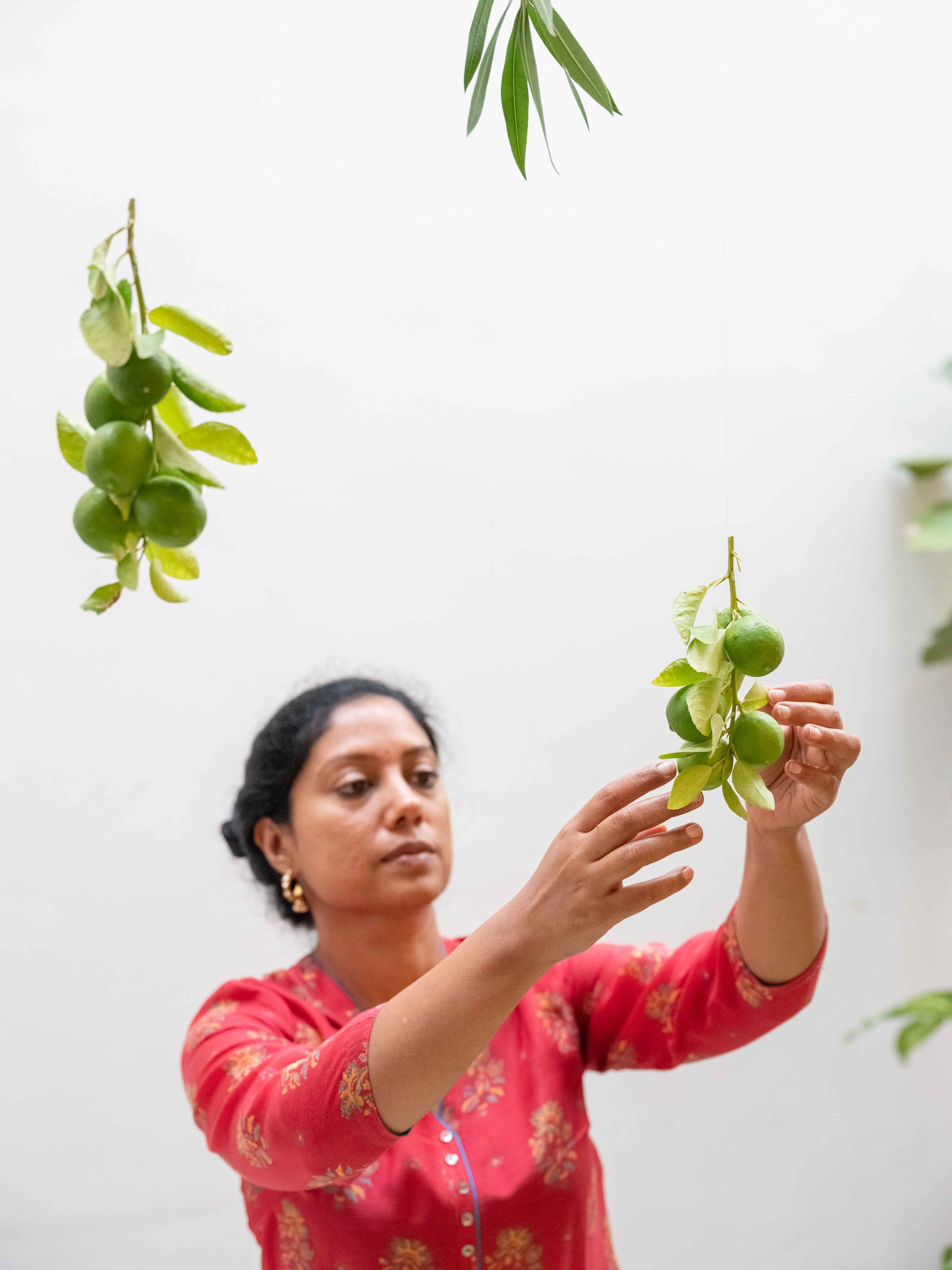
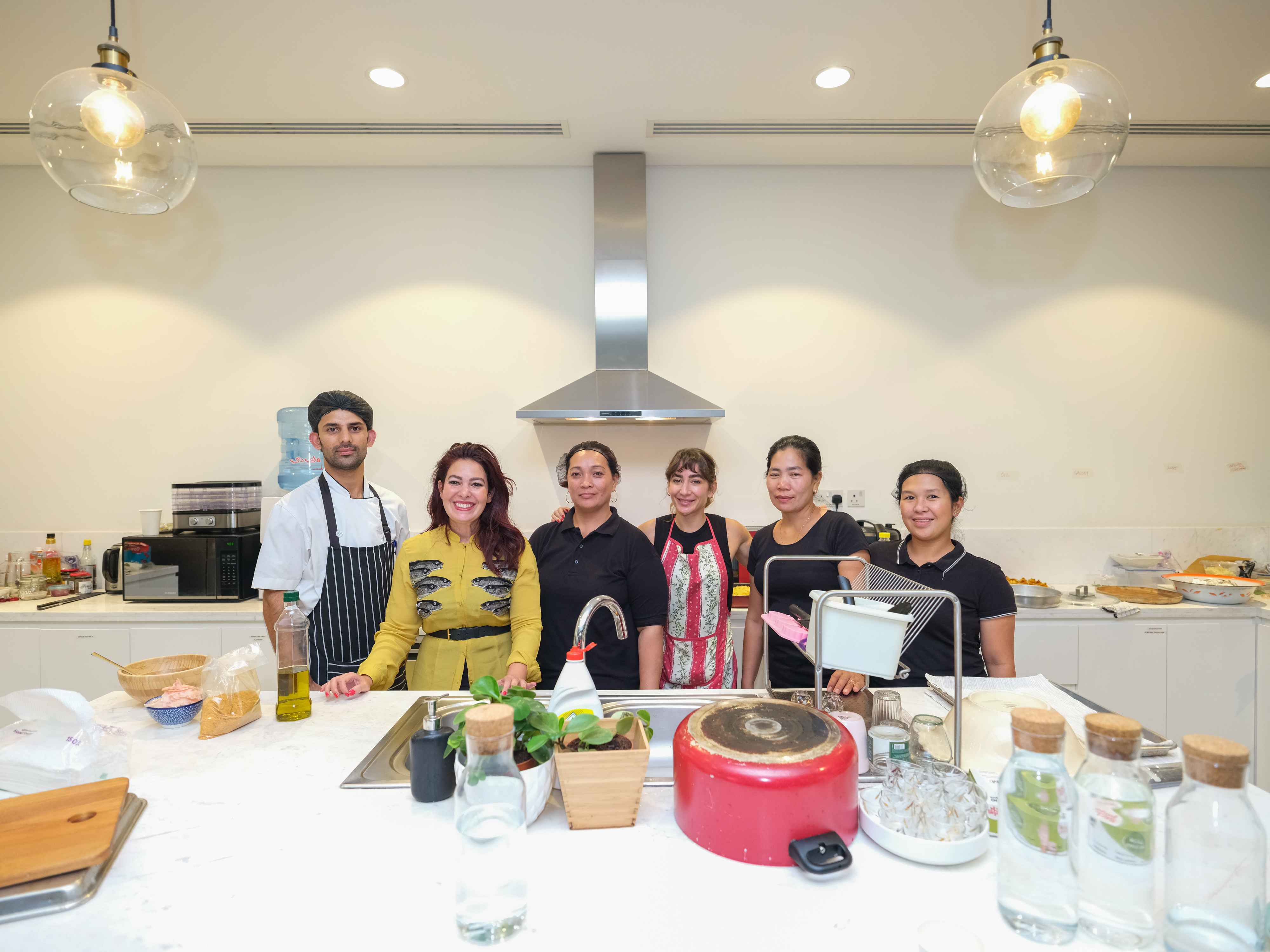
In its final culmination, the Rewilding the Kitchen cohort showcased a dynamic collection of thoughts, writing and recipes in individual performance pieces that were developed over the course of the culinary programme.
On The Menu
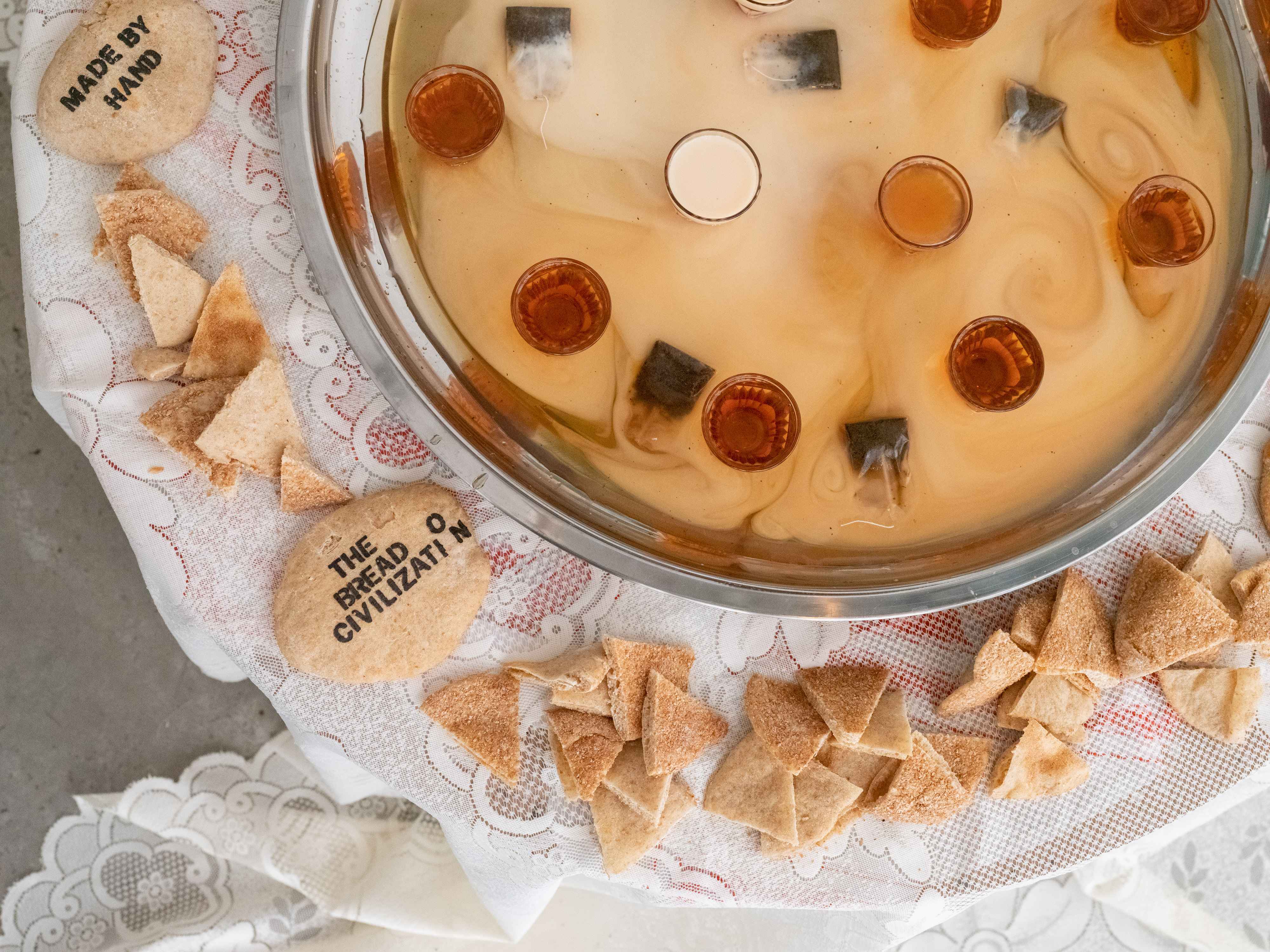
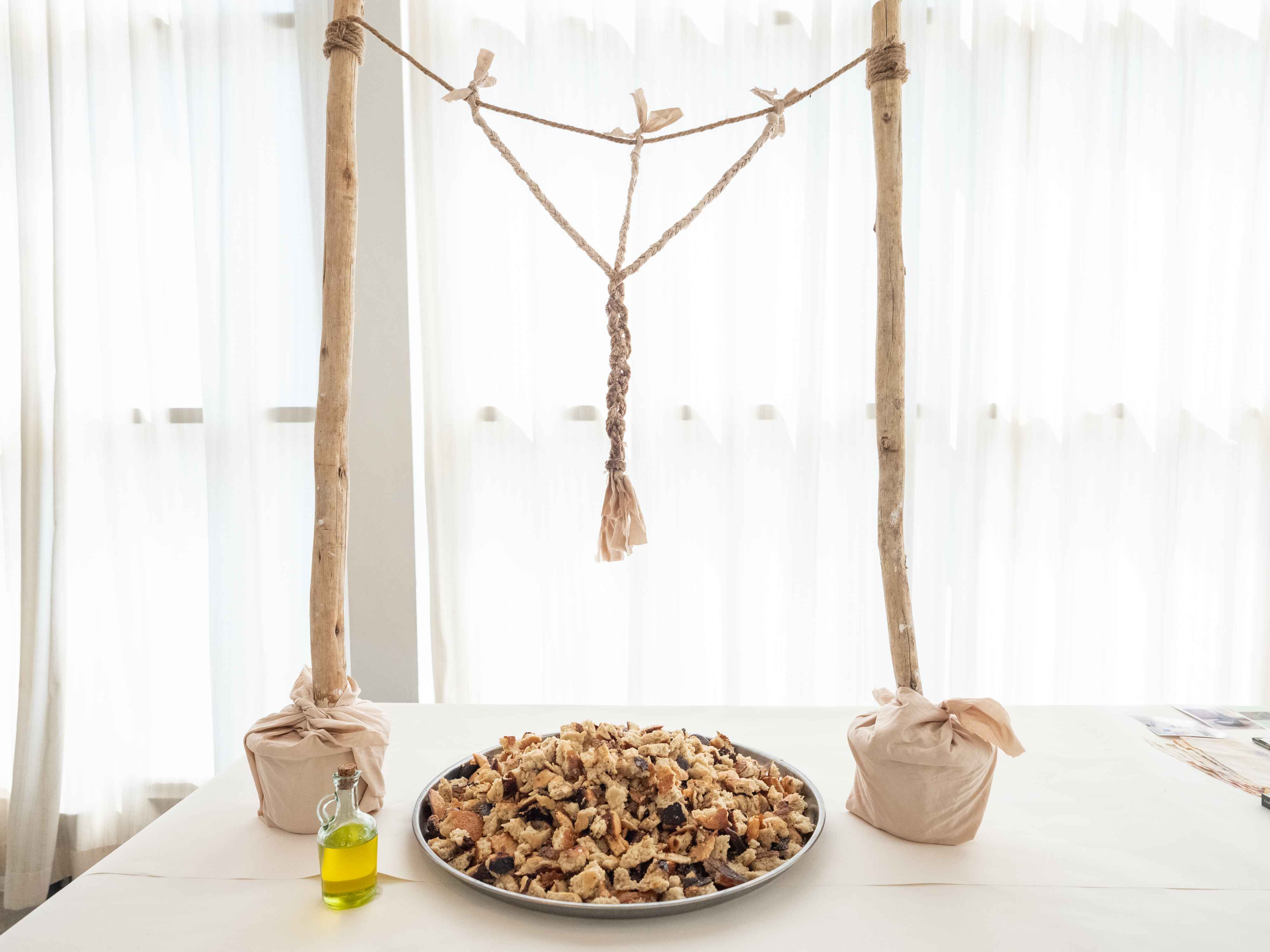
The Life of my Country [my Land] – Bread and tea, by Andrew Riad
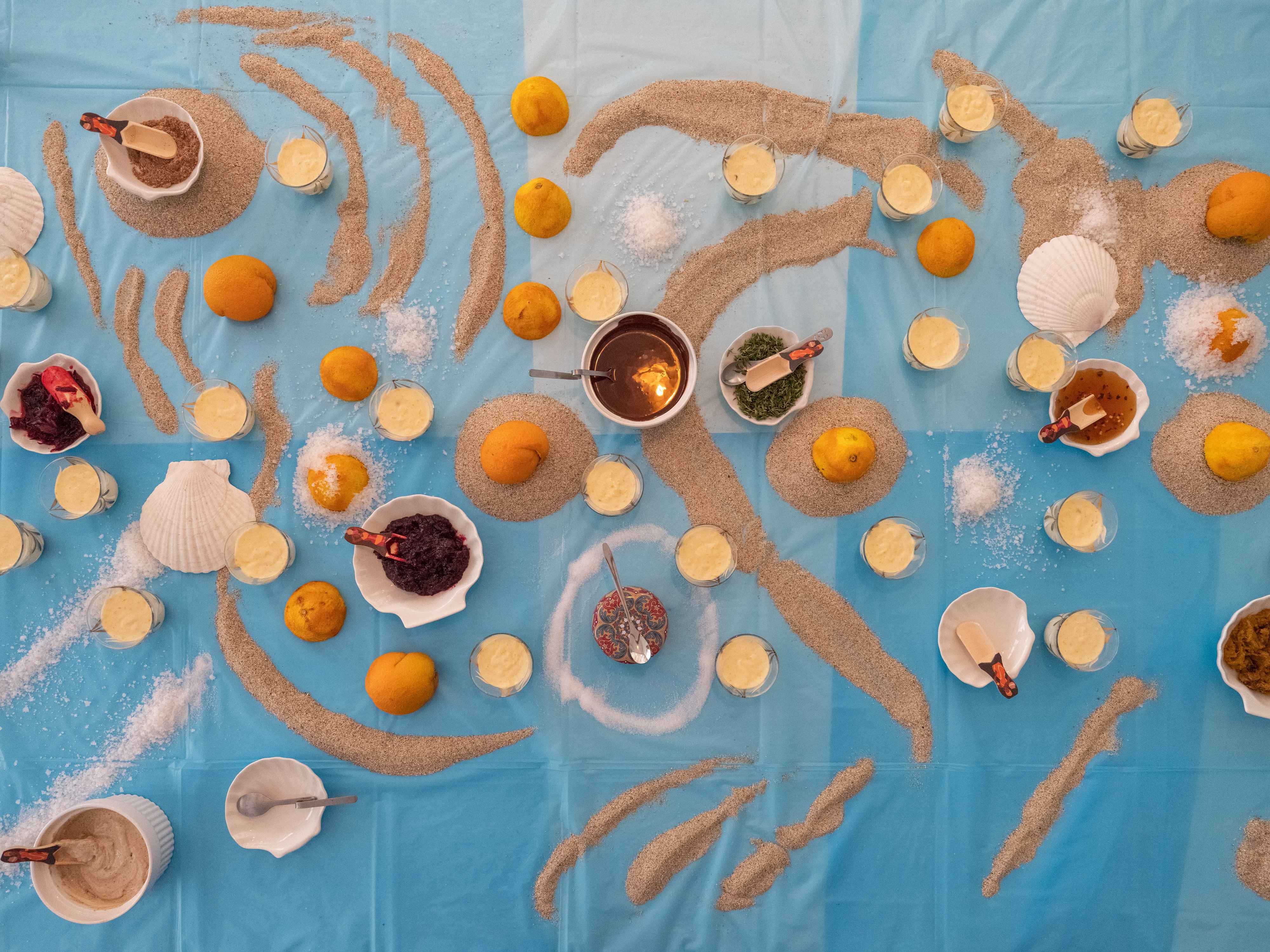
Citrusea Stories – Creamy orange pudding with customised toppings, by Lamya Tawfik
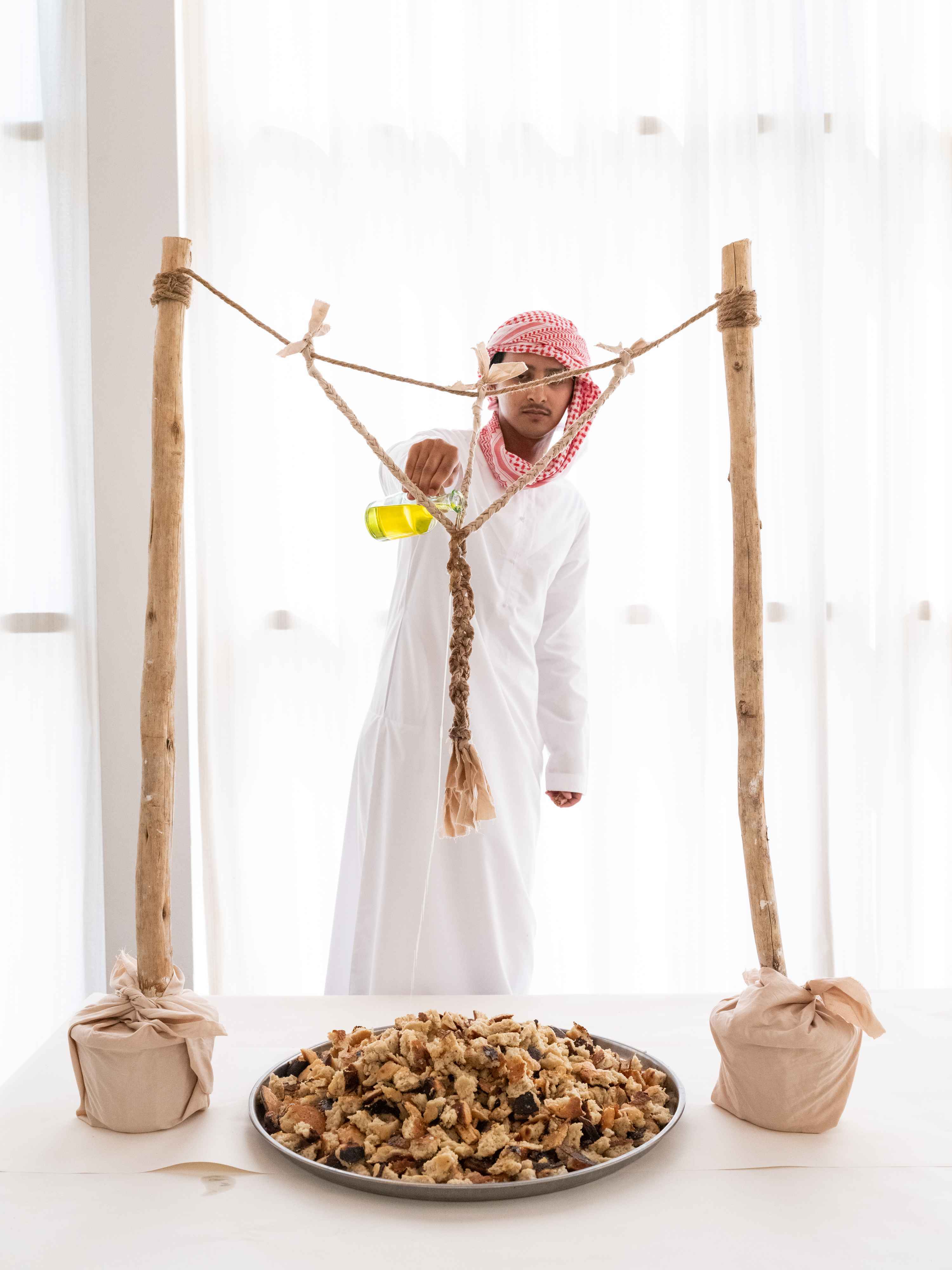
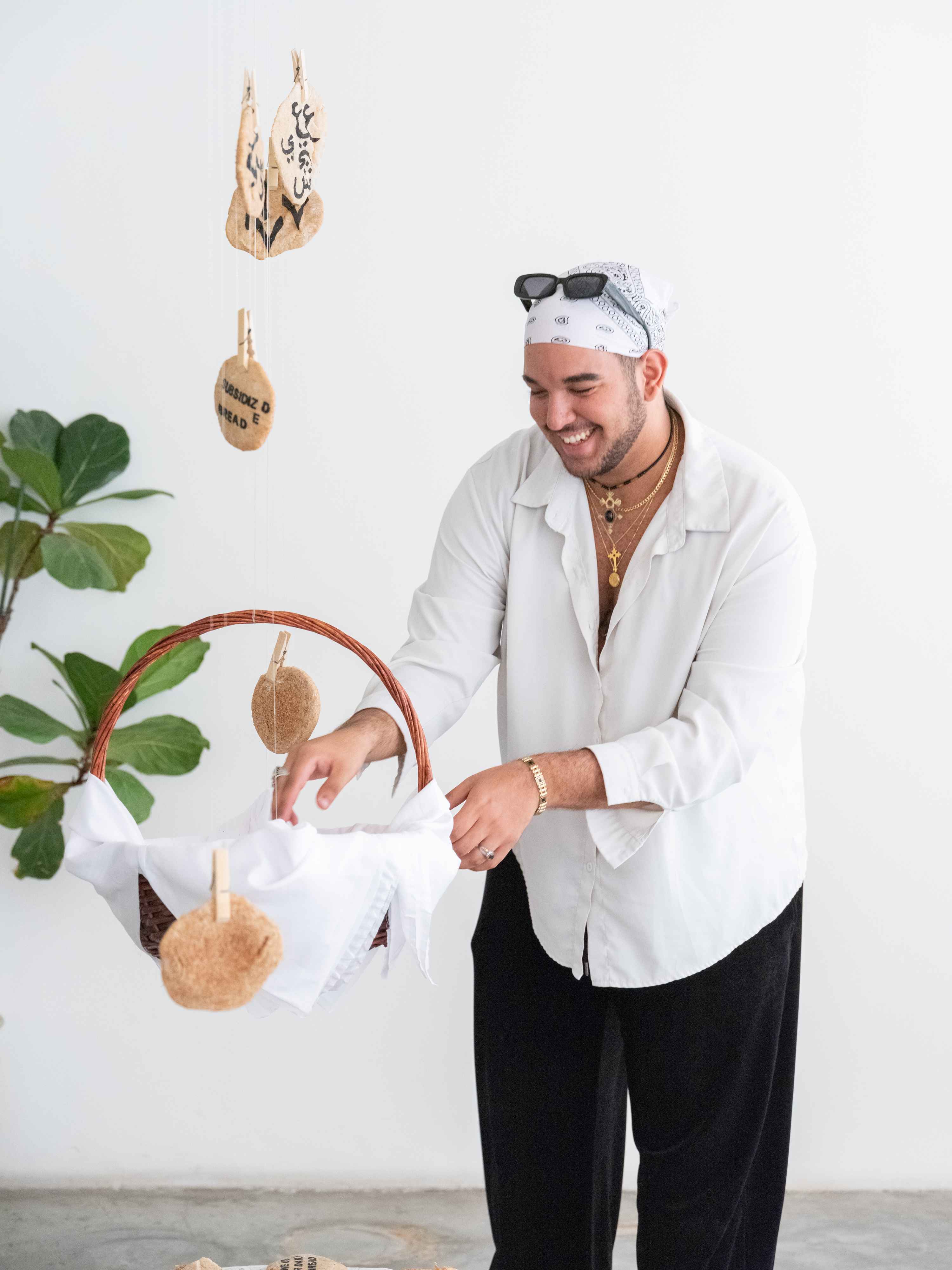
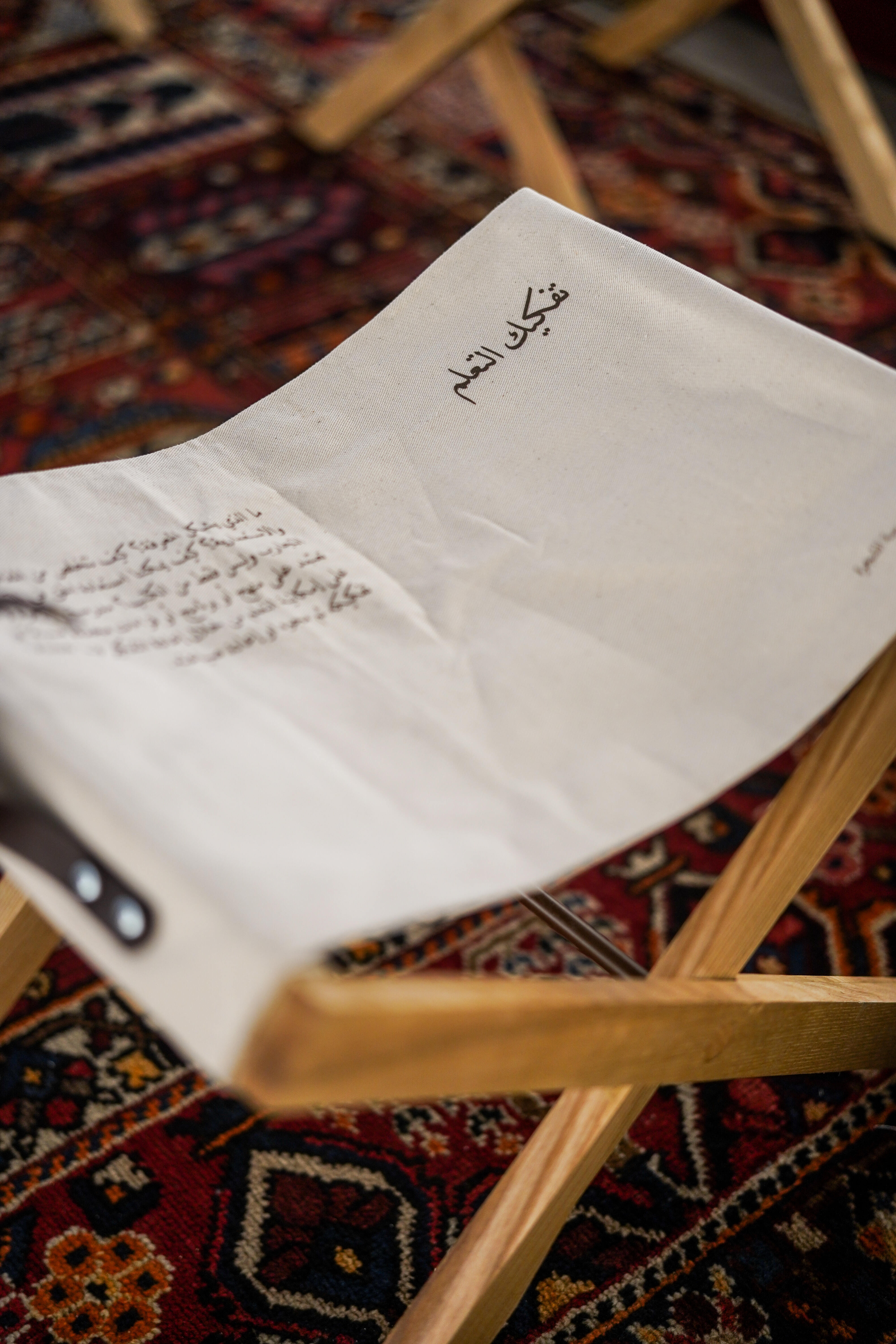
الميلان على المكتوب – Tanoor baked bread, sesame oil, salt, by Abdullah Al Kindi
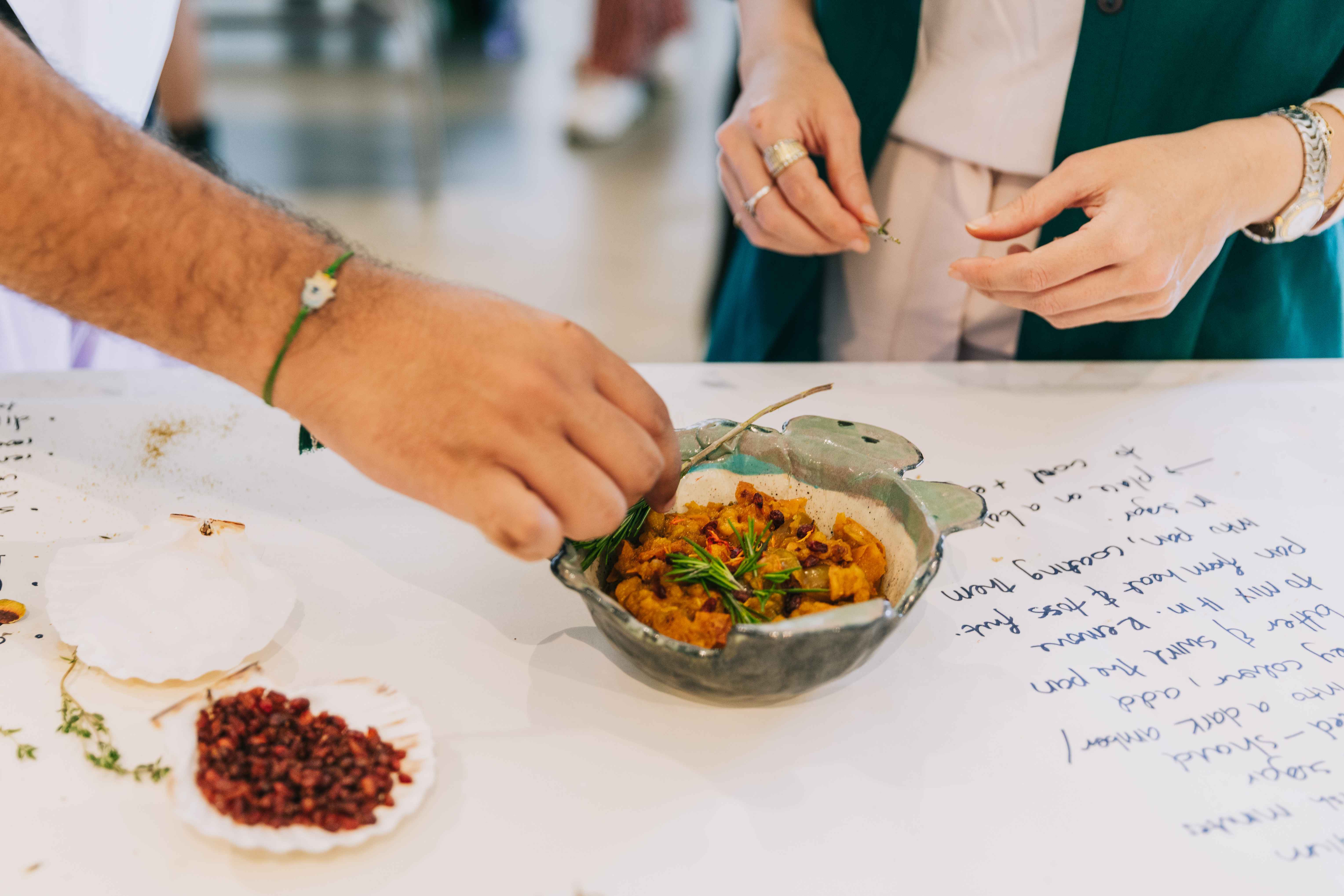
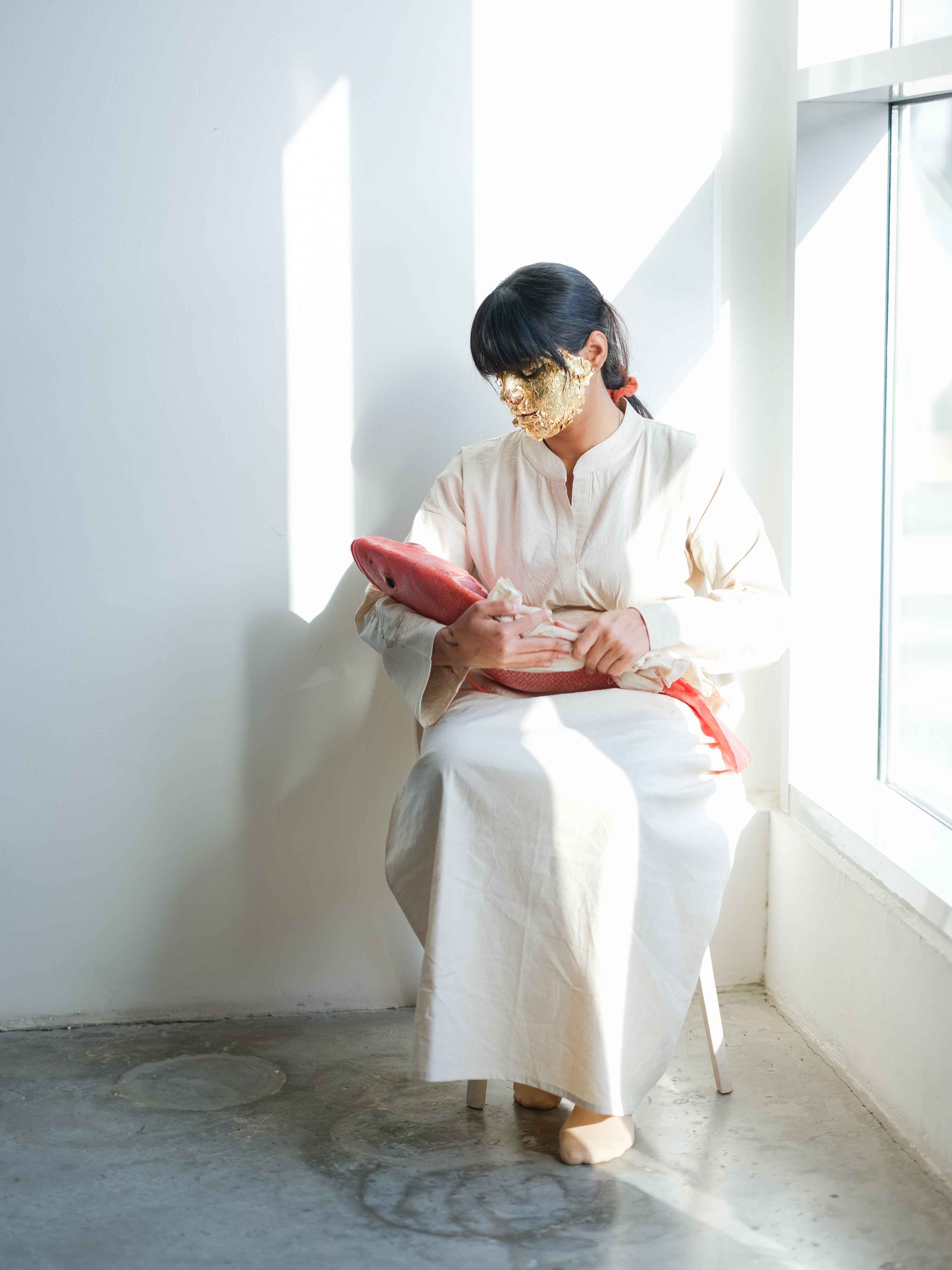
Five Morsels Of Letting Go – Pan-fried red snapper on a pounded sauce of Dubai balcony herbs and lemon, by Richi Bhatia
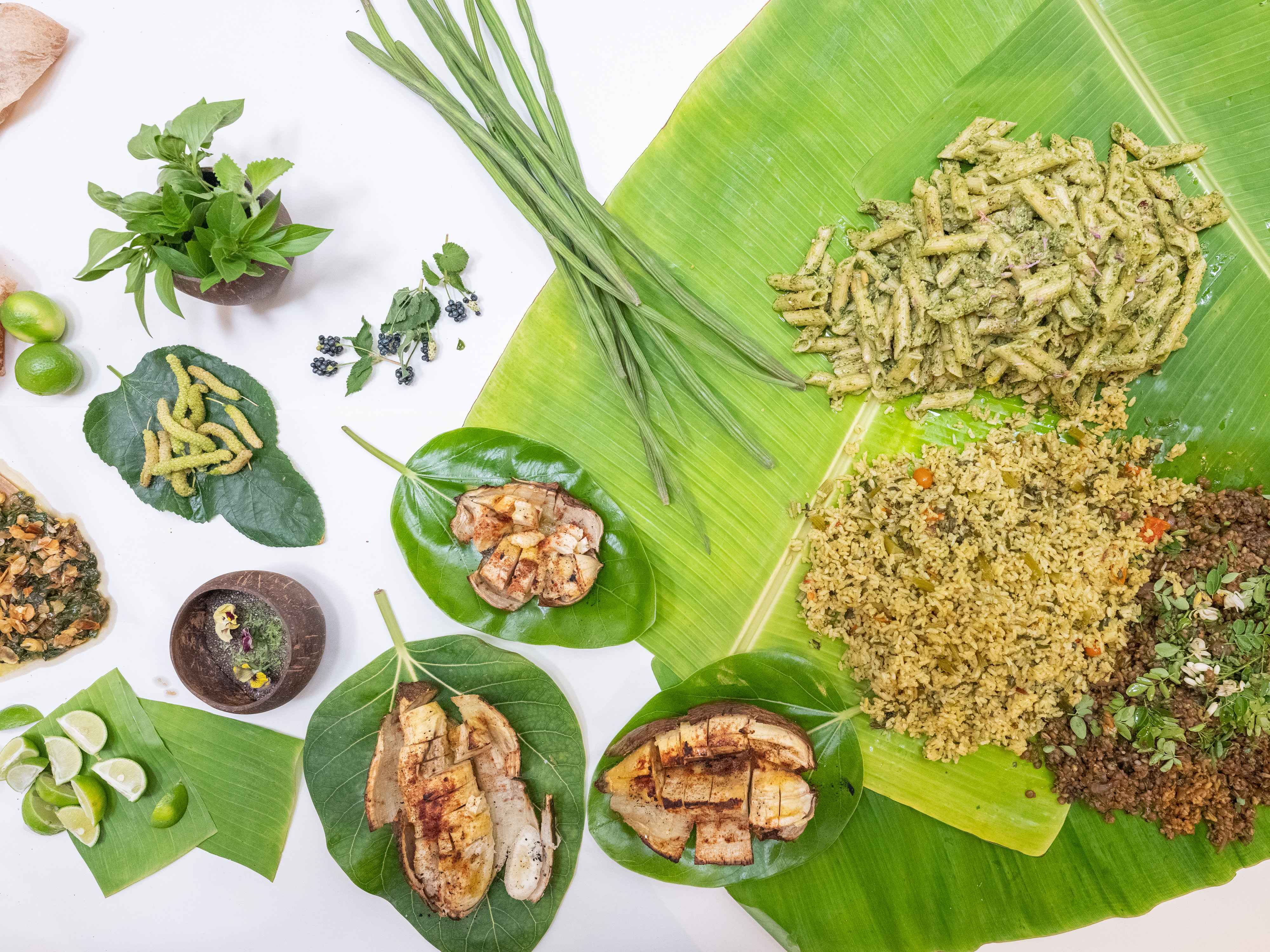
May – Vegetarian spread of foraged greens and foraged pantry staples, by Shereen Saif
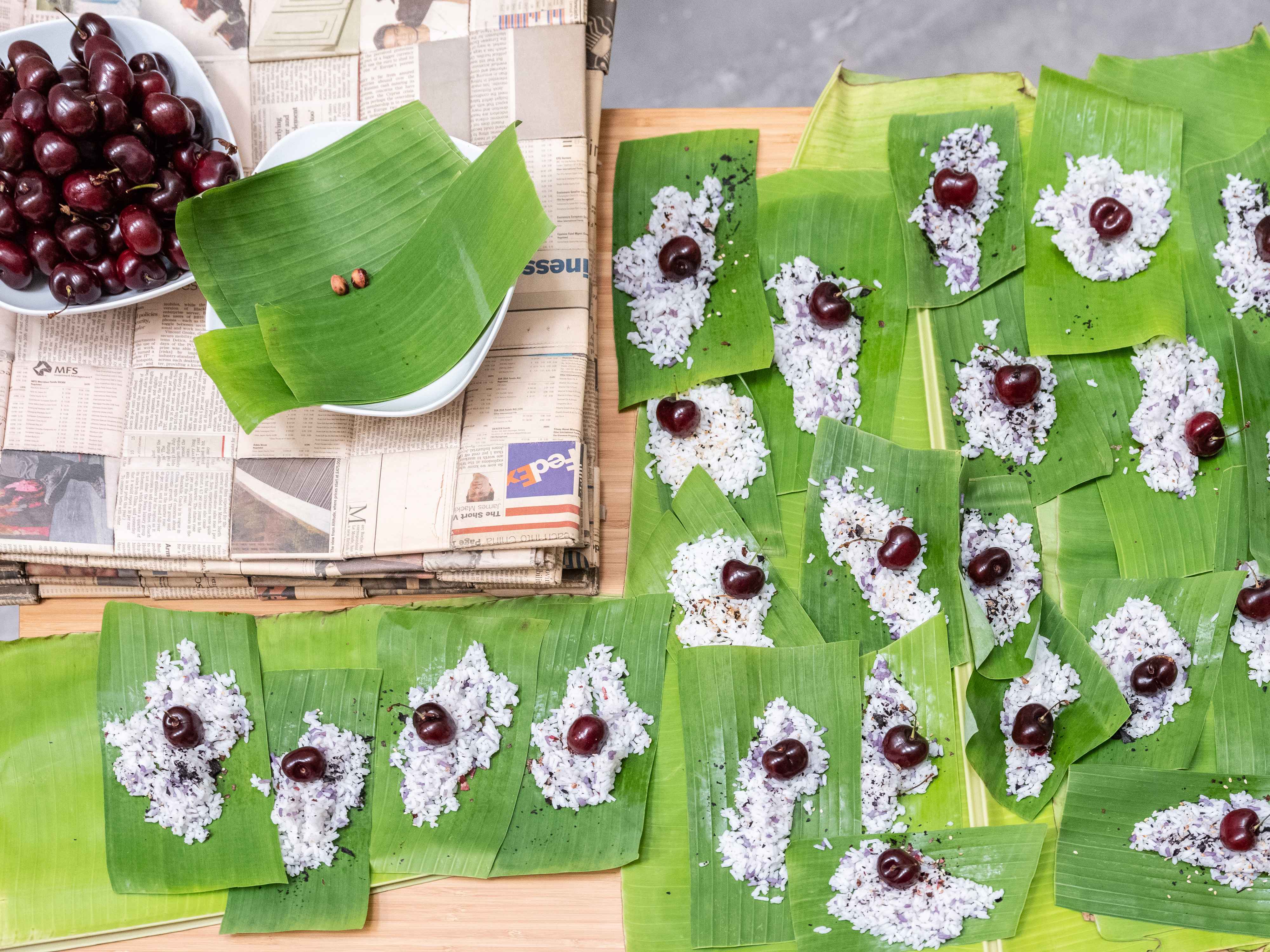
A(nother) Reckoning: The rice has the last laugh – Carolina Gold rice with butter, natural dyes and cherries, by Shannon Ayers Holden
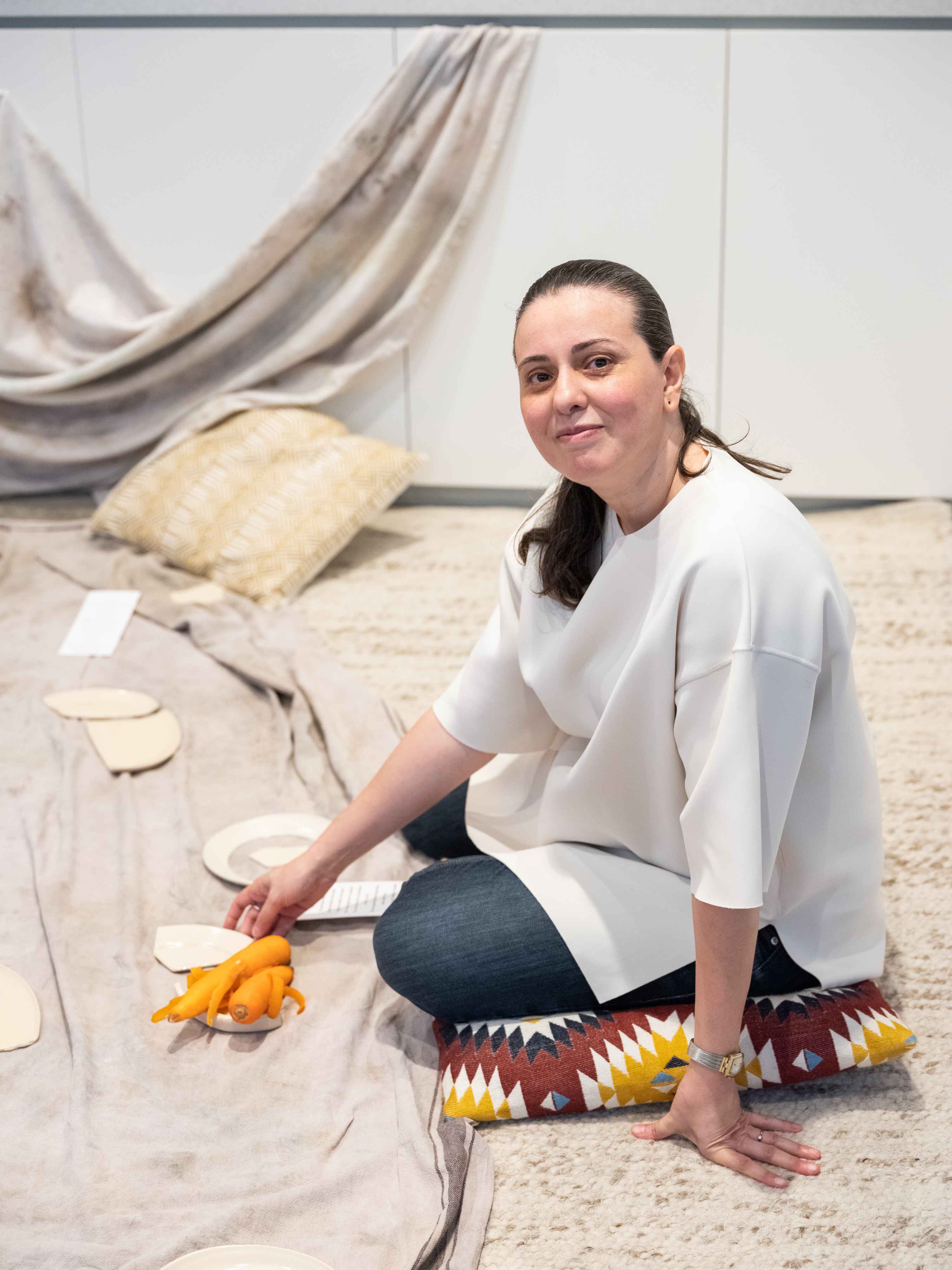
Peels on a Plate – Vegetable scraps reimagined, by Narimene Hakimi
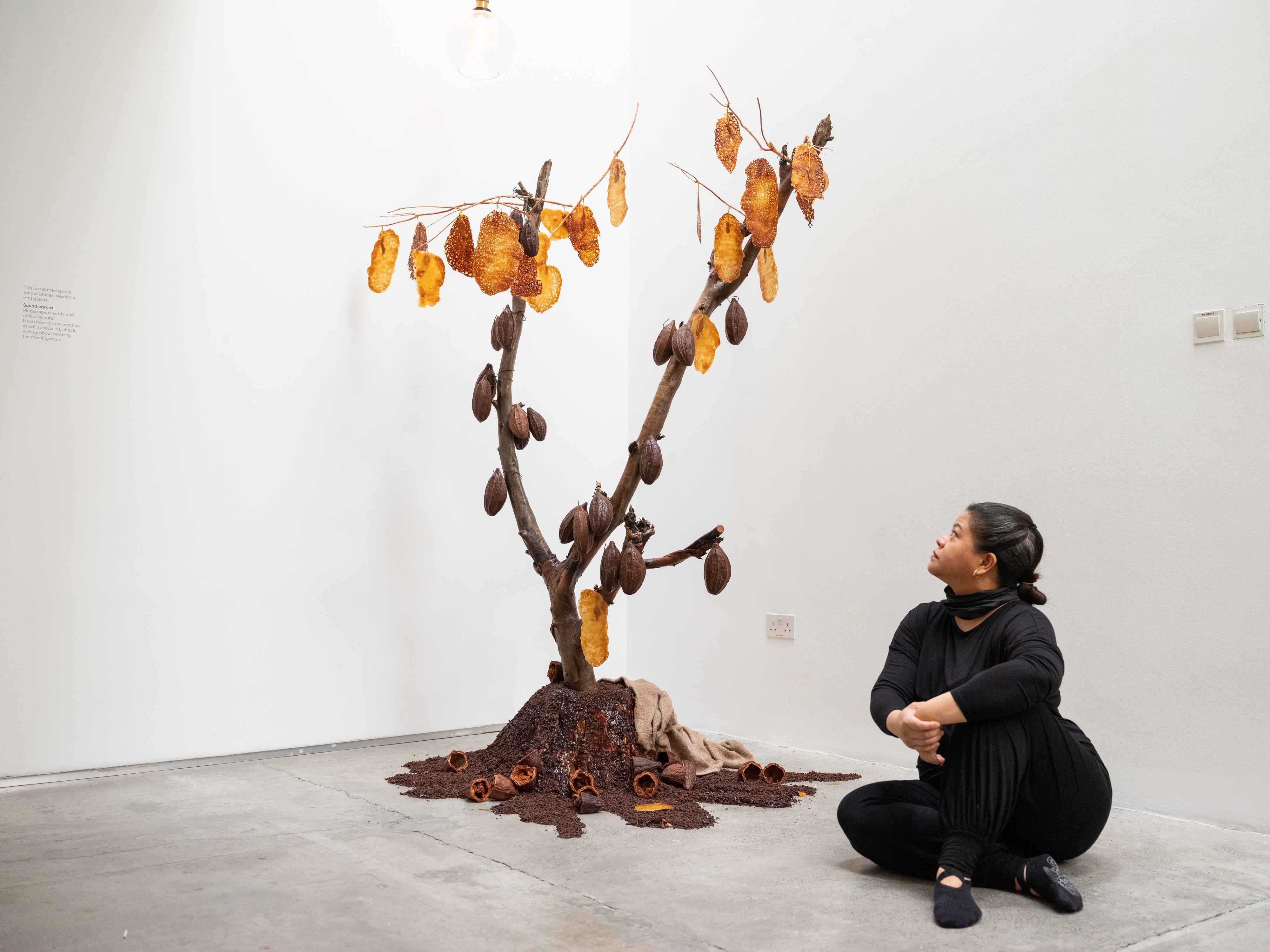
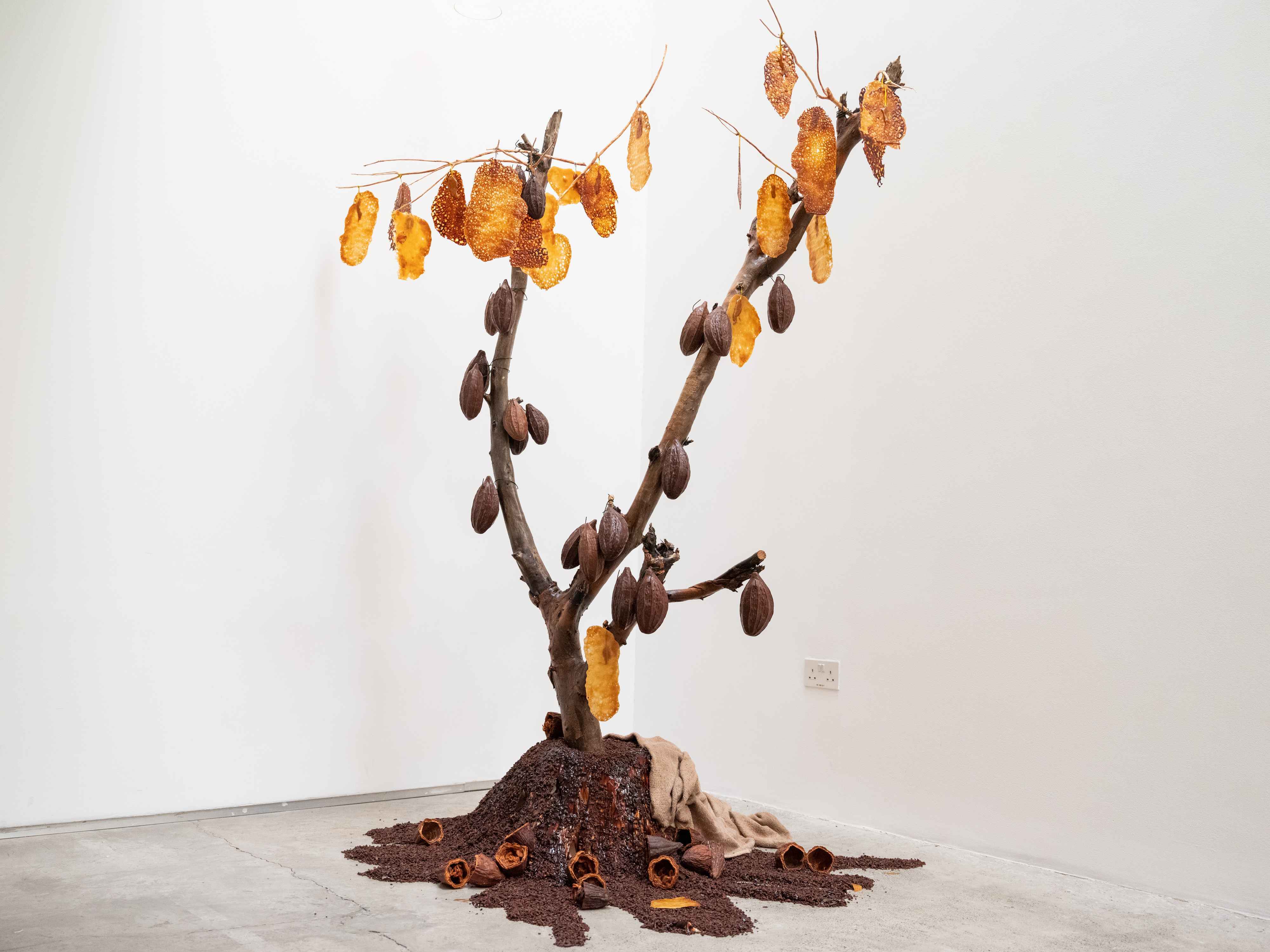
Unheavenly – Chocolate truffles encased in moulded chocolate cacao pods and edible tree leaves made of sugar, by Luchie Suguitan
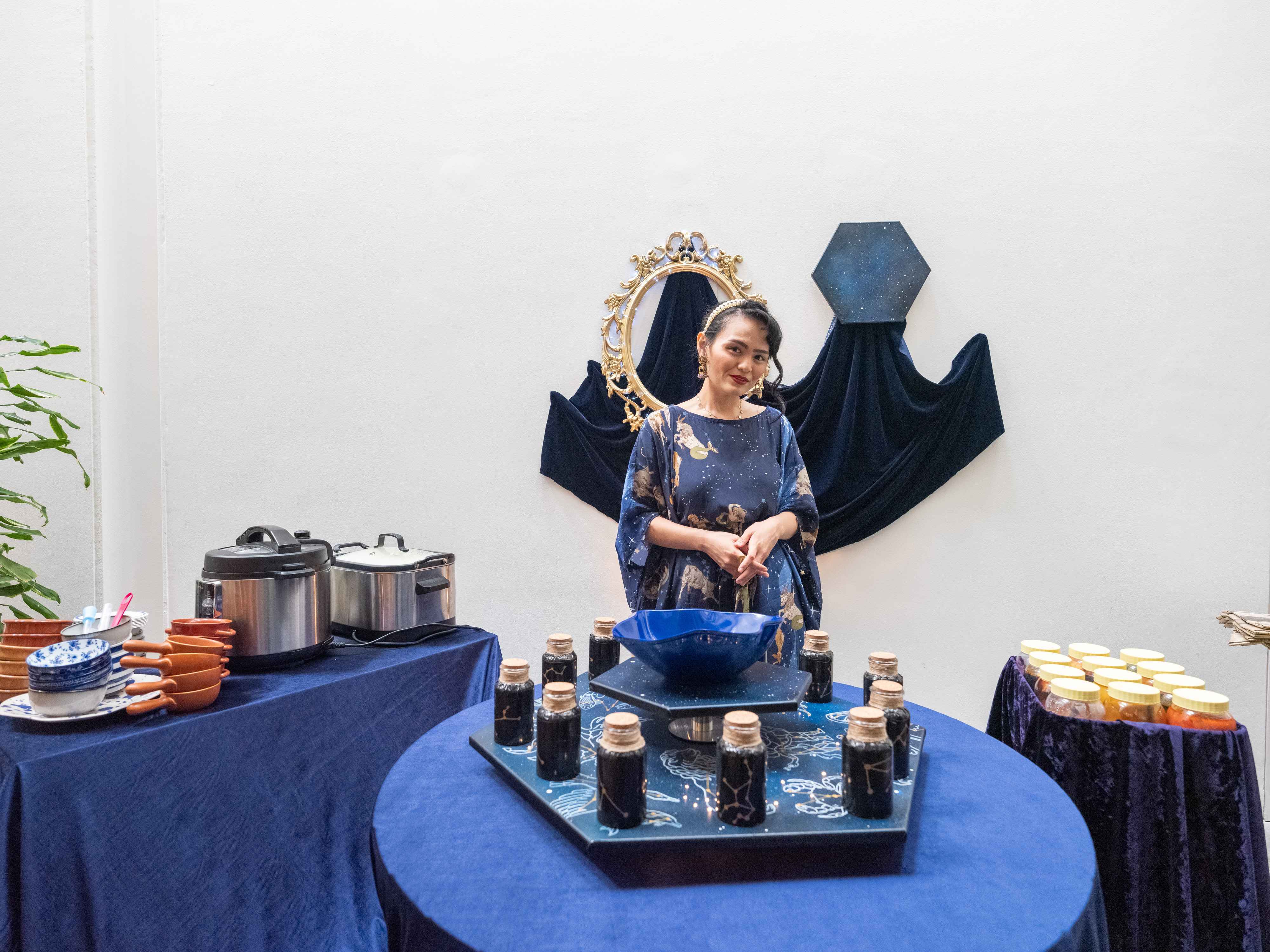
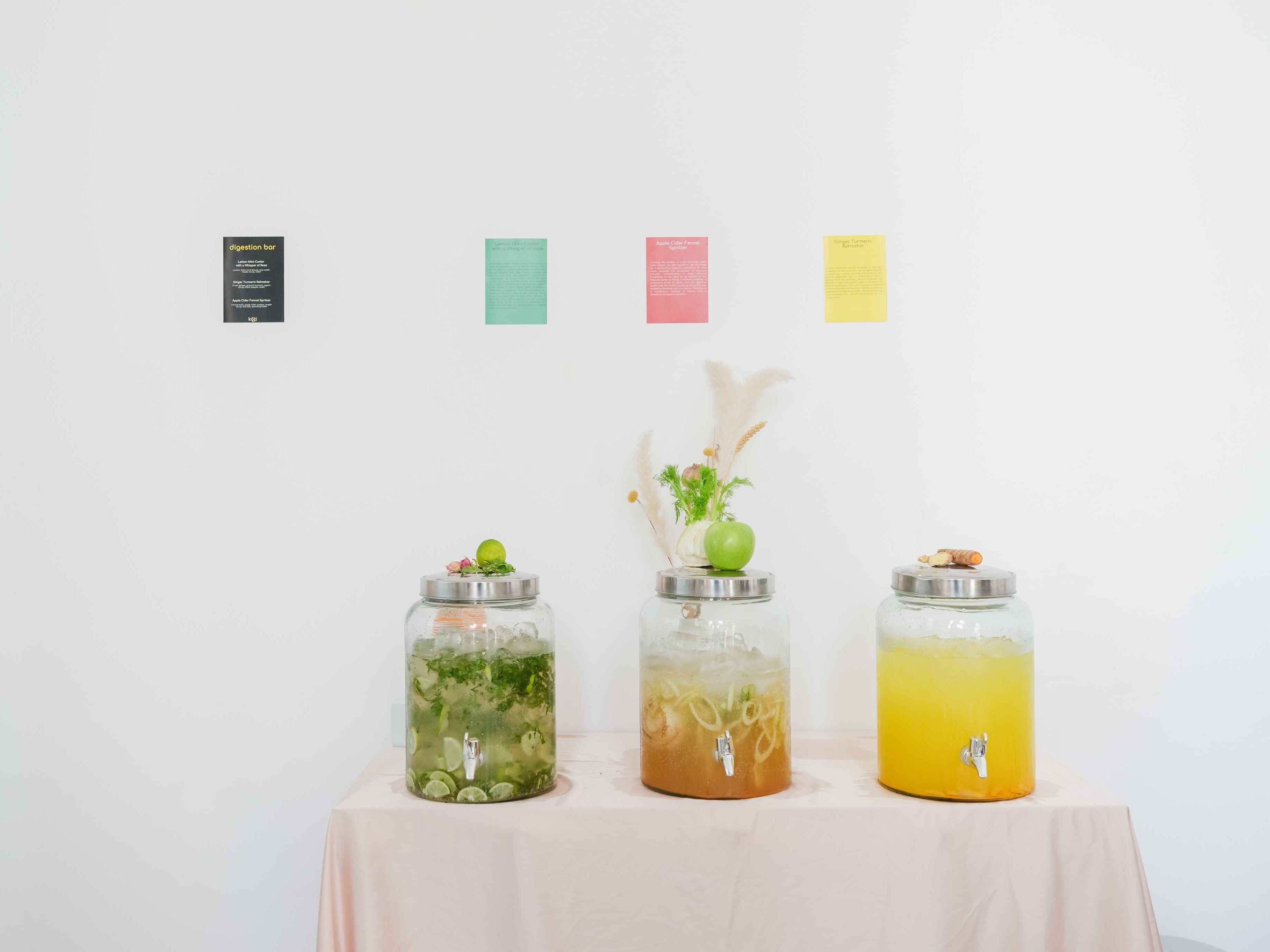
After Food – Coolers infused with lemon and mint, ginger and turmeric, apple cider vinegar and fennel, by kōl
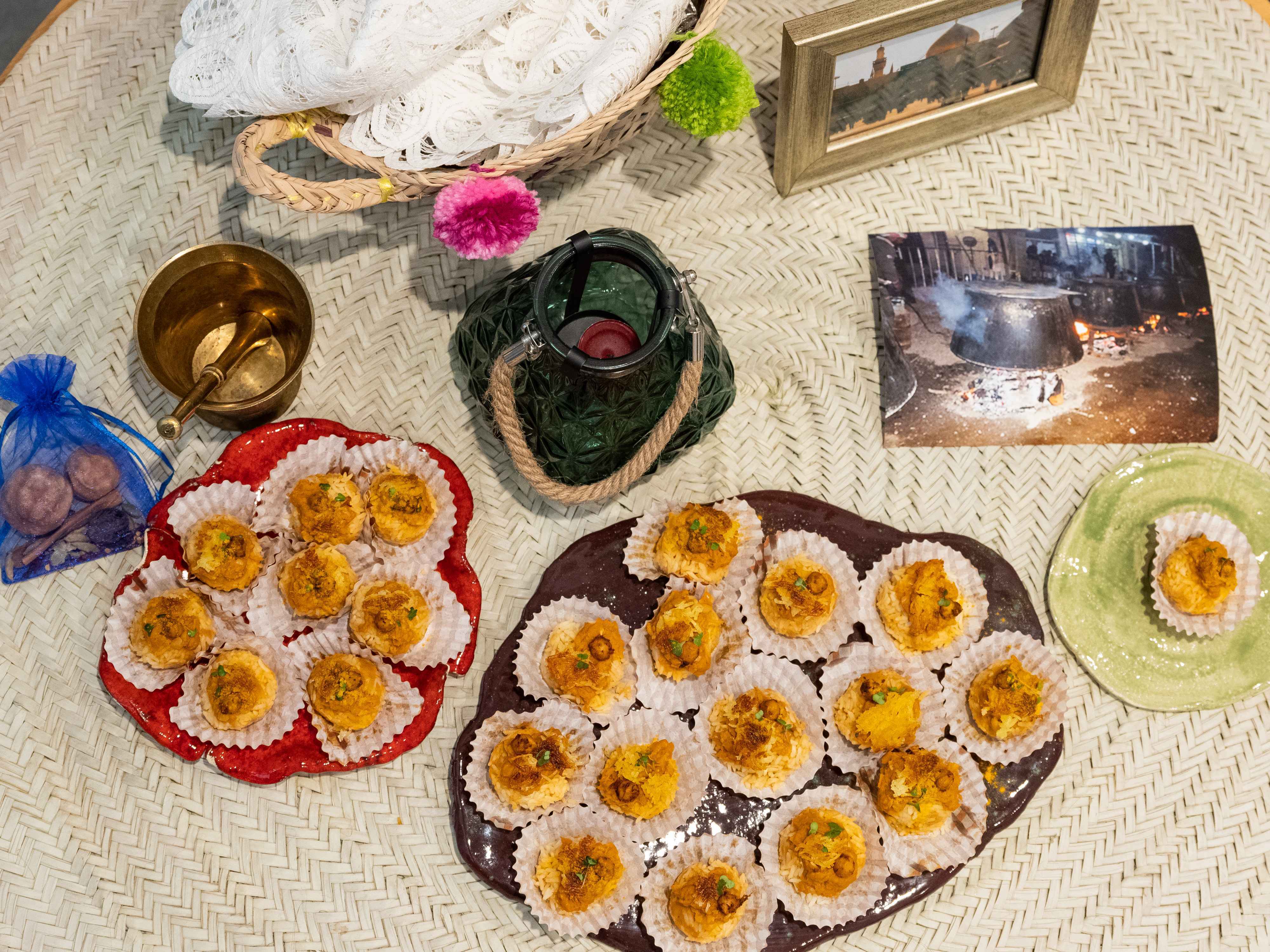
What I Eat: Najafi Qeema – Rice and stewed meat onigiri balls, topped with crispy rice and chickpeas, by Jehan Ali
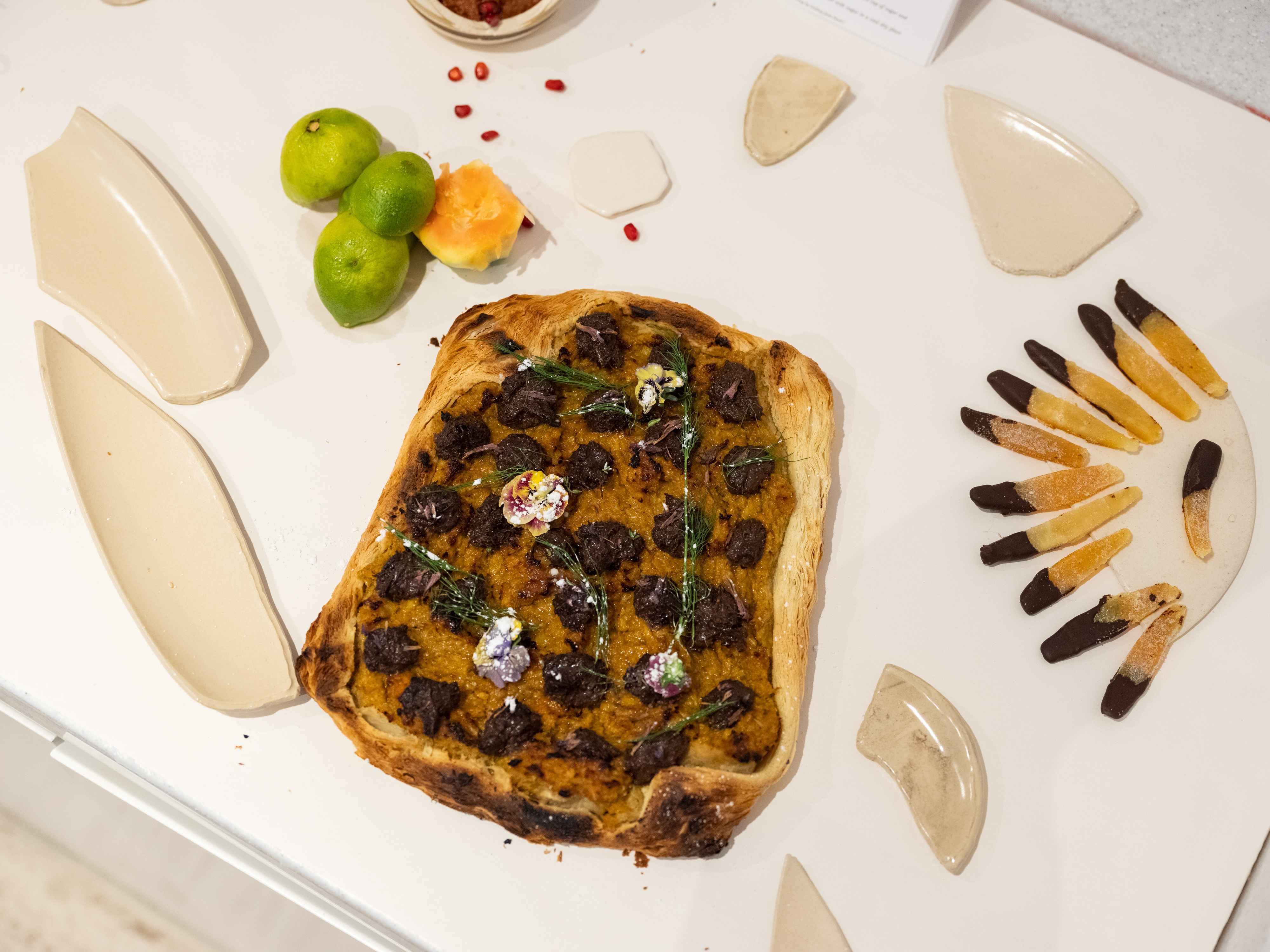
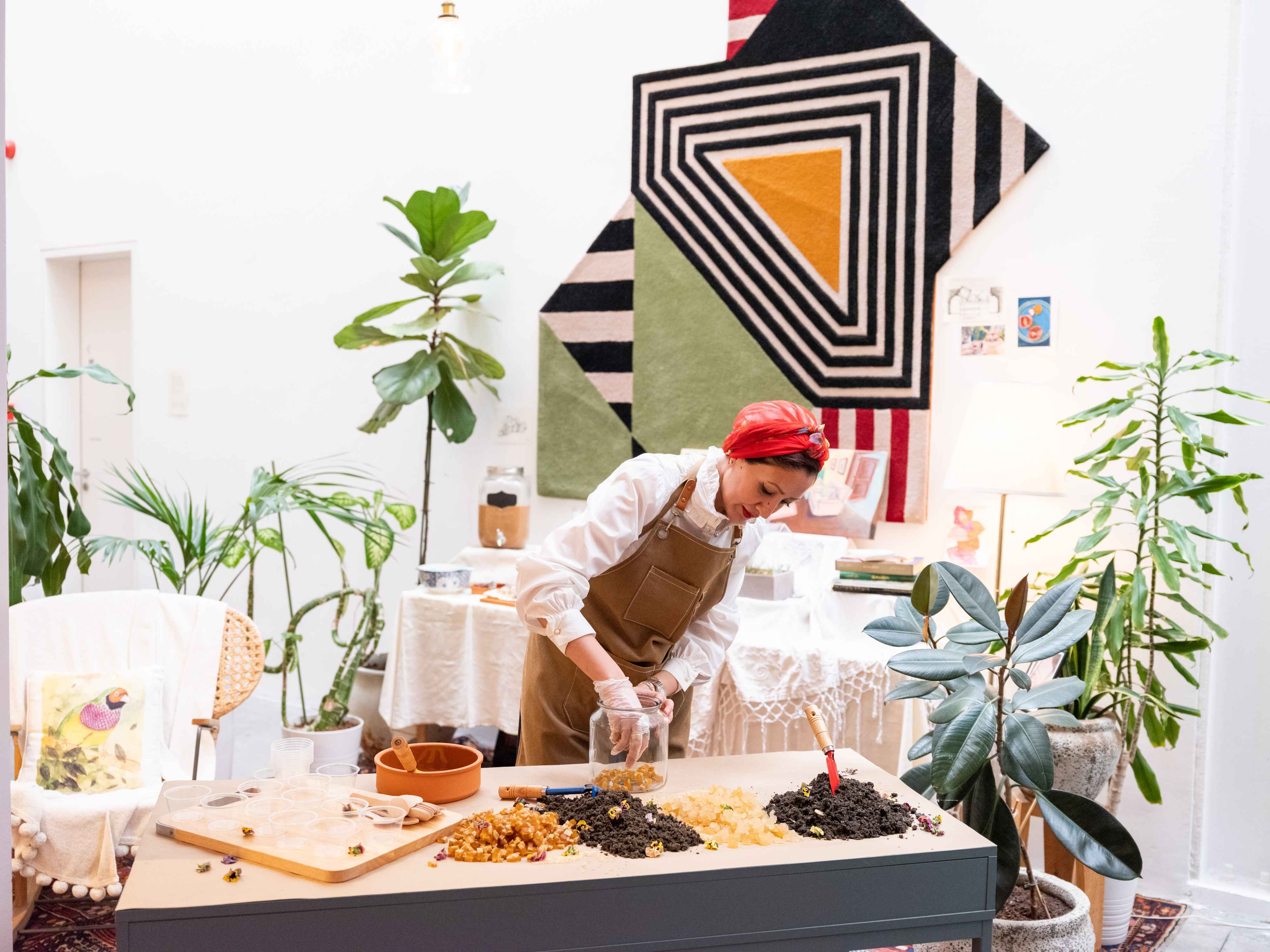
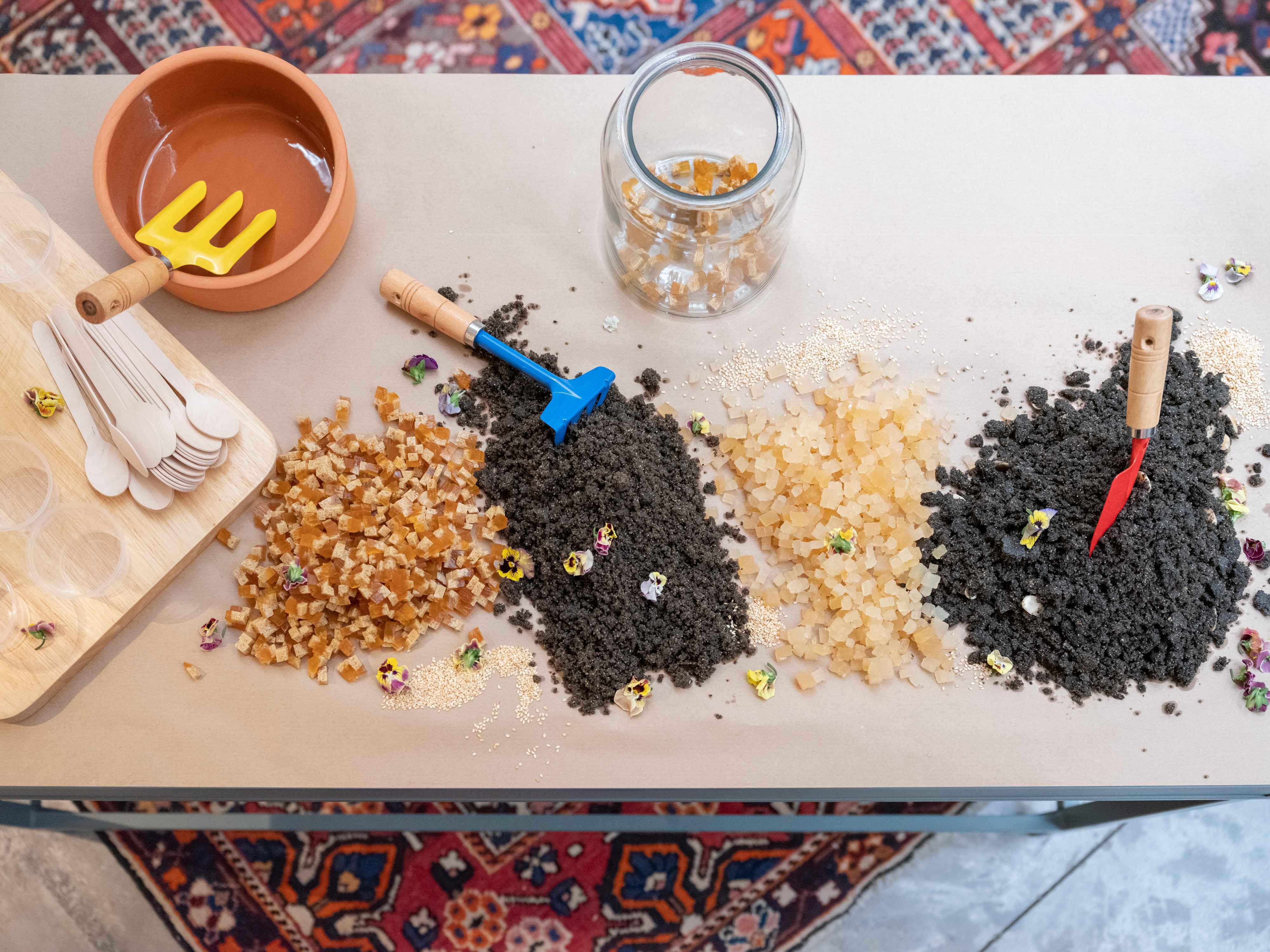
From the Sea of Za’etman, to the Land of Qiz’hah – Edible soil of Qiz’hah (nigella and sesame seeds) with surprise jellies, and Za’etman red tea infused with milk, by Farah Nasrawi
A Toast to Our Kismet – An assortment of toasts with surprise toppings, by Bhavika Bhatia
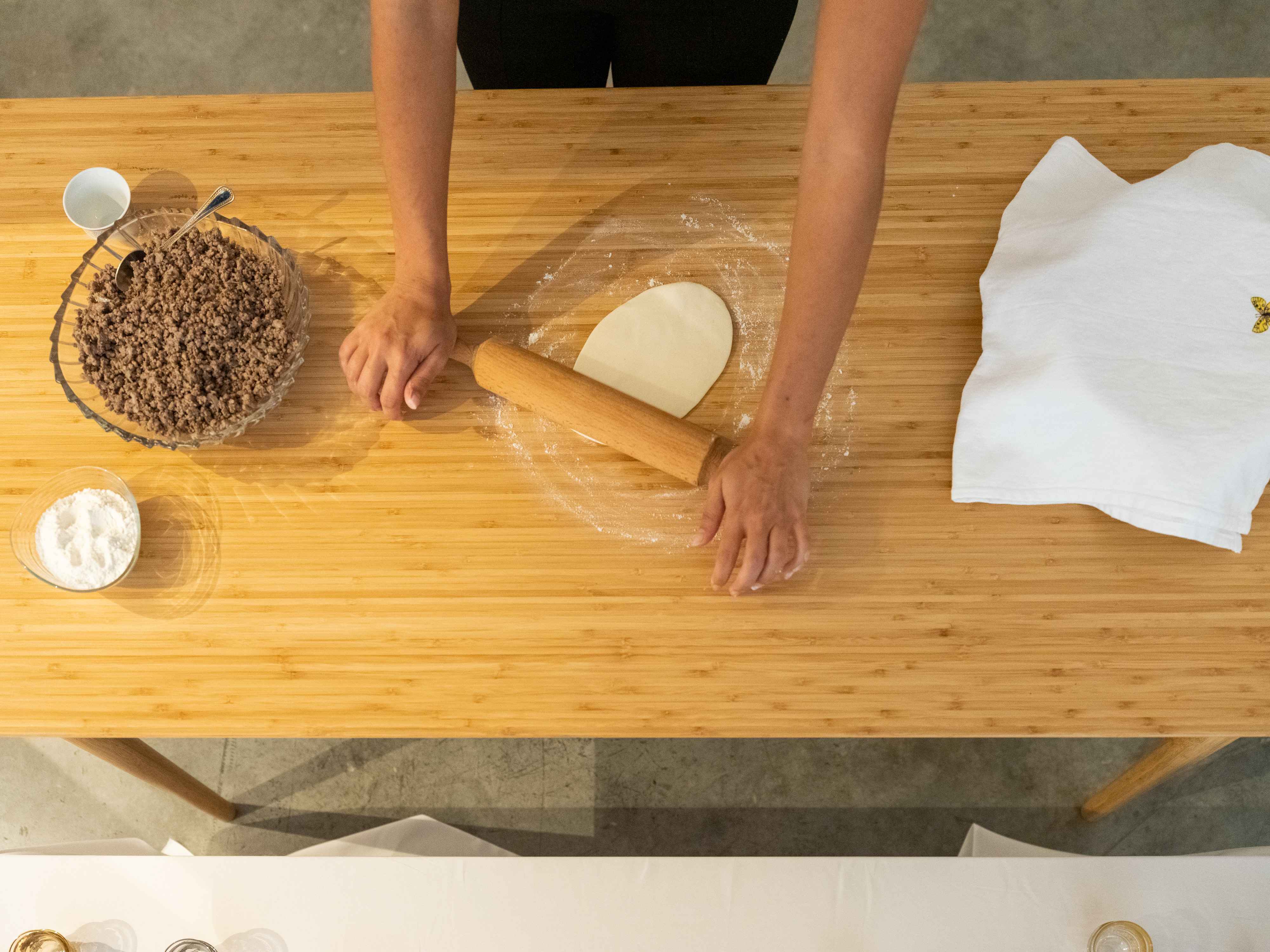
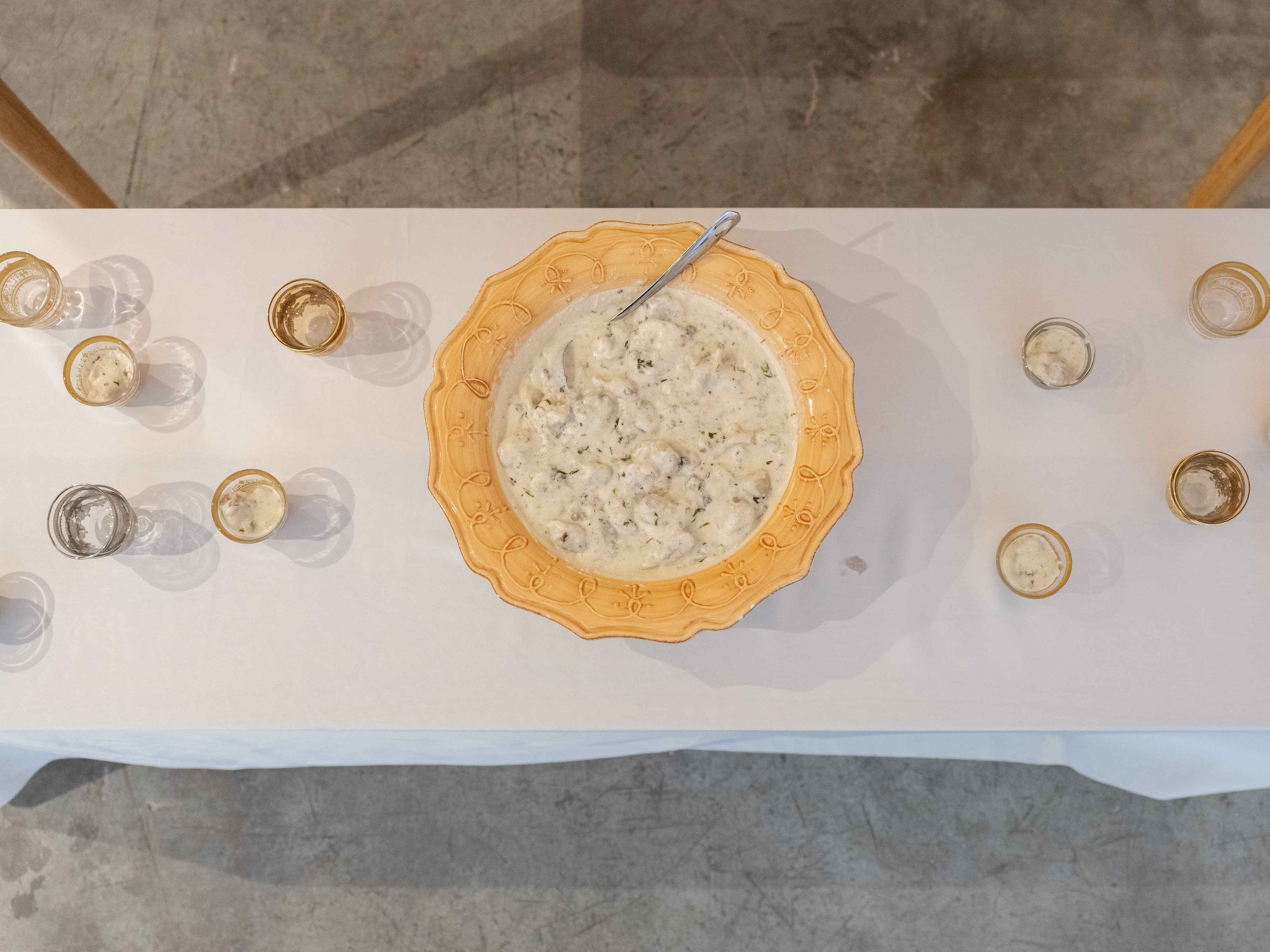
طوائي صغيرة (Little Caps) – Shishbarak, meat-filled dumplings in a yoghurt and herb sauce, by Aya Afaneh
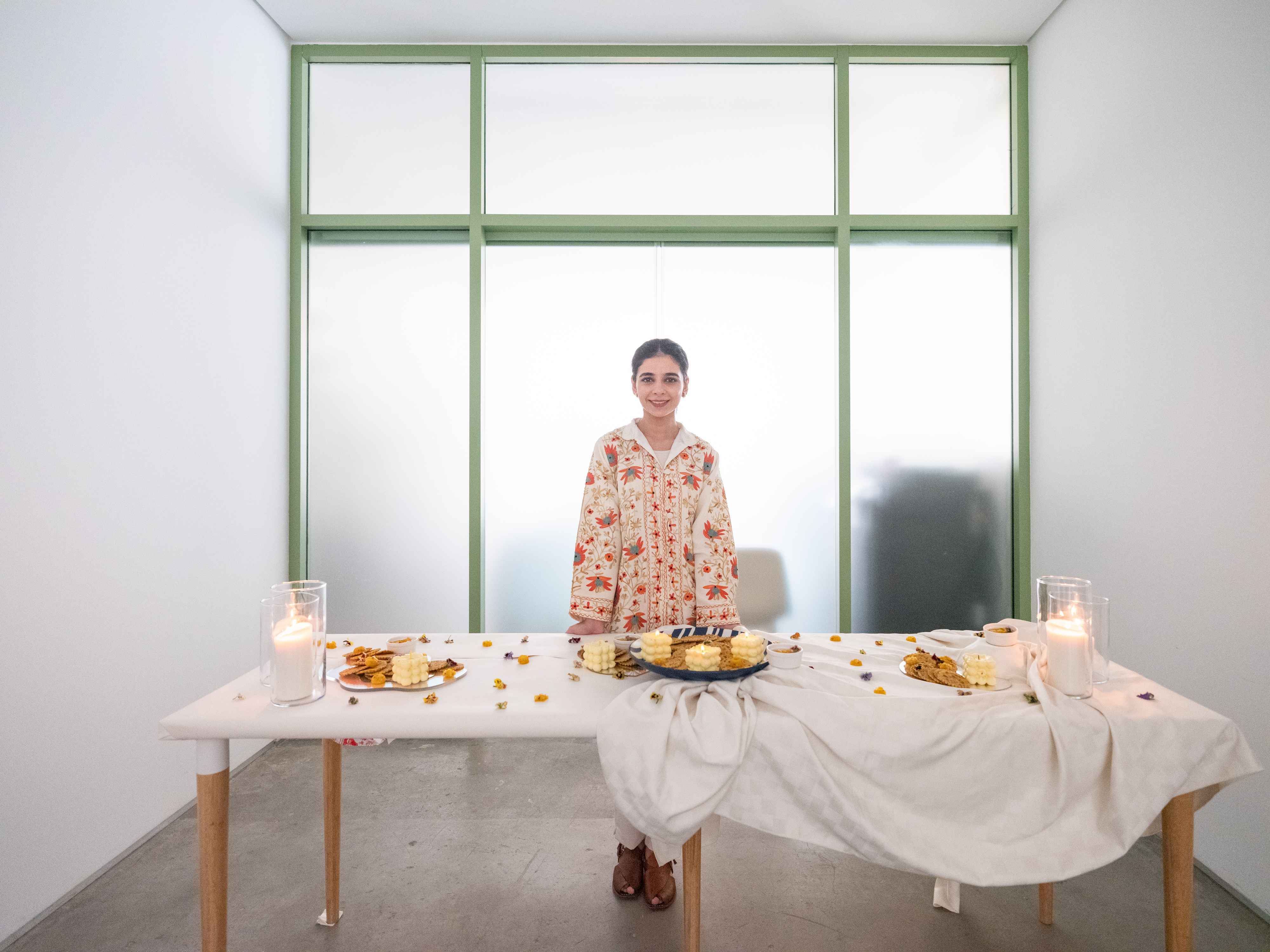
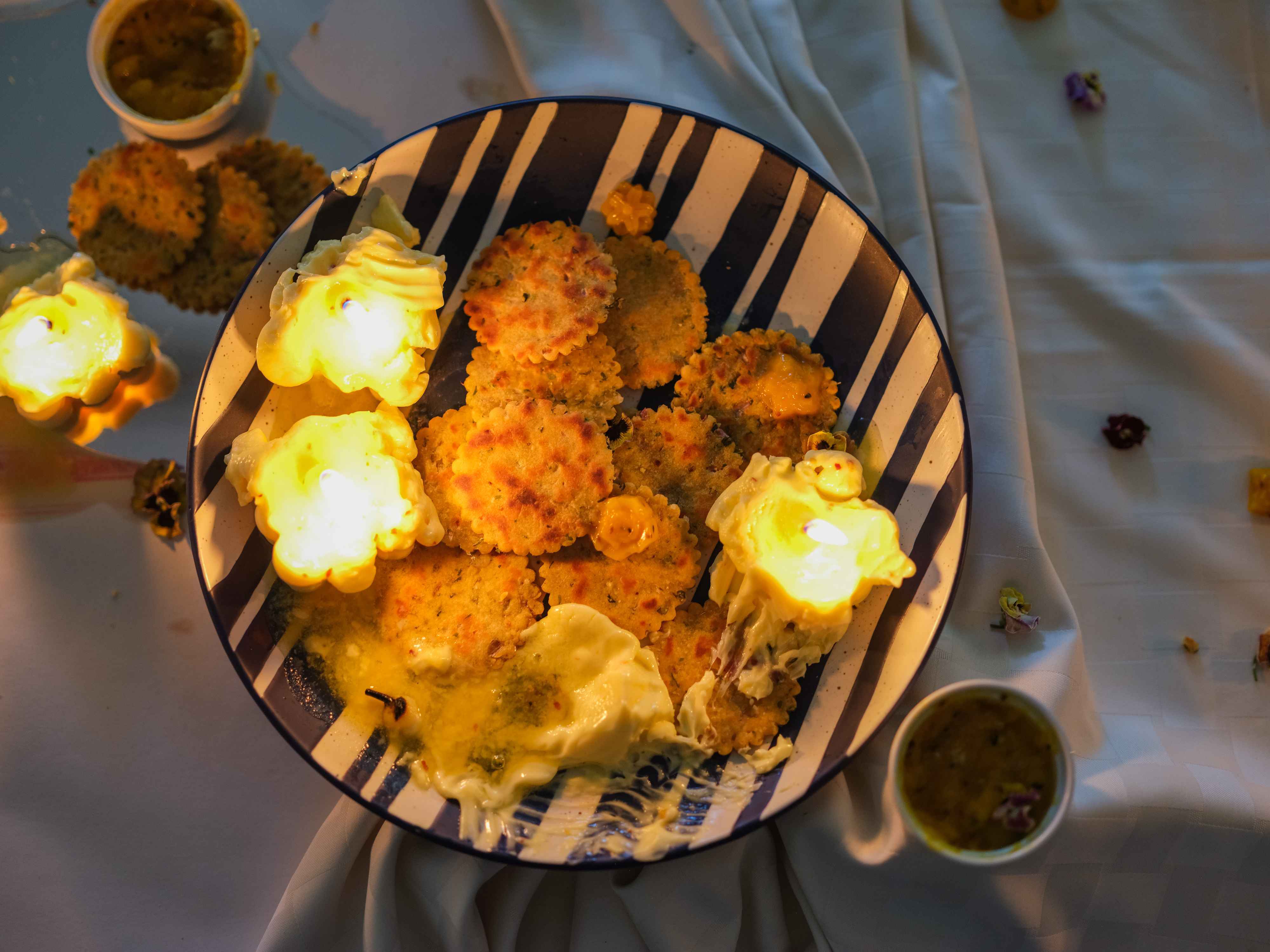
Summer is here! – Besani roti, a herby flatbread, ghee and butter candles and mango chutney agar agar jelly, by Abeer Loan
Head In The Clouds – Adovella, a dish combining Adobo and Paella, by Abbie Franchette
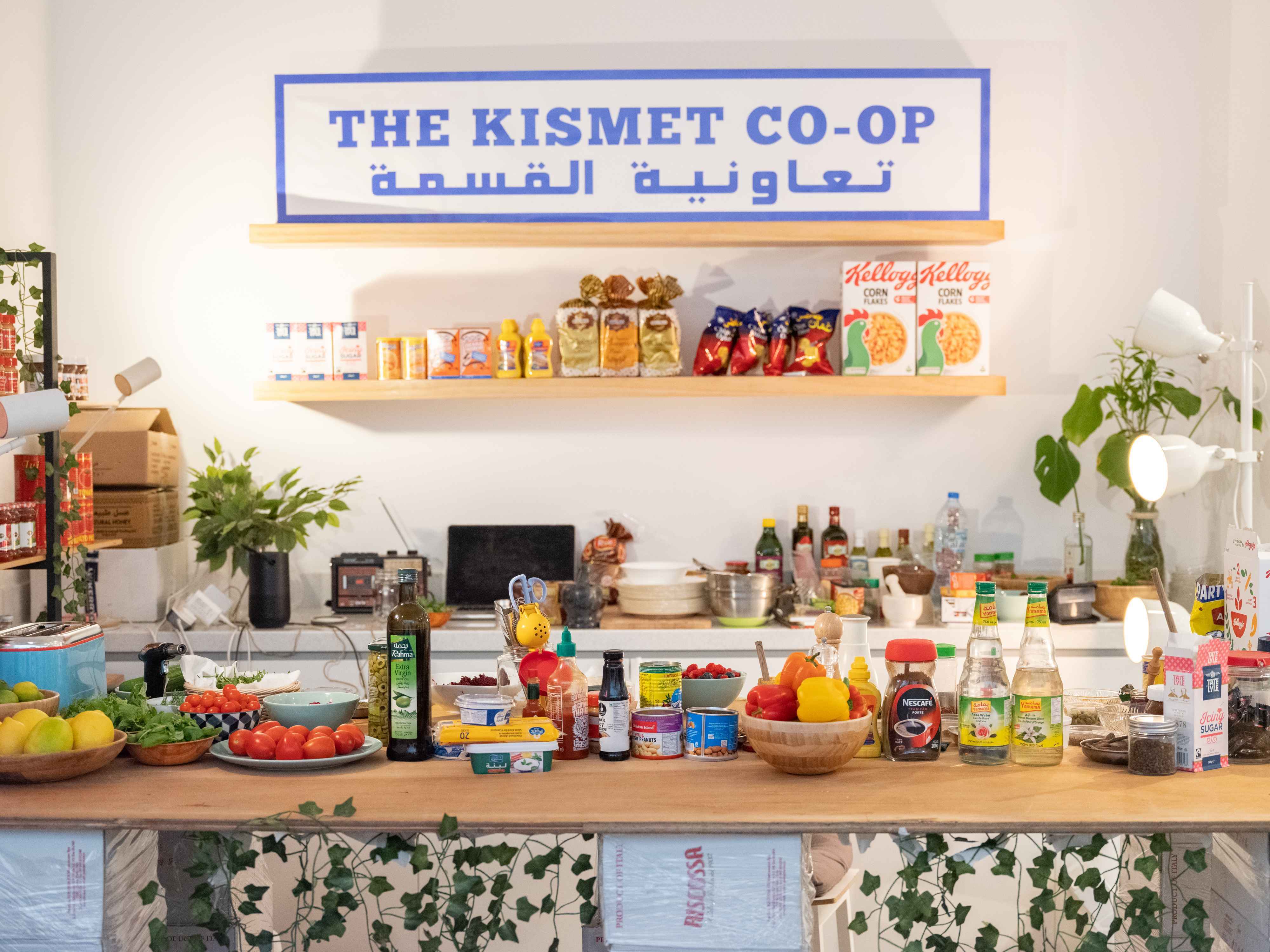
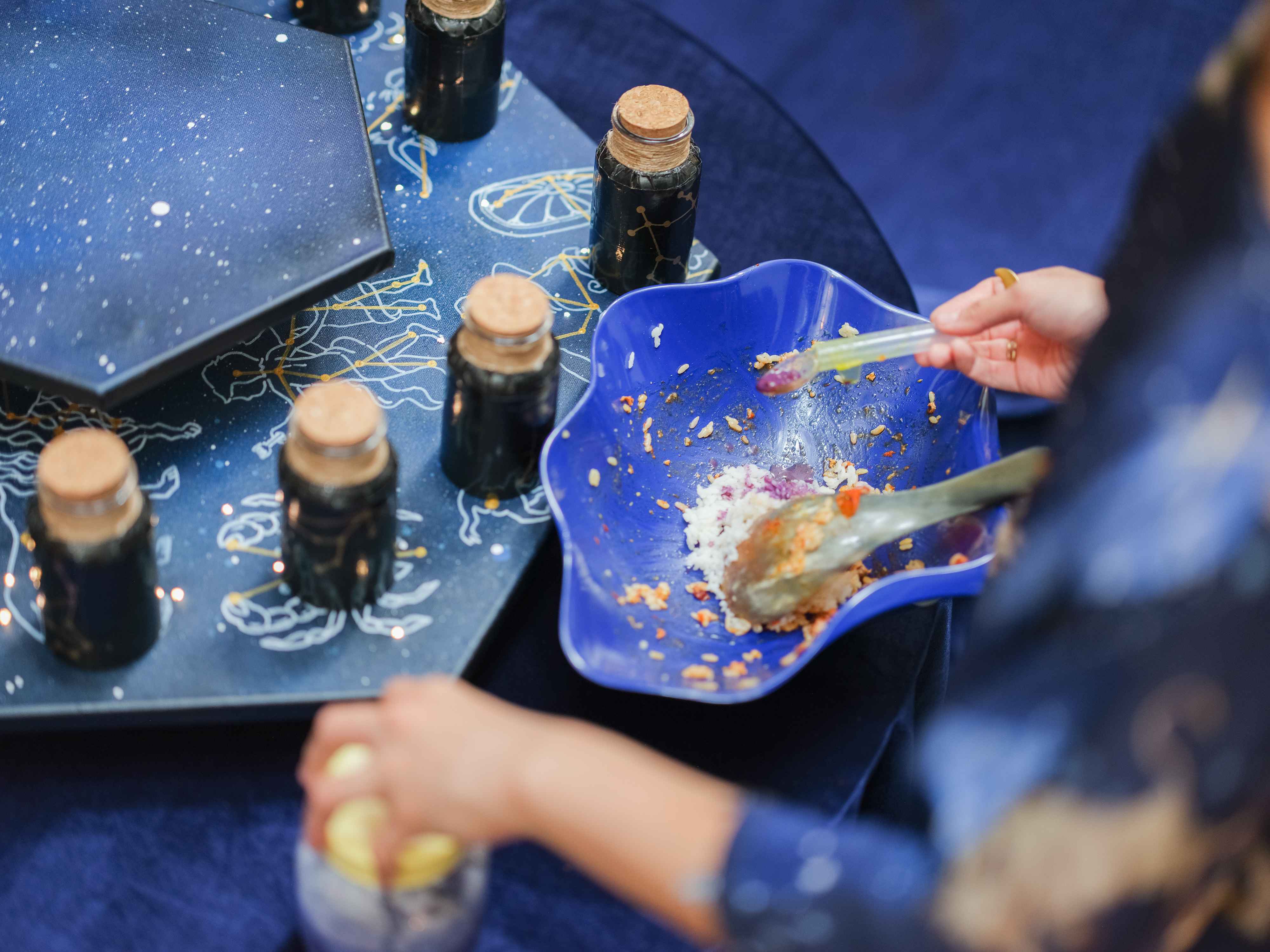
Rewilding The Kitchen Archive – Multimedia archive material, by Tash Wanigaratne
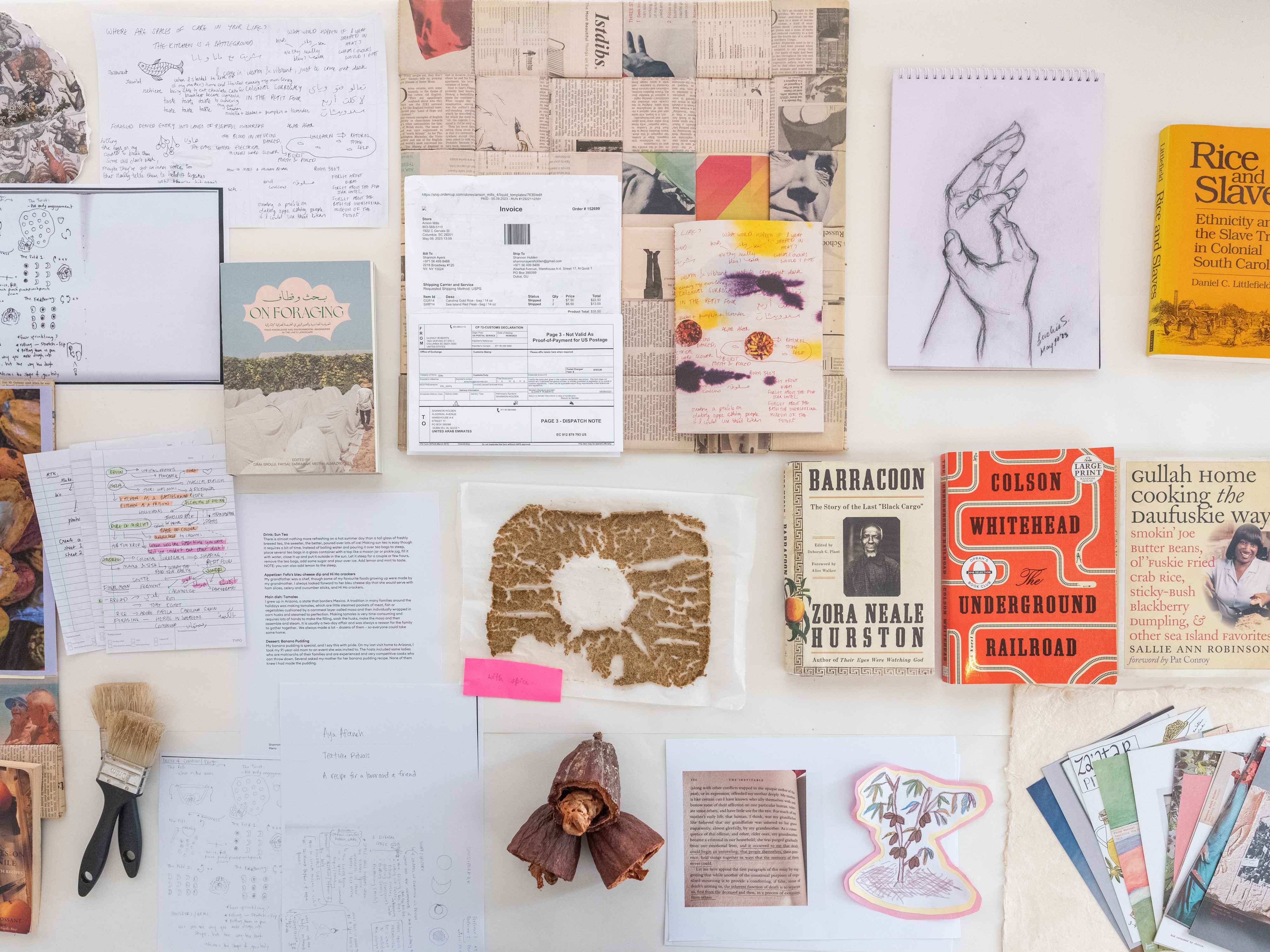
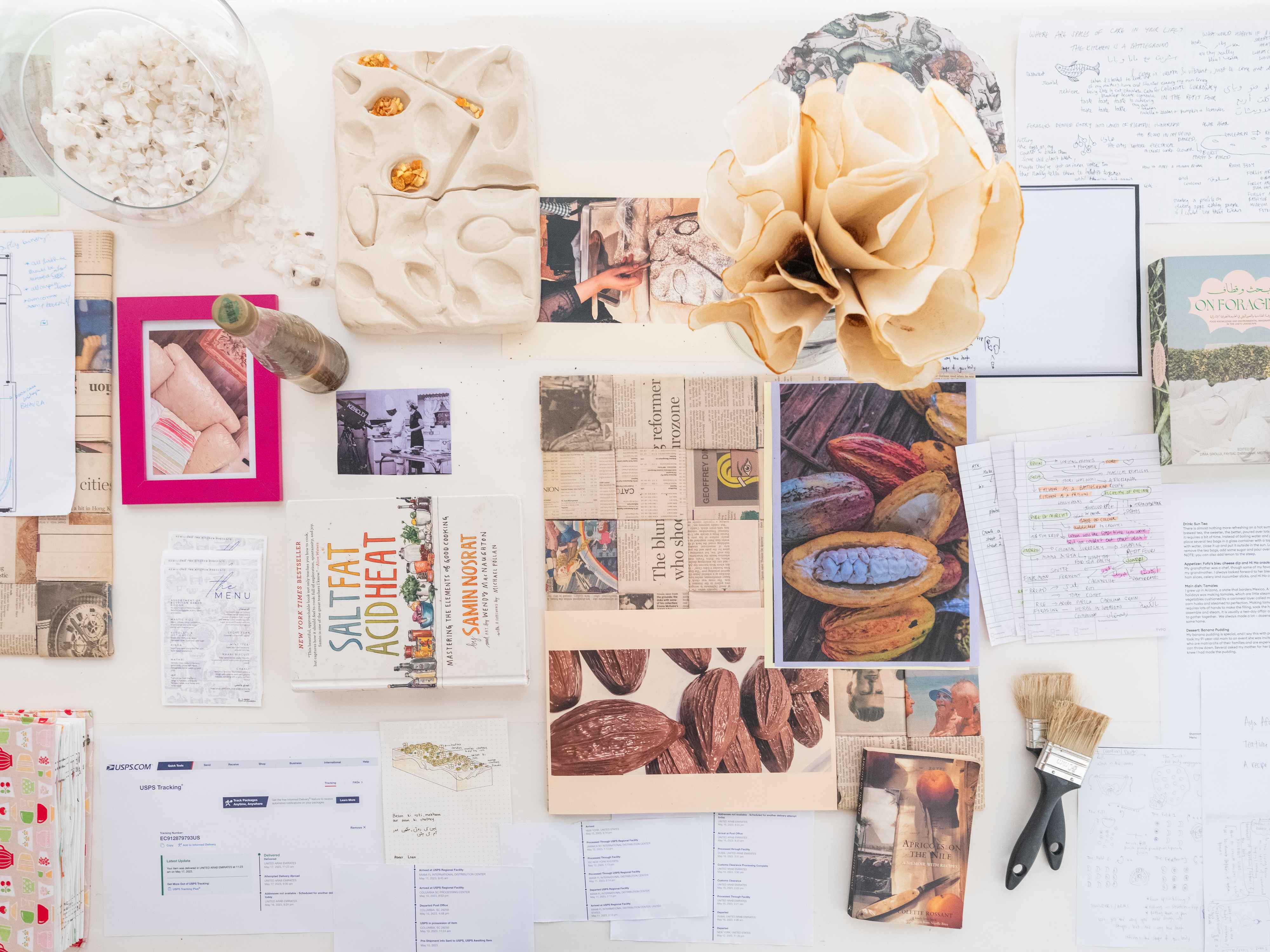
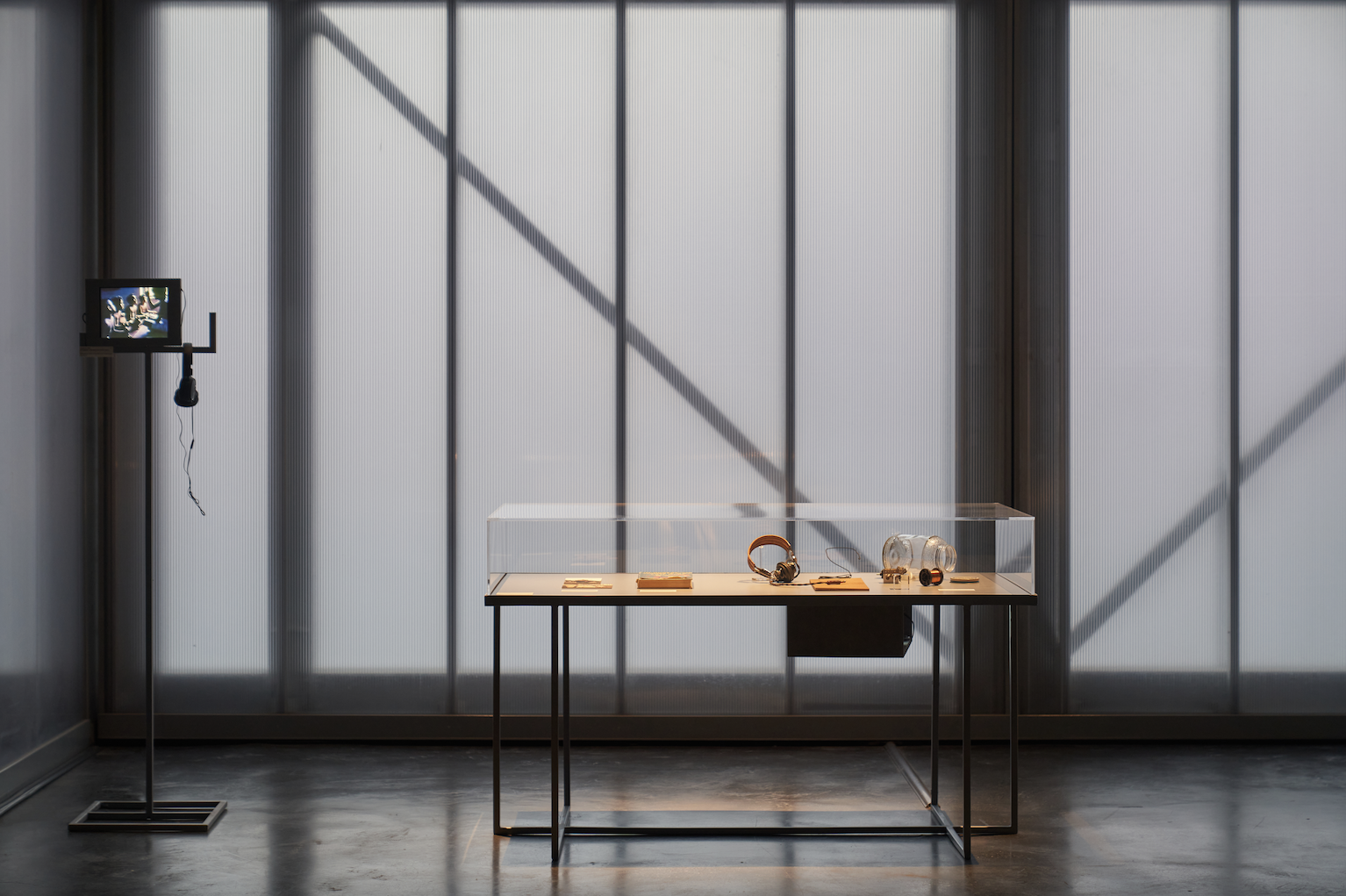
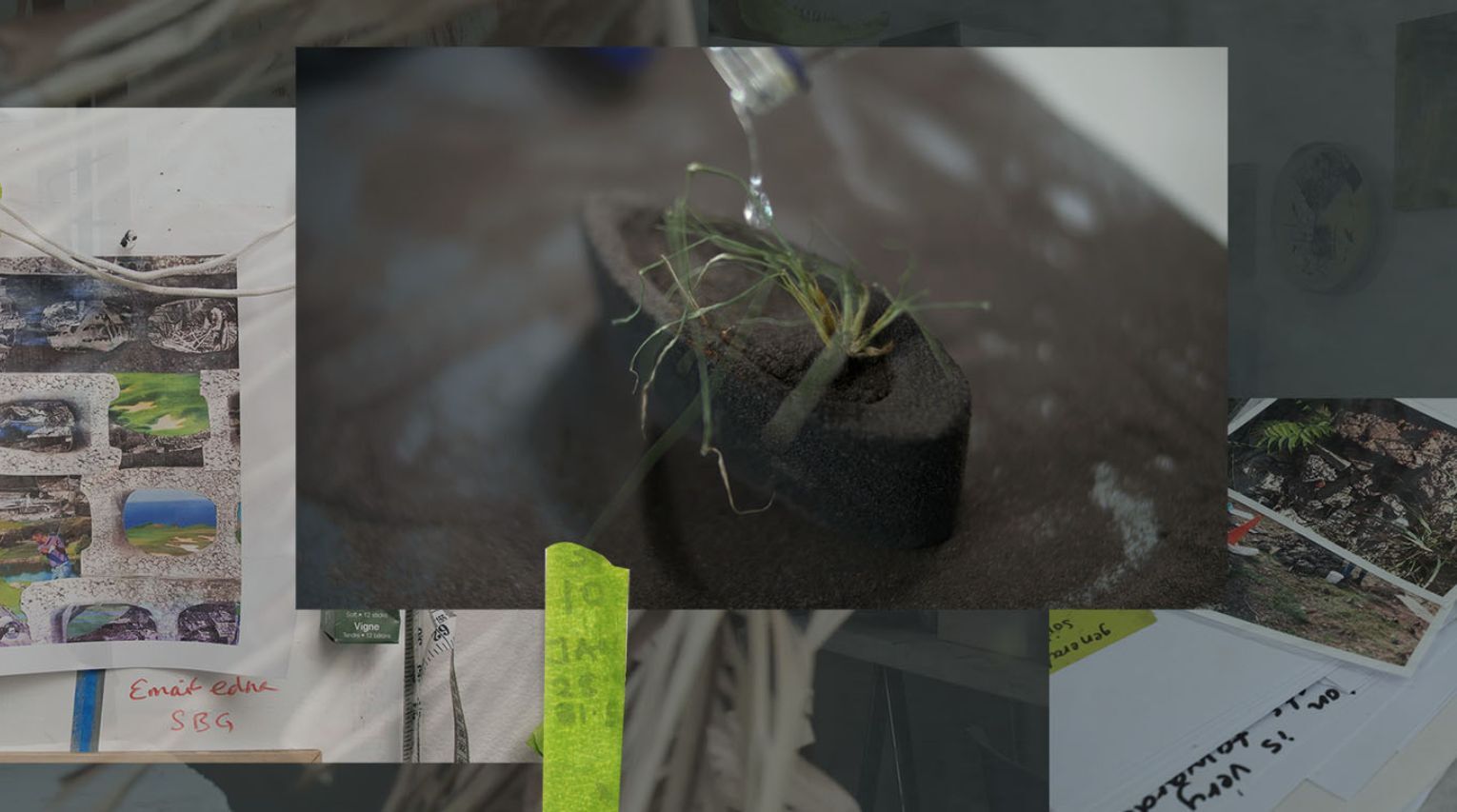
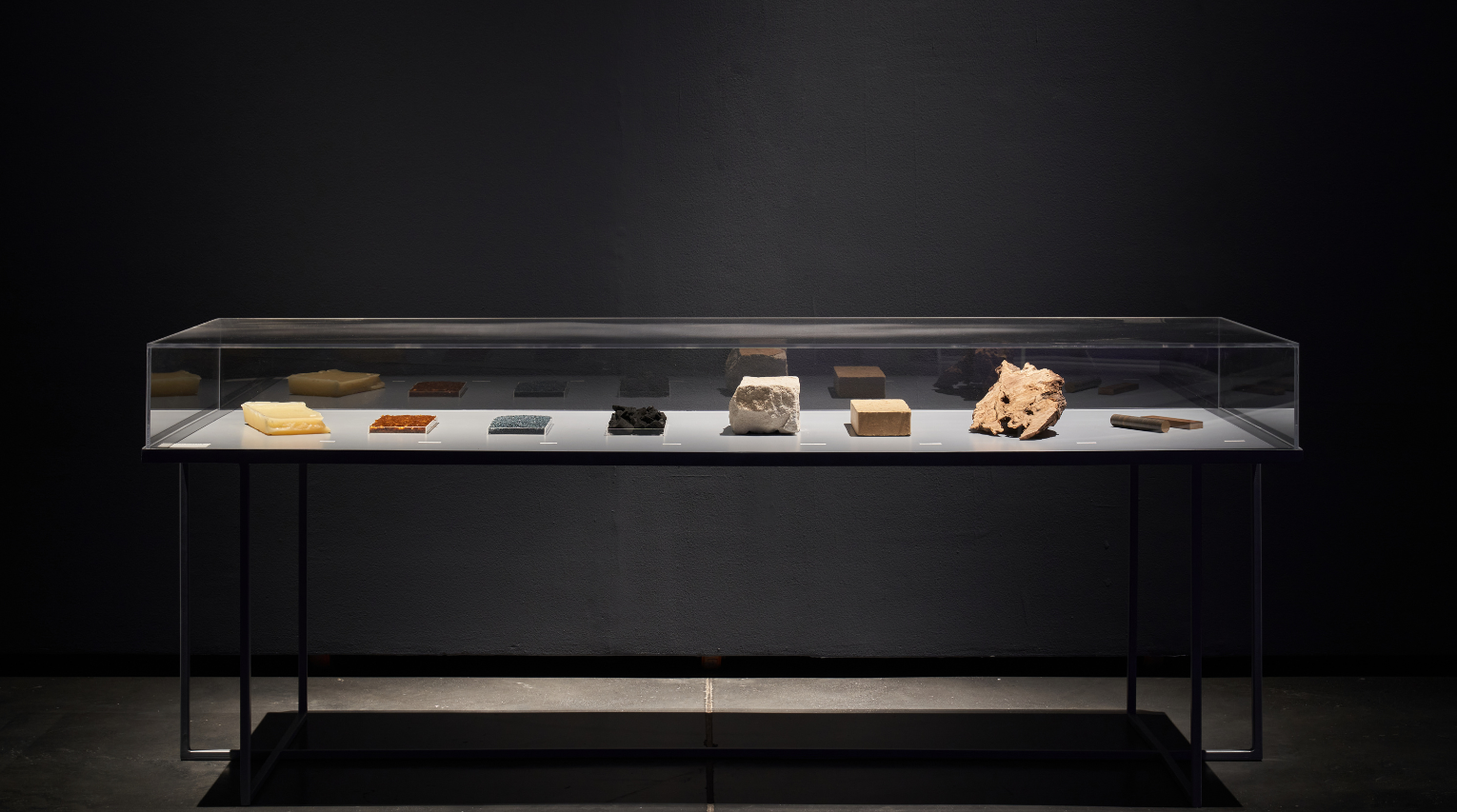
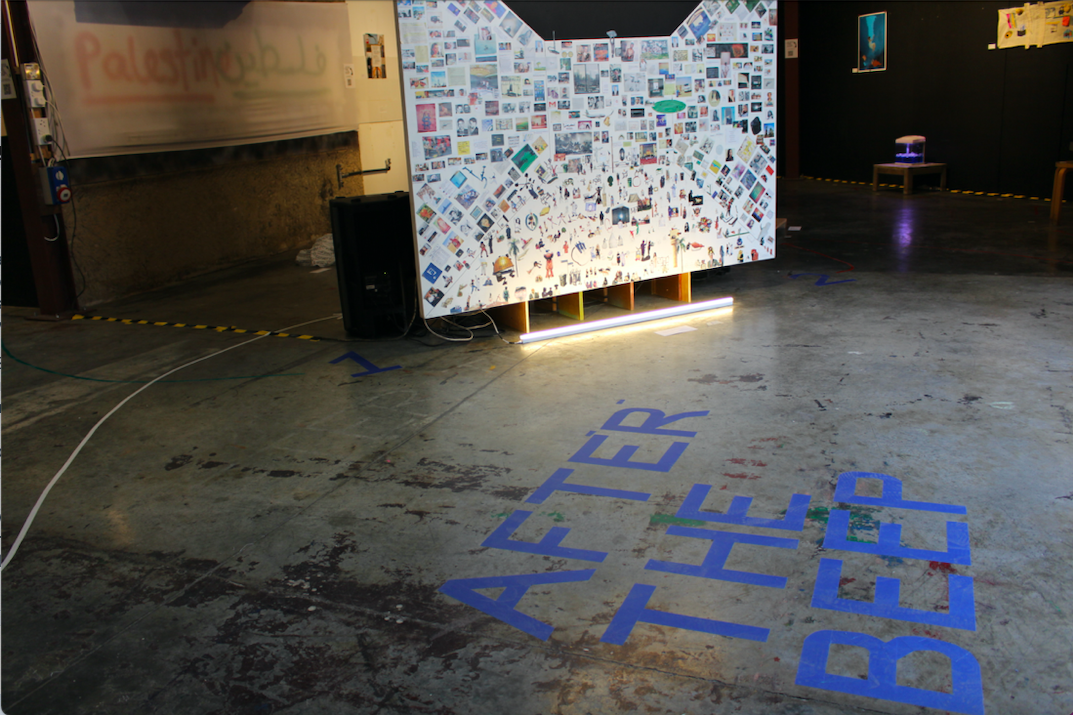
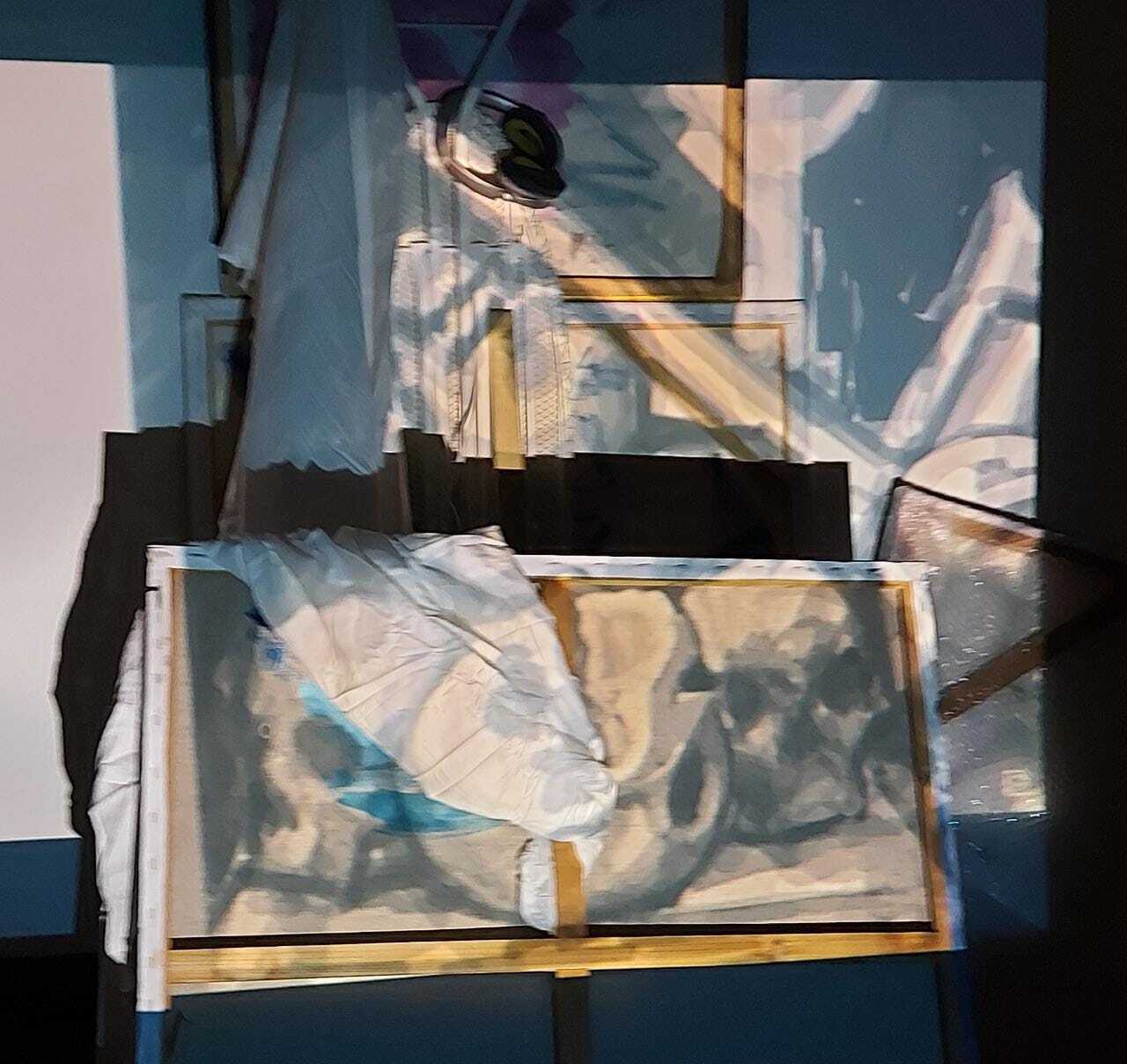
The Rewilding The Kitchen Archive provided a robust insight into the evolving ideas and experiences of the cohort towards the realisation of their final projects. On the table, visitors could find a collection of photographs, books, thoughts, words, objects and ingredients that traced the participants’ explorations throughout various workshops and kitchen sessions.
Rewilding the Kitchen, in many ways, served as a starting point for the cohort in their gastronomic, literary, and otherwise artistic expeditions that will lead to further iterations and interpretations that meet at the intersection of food, identity, history, geography and ecology.










Stay tuned...

Stay tuned...

Stay tuned...




Stay tuned...