

THE UNCOMFORTABLE TASKS
Now is a time for new words. Let’s start with the title: When Solidarity Is Not a Metaphor. It acknowledges how solidarity has slipped into metaphor, evoking a general pro-peace, anti-imperialist stance. It alludes to Eve Tuck and K. Wayne Yang’s “Decolonisation Is Not a Metaphor”. This seminal paper argues that decolonisaiton has been reduced to a broad set of moves and gestures within white Western academe—descendants of colonial agents—aimed at assuaging their guilt or proclaiming a current innocence, rather than pursuing actionable steps that align with indigenous peoples’ aspirations in education and social policy.
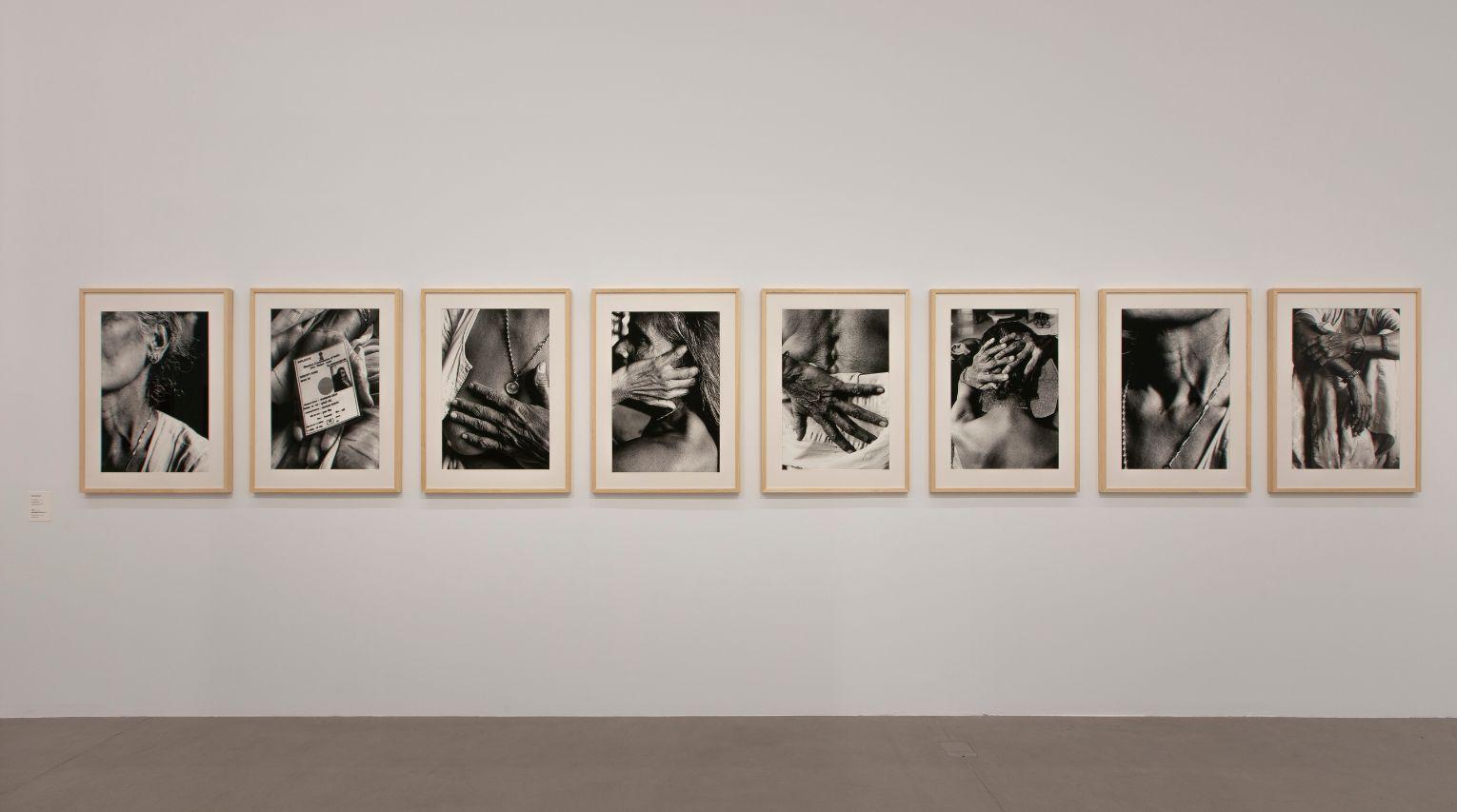
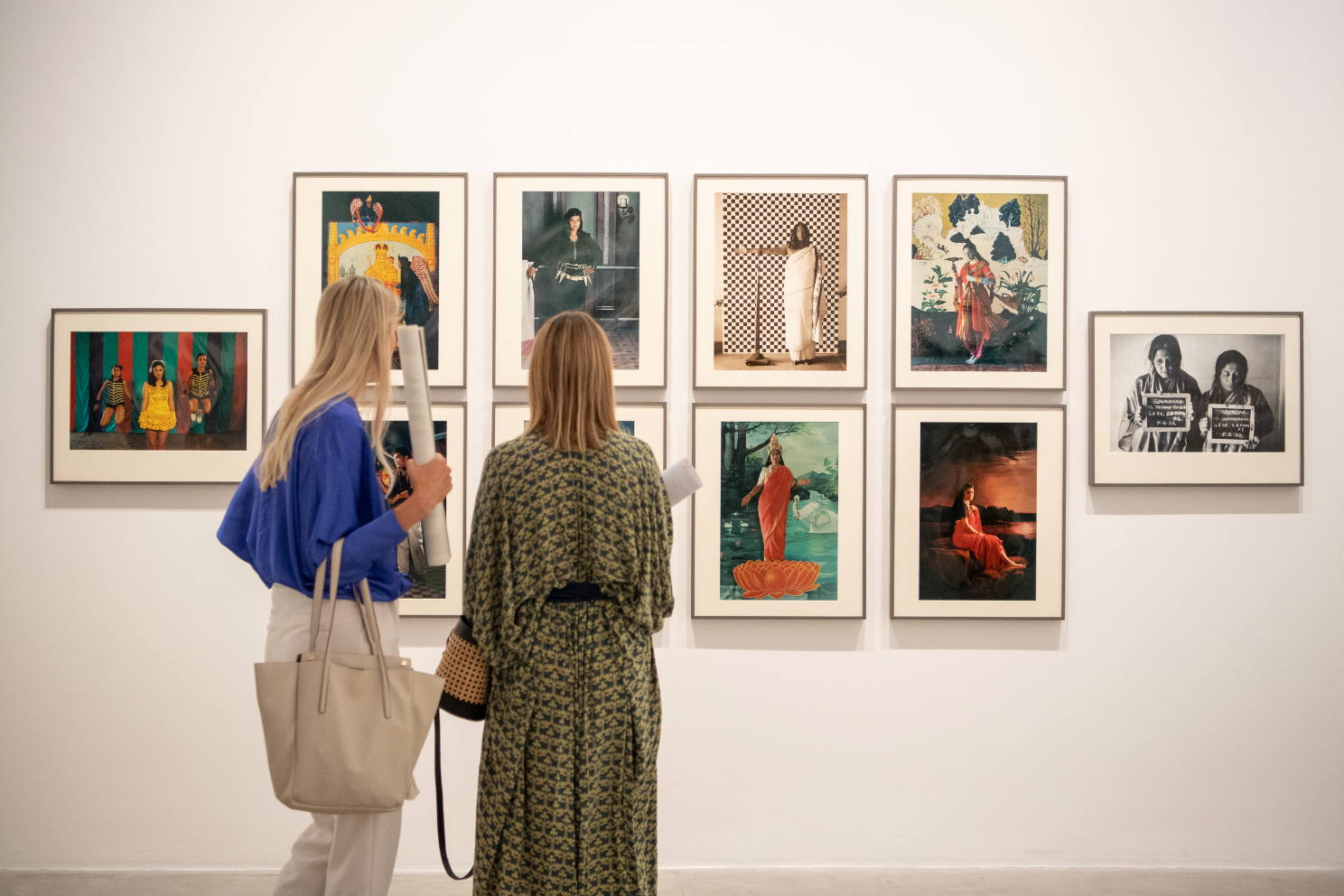
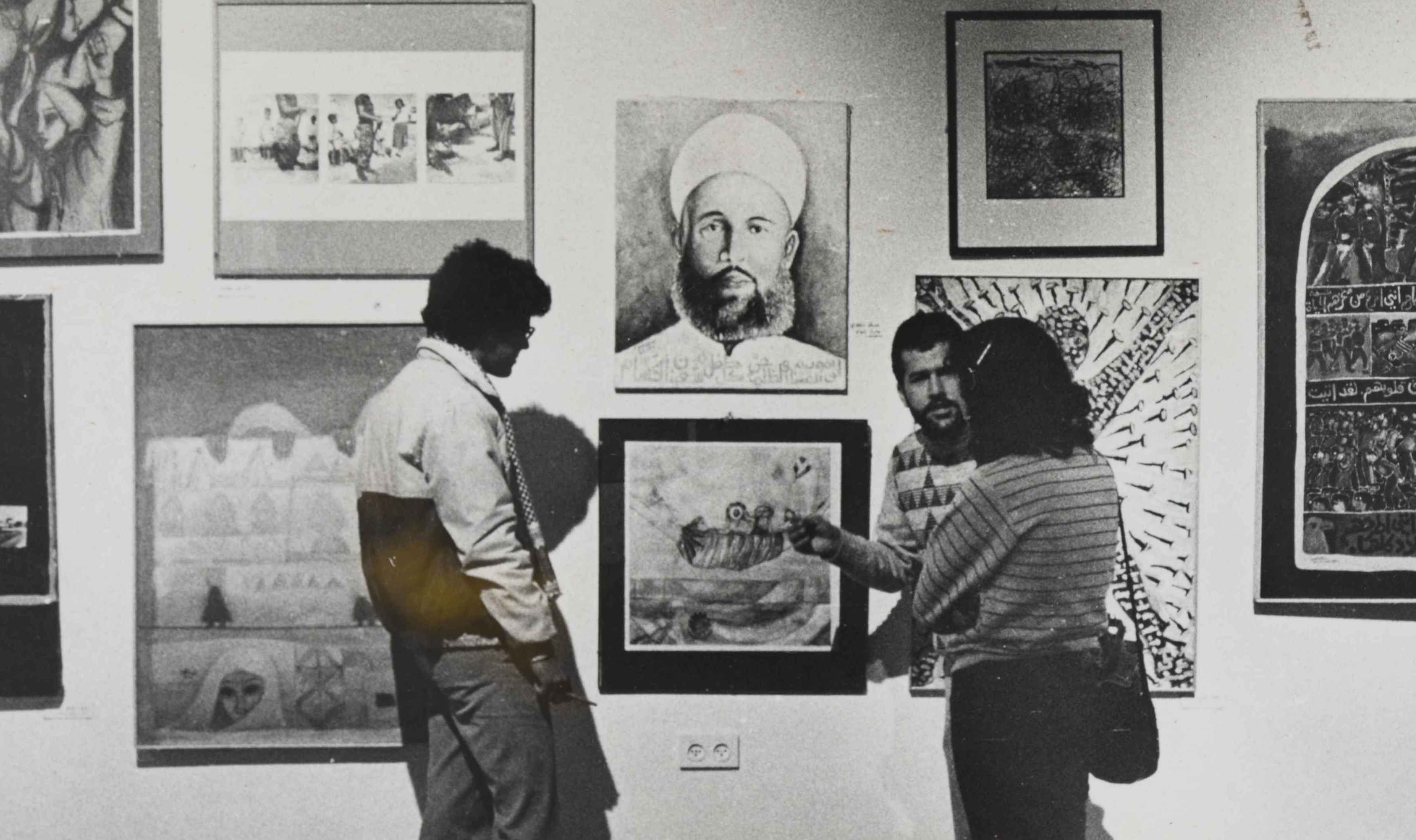
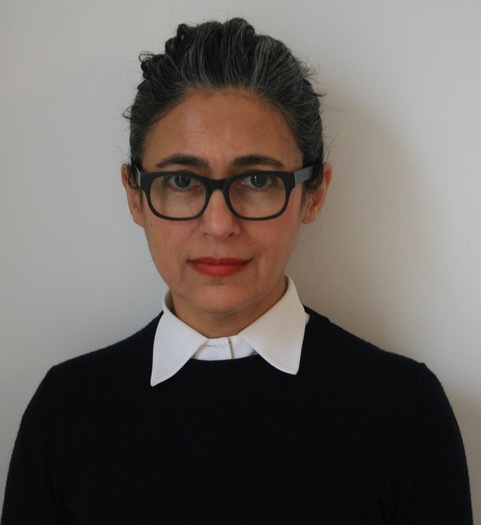
The exhibition, curated by Nataša Petrešin-Bachelez, brings this fuzziness to the art context. Acts of solidarity, such as signing a petition or displaying work related to Palestine, have had tangible consequences over the past eight months, leading to the dismissal of editors, the cancellation, silencing, or underpromotion of shows, and missed opportunities. In this context, this exhibition is an important stand in an international event on the side of those who are being killed and imprisoned. At the same time, the impact of these actions in shifting the needle on government action, or whether change will be effected in time, is uncertain.
Intriguingly, When Solidarity Is Not a Metaphor might end up on a different side of Tuck and Yang’s argument than anticipated. Does an exhibition comprised of artworks in solidarity constitute solidarity or metaphor? Contemporary art operates beyond the art engagé of the early twentieth century, with activist art seen as delimiting, bordering on propaganda. The works in this show operate on a nuanced register that balances politics and what we might call a third artistic meaning—they are more than just expressions of solidarity.
Tuck and Yang write that decolonisation as a metaphor entails “decolonising the mind, or the cultivation of critical consciousness, as if it were the sole activity of decolonisation,” allowing conscientisation to stand in for the more uncomfortable task of relinquishing stolen land. What are these uncomfortable tasks of solidarity with those impacted by conflict and injustice? We can march, but will we go and fight ourselves? A new lexicon could treat this in-betweenness with empathy—something kinder than the dismissiveness of virtue-signalling but not as hollow as an ally. What word recognises the inherent guilt that comes with knowing that one’s solidarity has bounds?
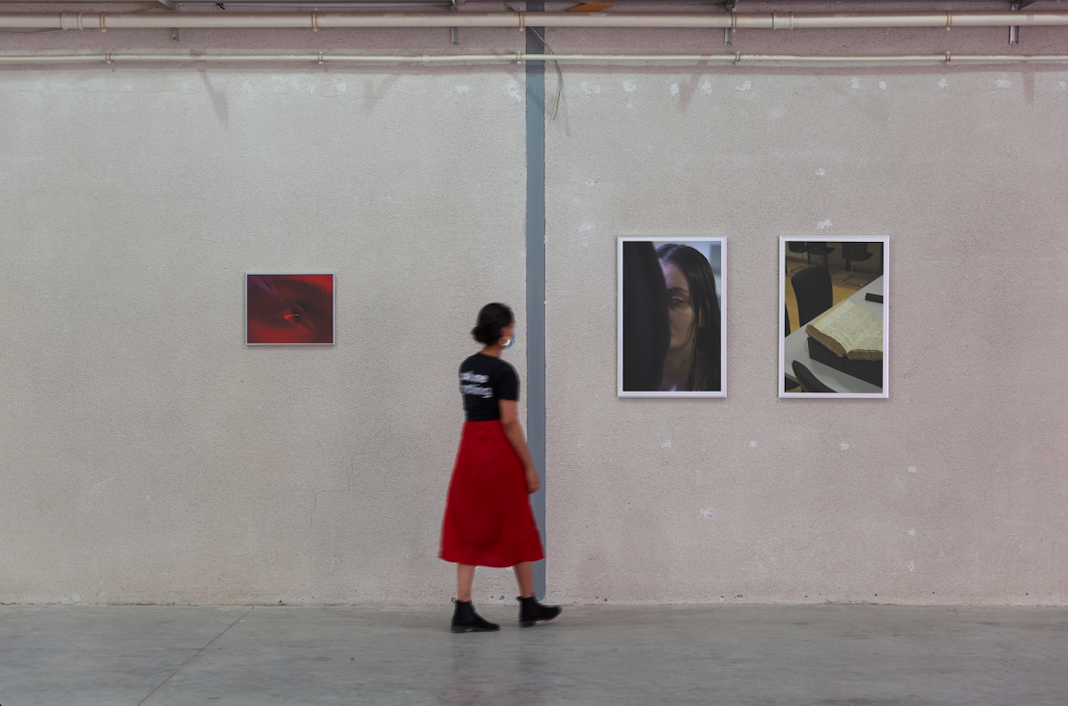
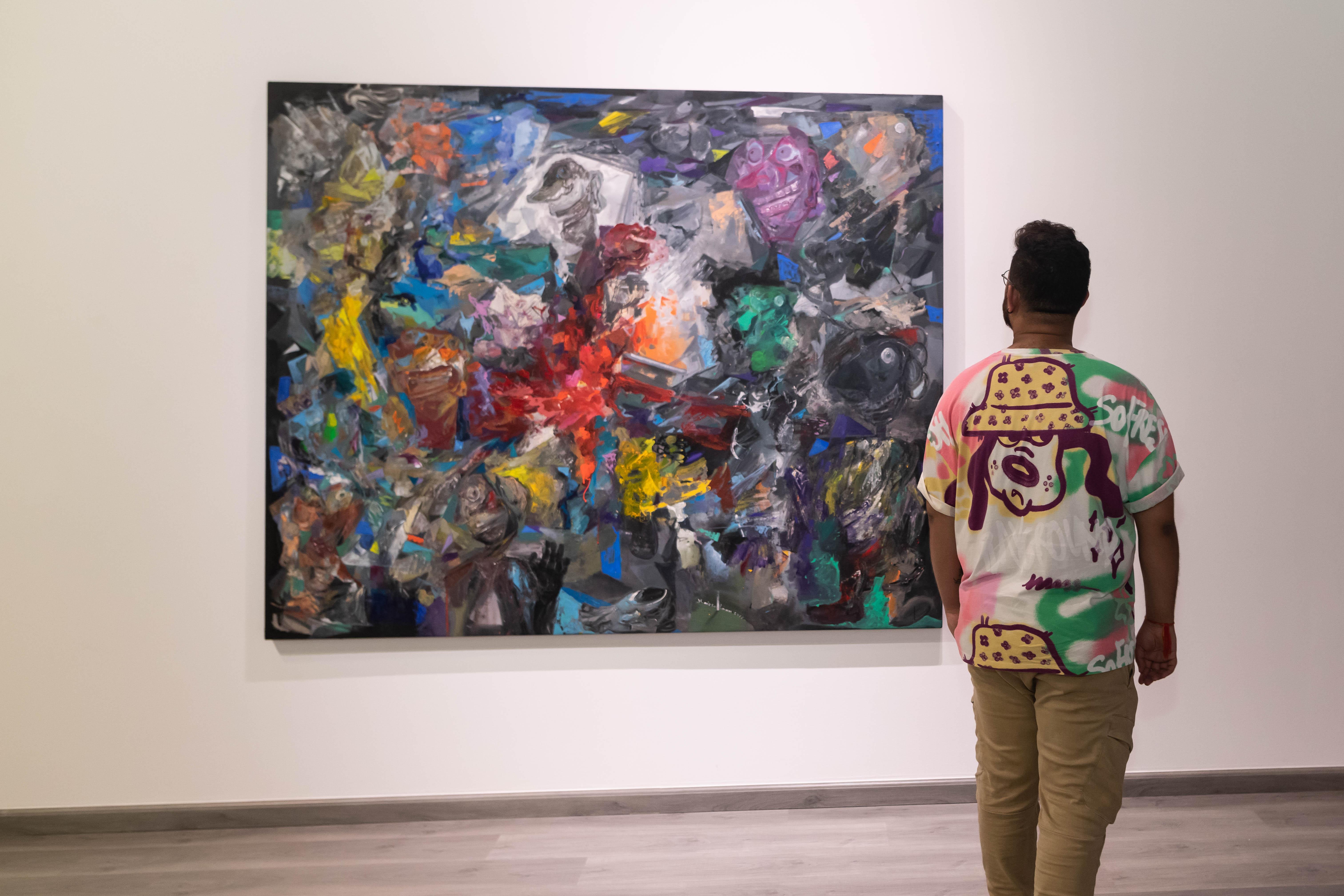
The artists in this show wrestle with these questions of resistance and the problem of art’s mediation of resistance—its ready translation into gestures, suggestions, and representations. Several artists forego mediation entirely, opting for direct experiences or convocation of groups.
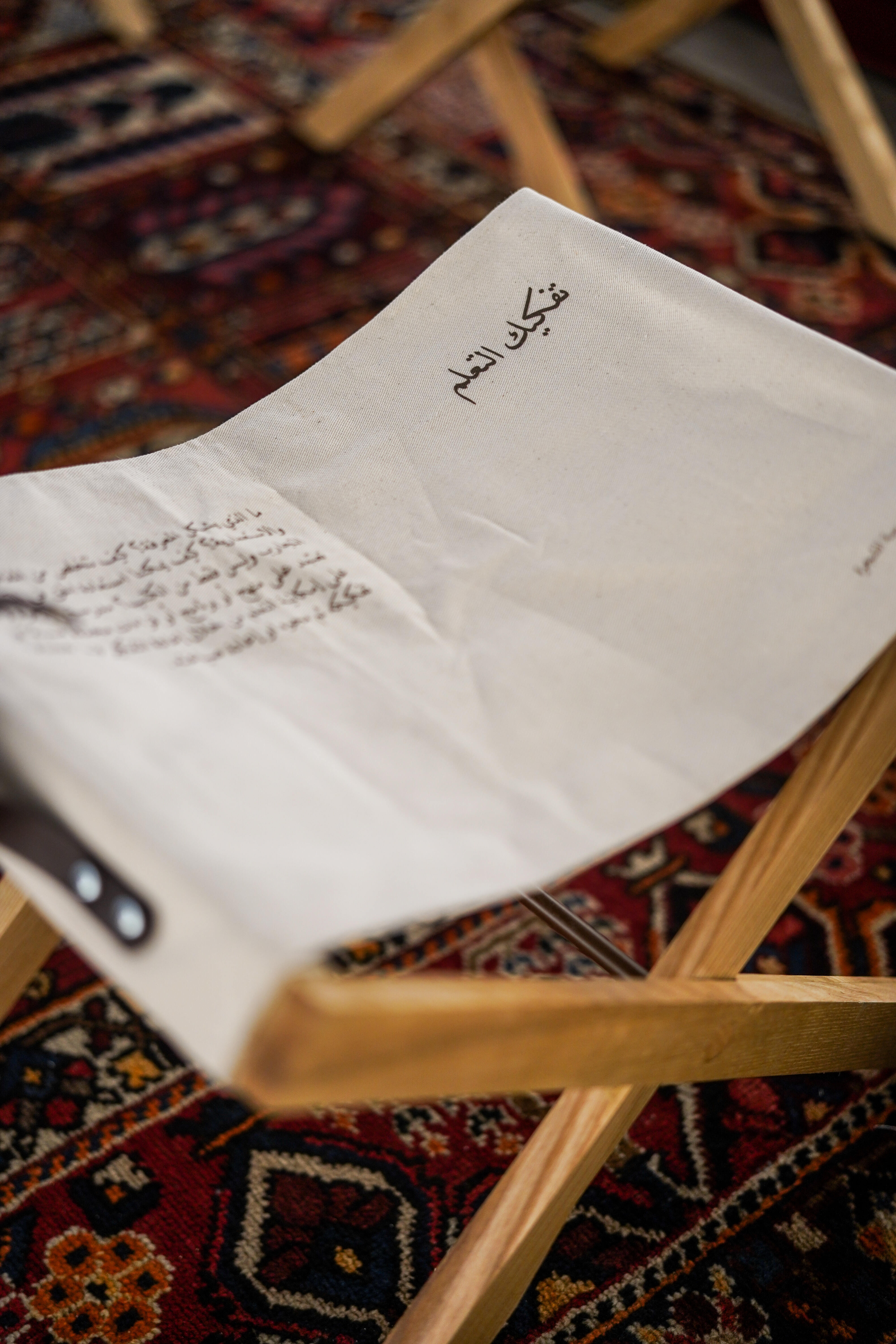
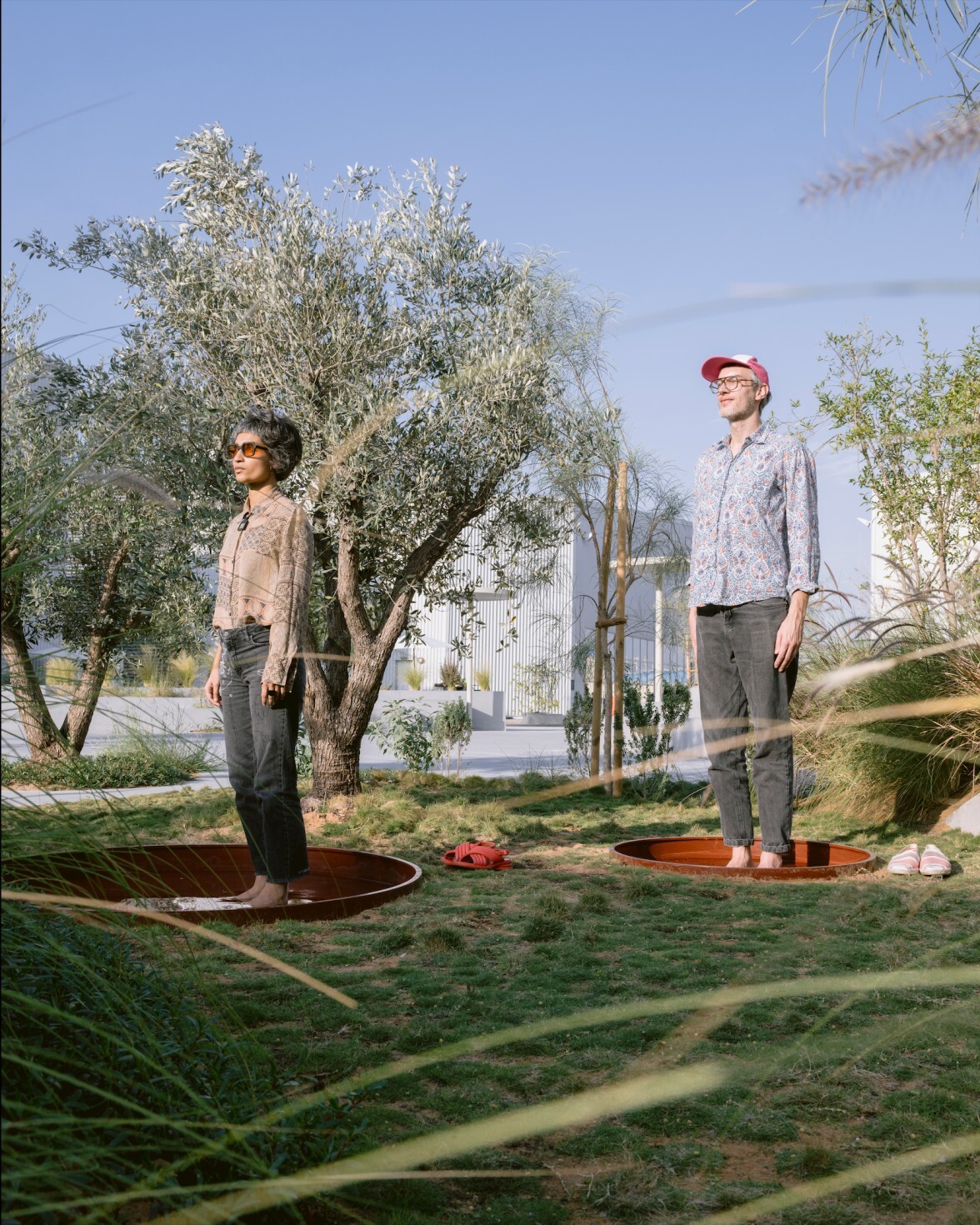
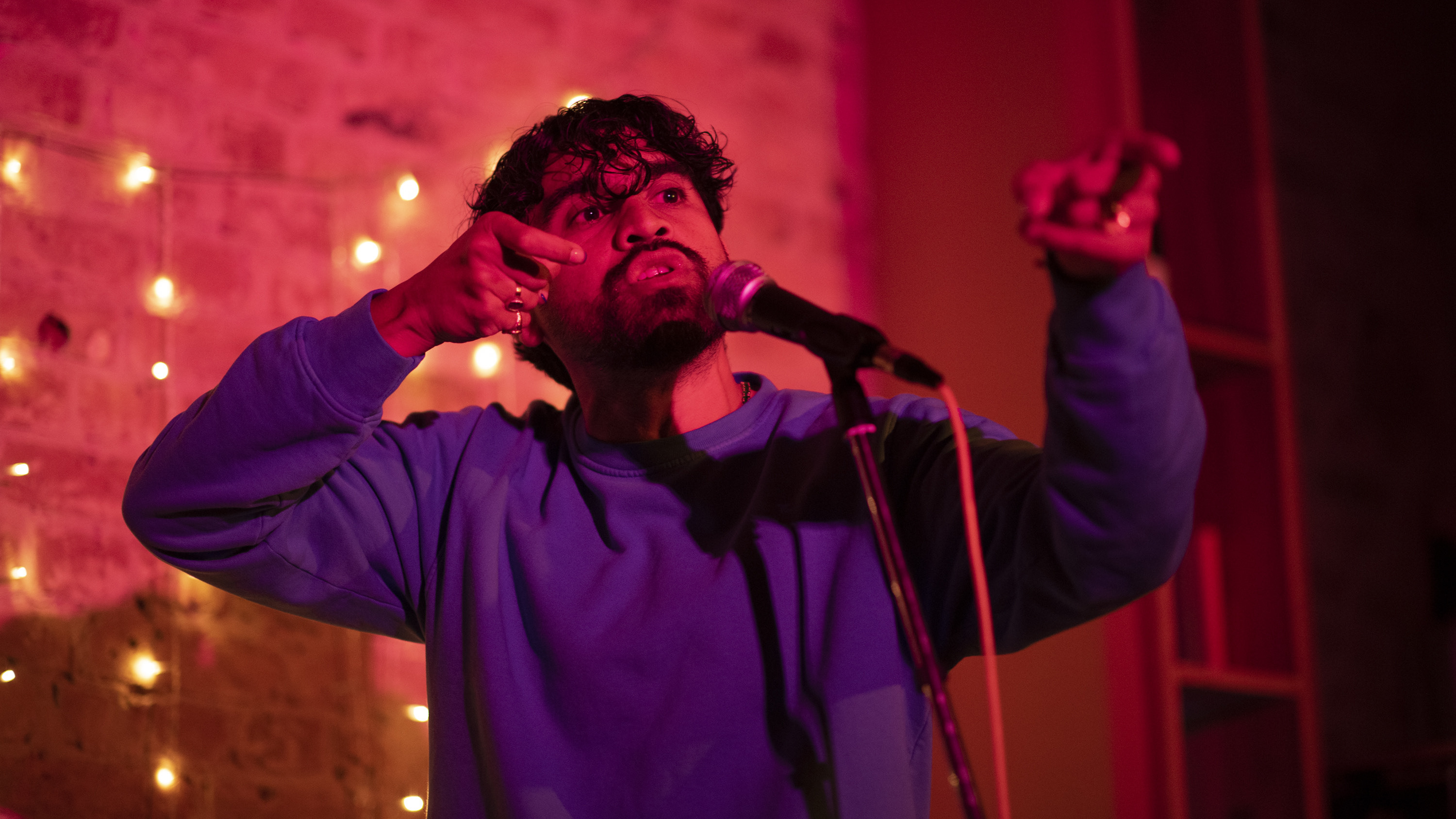
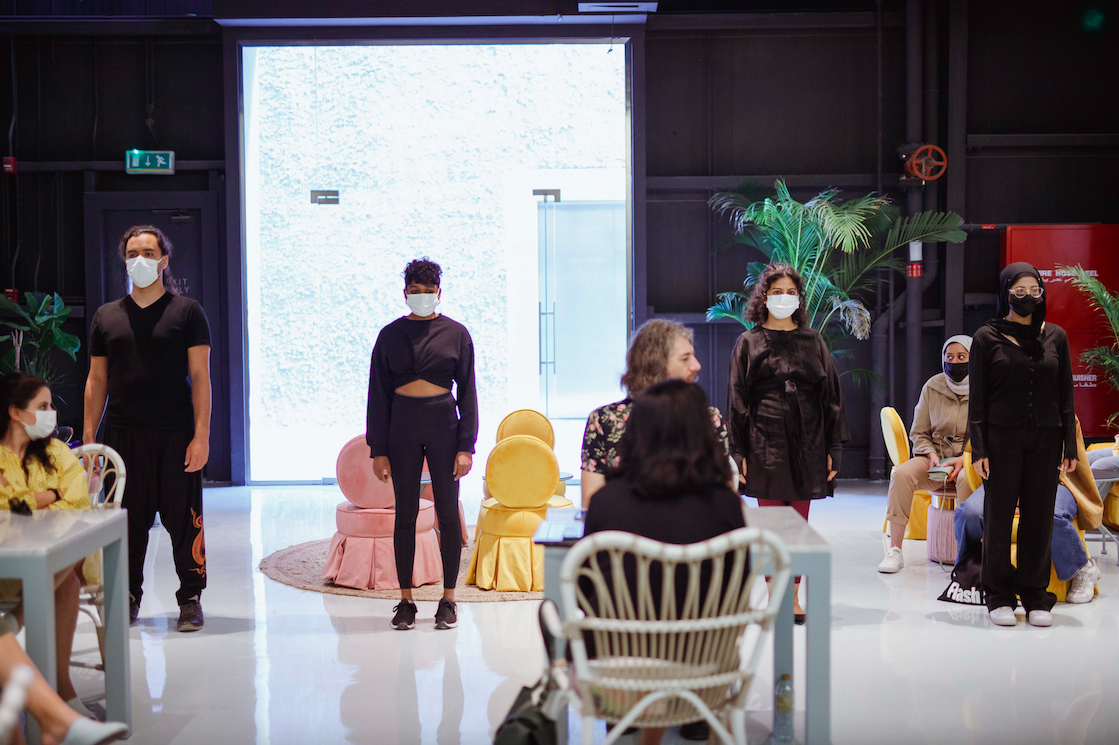
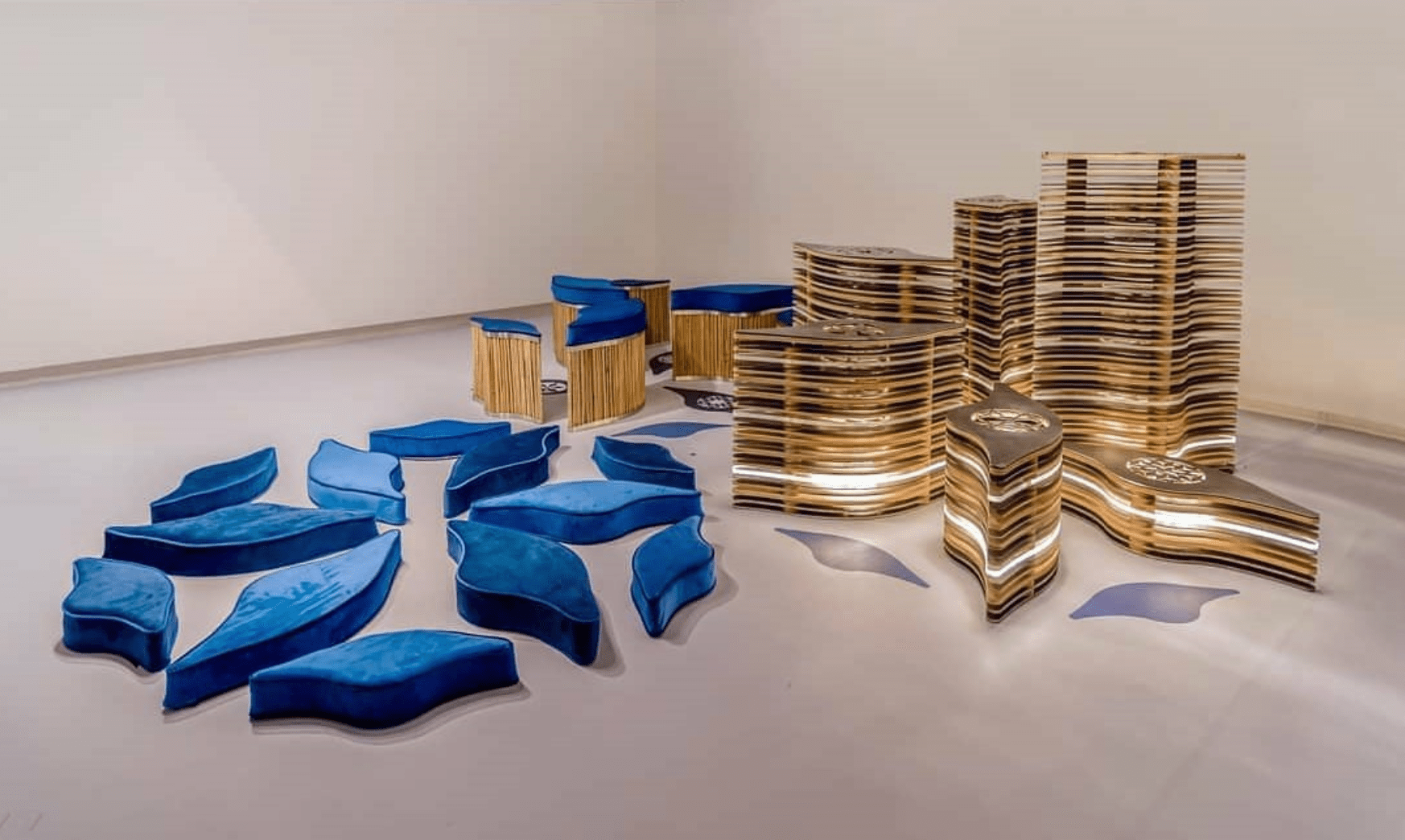
Saul Williams and Anisia Uzeyman, from New York and Paris by way of Rwanda, respectively, have set up Charging Station, a public space for sharing direct messages in a communal embrace of resistance. Sandi Hilal and Alessandro Petti, under their initiative Decolonizing Architecture Art Research—DAAR, unpick how politics may be developed through pedagogy and built environments, steering towards sociality. They welcome people to join morning discussions about Palestine from nine to eleven o’clock.
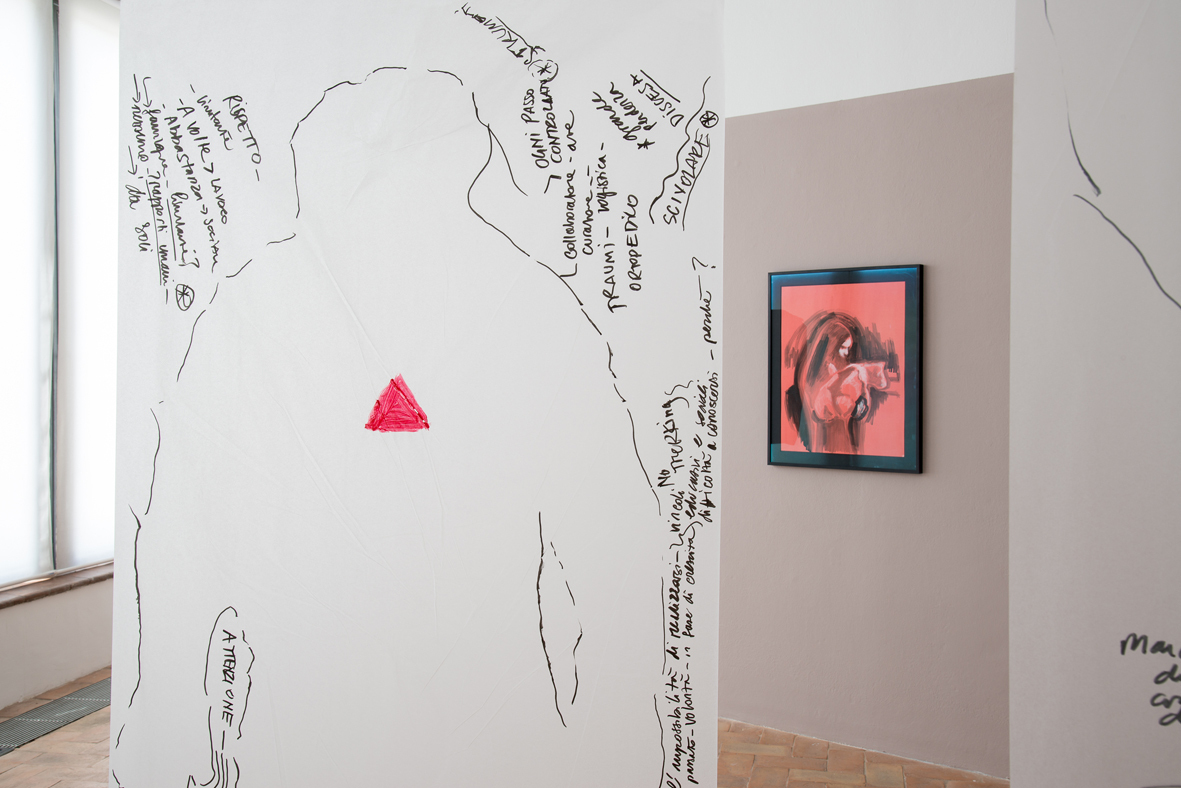
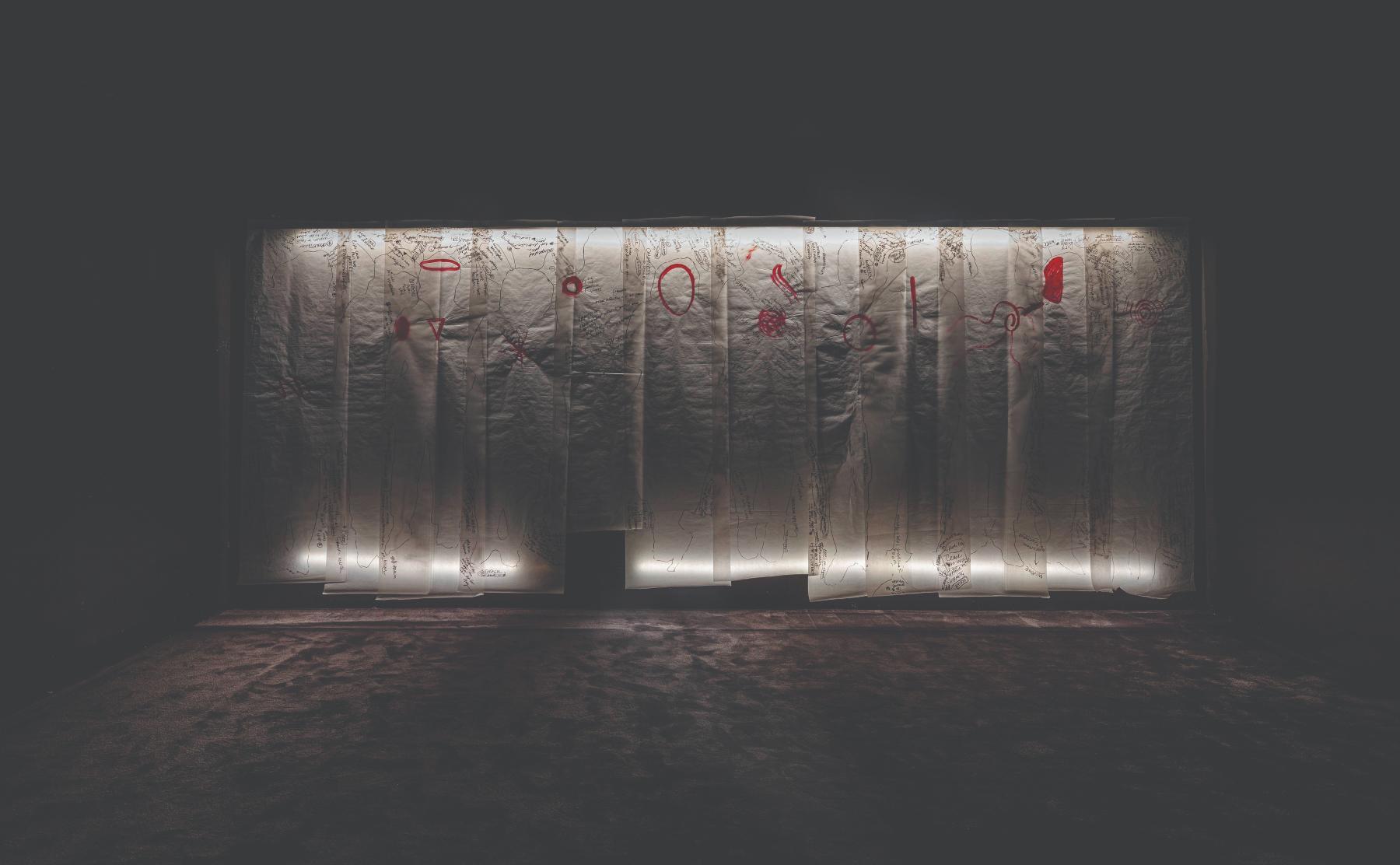
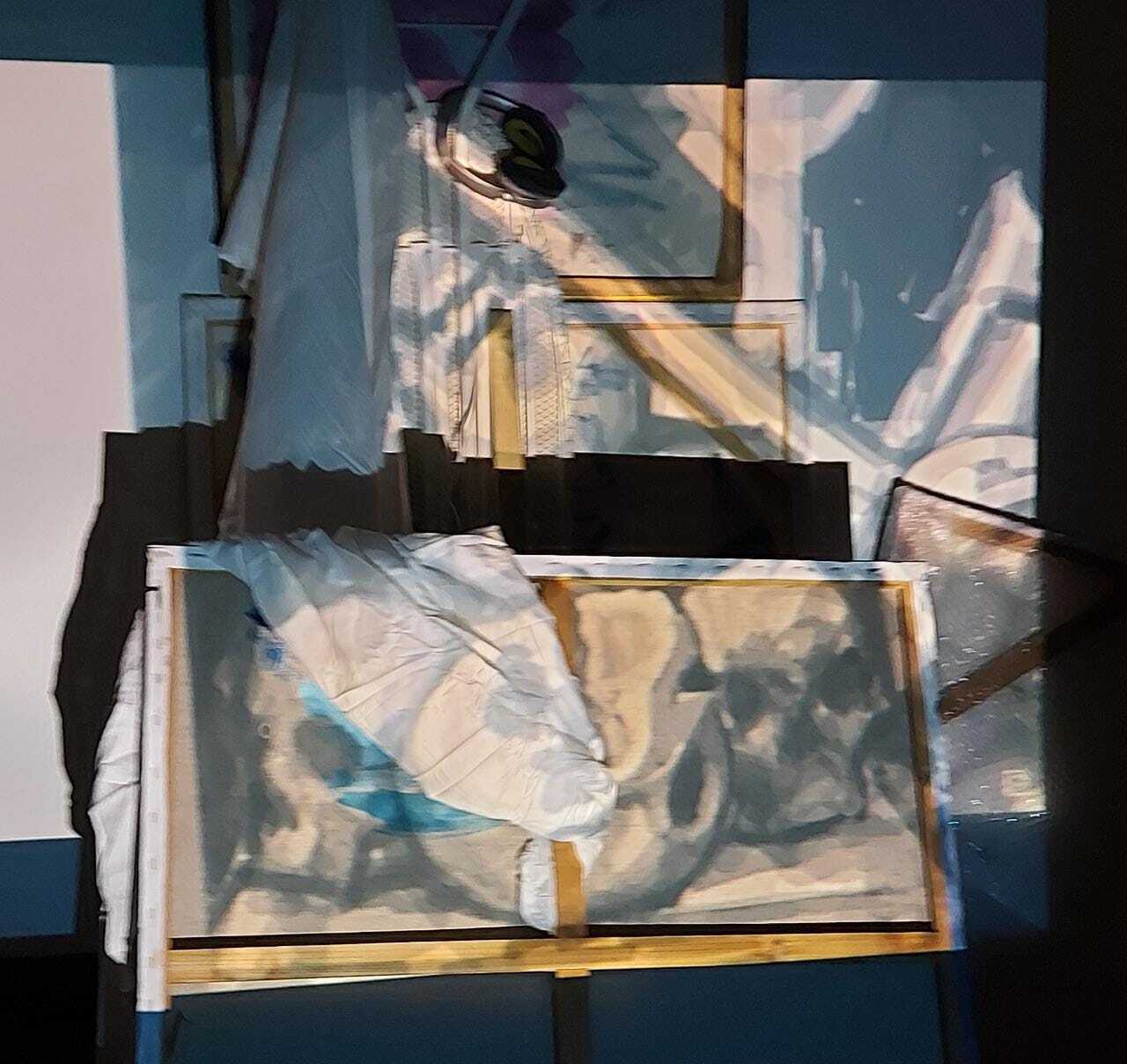
Care, an ever-present part of the labour of solidarity, unites us in pain. Adelita Husni-Bey reprises her Encounters on Pain series, in which she engaged in conversations with nurses to reflect on the hurt they had endured through their long hours of caring for others during the COVID-19 pandemic. She uses long strips of white paper, the same found in doctors’ offices for covering examination tables, as canvases to trace the outlines of bodies and embellish the nurses’ stories. In Venice, inspired by Paulo Freire’s method of toggling between individual and collective experiences, she invites visitors to join this space of testimony to narrate their own feelings of emotional and physical injury.
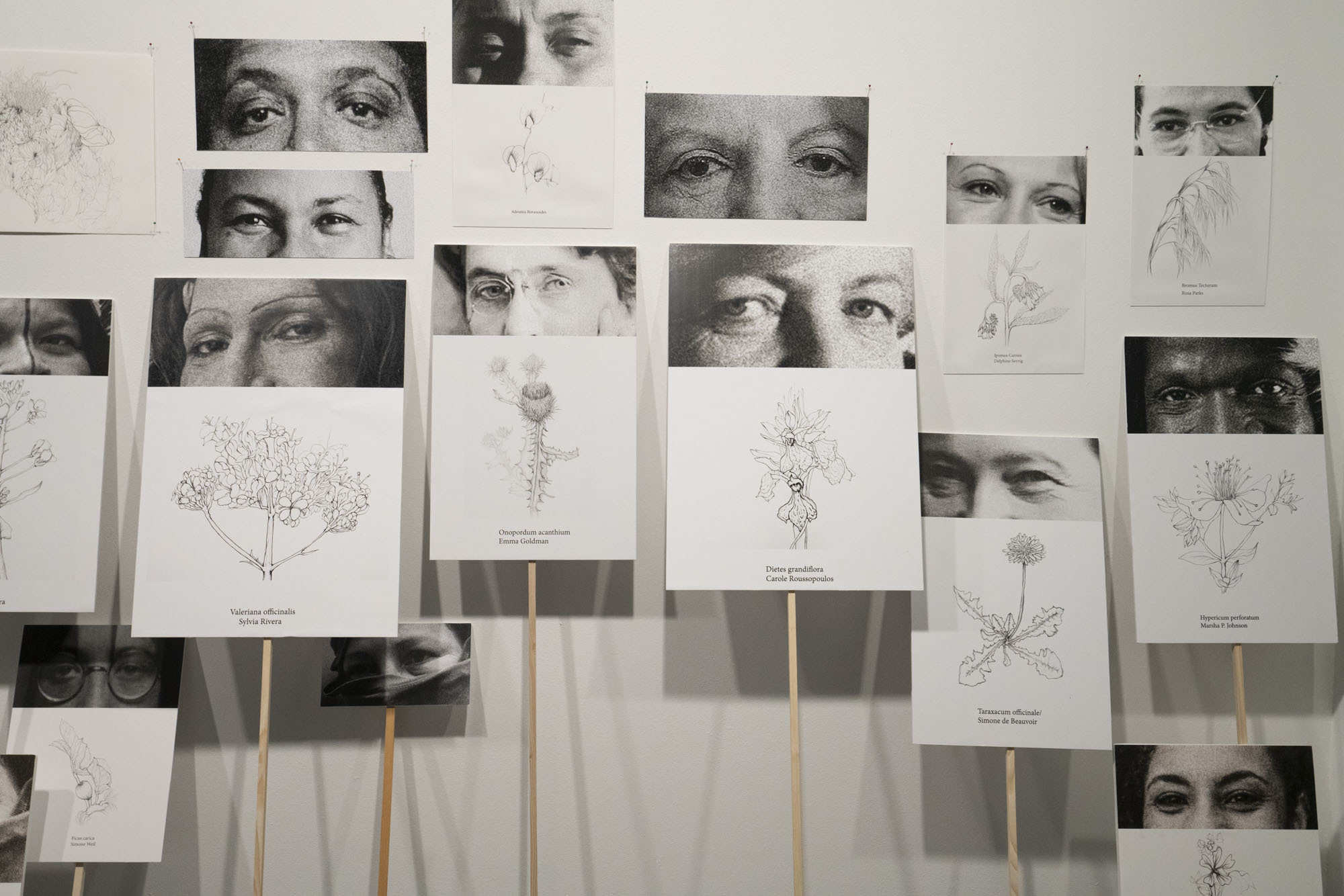
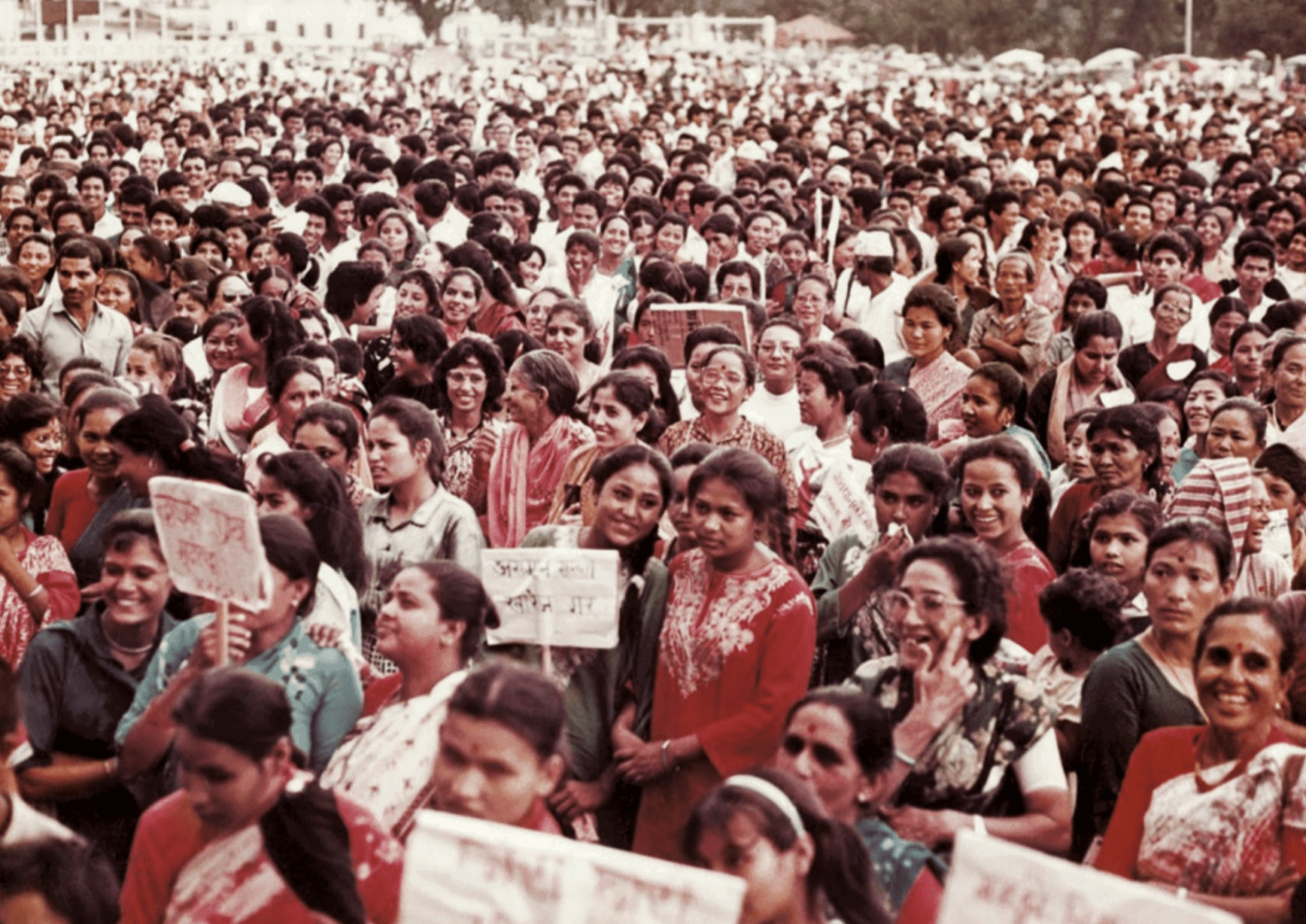
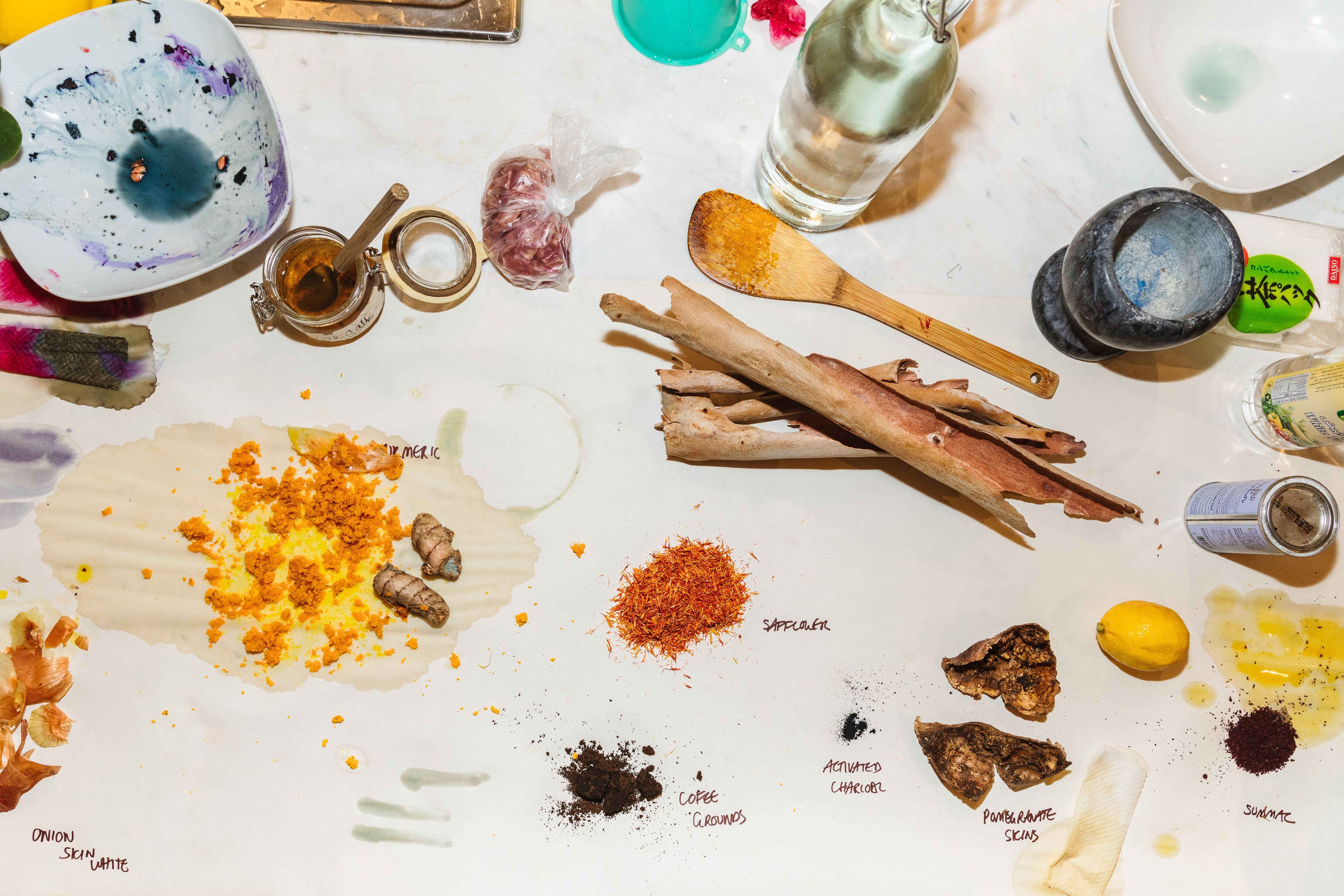
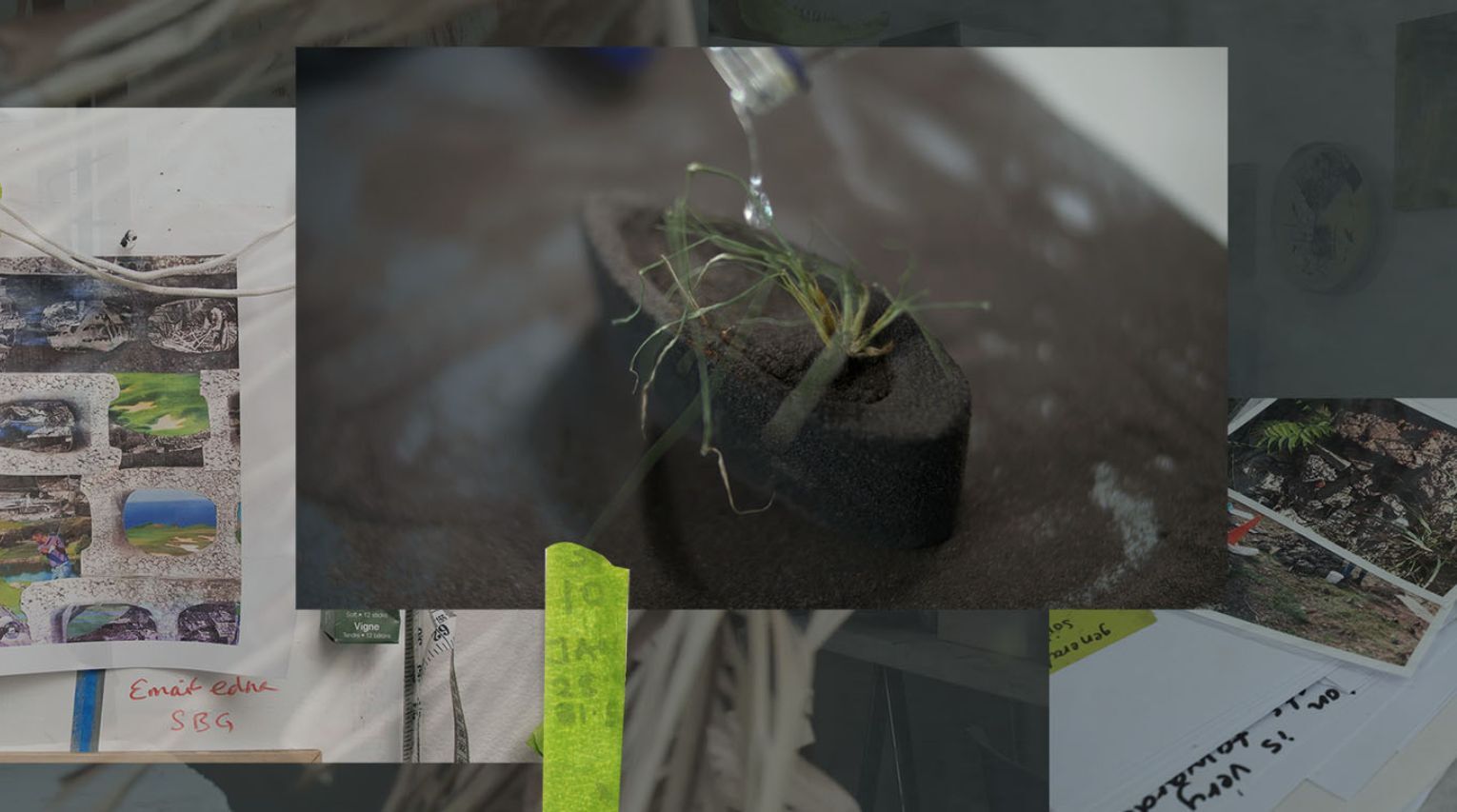
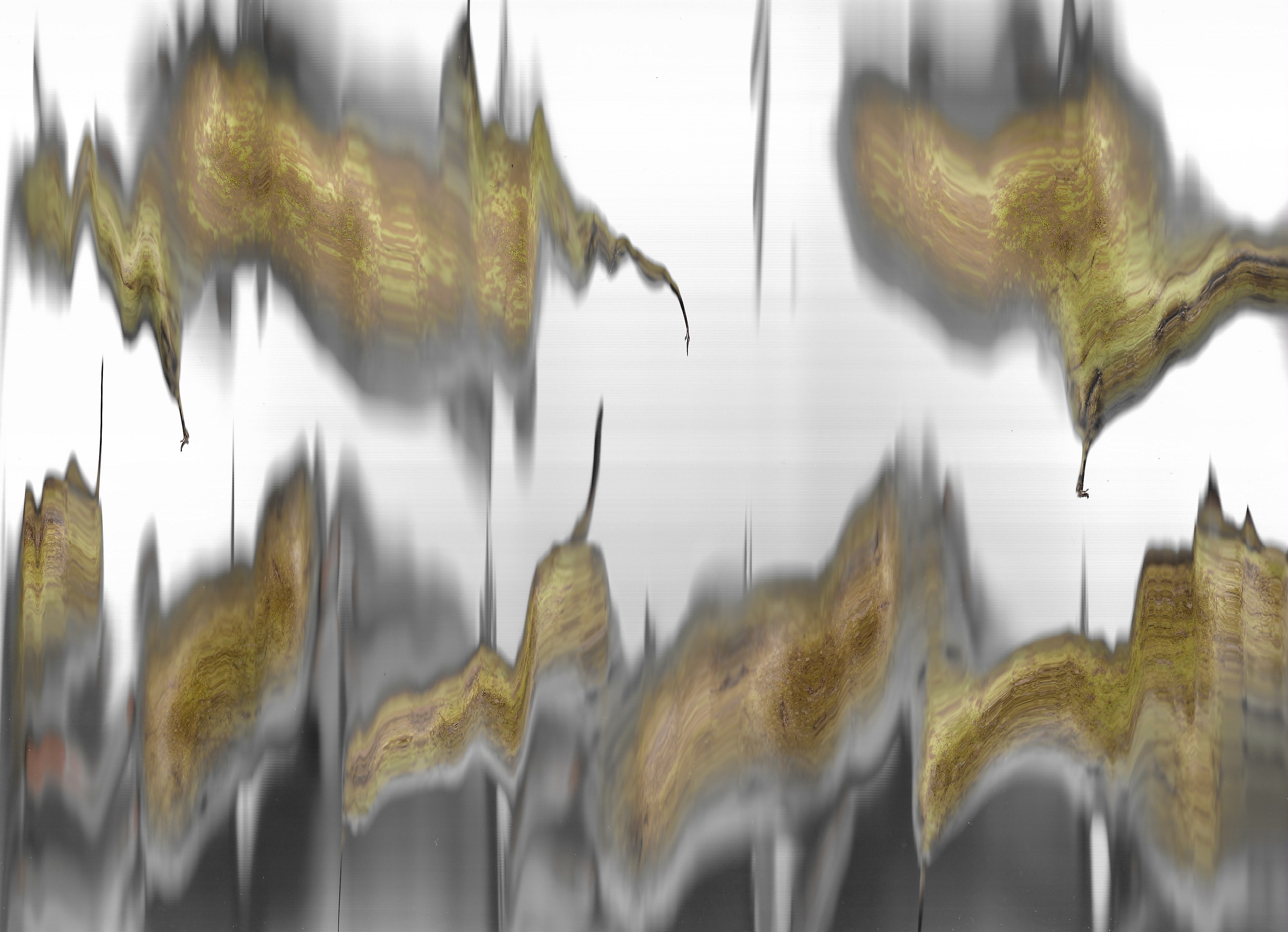
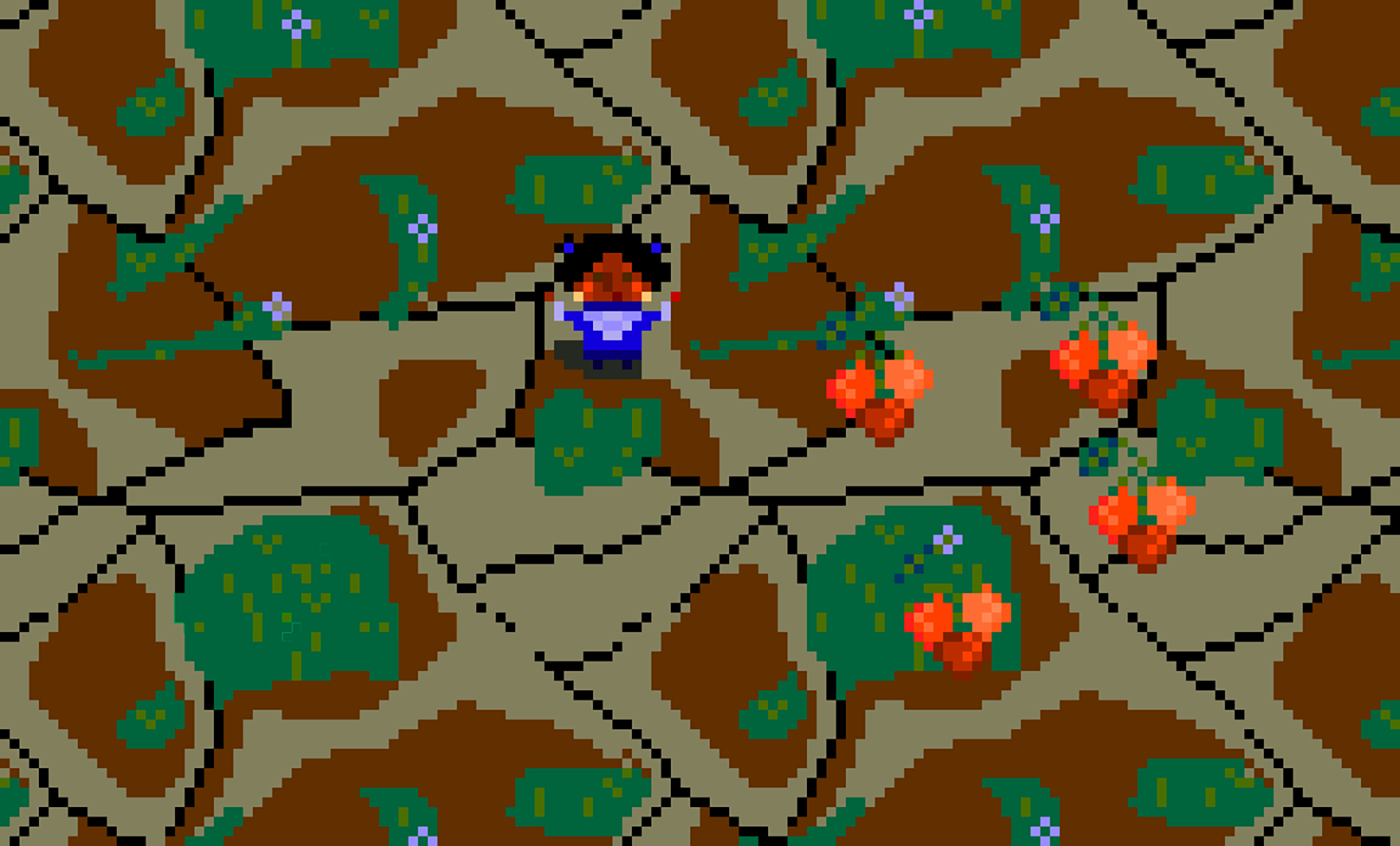
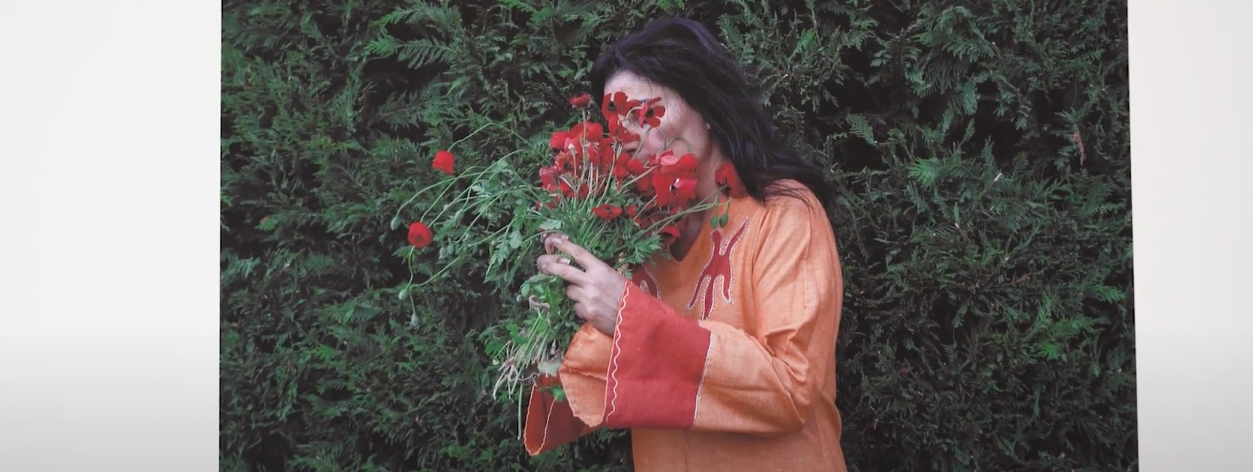
Other works revisit historical episodes of bravery. In Herbier Résistant Rosa Luxemburg and Manifestation Végétale, Paula Valero Comín turns to plants as a metaphor for resistance. She reimagines the herbarium created by the anti-fascist revolutionary Rosa Luxemburg while she was imprisoned. For Comín, the spirit of this herbarium lives on in urban gardens that grow in hardscrabble soil—a reminder and testament to the necessity of ecological solidarity. Through another prism, the Nepal Picture Library, an open digital photo archive set up in 2011 to foster an inclusive history of Nepal, showcases images from their Public Life of Women: A Feminist Memory Project. This project chronicles feminist events from Nepal’s annals, such as the 1981 Kathmandu protest following the rape and murder of two sisters in the small city of Pokhara.
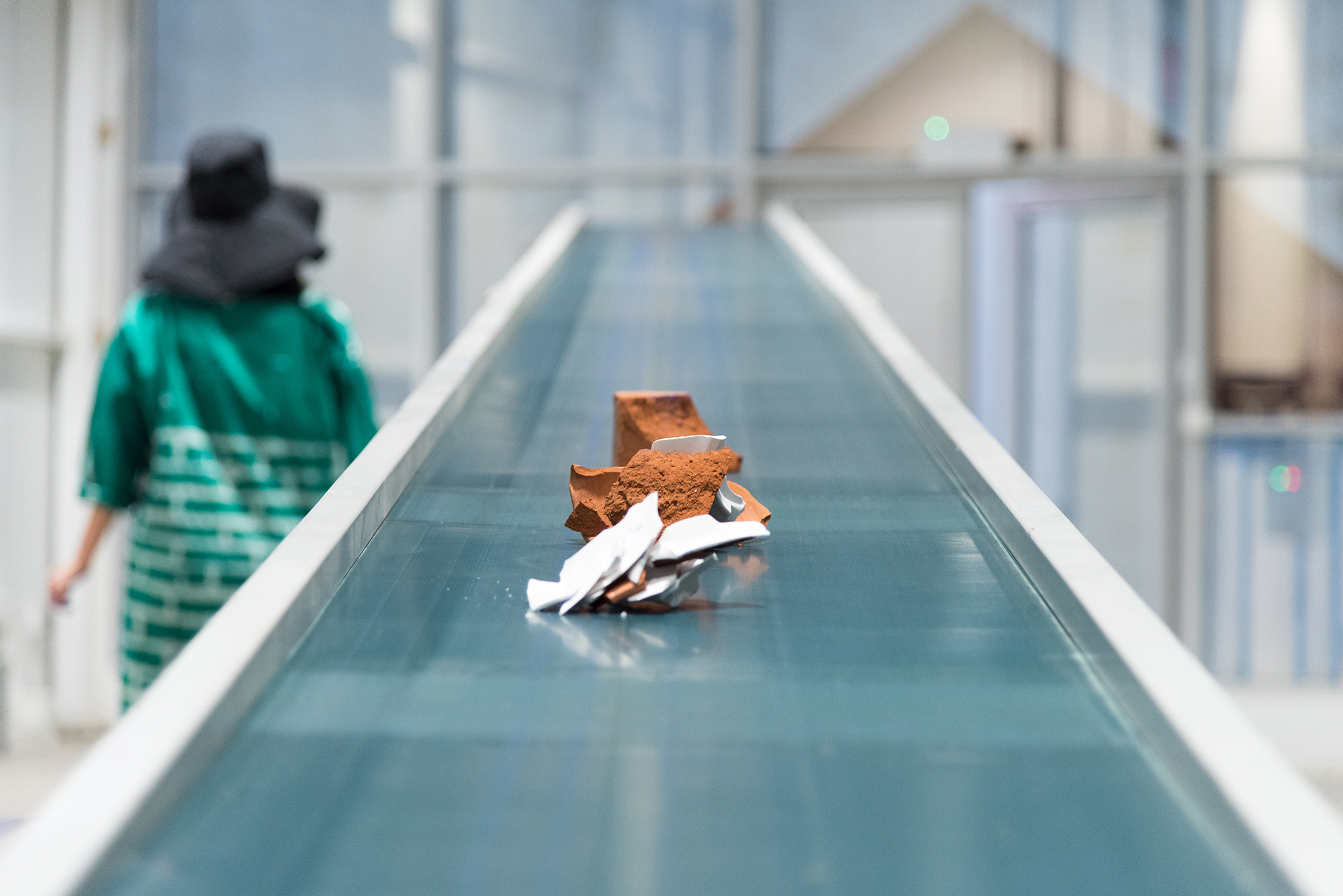
And everyday heroism—might it accumulate? Might our small acts make a difference? Though nonmetaphorical solidarity turns the collective into the singular, perhaps the murky, unfortunately, metaphorical solidarity allows for the resigned hope of small-scale acts. Representation is part of this undertaking. Many works try to translate, to find a poignant story that will allow others in. Dima Srouji and Jasbir K. Puar create a room festooned with purple-flowered wallpaper, alluding to the way that a certain type of bullet embeds itself in human flesh, creating puckered, flower-like wounds. During the second intifada in Bethlehem, Srouji would hunt for remains of the bullets around her home in an eerie version of finders keepers.
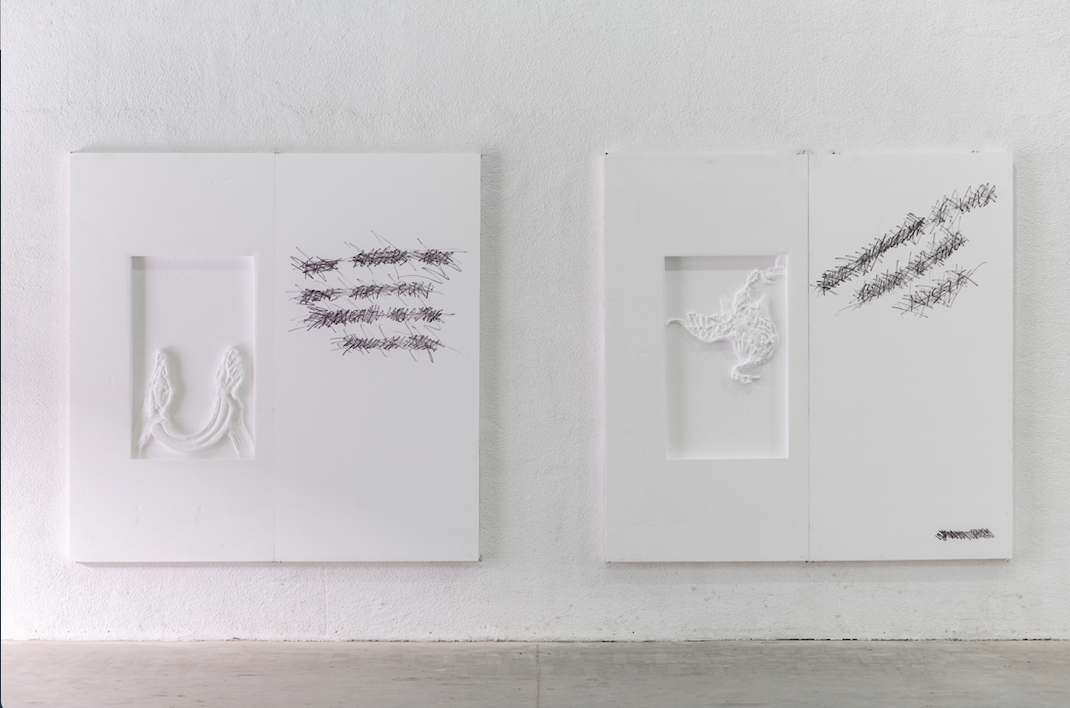
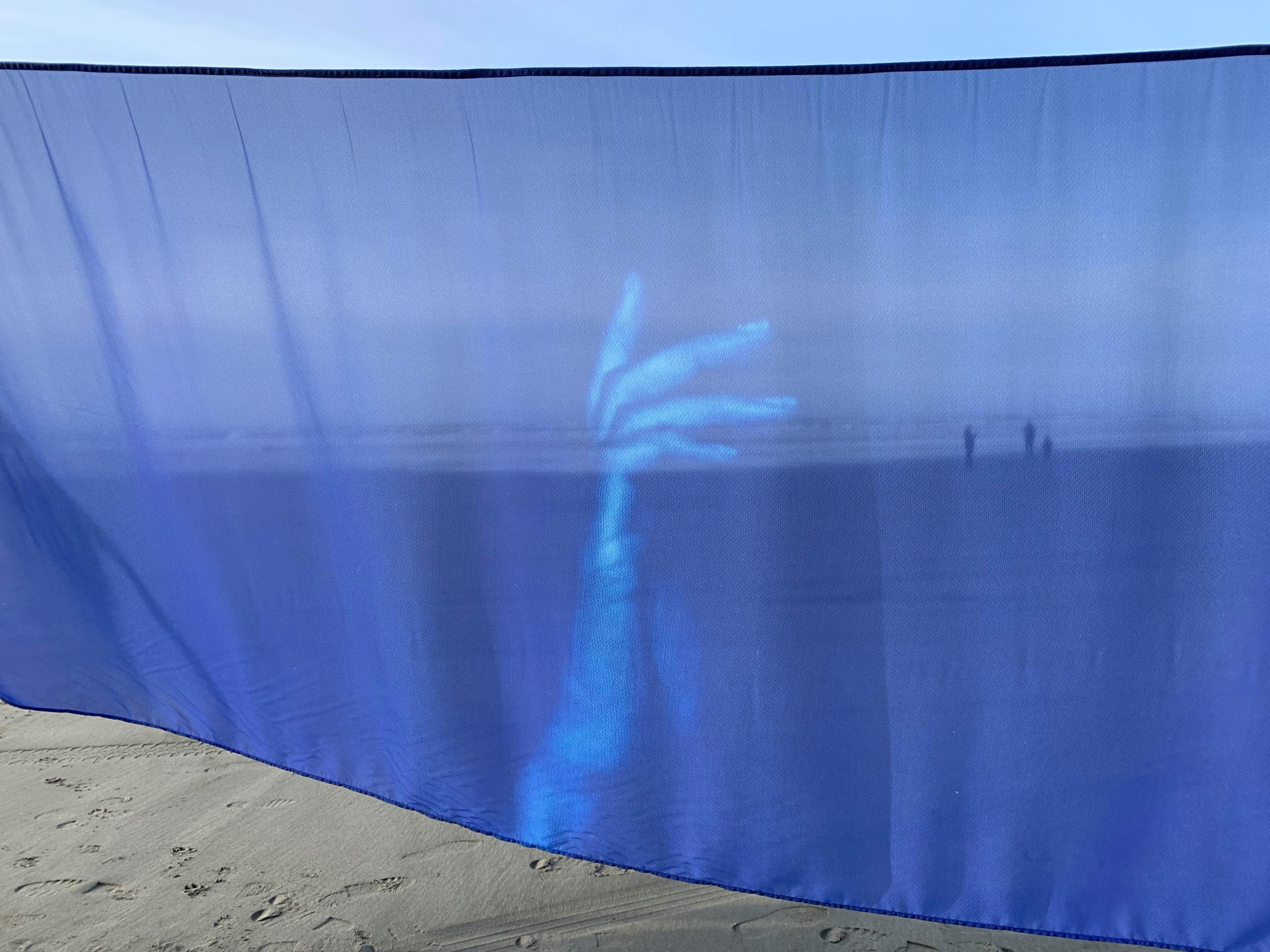
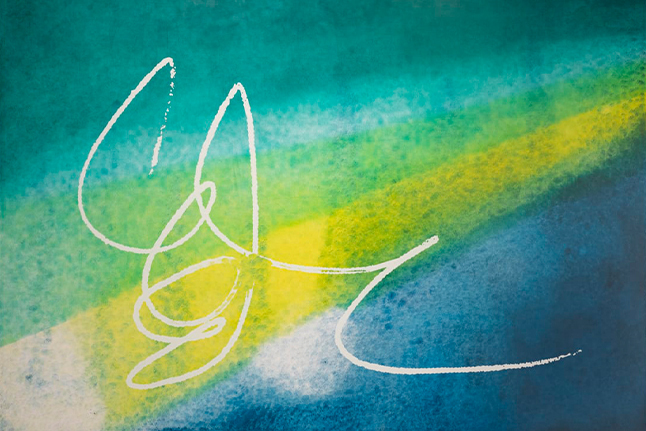
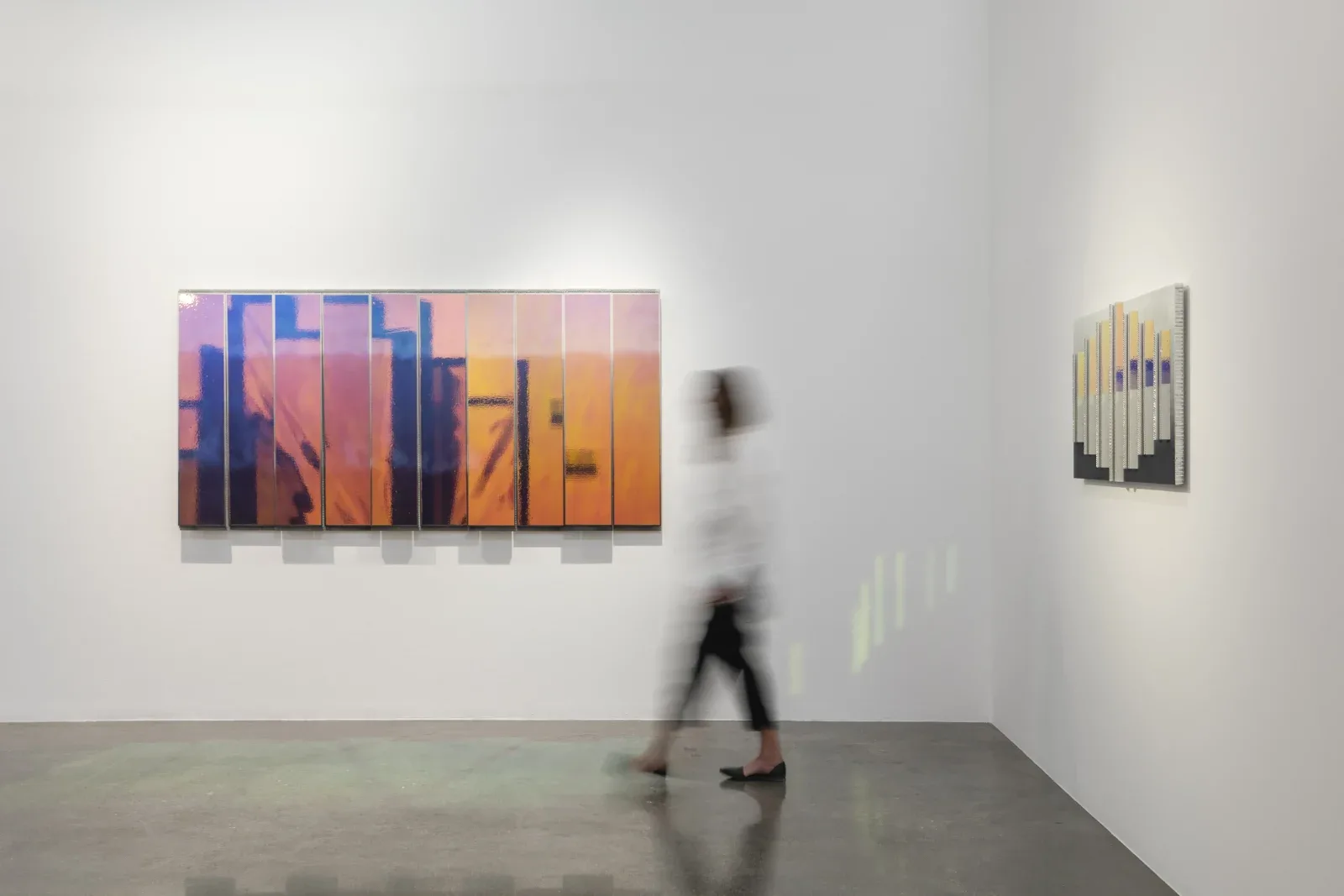
Recurrent modes of soft and amorphous forms weave through the exhibition. Shada Safadi, from Syria’s occupied Golan Heights, explores the psychic ramifications of chronic siege, giving voice to surrealism in the landscape. Her Impossibility (2022) captures a cloud, known as the Nūn Qutna, that sometimes hangs over Mount Hermon’s skyline. Farmers believe it to be a good omen. Safadi’s story of an impossible love between a fish and a bird brings good news for the stymied lovers. She sketches out the story in barely visible raised Braille, metamorphosing writing into the Nūn Qutna itself.
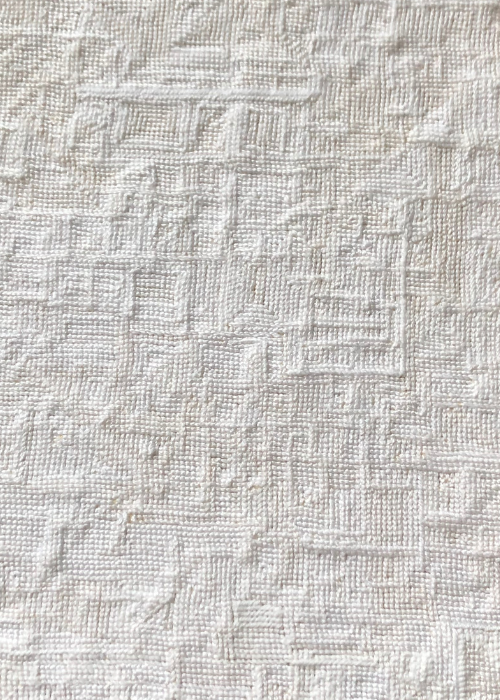
In the simplest of gestures, Majd Abdel Hamid embroiders tatreez white on white, with the title baldly stating his work’s imperfections: Son, This Is a Waste of Time. While Palestinian tatreez is typically rendered in deep reds and blues that tell the story of the maker’s village, Abdel Hamid’s is ghostlike, barely clinging on to visibility.
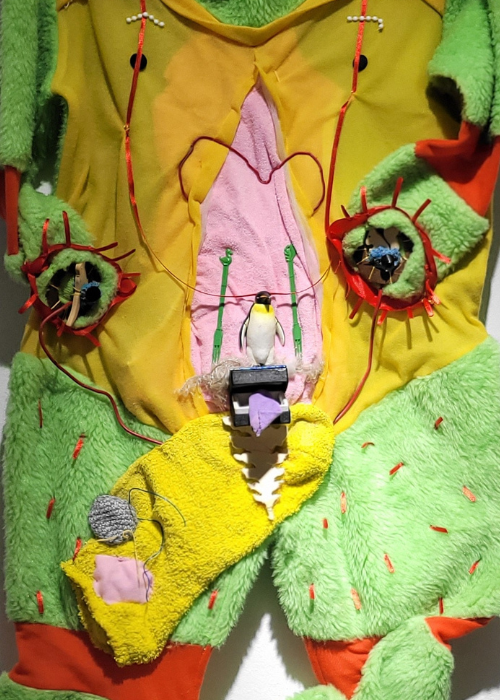
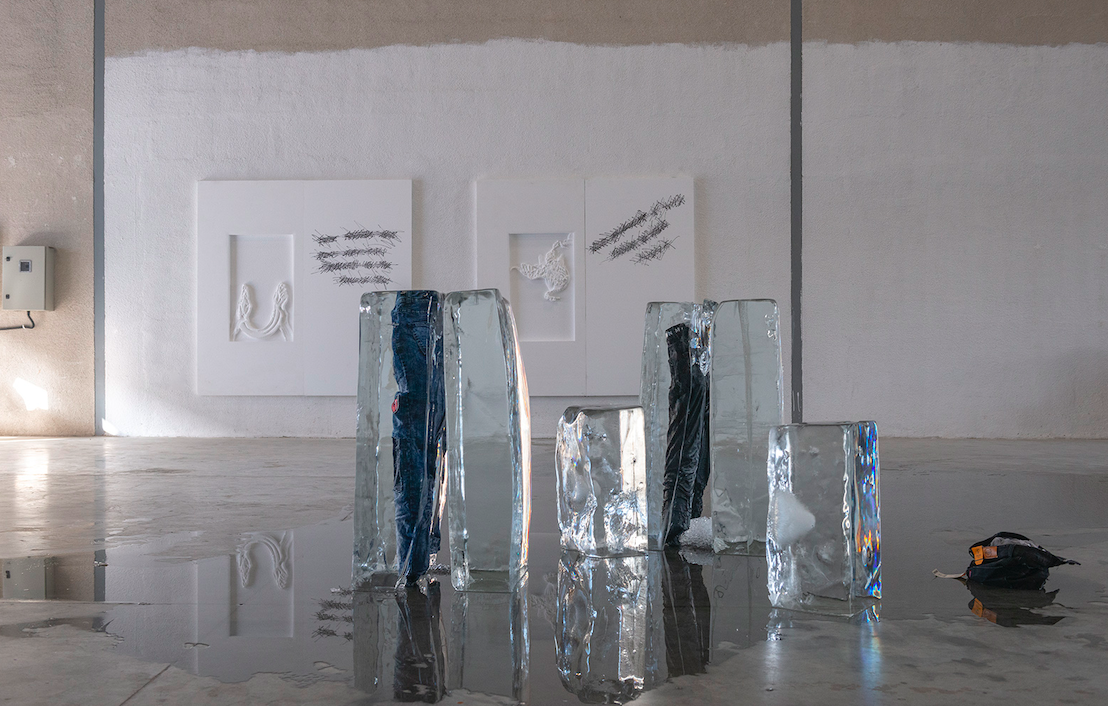
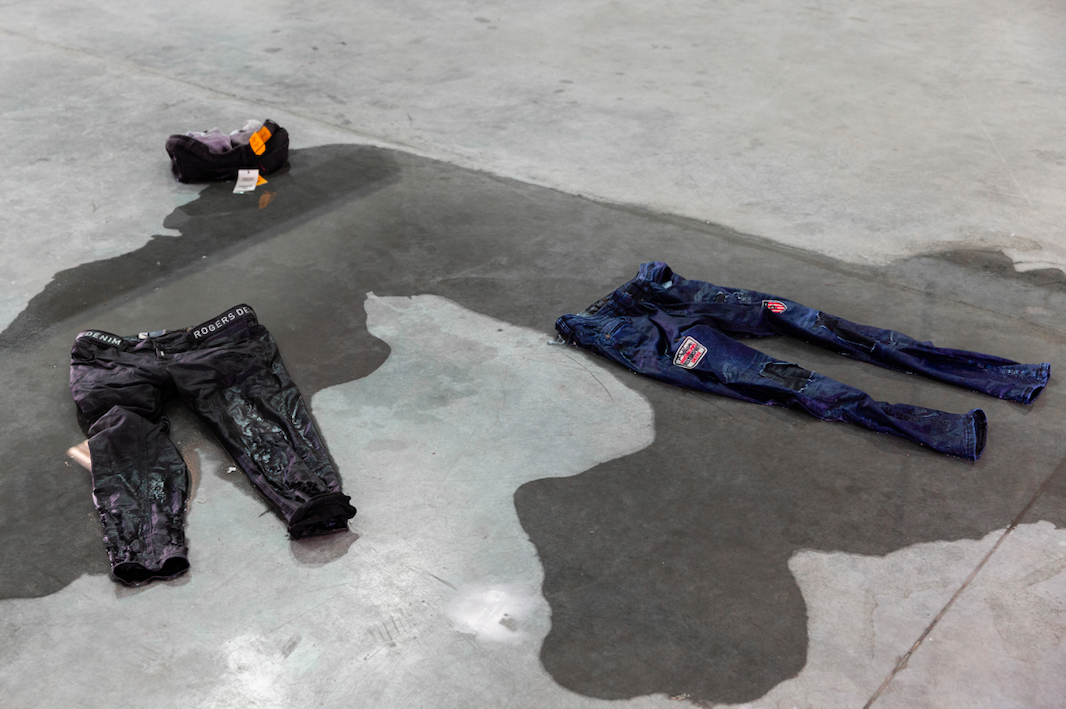
In When Solidarity Is Not a Metaphor, textiles are tied to the narratives of the wounded and refugees: children sleeping in pitched tents rather than rigid-walled houses; sheets dividing living quarters; and the scratchy, balled polyester of donated goods. Nge Lay from Myanmar shows woven garments that stand for the Spring Heroes of 2021 who fought against government oppression. In a similar vein, Yana Bachynska, from Lviv, creates fantastical, childlike costumes comprised of the clothes that were given to them after they escaped from Ukraine.

This essay makes a case for the grey area of metaphorical solidarity as a valid political stance, confronting what it means rather than wishing it be more. Such representations of solidarity, along with everyday acts of solidarity by those whose hearts break over the conflicts, have entailed lost friendships, perceived abrasiveness, and missed opportunities. But we are all entangled in the system demanding self-censorship within the art world, and most of us are part of broader political systems with international policies we deeply oppose. These intricacies beg the question: what do we do with these entanglements?
The sheer scale of metaphorical solidarity shows the number of people who are desperate to move out of metaphor toward real change—who knows, this could be our shiver of hope.











Stay tuned...

Stay tuned...

Stay tuned...








Stay tuned...