

Research Rooms
About
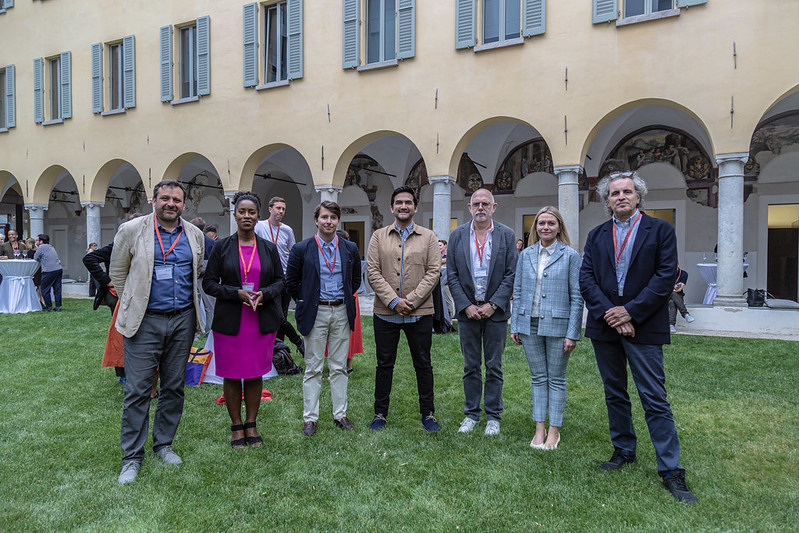
Alserkal Arts Foundation’s Research Rooms programme invited a cohort of locally based researchers to make their home at the our studios for the summer.
Working across anthropology, art history, political science, performance practice, and curation, the cohort used their time at the Foundation to further their individual research investigations through focused and intimate public programmes. Click here to learn more about the cohort and their research projects.
Over July and August 2024, a series of workshops and discussions invited audiences - scholars, researchers and the intellectually curious - to consider the potential of alternative research methodologies to counter dominant institutional conventions, reimagining obstacles and detours as enablers of knowledge production for diasporic communities.
---
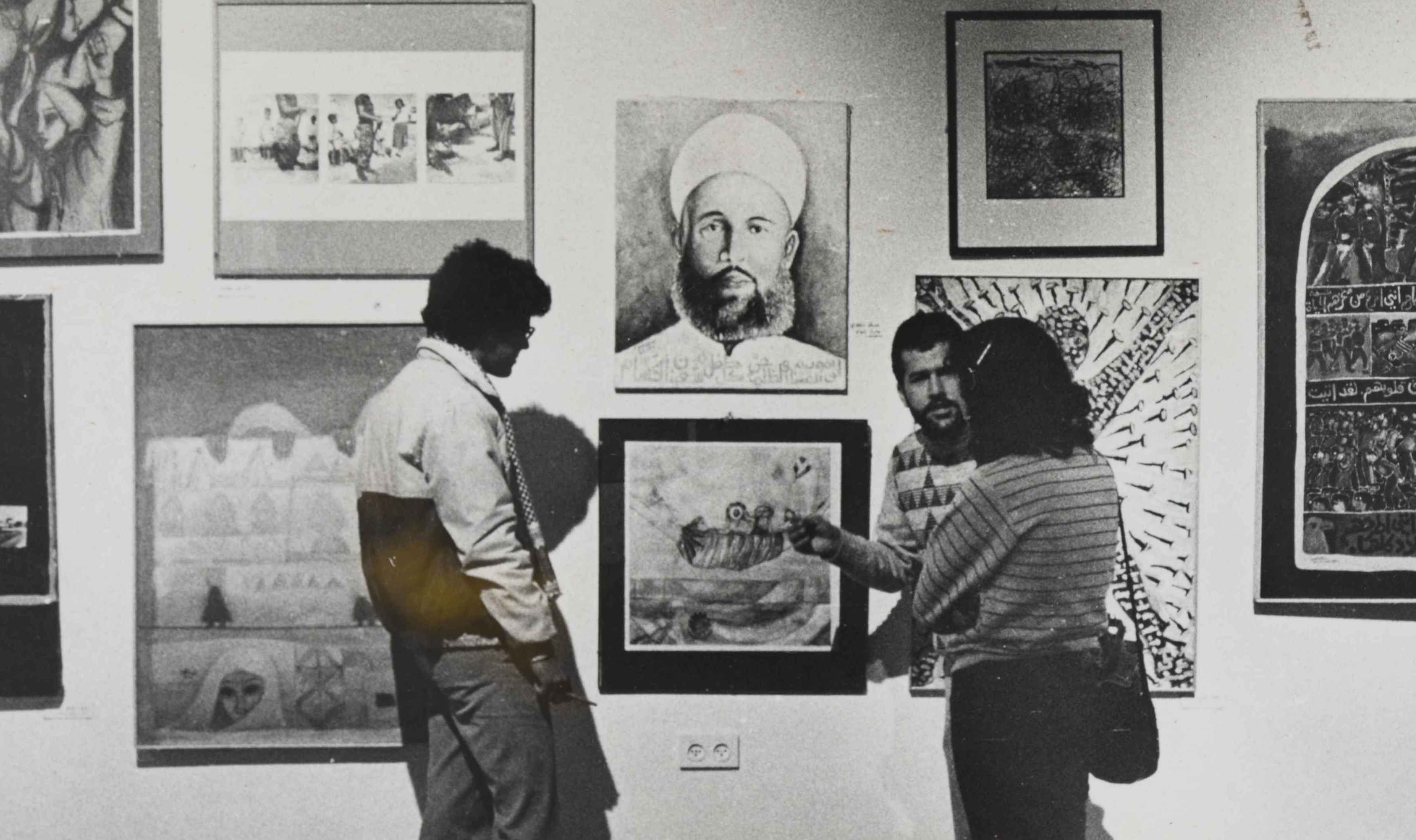
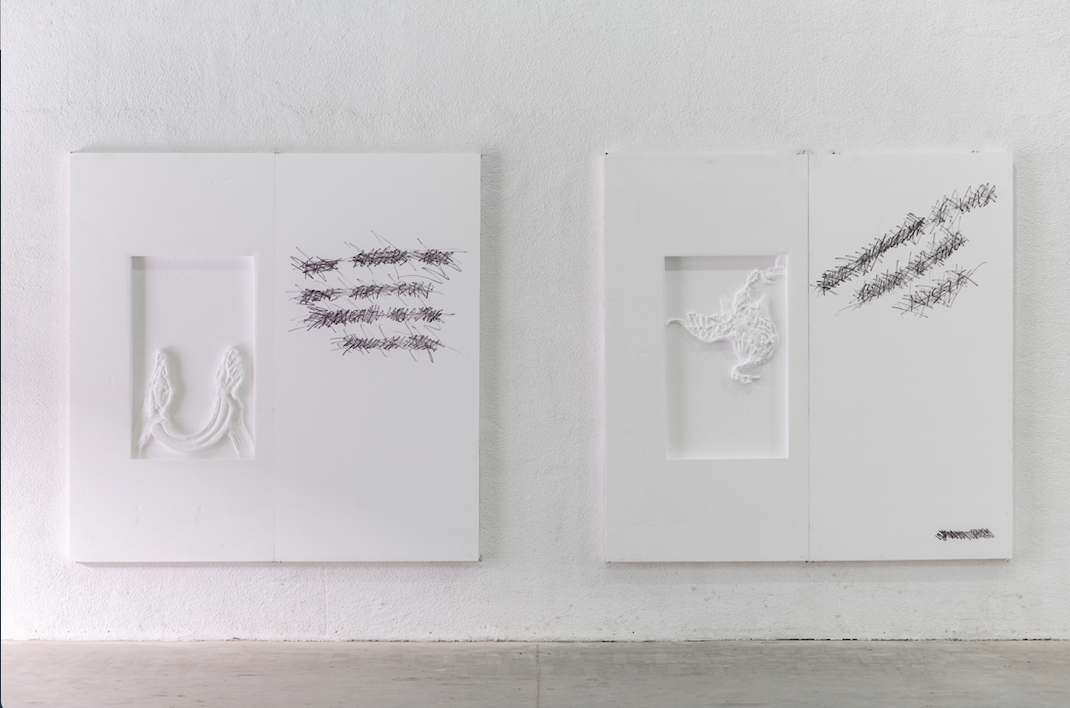
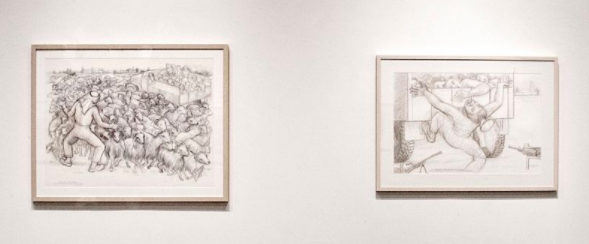
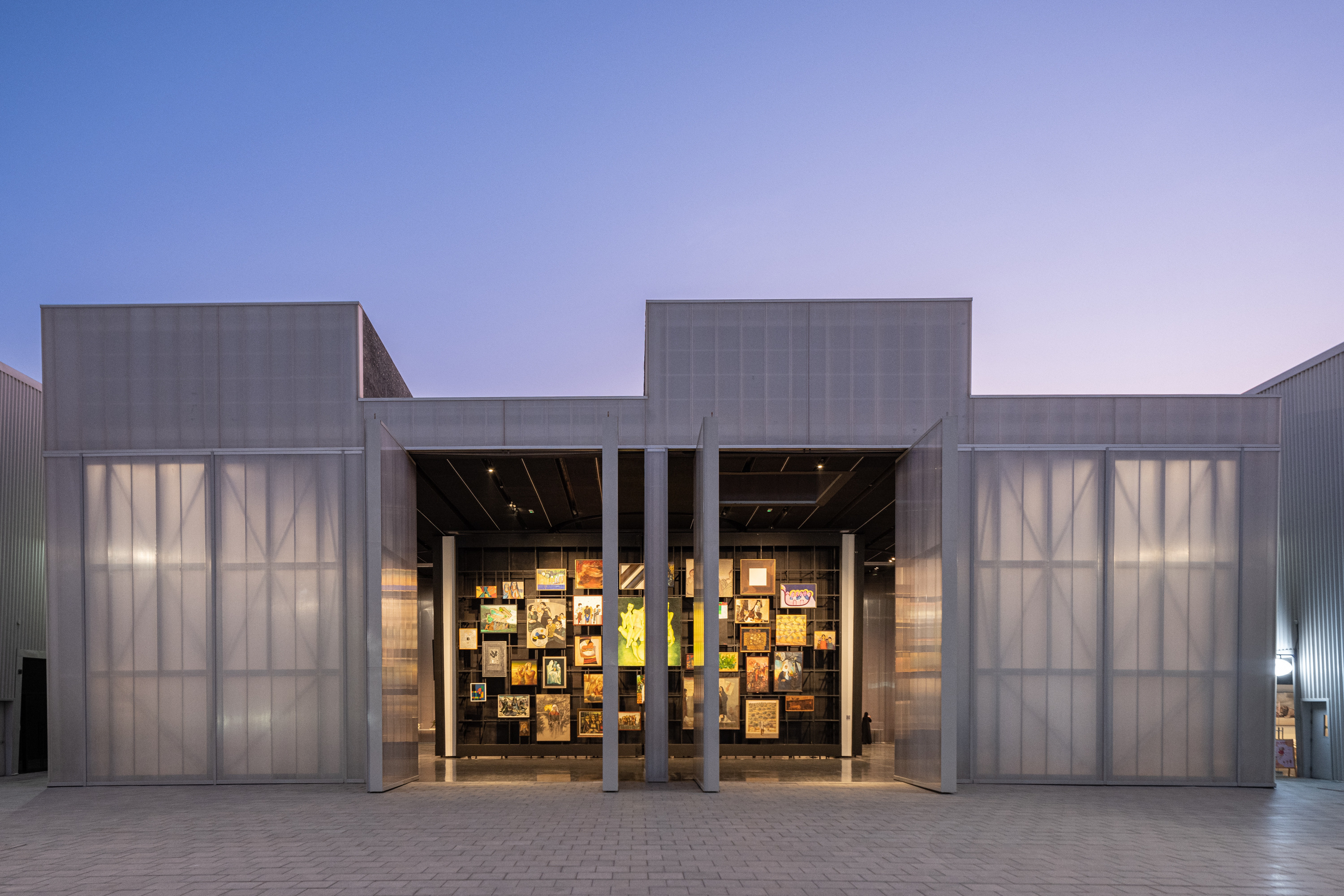
Banner Image: Against Occupation and for Freedom of Expression–an art exhibition in Jerusalem, 1985. Courtesy of the Ziad Yousef Collection from the Palestinian Museum Digital Archive.
Cohort
Neha Vora
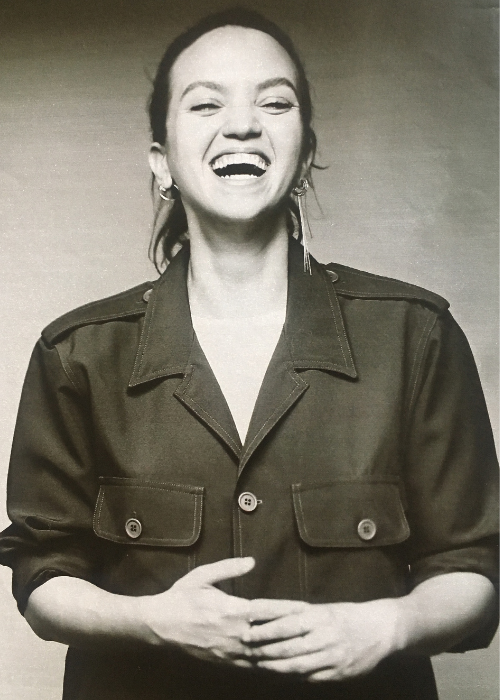
Dr. Neha Vora is Professor of Anthropology in the Department of International Studies at the American University of Sharjah. She pursues interdisciplinary research in themes such as diasporas and migration, citizenship, globalized higher education, gender, and human-nonhuman encounters.
Faris Shomali
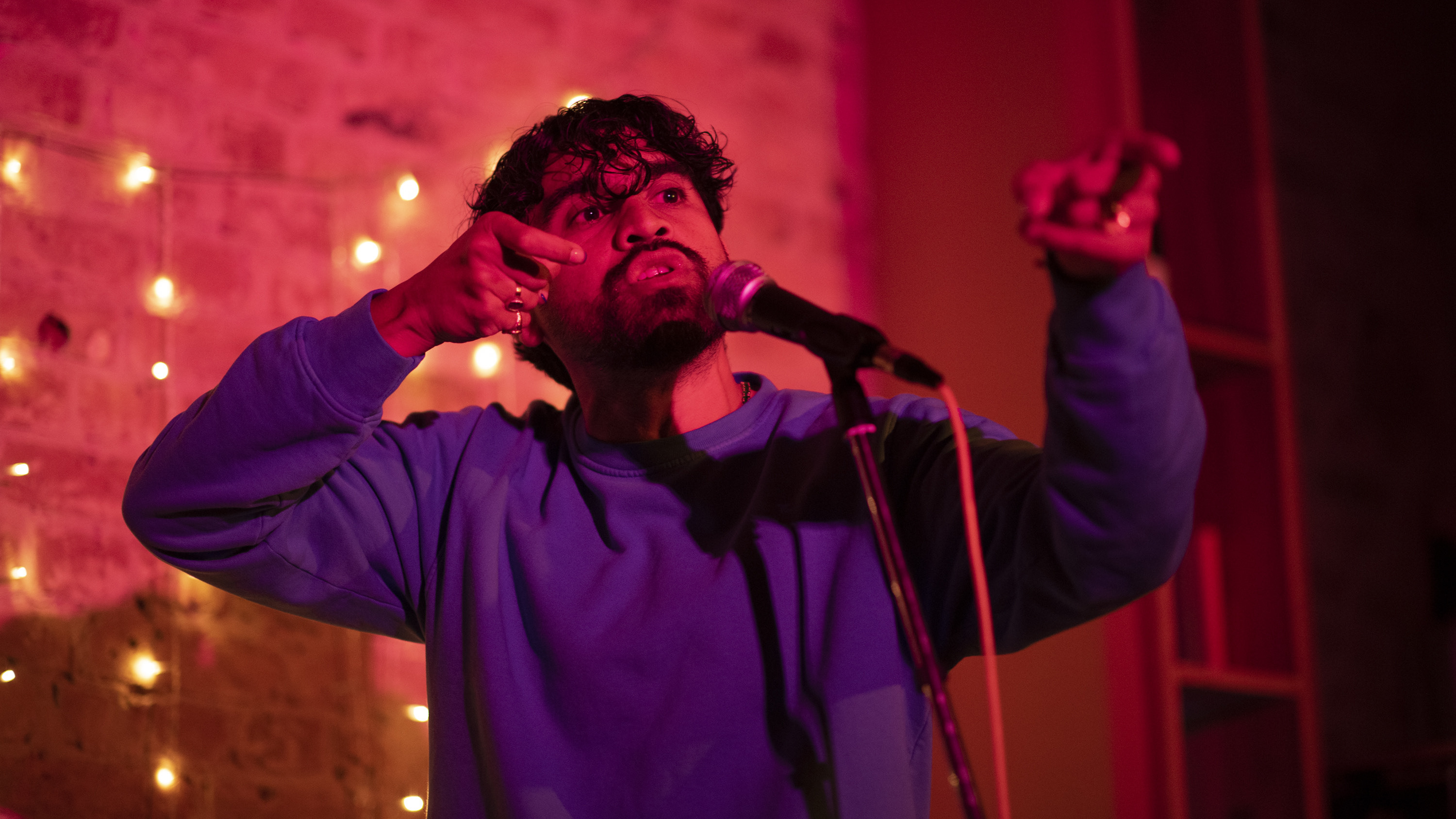
Faris Shomali is a researcher and art archivist. He is a PhD candidate in Anthropology at the University of Toronto. His doctoral research investigates the politics of circulation of Palestine’s art. He has previously worked as a digitization manager at the Palestinian Museum Digital Archive project.
Huzaafa
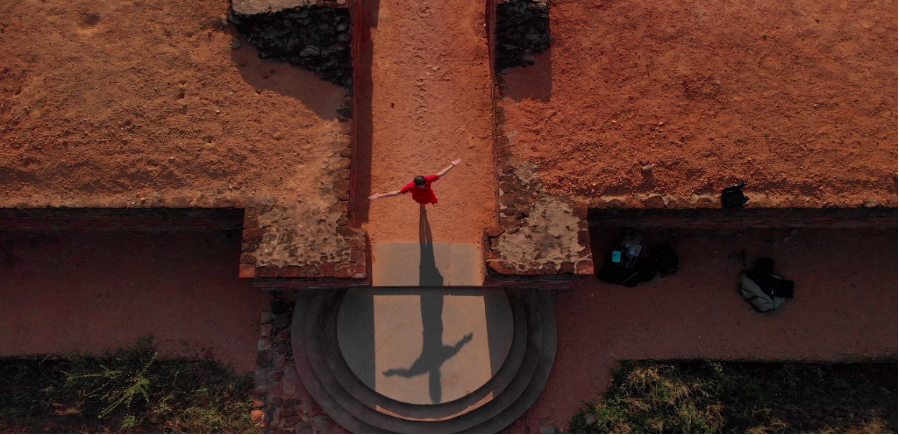
Huzaafa is a PhD candidate in Anthropology at Stanford University, California and a Knight Hennessy scholar. Her work deals with heritage industries in conditions of long-term violence, and practices of trade, migration, and displacement.
Chinasa Ezugha
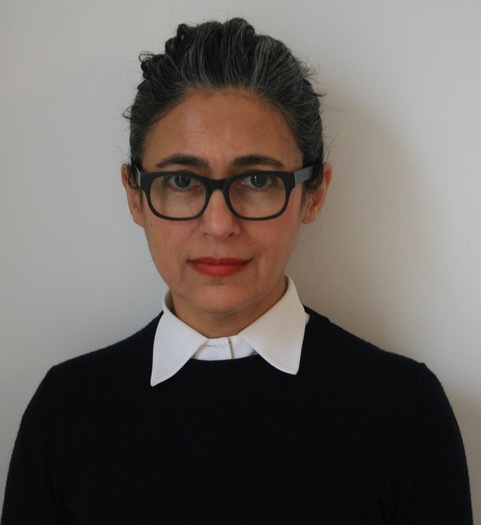
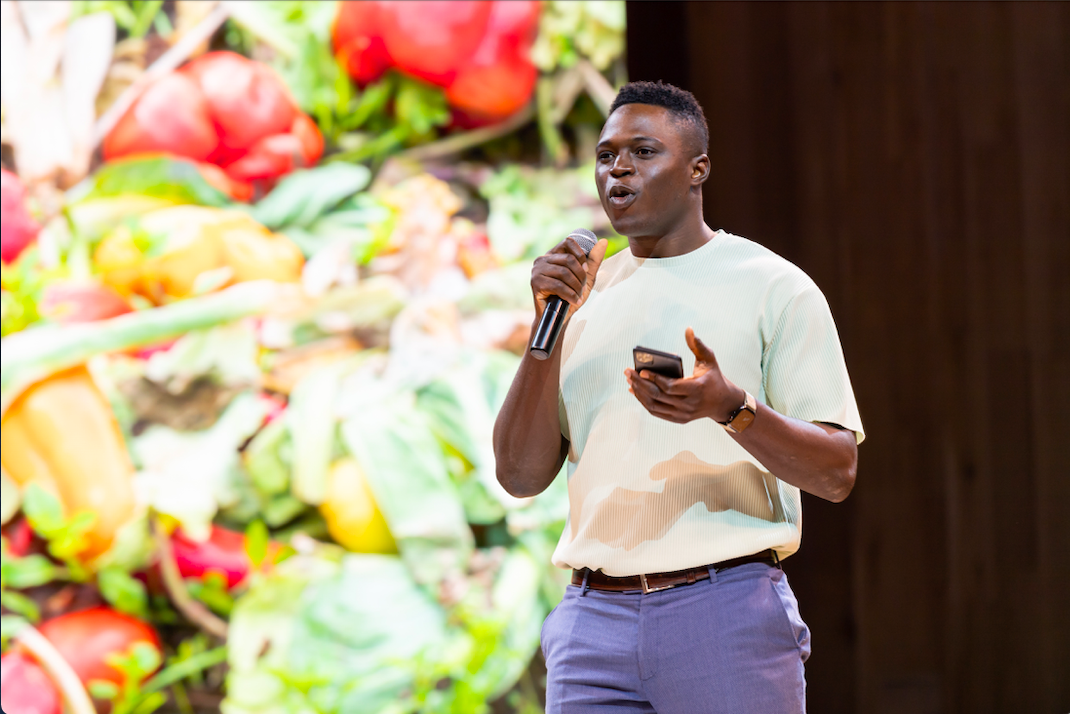
Assistant Arts Professor of Live Art/Art as Social Practice Chinasa Vivian Ezugha is a PhD candidate at the University of Exeter. Her interdisciplinary practice spans Live Art, film, and drawing, questioning her identity as a Black woman living in England. This research delves into the profound significance of food, transcending its mere gustatory appeal to explore its role as a potent symbol of power and resistance throughout history and now.
Robert Deguzman
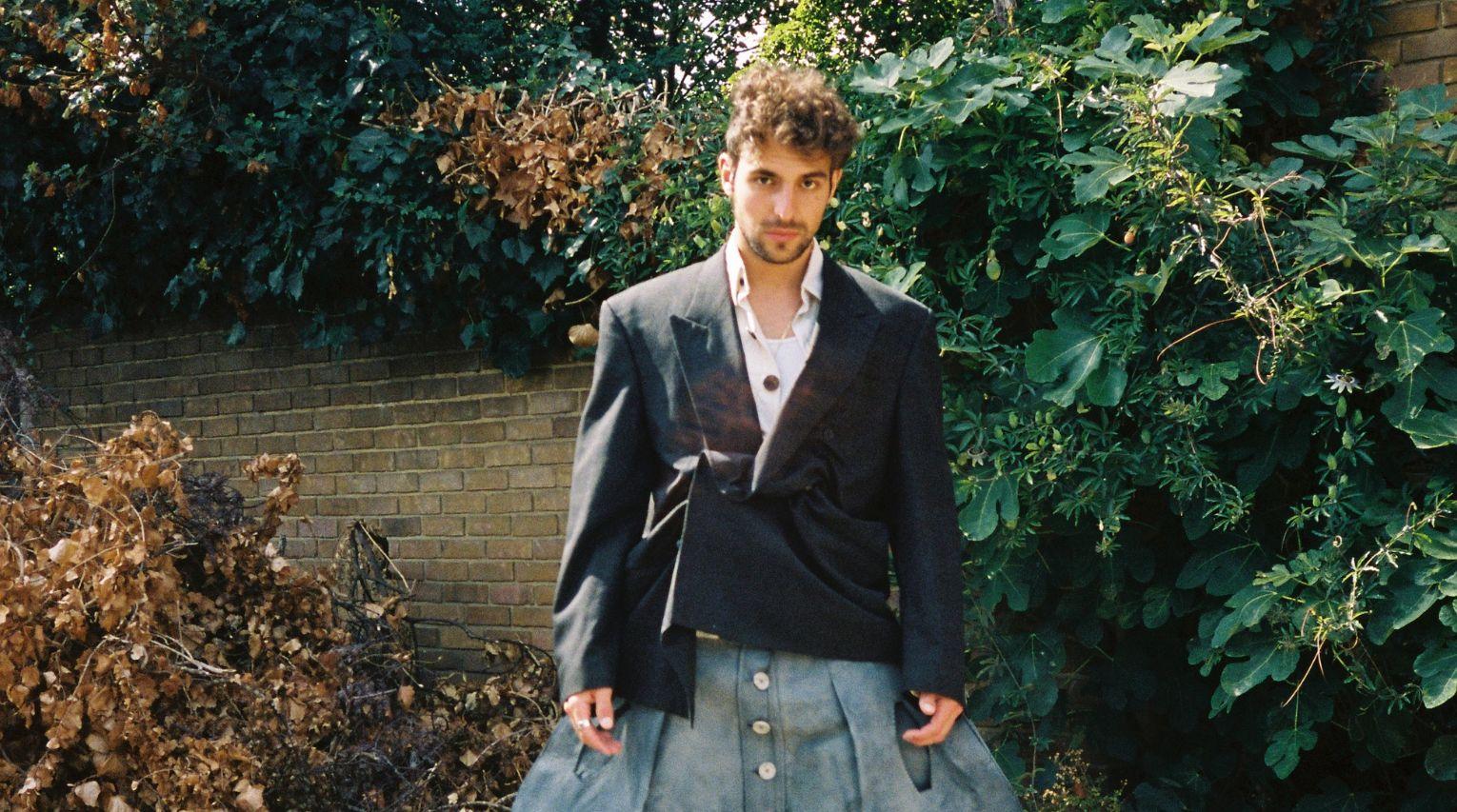
Robert is interested in the intersection of art practice, culture making and community engagement. His most recent socially engaged works are about/with/and for migrants and focuses on counter discourses and counter narratives of migration and diaspora. He is currently a Theater Arts Instructor-Production Manager for the Theater Program of NYUAD.
studio salasil
Founded by Sara bin Safwan and Zainab Hasoon, studio salasil is a future-focusing curatorial studio tending to care, research and experimentation. Through these principles, they develop exhibitions, publications, programs, mentorship and artwork that reimagine narratives, senses and experiences. They invite collaboration and conversation as they explore the multidisciplinary nature of creative work to reveal the infinite possibilities of exhibition-making and artwork creation. Highlighting the relationship between curators, artists and the audience, their aim is to encourage risk, disruption and imagination.
---
Banner Image: Against Occupation and for Freedom of Expression–an art exhibition in Jerusalem, 1985. Courtesy of the Ziad Yousef Collection from the Palestinian Museum Digital Archive.
The Biography of Research
Workshop series explored the intersections of art and ethnography
We often engage artistic and academic work as intentional and complete, but projects have trajectories that tell stories about the artist or author, their social context, and the politics of knowledge production. Bringing together a group of anthropologists and artistic practitioners, this workshop series considered the messy terrain of research “biographies” — where were we going, how did we get here, and what were the diversions and encounters in between?
While both art and anthropology have moved away from objectivity and realism, we don’t often discuss the trajectories of research and what they can tell us about the constraints of academia and research methodologies. Both contemporary art and ethnography are leaning further towards interdisciplinary research-driven practices that borrow methods and strategies from each other. We addressed the schisms within academic and institutional logics, particularly as decolonial questions of inclusion and representation become more urgent.
Inviting students, artists, scholars, and the intellectually curious, we entered this conversation not with questions or answers, but with a set of propositions and participatory workshops where we attempted to see what worked for us and why.
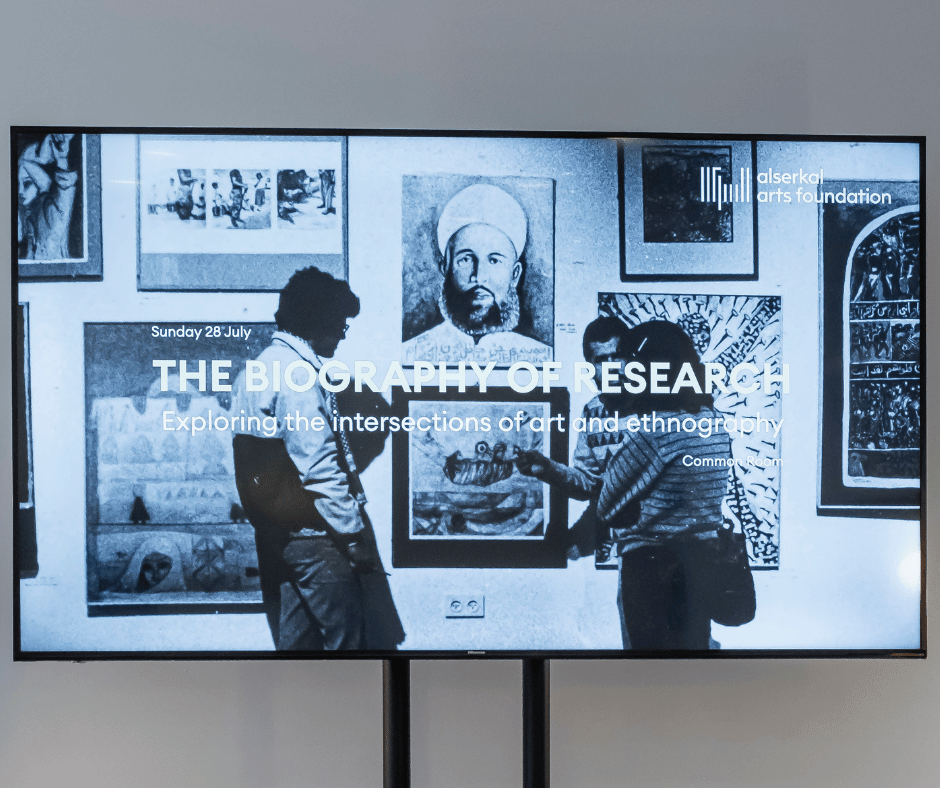
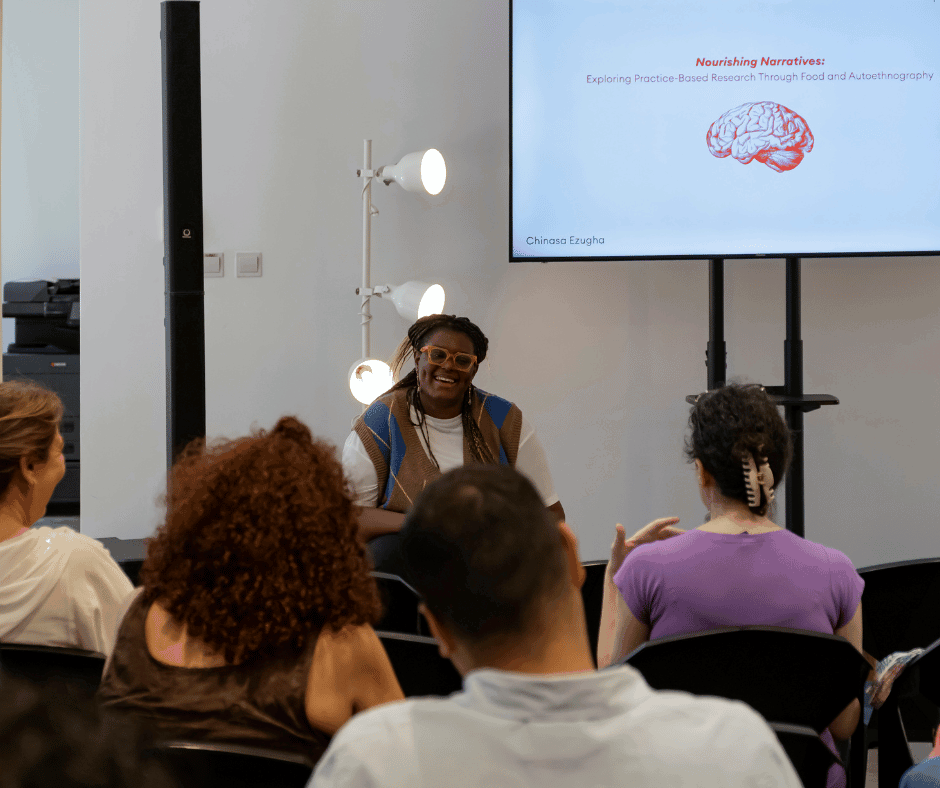
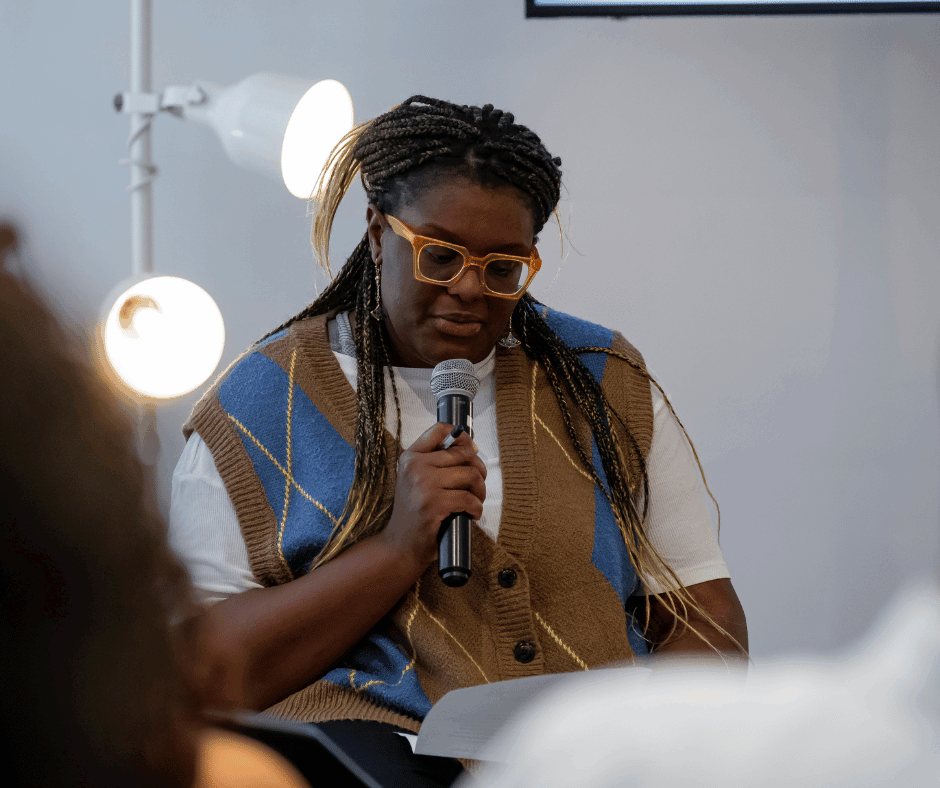
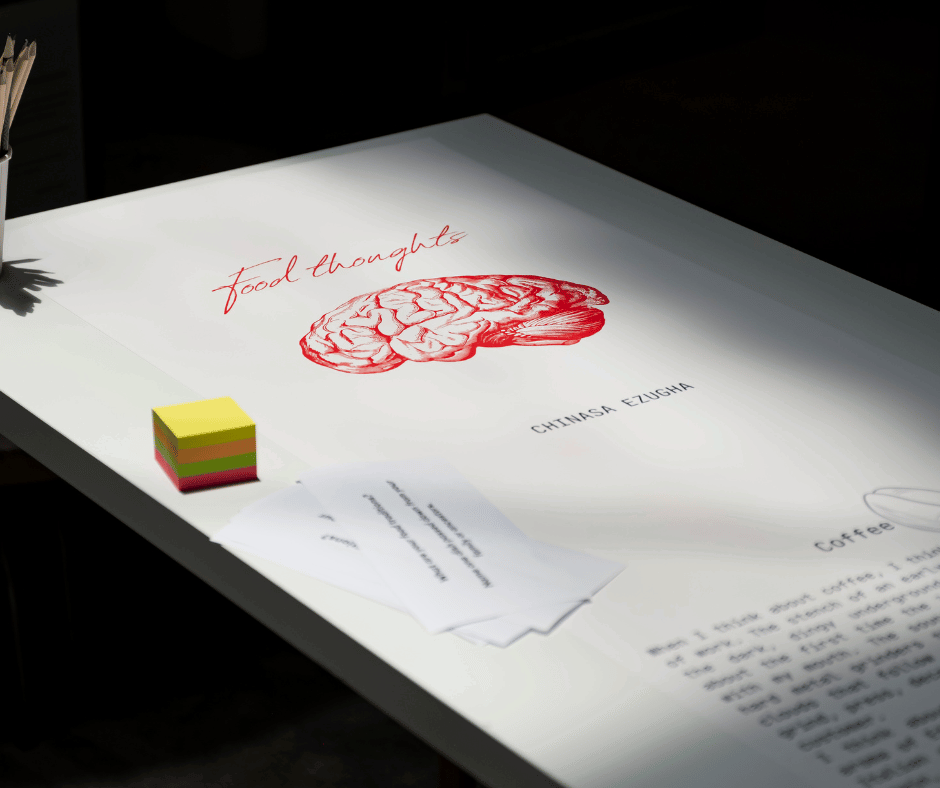
Session 1: Nourishing Narratives: Exploring Practice-Based Research Through Food and Autoethnography
Chinasa Ezugha
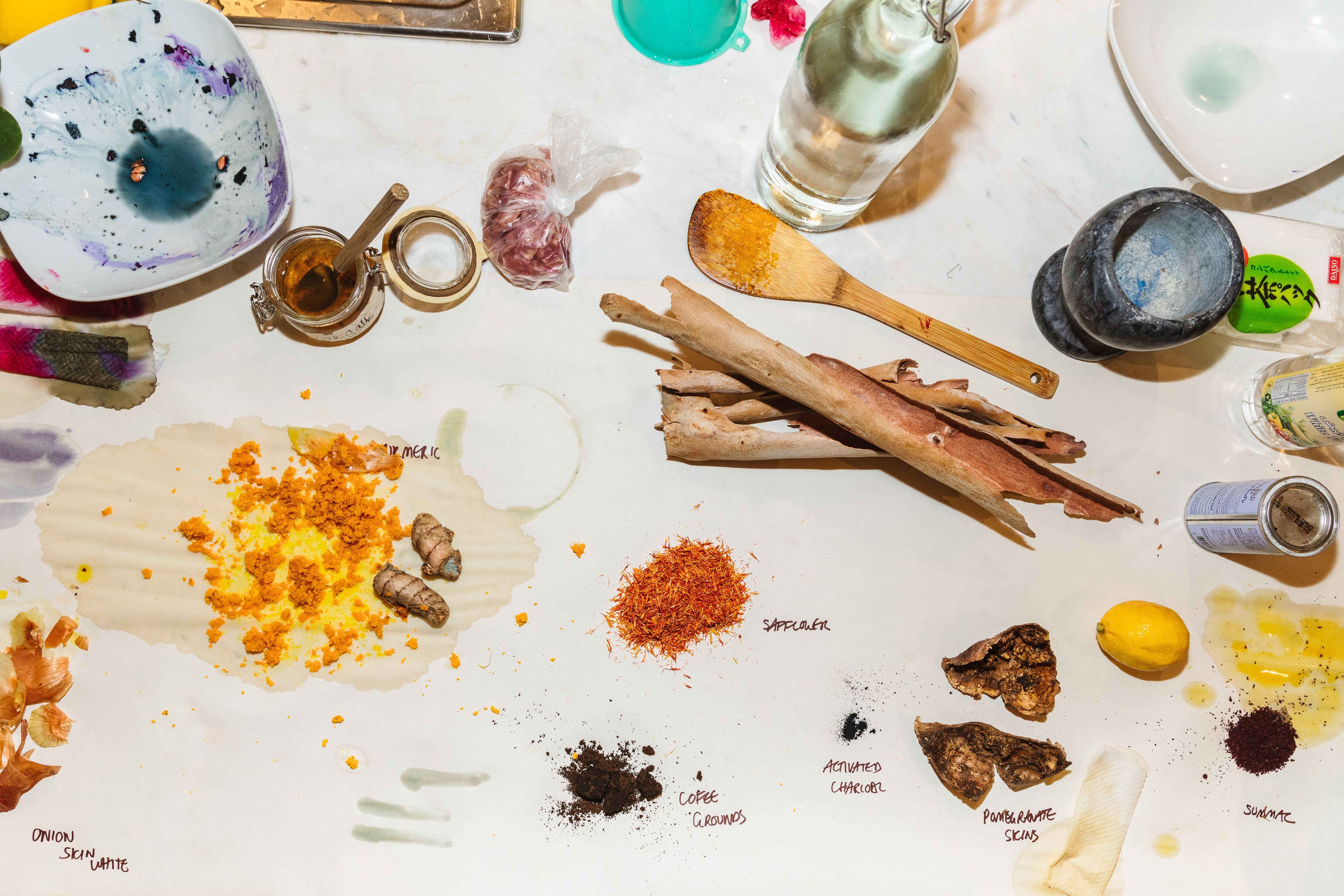
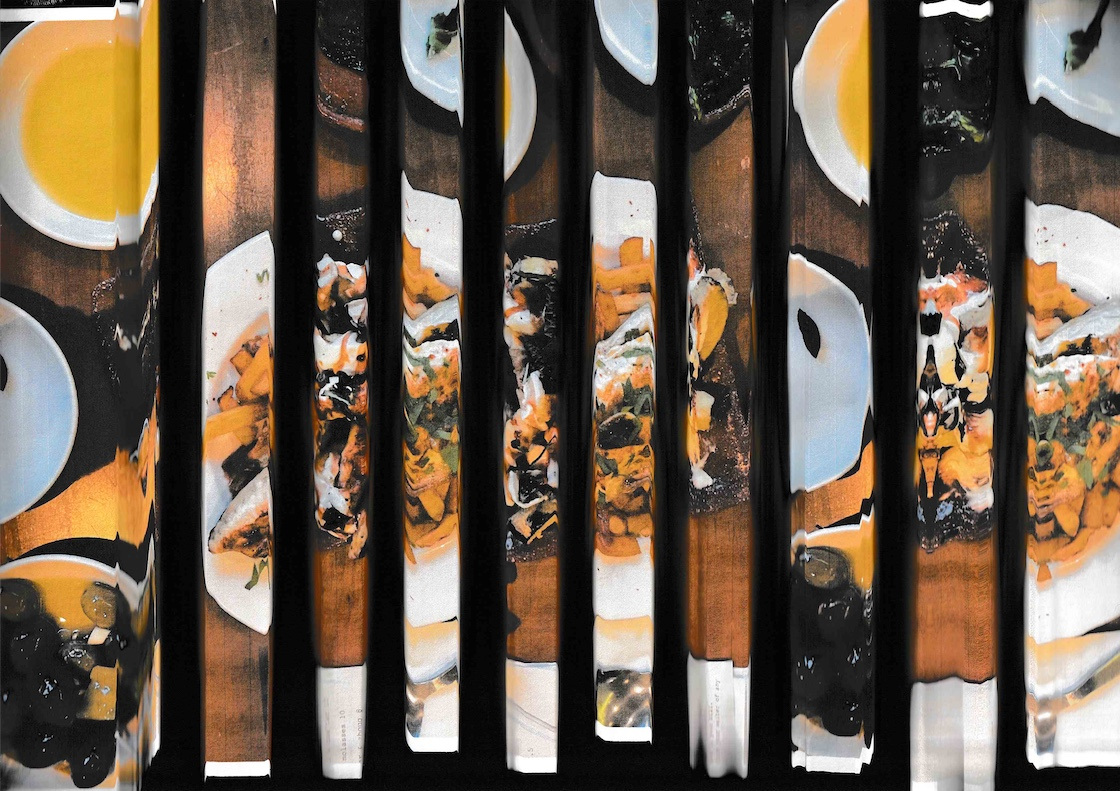
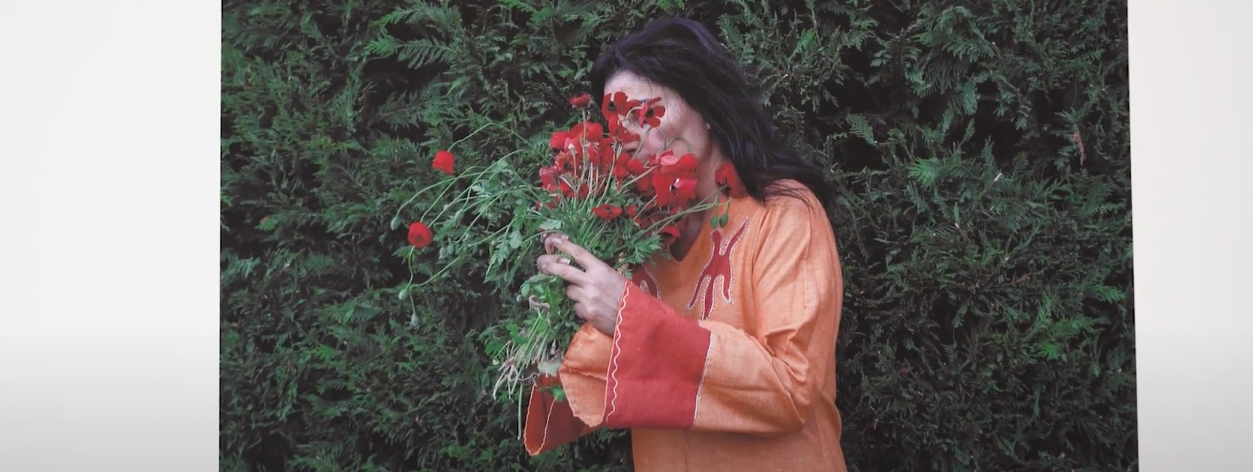
How do food and autoethnographic processes enhance and inform our understanding of practice-based research? Chinasa Ezugha's research, Food Thoughts, delved into this question by using autoethnography to create a series of poetic journeys centered around food. Click to view the complete session.
Session 2: Detour as Method: Serendipitous Discoveries in Confined Terrains
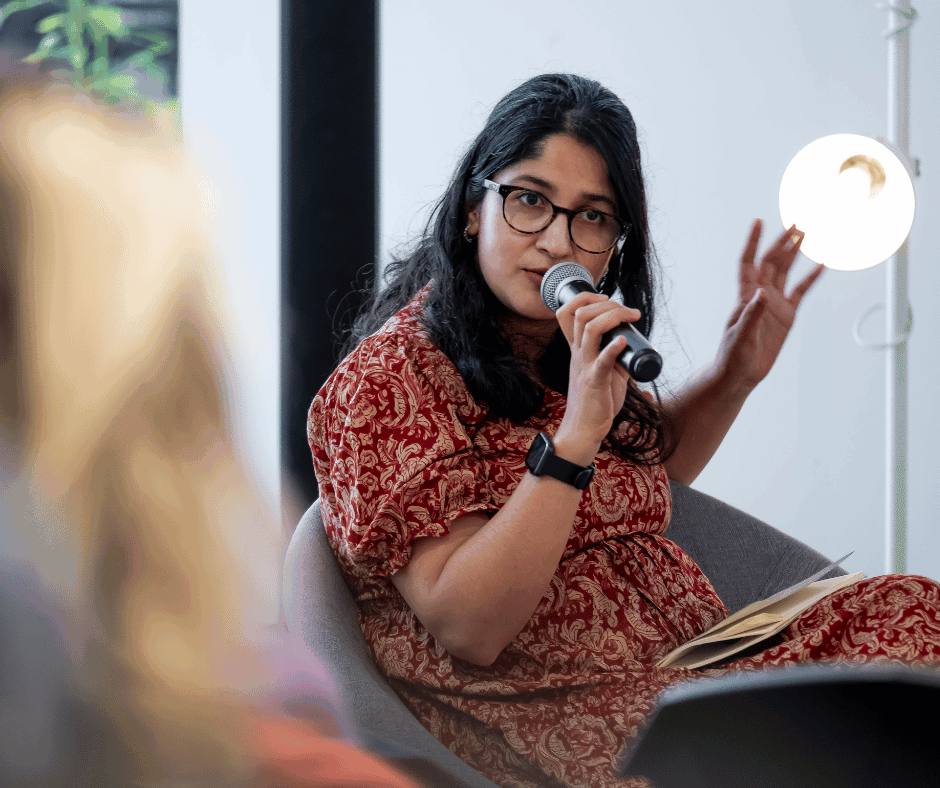
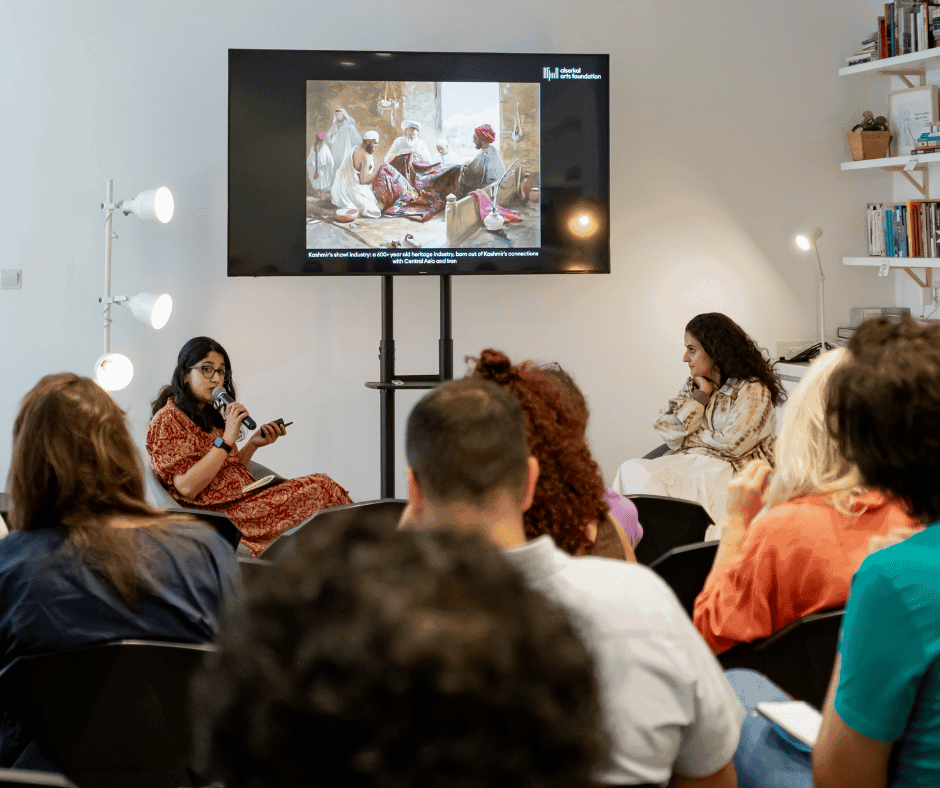
Huzaafa and Nada Raza
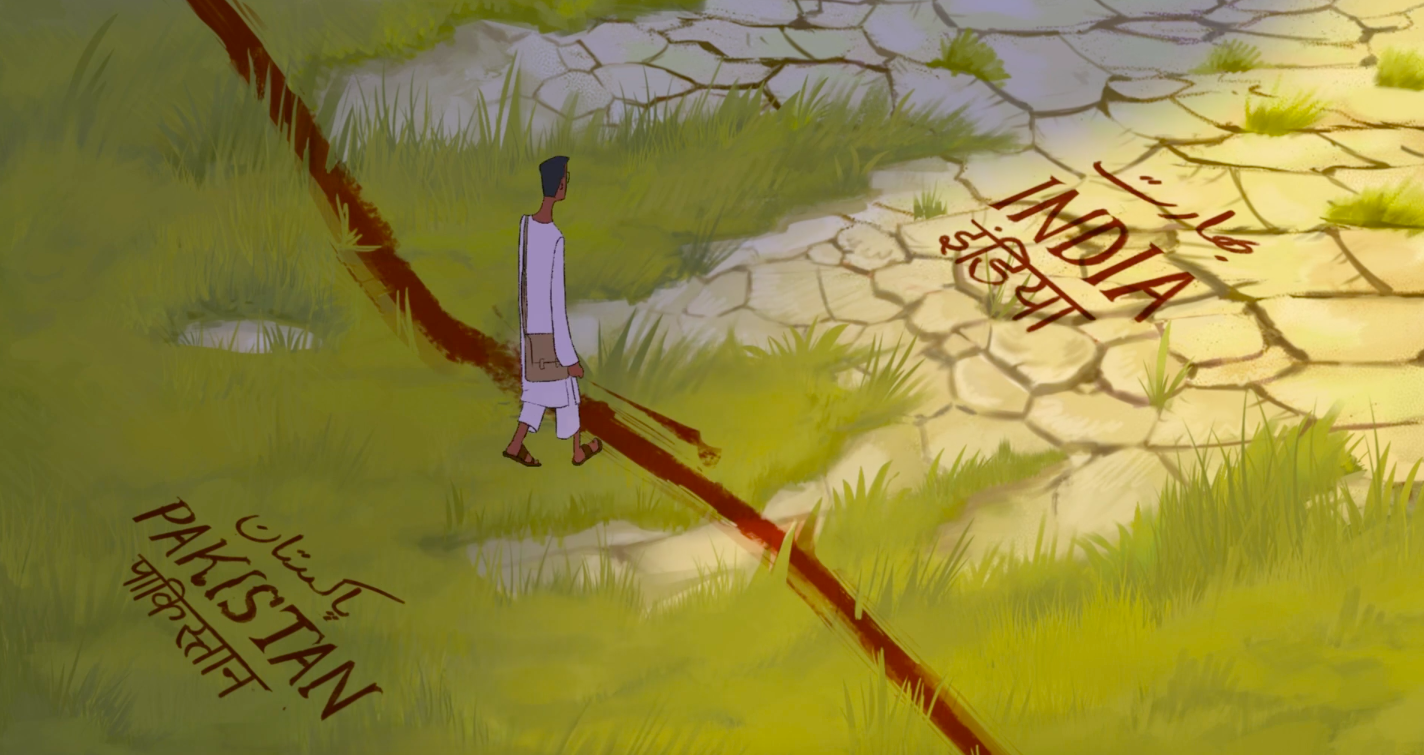
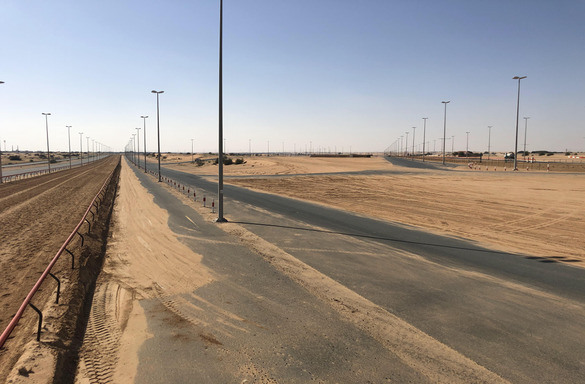
How does a project evolve when you cannot safely be in the same space as your subject? While COVID-19 made remote fieldwork and interviews over Zoom more acceptable, research usually implies some degree of immersion and access. Working across the dividing lines of India and Pakistan and their intersections in the Gulf, Huzaafa and Nada Raza share how their PhD dissertations have relied instead on finding alternate routes, chasing anecdotes and allyship. Click to view the complete session.
Session 3: The (Im)possibility of Ethnography
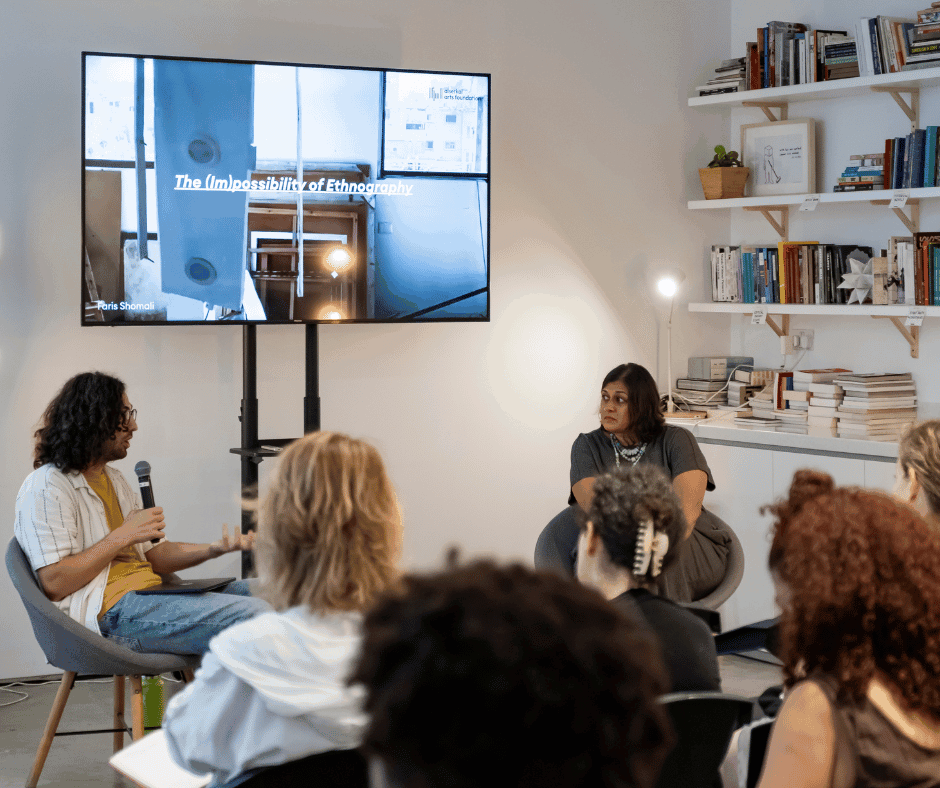
Faris Shomali
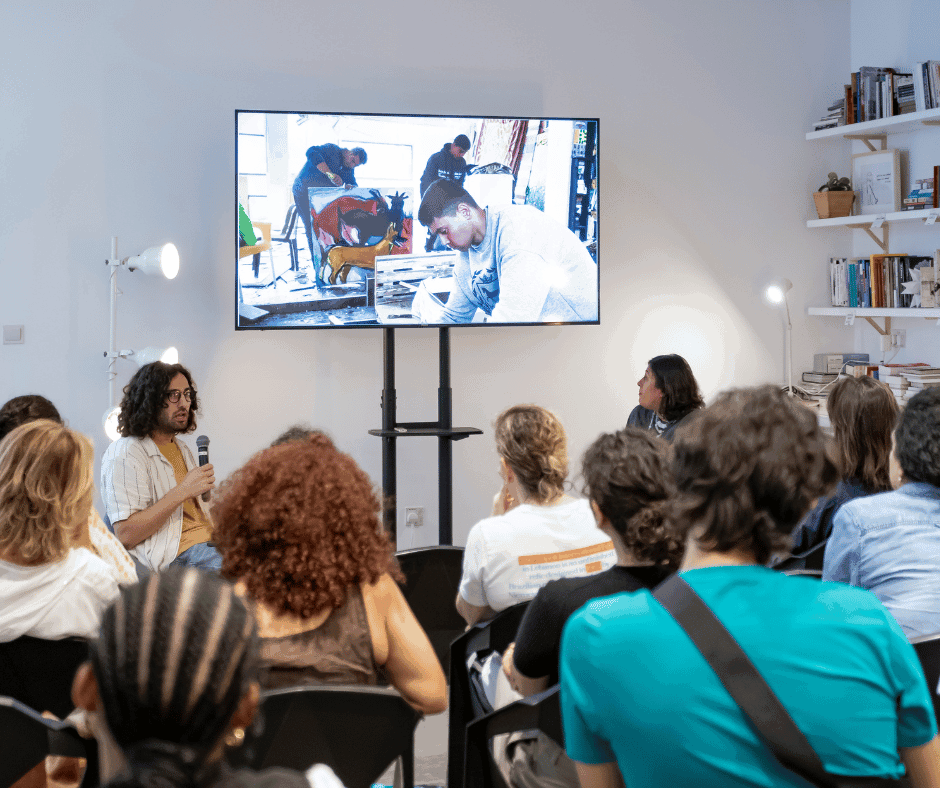
This session offered reflections on the (im)possibility and ethics of ethnographic research by colonized scholars. Drawing on his ongoing research on the everyday life of Palestine’s artwork, researcher and archivist Faris Shomali tackled how colonial power dynamics shape the biography of his ethnographic study in terms of design, methodologies, methods, dissemination, and feasibility. Click to view the complete session.
Session 4: Thinking Through Multispecies Ethnography
Neha Vora in conversation with Auguste Nomeikaite
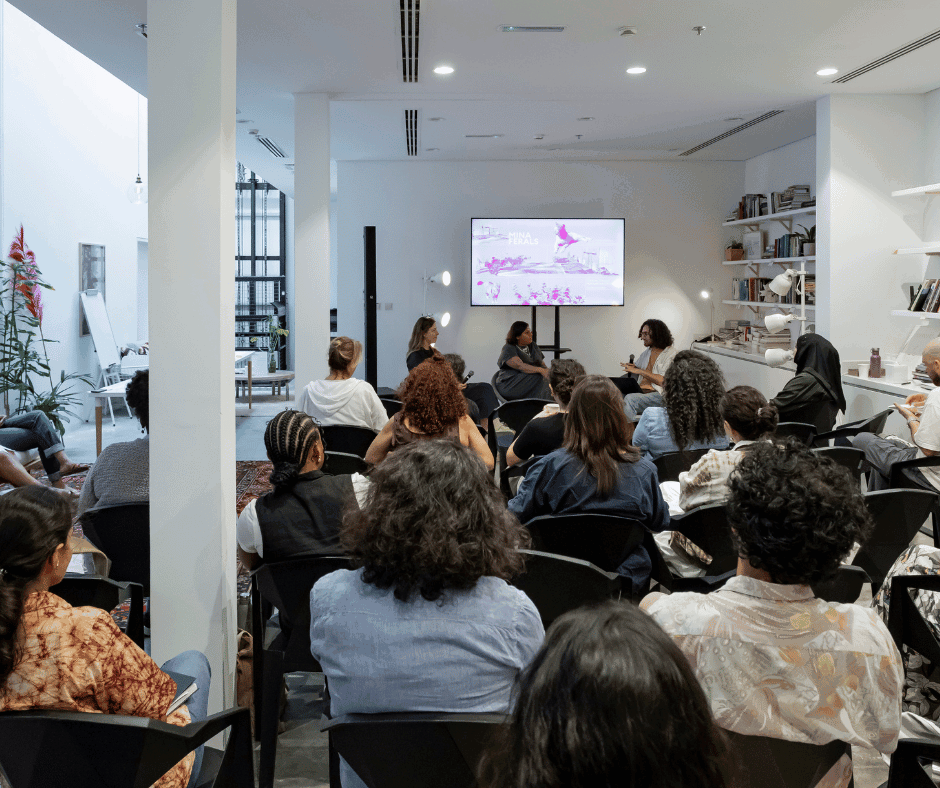
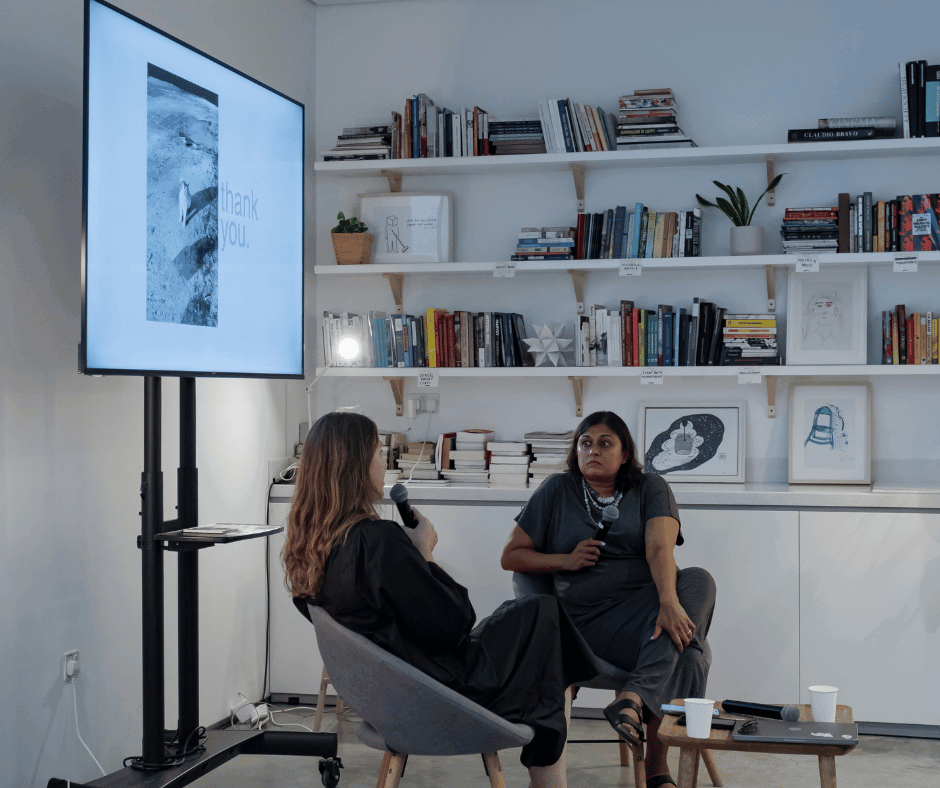
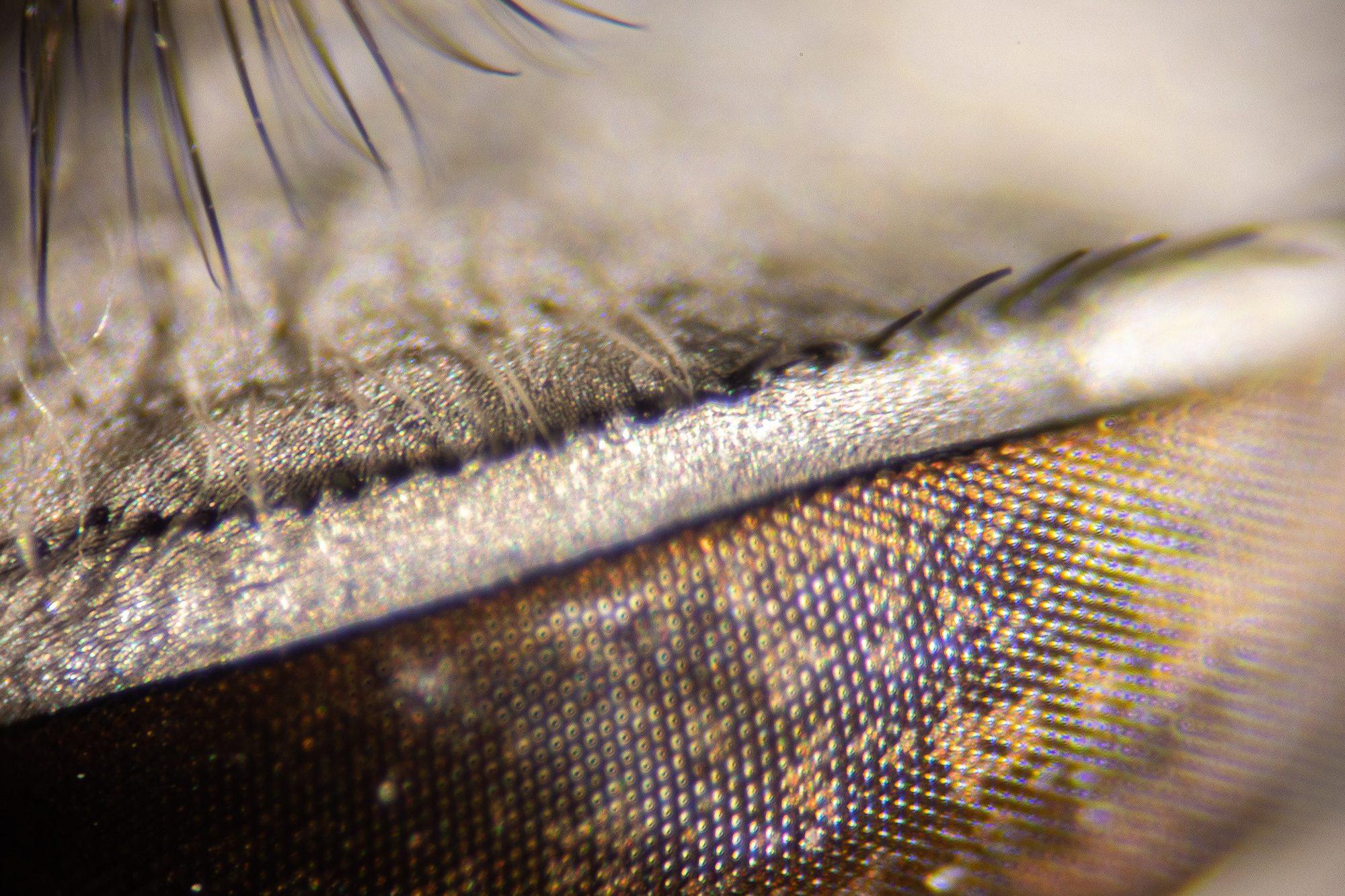
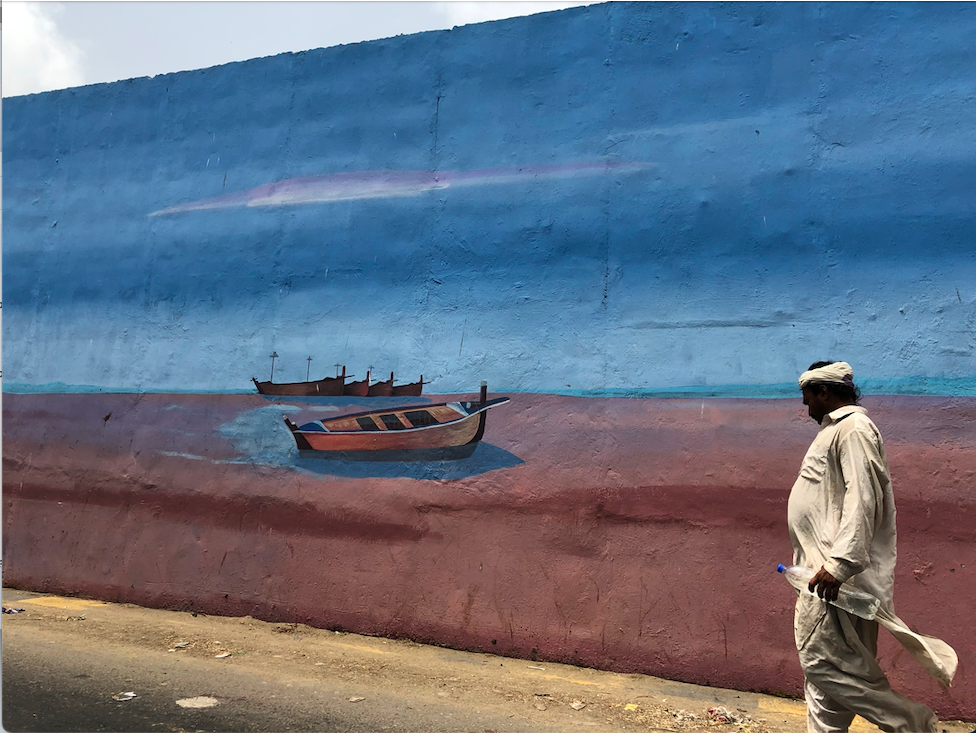
This session considers the ethics and methods of multispecies urban ethnography, through a focus on Neha Vora’s research about stray cat care in the UAE. We focus on questions of consent, community-sourced data, and the ability to access nonhuman subjective experiences. The session also features a discussion with photoethnographer, Auguste Nomeikaite, who has been working on a multispecies project in Abu Dhabi's Mina Zayed neighbourhood. Click to view the complete session.
Banner Image: Against Occupation and for Freedom of Expression–an art exhibition in Jerusalem, 1985. Courtesy of the Ziad Yousef Collection from the Palestinian Museum Digital Archive.


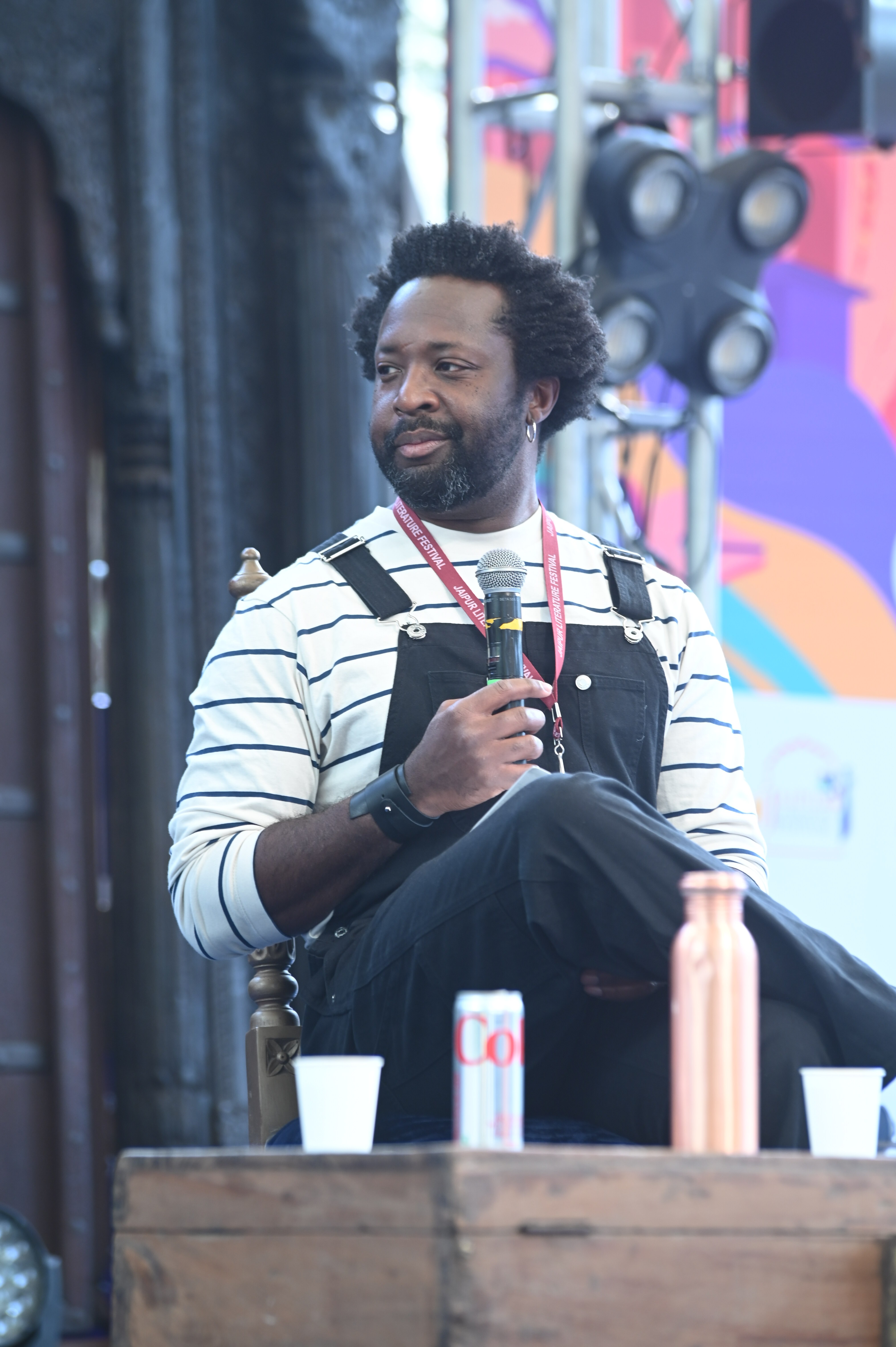
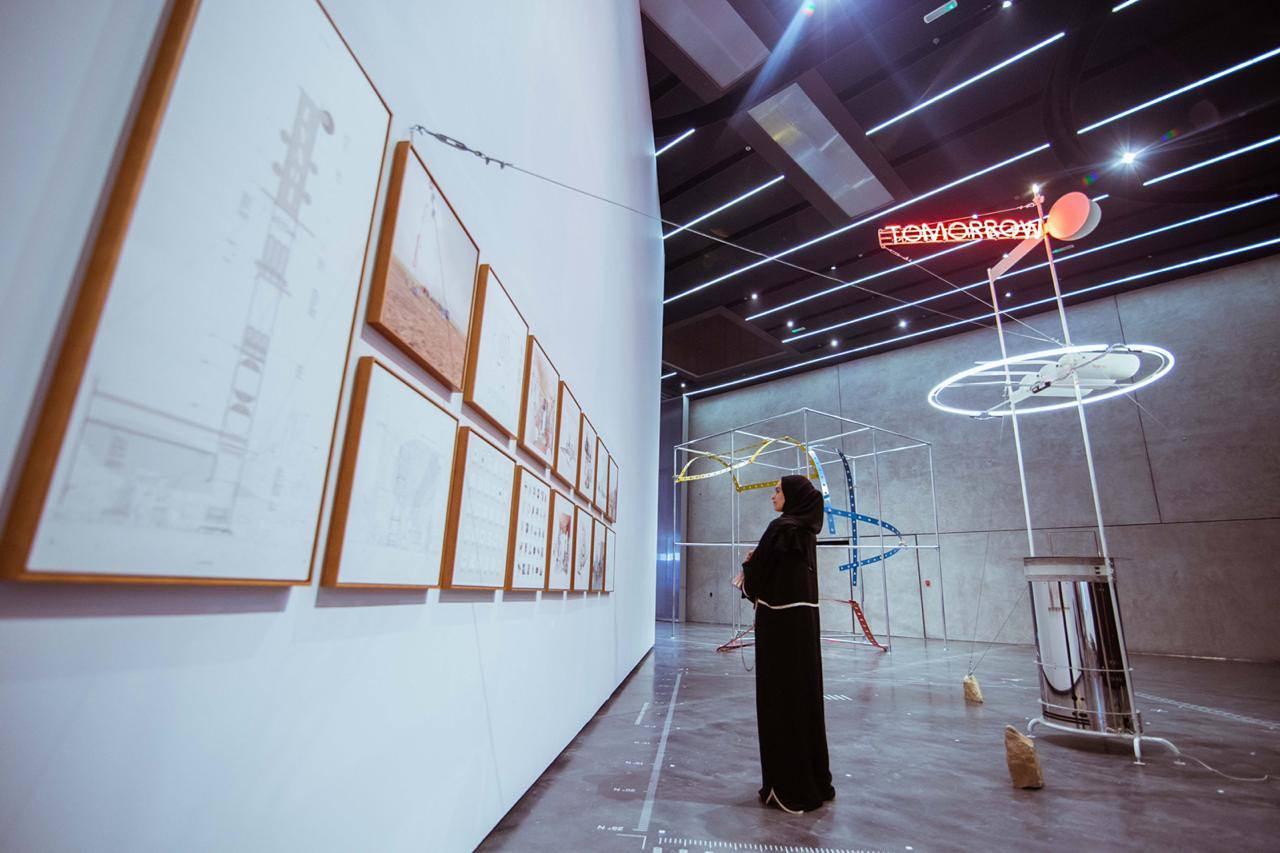
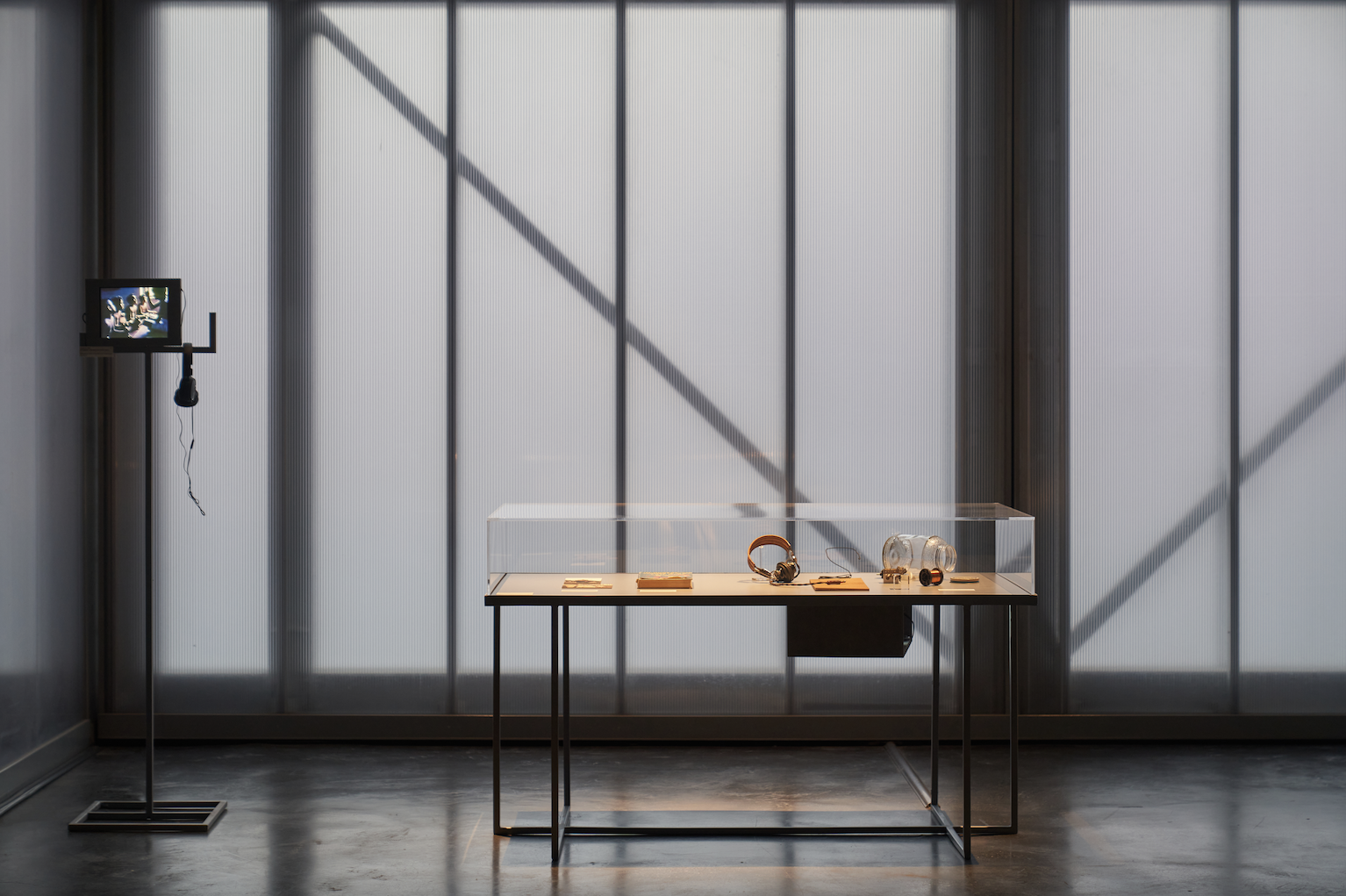
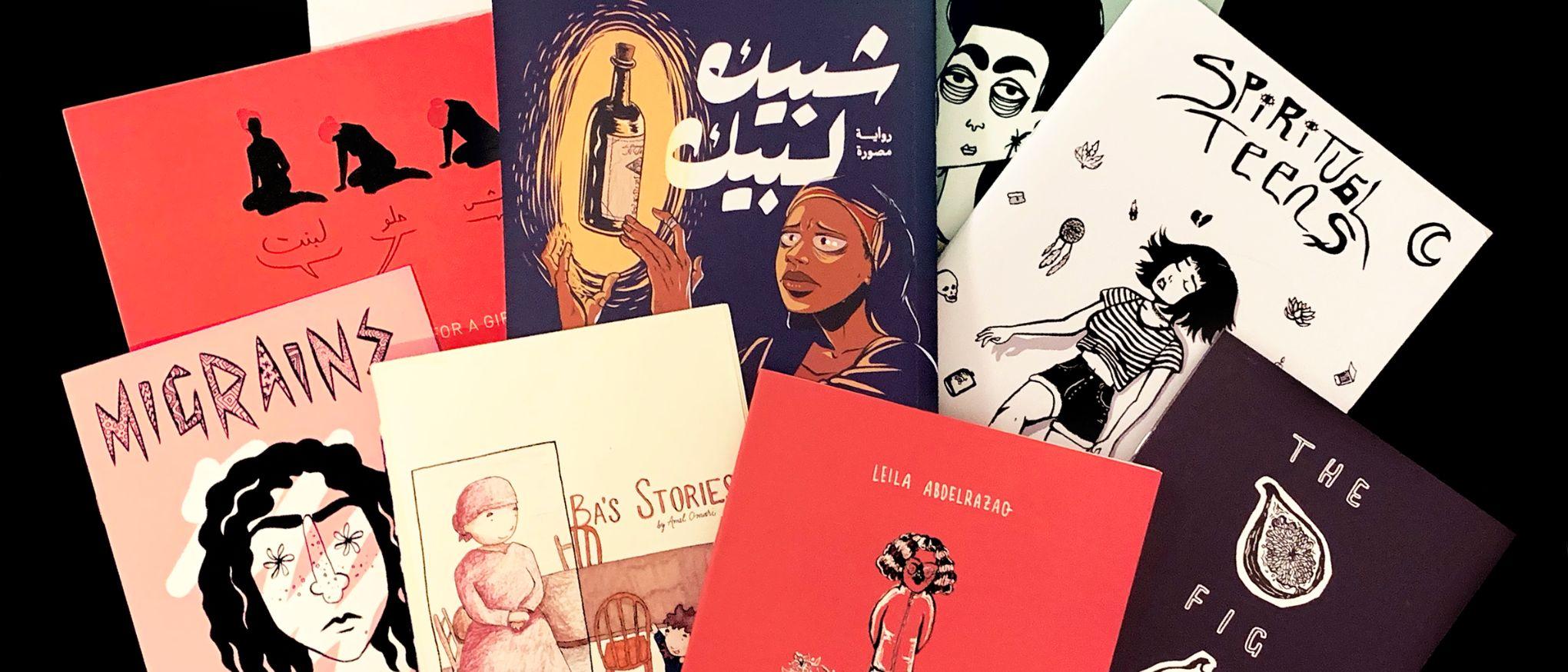








Stay tuned...

Stay tuned...

Stay tuned...







Stay tuned...