

Residency + Research
Residents:
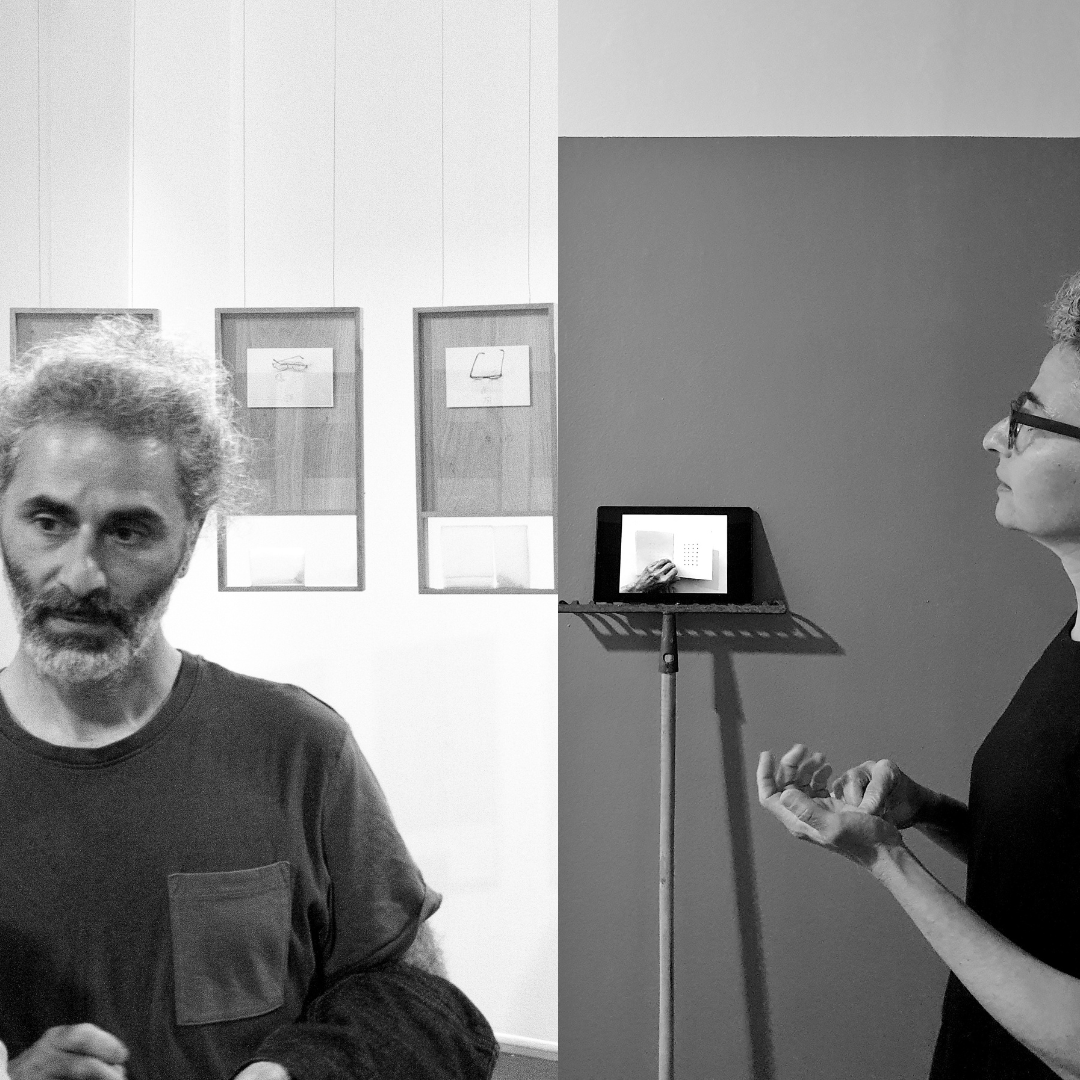
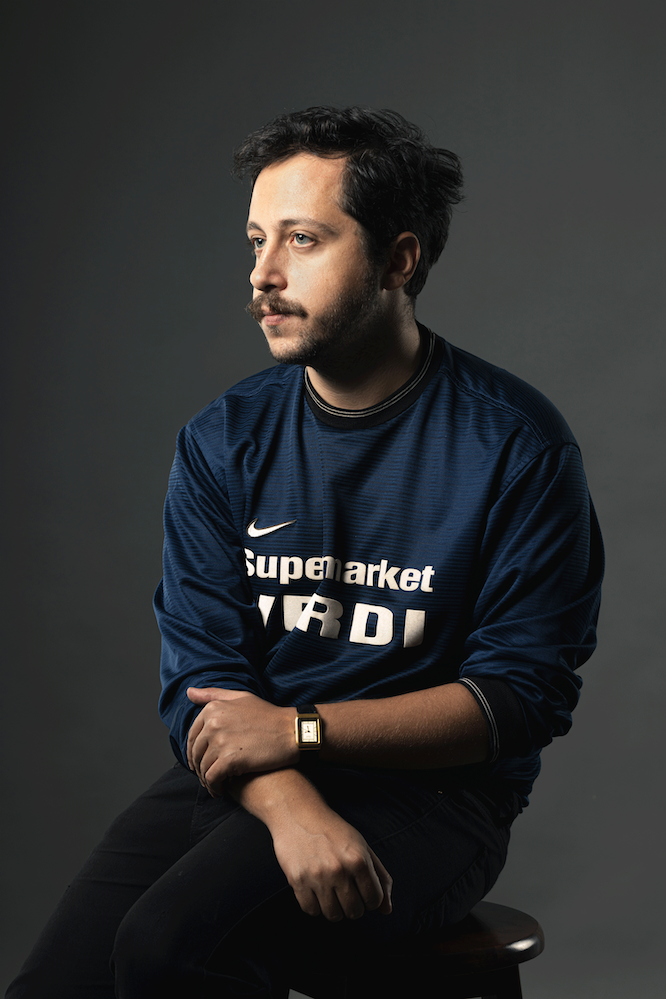
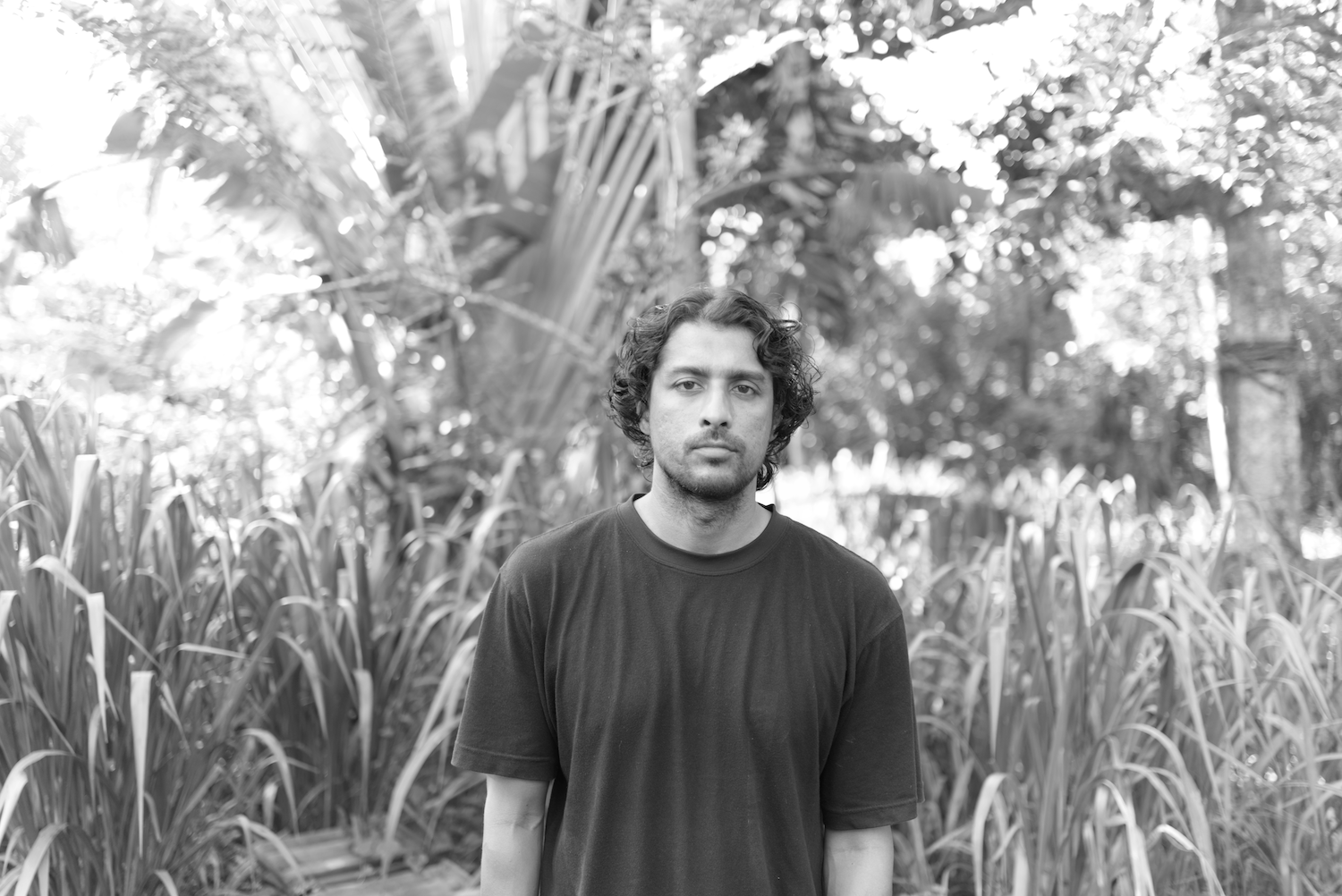
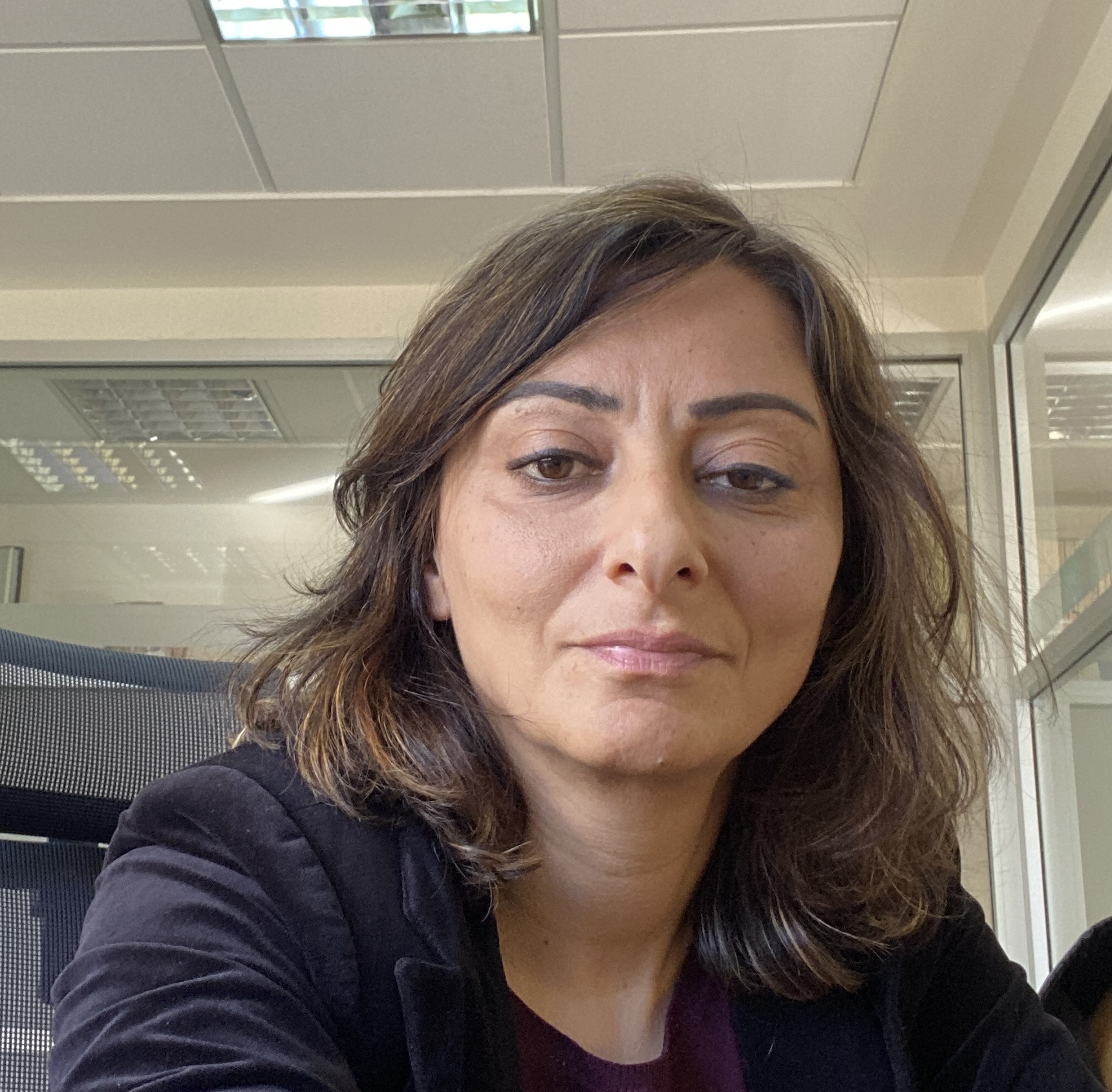
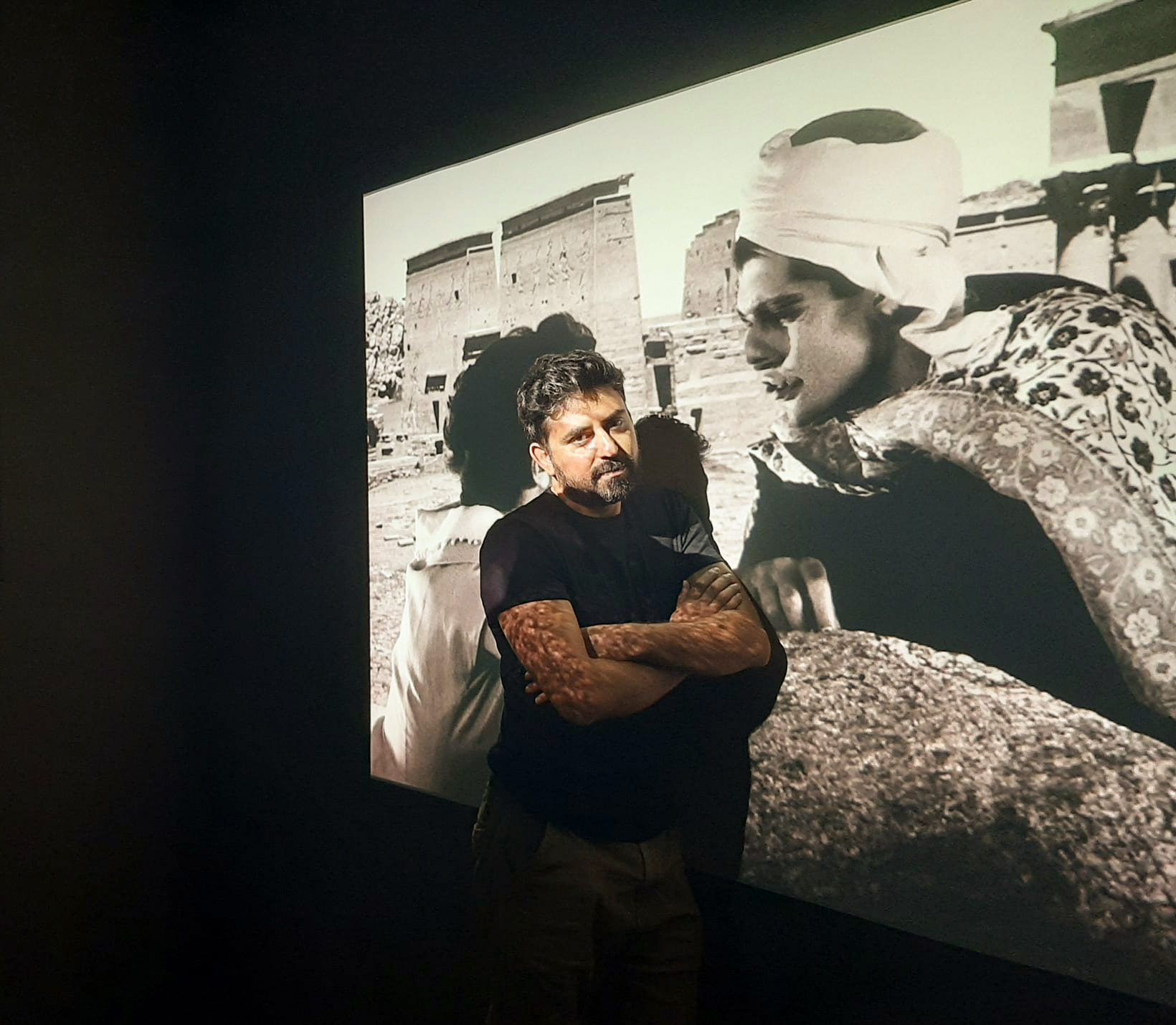
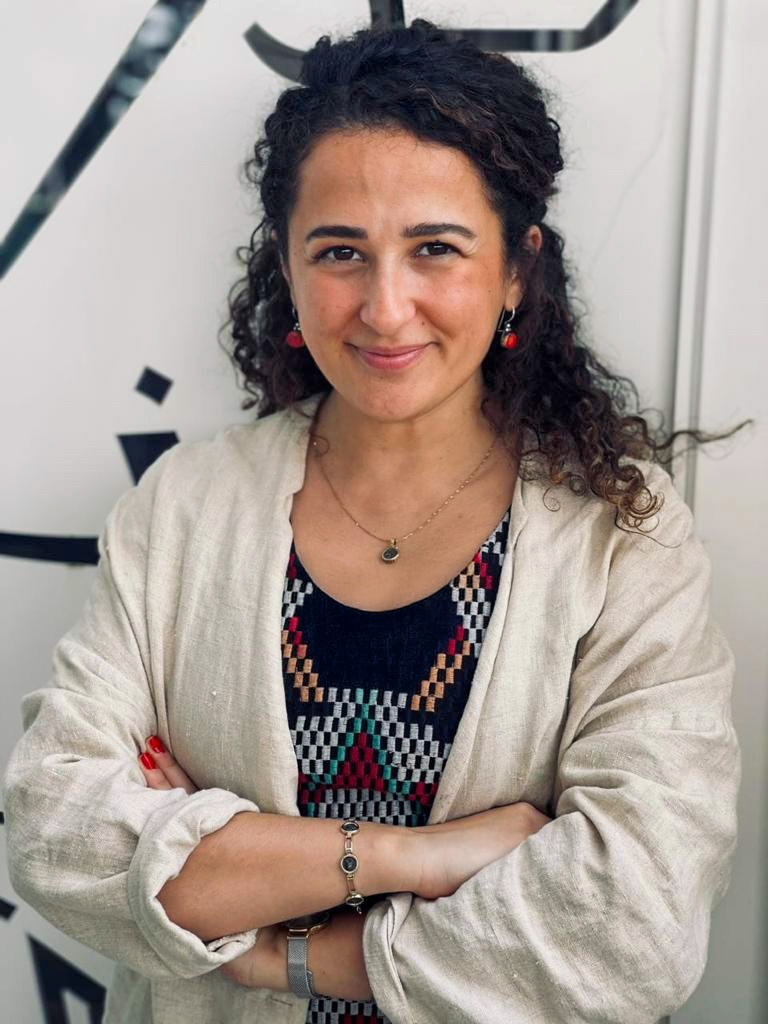
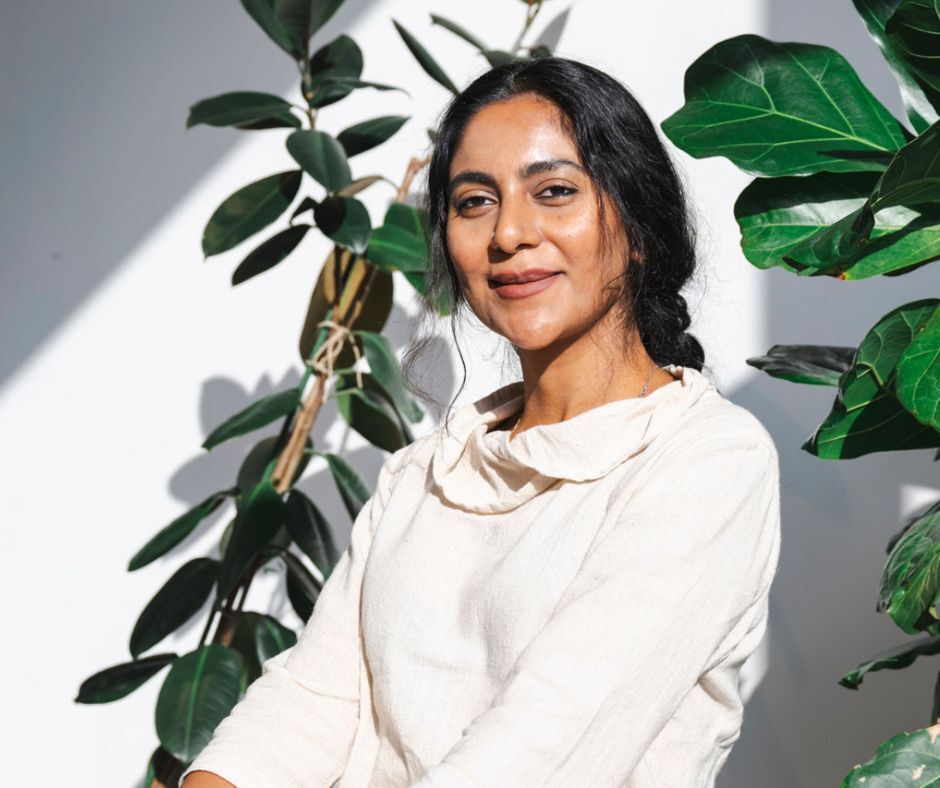
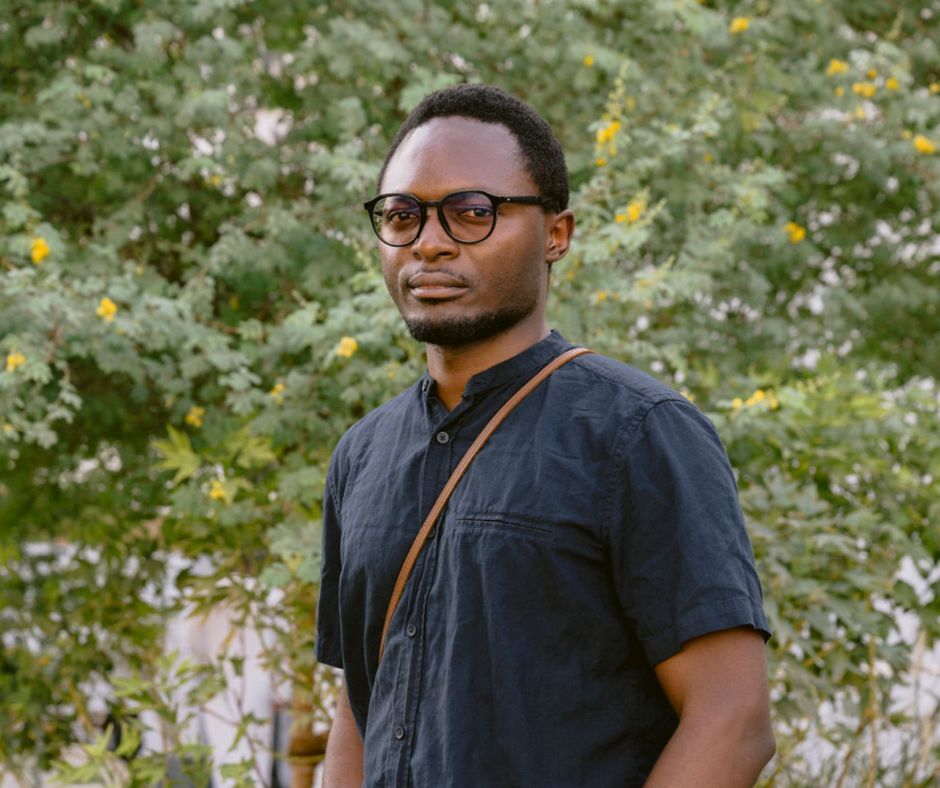
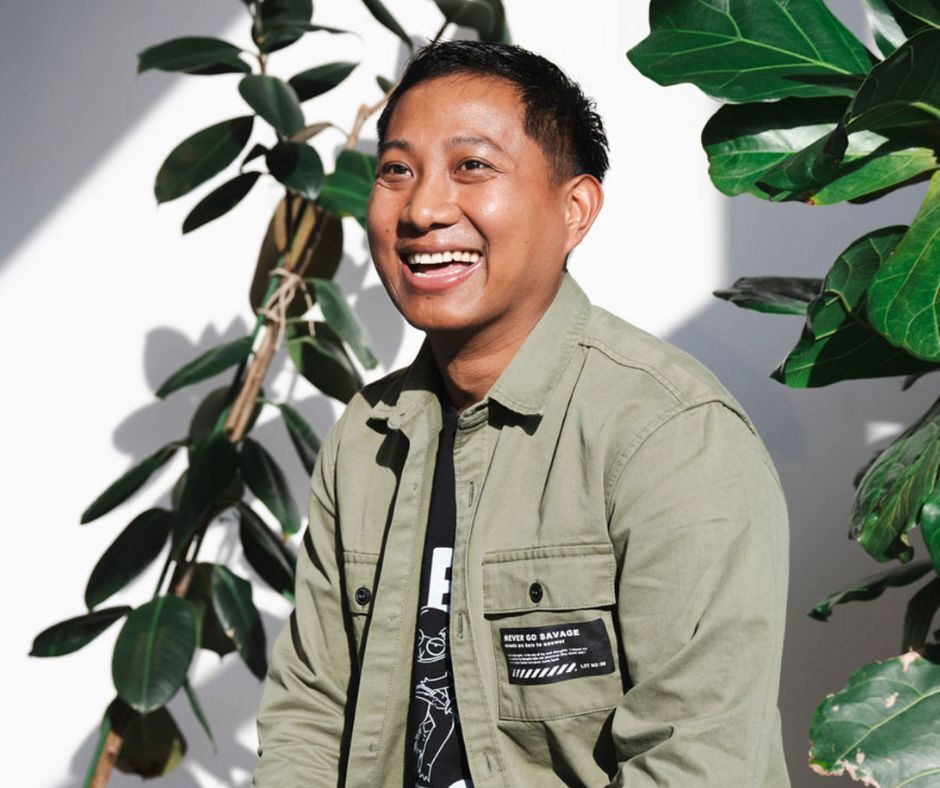
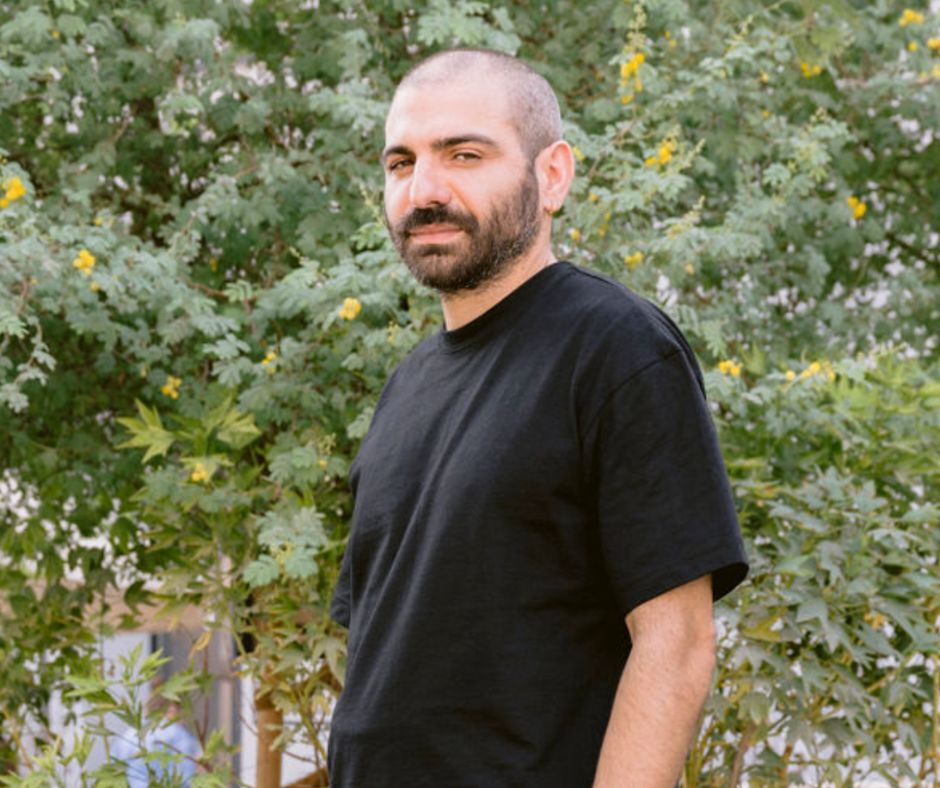
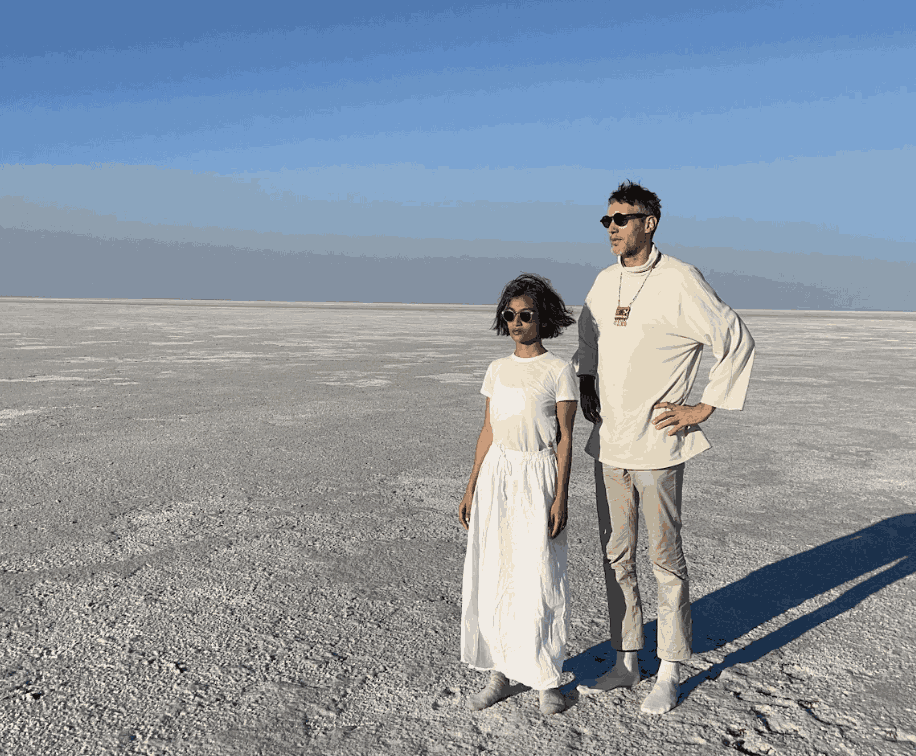
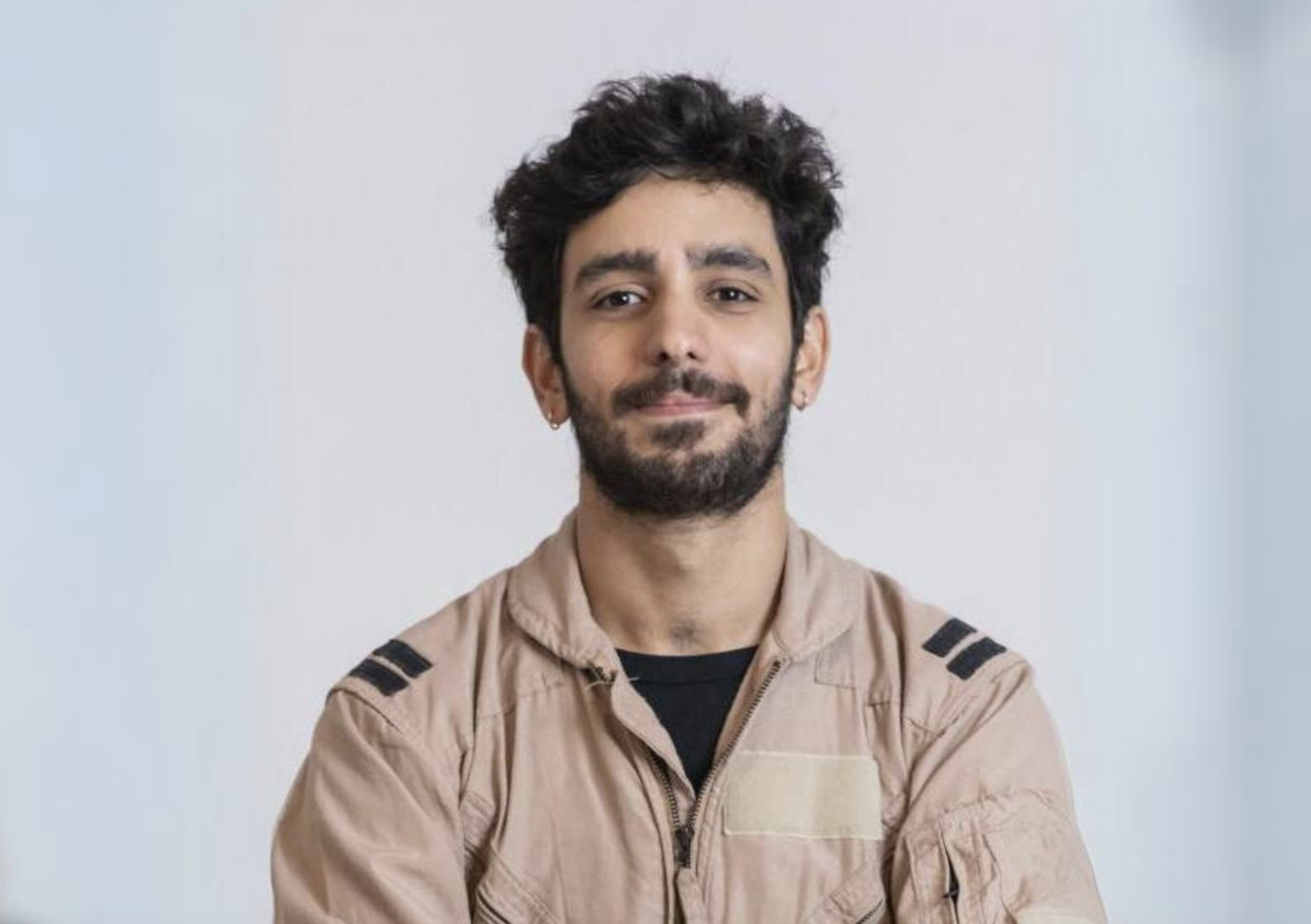
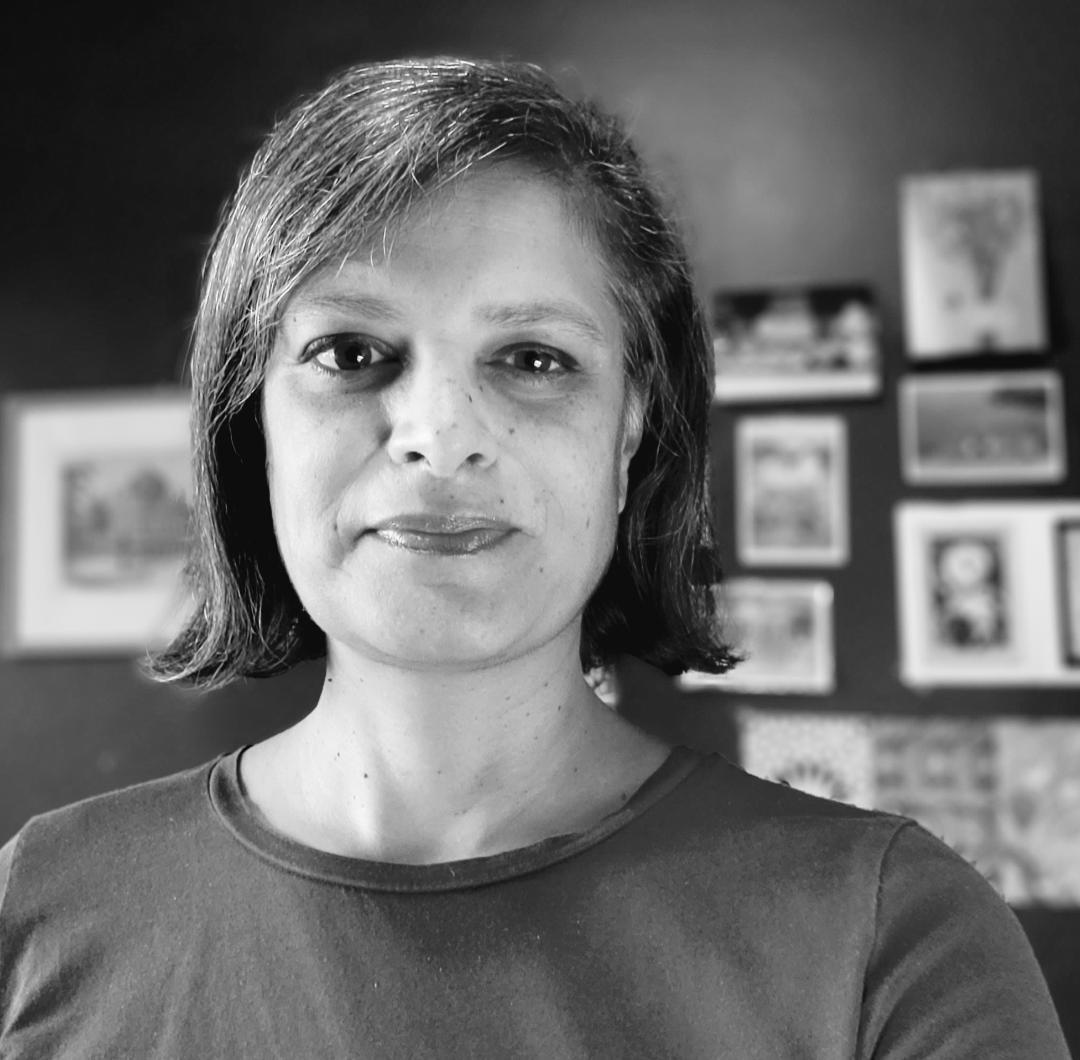
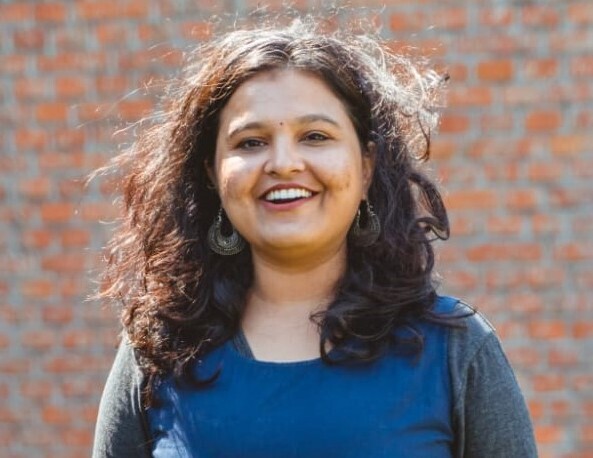
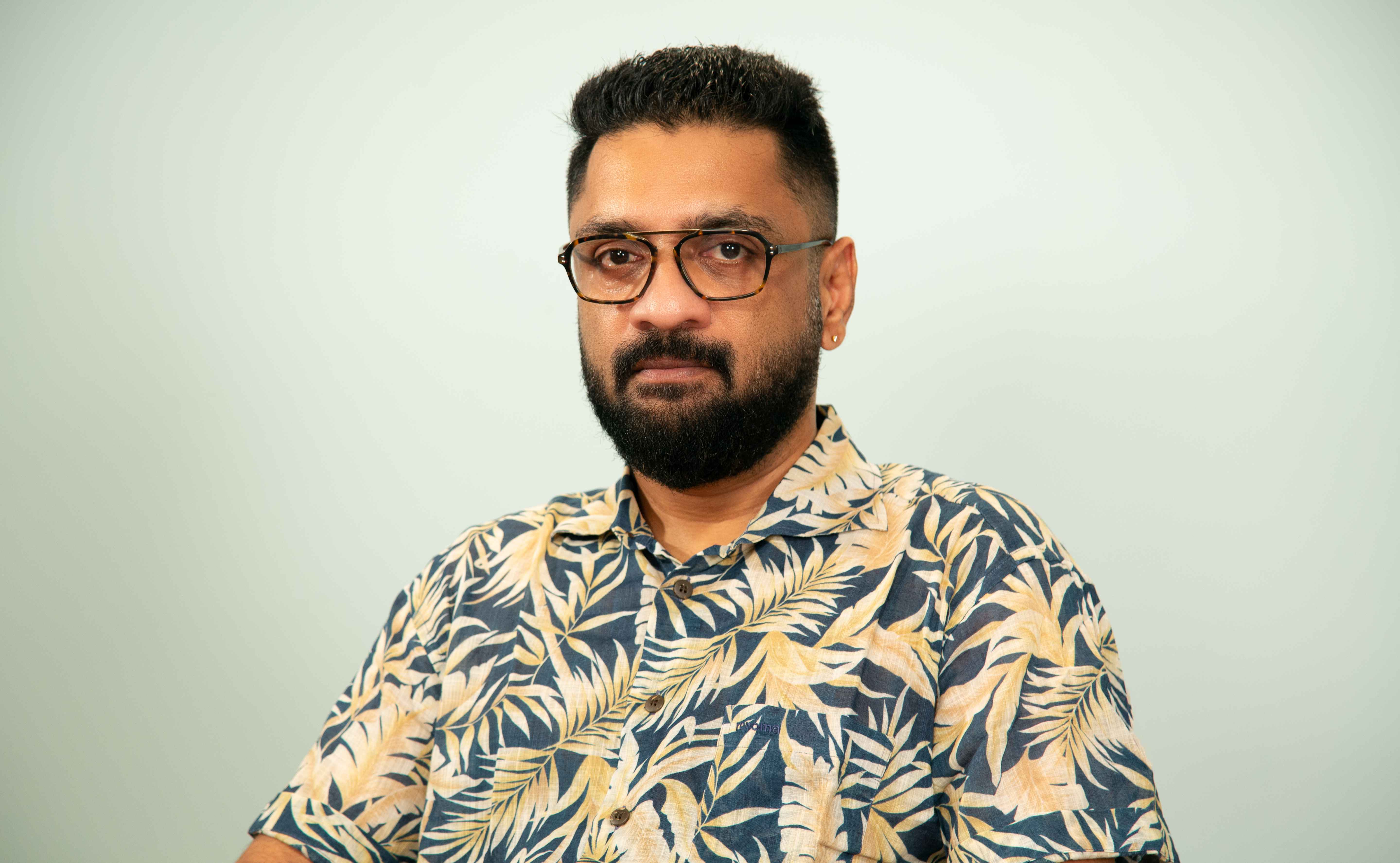
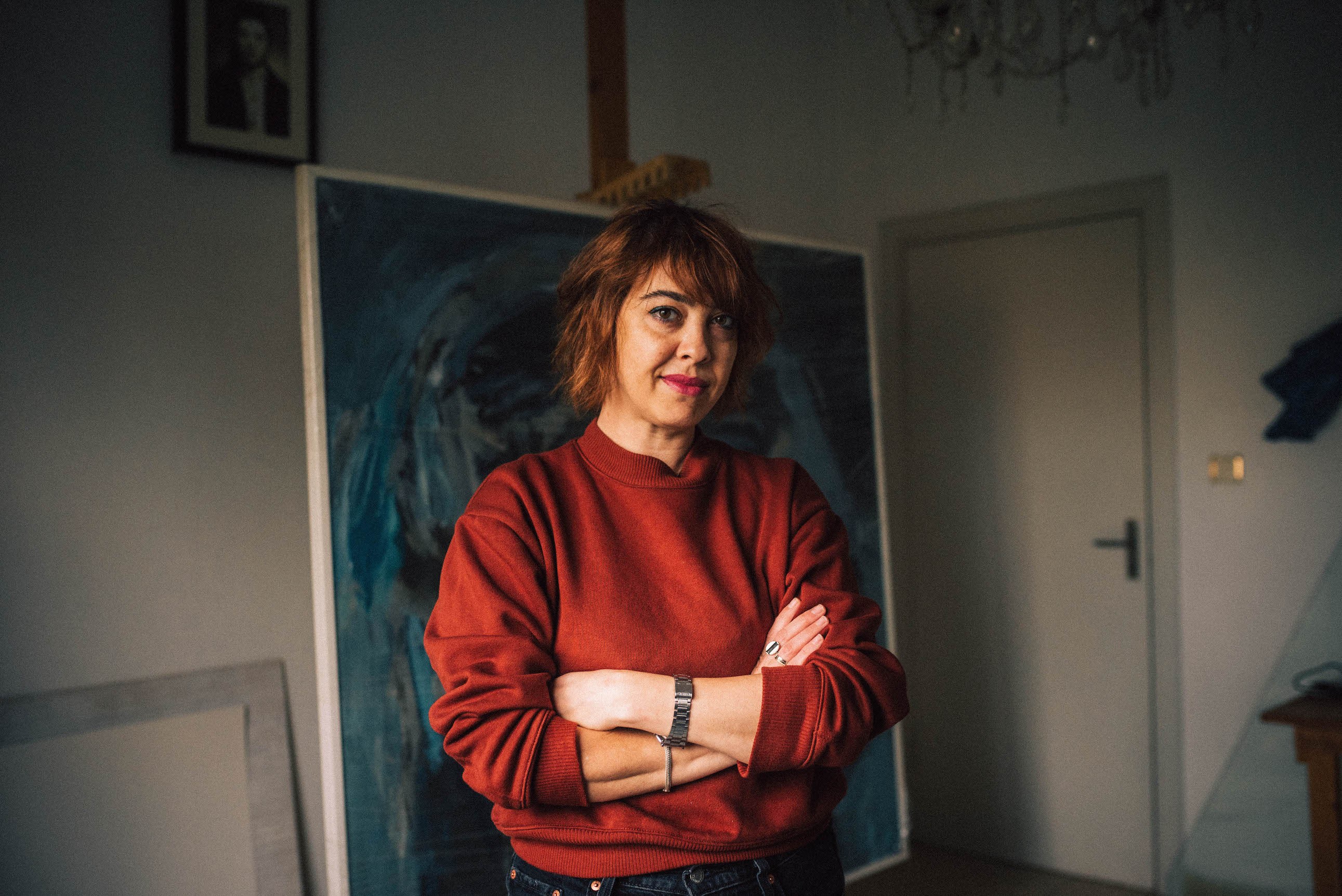
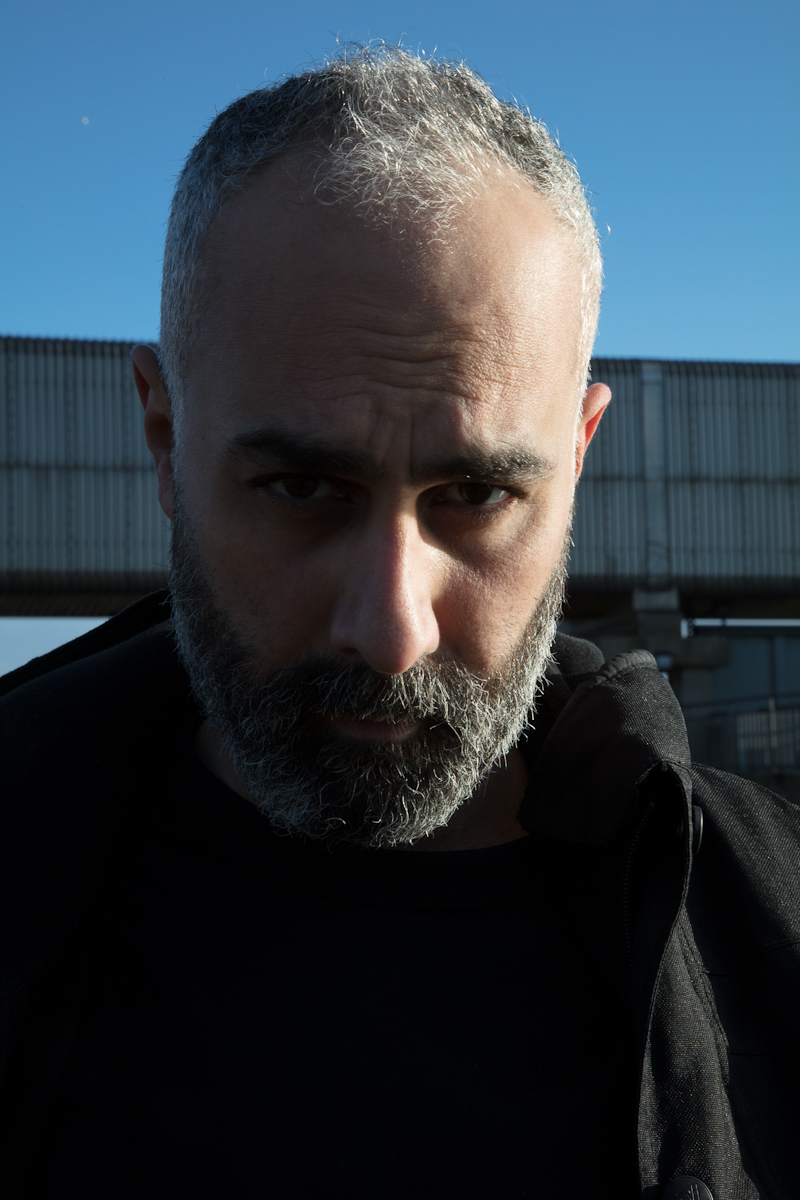
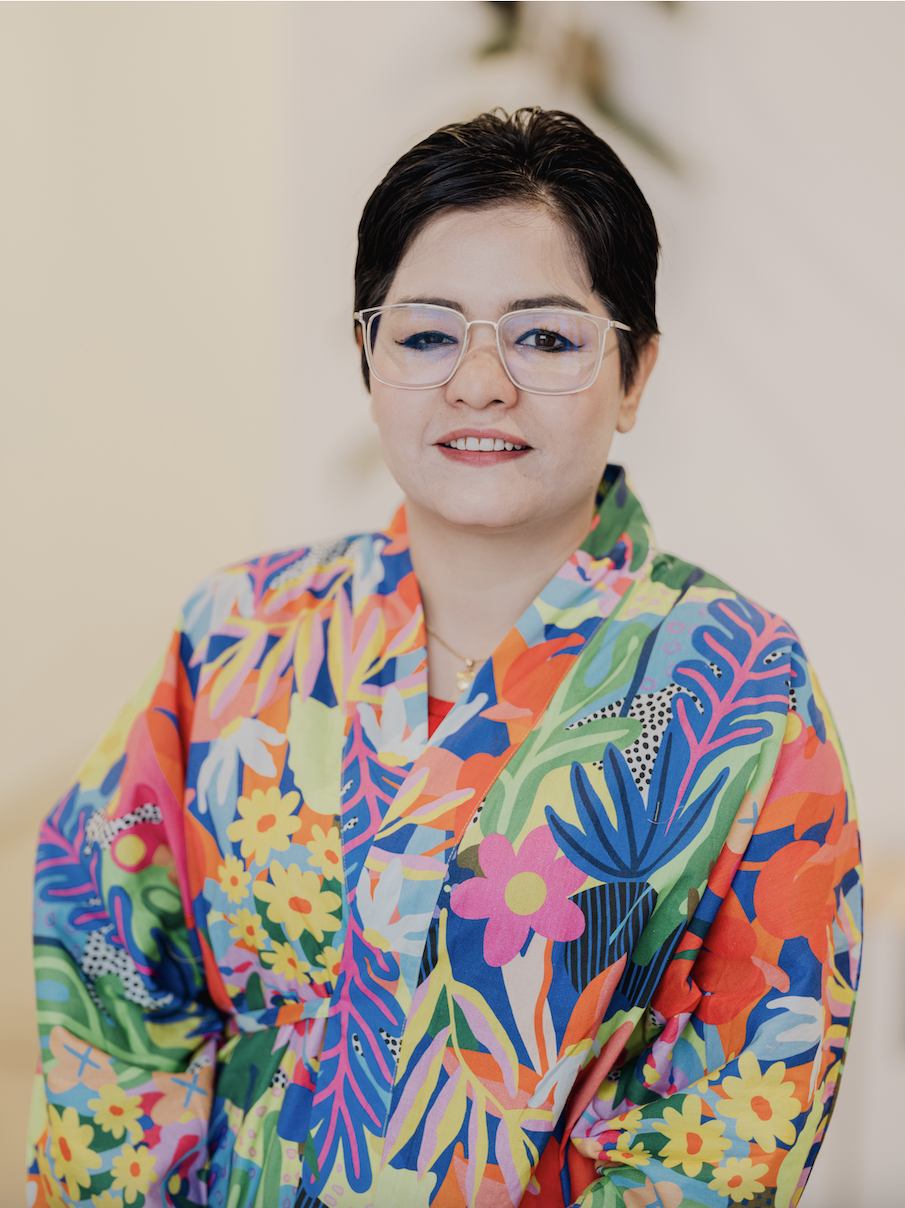
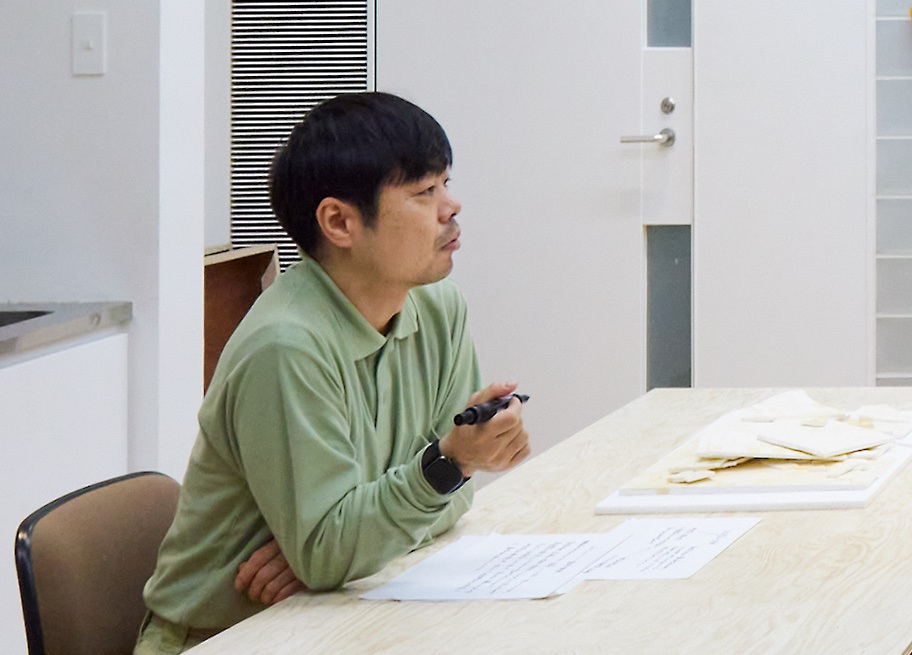
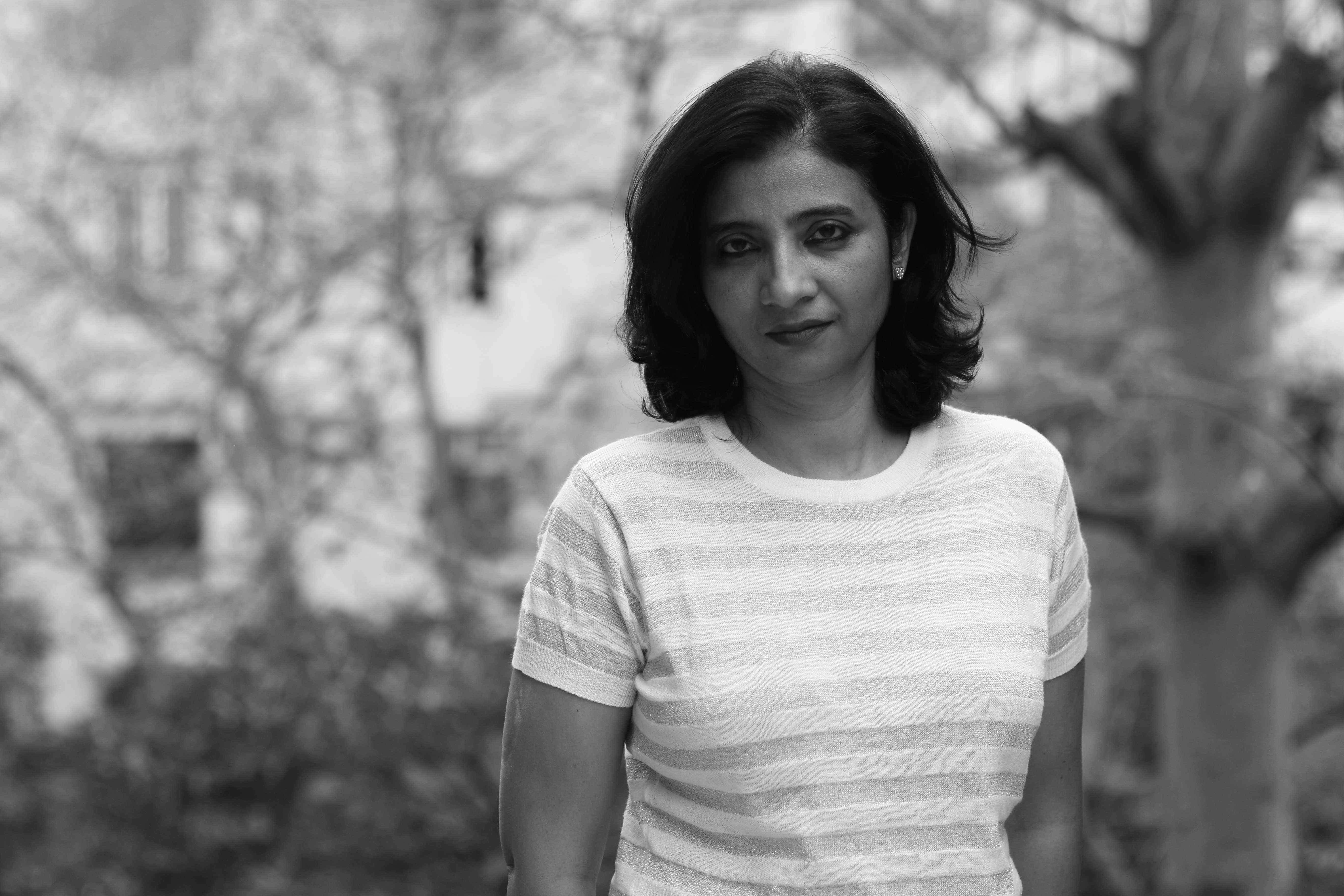
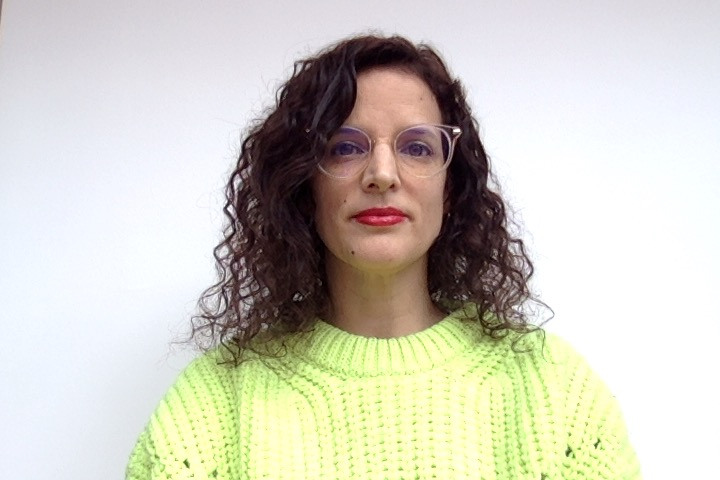
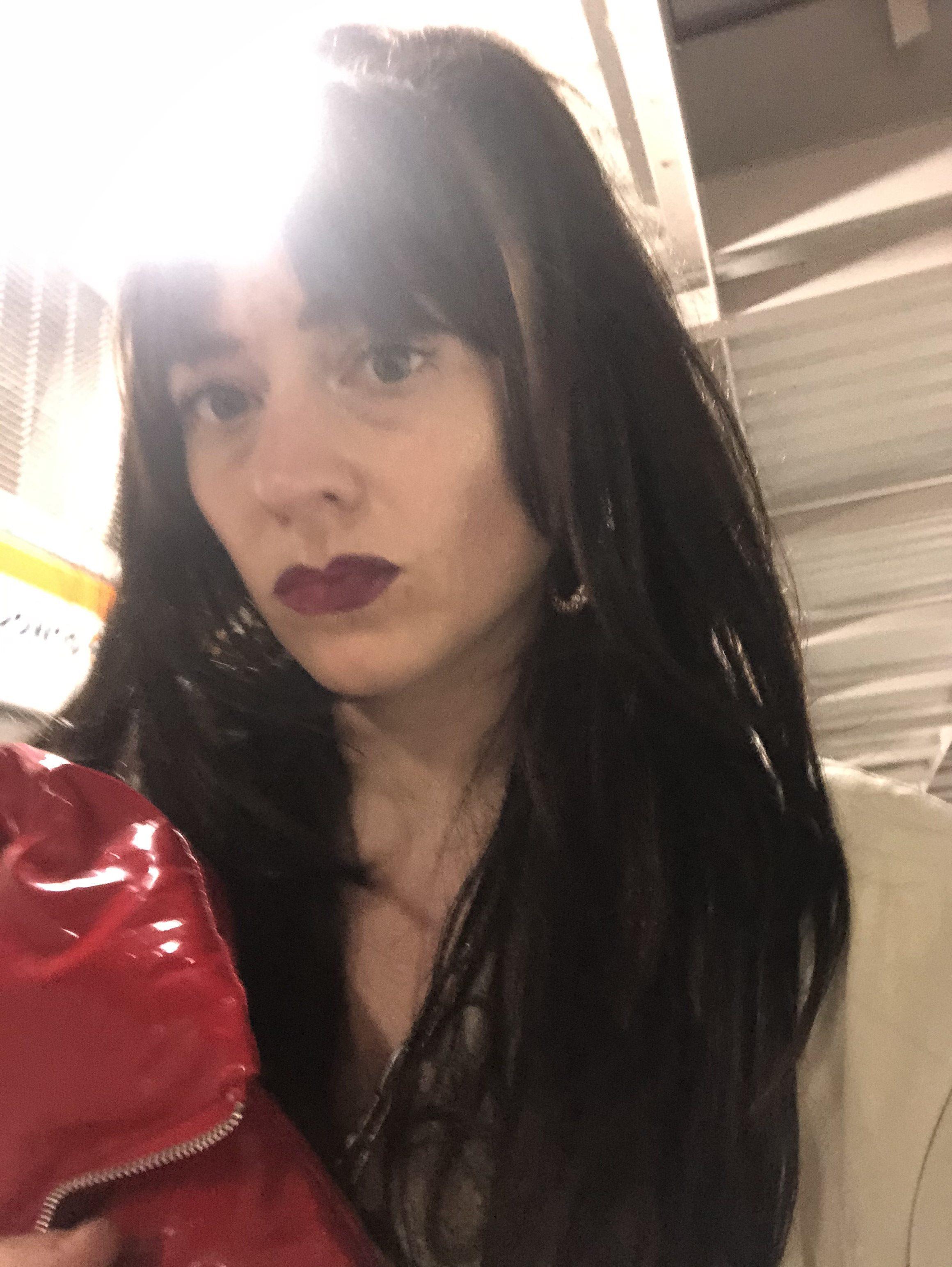
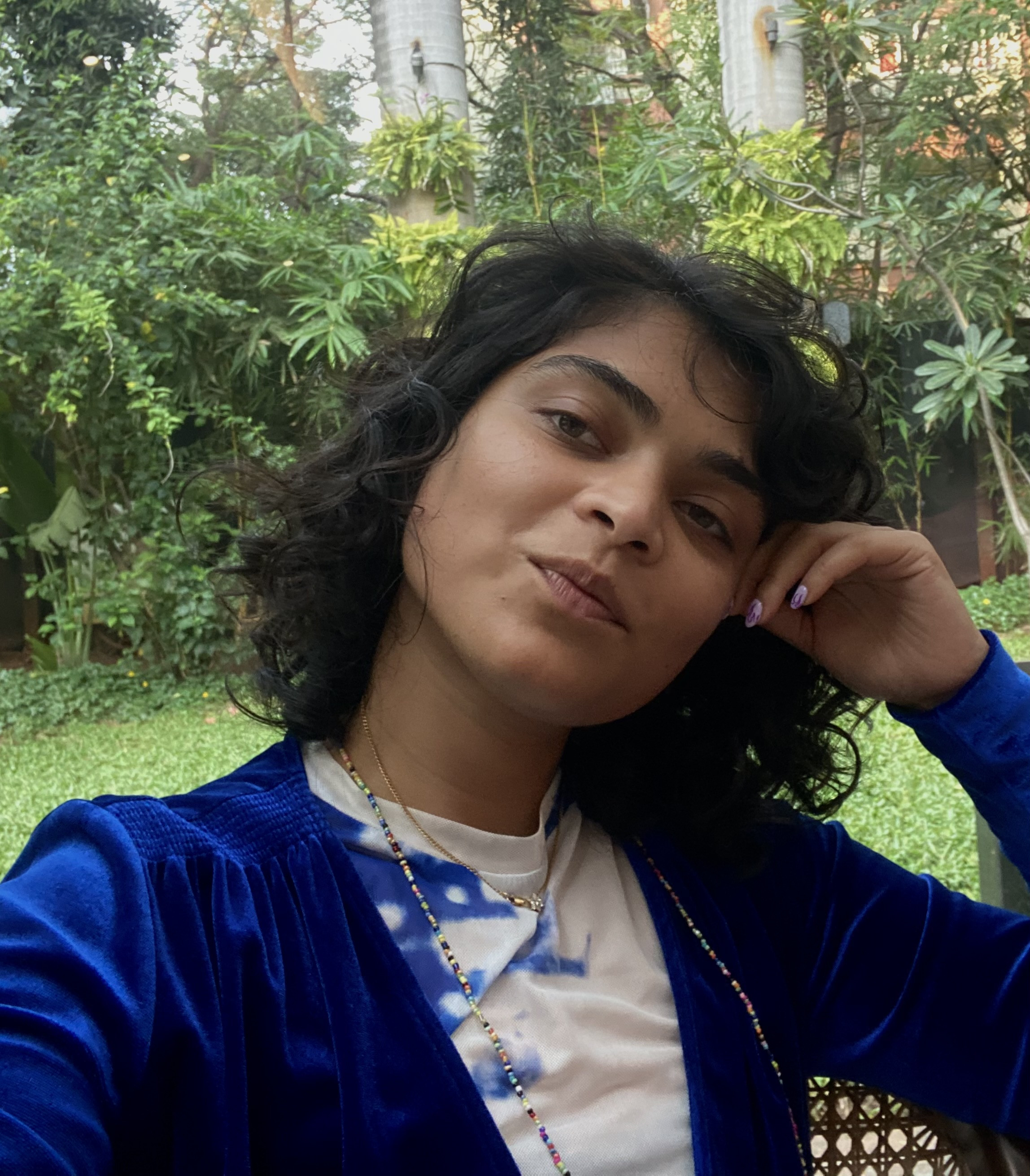
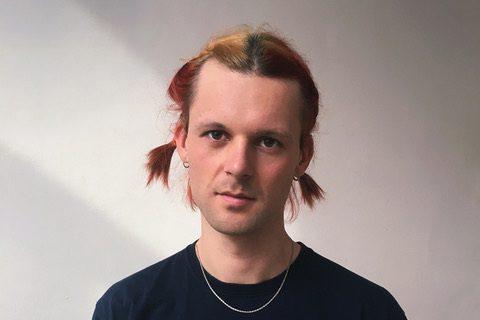
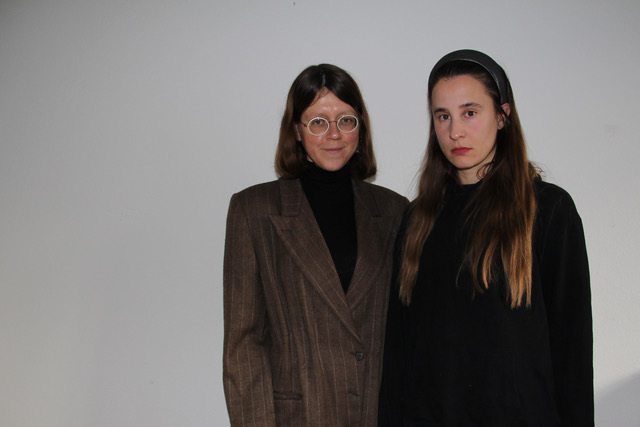
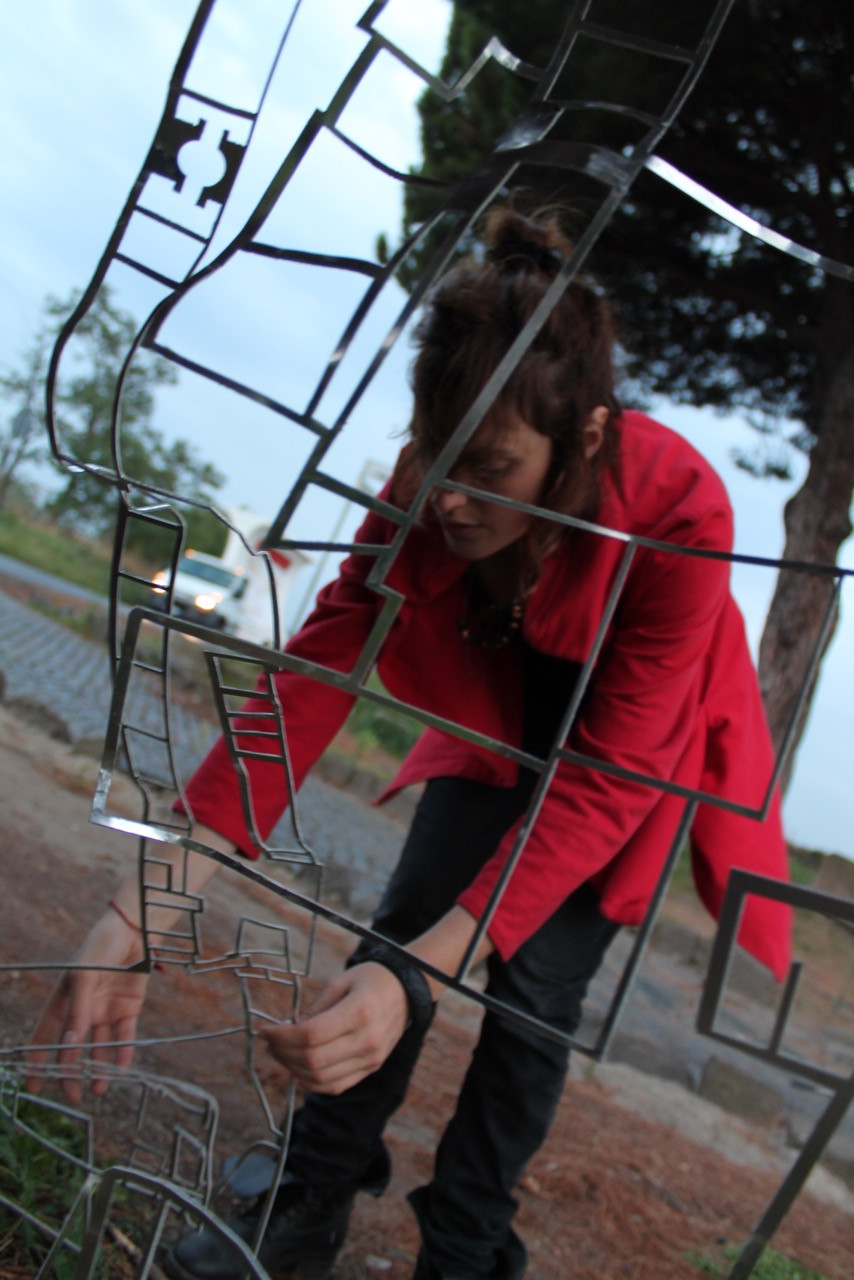
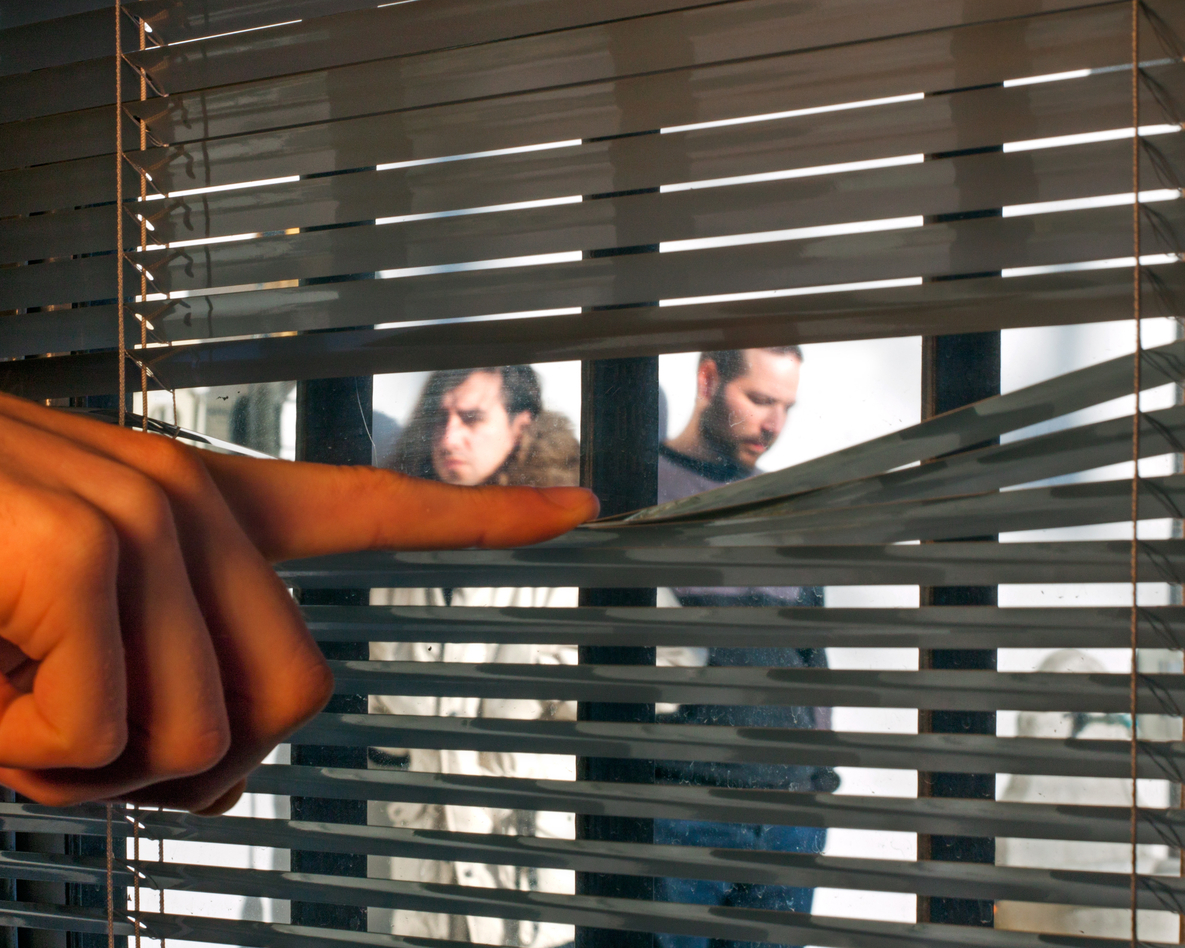
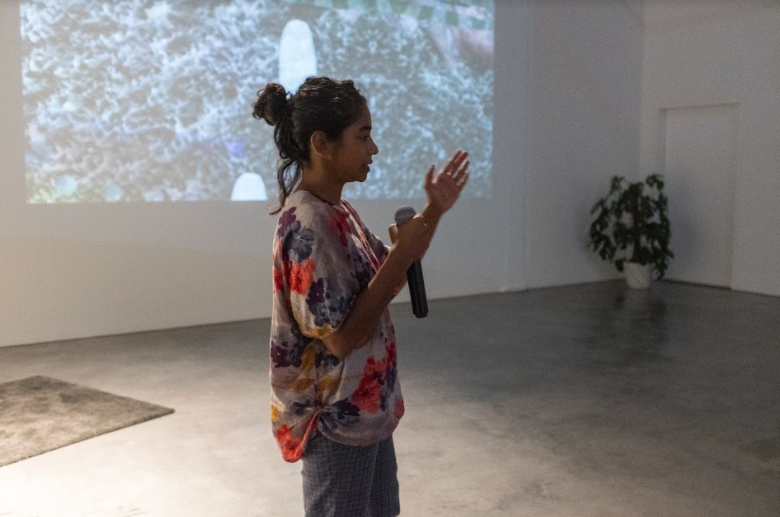
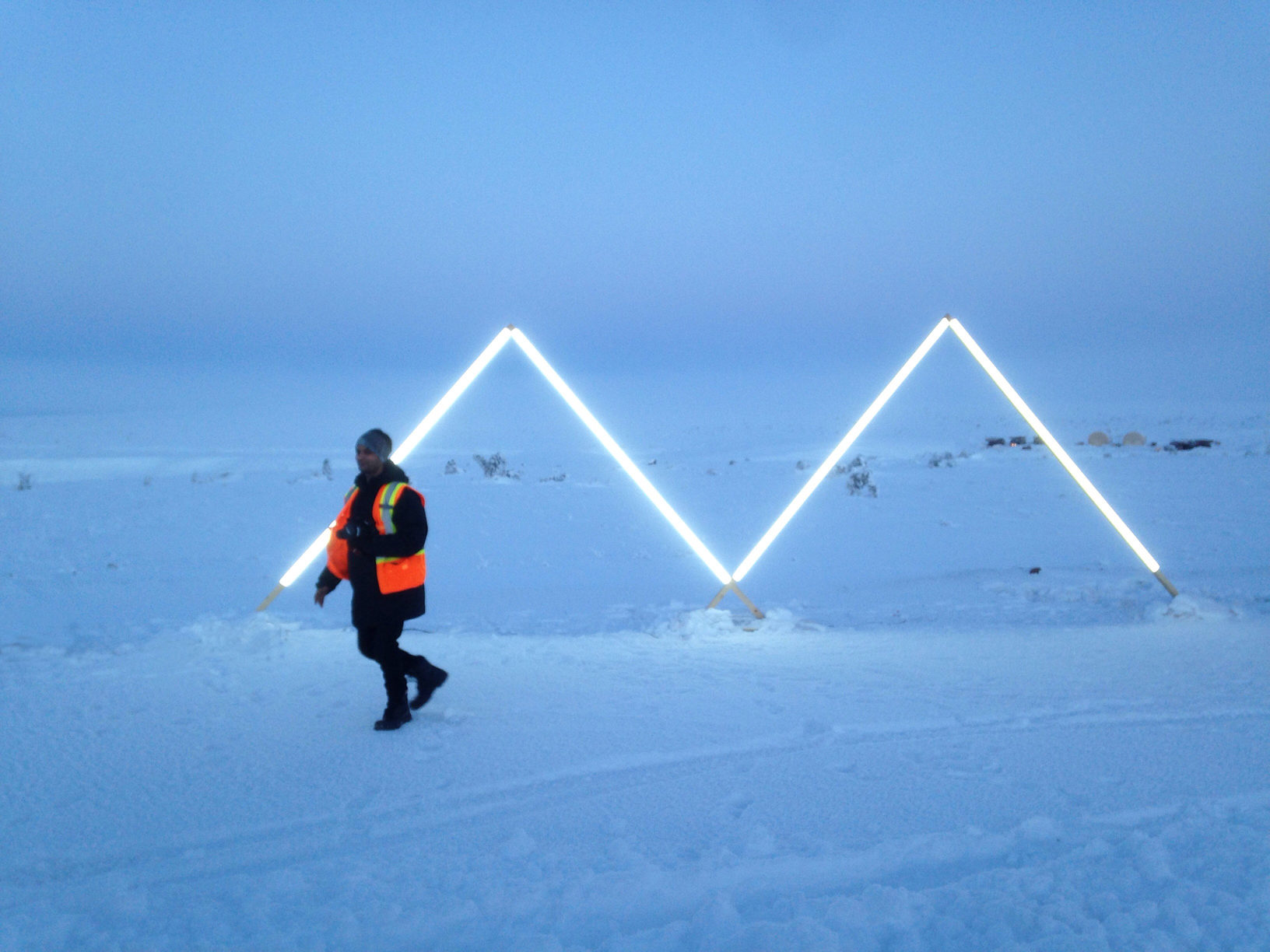
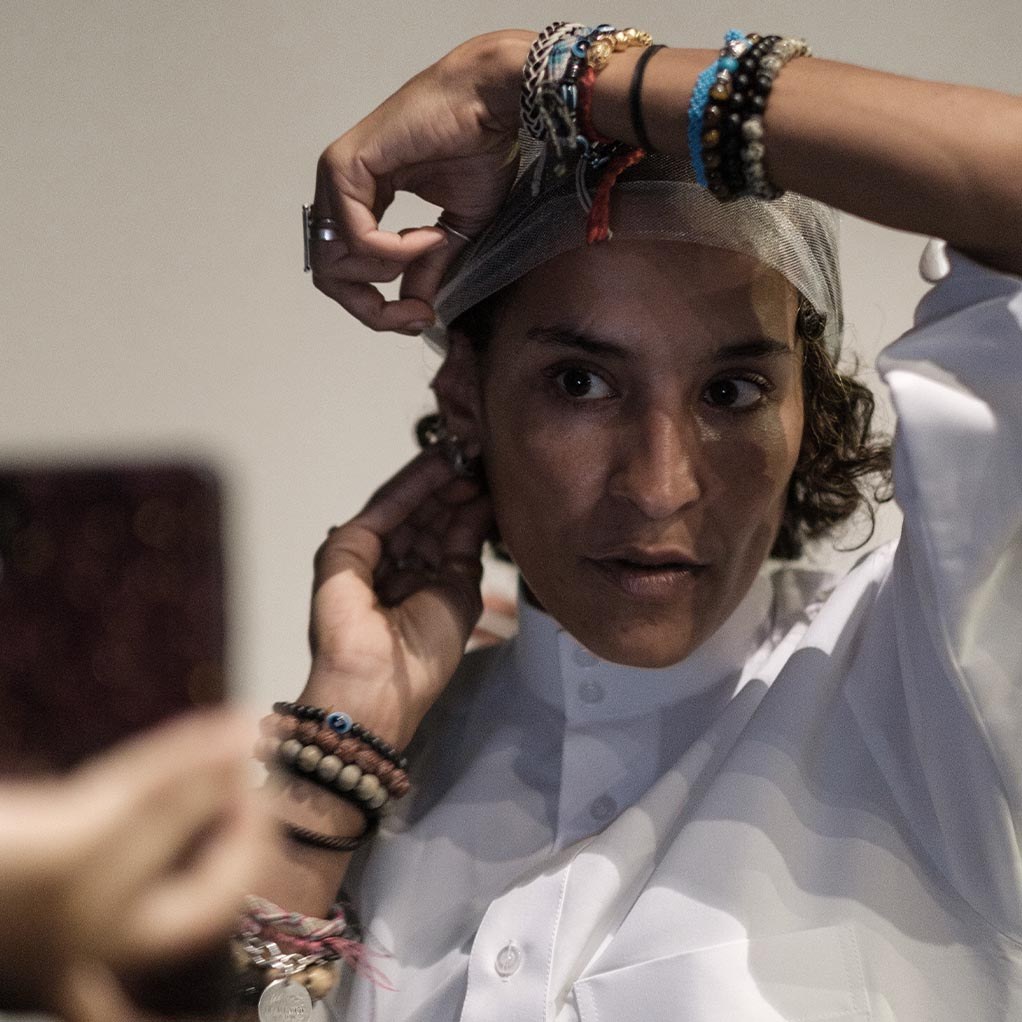
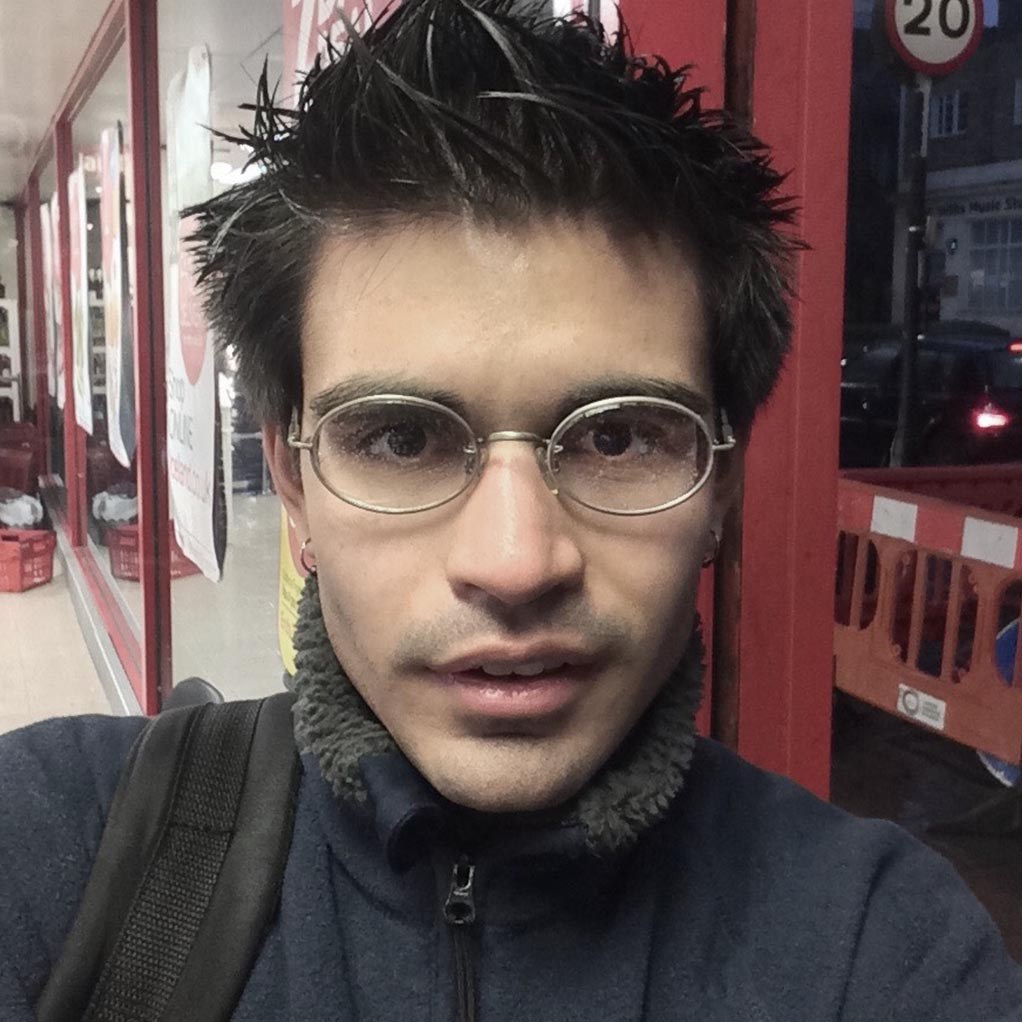
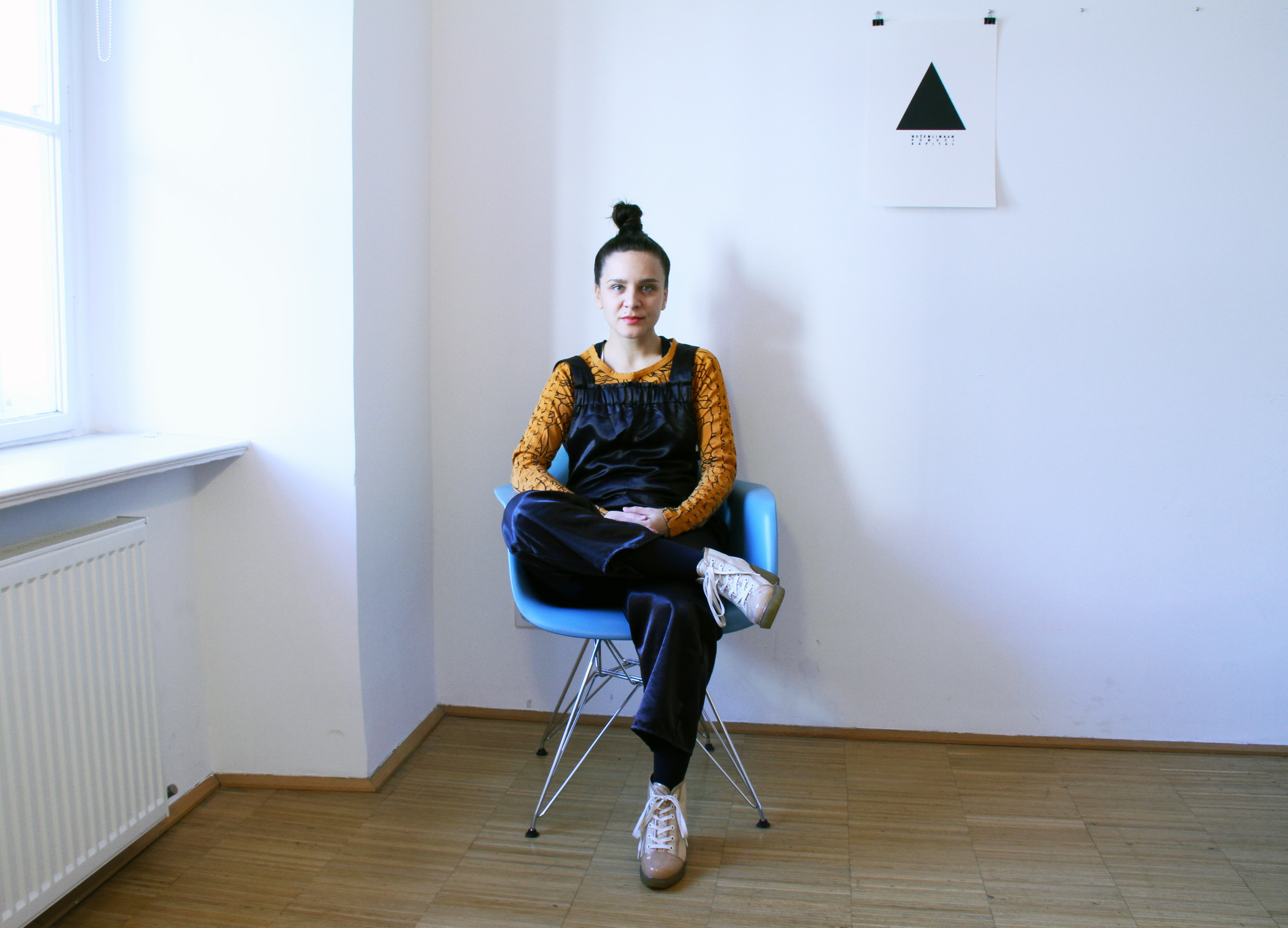
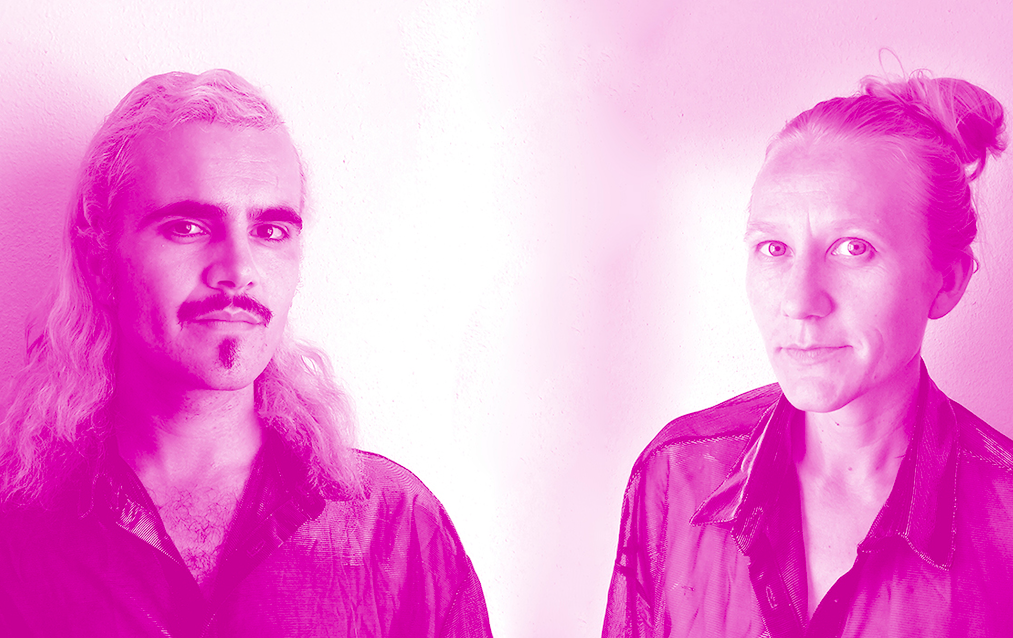
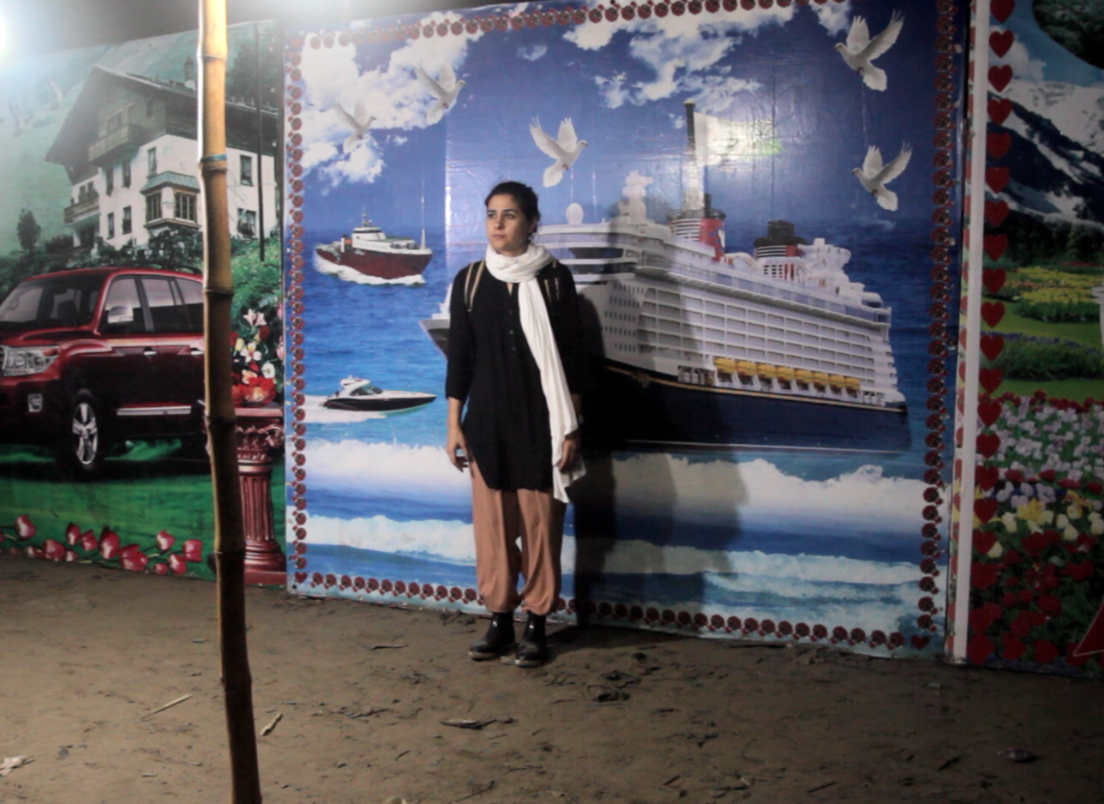
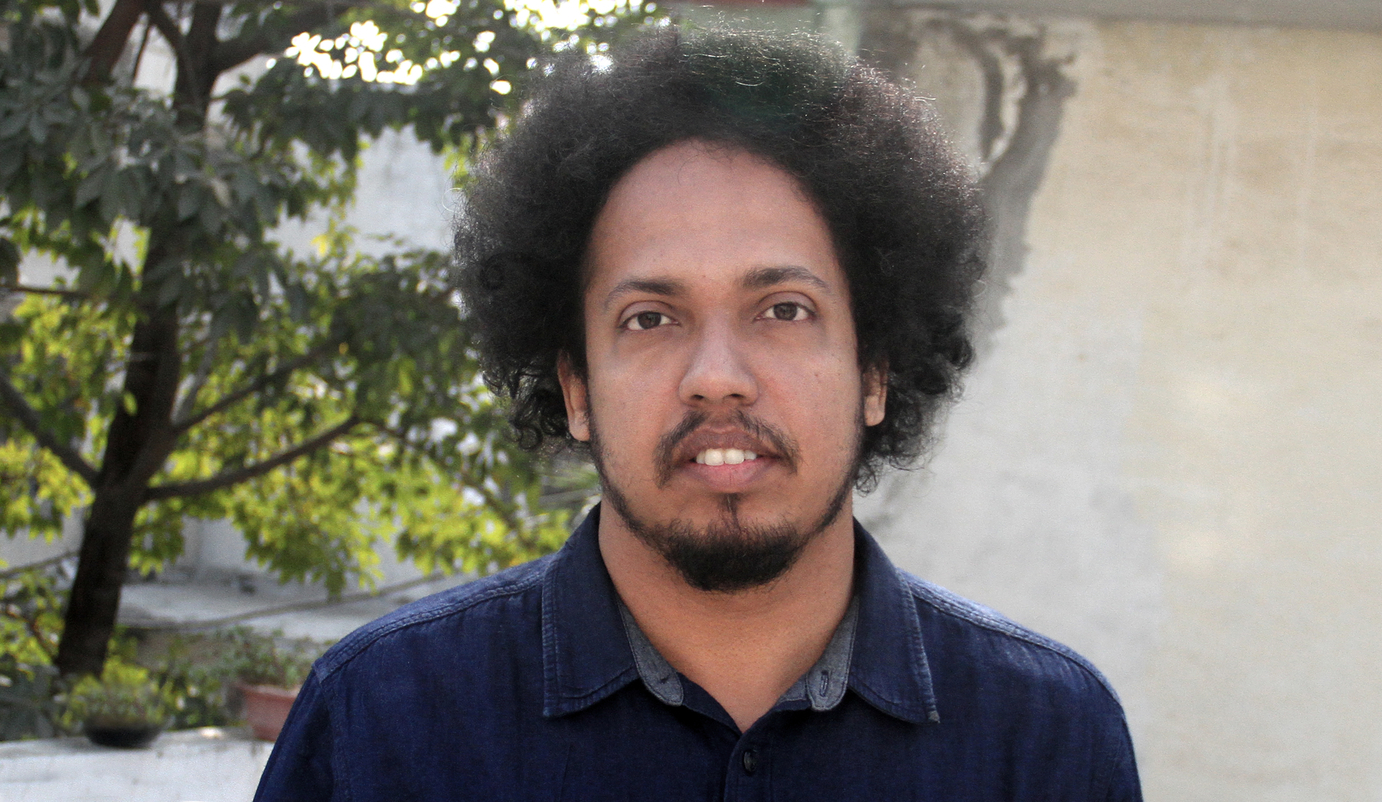
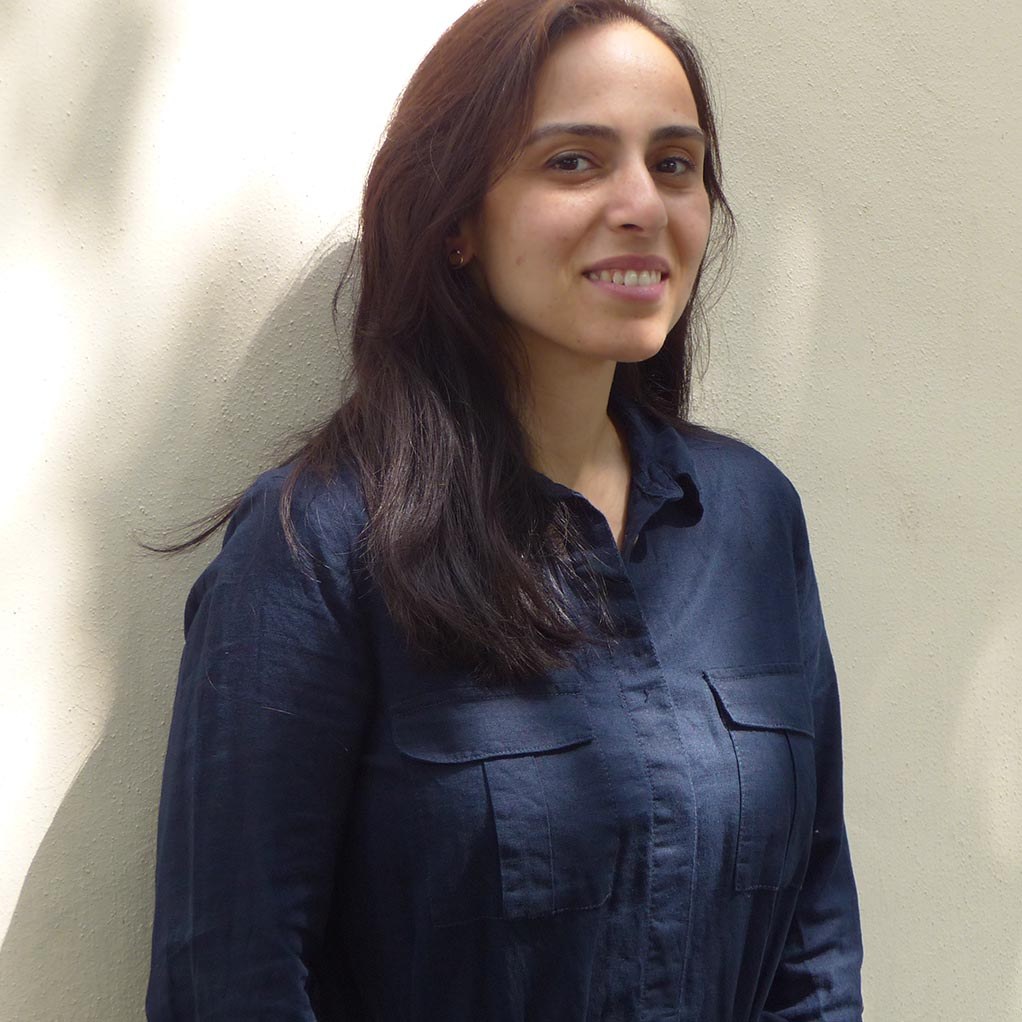
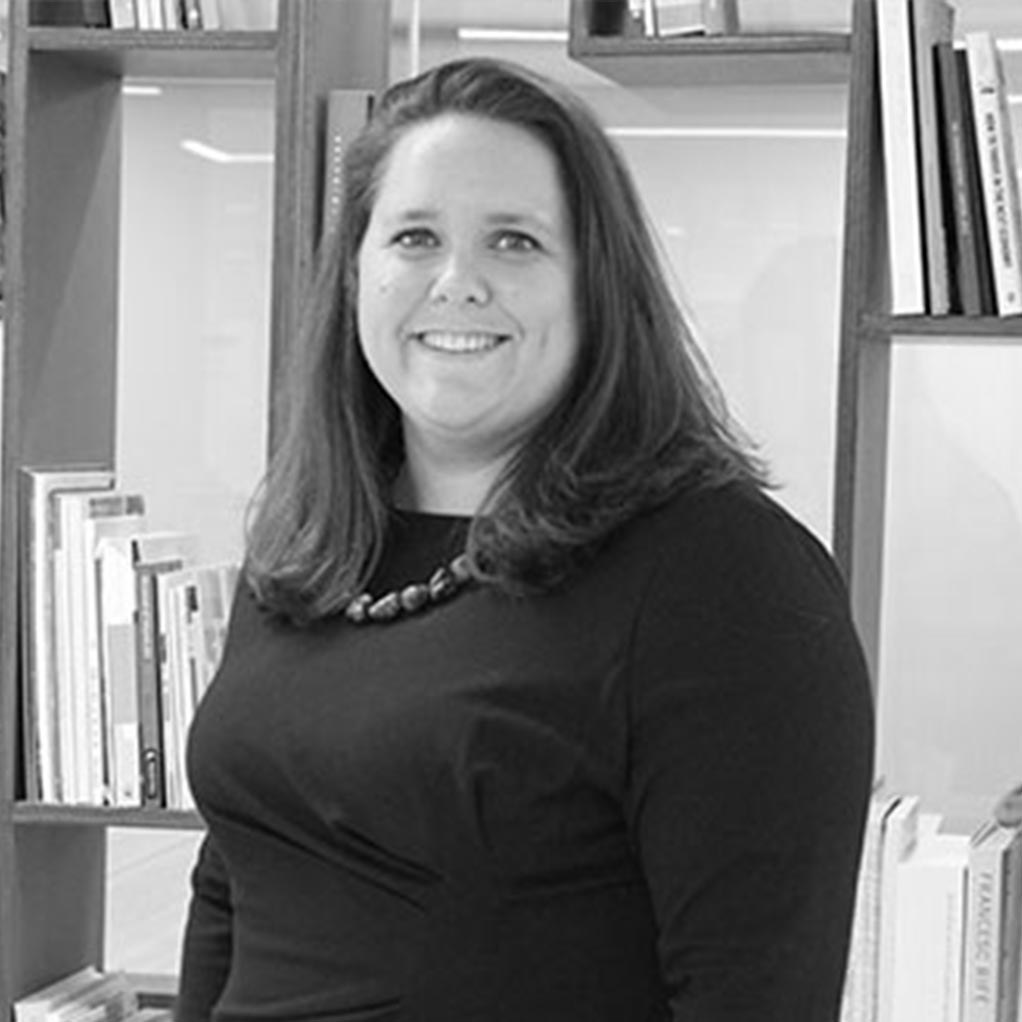
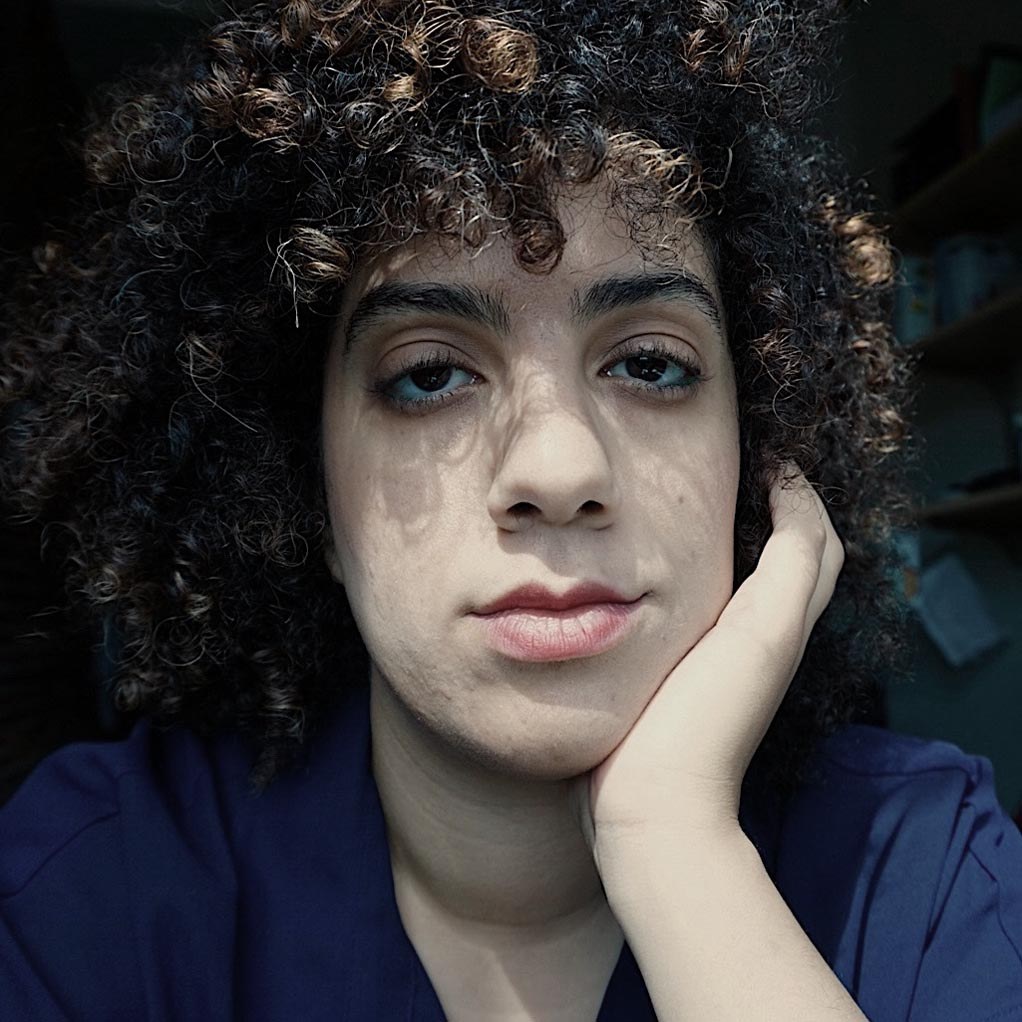
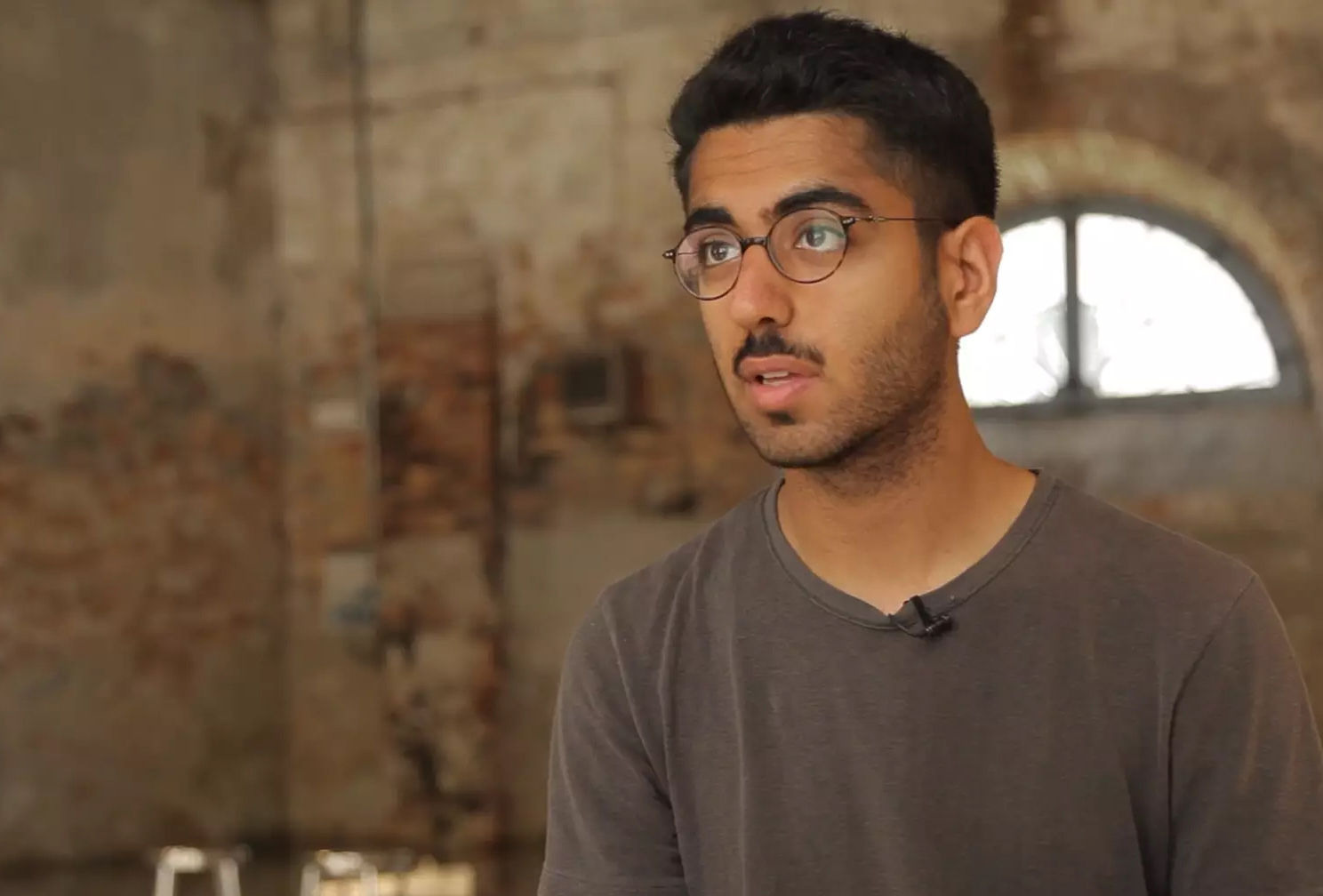
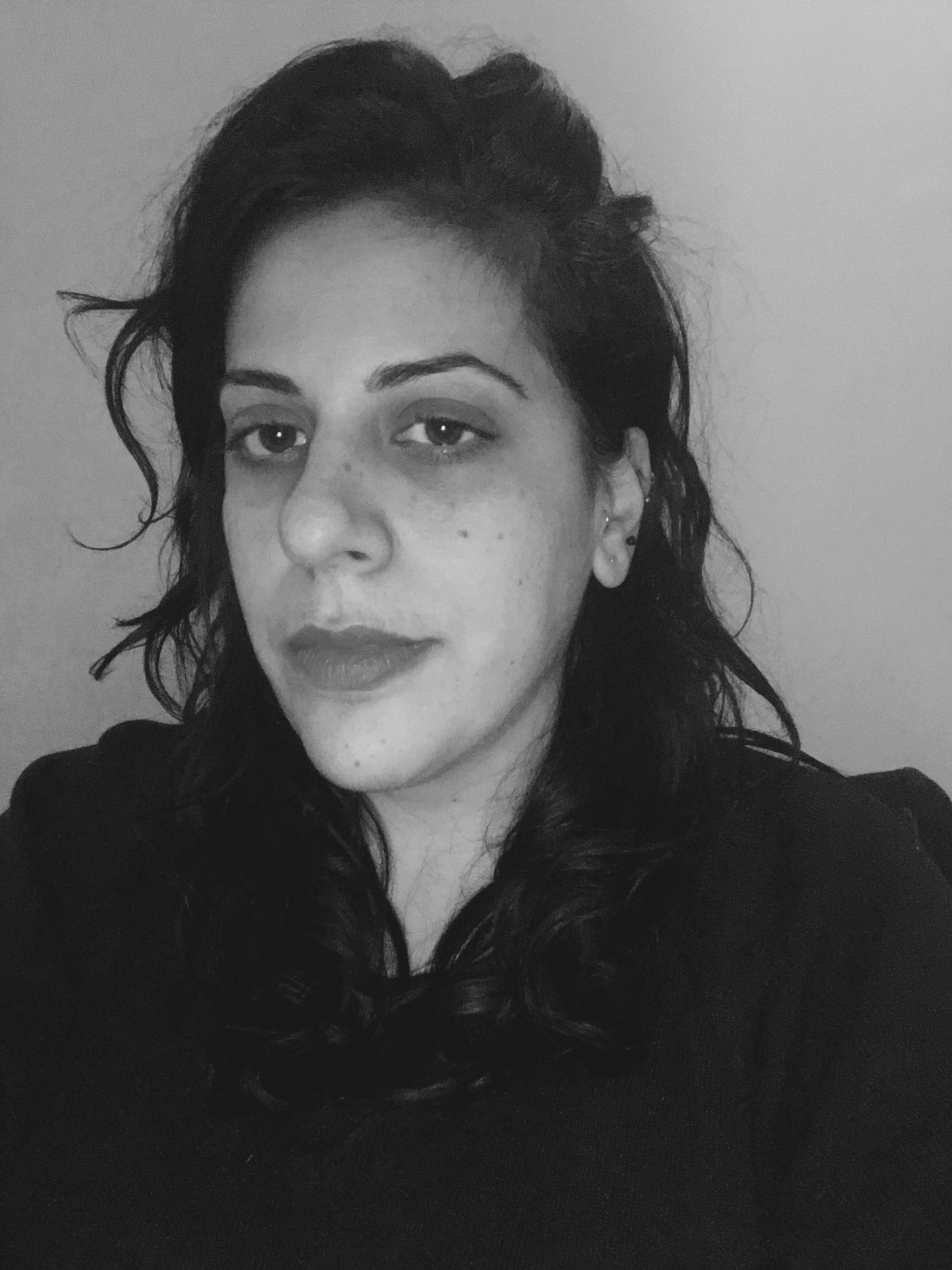
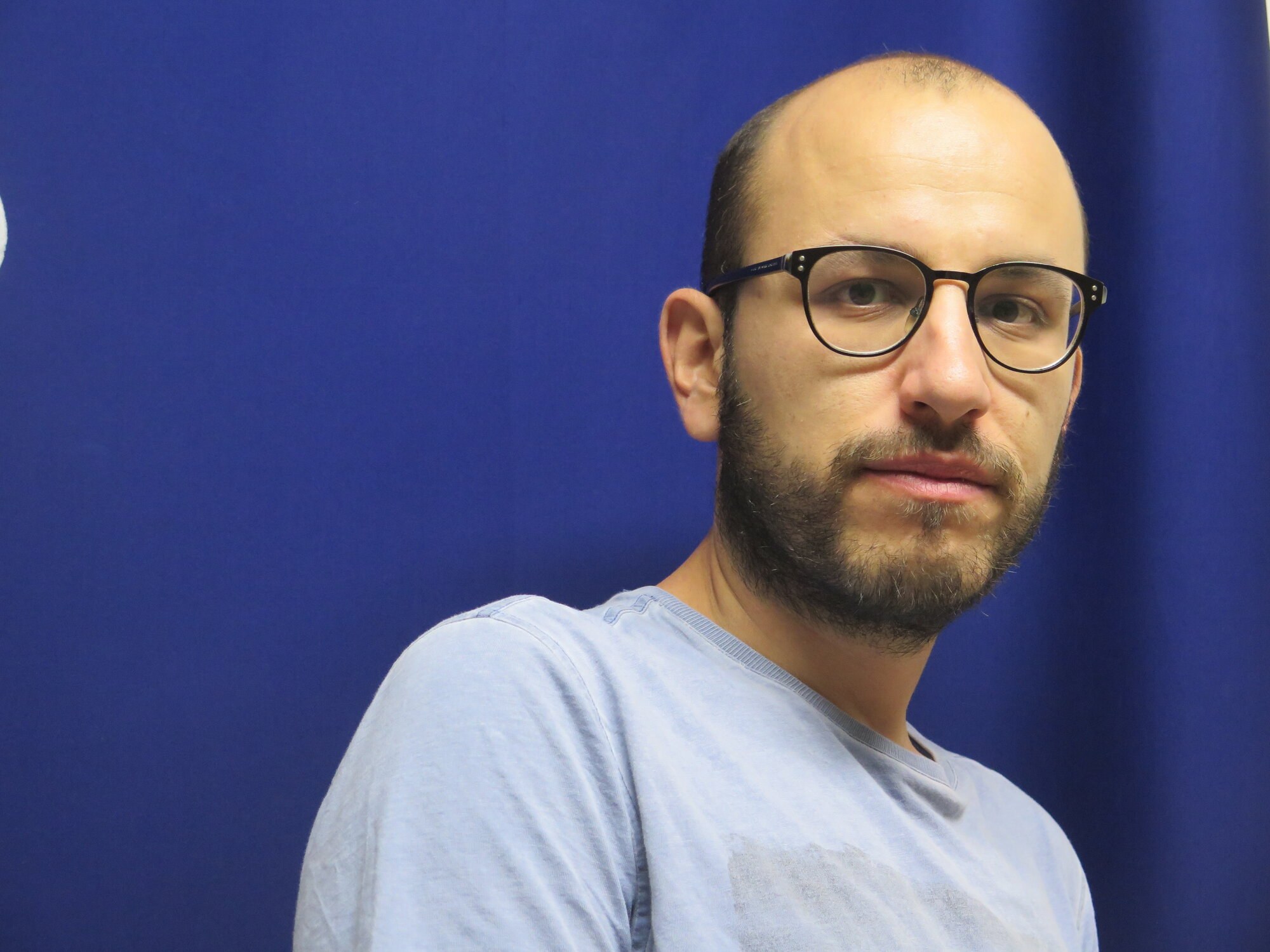
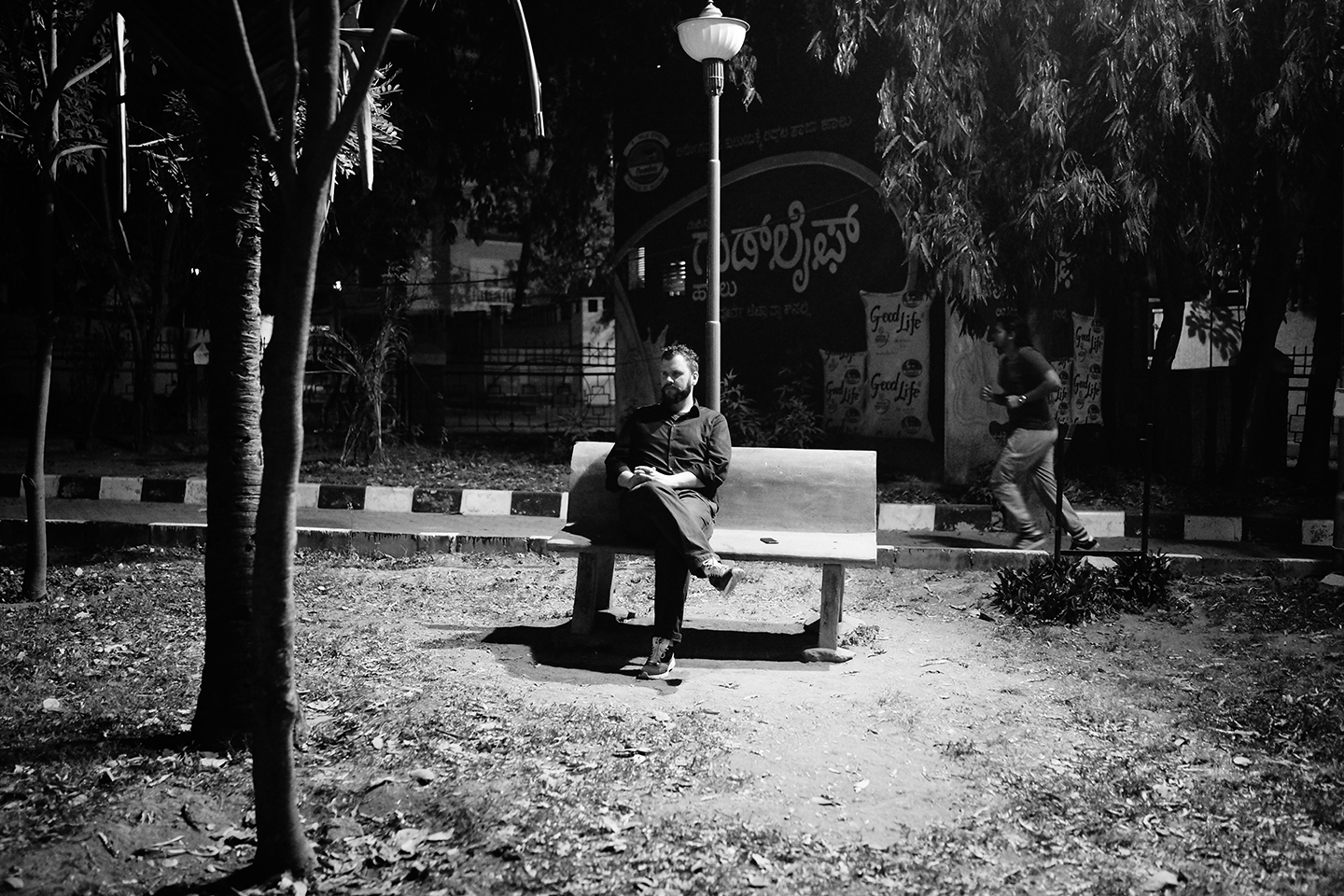
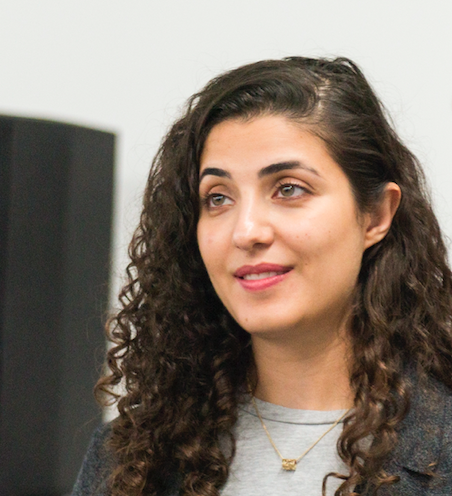
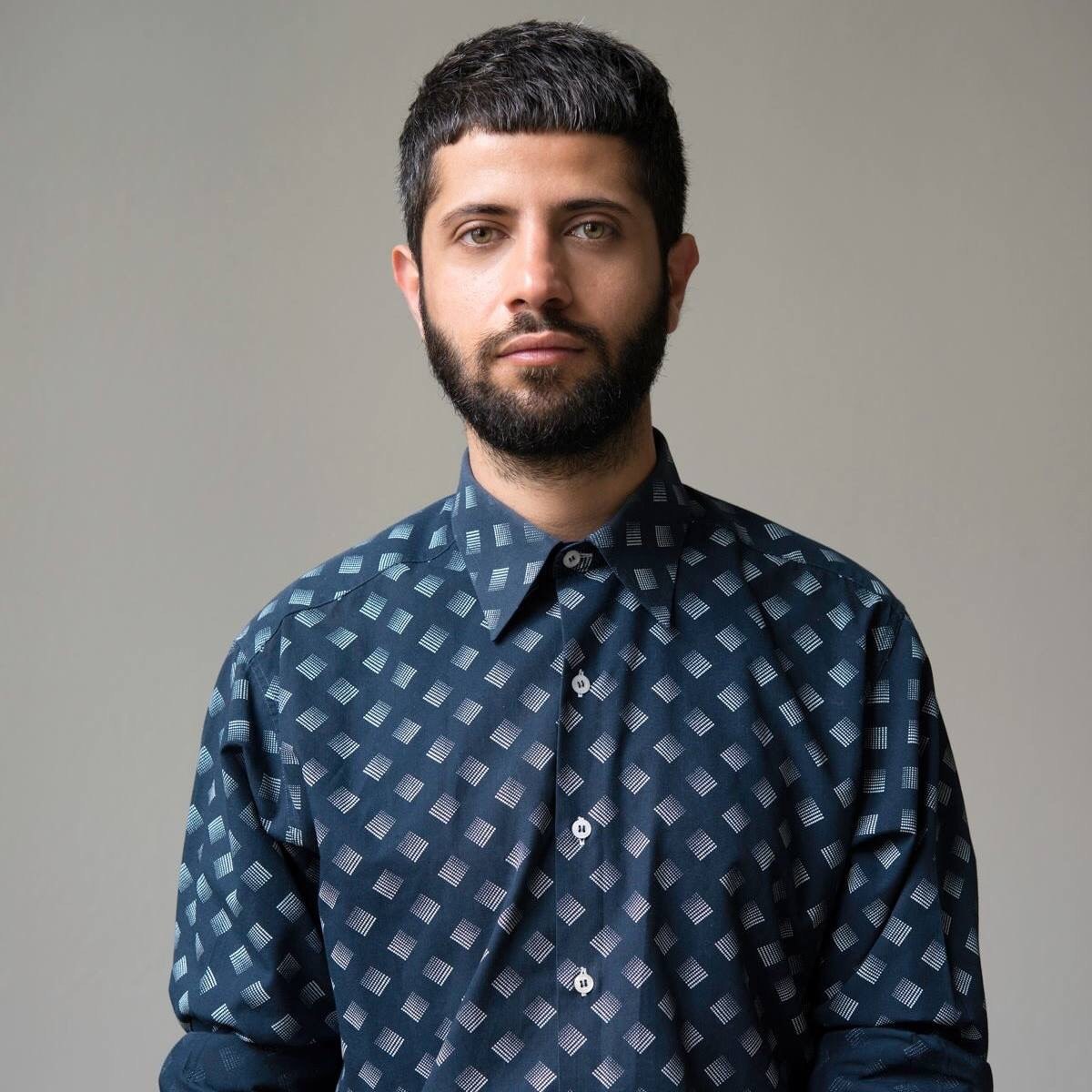
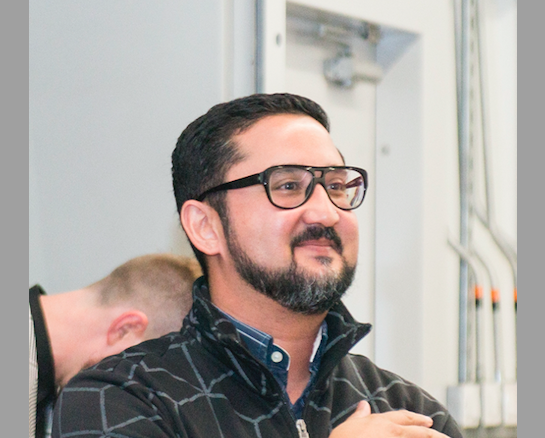
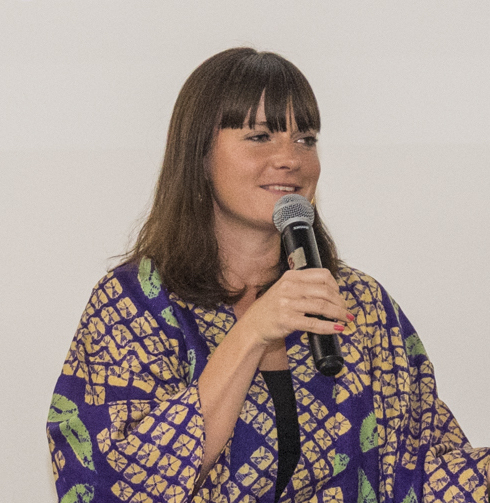
Rana Haddad & Pascal Hachem
Rana Haddad and Pascal Hachem are influential figures in Beirut's & international cultural scene. Operating at the intersection of activism and art, their performances, interventions and practices address overlooked aspects of places, languages and objects, offering alternative narratives. By focusing on urban contentions that affect citizens on a daily basis, they ignite debates and challenge socio-political measures through simple yet impactful gestures. Their public installations have taken them from Beirut to international stages in Mantes La Jolie, France; Fribourg, Geneva, Bern and Lausanne, Switzerland; Algiers and Bejayya, Algeria; Turin and Rome, Italy; Istambul, Turkey; Dresden, Germany, Wellington, New Zealand, AlUla, KSA and recently Mexico. Their works have graced prestigious institutions worldwide, including Desert X ALUla 2024, KSA; the Mosaic Rooms, UK; the Gwangju Museum of Art, South Korea; the Mario Merz Foundation, Italy; the Museum of Modern Art Milwaukee, USA; the Grand-Hornu, Belgium; the Mudac, Switzerland; the Dresden Kunsthaus, Germany; Venice Biennale, Italy. The works are part of several prestigious art collections, including The Kamel Lazaar Foundation in Tunisia, the Nadour Collection in Germany, the Farook Collection in Dubai, and the Galila Barzilai-Hollander Collection in Belgium. Their artistic endeavors have recently been acknowledged by the Victoria and Albert Museum (V&A) in London, which acquired notable pieces such as "Debris of Texts and Eyeglasses" and the "Stuck Stick" series.
Research Focus
As part of our proposal for the upcoming Alserkal residency, we explore the idea of “echo-logy”—how our actions echo through the environment, shaping the world we all share. Through installations and community workshops, we’ll reflect on our place within nature, not above it. Inspired by the UAE’s rich landscape and traditional ecological knowledge, we hope to engage with local voices to better understand environmental challenges like cloud seeding and desalination. This journey is about listening, learning, and creating art that gently invites conversations around care, connection, and sustainability.
Hussein Nassereddine
Hussein Nassereddine is a multidisciplinary artist living and working between Beirut and Paris . His work originates from a practice around language that builds fragile monuments - some verbal, some sonic, some visual - rooted in collective histories and resources of time and poetry.His works, performances and texts have been presented in museums and institutions around the world, including Beirut Art Center (2025), Diriyah Contemporary Art Biennale (2024), Kochi-Muziris Biennale (2023), Jameel Art Center (2022) among others. His book How to see the palace pillars as palm trees was published with Kayfa ta (Arabic/2020). The English translation was published in 2024.
Research Focus
During his Alserkal Residency, Hussein Nassereddine continues Years of the Shining Face, a long-term body of work exploring time, memory, and song as sites of transmission and rupture. Drawing on Arab oral traditions, desert and pre-Islamic poetry, as well as modern pop, the project navigates personal and historical grief, evoking voices that echo across centuries. Through text, sound, image, and live performance, Nassereddine stages an encounter with time as both material and metaphysical—a space where revelation and loss overlap. The work invites viewers into a threshold between past and present, where language flickers, and the singer’s face gleams—briefly, like a planet on fire.
Abdul Halik Azeez
Abdul Halik Azeez is based in Colombo, Sri Lanka. A multidisciplinary artist and organiser, his work explores relationships between colonialism, late capitalism, memory/history making and identity politics. Halik has a MA in Linguistics from the University of Granada, and an MA in Financial Economics from the university of Colombo. He spent many years practicing as a journalist, economist and Critical Discourse Analyst before turning to art practice full time. He is co-founder of The Packet, a collective formed in 2019. He has exhibited at the Asia Pacific Triennial (2024), Videobrasil (2023), Berlinale (2023) and documenta fifteen (2022), and received invitations to to residencies and fellowships with the Delfina Foundation (2025), Akademie Schloss Solitude (2025-2026), Prince Claus Fund (2023) and the Sharjah Art Foundation (2022).
Research Focus
During his residency, Abdul Halik Azeez will further develop his multidisciplinary investigations into the intersections of madness, radicalism, and the figure of the Other through the lenses of public media, musical forms, and Sri Lankan folk theatre. Drawing from personal and collective histories, Azeez employs performance, readings, and archival materials to explore how representational narratives and colonial legacies continue to shape individual and communal identities. Central to the project is the use of traditional Sri Lankan kolam masks, which he recontextualizes to navigate the space between self, urban sprawl and myth. At Alserkal, Azeez will focus on expanding the visual language of the project, deepening its theoretical grounding, as well as engaging with the public.
Rana Anani
Rana Anani is a curator, writer, and researcher on visual arts and culture. Her articles are published in several forums in Palestine and the region. She was the Head of Communication of the Palestinian Museum, the Project Manager of Qalandiya International 2018, the coordinator of the Palestinian Pavilion at Cannes Film Festival, and an Associate Curator of Sharjah Biennale 13 off-site project “Shifting Grounds” in Ramallah. Currently, she is the editor of the website of the Institute of Palestine Studies, Ramallah/Beirut.
Research Focus
During her residency, Anani will build on her research around the loss of artworks and its impact on collective memory and cultural identity.
By engaging with UAE-based artists through studio visits, tours of museums and archives, and interviews with cultural practitioners, Anani seeks to map stories of destruction, disappearance, and occasional reappearance of artworks, taking into close consideration the experiences of non-Palestinian artists in the wider region. At a time when artwork prices are soaring, Anani examines how these losses - and unexpected returns - shape historical narratives and collective identity.
Essa Grayeb
Essa Grayeb is a Palestinian visual artist and scholar whose practice spans video, photography, and installation. He works with existing objects, footage, and sounds, weaving between reality and fiction. A fellow of the DAAD Artists-in-Berlin Program (2025–2026), Grayeb’s work has been exhibited internationally, including at De Appel in Amsterdam, the Jakarta Biennale (2024), the Museum of Contemporary Art in Ljubljana and The Mosaic Rooms in London (2024), and the Palestinian Museum (2021). His films have screened at festivals and institutions such as the Institut du Monde Arabe in Paris (2024), the Arab Film Festival in San Diego (2021), and more.
Research Focus
Essa’s residency project builds on his study of visual representations of Arab Nationalism and Pan-Arabism in Arab popular culture. Drawing from childhood memories and previous work, he examines the legacy of Gamal Abdel Nasser through urban landmarks such as Dubai’s Abdel Nasser Square, Jamal Abdul Naser Street in Sharjah, and Al Arouba Street.
Grayeb’s research explores the UAE’s historical ties to the Arab League and its role within the broader Pan-Arab movement, reflecting on both past and present narratives. By analysing cultural artifacts—including UAE Fujairah stamps commemorating Nasser and artworks from significant collections like Barjeel and the Sharjah Art Museum—he investigates themes of unity, solidarity, and Nasser’s enduring legacy.
İdil Akıncı-Pérez
İdil Akıncı is a Lecturer in Social Policy at the University of Edinburgh. Her research explores migration, citizenship, and belonging in multicultural societies, with a focus on the Arab Gulf States. She holds a PhD in Migration Studies from the University of Sussex, where she explored the everyday experiences of national identity and belonging by young resident communities and Emirati citizens in the UAE. Before joining Edinburgh in 2019, she taught sociology, migration, and social anthropology at the University of Sussex and Zayed University in Dubai.
Research Focus
İdil’s residency project builds on her study of aging and migration, exploring an often-overlooked question: what does it mean to grow old in Dubai and the wider UAE? Since 2021, her focus has been on the experiences of aging migrants who have spent most, if not all, of their working years in the country, making it their de facto home with their families.
Her research examines the interdependencies between younger and older generations, portraying retirement as a “family matter.” She explores the plans, decisions, and aspirations of multigenerational families in the UAE around aging and retirement, revealing how these life stages shape their sense of home.
Through video, photography, oral histories, and family photo albums, the project documents the intertwined narratives of migration and aging in the UAE, preserving a vital yet often overlooked aspect of the migrant experience.
Pallavi Paul
Pallavi Paul is a filmmaker, film scholar and artist based in New Delhi. Her practice speaks to poetic exploration of cultural histories, questioning the limits of speculation and facticity and evidence. Paul is also engaged in thinking about ideas of the archive, tensions between document and documentary and the implication of trace within these openings. She has received her PhD in Film Studies from the School of Arts and Aesthetics, Jawaharlal Nehru University, New Delhi. Paul’s film, ‘The Blind Rabbit’ premiered at the International Film Festival of Rotterdam in 2020. Paul’s work has been exhibited in venues including Tate Modern, London (2013); AV Festival, New Castle (2018, 2016), Beirut Art Centre, Lebanon (2018), Savvy Contemporary (2019), Contour Biennale, Mechelen (2017), New Alphabet School, HKW (2020). Her most recent solo exhibition 'How Love Moves' is on view at Martin Gropius Bau, Berlin.
Research Focus
Pallavi’s recent work looks at death as the porous, shifting and sometimes even generative gap between the living and the departed. The project at Alserkal Arts Foundation will seek to extend this enquiry, across the prescience of the desert and rituals of mourning, remembering and forgetting.
Sinzo Aanza
Sinzo Aanza is a Congolese artist whose work focuses on the radicality of fiction. In 2007, Luhindi K. Sinzomene created Sinzo Aanza, a radical fiction to whom he assigns the responsibility for the interactions between his creations, first literary and then visual, and the equally frictional social frameworks in which the encounter, discussion and projections around all the other inventions developed by men to frame life, its understanding, organisation and projections become possible. Aanza (b. 1990 in Goma, DR Congo) lives and works in Kinshasa, DR Congo.
Research Focus
Sinzo is interested in markets, in their traditional form as the roots of the urban phenomenon, the traditional meeting point for setting the value of things according to different backgrounds and perspectives, but also as the first place for the political exercise radically generalized by the advent of modern States with international forums for discussion, negotiation and competition. During his residency, Sinzo plans to study and collect data in two of these markets, namely Deira and the central market of Kinshasa, commonly called Zando. Even more, how these two markets could become places to understand interactions beyond trade, in the field of history, international policies and current events often shaken up in Congo by the mining question and its conflicts.
Thlana Bazik
A multi-media artist and an academic researcher from Mizoram, Lalthlanchhuaha a.k.a., Bazik Thlana defines himself as a socially conscious eccentric-owning a conscious refusal of a centrally defined axis as well as an unconventionality to his practice. His body of works are informed by research and writing with interdisciplinary works which includes painting and drawing, installation, artistic performance and the curatorial. He makes artist’s book, zines and comics and occasionally writes poetry. He enjoys challenging his audience and inciting people with his art, provoking thoughts and originating dialogue.
Research Focus
Thlana’s project delves into the concept of political resubjectivation and the interplay between nationalist politics in India and the shifting conditions of sleep and wakefulness. By exploring the notion of “ends of sleep”, he plans to extend his investigation on how mechanisms of political nationalism correlate with experiences of sleep paralysis—a common yet often overlooked parasomnia. This project traces the origins of entities associated with the night-mare, historically linked to sleep paralysis, and examines the cultural, social and religious contexts that shape these experiences. Positioned between the liminal states of sleep and wakefulness, the supernatural and the natural, this project aims to build the intricate connections between mind and body, and the interplay of biology and culture. Through choreography and movement-based practice, he seeks to explore and manifest these themes, addressing contemporary human conditions and the metaphorical “devils and demons”; that disrupt our autonomy and agency in today’s world.
Jad Saliba
Jad Saliba (born 1984, Beirut) works primarily in sound. A former Oud player, co-founded ensemble ‘Mayal’ in 2010, performing renaissance music of early 20th century Egypt. Saliba was also part of ‘Irtijal’ Beirut’s collective of artists, playing alongside prominent members and other international experimental musicians. Graduated in master’s at the Institute of Sonology in 2020. His current work explores experimental drum machines, contemplating on alternative club music and online community radio broadcasts.
Research Focus
Jad’s project during the residency marks the beginning of a long-term research initiative exploring concepts of sonic resistance, solidarity, and sonic identity, using drum machines as a primary medium. The research raises key questions: What characteristics define sound as resistant to current political struggles, and is it an urgency to draw from sonic traditions of the MEASA region (to which he belongs) in order to challenge dominant, hegemonic perceptions of sound. He asks: how can we as a community from the Levant and beyond, organise ourselves for such actions.
Hylozoic / Desires
Hylozoic/Desires (Himali Singh Soin & David Soin Tappeser) is an artist duo whose work combines poetry and music to conjure speculative futures and multiverses. H/D aspire toward a flat ontological ether in which all forms of life—stone, spirit, machine or human—are equal. They skew the linear imagination of time and space to produce divergences that elicit critical wonder. H/D’s research orbits around (non)place and histories of migration, transnationalism and environmental cosmism to learn from the multiple materialities of contemporary existence. They are concerned with the (poly)rhythms of love and the bea(s)t of belonging. Hylozoic/Desires use metaphor as an event, as a force of attraction that holds otherwise distant entities together.
Research Focus
At Alserkal Arts Foundation, Hylozoic/Desires extend their research on the materiality and metaphysics of salt and its deviant role in our now postnatural world.
They will explore our emerging relationships to the new natural: wetlands as sites of biomimicry, artificial islands as novel habitats and laboratories for outer space research as centres for techno-spiritual reconfiguration; they will learn from cloud-seeding experts, mangrove ecologists and astronomers, listening for the metaphors and music of where we came from and imagining how we might reroute our aspirations towards a collective, trans-species liberation.
Christian Sleiman
Christian Sleiman is a Lebanese artist based in Beirut. His practice examines different methods of food production; from foraging to industrial agriculture. Through fabulated menu sets, the research tackles the issues of food sovereignty and global dependency by looking into historical events, political and cultural forces that reveal larger transitive relations in the global food system. His current focus is the impact of western culture on the rise of the Mediterranean diet, and its implications on local cuisine.
Research Focus
Pharmakon is a Greek word that is used to describe a remedy as well as a poison. It embodies the practical understanding that a poisonous ingredient can transform into a medicinal one, and vice-versa. When foraging in the city, edible shrubs become poisonous ingredients due to the high level of toxicity. Even when urban areas provide a wide range of food, they also serve it with toxic packaging, food mismanagement, air pollution…etc. Preparing a poisonous meal takes as much care as creating a healthy and nutritious one. Christian's project will explore different forms of pharmakon in Dubai through fabulating recipes that willutilize special ingredients such as: seasalt containing microplastics; fish collected from the Mediterranean sea after an oil spill; and Lionfish, a poisonous and invasive fish that is currently being eaten to extinction.
Marika Sardar
Marika Sardar is a consultant and independent scholar who has held curatorial positions at the Aga Khan Museum in Toronto, the Museum of Islamic Art in Doha, The San Diego Museum of Art, and the Metropolitan Museum of Art in New York. She has published on the architecture, paintings and textiles of India, and has created a number of exhibitions and permanent gallery installations relating to her specialties of South Asian and Islamic art. She holds a PhD from the Institute of Fine Arts, New York University.
Research Focus
Hoping to shake up the way the field of ‘Islamic art’ is presented in North American and European museums, this residency will take advantage of the setting in the UAE to connect with local curators, artists and members of the public. Audiences in North America and Europe are changing, including more immigrants from the MEASA region whom museums hope to attract for both visitorship and financial support. This means museums must rethink how they present the region and its heritage, given that these audiences do not find the world of Islamic art foreign or unfamiliar, and will not accept generalisations about a singular Islamic culture without reference to the languages, literatures and history specific to the different countries that comprise it. Through workshops and conversations with practitioners and scholars, Marika hopes to learn how Gulf based practices contextualise the history of the region. Furthermore, she hopes to gather their perspectives and understand better how curators, in other parts of the world, could present this topic to their own audiences in a more meaningful way.
Smita Rajmane
Smita Urmila Rajmane is a public intervention artist, performer and educator. The major themes of Smita's work deal with societal norms that arise from class/caste and gender discrimination, communal violence, the projections of hate and the differences that pervade today’s world. Her work deals with researching, unravelling and highlighting these issues through archival installations and public performances. She is building curriculums and curating shows for school students to build teaching learning spaces focused on social conscious pedagogical approaches. She has done performances and public installations titled ‘The battle of Ram-Rajya’, ‘Smash the Brahmanical patriarchy’ and ‘The Ambedkar Age Digital bookmobile’ in various cities and towns in India as well as in Europe.
Research Focus
In this ongoing art project, 'Jaat Nahi Jaat' (Caste never goes), Smita Rajmane continues her inquiries about art pedagogy and its methodologies to address questions of caste and gender within formal school education. While the project aims to bring together various experiences and narratives via the form of storytelling, during her stay at Alserkal, Smita wishes to extend these explorations of her research around socially conscious curriculum through her conversations with teachers, art educators, artists, and critics from Dubai. These conversations will spill over into the pedagogical structures as a way to expand her art archive with participation from migrants from South Asia which will help her understand the complex structures of caste and gender within the Indian diaspora.
Vipin Vijay
Vipin Vijay, multiple award-winning film-maker and film academic is an alumnus of Satyajit Ray Film & Television Institute, Kolkata. He has been engaged in his search for new cinematic forms since 2000 working in the domain of creative documentary, film essay, fiction feature film and video art. Apart from widely shown in film festivals across the world, like Rotterdam, Karlovy Vary, Oberhausen, São Paulo, Nantes, Montreal, Japan, Vladivostok , his works have also been exhibited in art museums like the Serpentine Gallery, London and the Ullens Centre for Contemporary art (UGCA) Beijing.The prestigious Oberhausen International Film Festival, Germany 2015 honoured him with a specially curated retrospective of his works. He was the ‘Film Maker in Focus’ at the International Documentary and Short Film Festival of Kerala, in 2017.
Research Focus
Burial sites mark time and space where life and death intersect; they are spatio-temporal installations left behind by civilisations that provide glimpses into the ways and means, symbolisms and rites that mark the passage from life to death, or, from life to after-life. This project deals with the archaeology of death. This engagement weaves such visual and material evidences - bodily remains, objects, architectural structures - to explore the liminal and imaginations about life, death, and after-life, mortality and immortality, using historical, archaeological, literary, philosophical and spiritual resources, expressions and lines of thought.
Shada Safadi
Shada Safadi was born in 1982 in Majdal Shams, the occupied Syrian Golan Heights. In 2004, Safadi completed a two-year class in painting and etching at Adham Ismail Institute, Damascus, following which she graduated with a degree in Fine Arts from Damascus University in 2005.
A founding member of Fateh Al Mudarris Center for Arts and Culture in Golan Heights, Safadi has participated in multiple exhibitions, including a solo exhibition at Fateh Al Mudarris Center for Arts and Culture, Majdal Shams in 2006. In addition, her work has been featured in exhibitions in Damascus and Aleppo in Syria; Jerusalem, Ramallah, Birzeit, and Bethlehem in the West Bank; Umea in Sweden; and London in the UK. Recently, she participated in the Syrian Cultural Caravan, with exhibitions in France, Germany, Norway, Spain and Belgium.
In 2008, Safadi won third place at A.M. Qattan Foundation’s Young Artist of the Year Awards for her series of paintings In the Presence of the Crow. In addition, in 2014 she was an artist-in-residence for three months at Cité Internationale des Arts, Paris. She currently lives and works between her hometown in Golan Heights and the West Bank.
Research Focus
During her research, Safadi will explore the migratory birds that cross the skies of the UAE. The topography of the country, its location, and the richness of its nature have formed a winter haven for more than 388 species of migratory birds. In her research, Safadi will compile stories of these birds through a series of interviews with people who raise birds and specialists in the UAE. Safadi will also visit several nature reserves in Dubai and Abu Dhabi, which are taking care of wildlife and helping to protect endangered species such as the houbara bustard.
Safadi will explore the possibility of linking these stories with the stories of the myna, a bird that settled in Palestine. Her project will also look at how to link these stories with subjects that she is working on such as the story of the karim bird, which has a special place in the religious community of occupied Golan. In addition, Safadi will look into links between these stories and the crow, a bird she previously focused on in a project during her studies in Damascus.
Mhamad Safa
Mhamad Safa is a musician, architect, and researcher in sonic matters, based between London and Beirut. His work focuses on multi-scalar spatial conditions and their sonic make-ups. He explores their intersections with aural legacies of traditional and subcultural practices, as well as environments of conflict and violence. He graduated from the Centre for Research Architecture at Goldsmiths and is currently a PhD candidate in International Law at the University of Westminster. He is an Associate Lecturer in Media Studies at the Royal College of Art.
Research Focus
During his residency at Alserkal Arts Foundation, Safa will expand on his inquiry into the aftereffects of shocking aural experiences and their (counter)histories, diagnostic technologies, discourses, and (non)representations within some traditions in the global majority. His research will delineate the intersections and divergences between the historicised trauma imaginaries and the sonorities of percussive ceremonies in the Arabian Peninsula, namely Saamiri and Leywa in the UAE.
Traced to its Sub-Saharan and East African inception, rites of conjuration and remedy are practices that challenge the dominant scientific and western classifications of trauma. He employs methods in sonic geography, rhythm analysis, and machine and collective listening to make visible counter-practices through which trauma and its narratives emerge. This research will contribute to a larger body of work that seeks to document the multi-layered connections between overwhelming listening experiences and their psychopathologies.
Jalila Haider
Jalila Haider is the first female lawyer from the Hazara community, an ethnic minority in Pakistan's Balochistan Province. The emerging researcher addresses human rights in her legal and academic work. As a feminist and human rights activist, she has earned several national and international accolades and recognitions, including the State Department's International Women of Courage Award (IWOC) 2020. In 2019, she was named in the BBC’s 100 Women, a list of the world's most influential women, in recognition of her work for women's and human rights in her country.
In 2021, she received the prestigious Chevening Scholarship from the Foreign, Commonwealth, and Development Office, to complete her master's degree in International Human Rights Law at the University of Sussex. Haider co-authored a research project with the Institute of Development Studies (IDS) with Miguel Loureiro, titled Visible Outside, Invisible Inside: the Power of Patriarchy on Female Protest Leaders in Conflict and Violence-affected Settings. Currently, she works as the lead researcher on a project with the Institute of Development Studies on struggle diaries and the women's movement in Pakistan, as well as a research project with the South Asia Partnership on the political engagement of women from religious minorities.
Haider initiated the ‘Craft Surprise' initiative under the banner of her organisation, We the Humans Pakistan, through which women from her community make handcrafted carpets to earn a livelihood. During the Pakistan floods in 2022, Jalila made every effort to assist and support flood-affected people in Balochistan, providing emergency aid to places no other groups could access due to conflict and fear of terror threats.
Research Focus
Haider aims to introduce a research paper on Women's Human Rights and Culture on Women's Bodies: an Idea of Liberty or Captivity to understand the impact of culture on women, including local traditions and arts. Haider is seeking to understand and present how culture influences emancipation or acts as a tool for controlling women's bodies. Her work will be focused on Pakistani women and their fight for bodily autonomy.
As a women's and human rights activist, Haider has both personal and intellectual experience of how culture is used as a manipulative instrument to show women as a free gender and to dominate them with impunity. Jalila will need to grasp the international scholarly work of feminist writers, visual arts, and literature dealing with women's rights and culture to understand the power, challenges, and gaps that culture delivers in women's human rights.
Masaru Iwai
Iwai Masaru, born in 1975 in Kyoto, lives and works in Tokyo, Japan. Masaru’s film, installation and performance focus on the mundane act of cleaning and cleansing, revealing their underlying social and symbolic meanings. He participated in Seeing as Though Touching: Contemporary Japanese Photography Vol.19 at the Tokyo Photographic Art Museum, 2022; at the Yokohama Triennale with Afterglow, 2020; Reborn-Art Festival in Miyagi, 2017; New “Artists Today” Exhibition 2018 Unfixed Perspectives at the Yokohama Civic Art Gallery, 2018; and others.
Research Focus
Solar panels are subjected to large amounts of dust and sand, making cleaning essential to their energy efficiency. 97 per cent of the cleaning agents used worldwide are synthetically made from petroleum. Masaru would like to document the routine work and cleaning of solar panels, whether physical or robotic. This includes workers and robots deployed to remove dust and sand from solar panels as well as the use of cleaning agents. He is particularly interested in the conversion of energy and crude oil into detergents. This research will examine the relationship between the planetary environment and human activities around cleaning and hygiene. Is it possible to harness the energy that is expanded while cleaning as a sustainable form of energy?
Iram Ghufran
Iram Ghufran is a filmmaker, researcher and educator based in New Delhi, India. Her work engages with speculative modes of storytelling, and her interests span the realm of techno spectral forms, nonhuman agency, micro practices of futurity and mythopoesis. Iram’s work has been screened widely within art and cinematic contexts including Experimenta India, Forum Expanded at Berlinale, Tate Modern, Hong-Gah Museum, Dhaka Art Summit, Arsenal 4 and Visible Evidence 21 among others. Iram has won several awards for her films including two National Film Awards (2012), Mary Kay First Prize at the International Women's Film Festival, Seoul (2012), and a special Jury Mention at SAARC Film Festival, Colombo (2016). She was short-listed for the Tim Hetherington Visionary Award (2016). Iram is currently working on her doctoral film and thesis at the Centre for Research and Education in Arts and Media (CREAM), University of Westminster, London.
Anahi Alviso-Marino
Anahi Alviso-Marino specializes in political sociology of visual arts in the Arabian Peninsula and is currently co-coordinator and postdoctoral fellow at the collective “Penser l’urbain par l’image,” Ecole des Ponts ParisTech/University Gustave Eiffel. She obtained her PhD in Political Science at the University Paris 1-Sorbonne and the University of Lausanne, her MA from Columbia University in New York, and her BA from Complutense University in Madrid. She works at the intersection of social sciences and artistic practices and has exhibited her archival and research materials at the Palais de Tokyo (“The enemy of my enemy” by Neïl Beloufa, 2018) and at the Villa Vassilieff (“One of many stories. Art worlds in Yemen,” 2017). Her forthcoming book focuses on art and politics in Yemen, and she is currently working on a research-creation project dedicated to mapping monument biographies of the Arabian Peninsula supported by the Graham Foundation for Advanced Studies in the Fine Arts and the EUR ArTeC.
Sophie Cundale
Sophie Cundale is an artist working with film and sculpture, based in London. Recent film work has been commissioned by Film and Video Umbrella and exhibited as a solo show at South London Gallery and Bonington Gallery, a new body of sculptural work was exhibited at Kapp Kapp Gallery, Philadelphia in a duo show with Penny Goring. Previous work has been commissioned by Serpentine Galleries; and shown at Temporary Gallery, Cologne, Spike Island, Bristol, Govett-Brewster Gallery, New Zealand, Catalyst Arts, AMINI festival, Belfast, VCD festival, Beijing and Innsbruck Biennale, Austria; and hosted on vdrome.org.
Skye Arundhati Thomas
Skye Arundhati Thomas is a writer and editor based in Goa, India. She writes for The London Review of Books, artforum, Frieze, e-flux and others. She is co-editor of The White Review. Her work pays special attention to contemporary politics, culture, and the histories of South Asia. Her first book, Remember the Details, on viral images, courtrooms, and a brief history of a protest movement, is out now with Floating Opera Press.
Wilf Speller
Wilf Speller (1991) is a visual artist and filmmaker, born and based in London, United Kingdom. Wilf’s work emerges from a research and writing practice that reflects on future imaginaries and their representation. Of late, their work primarily focuses on the ideological and aesthetic dogmas that shape the spatial politics of late capitalism and the anthropocene. Wilf is a 2020 graduate of the Dutch Art Institute (DAI). They have exhibited internationally in both festivals and galleries including Broad Art Museum MSU, Michigan, USA (2018); IMPAKT Festival, Utrecht, Netherlands (2018); the Moscow International Biennale for Young Art (2016); HMKV, Dortmund, Germany (2016); and The Photographer's Gallery, London, UK (2015).
Explore the Spring 2021 open studios Still Lives here.
Dorota Gawęda and Eglė Kulbokaitė
Dorota Gawęda (b. 1986, Lublin, PL) and Eglė Kulbokaitė (b. 1987, Kaunas, LT) are an artist duo established in 2013 and based in Basel (CH). Both are 2012 graduates of the Royal College of Art, London. Their work spans video, performance, installation, fragrance, and sculpture. They have exhibited internationally including: Swiss Institute, New York (2020); Den Frie, Copenhagen (2020); MWW, Wroclaw (2020); Kunstverein Düsseldorf (2020 and 2016); Lafayette Anticipations, Paris (2019); Palais de Tokyo, Paris (2018); 6th Athens Biennale (2018); MMOMA, Moscow (2018); CAC, Vilnius (2017); Kunsthalle Basel (2017); ICA, London (2017); MOMA, Warsaw (2016); Berlin Biennale 9 (2016); MAM, Paris (2015) among others. Their recent solo shows include presentations at: Julia Stoschek Collection, Düsseldorf (2020); Trafo Gallery, Budapest (2020); Amanda Wilkinson Gallery, London (2020 and 2018); Fri Art – Kunsthalle Fribourg (2020); Futura, Prague (2019); Lucas Hirsch Gallery, Düsseldorf (2018); Cell Project Space, London (2018). Upcoming exhibitions include presentations at: Kunstverein Leipzig (group); Lucas Hirsch Gallery, Düsseldorf (solo); Istituto Svizzero, Milan (performance); Swimming Pool, Sofia (solo), Istituto Svizzero, Palermo (solo). The duo are also the founders of YOUNG GIRL READING GROUP (2013 - ).
Explore the Spring 2021 open studios Still Lives here.
Liao Fei
Liao Fei (b 1981, Jiangxi province, China) investigates how the physical attributes of matter influence the systems, structures and ideas we follow. By exploring this relationship, he questions how our cognitive systems are established. He also questions how we gain access to the outside world and learn from it, particularly laws of physics and the scale, movement and structure of physical substances. Fei was a resident (Spring 2020) at Alserkal Arts Foundation.
Heaven Baek
Heaven Baek’s (b 1984, Seoul, South Korea) practice investigates how people work, gather, and play in various situations or during particular occasions, forming groups and outlining territories. Her recent research illustrates divisions and ideological territories in Korea, particularly in relation to a swing towards conservative politics over successive generations. Baek was a resident (Spring 2020) at Alserkal Arts Foundation and presented Noria: Circulation of People in Systems (2020) as part of her residency.
Vitalij Strigunkov
Vitalij Strigunkov (b 1990, Vilnius, Lithuania) was originally trained as a painter, he combines different media, often incorporating found images and news stories. He explores the economy of symbolic capital and the appearance and disappearance of cultural values, bringing them in contrast with wider cultural, social and political concerns. Strigunkov was a resident (Spring 2020) at Alserkal Arts Foundation.
Michela de Mattei
Michela de Mattei (b 1984, London, UK) is an artist whose practice examines drawings, installation, sculpture and video which she uses to understand the relationship between nature and human beings. She runs LIMONE, an artist-run space which she founded with the artist Diego Miguel Mirabella. She studied philosophy at Universita di Roma la Sapienza and worked as an assistant to artist Giuseppe Gallo. Her work has been exhibited across the world including the Italian Cultural Institute, London (2018), Galerie Italienne, Paris (2018) and Antica Città di Cosa, Ansedonia (2019).
Invernomuto
Simone Bertuzzi (b 1983, Piacenza, Italy), Simone Trabucchi (b 1982 Piacenza, Italy). Bertuzzi and Trabucchi have been collaborating as Invernomuto since 2003. Their work focuses primarily on the moving image and sound while integrating sculpture, performance, and publishing into the practice. Invernomuto explores what remains of sub-cultures by moving through different media. In 2019, they held solo shows at Pinksummer, Genoa (April), Leto Gallery, Warsaw (April), NN Contemporary Art, Northampton (June) and Galleria Nazionale, Rome (October).
Aarti Sunder
Aarti Sunder (b 1987, Chennai, India) is interested in ideas that create the subject: technology, economy, and experience; how we relate to and how these ideas make us. She is also interested in their infrastructure – how these words operate within the larger art-field, informally and institutionally. Sunder recently shared her ideas around artist congregation and the need for renewed solidarities at the Bangkok Biennale in 2018 and at Tate’s Imagined Biennales conference. Sunder was a resident (Summer 2019) at Alserkal Arts Foundation and presented a performance lecture (2019) as part of her residency. She is the recipient of several fellowships including SARAI City as Studio fellowship for Contemporary Art, Inlaks Shivdasani Foundation-ISCP Residency Scholarship and the Dutch ArtEZ two year education scholarship. She uses drawing, video, performance and writing.
Sashikanth Thavudoz
Sashikanth Thavudoz (b 1985, Vadodara, India) explores the permutation and potential of drawing in his work. He re-introduces minimal and conceptual art through a different medium. Rethinking the forms and codes inspired by these movements, he provides a critical perspective on environment and urbanisation. He is the proud recipient of the Nasreen Mohammadie Scholarship in 2008, Jeram Patel Best Display Award in 2009 and the Inlaks Fine Art Award for 2013. Sashikanth has participated in residencies at Alserkal Arts Foundation (Summer 2019) at Dubai, Fonderie Darling International (2016), Khoj Peers residency (2013) at Khoj, New Delhi, and Sandarbh Site-specific Art Residency - Partapur, Rajasthan. Thavudoz exhibited Isolated Houses (2019) at Alserkal Arts Foundation and a solo show (2018) at Leacart International Residency.
Balqis Al Rashed
Balqis Al Rashed (b 1984, Riyadh, Saudi Arabia) playfully experiments with dichotomies to inspire thought-provoking questions, discourses, and different levels of public engagement. She draws inspiration from her own experiences, travels, and observations of human practices, conditions, and everyday rituals. The loss of her father in 2016 heavily influenced Balqis’ work and interest in understanding the meaning of life, death, and the state consciousness. Al Rashed holds a BFA in Graphic Design from the American University of Beirut. Her prolific online activities led to her March Project Residency 2015 at Sharjah Art Foundation where she exhibited her first big scale installation ‘Once, we fell from the sky and landed in Babel’. In July 2017, she was selected to be the first international artist-in-residence at the Utah Museum of Contemporary Art. She was a resident (Summer 2019) at Alserkal Arts Foundation and performed Norms of life (2019) as part of her residency.
Mahan Moalemi
Mahan Moalemi (b 1992, Tehran, Iran) is a writer and researcher from Tehran. He explores possible encounters between global visual cultures and critical future studies, with particular interests in techno-aesthetics, transnational chronopolitics, and the genealogies of contemporaneity. Moalemi has also been examining the contemporary art world as a global experience economy by looking at the installation shots of exhibitions that have neither been documented nor even staged. He is co-editor of Ethnofuturisms (Berlin: Merve Verlag, 2018) and his writings have appeared in art journals, exhibition catalogues, literary publications, anthologies, and zines published in and outside Iran. He was a resident (Spring 2019) at Alserkal Arts Foundation and presented CAD Conspiracy: Pattern Recognition in Contemporary Art (2019) as part of his residency.
Željka Blakšić
Željka Blakšić AKA Gita Blak (born 1982, Zagreb, Croatia) is an interdisciplinary artist whose inspiration stems from the subculture of the 1990s-era in Croatia, when punk, anarcho and eco movements were having a renewal. Her artistic career began in early adolescence in the field of music. Her current work reflects long-term collaborations with musicians, choirs and collectives often placed in non-traditional architectural spaces. Blak’s interest lies in possibilities and peripheral areas of different media by merging the visual and audio. She works across multiple disciplines; the constants in her practice are performance, 16mm film, video and installation. She was a resident (Spring 2019) at Alserkal Arts Foundation and presented SYN (2019) as part of her residency.
METASITU
Liva Dudareva (b 1984, Jelgava, Latvia), Eduardo Cassina (b 1985, Móstoles, Spain).
METASITU is a collective for developing future urban scenarios founded in 2014 by Dudareva and Cassina. METASITU’s projects are directed towards innovating strategies for resilience through building a body of knowledge and understanding about the way (urban) territories are inhabited. METASITU’s practice is framed within the precept of Ecumenopolis, the understanding of the whole World as one continuous urban fabric. They were residents (Spring 2019) at Alserkal Arts Foundation and presented Tower, Fish, Pigeon (2019) as part of their residency. Their work has been exhibited at The Venice Biennale, tranzit.hu, Kunsthalle Wien, The Benaki Museum, Izolyatsia, The Strelka Institute and the Schusev Museum of Architecture, among others.
Yaminay Chaudhri
Yaminay Chaudhri (b 1979, Karachi, Pakistan) is an artist based in Karachi and New Haven, with education in architecture, studio art and (currently) philosophy at the New Centre for Research and Practice. She uses various digital media to respond to the architectures of aspiration. She founded the Tentative Collective in 2011. She has participated in several international residencies and symposia, and has taught at SUNY Albany, Karachi University, Habib and the Aga Khan University among others. Her solo and collective work has been shown at venues including the AAN-Gandhara Art Center, Centre Pompidou, Maraya Art Center, Sarai and recently at Alserkal Avenue and the Sharjah Film Platform. She was a resident (Fall 2018) at Alserkal Arts Foundation and presented Agency & Form; an artist's notes (2018) as part of her residency.
Mochu
Mochu (b 1983, Kerala, India) is an artist who works with video and text arranged as installations, lectures, and publications. He holds a Graduate Diploma in Film and Video Communication from the National Institute of Design in India. Previously, he was a resident (Fall 2018) at Alserkal Arts Foundation and fellow at the Home Workspace Programme. His work has been exhibited across the world including the 4th Kochi-Muziris Biennale 2018, Sharjah Biennial 13 in 2017 and the Transmediale BWPWAP Berlin in 2013. He is currently based in Delhi and Istanbul. He was a resident (Fall 2018) at Alserkal Arts Foundation and presented Island Mentality or As Tax-Free as the Undead (2018) as part of his residency.
Lama Altakruri
Lama Altakruri (b 1982, Abu Dhabi, UAE) is a Palestinian artist based in Ramallah. Lama was raised in Bahrain before moving to Palestine in 1994. She holds an MFA degree in Art Theory and Practice from Northwestern University, and a B.A. in Contemporary Visual Art from the International Academy of Art-Palestine. She currently works as an instructor, at Birzeit University and has previously worked as a researcher/assistant curator at the Palestinian Museum. She uses text, sculpture, performance, and public interventions to explore global neo-liberal bubbles and the moments of comfort, familiarity, and detachment found in non-places. She was a resident (Fall 2018) at Alserkal Arts Foundation and presented They're So Happy I'm Here! (2018) as part of her residency.
Laura Metzler
Laura Metzler (b 1989, Houston, Texas) is a curator and art historian from Houston, Texas. She received her MA from the American University of Beirut and her BA from the University of Texas at Austin. She is the operations, programmes and production manager of Ishara Arts Foundation. Prior to holding this position she was the Curator of the Maraya Art Center, Associate Director of The Third Line, Dubai and Sfeir-Semler Gallery, Beirut. She is particularly interested in transnational narratives and emerging art historiographies. Her research has focused on the later works of Lebanese sculptor Saloua Raouda Choucair. She was a resident (Summer 2018) at Alserkal Arts Foundation and presented Laws of Motion in a Cartoon Landscape (2018) as part of her residency.
Mandy Merzaban
Mandy Merzaban (b 1987, Saskatoon, Canada) is a curator, artist and writer in the field of modern and contemporary art with a focus on Arab modernism (and other whims). She worked on numerous curatorial projects as the founding curator of Barjeel Art Foundation (2009-2018) and contributed essays, descriptive texts, artist biographies and interviews to various publications that include exhibition projects with Singapore Art Museum, Whitechapel Gallery, Tehran Museum of Contemporary Art, Center for Curatorial Studies, Bard College, Yale University Art Gallery, Sharjah Art Museum, Maraya Art Centre and Google Arts and Culture as well as magazines and online platforms such as Canvas, Ibraaz and Jadaliyya. She was a resident (Summer 2018) at Alserkal Arts Foundation and presented An Unknown Lover's Discourse (2018) as part of her residency.
Civil Architecture
Ali Ismail Karimi (b 1989, Bahrain), Hamed Bukhamseen (b 1991, Kuwait). Civil Architecture is an architecture office based in Manama and Kuwait City. They curated the Kuwait Pavilion titled Between East and West: A Gulf at the 2016 Venice Biennale. The work of Civil Architecture primarily examines what it means to produce architecture in a decidedly un-civil time, presenting a new civic character for a global condition. Since its founding, Bukhamseen and Karim have attracted a strong following for their provocative works and their offer of an alternate future for a nascent Middle East. They were residents (Summer 2018) at Alserkal Arts Foundation and presented We Have Never Been Urban (2018) as part of their residency.
Suzy Halajian
Suzy Halajian (b 1982, Los Angeles) is an independent curator. Her work begins at the intersection of art and politics, treating image making as steeped in colonial pasts and modern surveillance states. Additionally, her research interests center on the legacies of trauma and conflict in experimental documentary and performance practices from the Middle East and North Africa and their diaspora. She was a resident (Spring 2018) at Alserkal Arts Foundation and presented Anti-Ethnography (2018) as part of her residency. Halajian has curated exhibitions and programmes at LACE (Los Angeles Contemporary Exhibitions), Human Resources LA, ONE Archives at the USC Libraries, Hammer Museum, Los Angeles Contemporary Archive (all Los Angeles); Armory Center for the Arts, Pasadena; Sursock Museum, Beirut; Tanya Bonakdar Gallery, New York; UKS, Oslo, among others.
Kosmas Nikolaou
Kosmas Nikolaou (b 1984, Lycabetus, Greece) borrows elements from architecture and other sciences. He studied Fine Arts and Architecture at Ioannina (Northwestern Greece), Volos (Central Greece) and Milan. His work revolves around the functions of architecture, spatial qualities, memory, narration and non-verbal communication. Nikolaou has taken part in several artist residencies in Greece, Germany, Italy, Poland, Malta, Russia, the United Arab Emirates and in the programme Ideas City of New Museum, NY. He was a resident (Spring 2018) at Alserkal Arts Foundation and presented Sinesiu Kirinis 24 (2018) as part of his residency. Since 2012 he has been a founding member and co-director of the independent artist-run space 3 137 in Athens together with Paky Vlassopoulou and Chrysanthi Koumianaki.
Michael John Whelan
Michael John Whelan (b 1977, Dublin, Ireland) has exhibited and screened his work internationally in institutions, galleries and project spaces, including solo exhibitions (selection) at Rua Red, Dublin; Grey Noise, Dubai; Kunstverein Bochum and Boetzelaer|Nispen, Amsterdam. Group exhibitions and screenings (selection) include Centre Pompidou-Metz, France; Kunsthall Stavanger; Kunst Haus Wien, Vienna; Lismore Castle Arts, Ireland; Dortmund Kunstverein; Kiasma, Helsinki; Centre for Contemporary Art Ujazdowski Castle, Warsaw; Museum Bochum; Noorderlicht Gallery, Groningen; Temple Bar Gallery & Studios, Dublin. He received a BA in Fine Art from IADT-DL, Dublin in 2002 and an MA in Fine Art from Chelsea College of Art and Design (University of the Arts London) in 2004. He was a resident (Spring 2018) at Alserkal Arts Foundation and presented Hydrogen Helium (2018) as part of his residency.
Mona Ayyash
Mona Ayyash (b 1987, Kuwait City, Kuwait) reflects the themes of memory, the everyday, and her interest in the relationship between belonging and place. Ayyash holds an MFA in Studio Arts at Concordia University in Montréal, Canada and recently took part in the Campus Art Dubai 5.0 Core Programme. Selected group exhibitions include Loaning Sister Cities at Casino Artspace in Hamilton, Ontario, Collision 11 at Parisian Laundry in Montreal, SIKKA Art Fair in Dubai, Regarding Borders at Maraya Art Center in Sharjah, and Dubai Episode at The Third Line in Dubai. She was a resident (Fall 2017) at Alserkal Arts Foundation and presented Making Space: Artist-run initiatives and their place in the city (2017) as part of her residency.
Ali El-Darsa
Ali El-Darsa (b 1983, Beirut, Lebanon) holds a Master of Visual Studies from Daniels Faculty of Architecture, Landscape and Design at the University of Toronto and a BFA in Intermedia/Cyberarts from Concordia University, Montréal. El-Darsa’s work has been exhibited at the Hellerau European Centre for the Arts Dresden (Germany), Dazibao Gallery (Montréal), Kassel Documentary Film and Video Festival (Kassel), Brooklyn Film Festival (New York), Lebanese National Library (Beirut). He was a resident (Fall 2017) at Alserkal Arts Foundation and presented Zwischenspiel (2017) as part of his residency.
Jaret Vadera
Jaret Vadera (b 1976, Toronto, Canada) is a transdisciplinary artist whose work explores how different social, technological, and cognitive processes shape and control the ways that we understand the world around and within us. Vadera's practice is influenced by cognitive science, post/decolonial theory, science fiction, and Buddhist philosophy. Vadera's paintings, prints, photographs, videos, and installations have been exhibited and screened internationally at venues such as: the Queens Museum, MoMA, the Smithsonian APAC, Asia Society, Aga Khan Museum, Bhau Daji Lad Museum, and the Maraya Art Centre. He was a resident (Fall 2017) at Alserkal Arts Foundation and presented hyper/slow (2017) as part of his residency.
Franziska Pierwoss
Franziska Pierwoss (b 1981, Tübingen, Germany) is a Berlin-based performance and installation artist, who also works as an organiser and initiator of various cultural projects. With a strong focus on durational performance and collaborative practices, she develops site-specific installations and creates situations of engagement, in which personal and mundane boundaries are called into question. Pierwoss has shown her work at Kunstverein Harburger Bahnhof, Eigen+Art Lab, Beirut Art Center and recently at Alserkal Dubai amongst Most other places. She was a resident (Fall 2017) at Alserkal Arts Foundation and presented Reflections on a Cold Noodle Soup (2017) as part of her residency. Using storytelling as an explorative methodology towards History, Pierwoss has been staging performances related to historical meals since 2014.
Selection committee:
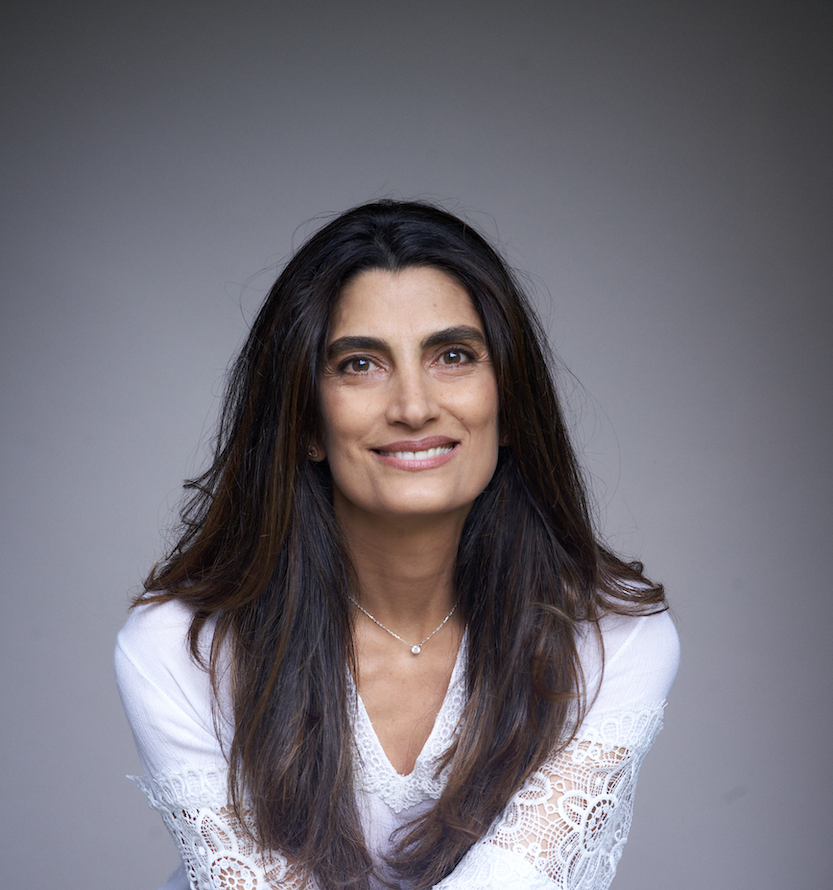
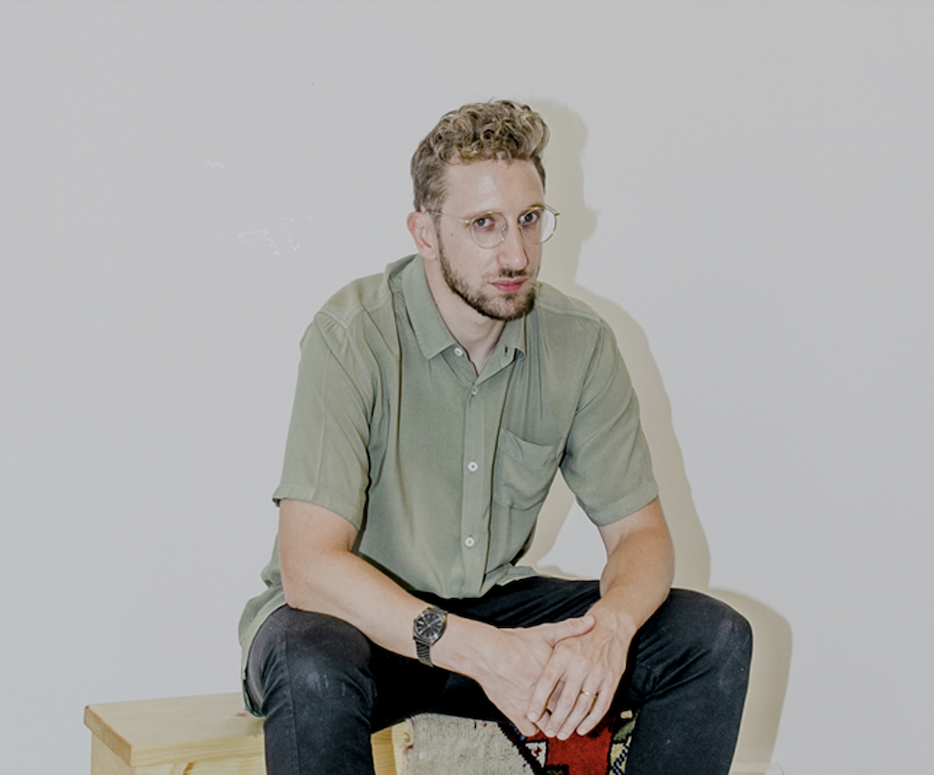
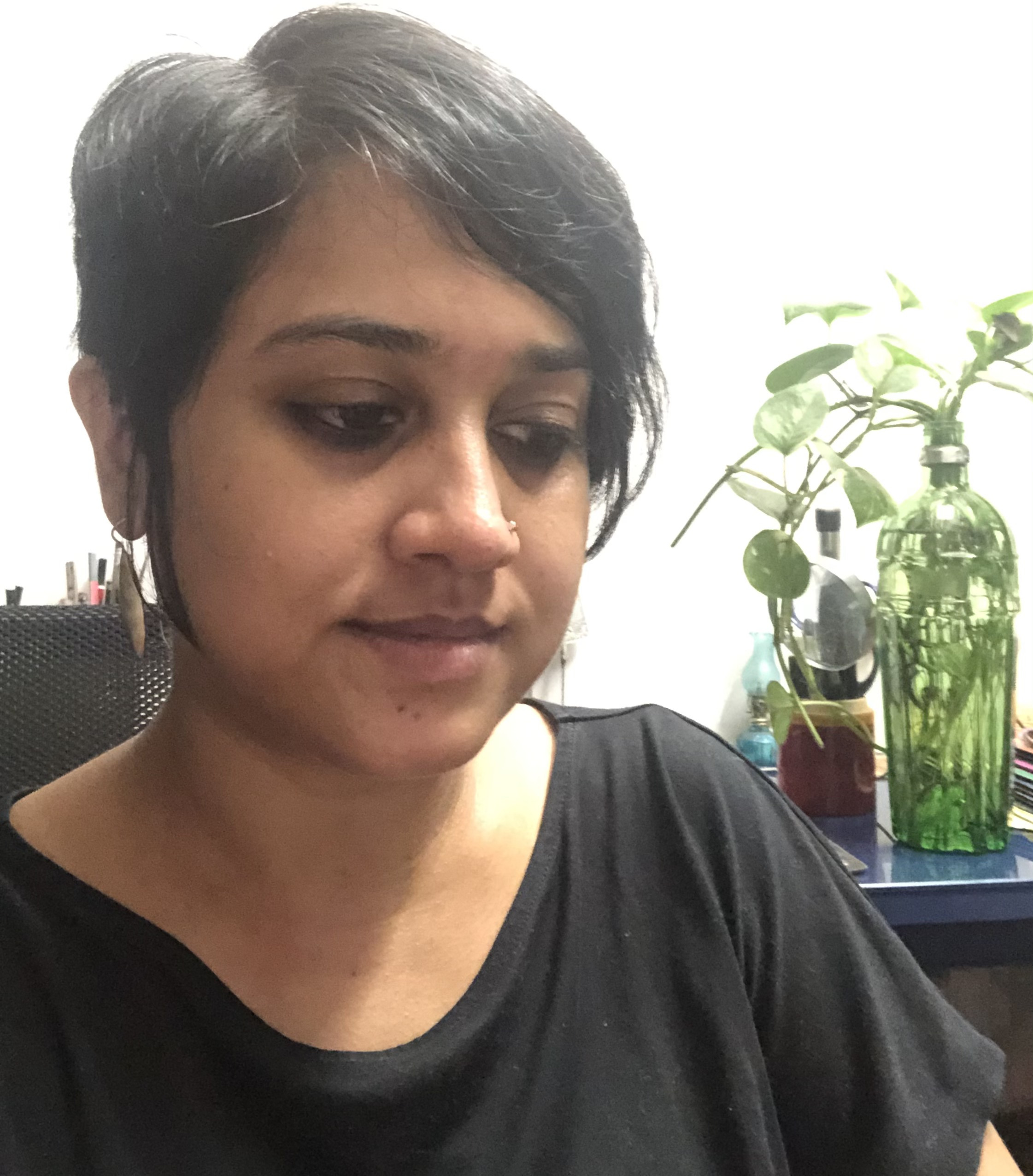

Maya El Khalil
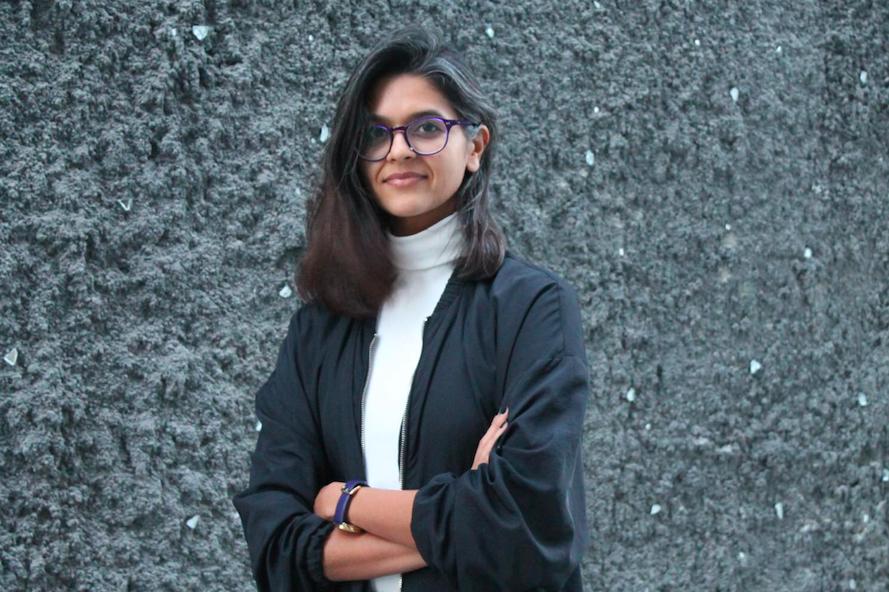
Maya El Khalil is an independent curator and art advisor, based in Oxford, UK. As founding director of Athr Gallery in Jeddah from 2009 - 2016 , she pioneered exhibition approaches and cultural exchange in the absence of local public art institutions, making significant contributions to the establishment and development of a contemporary art scene in Saudi Arabia. For the last decade, she has continued to work with artists, collectors and institutions to develop the identity and ideas that have defined an art scene, participating in multiple artist mentorship programs in Saudi Arabia and the UAE.
El Khalil is currently collaborating with international institutions on progressive socially engaged exhibitions, developing multidisciplinary conversations that address the environmental and climate emergency, including the ongoing digital platform Take Me to the River https://takemetotheriver.net //, in collaboration with Goethe Institut and Prince Claus Fund. Other recent curatorial projects include Portrait of a Nation II: Beyond Narratives, ADMAF Abu Dhabi ( 2022 ); Take Me to the River, Hamburger Bahnhof Museum of Contemporary Art, Berlin ( 2021 ); I Love You, Urgently, 7 th edition 21,39 Jeddah Arts ( 2020 ); Architecture of Tomorrow: Frei Otto s Legacy in Saudi Arabia, co curated with Prof. Georg Vrachliotis ; The Clocks Are Striking Thirteen, Athr Gallery, Jeddah ( 2018 ); Amma Baad , Nasser Al Salem s first international solo show at the Delfina Foundation, London ( 2019 ) and Casa Arabe , Madrid 2019 ).
El Khalil holds a Bachelor s degree in Mechanical Engineering and an MBA from the American University of Beirut. She is enrolled in MA Art and Politics at Goldsmiths College, University of London.
Lawrence Abu Hamdan
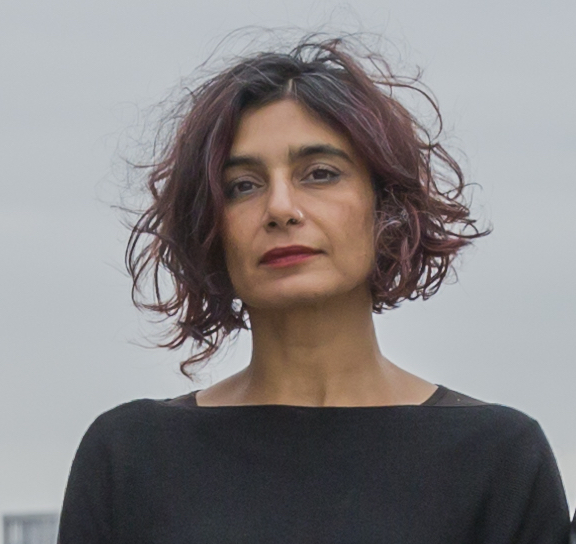
Lawrence Abu Hamdan is an independent investigator or Private Ear. His investigations focus on sound and linguistics and have been used as evidence at the UK Asylum and Immigration Tribunal and as advocacy for organisations such as Amnesty International and Defence for Children International together with fellow researchers from Forensic Architecture.
Abu Hamdan received his PhD in 2017 from Goldsmiths College University of London and in 2021 completed a professorship at the Johannes Gutenberg University Mainz where he developed his research airpressure.info . Past fellowships have been held at the University of Chicago and the New School, New York.
Abu Hamdan has exhibited his work at the 22nd Biennale of Sydney, the 58th Venice Biennale, the 11th Gwanju Biennale, the 13th and 14th Sharjah Biennial, Witte De With, Rotterdam, Tate Modern Tanks, Chisenhale Gallery, Hammer Museum L.A and the Portikus Frankfurt. His works are part of collections at MoMA, Guggenheim, Van AbbeMuseum, Centre Pompidou and Tate Modern. Abu Hamdan’s work has been awarded the 2019 Edvard Munch Art Award, the 2016 Nam June Paik Award for new media and in 2017 his film Rubber Coated Steel won the Tiger short film award at the Rotterdam International Film festival. For the 2019 Turner Prize Abu Hamdan, together with nominated artists Helen Cammock, Oscar Murillo and Tai Shani, formed a temporary collective in order to be jointly granted the award.
Rupali Gupte
Rupali Gupte is an architect, urbanist and an artist based in Mumbai. She is one of the founding members of the School of Environment and Architecture (sea.edu.in) and a Professor at the institute. She is a partner at the Bard Studio, Mumbai (bardstudio.in). She has also been one of the co-founders of the urban research network, CRIT.
Rupali has studied architecture (B-Arch, Mumbai University) and urban design (M-Arch, Cornell University). She has recently been a senior research fellow at the University of Brighton.
Her work includes research on South Asian architecture and urbanism with a focus on urban culture, housing, urban form, tactical practices and gender and space. It crosses disciplinary boundaries and takes different forms – writings, drawings, mixed-media works, storytelling, teaching, walks and spatial interventions. Her works have been shown at several places including the 56th Venice Biennale, X Sao Paulo Biennale of Architecture, 1st Seoul Biennale of Architecture and Urbanism, MACBA, Barcelona, MAAT Museum, Lisbon, Project 88, Devi Art Foundation, Mumbai Art Room, among others.
Shandana Khan Mohmand
Shandana Khan Mohmand is a Fellow at the Institute of Development Studies (IDS) at the University of Sussex, where she leads its Governance research cluster and the IDS Pakistan Hub. She is also an Associate Fellow at the Institute of Development and Economic Alternatives (IDEAS); a Fellow at the Mahbub ul Haq Research Centre at the Lahore University of Management Sciences (LUMS); and is on the Editorial Board of the Modern South Asia Series of Oxford University Press (New York).
She has a PhD in Development Studies from the University of Sussex, and her main area of research is inequality, inclusive politics, and the political economy of development. She is the author of 'Crafty Oligarchs, Savvy Voters: Democracy Under Inequality in Rural Pakistan' (2019, Cambridge University Press), and a number of other journal articles and book chapters. Her research is interdisciplinary and comparative, and she has contributed to both policy and social science research using varied methodological strategies to investigate these issues in South Asia, the Western Balkans and Sub-Saharan Africa. She is currently leading research projects on women’s struggles against contemporary backlash in South Asia; on trust, inequality and governance in unstable democracies; and on building back better after the pandemic. She has also designed and led on a number of professional training programmes to strengthen research communities in Africa, Latin America, and the Western Balkans.
iLiana Fokanaki
iLiana Fokianaki (b 1980, Thessaloniki, Greece) is a curator, writer and educator who lives in Athens and Rotterdam. In 2013, she founded State of Concept Athens, the first non-profit institution of its kind in Athens. She is a member of Alserkal Residency’s selection committee and presented at Catching the Reflection of Neoliberalism on Marble (2019) at Alserkal Arts Foundation Project Space. Her curatorial practice focuses on how curating can become instituting - a verb - in the cases of small scale precarious institutions. Her academic research looks into formations of power and how they metamorphose under the influence of geopolitics, national identity and cultural and anthropological histories. Fokianaki has an MA in Art Criticism from City University London. Her PhD research focuses on economy, identity, and politics.
Uzma Z. Rizvi
Uzma Z. Rizvi (b 1973, Connecticut, USA) is an associate professor of anthropology and urban studies at the Pratt Institute, Brooklyn, NY, and a visiting researcher/faculty at the Shah Abdul Latif University, Khairpur, Pakistan. Her research interests include decolonising archaeology, ancient urbanism, critical heritage studies, new materialism, and the postcolonial critique. Rizvi is a member of Alserkal Residency’s selection committee, has directed (with Amal Khalaf) Global Art Forum 10 (2016), and has been a lead tutor (with Murtaza Vali) for Campus Art Dubai (CAD) since 2014. She has presented Critical Heritage and Participatory Discourses in the UAE (2018) and Origin Destination: Placing Practice in Non-Place Time (2017) at Alserkal Arts Foundation Project Space.
César García-Alvarez
César García-Alvarez (b 1984, Jeddah, Saudi Arabia) is the founder and artistic director of The Mistake Room (TMR), an international non-profit contemporary art space in LA. He is a member of Alserkal Residency’s selection committee and the co-curator of Desert X (2020). Prior to founding TMR, García-Alvarez held the position of Associate Director and Senior Curator of LAXART (2007-2012). He was also one of the curators of Made in L.A. (2012), the first iteration of the Hammer Museum’s LA Biennial, and from 2012-2013 served as the US Commissioner for the 13th International Cairo Biennial in Egypt.
Filipa Ramos
Filipa Ramos (b 1978, Lisbon, Portugal) is a writer and editor based in London where she works as Editor-in-Chief of art-agenda. Her writing and research, largely focused on interspecies relationships, has been published in magazines and catalogues worldwide. She co-curates Vdrome, a programme of artists' cinema, and is film curator for Art Basel. She is a member of Alserkal Residency’s selection committee and presented The Dreamfish (2019) at Alserkal Arts Foundation Project Space. She lectures at Institut Kunst, Basel and is a lecturer for the MA in Experimental Film programme at Kingston University and the MRes Art: Moving Image programme at Central Saint Martins, both in London. In the past, she was an associate editor of Manifesta Journal and contributed to Documenta 13 (2012) and 14 (2017).
Raja‘a Khalid
Raja’a Khalid (b 1984, Jeddah, Saudi Arabia) is an artist whose practice is concerned with the Arabian Gulf region and its contemporary narratives of class, commodity circulation, and consumer culture. Her current work aims to look at the Gulf’s own streaming motifs of masculinity, male initiation, game, discipline, athleticism, sport, adornment, fetish, desire, conspicuous production, and crypto-secularity. She is a member of Alserkal Residency’s selection committee and a resident at the Jan Van Eyck Academie in Maastricht. She has an MFA in Fine Art from Cornell University. Selected exhibitions include A Quiet Wave (2019), NYUAD Art Gallery, Abu Dhabi, Crude (2019) at Jameel Arts Centre, Dubai, ANTI (2018) at 6th Athens Biennale, Athens, Art Athina (2018) at Athens, ARCOmadrid (2018) with Grey Noise at Madrid, FASTEST WITH THE MOSTEST (2018) at Tashkeel, Dubai, and Change Your Life (2017) at Alserkal Avenue, Dubai.
Monica Narula
Monica Narula formed Raqs Media Collective in 1992, along with Jeebesh Bagchi and Shuddhabrata Sengupta. The word “raqs” in several languages denotes an intensification of awareness and presence attained by whirling, turning, being in a state of revolution. Raqs Media Collective take this sense to mean ‘kinetic contemplation’ and a restless and energetic entanglement with the world, and with time. Raqs practices across several media: installation, sculpture, video, performance, text, lexica, and curation. The members of Raqs Media Collective live and work in Delhi, India. In 2001, they co-founded the Sarai program at CSDS New Delhi and ran it for a decade, where they also edited the Sarai Reader series. They developed sources around toxicity, care, and luminosity of friendship with artists, and publics, for the Yokohama Triennale (2020).
Pierre Bélanger
Pierre Bélanger (b 1971, Boston, USA) is a landscape architect, urban planner, author, and curator. He is a Professor of Landscape Architecture at Harvard’s Graduate School of Design. He is also a co-director of OPSYS, design-based, non-profit organization and works as an advisor to the US Army Corps of Engineers. He has a PhD in Urban Planning from the Wageningen University and a Master of Landscape Architecture from Harvard. He has published several books including Landscape as Infrastructure, Ecologies of Power, Going Live, Risk Ecologies, Wet Matter, Extraction Empire.
Researchers:

Em Joseph
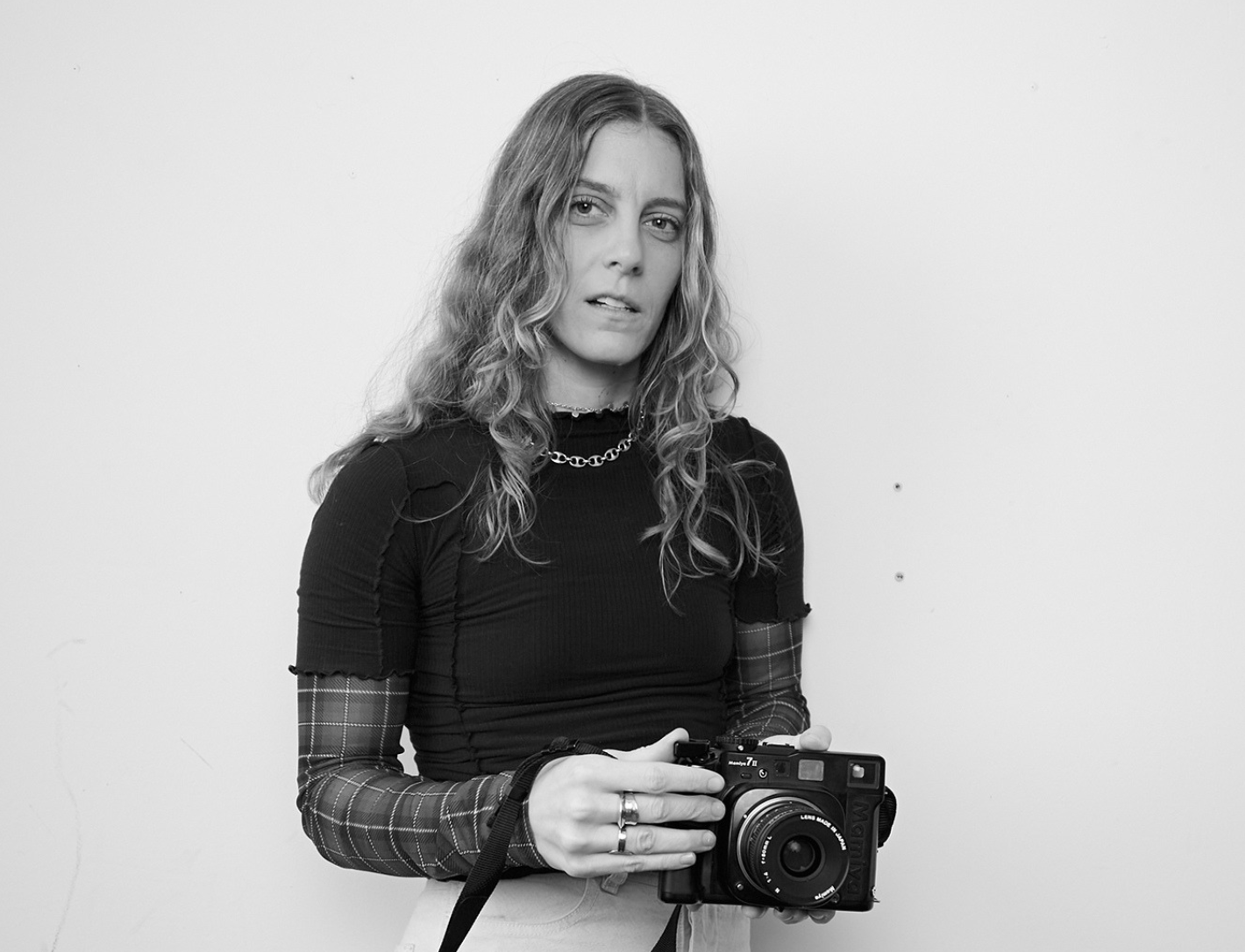
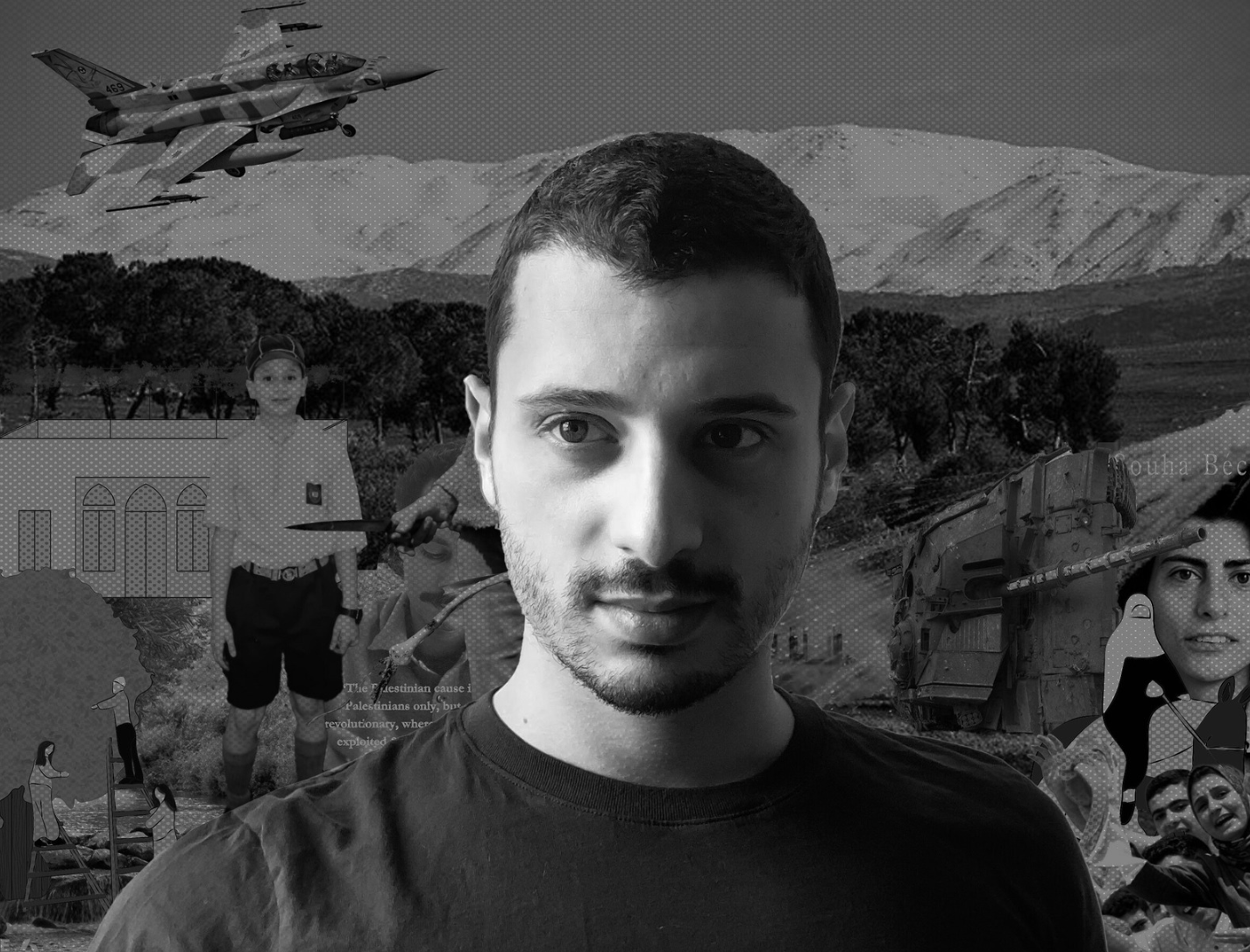
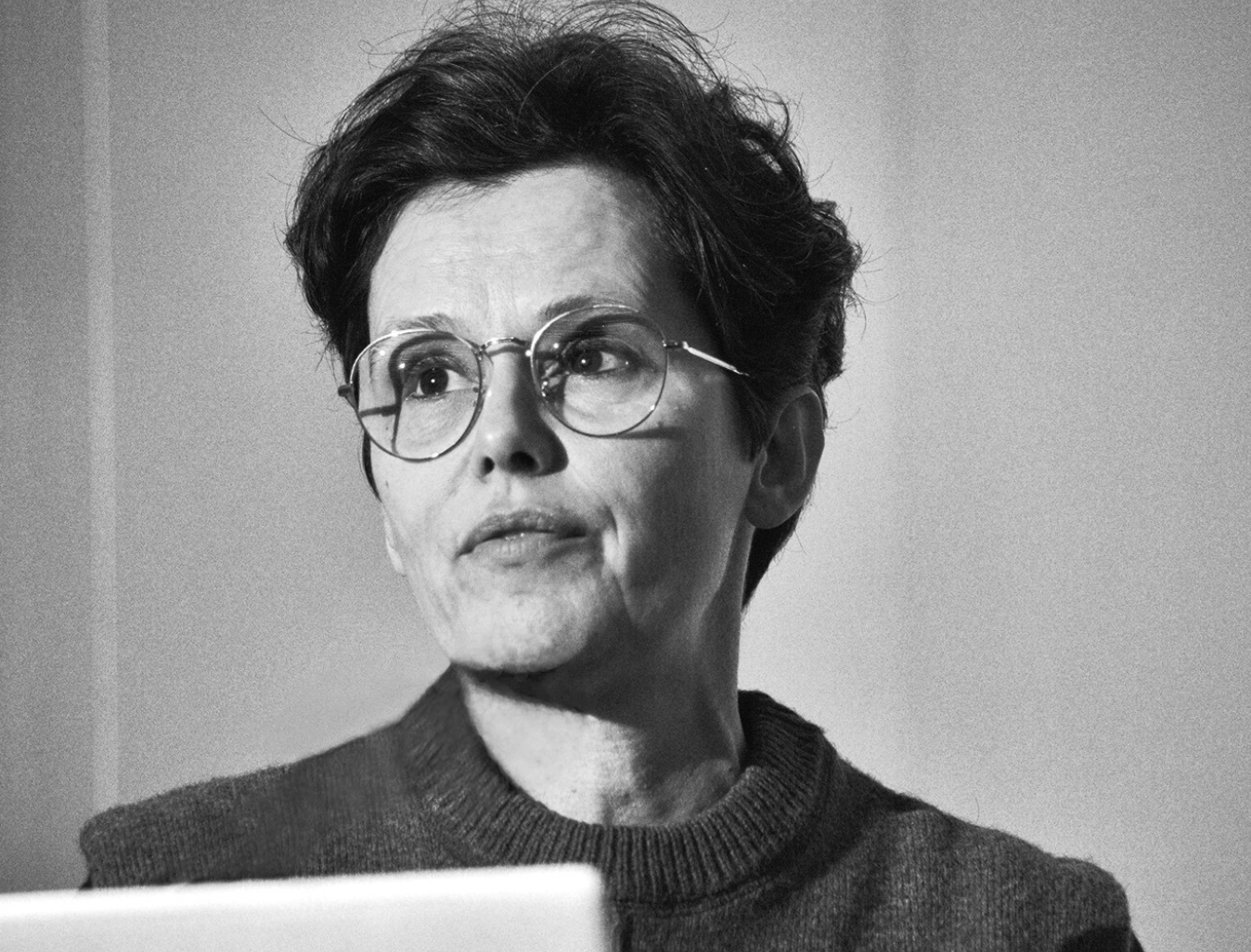
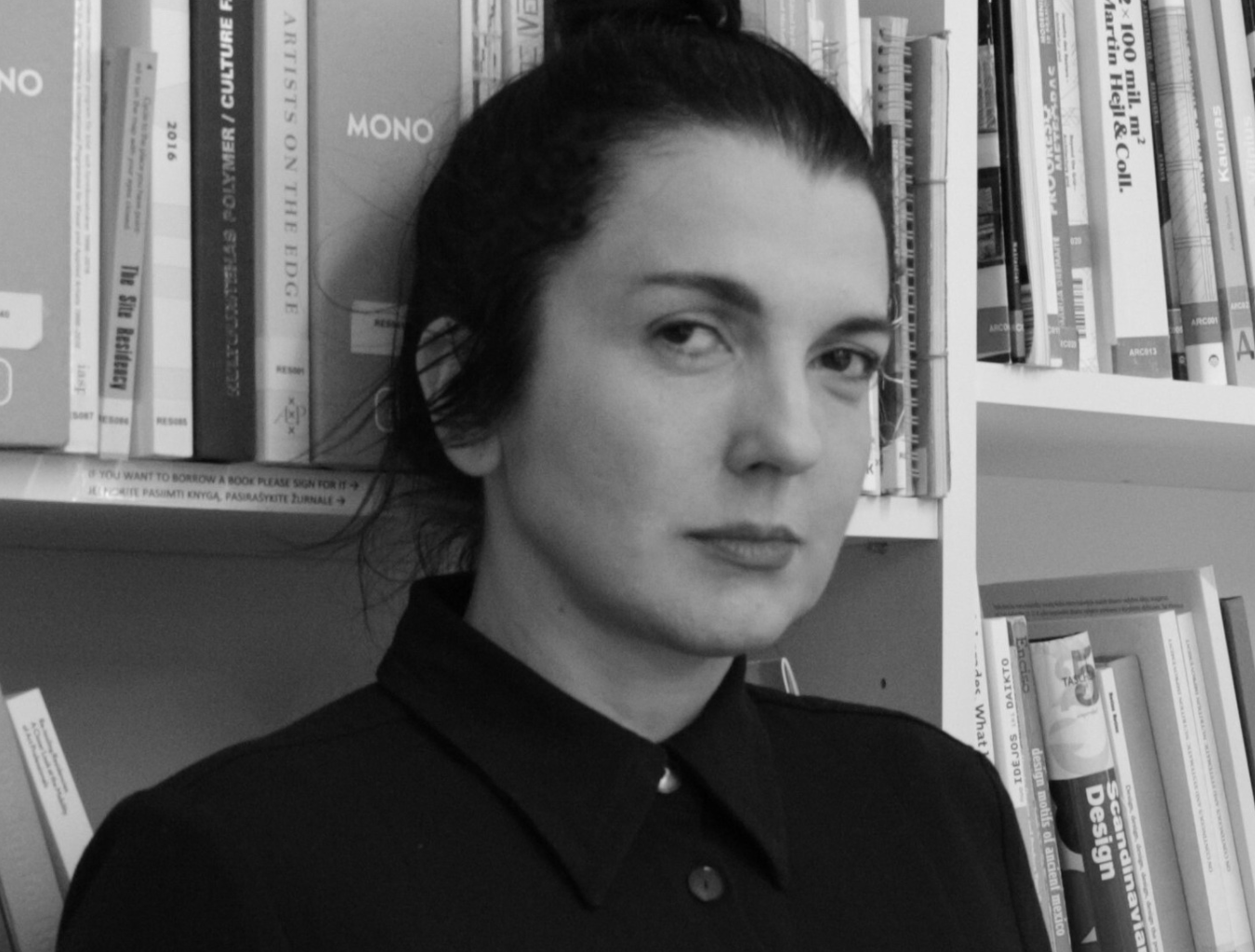
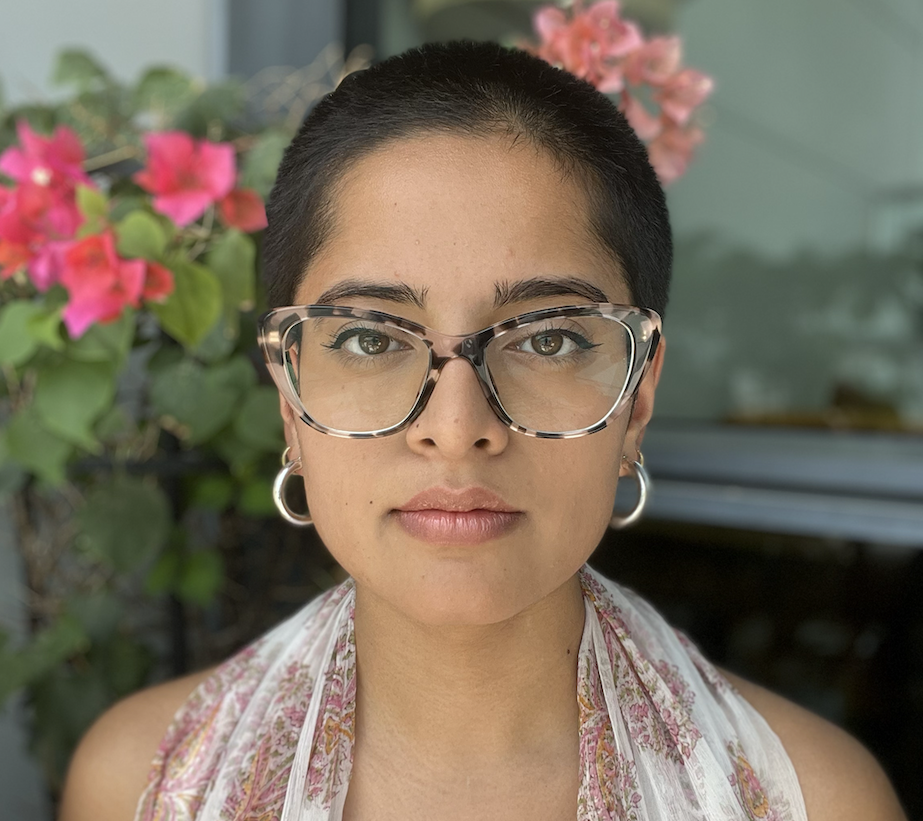
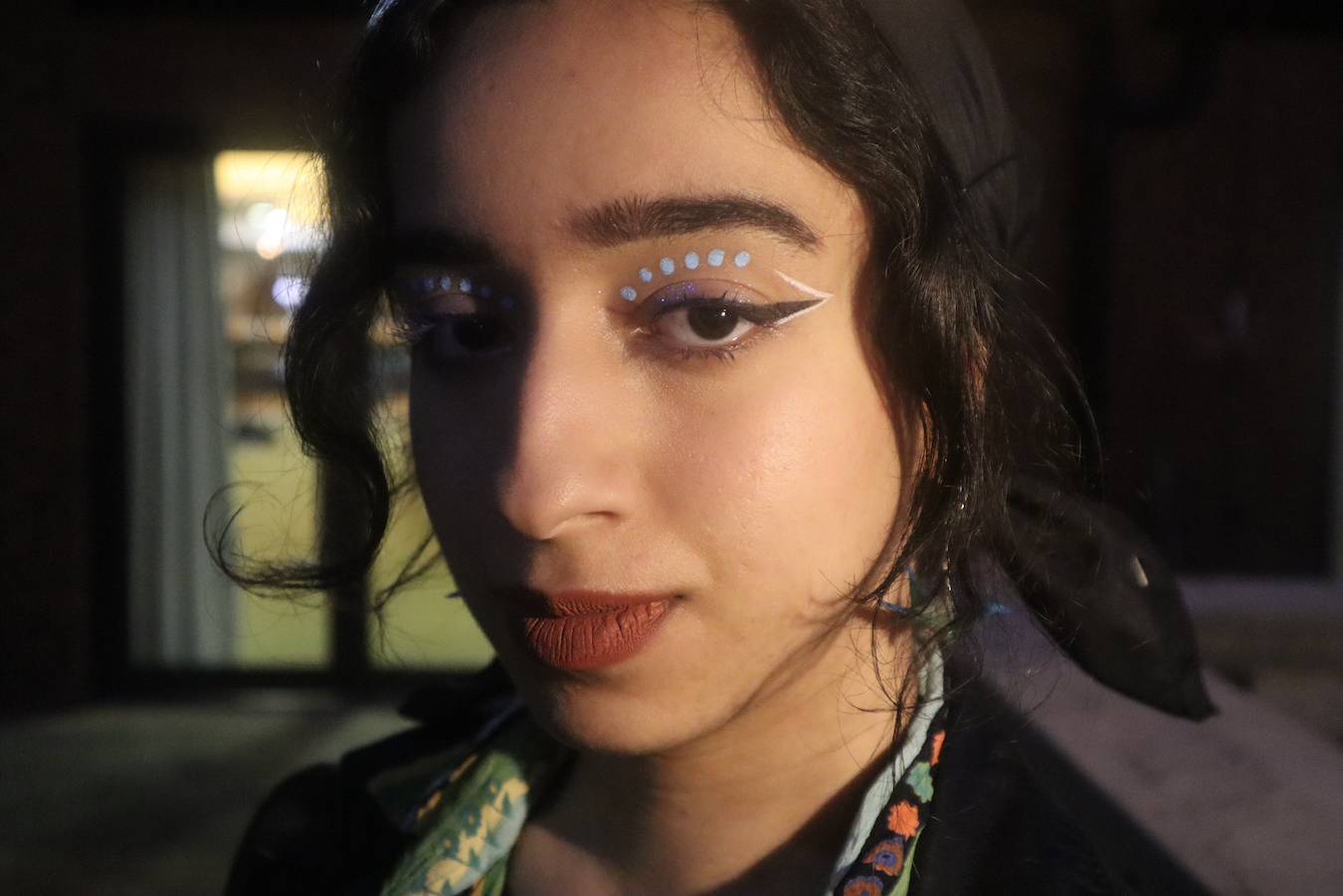
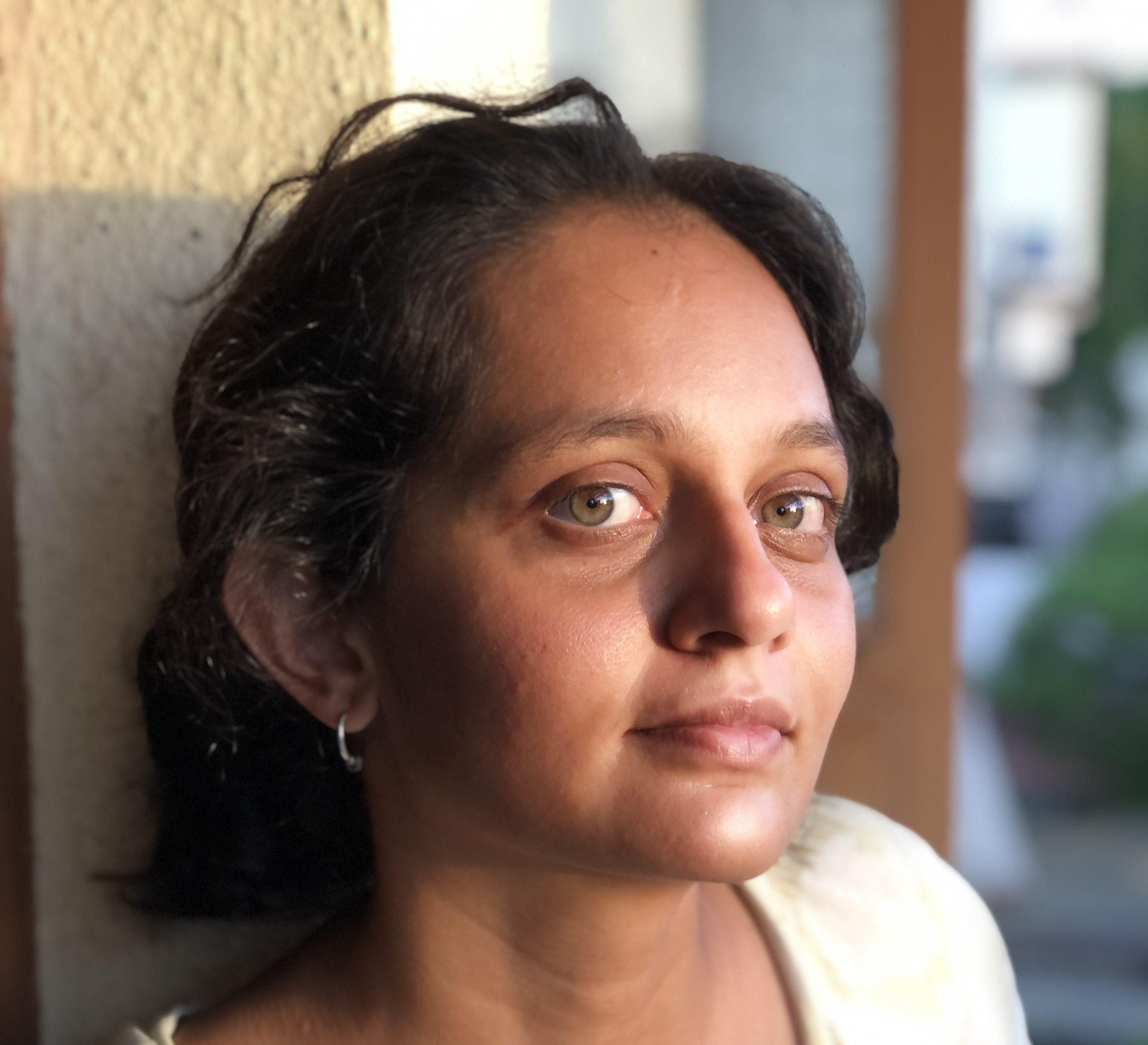
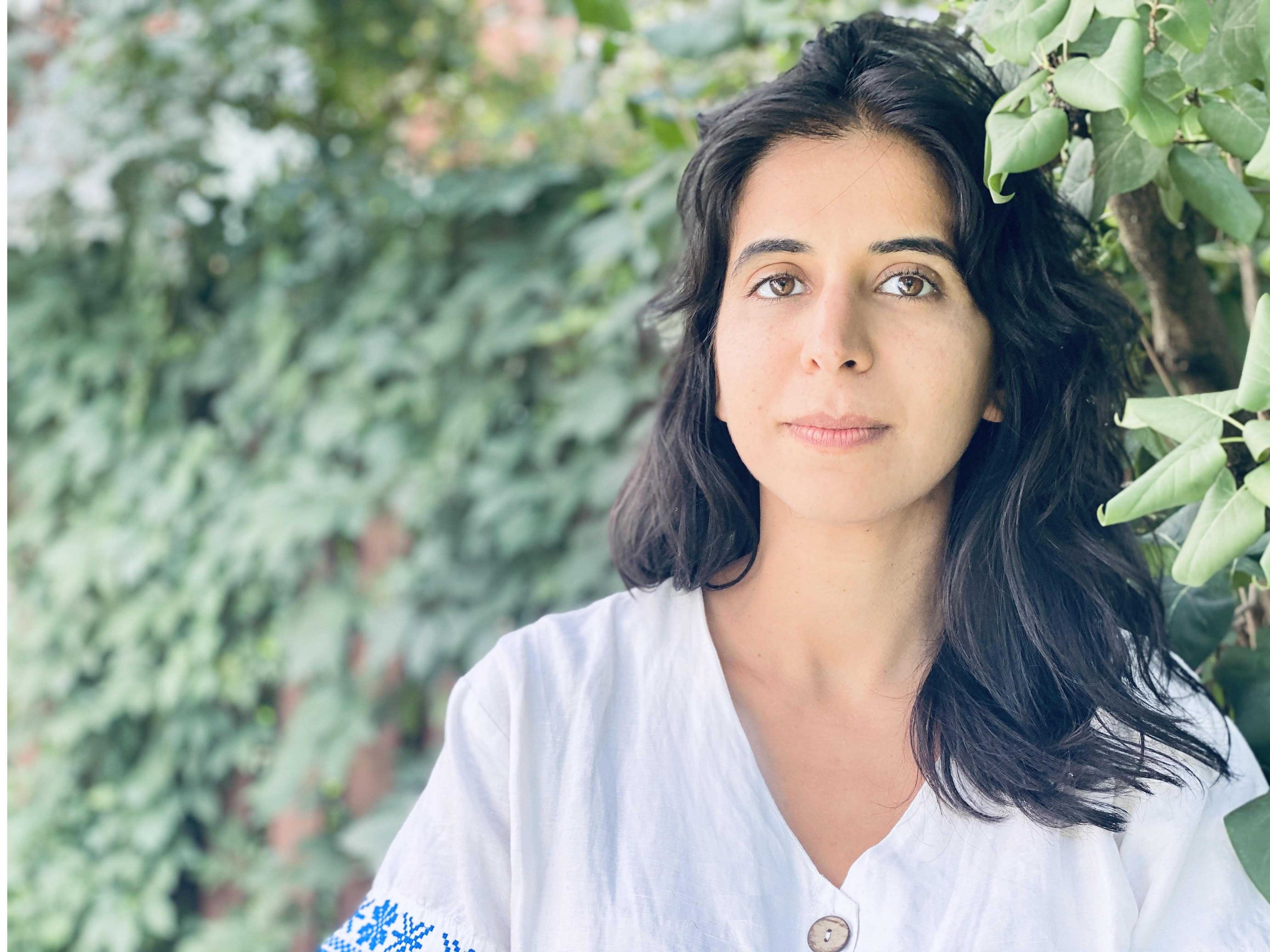
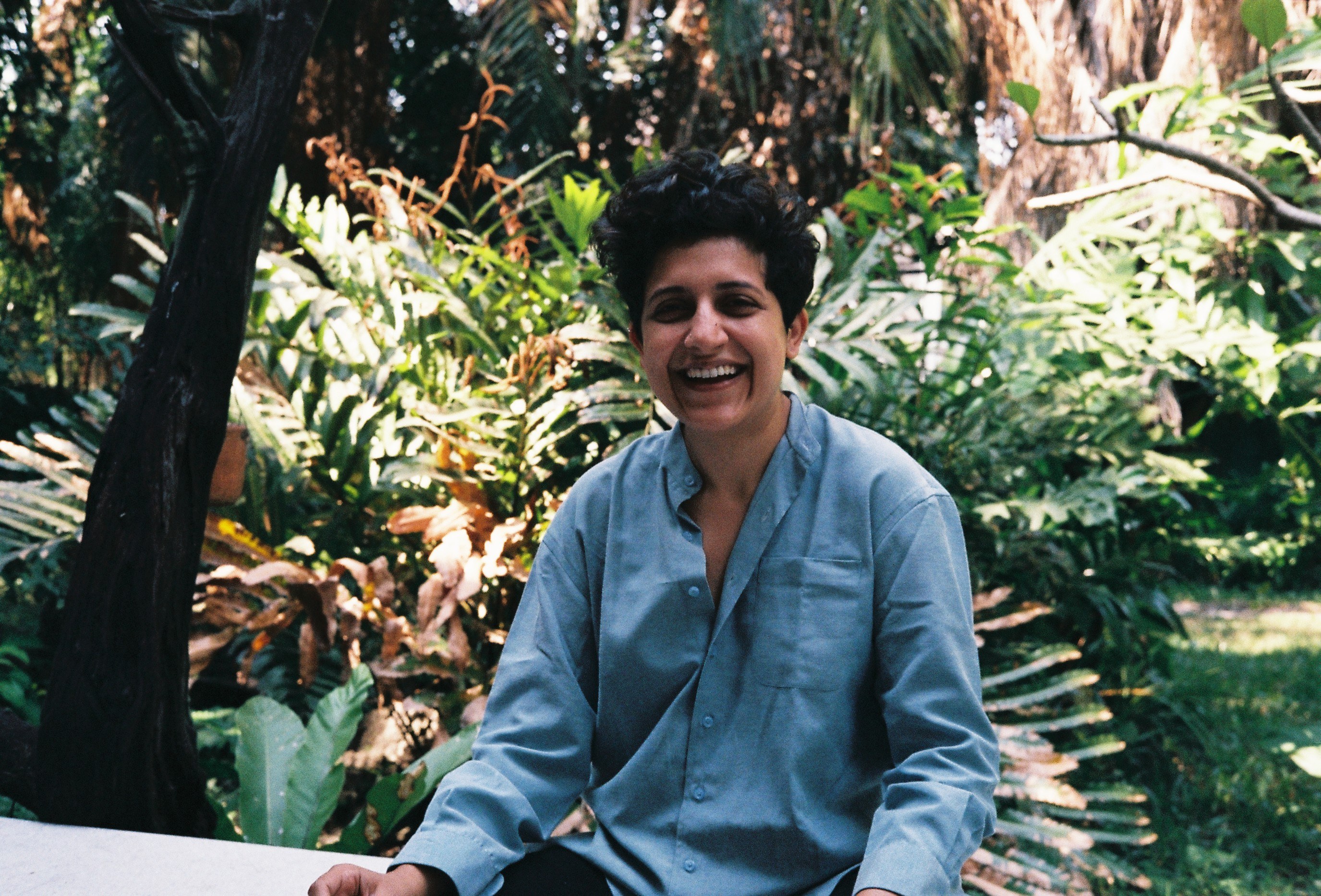
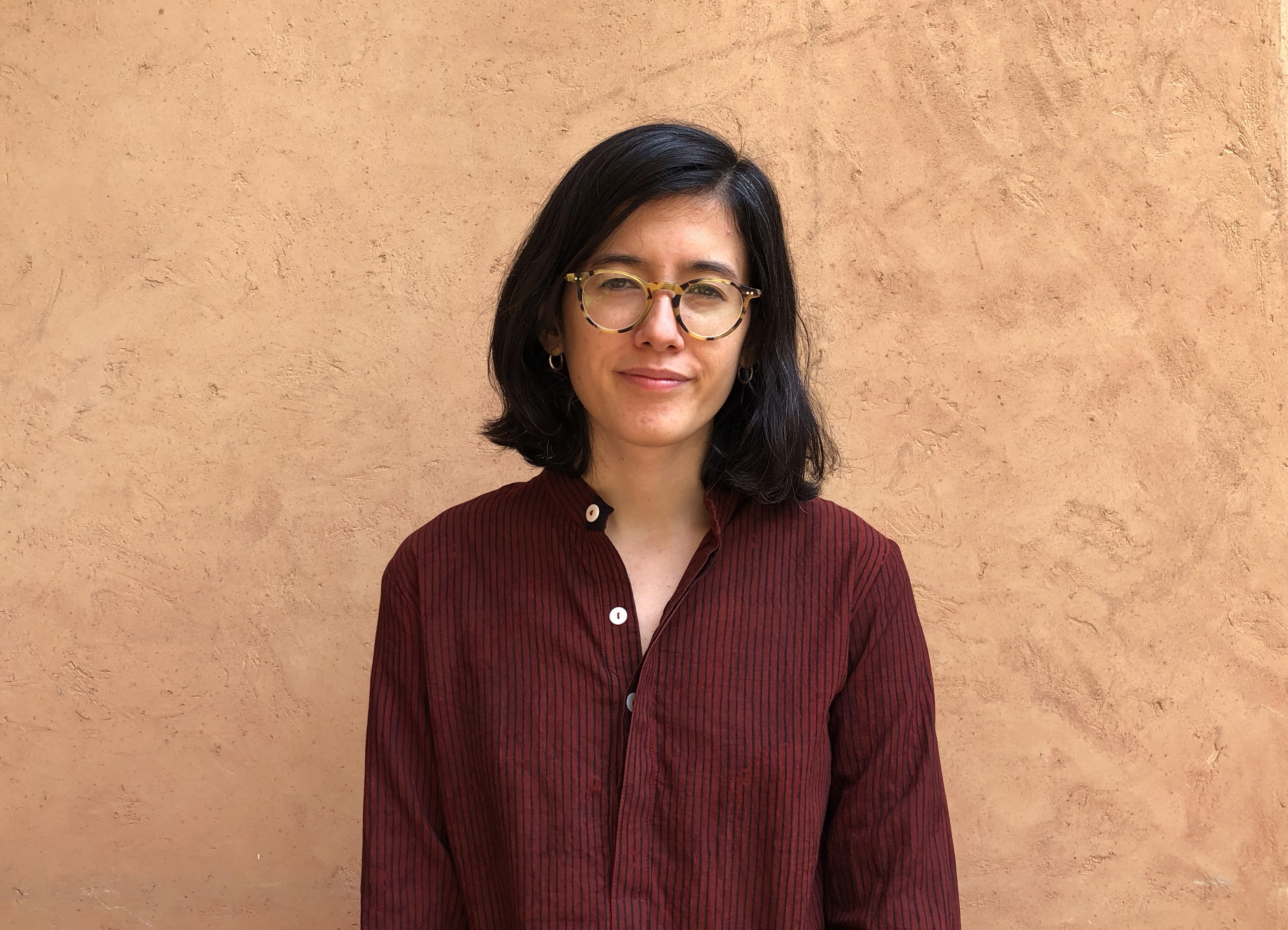
Em Joseph is a Lebanese-American artist, filmmaker, and educator based in Lenapehoking whose work uses various documentary forms to explore overlapping stories of war, diaspora, and indigenous sovereignty, her projects (re)contextualize multifaceted attachments between societies and ecosystems. Joseph has had solo exhibitions at The New Museum (2023-24) and Ortega Y Gasset Projects (2016), is a Y11 New Inc. Creative Science Track member, and was a recipient of the Fine Arts Grant from The Arab Foundation for Arts & Culture in 2020 as part of her collaborative project EcoRove. Joseph received an MFA from Columbia University (2016), and a BA from Vassar College (2011). She is part-time faculty at The New School, and was previously adjunct assistant professor of photography at Columbia University.
Land Keepers
Jumanah Abbas, Iyad Abou Gaida, and Em Joseph together form EcoRove, a collaborative, multimedia research initiative examining ecological devastation—termed “green colonialism”—in the Levant. Their project, Land Keepers, is a documentary film and multimedia installation that examines how acts of ecocide are met with active and ongoing resistance by the human and non-human natives indigenous to these territories. Military tactics, such as the illegal deployment of white phosphorus, the introduction of invasive flora, soil theft, and the clearing of land to create buffer zones, are used to intentionally threaten the livelihoods of citizens, shepherds, farmers, beekeepers, among many others, and to sever their connections to their land. In the face of these, multi-tiered assaults, Land Keepers will follow the network of solidarity that endures through the undying efforts of environmental activists, journalists, and resistance movements safeguarding these territories. Structured in three acts—historical precedents, present-day destruction, and ongoing resistance—the narrative foregrounds resilience, environmental stewardship, and the deep-rooted attachments between communities and their land.
Iyad Abou Gaida
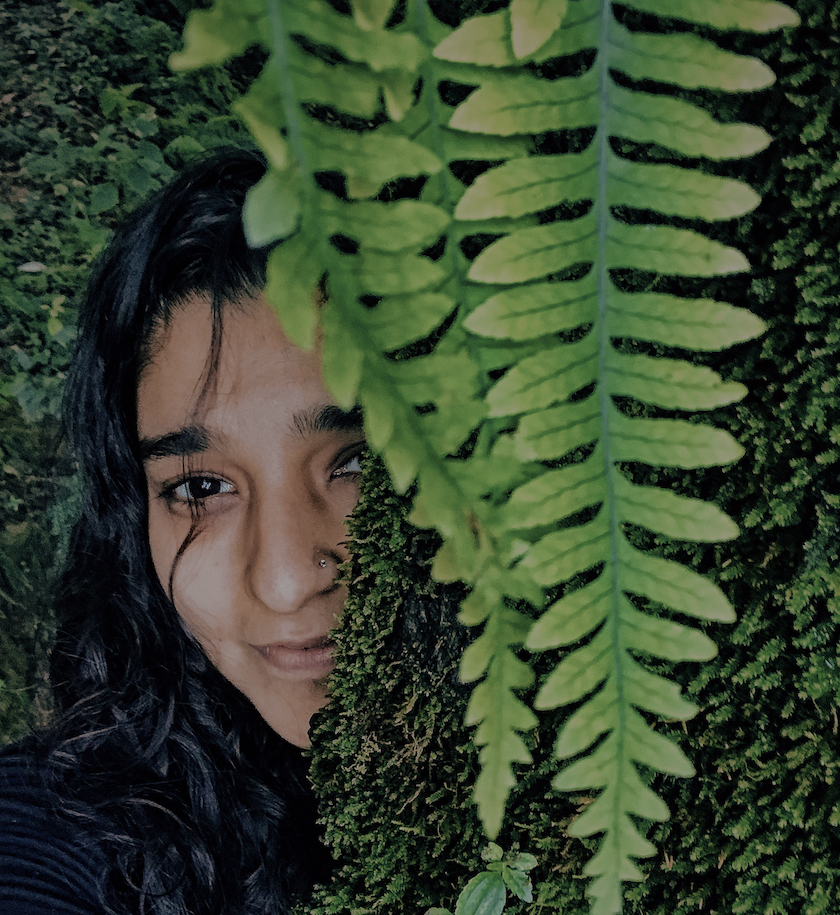
Iyad Abou Gaida is a Lebanese farmer, ecological architect, artist, and researcher. He is a Year 11 New Inc. Creative Science Track member. iyad’s work explores the entanglements of human and non-human ecologies to address aesthetic and socio-political urgencies in architecture, urbanism, and ecosystems across dimensions and geographies. His research and projects have been presented at the New Museum and the Tallinn Architecture Biennial (TAB). Iyad’s farming practice is deeply rooted in his ancestral terraced fields in South Lebanon, where he gained hands-on experience working with his family.
Land Keepers
Jumanah Abbas, Iyad Abou Gaida, and Em Joseph together form EcoRove, a collaborative, multimedia research initiative examining ecological devastation—termed “green colonialism”—in the Levant. Their project, Land Keepers, is a documentary film and multimedia installation that examines how acts of ecocide are met with active and ongoing resistance by the human and non-human natives indigenous to these territories. Military tactics, such as the illegal deployment of white phosphorus, the introduction of invasive flora, soil theft, and the clearing of land to create buffer zones, are used to intentionally threaten the livelihoods of citizens, shepherds, farmers, beekeepers, among many others, and to sever their connections to their land. In the face of these, multi-tiered assaults, Land Keepers will follow the network of solidarity that endures through the undying efforts of environmental activists, journalists, and resistance movements safeguarding these territories. Structured in three acts—historical precedents, present-day destruction, and ongoing resistance—the narrative foregrounds resilience, environmental stewardship, and the deep-rooted attachments between communities and their land.
Jumanah Abbas
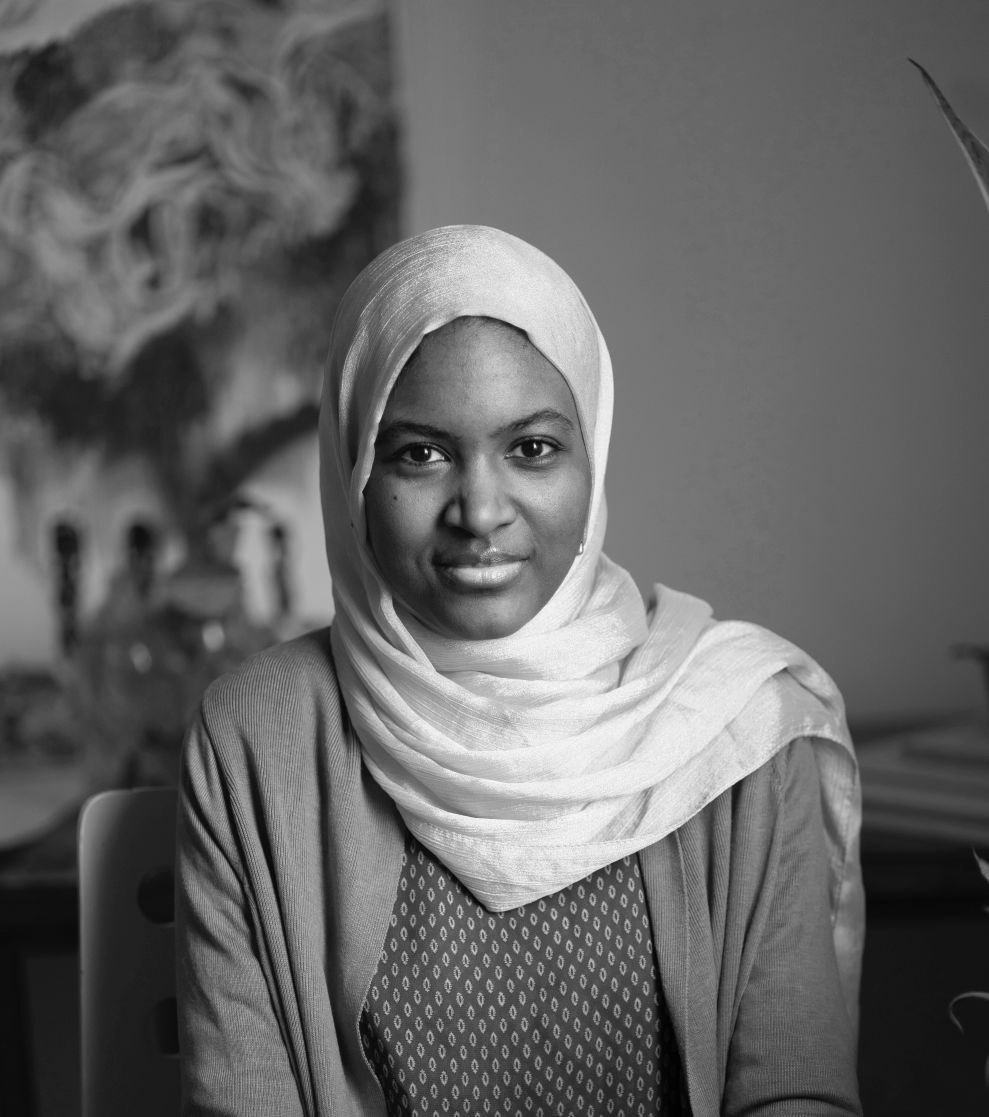
Jumanah Abbas is an architect, writer, and curator who works on collaborative projects with institutes and universities, most recently “Mapping Memories of Resistance: The Untold Story of the Occupation of the Golan Heights” with London School of Economics, Birzeit University, and Al Marsad, Arab Human Rights Center in Golan Heights; and Tasmeem Biennial 2022, themed around Radical Futures, by Virginia Commonwealth University, where she was appointed to curate the biennial spatial design. She was previously working on the upcoming 2026 Qatar Museums’ Quadrennial project, a multi-site art exhibition. She is now an Assistant Curator at Guggenheim Abu Dhabi.
Land Keepers
Jumanah Abbas, Iyad Abou Gaida, and Em Joseph together form EcoRove, a collaborative, multimedia research initiative examining ecological devastation—termed “green colonialism”—in the Levant. Their project, Land Keepers, is a documentary film and multimedia installation that examines how acts of ecocide are met with active and ongoing resistance by the human and non-human natives indigenous to these territories. Military tactics, such as the illegal deployment of white phosphorus, the introduction of invasive flora, soil theft, and the clearing of land to create buffer zones, are used to intentionally threaten the livelihoods of citizens, shepherds, farmers, beekeepers, among many others, and to sever their connections to their land. In the face of these, multi-tiered assaults, Land Keepers will follow the network of solidarity that endures through the undying efforts of environmental activists, journalists, and resistance movements safeguarding these territories. Structured in three acts—historical precedents, present-day destruction, and ongoing resistance—the narrative foregrounds resilience, environmental stewardship, and the deep-rooted attachments between communities and their land.
Rouzbeh Akhbari
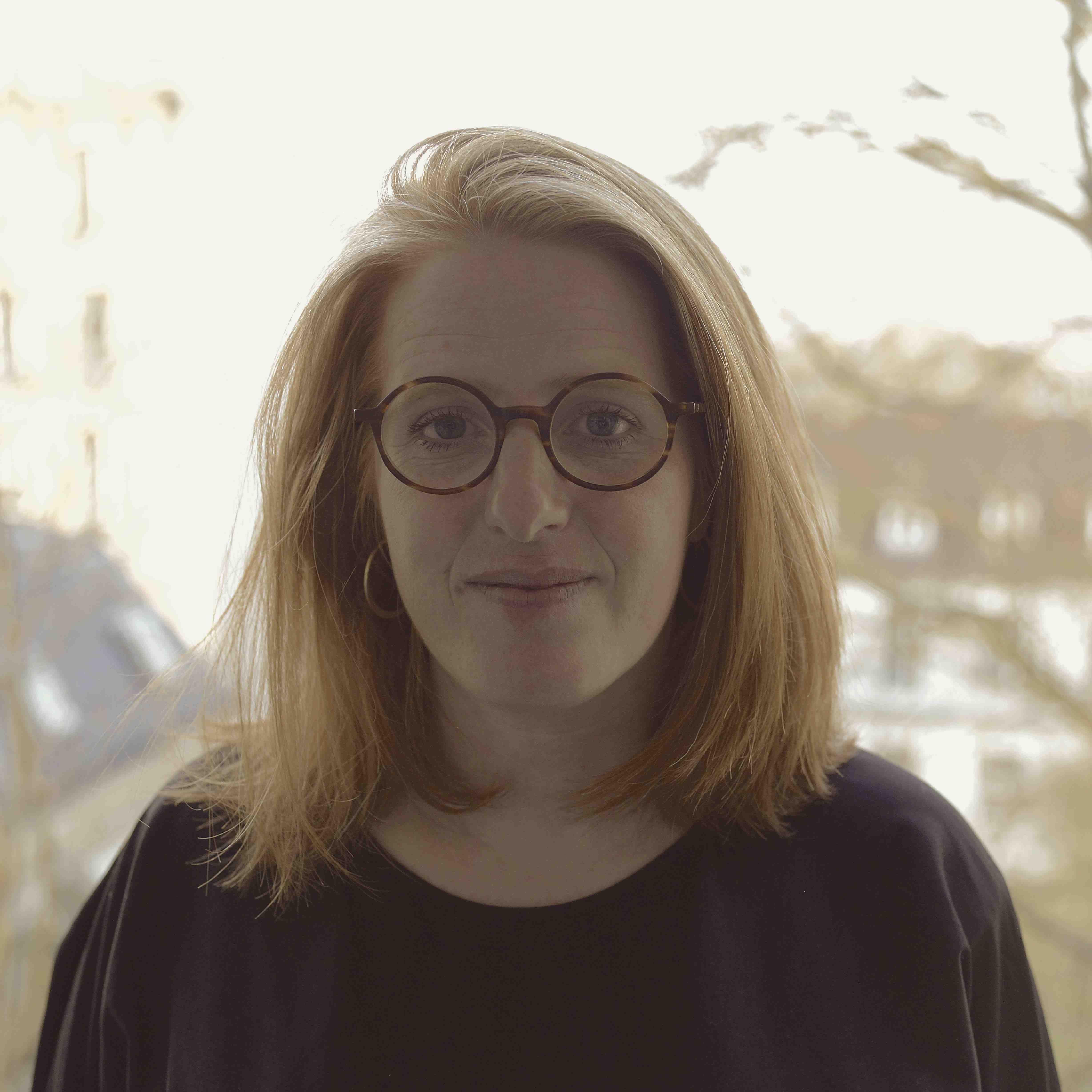
Rouzbeh Akhbari (b.1992, Tehran) is an artist and human geographer working in video installation and film based in Lisbon. His practice is research-driven and exists at the intersections of storytelling, political ecology and critical border studies. Through a delicate examination of the violences and intimacies that occur at the boundaries of lived experience and constructed histories, Rouzbeh’s practice aims to uncover the minutiae of power that regiment the world around us. Originally trained in sculpture at OCAD University, Rouzbeh also holds an MFA from Daniels School of Architecture, attended the Jan Van Eyck Academie in 2020, and is currently a PhD candidate at the University of Toronto's School of Geography and Planning. Rouzbeh is also one half of ‘Pejvak’, the critically acclaimed duo with Felix Kalmenson.
Undercurrents: Informal Trade and the Silent Routes of the Sea
This research explores the evolving geographical intimacies between the Caspian and Gulf regions through the lens of the International North-South Transit Corridor (INSTC). By examining the maritime borderscapes near the Musandam Peninsula in Oman and the town of Astara in Azerbaijan, it investigates how transnational infrastructures reshape economic and social life while intersecting with long-standing informal trade practices. Drawing from long-term ethnographic fieldwork and archival investigations, this study will contextualize the current development plans along the INSTC’s border regions within a historical framing of trade, smuggling, and maritime governance. By connecting past and present, this project highlights the significance of informal economies alongside the growing influence of new transit corridors, offering a deeper understanding of the enduring entanglements of trade, labor, and infrastructure in regions undergoing rapid transformation.
Angelina Radaković
Angelina Radaković is a cultural worker based in London, UK. She is the curator at The Mosaic Rooms, London, overseeing exhibitions and live programmes. Her current research resides in the link between time and memory in relation to the Non-Aligned Movement and its relevance today. Alongside several discursive gatherings, this research has informed two exhibitions, Constellations of Multiple Wishes (2022) at The Mosaic Rooms, London, and Constellations of Multiple Wishes: Along the Eastern Horizon (2024) at Museum of Contemporary Art Metelkova, Ljubljana, both curated in collaboration with Bojana Piškur. She holds a BA in History of Art (SOAS, London) and an MA in Postcolonial Cultures and Global Policy (Goldsmiths University, London)., London. She recently joined Old Mountain Assembly, a body exploring speculative practices from the Balkans and beyond.
Constellations Reimagined
Curators Angelina Radaković, Bojana Piškur, and Natalija Vujošević—forming the Working Group: Non-Aligned Constellations—revisit the cultural exchanges fostered by the Non-Aligned Movement (NAM). Following the paths of connection, initially intertwined through the Southern Constellations project at Moderna galerija, Ljubljana, and their collaboration with The Art Collection of Non-Aligned Countries Laboratory at the Museum of Contemporary Art of Montenegro which was also on display at The Mosaic Rooms in London, they now expand their research on the connections of the Gallery of Art of the Non-Aligned Countries Josip Broz Tito (Titograd, 1981–1995). Through a constellation-based methodology, their research invites critical Global South perspectives, aiming to renew the international communications and exchanges nurtured by the collection itself. By employing participatory approaches, the project seeks to reestablish links with cultural practitioners from these networks, offering new interpretations of artistic solidarity and political engagement.
Bojana Piškur
Bojana Piškur is a senior curator at the Moderna galerija in Ljubljana, Slovenia. Her work focuses on the Yugoslav and post-Yugoslav context, the Balkans, Eastern Europe, and the Global South, particularly in relation to arts and culture. Piškur has curated, written, and lectured extensively on topics such as the post-avantgarde in Yugoslavia and Eastern Europe, socialist cultural politics, political performance, solidarity networks in culture and the Non-Aligned Movement. She initiated the Southern Constellations: The Poetics of the Non-Aligned exhibition series in 2019 and has curated or co-curated its iterations in Ljubljana, Gwangju, Rijeka, Podgorica, Skopje, and London. She is also engaged with historical emancipatory ideas, exploring how these concepts can be translated and applied to contemporary contexts.
Constellations Reimagined
Curators Angelina Radaković, Bojana Piškur, and Natalija Vujošević—forming the Working Group: Non-Aligned Constellations—revisit the cultural exchanges fostered by the Non-Aligned Movement (NAM). Following the paths of connection, initially intertwined through the Southern Constellations project at Moderna galerija, Ljubljana, and their collaboration with The Art Collection of Non-Aligned Countries Laboratory at the Museum of Contemporary Art of Montenegro which was also on display at The Mosaic Rooms in London, they now expand their research on the connections of the Gallery of Art of the Non-Aligned Countries Josip Broz Tito (Titograd, 1981–1995). Through a constellation-based methodology, their research invites critical Global South perspectives, aiming to renew the international communications and exchanges nurtured by the collection itself. By employing participatory approaches, the project seeks to reestablish links with cultural practitioners from these networks, offering new interpretations of artistic solidarity and political engagement.
Natalija Vujošević
Natalija Vujošević’s research and practice focus on reinterpreting archives through exhibitions and education, exploring new modes of communication and expanded forms of engagement. She is the founder and co-editor of the Institute of Contemporary Art in Montenegro and, since 2022, a curator at the Museum of Contemporary Art of Montenegro, where she initiated The Art of Non-Aligned Countries Collection Laboratory. Alongside this project, her key initiatives include the Alternative Education Projects of the Institute of Contemporary Art, the Antifascist Front of Women 1943–1953, and the Archive of Cetinje Biennials, all developed through interdisciplinary programs in collaboration with diverse organizations and individuals. She curated the Montenegrin Pavilion at the 59th Venice Biennale. In 2024, she received the Igor Zabel Grant, which honors outstanding contributions to contemporary visual art and culture in Central, Eastern, and Southeastern Europe.
Constellations Reimagined
Curators Angelina Radaković, Bojana Piškur, and Natalija Vujošević—forming the Working Group: Non-Aligned Constellations—revisit the cultural exchanges fostered by the Non-Aligned Movement (NAM). Following the paths of connection, initially intertwined through the Southern Constellations project at Moderna galerija, Ljubljana, and their collaboration with The Art Collection of Non-Aligned Countries Laboratory at the Museum of Contemporary Art of Montenegro which was also on display at The Mosaic Rooms in London, they now expand their research on the connections of the Gallery of Art of the Non-Aligned Countries Josip Broz Tito (Titograd, 1981–1995). Through a constellation-based methodology, their research invites critical Global South perspectives, aiming to renew the international communications and exchanges nurtured by the collection itself. By employing participatory approaches, the project seeks to reestablish links with cultural practitioners from these networks, offering new interpretations of artistic solidarity and political engagement.
Lubnah Ansari
Lubnah Ansari is an artist, researcher, and community facilitator. Engaging in feminist ethnography and the politics of image-making, she explores silences, intimacies and agencies in India and the Gulf. She holds a B.A. in Social Research from NYU Abu Dhabi and is currently pursuing an M.A. at the Center for Human Rights and the Arts.
Tracing Temple Ties
Lubnah Ansari's research explores the tectonic shifts within the Mandir landscape of the so-called Middle East, positioning it as a critical site for understanding evolving transnational relationships. Through ethnographic fieldwork and visual documentation, her work examines the interplay between personal experiences of community and the larger sociopolitical processes shaping a monumental space, unraveling further curiosities about how social dynamics mutate across borders and leak into each other, remaining perpetually in flux.
Maitha AlSuwaidi
Maitha AlSuwaidi is a performance artist, writer, and researcher, marrying the three disciplines together in exploring intersectional/interdisciplinary themes within the ecosystems she exists and has existed in. She is a performance artist in both experimental and traditional theatre spaces. As a writer, Maitha publishes fiction and nonfiction, and has performed her spoken poetry in internationally renowned spaces like the 2022 Smithsonian Folklife Festival. Maitha graduated from NYUAD with a bachelors in Political Science, and from the University of Oxford with a master’s in Public Policy as a UAE Rhodes Scholar. She aims to synthesize her learnings in policymaking, politics, and digital scholarship in her art and research practice.
The Not-Arab Arab: Stories of ‘Ajami’ Celebration and Preservation
Ajam is defined as both “of Persian origin” and “that which is not Arab”. ‘Ajami-Emiratis, whose Arabic tongue is a defining factor of their national and socio-cultural identity, are met with a paradoxical hyphenated lived experience that is yet to be adequately reckoned with and explored in-depth. The Not-Arab Arab: Stories of ‘Ajami Celebration and Preservation is an interdisciplinary project investigating this paradox. It highlights the domestic environment of ‘Ajami households within Emirati society, and their performance of culture situated across public and private settings. It explores ways in which the ‘Ajami is preserved through digital ties to families in Iran and elsewhere, whether it be using WhatsApp chats or circulating ‘Ajami media. This project centres the vital presence of ‘Ajami women in their domestic environments through ethnographic methodology that deploys photography to document material and visual culture and uses mapmaking to (re)imagine stories of migration and family ties.
Natasha Maru
Natasha Maru is a multidisciplinary social scientist and policy consultant with experience working with smallholder farmers and pastoralists in India. She has recently finished a PhD from the Institute of Development Studies, UK, where she studied the temporal experiences of mobility among the Rabari pastoralists of western India. Grounded in a deep ethnography, she shows how pastoralists ‘pace’ themselves in a rapidly modernising context. Moving away from the hegemony of the written word, Natasha wants to foray into a politically aware arts based medium for relating and expressing. A manifestation of her love and resistance, her artistic practice centres people's experiences in creative processes of knowledge-making and representation. An ever-evolving process at the intersection of social life, her art seeks to breach the distance between humans, more-than-humans and our living environment.
Temporal Cartography with the Rabari Pastoralist Multinatural of Western India
This research seeks to explore the interconnectedness between human-animal-evironment by focusing on the experiences of mobile pastoralists in western India. Pastoral mobility has long been seen as transgressive, as backward, irrational and unproductive. It is represented in mainstream cartographic language as vacuous lines, devoid of meaning and power. By approaching mobility through a temporal lens and seeing it as a lived duration, rather than mere geo-spatial displacement, the research seeks to center pastoral experiences and reclaim the structuring power of emotion and embodiment. Pastoral mobility draws dierent entities – human, non human, symbolic - into relations with each other. Natasha and Rhea propose to highlight the relational, temporal and aective dynamics of pastoral mobility, and the agency that pastoral practices accord to non-human companions and environments, through experimental cartography methods and visual documentation. By doing so, they want to shift the ground of representation from the colonial and capitalistic privileging of the geo-spatial to the temporal and material as it is lived and felt. They hope to understand and learn to re-inhabit an interconnected, relational, embodied ground, so crucial to creating spatial and environmental justice in our particular context of anthropometric climate change.
Rhea Shah
Rhea Shah is a trans-disciplinary environmental designer who believes design should be a cultural manifestation of ecological processes. She is concerned with the pursuit of beauty that emerges from dissolving culturally imagined dualities like built and unbuilt, human and other-than-human, organism and environment. She has worked as an architect, landscape architect, design researcher, lm curator and design instructor. She currently runs a rural design, art and research practice, Aranya design, that applies a critical design lens to augment resilience in the ecological, hydrological and architectural networks of her region. She is interested in developing uniquely place based design, critical thought and technology emergent from indigenous and rural and more than human traditional ecological and cultural knowledge. She enjoys all tactile explorations and journeys of curiosity. Rhea most prefers conversing through drawing and food.
Temporal Cartography with the Rabari Pastoralist Multinatural of Western India
This research seeks to explore the interconnectedness between human-animal-evironment by focusing on the experiences of mobile pastoralists in western India. Pastoral mobility has long been seen as transgressive, as backward, irrational and unproductive. It is represented in mainstream cartographic language as vacuous lines, devoid of meaning and power. By approaching mobility through a temporal lens and seeing it as a lived duration, rather than mere geo-spatial displacement, the research seeks to center pastoral experiences and reclaim the structuring power of emotion and embodiment. Pastoral mobility draws dierent entities – human, non human, symbolic - into relations with each other. Natasha and Rhea propose to highlight the relational, temporal and aective dynamics of pastoral mobility, and the agency that pastoral practices accord to non-human companions and environments, through experimental cartography methods and visual documentation. By doing so, they want to shift the ground of representation from the colonial and capitalistic privileging of the geo-spatial to the temporal and material as it is lived and felt. They hope to understand and learn to re-inhabit an interconnected, relational, embodied ground, so crucial to creating spatial and environmental justice in our particular context of anthropometric climate change.
Khalda El Jack
Khalda El Jack is a trained architect and urban researcher currently based in Belgium with ten years of experience. Her current work explores how displacement has shaped Khartoum through spatially understanding the entanglements that lie between the movement of bodies, movements of resistance and the movement of nature. With a particular focus on the peri-urban landscape transformation of Khartoum, her interests focus on critical mapping as a tool to showcase the entanglements that constitute the spaces of the city, drawing from various forms of situated knowledge, resistance and inhabitation practices.
This is (our, your, whose?) Land
Land has always been central to conflicts and communal formations all around the world, and the case of Khartoum is no different. For decades, the inhabitation, stewardship, ownership, governance, control, and manipulation of land (and its various meanings) have continued to transform the Khartoum that we know today. It is written, sung, and drawn about in Sudanese poetry, music and art, not as a backdrop to the human and nonhuman life forms that exist on it, but as an active agent in the very existence of them. The research explores these transformations by using key moments of conflict as the starting points of our investigation whereby, the ongoing war in Sudan is set amidst a backdrop of conflicts around land that have spanned decades since its independence in 1956. Who has what rights over it? Who owns it? Who cultivates it? Who grants it and on what basis? Through storytelling and mapping, the research artistically explores three settlements on the eastern riverbanks of the White Nile, were overlapping notions to land coexist. The research departs from the idea that we need to make space for non-conventional ways of representing it. What better way to do this than by listening to the ways in which people take about their lands, especially at a time they are threatened to lose them.
Zainab Gaafar
Zainab Gaafar is an Architect, researcher, and multidisciplinary project manager, she has a special interest in urban space and urban subjects. For the past ten years, she has been roaming the streets of Khartoum and documenting to try to understand the urban fabric, and how people utilise the built environment and interact with the city. Currently, she is the founder of Studio Urban, an experimental practice with an exploration lens that conducts research, maps out different phenomenon, and experiments with the use of different technologies, art, and visual and audio mediums as a tool to communicate knowledge to a bigger audience.
This is (our, your, whose?) Land
Land has always been central to conflicts and communal formations all around the world, and the case of Khartoum is no different. For decades, the inhabitation, stewardship, ownership, governance, control, and manipulation of land (and its various meanings) have continued to transform the Khartoum that we know today. It is written, sung, and drawn about in Sudanese poetry, music and art, not as a backdrop to the human and nonhuman life forms that exist on it, but as an active agent in the very existence of them. The research explores these transformations by using key moments of conflict as the starting points of our investigation whereby, the ongoing war in Sudan is set amidst a backdrop of conflicts around land that have spanned decades since its independence in 1956. Who has what rights over it? Who owns it? Who cultivates it? Who grants it and on what basis? Through storytelling and mapping, the research artistically explores three settlements on the eastern riverbanks of the White Nile, were overlapping notions to land coexist. The research departs from the idea that we need to make space for non-conventional ways of representing it. What better way to do this than by listening to the ways in which people take about their lands, especially at a time they are threatened to lose them.
Léa Morin
Léa Morin is a curator and independent researcher based in Casablanca, Morocco. Her project, CINIMA 3: Lodz – Casablanca, Some meaningless events to retrace, reframes the history of cinema in the Maghreb, retracing the missing stories of a lost generation of aspiring Moroccan filmmakers, particularly exchanges between Lodz in Poland and Casablanca in the period following Moroccan independence in the 1960s.
Manar Moursi
Manar Moursi is a multi-disciplinary designer and artist from Cairo, Egypt. The Loudspeaker and the Tower looks at the proliferation of new mosque constructions in Egypt, particularly unusual mixed-use typologies. An architectural study deploying extensive photographic documentation of both ubiquitous and overlooked structures, the project reconsiders minarets as both symbolic and strategic apparatuses.
Shahana Rajani
Shahana Rajani is an artist based in Karachi. Together with Jeanne Penjan Lassus, she developed the joint project Embodied Cartographies and Visual Entanglements in the Delta. The work traces practices and transmissions of situated knowledges in the Indus Delta to develop sensorial methods that grapple with climate change, ecological disturbances, and the politics of representation. They focus on coastal communities reckoning with infrastructural development, and the militarisation of the landscape in the delta region of Sindh, Pakistan.
Jeanne Penjan Lassus
Jeanne Penjan Lassus is an artist based in Bangkok. Together with Shahana Rajani, she developed the joint project Embodied Cartographies and Visual Entanglements in the Delta. The work traces practices and transmissions of situated knowledges in the Indus Delta to develop sensorial methods that grapple with climate change, ecological disturbances, and the politics of representation. They focus on coastal communities reckoning with infrastructural development, and the militarisation of the landscape in the delta region of Sindh, Pakistan.
Get in touch
Feeling inspired by our programmes or want to participate in our events? We're interested in learning more about your projects. Get in touch or learn about eligibility here.
Get in touch