
Between a Beach and Slope: Curated by Fatoş Üstek
Between a Beach and Slope Curated by Fatoş Üstek
“In the face of the wind,
everything seems
to be the colour of
the storm.”
– From Between a Beach and Slope, Nujoom Alghanem
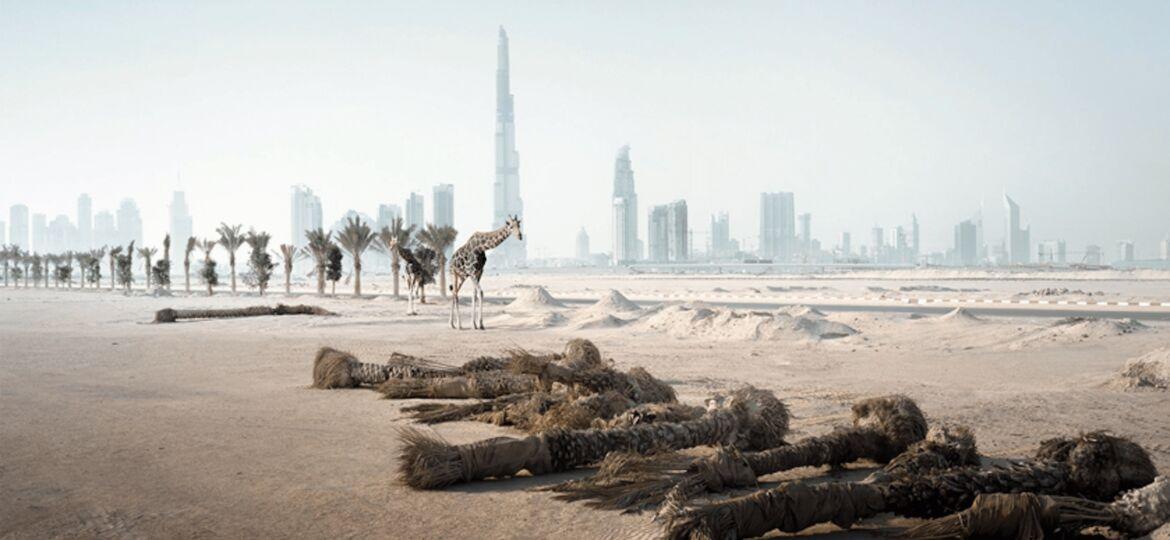
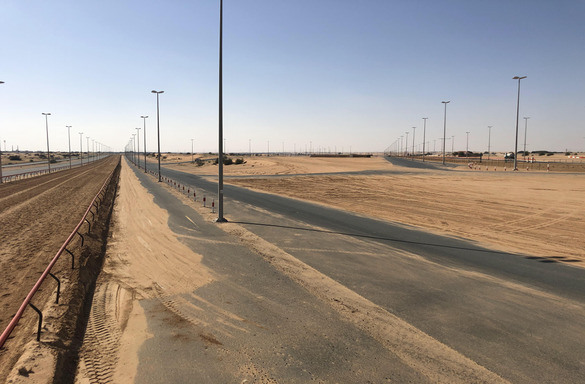
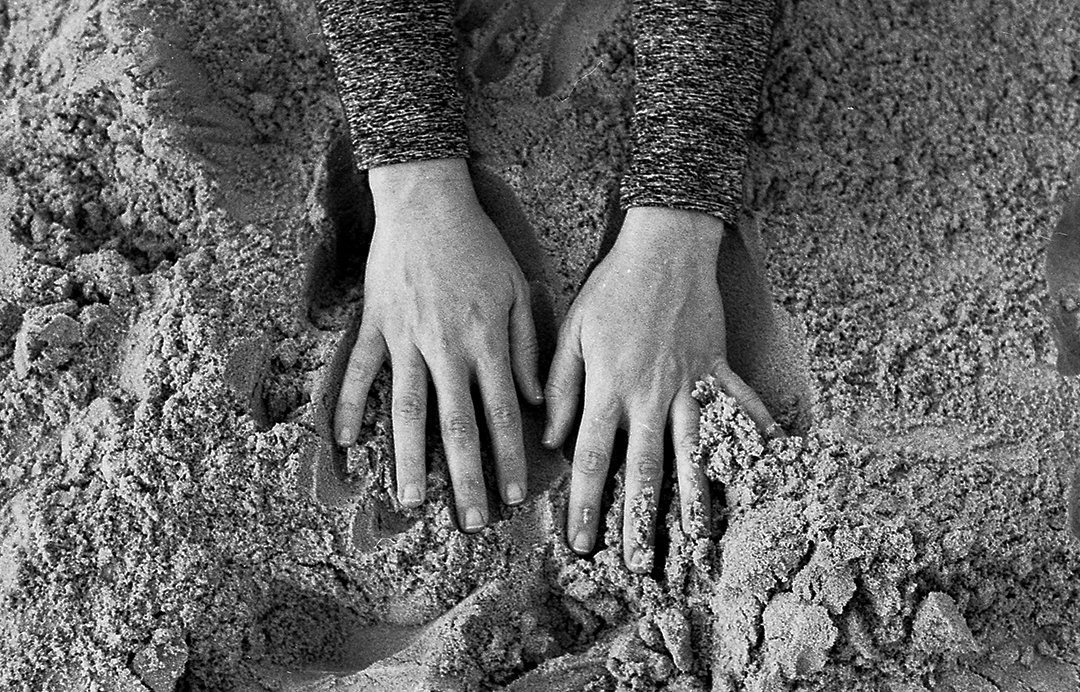
Between a Beach and Slope is a series of public art commissions inspired by Nujoom Alghanem’s poem of the same title, curated by Fatoş Üstek. The Public Art Commissions reflect on key themes of nature, time, identity, and the evolving landscapes of modern civilization. Drawing from Alghanem’s poetic vision, the works explore how conceptions of home and belonging evolve within changing physical and social environments, particularly through the shifting spaces between the desert, the city, and the cyclical rhythms of nature.
November 2025
Following the success of the inaugural phase of the 2025 Public Art Commissions, featuring Shilpa Gupta and Nujoom Alghanem, the new commissions continue to investigate the intricate connections between identity, environment, and memory. This phase draws further into themes of belonging and transformation, building on the dialogue initiated earlier.
The title Between a Beach and Slope evokes a transitional space where the fluidity of the sea meets the steadiness of the land. This metaphor becomes a framework for exploring the tensions between permanence and impermanence, rootedness and displacement. The works presented in this phase engage with these ideas, encouraging reflection on how individuals and communities navigate and adapt within ever-evolving landscapes.
By intertwining the poetic reflections of Alghanem with the visual expressions of Kirstine Roepstorff, the new commissions invite viewers to rethink the boundaries between the natural and the constructed, the personal and the collective. Through this broadened perspective, the works aim to deepen our understanding of art’s role in shaping human experience.
April 2025
Alghanem’s poetic reflection in her piece for the commissions, which reads “Do not fear the desert; rather fear your heart that may not be spacious enough for its vastness, and your feet that may get lost in its paths,” serves as a metaphor for the tension between rootedness and transience, inviting reflection on the nomadic life and the notion of home. This theme intersects with Kirstine Roepstorff’s engagement with lunar cycles, which further explores how human knowledge, shaped by natural rhythms, intersects with broader narratives of civilization. The moon becomes an anchor for reflection on growth, decay, and renewal, offering a poetic context for understanding how our orientation to time and knowledge forms the core of our collective stories.
Shilpa Gupta’s light-text sculptures add another layer to the commission's exploration of knowledge and language. Her work interrogates how language both represents and obscures human history and memory, using illuminated text to provoke a re-interpretation of everyday spaces and actions. Through this, Gupta delves into issues around visibility, erasure, and the power of symbols in shaping identity and collective memory, particularly in times of control and censorship.
The commission also reflects Dubai’s rapid urbanization, which stands at the intersection of modernity and tradition, as the ancient desert and coastal environments meet futuristic urban development.
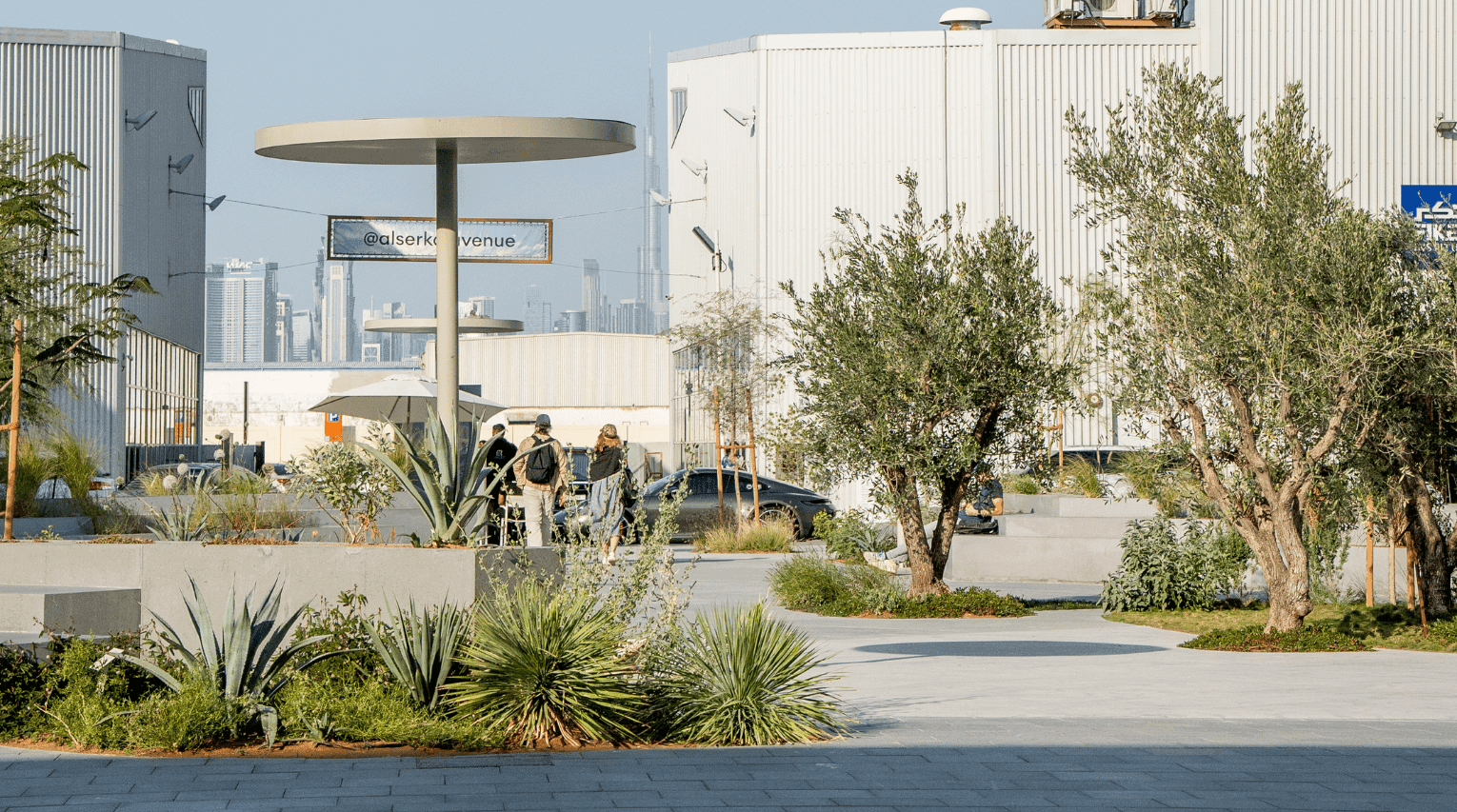
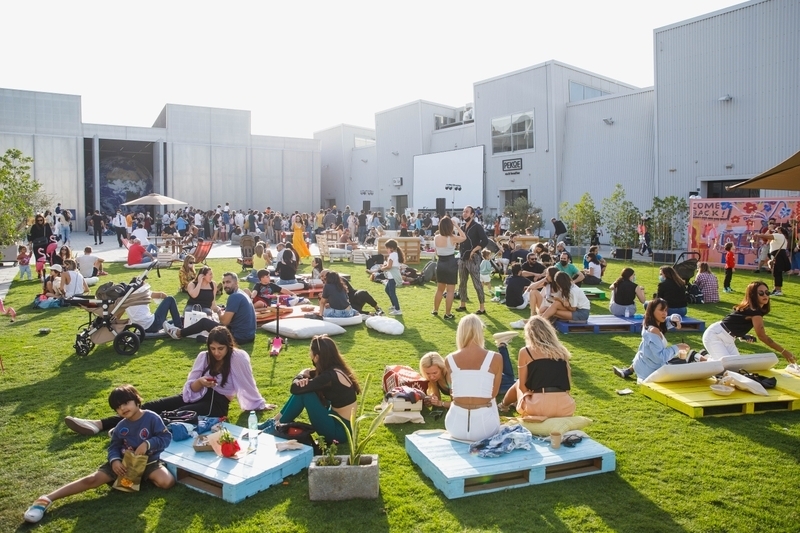
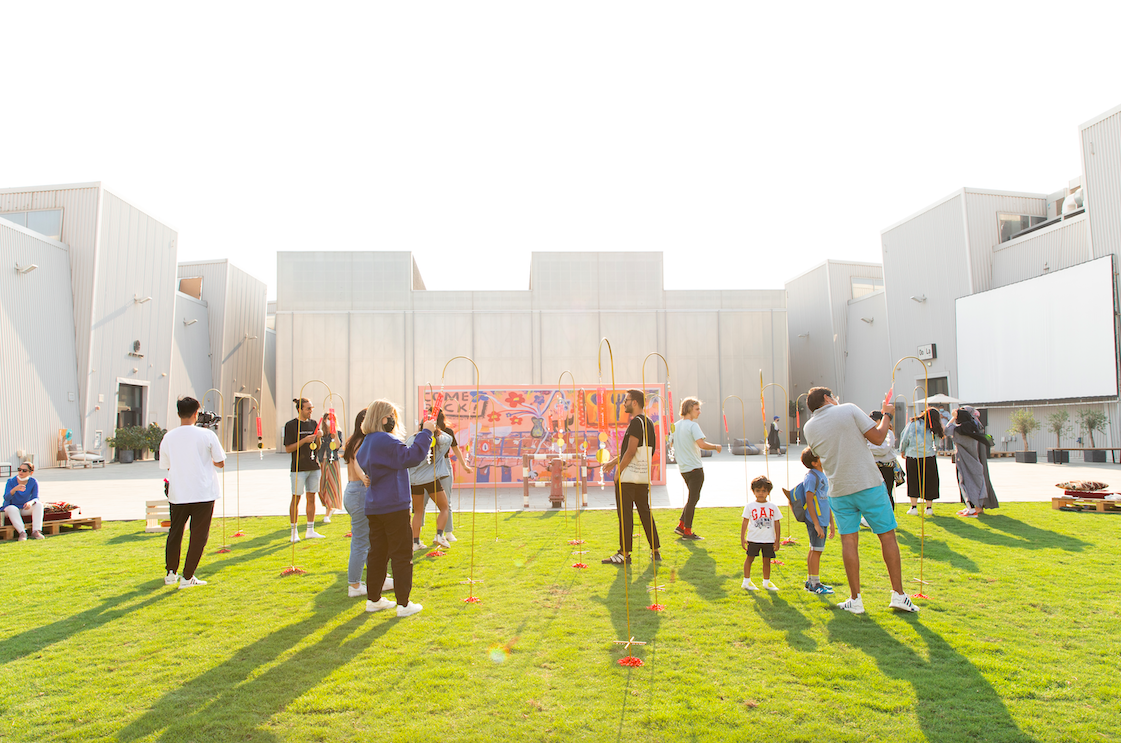
Presented across Alserkal Avenue, each work is thoughtfully positioned to interact with both the surrounding desert landscape and the urban skyline of Dubai. The layout invites movement and engagement, encouraging visitors to navigate through various installations while reflecting on the relationship between the works and their environments. The sculptures and installations are strategically placed to draw attention to the natural elements of sand, light, and space—metaphors for cycles of time, movement, and transformation. These elements frame the Public Art Commission’s themes, allowing the works to resonate with the changing rhythms of the city, the desert, and the cosmic forces that shape both.
Commissioned by Alserkal Arts Foundation.
About the Curator:
Fatoş Üstek is an independent curator and writer with over two decades of international experience in contemporary art. She is the author of The Art Institution of Tomorrow: Reinventing the Model (Lund Humphries, 2024) and serves as curator of Frieze Sculpture (2023–2026) and curator of Cascading Principles Expansions within Geometry, Philosophy and Interference, Mathematical Institute, Oxford University (2022-2025). She is the Co-founder and Director of FRANK Fair Artist Pay, advocating for fair practice in the arts in the UK. Her curatorial expertise spans biennials, exhibitions, festivals, and public art commissions, shaping critical discourse and institutional transformation within the arts.
Üstek’s practice extends beyond exhibition-making, consistently pushing the boundaries of curatorial engagement. She creates synergies for artistic experience in both institutional and non-institutional contexts, expanding the site of encounter to the cityscape and reimagining how audiences engage with contemporary art. Her work blurs the lines between art, architecture, and the public realm, forging new possibilities for cultural dialogue in urban environments.
Still They Know Not What I Dream: Shilpa Gupta
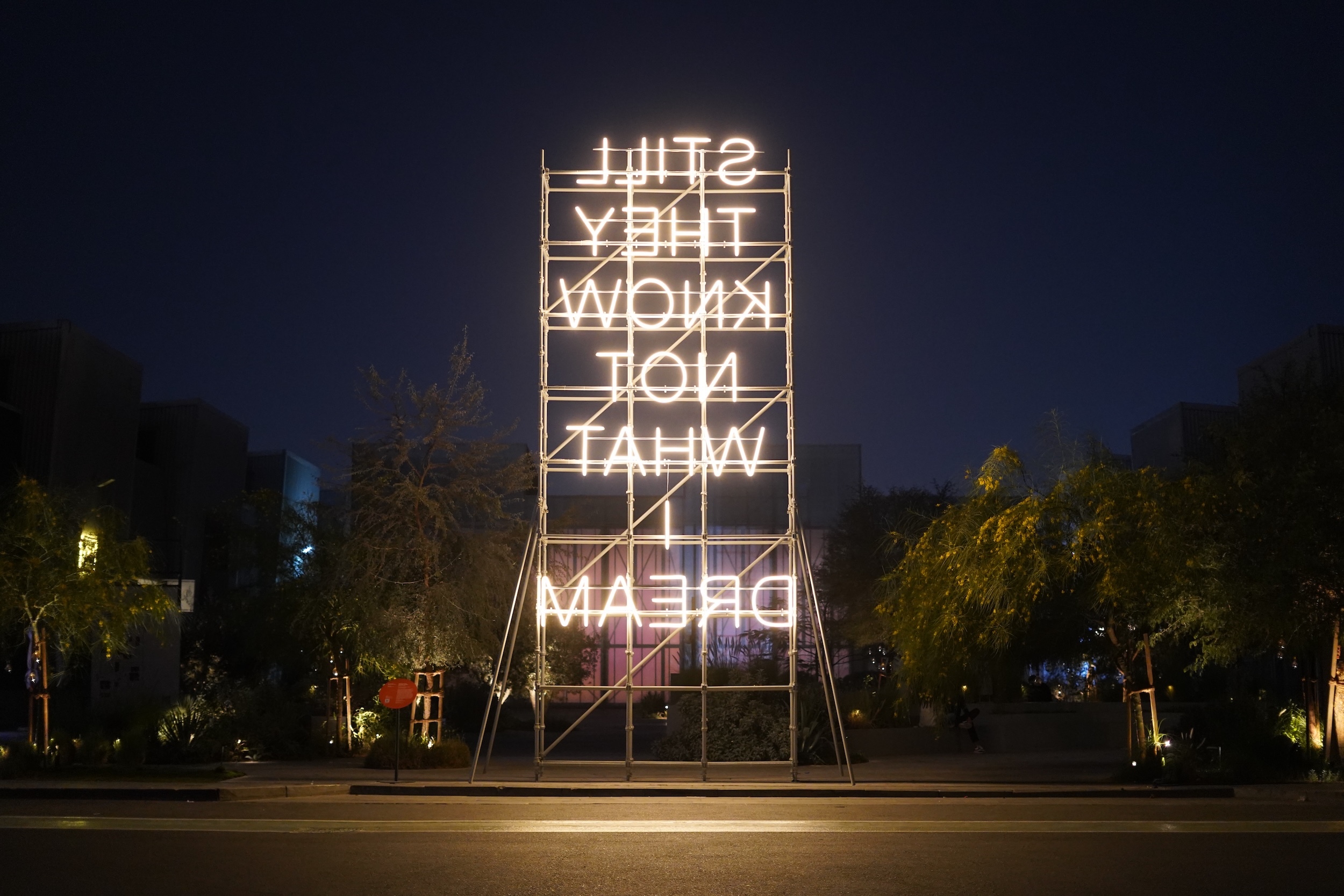
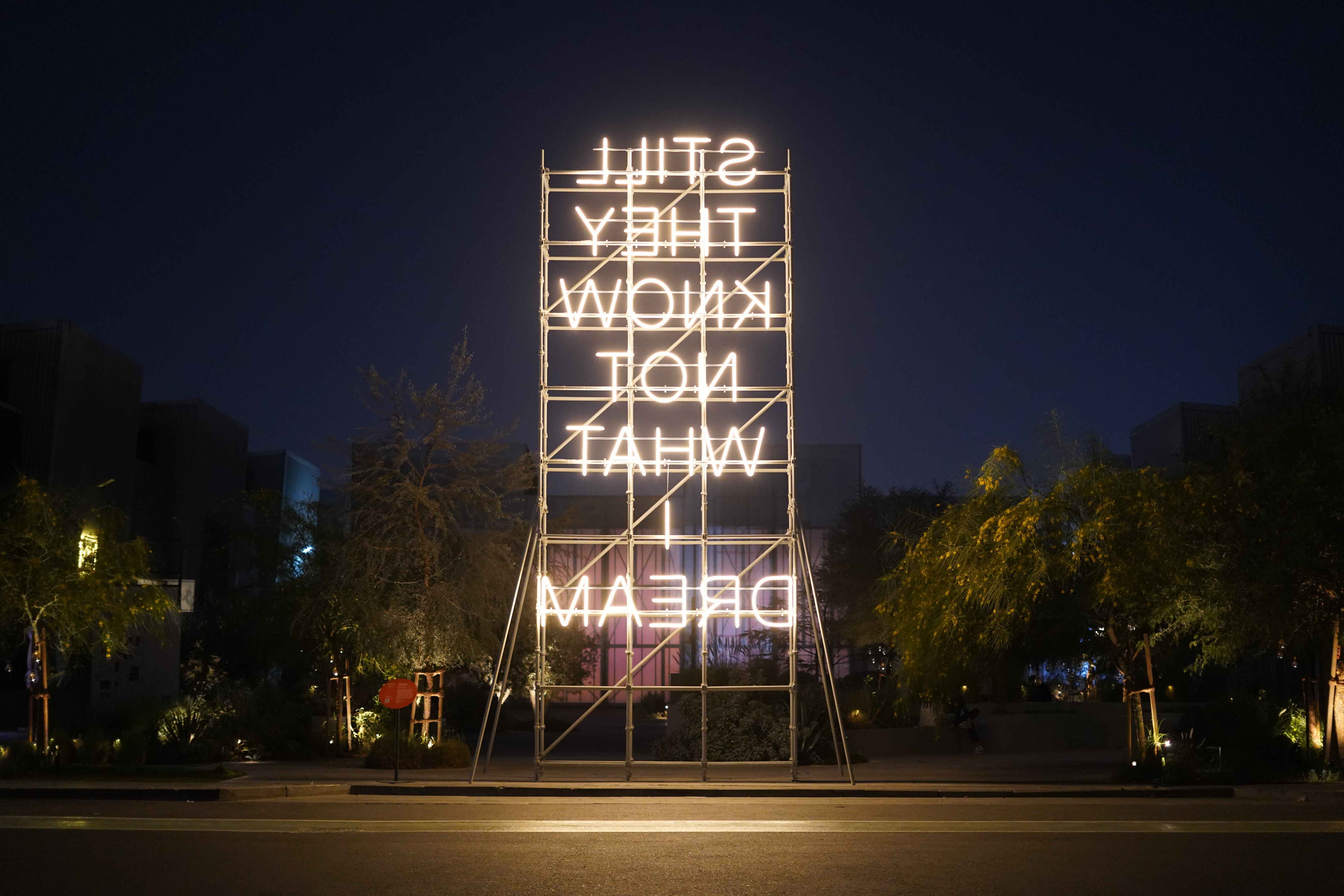
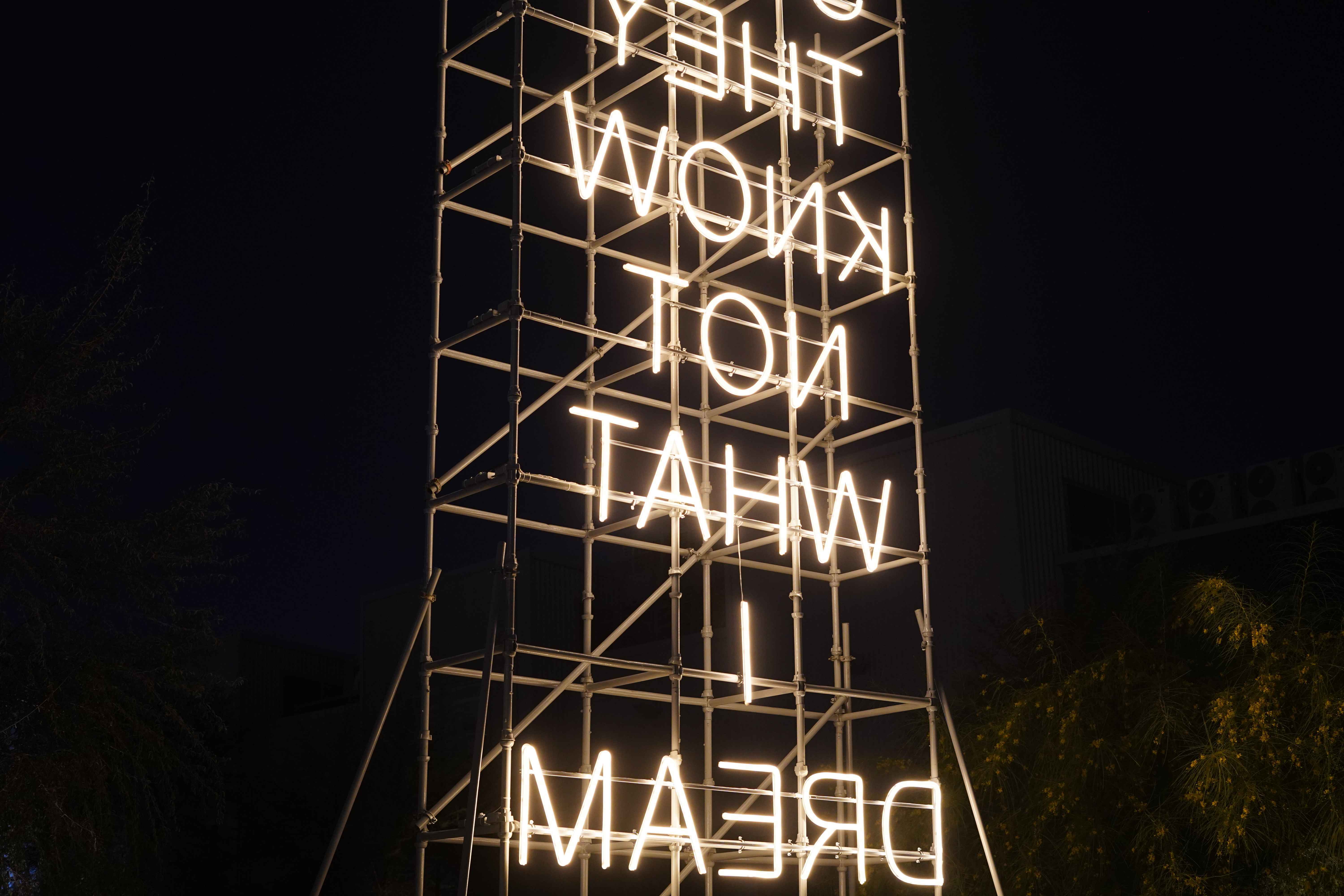
Shilpa Gupta is interested in the interventions, alterations and transgressions that occur across spatial and conceptual boundaries of urgent contemporary concern. Her multi-disciplinary practice comprises a wide array of media and processes, which explore our fragile relationship with identity and expression, as well as the indiscriminate flexibility of nomenclature-based definitions. In the light sculpture Still they know not what I dream, Gupta explores the nature of media within the context of the hegemonic world – rife with inequity, indiscipline and asymmetry – by weaving together a nexus of sense and cognition, as well as the conscious and the unconscious. Reflecting on issues around freedom in times of control, censorship and surveillance, the presentation of the text in reverse impresses upon the viewer a need for re-interpretation of everyday movements, spaces and functions, claimed via self-agency. At once, the illumination of Gupta’s poetic message disarms the viewer with its charming sensibility while the light itself disorients the vision, prompting viewers to reconsider their postulation.
About the Artist
Shilpa Gupta (b.1976) lives and works in Mumbai, India where she has studied sculpture at the Sir J. J. School of Fine Arts from 1992 to 1997.
She had solo shows at Contemporary Arts Center in Cincinnati, Arnolfini in Bristol, OK in Linz, Museum voor Moderne Kunst in Arnhem, Voorlinden Museum and Gardens in Wassenaar, Kiosk in Ghent, Barbican in London, Dallas Contemporary and the Neuer Berliner Kunstverein in Berlin, Bielefelder Kunstverein, La synagogue de Delme Contemporary Art Center and Lalit Kala Akademi in New Delhi. In 2021 she had a survey show at the Museum of Contemporary Art in Antwerp curated by Nav Haq. She presented a solo project at ‘My East is Your West’, a two-person joint India-Pakistan exhibition, by the Gujral Foundation in Venice in 2015.
Gupta’s work has been shown in leading international institutions and museums such as Tate Modern, Museum of Modern Art, Louisiana Museum, Centre Pompidou, Serpentine Gallery, Fondazione Sandretto Re Rebaudengo, Mori Museum, Solomon R. Guggenheim Museum, ZKM, Ishara Art Foundation, Kiran Nadar Museum and Devi Art Foundation.
Shilpa Gupta has participated in 58th Venice Biennale (2019) curated by Ralph Rugoff, Kochi Muziris Biennale (2018) curated by Anita Dube, Gothenburg Biennial (2017) curated by Nav Haq, Berlin Biennale (2014) curated by Juan Gatian, New Museum Triennale (2009), Sharjah Biennial curated by Yuko Hasegawa (2013), Lyon Biennale curated by Hou Hanru (2009), Gwangju Biennale directed by Okwui Enwezor and curated by Ranjit Hoskote (2008), Yokohama Triennale curated by Hans Ulrich Obrist (2008) and Liverpool Biennial curated by Gerardo Mosquera (2006). She has shown in biennales at Auckland, Melbourne, Seoul, Havana, Sydney, Yogyakarta, Echigo-Tsumari, Shanghai, Houston and others.
Her work is in the collection of Tate, Solomon R. Guggenheim Museum, Centre Georges Pompidou, Mori Museum, M+ Museum, Louisiana Museum, Museum of Contemporary Art Chicago, Deutsche Bank, Daimler Chrysler, Bristol Art Museum, Louis Vuitton Foundation, Asia Society, ZKM, Astrup Fearnley Museum, Fonds National d’Art Contemporain – France, KOC Collection, National Gallery of Victoria, National Gallery of Canada, FRAC (France Regional Art Collection), Voorlinden Museum, Art Now, Cincinnati Art Museum, Kiran Nadar Museum, Jameel Arts Center and Devi Art Foundation amongst others.
In 2022, ‘For, In Your Tongue, I Cannot Fit’, an anthology which speaks truth to power, co-edited by Shilpa Gupta and Salil Tripathi was released. In 2021, she has also self-published Artivities, a compilation of art activities for the young. Gupta has co-facilitated ‘Crossovers & Rewrites: Borders over Asia’ at World Social Forum, Porto Alegre in 2005 and ‘Aar Paar’, a public art exchange project between India and Pakistan from 2002-2006.
In 2023, she had a duo solo with Marisa Merz at the MAXXI – National Museum of 21st Century – L’Aquila curated by Bartolomeo Pietromarchi and Fanny Borel and a solo at the Tanya Bonakdar Gallery in New York. In 2024, she opened a major solo at Centro Botín in Santander, Spain curated by Bárbara Rodríguez Muñoz and her solo curated by Ruth Estévez travels from Amant Art Center to the Madison Museum in US.
Commissioned by Ishara Art Foundation.
The Desert of Liwa: Nujoom Alghanem
Nujoom Alghanem’s prolific career encompasses the publication of eight poetry collections and the production of over twelve feature films, including both fiction and documentaries.
Alghanem's poetry is celebrated for its profound exploration of personal and collective experiences, often reflecting on themes such as identity, memory, and the nuances of Emirati culture. Her poetic voice resonates with authenticity, offering readers intimate glimpses into the human condition through evocative imagery and emotional depth.
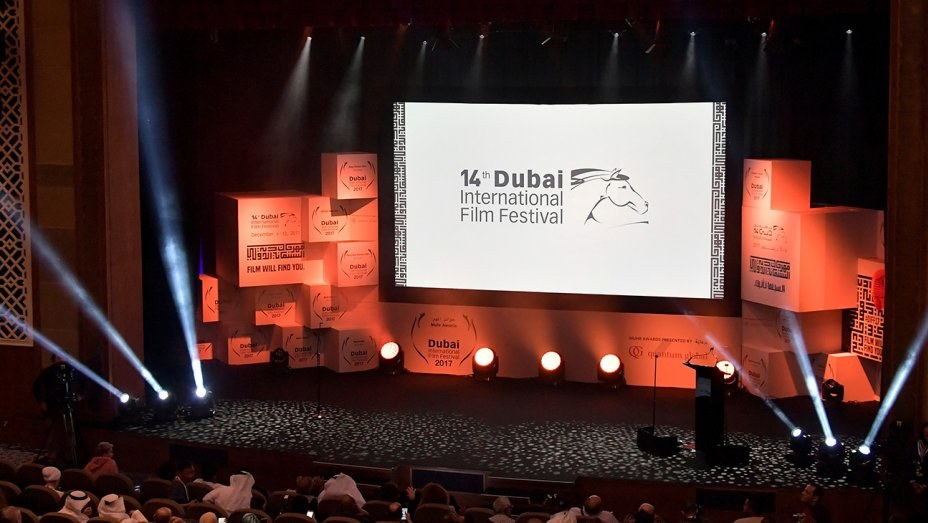
In her cinematic endeavors, Alghanem continues to shed light on compelling narratives. Her 2014 documentary, Nearby Sky, follows the journey of Fatima Ali Alhameli, the first Emirati woman to enter her camels into local auctions and beauty pageants. The film not only chronicles Fatima's challenges in a male-dominated sphere but also delves into her deep-rooted Bedouin heritage and the passion for camels inherited from her father. Nearby Sky received critical acclaim, winning the Best Non-Fiction Film award at the 11th Dubai International Film Festival as well as Best Documentary at the GCC Film Festival, held in Abu Dhabi in 2016.
Alghanem's interdisciplinary approach seamlessly weaves poetry and visual storytelling, creating works that resonate on multiple levels. Her recent installation, Artifacts of the Current Moments, showcased at Al Jahili Fort, exemplifies this fusion by presenting ceramics alongside poetic narratives, inviting viewers to contemplate the essence of the present moment.
Through her art, Nujoom Alghanem continues to challenge societal norms, celebrate cultural heritage, and inspire both regional and international audiences with her authentic storytelling and poetic expression.


About the Artist
Nujoom Alghanem is an Emirati poet, artist, and film director. She was born in Dubai, UAE, 1962 and has published 11 poetry collections in the Arabic language. Her work has been translated to several languages including English, Spanish, French, German, Turkish, Macedonian, and more.
Nujoom is also a renowned filmmaker. She has produced more than 20 films including seven feature non-fiction, short fiction, short documentaries, and art films. Her films have won over 40 regional and international prizes. Her achievements in the arts have been recognized both nationally and internationally. She is the recipient of the Pride of the UAE Medal through the Mohammed bin Rashid Government Excellence Award and the Rashid Award for Scientific Outstanding. In 2019, she was the solo artist of the UAE National Pavilion at the Venice Biennale, and in 2017, she was one of five artists that had participated in the same pavilion.
Alghanem started her professional career in the early 1980s as a journalist for more than ten years and was the head of the cultural department for Dubai and the Northern Offices of Al-Ittihad Newspaper, the first regular publication of the UAE. She then became head of training and human resources development at the Emirates Media Incorporated in Abu Dhabi and finally the director of the new media division at the same organization.
Alghanem was one of the founding members of the Emirates Writers’ Union in 1984 and used to be a board member of Abu Dhabi Authority for Culture and Heritage. In 2010, Nujoom co-founded Nahar Productions, a film production company based in Dubai. Since then, alongside her artistic endeavors, she has worked as a mentor and trainer in art, filmmaking and creative writing as well as a cultural consultant. She is the holder of a master’s degree in film production from Griffith University in Australia and a Bachelor’s degree in video production from Ohio University in the United States.
A Passerby Collects the Moonlight: Nujoom Alghanem
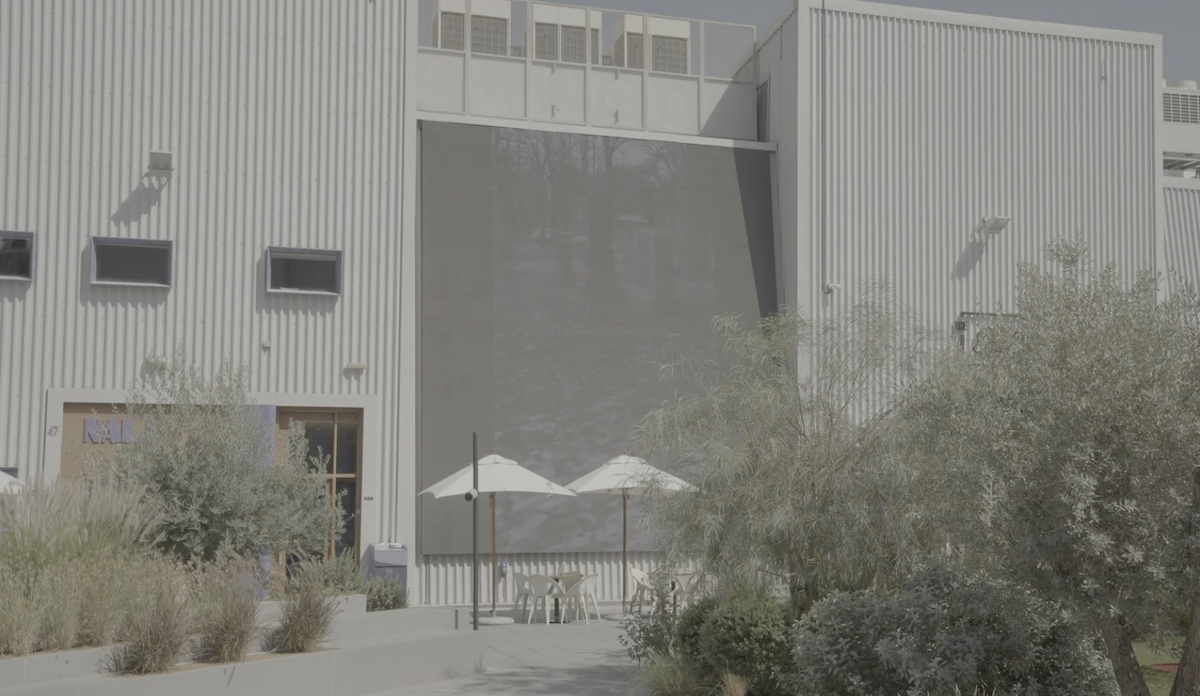
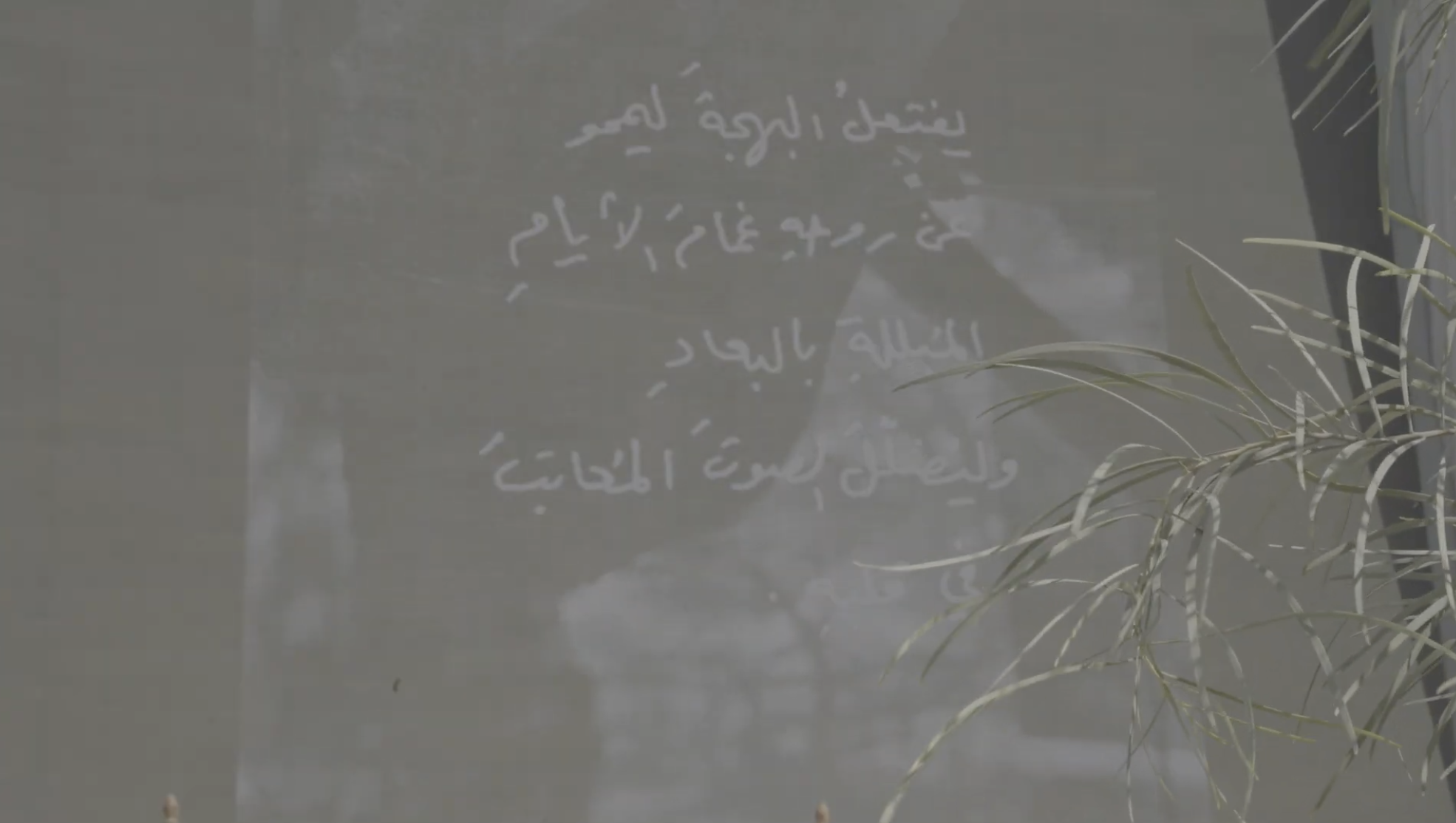
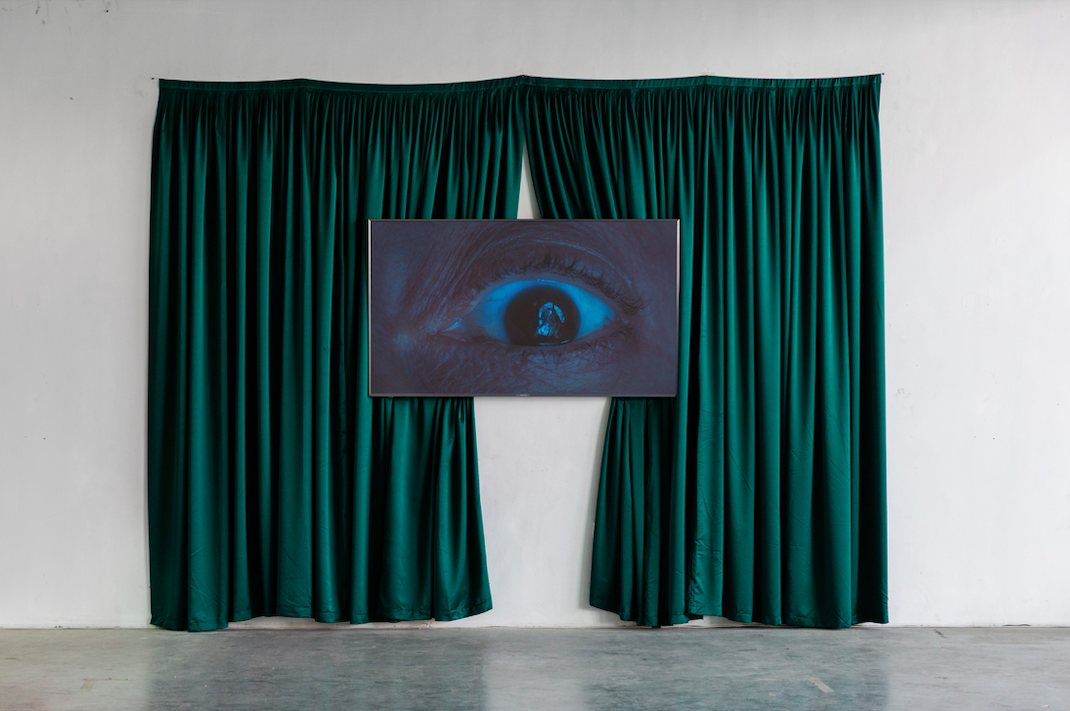
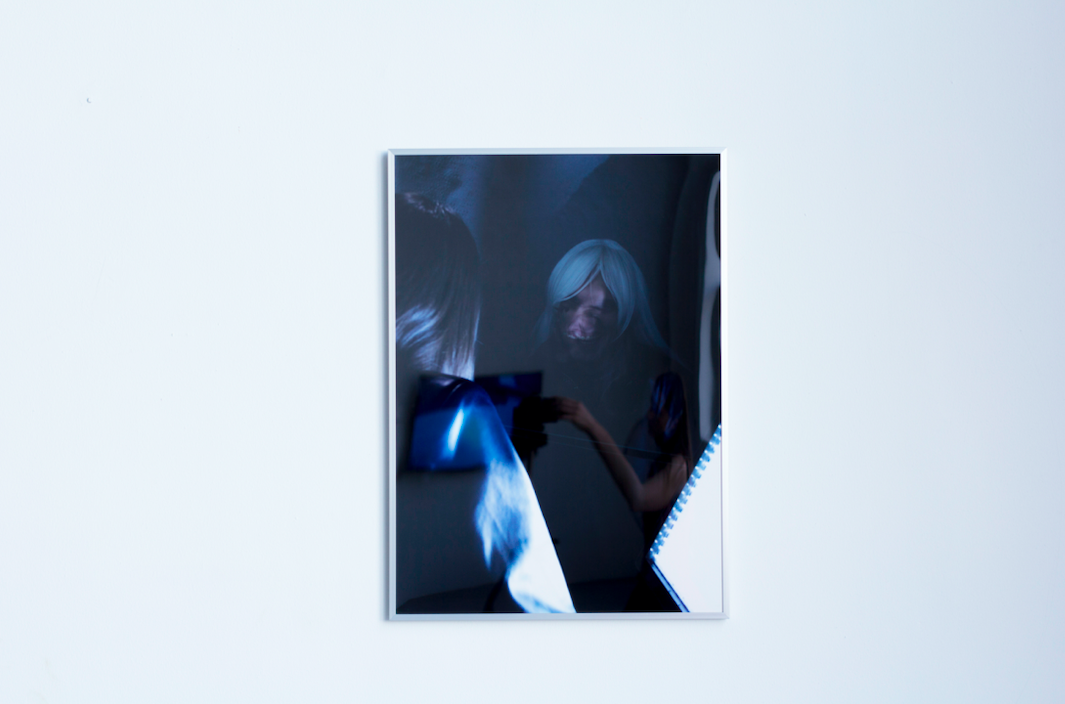
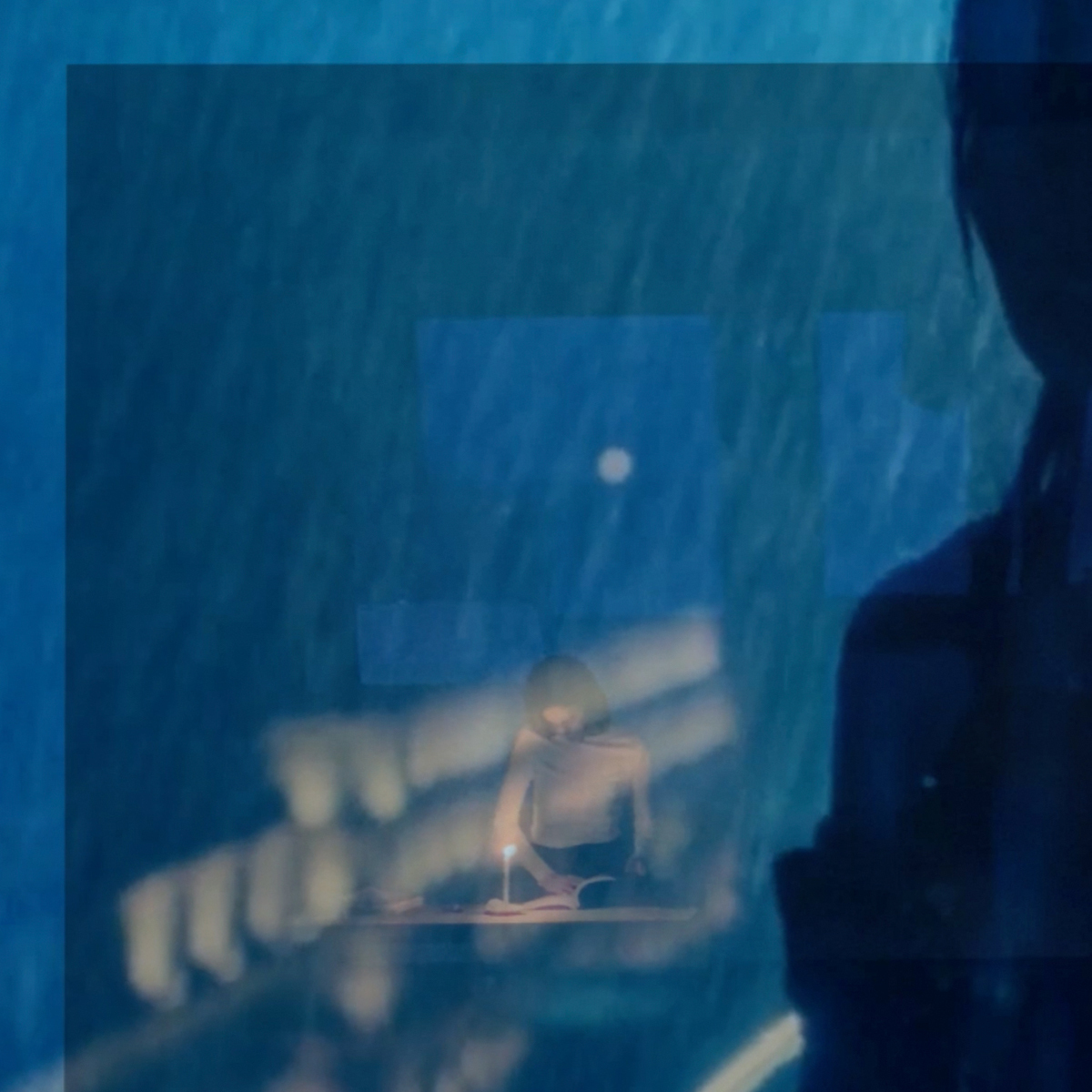
A Passerby Collects the Moonlight is a poem by Nujoom Alghanem, first presented as part of the UAE Pavilion at the 58th International Venice Biennale in 2019, where she represented the country with her multidisciplinary installation Passage. The poem reflects Alghanem’s signature style—lyrical, introspective, and deeply rooted in the landscapes of the Gulf while resonating universally with themes of transience, memory, and longing.
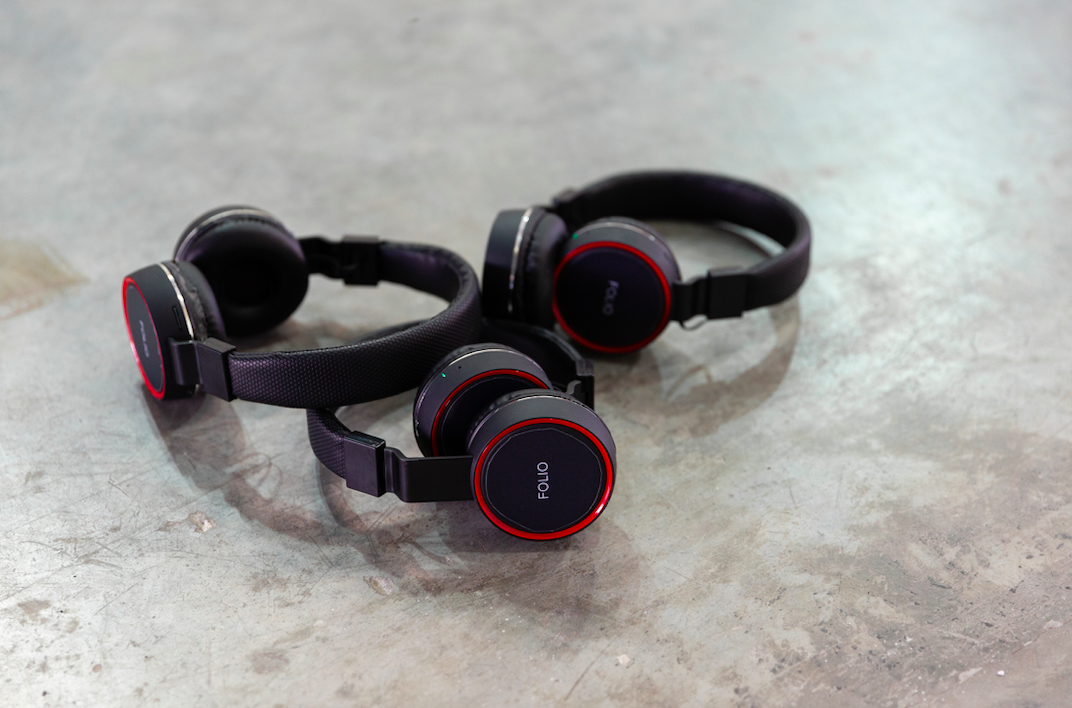
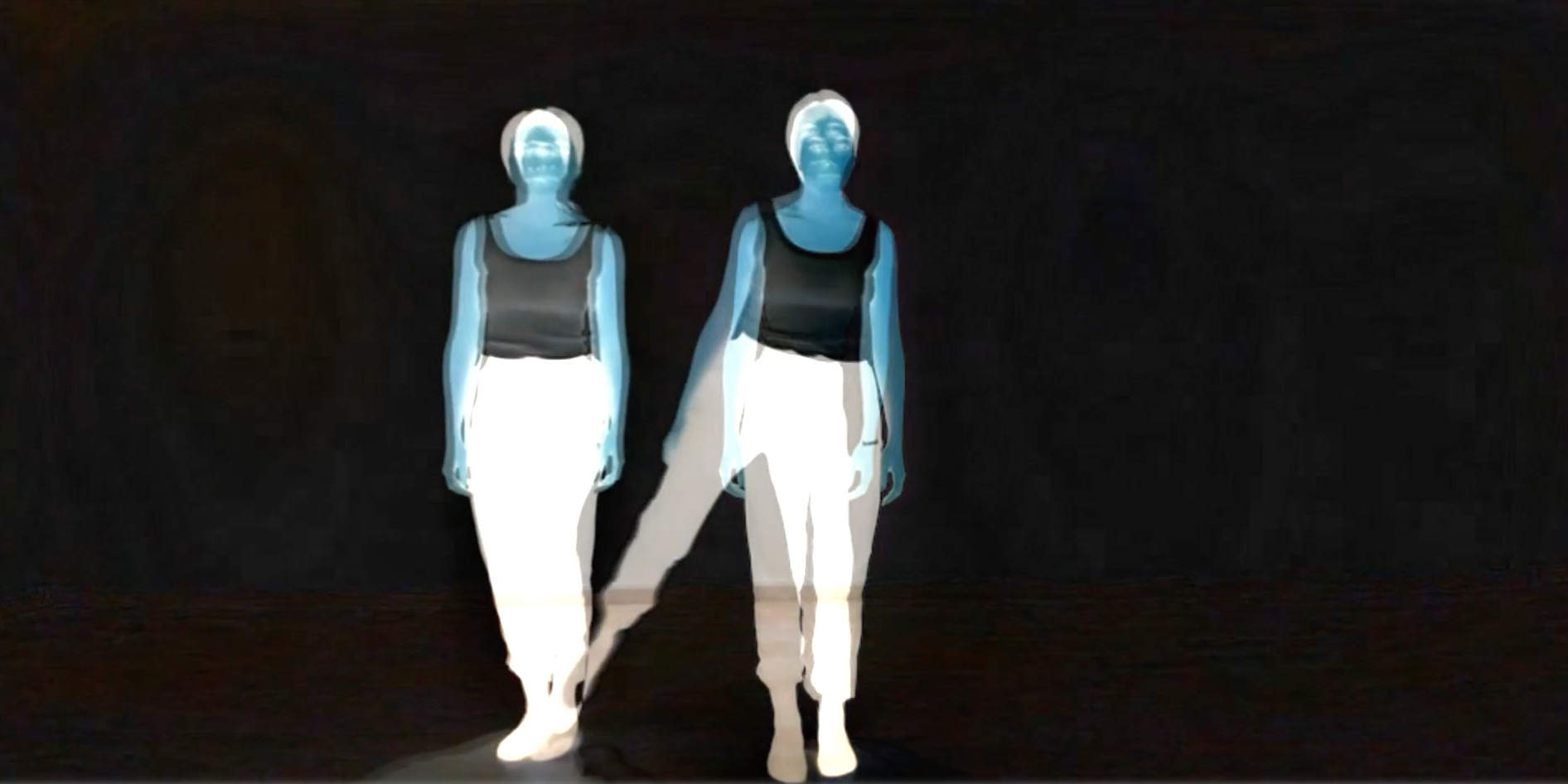
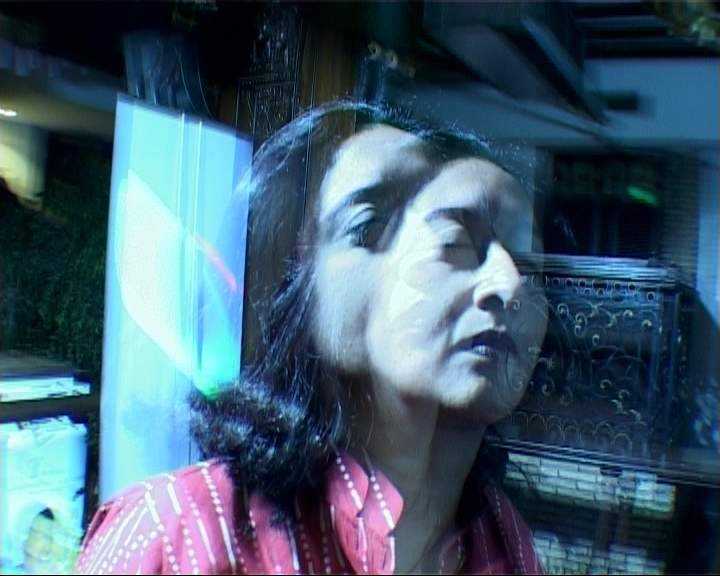
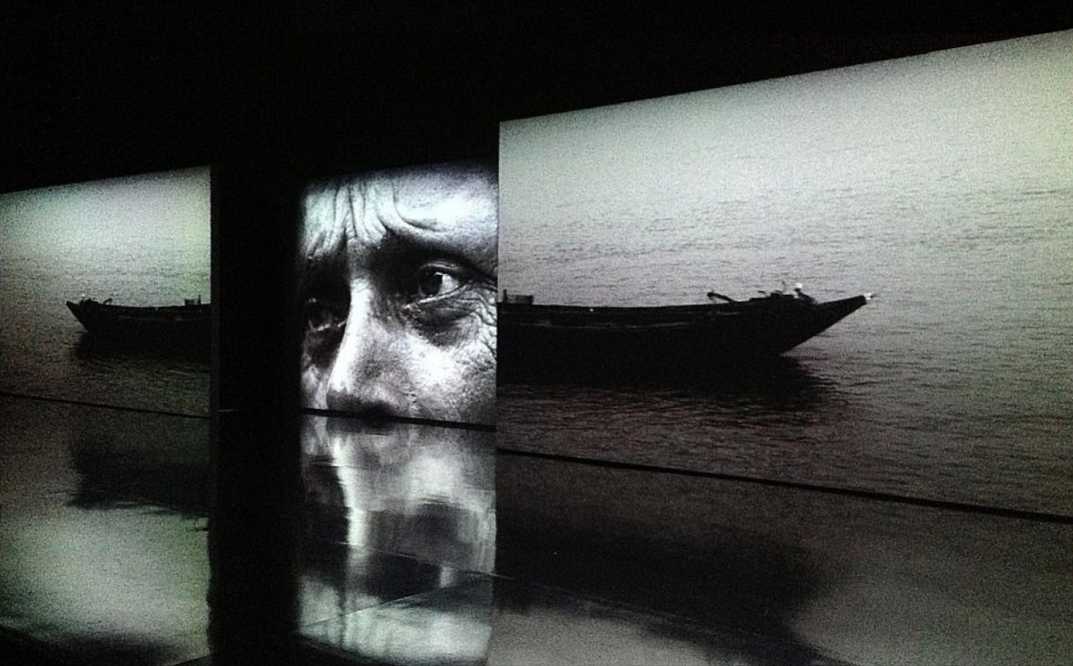
Now reimagined as a video and sound installation for Alserkal Avenue’s Yard, A Passerby Collects the Moonlight bridges two of Alghanem’s most significant artistic practices: poetry and filmmaking. The video, created from archival and existing footage, is accompanied by Alghanem’s own voice reading the poem in both Arabic and English. This dual-language presentation will unfold in a carefully timed sequence, with the Arabic recitation played at every odd hour and the English at every even hour, creating a rhythmic, sonic presence in the space throughout the day.
By punctuating the Yard every hour, the installation becomes a contemplative anchor within the public realm—a poetic reminder of the passage of time and the transient nature of human life. The act of collecting moonlight evokes the impossible task of holding onto fleeting moments, a metaphor for memory, displacement, and the search for belonging.
Through this cyclical soundscape and visual presence, the work gestures beyond the local context, resonating with the experiences of uprooted people across the globe. It becomes a quiet reflection on the philosophical condition of those who live between worlds, carrying with them fragments of home, memory, and identity. The installation’s seamless fusion of sound, image, and poetry transcends boundaries—geographical, linguistic, and emotional—offering viewers a meditative experience that is at once intimate and expansive.
About the Artist
Nujoom Alghanem is an Emirati poet, artist, and film director. She was born in Dubai, UAE, 1962 and has published 11 poetry collections in the Arabic language. Her work has been translated to several languages including English, Spanish, French, German, Turkish, Macedonian, and more.
Nujoom is also a renowned filmmaker. She has produced more than 20 films including seven feature non-fiction, short fiction, short documentaries, and art films. Her films have won over 40 regional and international prizes. Her achievements in the arts have been recognized both nationally and internationally. She is the recipient of the Pride of the UAE Medal through the Mohammed bin Rashid Government Excellence Award and the Rashid Award for Scientific Outstanding. In 2019, she was the solo artist of the UAE National Pavilion at the Venice Biennale, and in 2017, she was one of five artists that had participated in the same pavilion.
Alghanem started her professional career in the early 1980s as a journalist for more than ten years and was the head of the cultural department for Dubai and the Northern Offices of Al-Ittihad Newspaper, the first regular publication of the UAE. She then became head of training and human resources development at the Emirates Media Incorporated in Abu Dhabi and finally the director of the new media division at the same organization.
Alghanem was one of the founding members of the Emirates Writers’ Union in 1984 and used to be a board member of Abu Dhabi Authority for Culture and Heritage. In 2010, Nujoom co-founded Nahar Productions, a film production company based in Dubai. Since then, alongside her artistic endeavors, she has worked as a mentor and trainer in art, filmmaking and creative writing as well as a cultural consultant. She is the holder of a master’s degree in film production from Griffith University in Australia and a Bachelor’s degree in video production from Ohio University in the United States.
For value shifts like wind and speech, Like dunes on slope, like foam on beach.: Kirstine Roepstorff
Kirstine Roepstorff’s commissioned piece, For value shifts like wind and speech, Like dunes on slope, like foam on beach, is a two-sided coin installed across two adjacent alleyways responding to the wind currents that pass through. Suspended on an axis, the coin rotates with the wind, transforming this invisible shared force into a form of currency, flowing, exchanging, and generating value through motion.
One side of the coin depicts the Simurgh, the mythical Persian bird symbolising collective wisdom, rebirth, and the interconnectedness of all beings. Both singular and collective, the Simurgh embodies the concept that value is fluid, emerging through connection and transformation.
The reverse side features the Three Hares, an ancient symbol that travelled along the Silk Road through Asia, the Middle East, and Europe. In this interpretation, the hares are represented only by their shared ears and eyes - signifying frequency and vision, and the negative space formed by their running legs, hinting at the conservation and circulation of energy. Their bodies are absent from the coin, emphasising their symbolic essence. Historically depicted across sacred, civic, and commercial spaces, the three hares (sharing just three ears) represent cyclical exchange, the migration of symbols across cultures, and the fluidity of meaning over time. Much like early coins, their image transcended borders, evolving with each cultural context.
By animating these archetypes with wind, Roepstorff examines how value circulates in material, mythological, and political forms. The work resonates with the present moment, as nations like the UAE plan to introduce digital currencies such as the Digital Dirham, redefining coins as symbols of civilisation, trade, and tangible worth. As physical currency diminishes, Roepstorff raises questions about what new forms of knowledge, myth, and elemental forces might emerge. Her spinning sculpture reimagines value as a dynamic, evolving force shaped by geography, time, belief, and exchange, rather than a static object.
Complementing the physical installation, Roepstorff will also release a digital coin on a cryptocurrency platform, extending the project into the realm of intangible economies that increasingly drive global exchange. This digital version does not replicate the sculpture but interprets its key ideas – wind as a resource, myth as value, and circulation as meaning – into a speculative currency. By venturing into the cryptosphere, the work examines how symbolism, trust, and transformation function when value becomes entirely immaterial, prompting reflection on ownership, circulation, and the future landscapes of trade.
Rooted in her ongoing exploration of cyclical time, natural phenomena, and symbolic systems, this project serves as both a tool and a vision of the future. It invites contemplation on how empires, economies, and belief systems leave their marks on objects, only to be reimagined as they move across cultures and eras. In Roepstorff’s interpretation, the coin transcends its role as a unit of trade, becoming a bridge between worlds, a spinning axis where myth, matter, and the economies of the future converge. Coins in motion catalyse a dialogue between the material and the enchanted, bridging the historically transactional with cosmological and spiritual methodologies. Like windmills generating energy, they provoke reflection and poetry, opening intersectional conversations that are expansive, relational, and not limited by conventional frameworks.
About the Artist
Kirstine Roepstorff (b. 1972, Denmark) is a multidisciplinary artist whose work explores the intricate relationship between humanity, spirituality, and the natural world. At the core of her practice is a critical examination of the "in-between" spaces - where personal transformation intersects with collective consciousness. Roepstorff interrogates how history, politics, and existential realities shape our perceptions of time, space, and identity, often revisiting ancient techniques and lost knowledge to challenge the modern reliance on external systems.
The ocean and cosmology serve as recurring narrative elements in her work, which spans a variety of mediums including collages, paintings, sculptures, tapestries, glass, and immersive installations. Roepstorff’s collages are often composed of materials such as fabrics, photocopies, textiles, foils, brass, wood, and paper, while her sculptural works frequently feature horizontal lines that symbolize layers of consciousness. Through her use of diverse forms and materials, Roepstorff critiques contemporary social structures and power dynamics, inviting viewers to reconnect with their ‘inner technology’ - a deeper, more intuitive way of navigating the world. In 2024, she launched Earth School, a platform offering ongoing workshops and seminars designed to provide tangible tools for personal transformation and collective renewal.
Roepstorff holds an MFA from the Royal Danish Academy of Fine Arts (1994-2001). In 2017, she represented Denmark at the 57th International Art Exhibition, La Biennale di Venezia, with the exhibition influenza. theater of glowing darkness. In 2018, she was selected, along with three other artists, to create one of Denmark’s largest decorative art commissions in history, celebrating Koldinghus’s 750-year jubilee. Her work has been exhibited internationally and is held in permanent collections worldwide, including MoMA (US), The Saatchi Gallery (UK), The National Museum of Art, Architecture and Design (NO), Woods Art Institute (DE), Statens Museum for Kunst (DK), Arken (DK), and the Danish Art Foundation (DK), among others. She has completed significant public art projects, including Horizons and Moons in Alserkal Avenue, Dubai, The Galactic Community Park at Aalborg University (DK), Bib Au Natura in Randers (DK), Three Paradoxes–Three Medicine Balls–Three Forces in Buddinge (DK), Cosmic Dance in Fjellhamar (NO), Hydra in Fredericia (DK), The Heart of the Whale in Middelfart (DK), Untitled at Lillebælt Hospital (DK), Gong at DOKK1 Public Library in Aarhus (DK), and Klangfrø at the University of Copenhagen (DK).
Transitionary Dwellings: Nujoom Alghanem
Emirati poet, filmmaker, and artist Nujoom Alghanem presents Transitionary Dwellings, an outdoor sculptural installation for Alserkal Avenue’s second cycle of the Public Art Commissions. The work reflects on a poetic threshold: a space of arrival, rest, dislocation, and transformation.
The installation features bird nests. Each is inspired by real avian structures but reimagined in vibrant neon hues. These glowing dwellings are nestled into a corner of the Avenue, functioning almost as a punctuation mark in the urban landscape. Their striking colours draw attention to often-overlooked aspects of life: the parallel existence, movements, and efforts of non-human species with whom we share terrain, memory, and history.
Birds have long been teachers of human life, guiding navigation and fostering a sense of belonging. Their migratory journeys once provided orientation and seasonal wisdom; their songs continue to signify safety, continuity, and coexistence. Alghanem’s nests evoke themes of presence and vulnerability and prompt critical questions: who builds, who shelters, who departs, who returns, and at what cost?
Beneath their apparent lightness lies a profound meditation. Transitionary Dwellings highlights the reality that three-quarters of the world's population has experienced the impacts of colonialism, displacement, or forced migration. Today’s intertwined crises (wars, soil erosion, rising temperatures, failing health systems, and water scarcity) continue to displace communities, leaving many in states of limbo, exile, and homelessness. In this context, the question "Where is home?" resonates both deeply personally and globally.
The installation, on display for a full year at Alserkal Avenue, is accompanied by a series of Alghanem’s prose texts. These texts are scattered across eight points throughout the Avenue, transforming parking signs into alternative exhibition surfaces. Acting as wayfinders, echoes, and interruptions, these fragments extend the work beyond the sculptural nests into the everyday flow.
Two of Alghanem’s video works, previously shown during the first phase of the Public Art Commissions, will be removed. However, a corner signage from one of these pieces will remain on-site, serving as a subtle marker of continuity, memory, and trace.
Through Transitionary Dwellings, Alghanem takes her storytelling into the open air, creating a space where care, flight, fragility, and futurity intersect. These nests are not merely shelters; they are signals. They quietly, yet persistently, call for an ethics of coexistence in an era when both humans and other species are increasingly thrust into a state of transience.
About the Artist
Nujoom Alghanem (b. UAE, 1962) is an Emirati poet, artist, and film director. She has published 11 poetry collections in the Arabic language. Her work has been translated to several languages including English, Spanish, French, German, Turkish, Macedonian, and more. Nujoom is also a renowned filmmaker. She has produced more than 20 films including seven feature non-fiction, short fiction, short documentaries, and art films. Her films have won over 40 regional and international prizes. Her achievements in the arts have been recognized both nationally and internationally. She is the recipient of the Pride of the UAE Medal through the Mohammed bin Rashid Government Excellence Award and the Rashid Award for Scientific Outstanding. In 2019, she was the solo artist of the UAE National Pavilion at the Venice Biennale, and in 2017, she was one of five artists that had participated in the same pavilion.
Alghanem started her professional career in the early 1980s as a journalist for more than ten years and was the head of the cultural department for Dubai and the Northern Offices of Al-Ittihad Newspaper, the first regular publication of the UAE. She then became head of training and human resources development at the Emirates Media Incorporated in Abu Dhabi and finally the director of the new media division at the same organization. Alghanem was one of the founding members of the Emirates Writers’ Union in 1984 and used to be a board member of Abu Dhabi Authority for Culture and Heritage. She served as a trustee for the International Prize for Arabic Fiction from 2012 until 2024.
In 2010, Alghanem co-founded Nahar Productions, a film production company based in Dubai. Since then, alongside her artistic endeavors, she has worked as a mentor and trainer in art, filmmaking and creative writing as well as a cultural consultant. She is the holder of a master’s degree in film production from Griffith University in Australia and a Bachelor’s degree in video production from Ohio University in the United States.

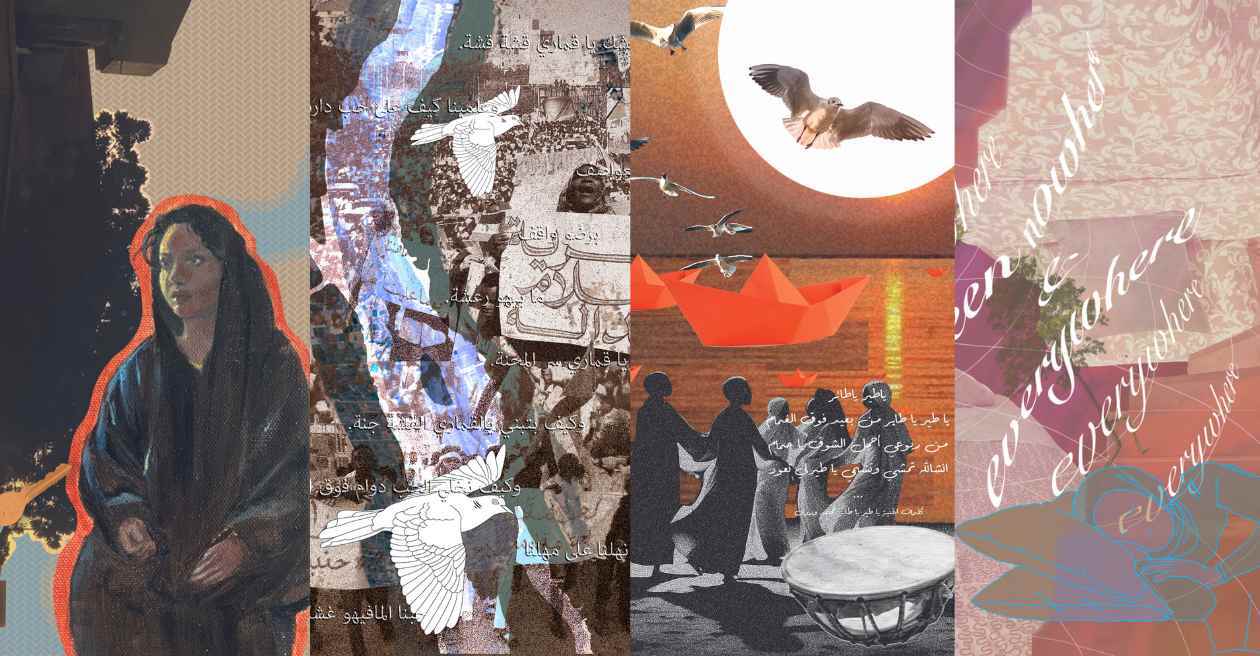







Stay tuned...

Stay tuned...

Stay tuned...




Stay tuned...