

An Incomplete History of UAE Cinemas, Part 2
Read Part 1 to catch up on the earlier history.
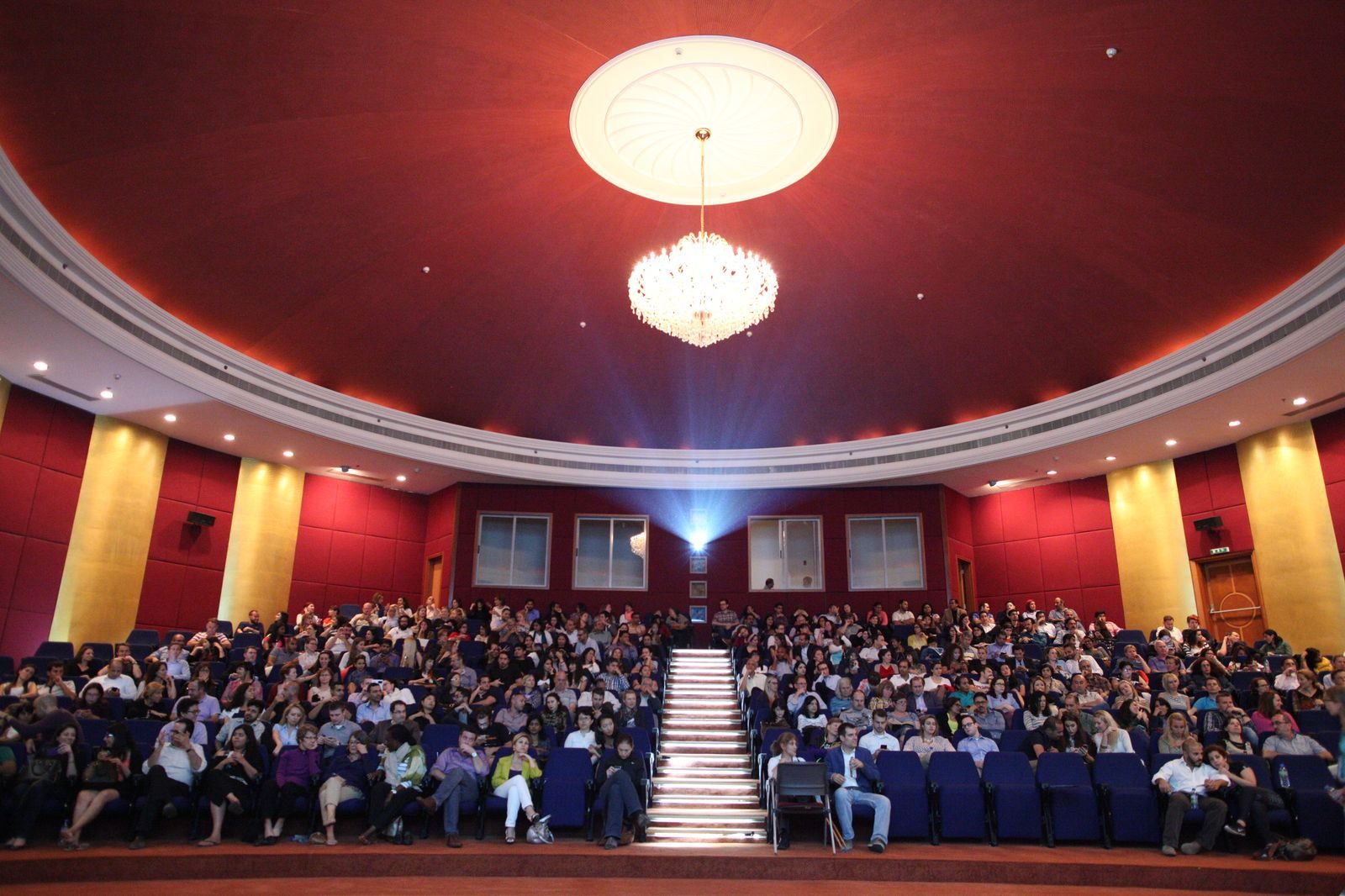
The end of the 1990s saw the demise of standalone independent cinemas in the UAE and the birth of cinema chains and the multiplex in newly built shopping malls, especially in Dubai. A city in a state of constant change, Dubai went into transformation overdrive in the 2000s. The rise of mall culture in the country, was symptomatic of the city's expansion, growing affluence, and a more all-in-one-place approach to shopping, dining, and cinema going. This unfurled in brand new malls like Deira City Centre (1995), Mercato (2005), Mall of the Emirates (2005), and Dubai Mall (2008).
It was an appealing proposition: watching films in cinemas boasting new seats and screens, and the latest sound technology, a stroll away from pre-screening shopping and post-film dining.
Cinema chains like CineStar (now Vox Cinemas) and Grand Cinemas (now Novo Cinemas) opened in existing and newly built malls. These chains relied on movies from Hollywood, Bollywood, and Tollywood. Arab films were hardly released in cinemas at the time, and without an established UAE film industry, there were very few UAE films being made, let alone ones worthy of cinematic release.
The year 2002 witnessed growing ambitions to develop an Emirati film movement. First launched as Emirates Short Films in 2001, the Emirates Film Competition (EFC), conceived by Ali Al Jabri, Nawaf Al Janahi, and Masoud Amralla Al Ali, was founded at the Cultural Foundation in Abu Dhabi the following year. The initiative encouraged filmmakers and students to compete by entering a wide range of film genres—fiction, documentary, animation, experimental. Constantly hearing how pivotal the EFC and the Cultural Foundation in Abu Dhabi were to aspiring filmmakers and cinephiles at the time makes me wish I had been in Abu Dhabi and able to participate.
Truly grassroots for the time, almost avant-garde by UAE standards, the EFC would soon collaborate with other festivals and institutions to programme their films, like the Edinburgh International Film Festival, the Egyptian High Cinema Institute, Festival des Cinémas Différents, DocuDays International Film Festival in Lebanon, Iranian Young Cinema Society (IYCS) are a few that spring to mind.
This was the seed for the more international UAE film festivals that were launched in the mid-to-late 2000s, some of which were run by EFC participants.
The Film Festivals Play an Industry Role
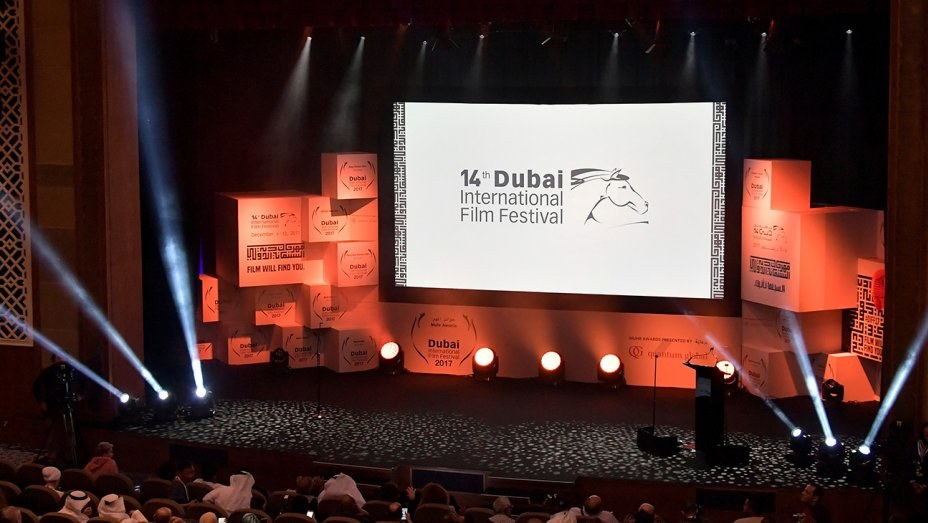
Dubai International Film Festival (DIFF), for example, launched in 2004 with the slogan “Bridging Cultures Meeting Minds.” It was a bane for people hungry to see world cinema, rather than relying on VHS and DVDs (many of which were pirated). It took place mainly in Madinat Jumeirah and CineStar/Vox in Mall of the Emirates.
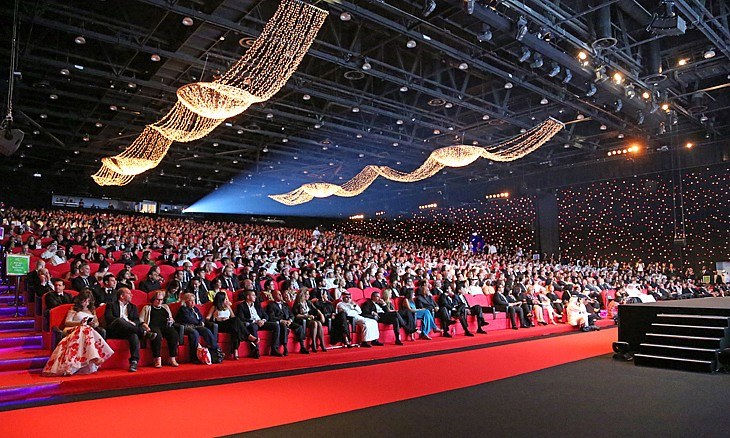
By 2005, one film from the UAE finally had a theatrical release: A Dream by Hani Al Shebani, But it is by no means the first. Aber Sabeel by Ali Al Abdool is considered the first Emirati feature film made in the UAE in 1989.
Launched in 2008, the Gulf Film Festival, DIFF's younger sibling, focussed on local and regional cinema, alongside some international films. It opened at DUCTAC in Mall of the Emirates and would later take place at Grand/Novo Cinemas in Dubai Festival City.
Abu Dhabi launched its own festival in 2007, the Middle East International Film Festival (renamed the Abu Dhabi Film Festival in 2010). By 2009, the Emirates Film Competition was integrated into this festival.
More than simply festivals for audiences, these initiatives also played an industry role. By supporting local and regional filmmakers (mostly focussing on Arab filmmakers) through workshops, talks, and, most importantly, funding (DIFF's Enjaaz fund, and ADFF's Sanad fund), the festivals endeavoured to establish a UAE film industry.
The film festivals were a great excuse for me to take time off work to truly satisfy my hunger for watching world cinema on the big screen. It was also a meaningful way to connect with other cinephiles who, like me, maintained detailed spreadsheets of films to watch, aiming for three or four per day, sometimes more.
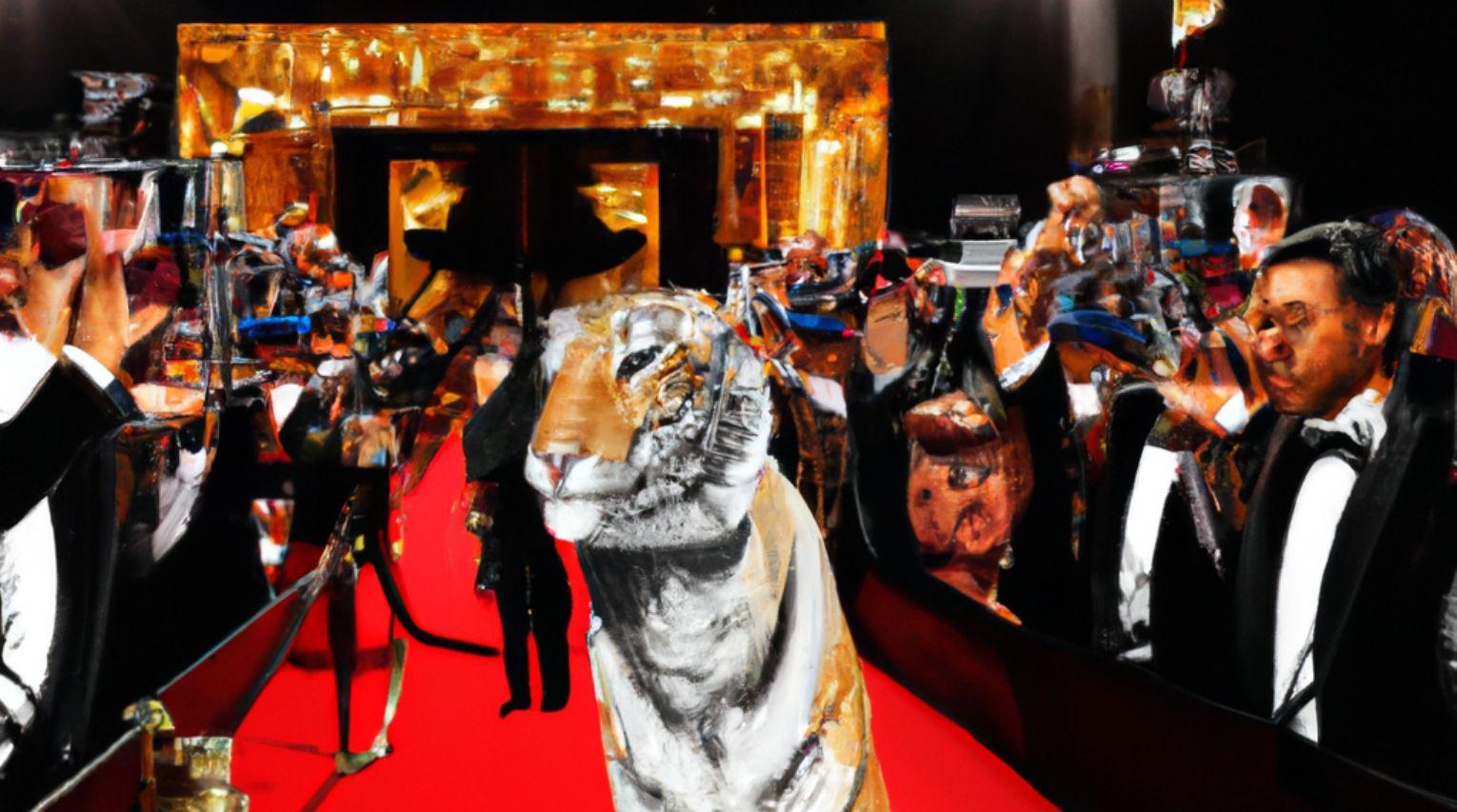
But they were also flashy PR spectacles, with the press covering the red carpet, celebrities, parties—a very different experience from mine. “A mix of Disneyland and Las Vegas” aptly described the New York Times. In hindsight, these festivals would inevitably fail to sustain themselves long-term. Sadly, over the past seven years they started shutting down one by one.
Many of us hoped the film festivals would complement the slate of films released by the cinema chains, embracing a wider selection of films, beyond the usual fare from the US and India, but that never happened. Instead, we saw a few venues in Dubai turning into weekly or monthly cinema spaces, creating an active but inconsistent alternative screening scene. It was energising, albeit short-lived.
Alternative Screening Venues Coincide with a Rising Arts Community
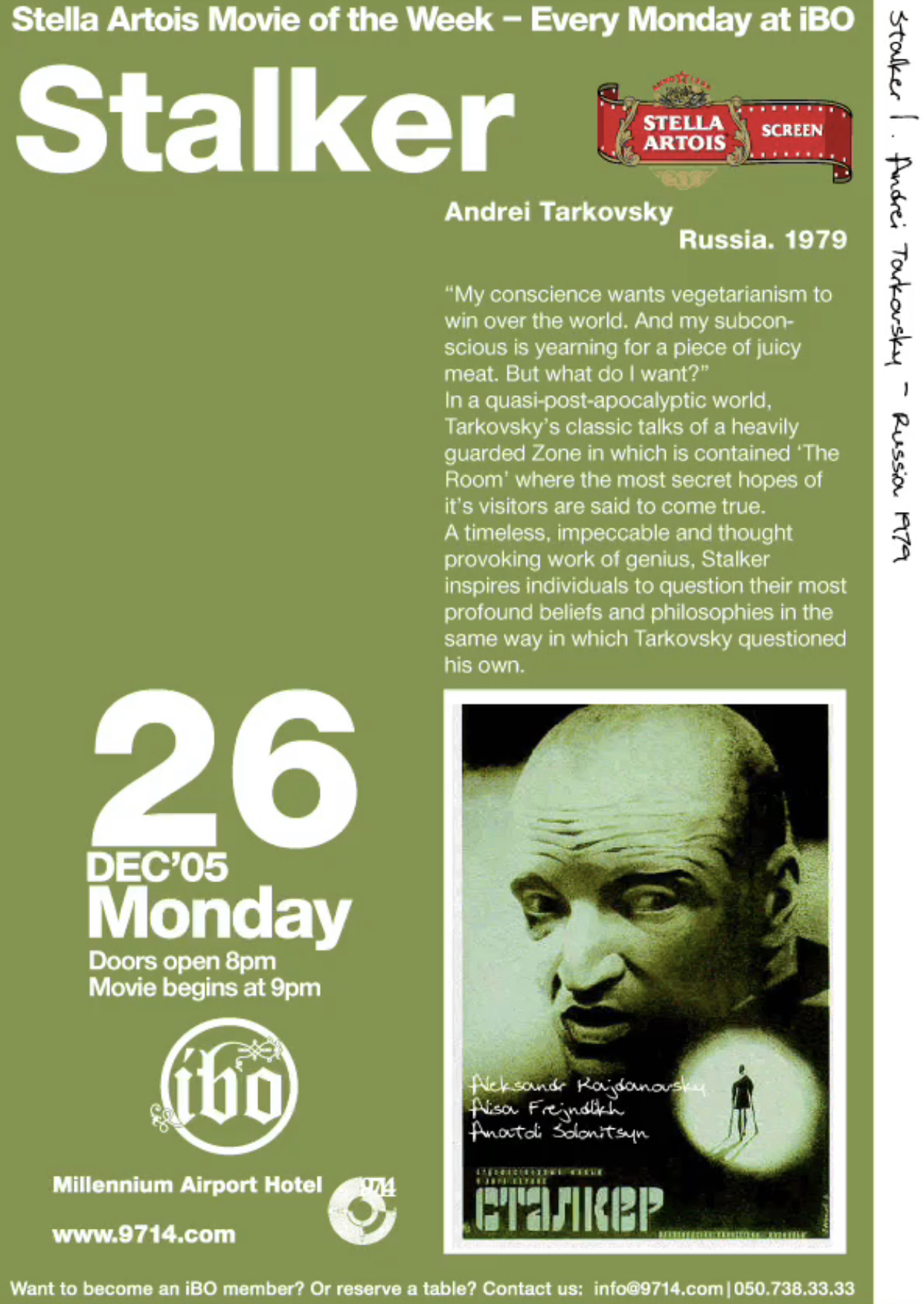
In the mid-2000s, Garhoud-based iBO, a popular, minimally black-walled indie dance club, hosted movie nights on Mondays. Films included Stalker, Betty Blue, and City of God. The iBO team also owned Five Green, a concept store in Oud Metha, which also hosted monthly screenings. I watched my first Wong Kar Wai film there, Fallen Angels. Although it was not apparent at the time, both venues acted as regular arthouse cinema spaces, screening what many like to refer to as arthouse films from different parts of the world, including classics.
It was satisfying to see some non-Hollywood films and classics on a big screen, even if it wasn't necessarily a proper cinema space. Equally enjoyable was seeing regular faces and slowly feeling integrated into a community interested in the arts. An exciting buzz reigned at the time, fuelled by the arrival of a fresh wave of Dubai residents working in advertising, media and art galleries, all newly thriving fields booming in the 2000s.
The Third Line art gallery, which opened in 2005, hosted regular, curated film series during its early years: “Disinformation: Media, Perception, and the Creation of Truth,” “Isma'a: Films on Music from North Africa,” and “Shahre Farang: Contemporary Iranian Films.” I recall the post-screening discussions, offering a deeper dive into cinephilia and film culture, which felt exceptional, as if the gathering somehow played the role of a cinema club.

DUCTAC (Dubai Community Theatre and Arts Centre) in Mall of the Emirates, a not-for-profit venue, also hosted film screenings, some in partnership with Dubai International Film Festival and the British Council. (Founded in 2006, DUCTAC closed in 2018).
The Scene Club, founded by filmmaker Nayla Al Khaja existed from 2007 to 2017. It hosted monthly screenings of new international films in multiple venues like DUCTAC, Knowledge Village's auditorium, Vox Cinemas in Mall of the Emirates, and Roxy Cinemas. The screenings were always full. The Club occasionally invited featured filmmakers for discussions. Sadly, it ended unceremoniously, with no explanation in the form of a farewell email or social media post to its followers and subscribers.
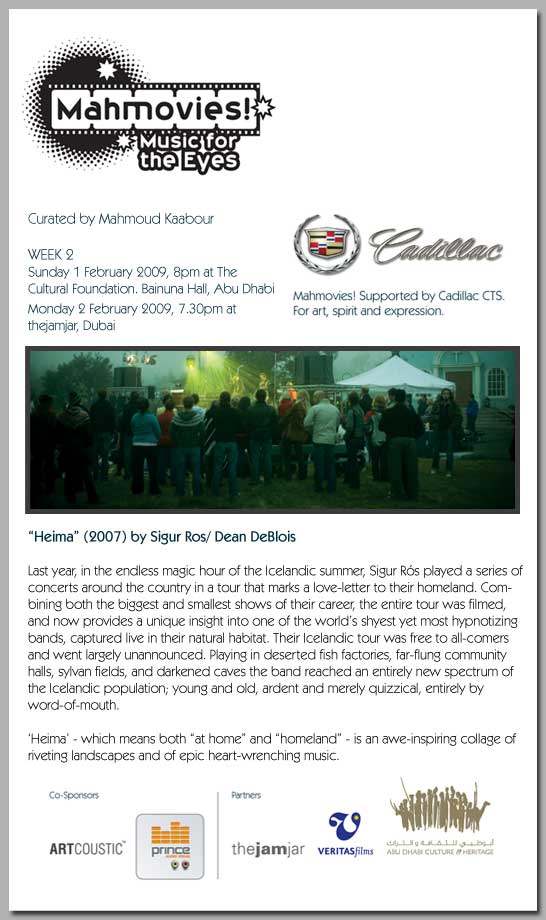
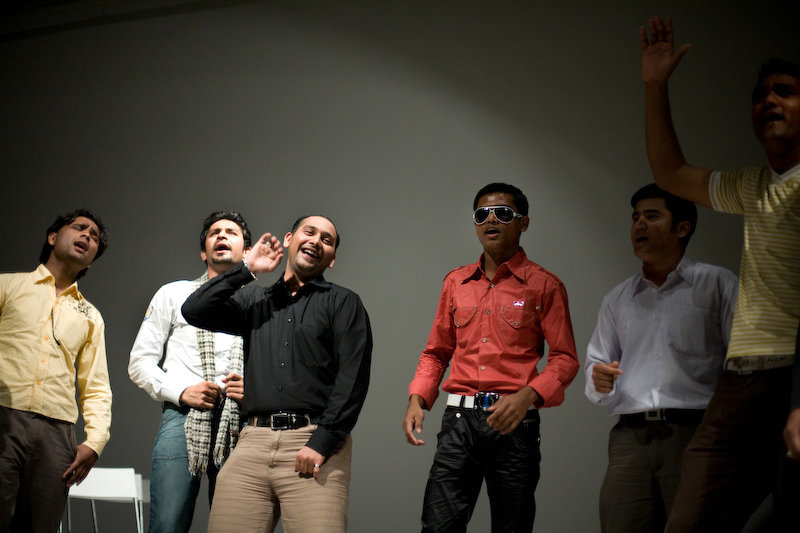
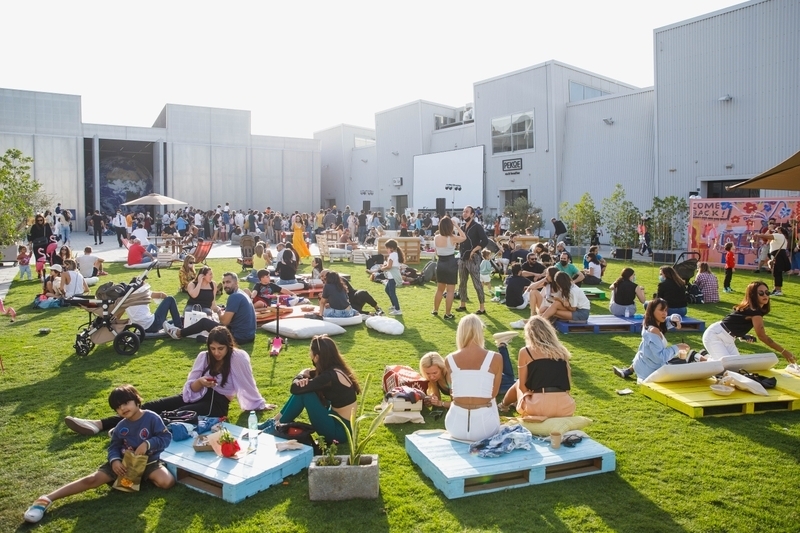
Filmmaker Mahmoud Kaabour ran Mahmovies! at thejamjar in its former venue in Al Quoz between 2009 and 2010. An informal affair, the space was dotted with beanbag seating before a blank wall on which films were projected. Kaabour took a curatorial approach, clustering films under themes like “Music for the Eyes” and “Black and White Glory.” We watched films like Let's Get Lost, Mirror Noir, Heima, The Man with a Movie Camera, and I Am Cuba. One of my favourite memories was a live performance following Sita Sings the Blues, screened as part of the “Music for the Eyes” series. The unknown but talented group of performers had won a singing competition called Western Union Camp Ka Champ (Champ of the Camp) held across various Dubai labour camps. Kaabour's own film, Champ of the Camp, inspired by this competition, premiered in 2013 at DIFF at an outdoor screening at Burj Khalifa Park, attended by some of the same singers.
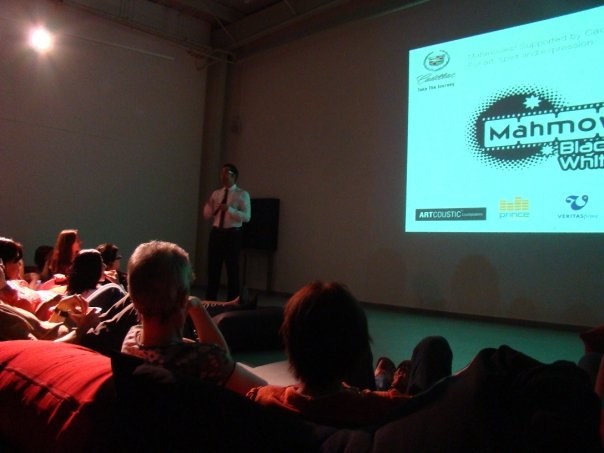
Most of these screenings were free to attend; the organisers relied on sponsors or barter deals to host their events, which were normally packed with an international crowd of all ages—the culturati, media types, and discerning cinephiles.
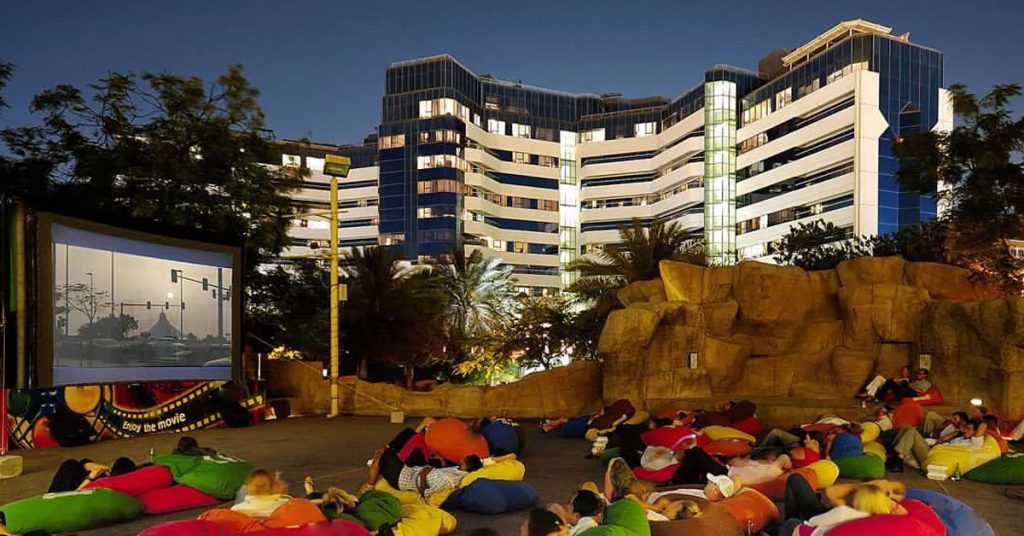
Other venues across Dubai (and Sharjah) screened films frequently. Wafi Mall's Rooftop Garden's Movies Under the Stars on Sunday nights during the cooler months of the year was quite popular, mostly because the venue was licensed to serve alcohol which always draws a crowd in Dubai. The venue screened classics or nostalgic favourites like The Shining, Jaws, The Italian Job (the 1969 version), Top Gun, Rain Man, Scent of a Woman, and Fight Club to name a few.
A Dedicated (but short-lived) Arthouse Cinema
In 2009, Dubai got its first movie theatre dedicated to showing only arthouse cinema, the Picturehouse by Reel Cinemas in Dubai Mall. Although it only lasted a few years, there were substantial—and frequent—showings of international films, some hosted by Dubai International Film Festival and the British Council. But once the cinema started showing the more commercially viable Jason Statham films in the same theatre, I knew its arthouse days were over.
Just like the cinemas of the 1990s that no longer exist, most of the initiatives and screenings mentioned here vanished a long time ago. By the end of the decade, the small number of independent cultural initiatives were unable to meet their own commercial imperatives and sustain an alternative cinema-going experience. With no financial incentives, nor any government funded body to keep such initiatives afloat, the cinematic initiatives prolonged the symptomatic reactions to the changes gripping Dubai.
In Part 3 of her Incomplete History, Hind will focus on the 2010s with more short-lived alternative spaces, efforts to support Arab cinema, the demise of the local film festivals, and the current state of cinema.
Hind Mezaina is an artist, writer, founder of theculturist.com, and co-founder of Tea with Culture podcast. She curates film screenings across the UAE.





















Stay tuned...


Stay tuned...


Stay tuned...










Stay tuned...