

From the Archive | Fall 2024 Residency
Open Studios
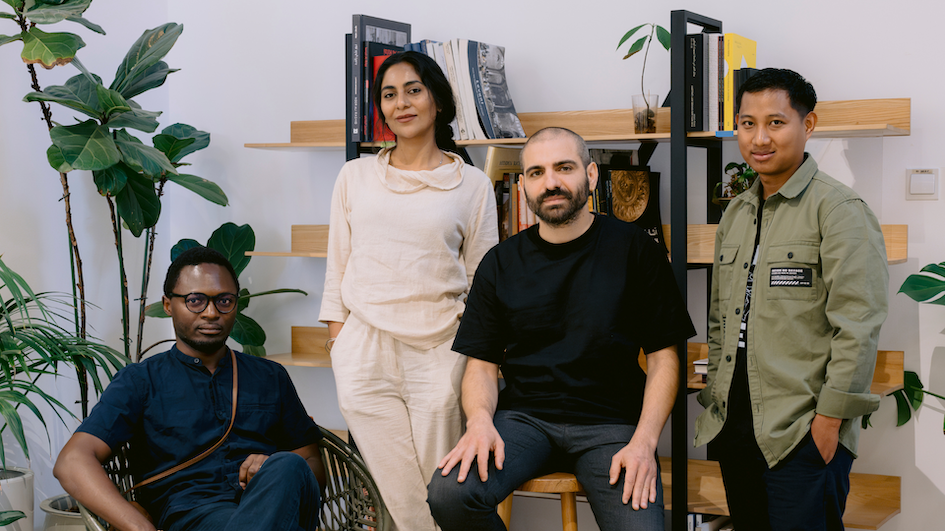
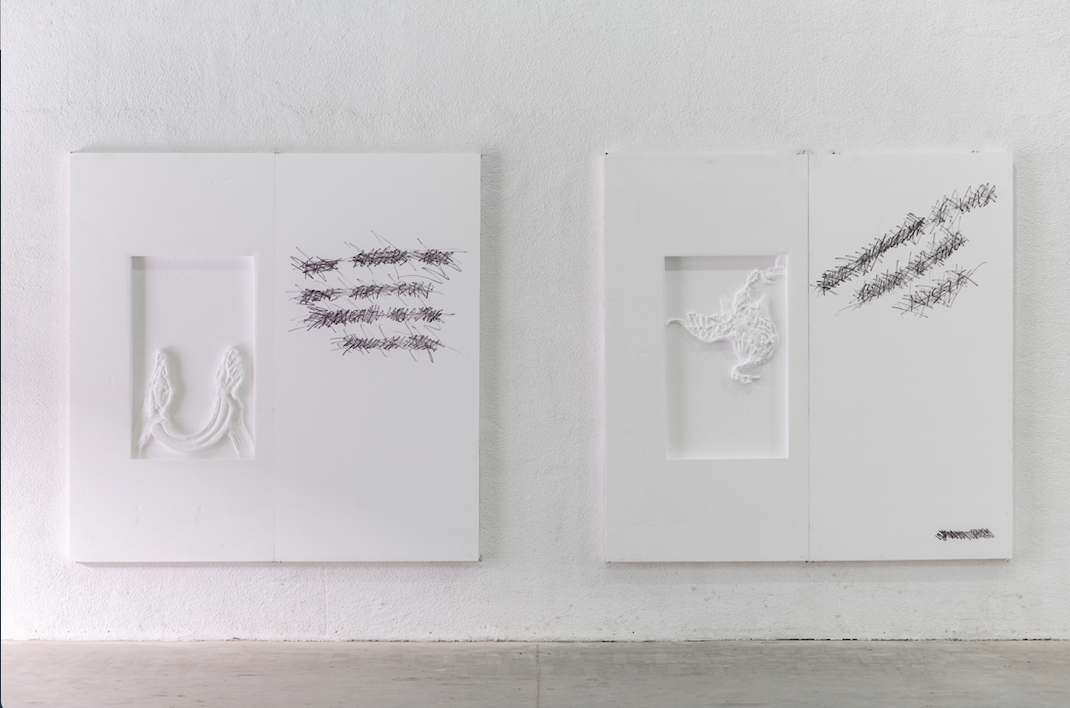
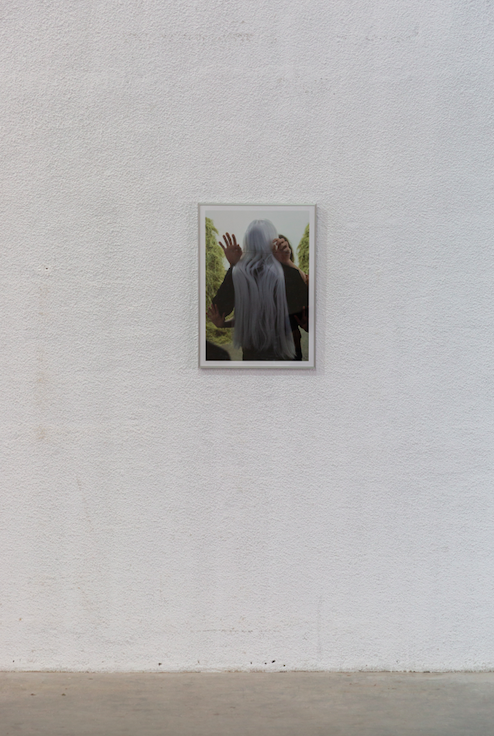
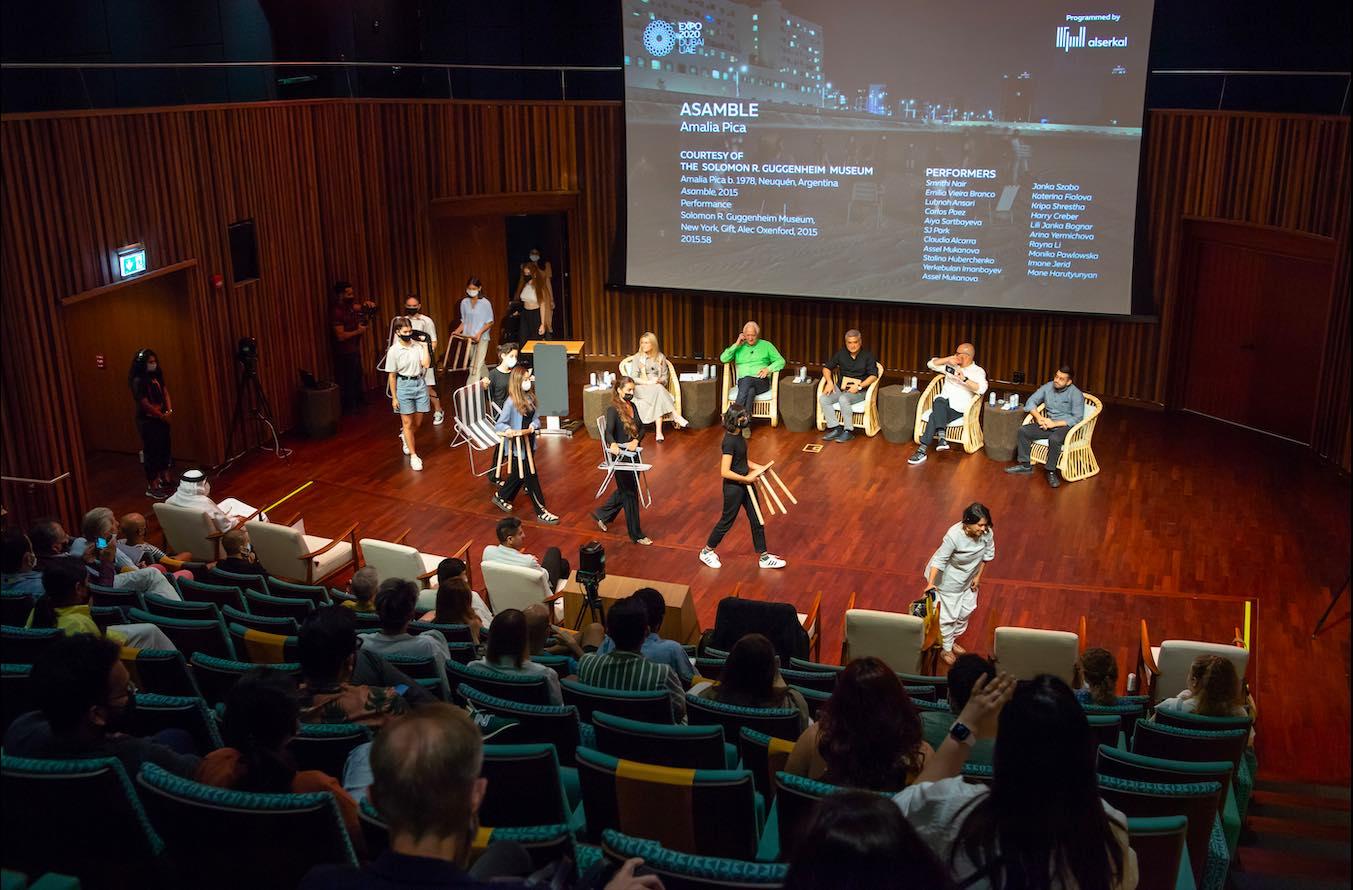
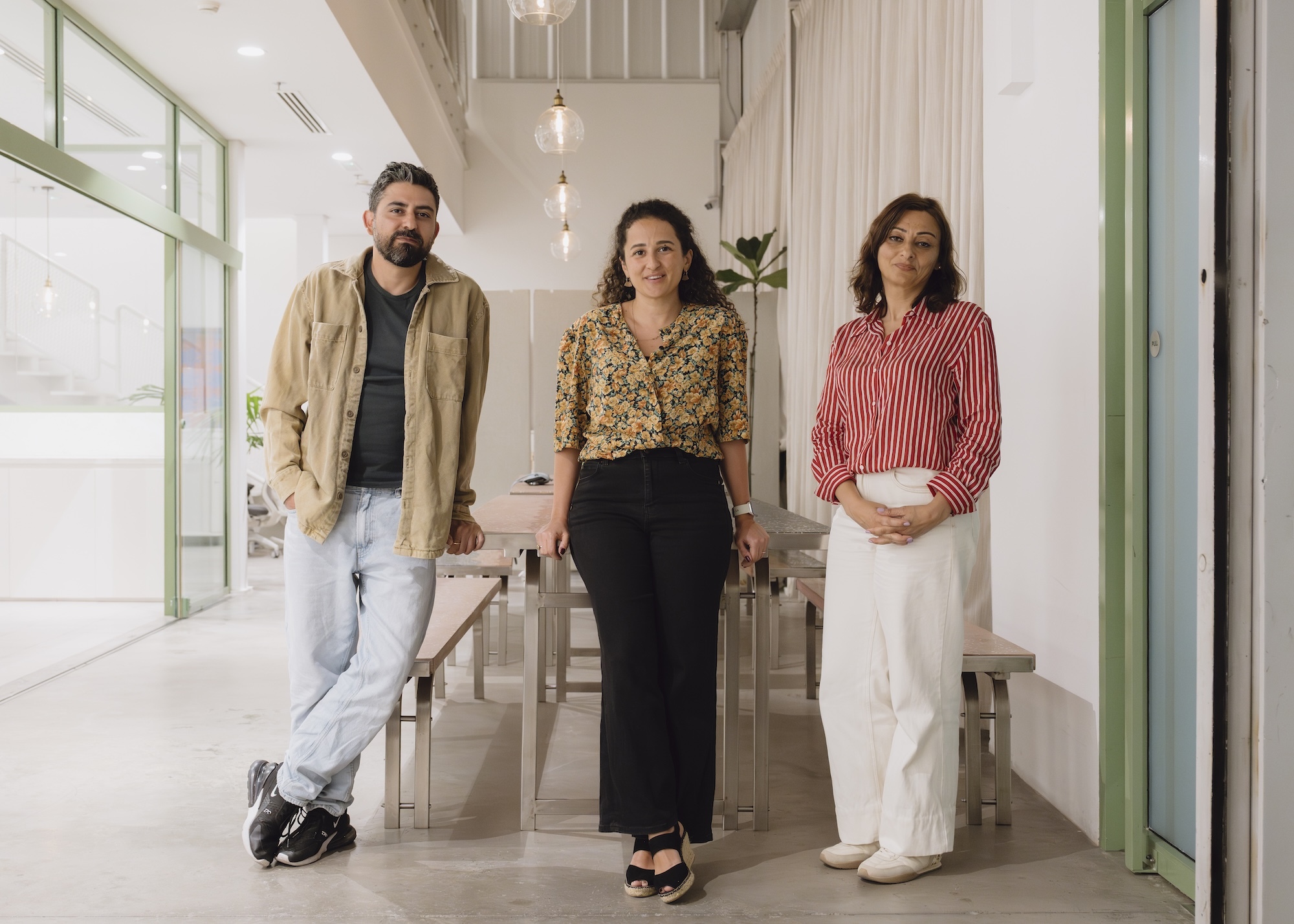
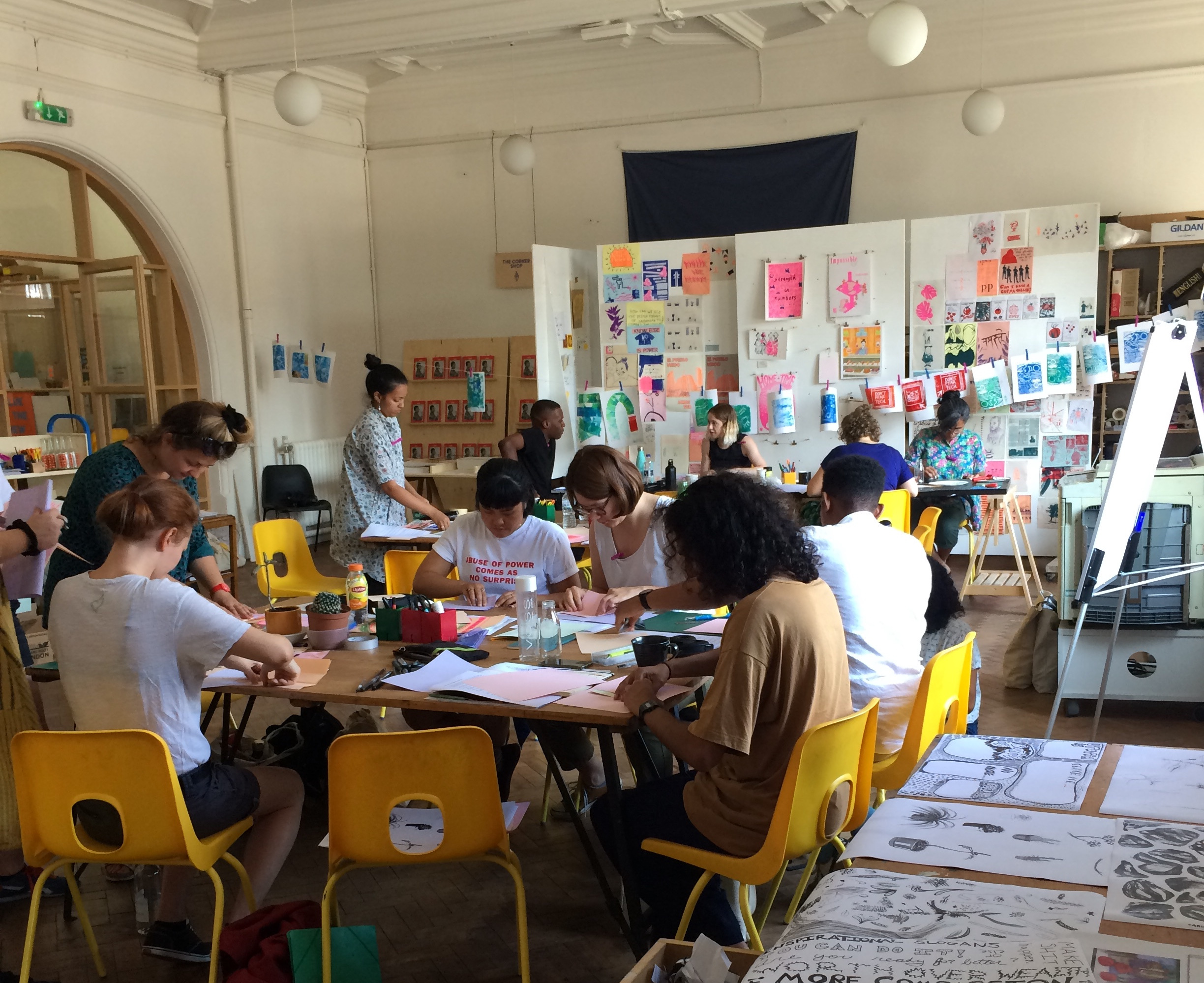
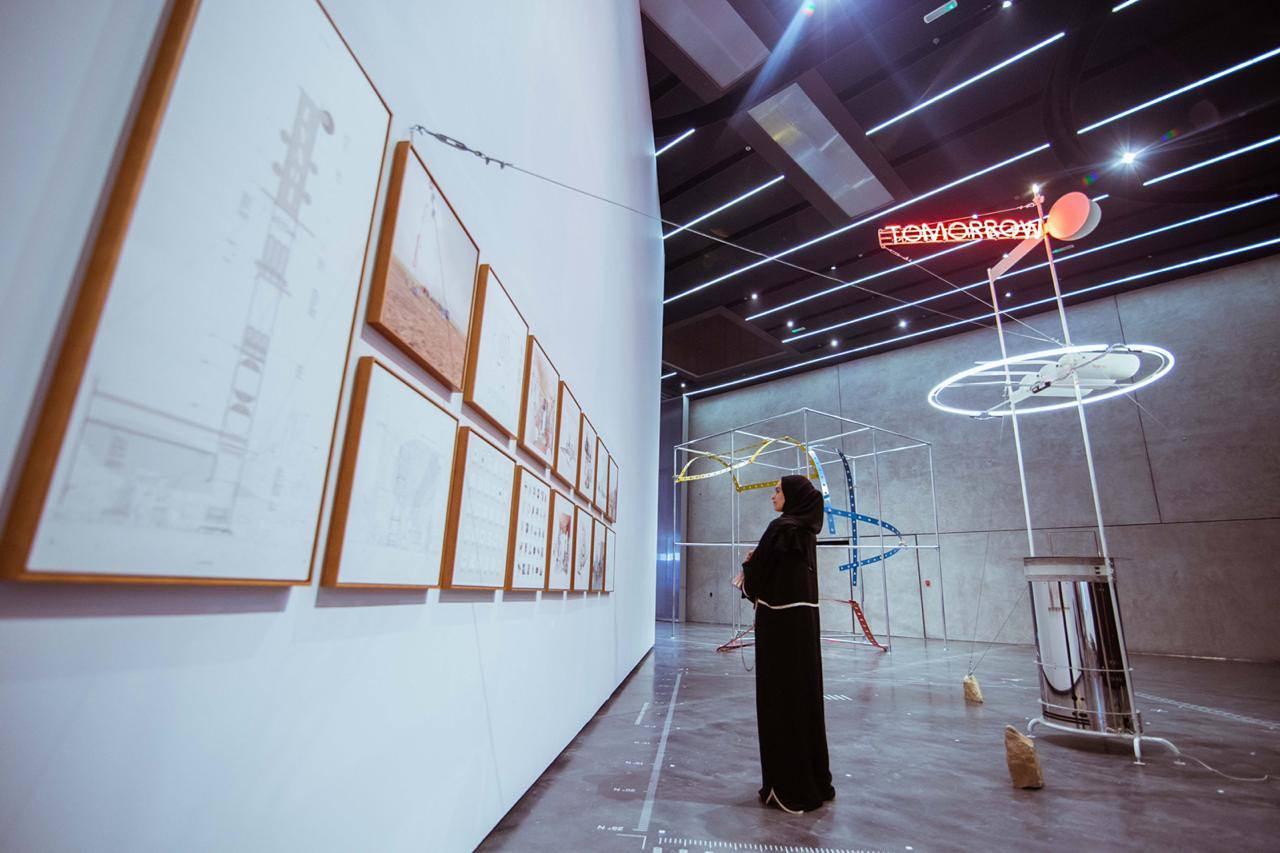
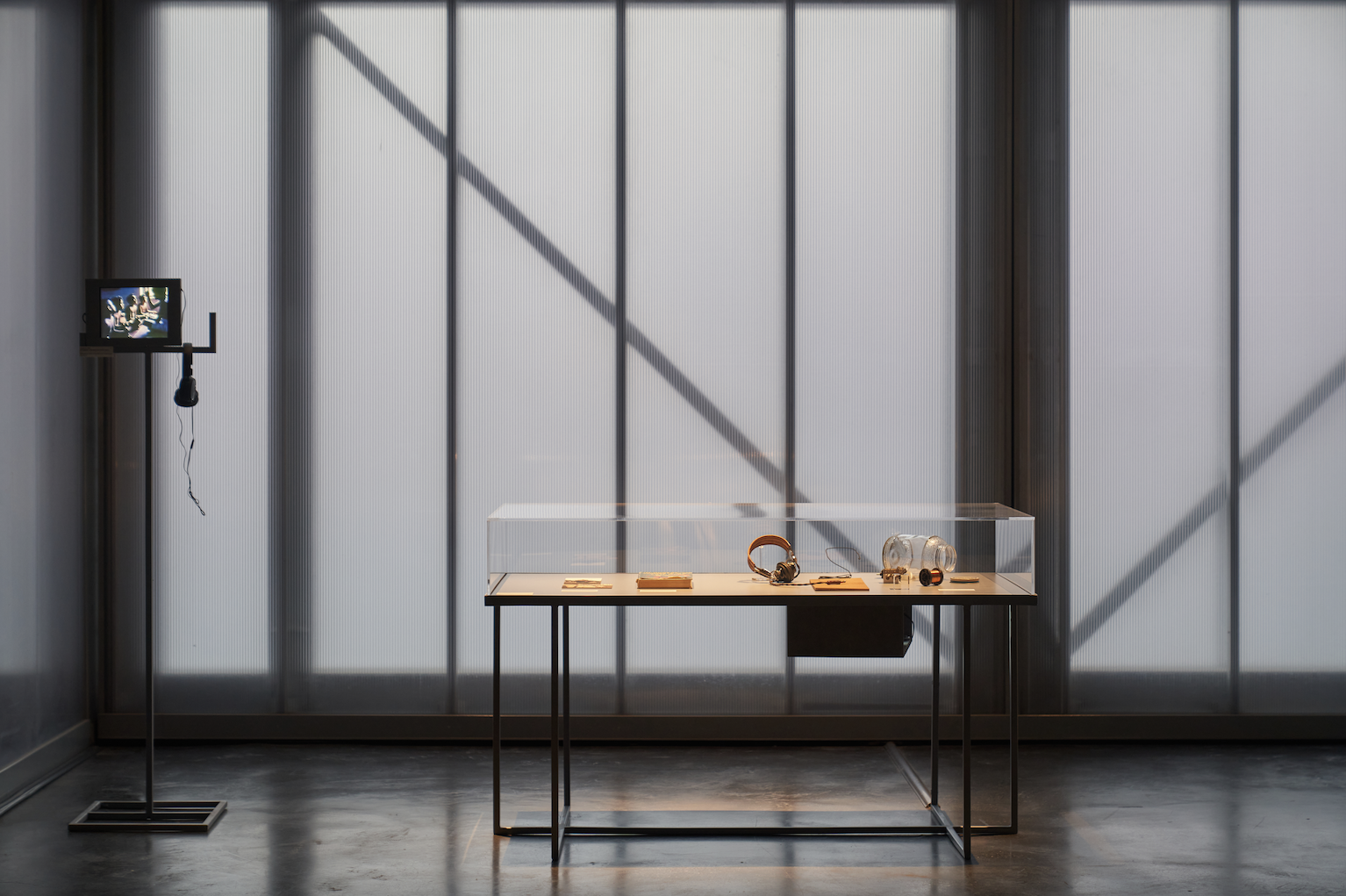
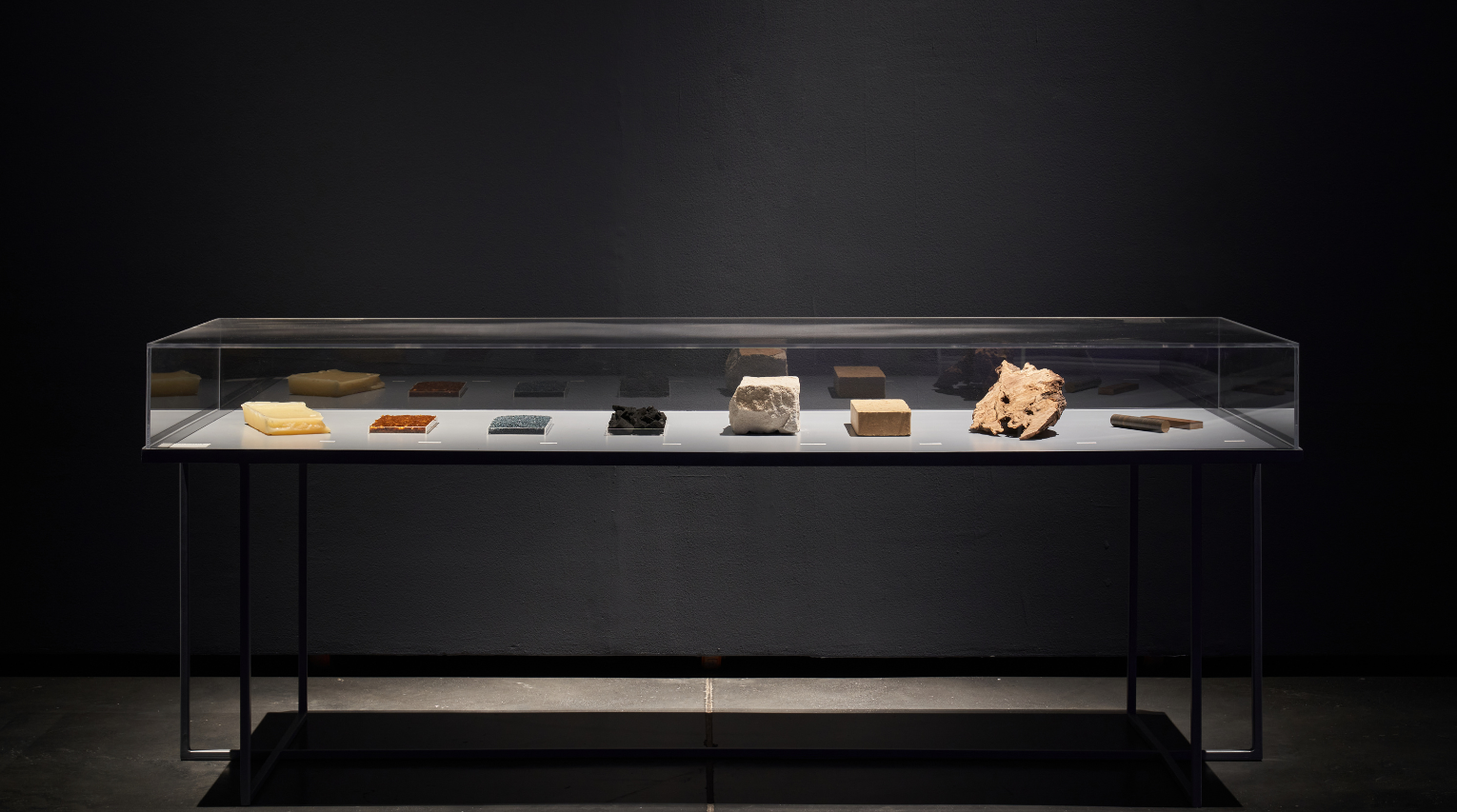
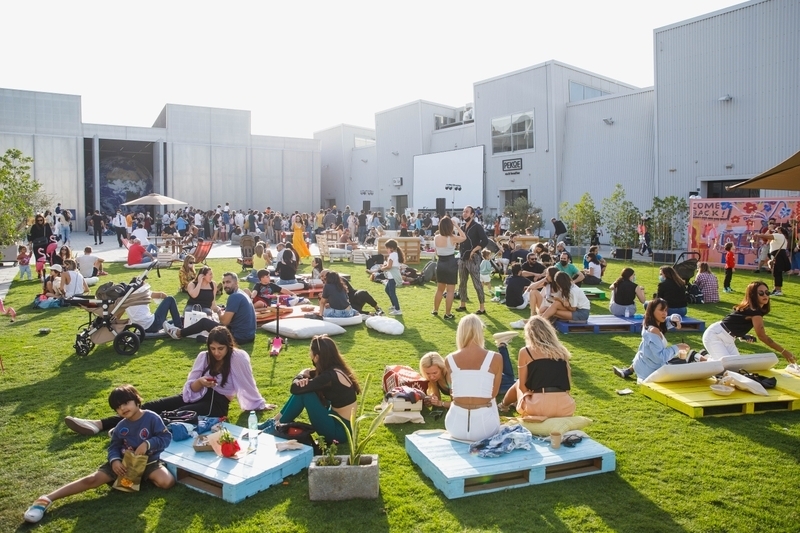
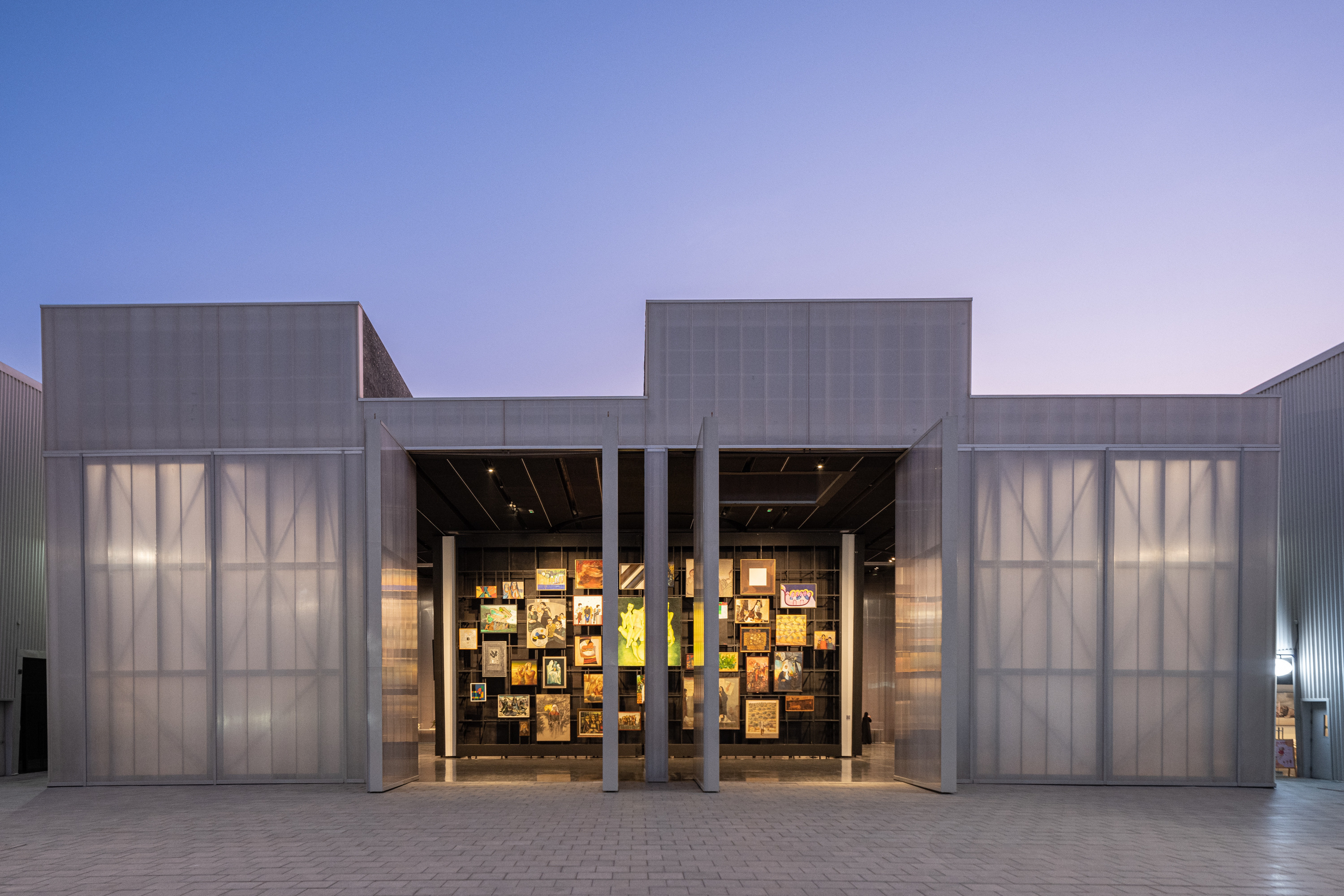
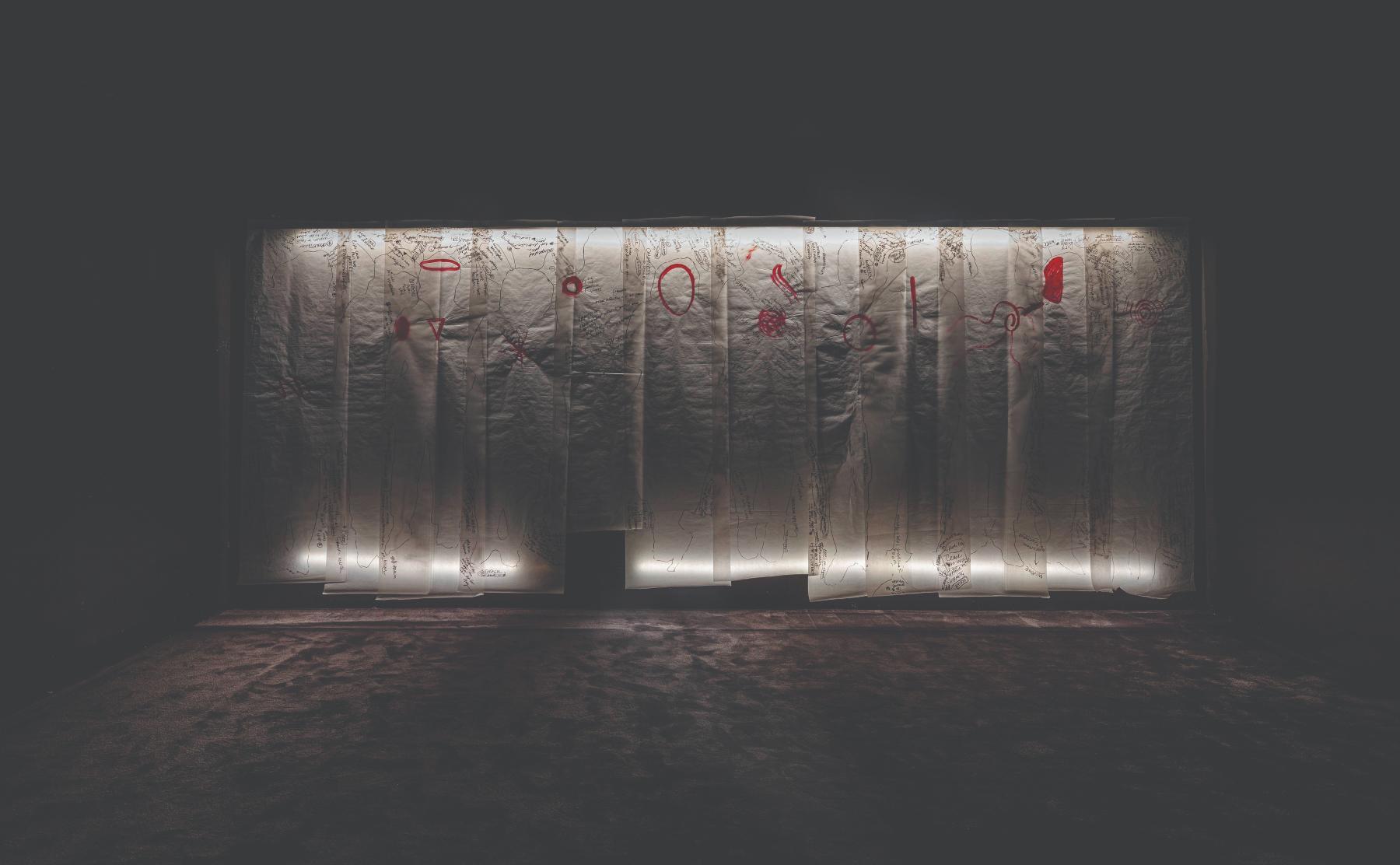
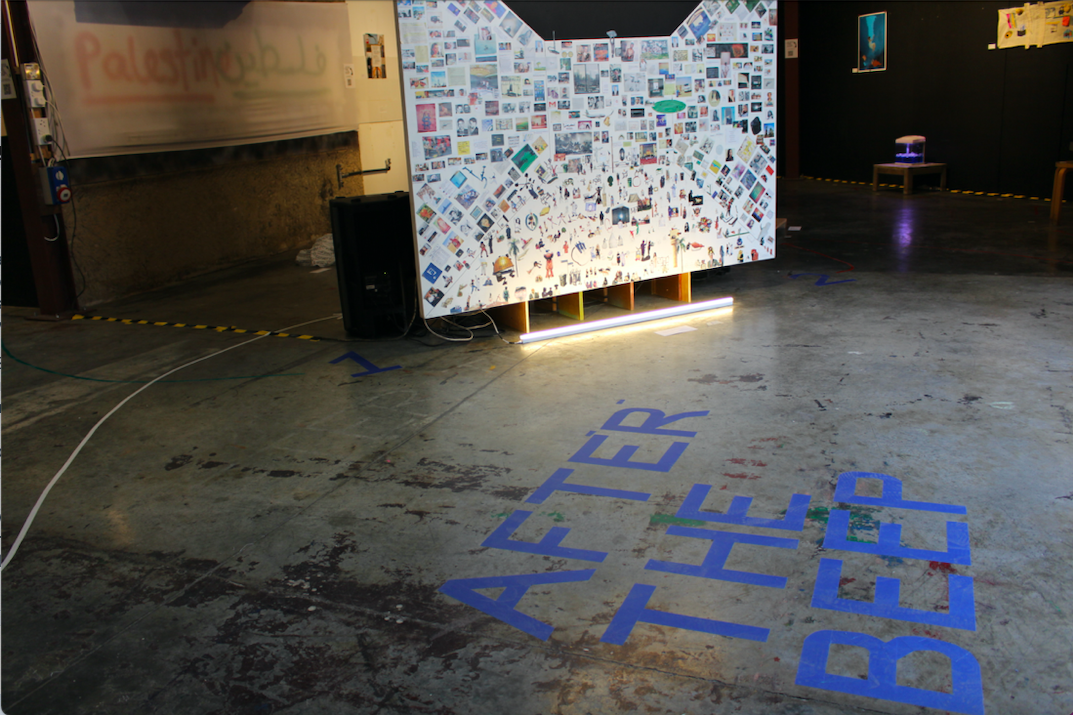
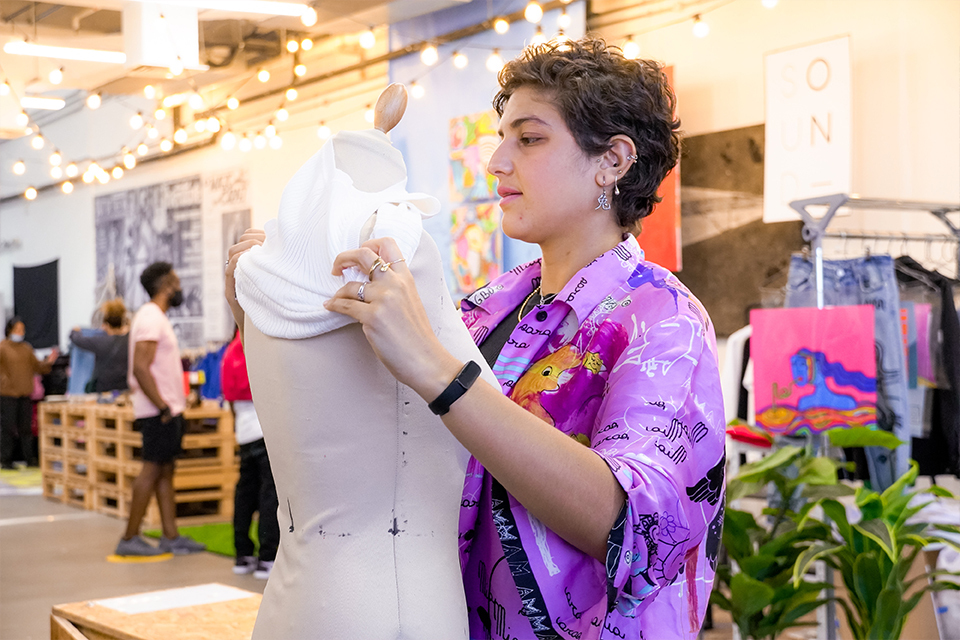
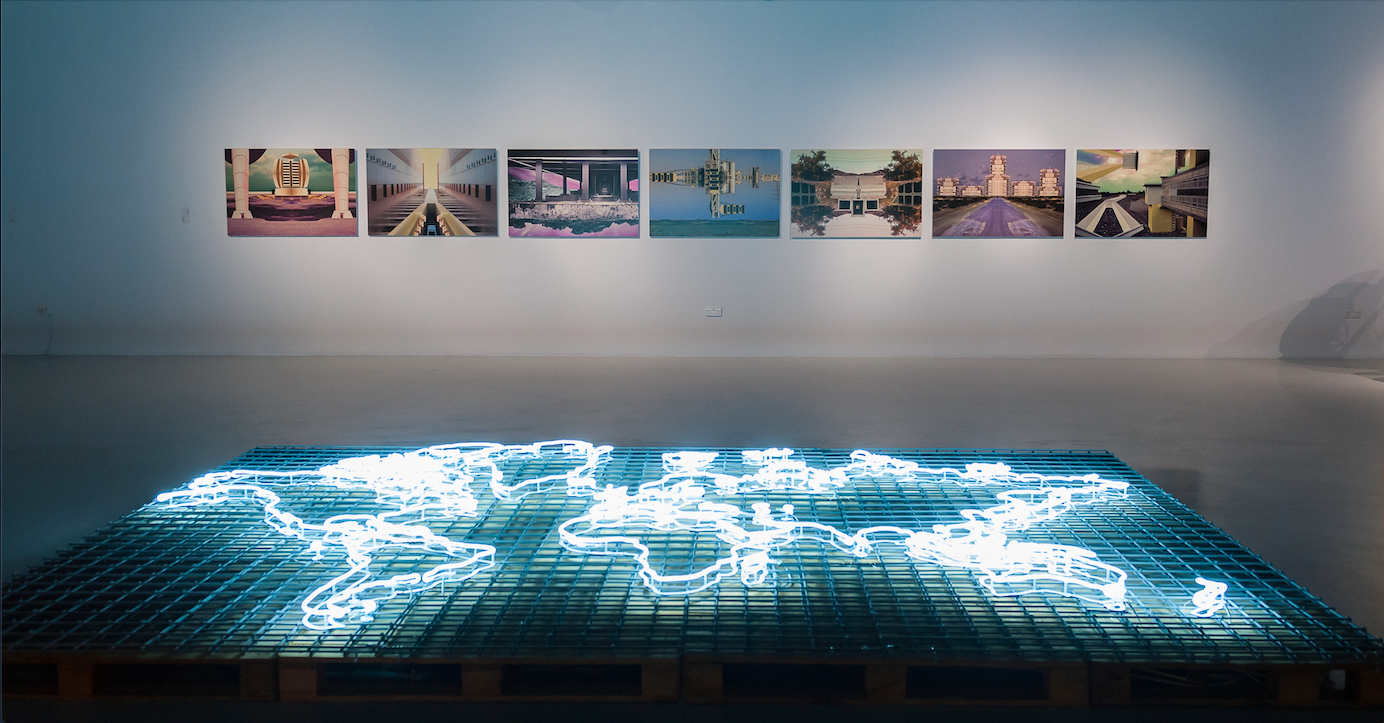
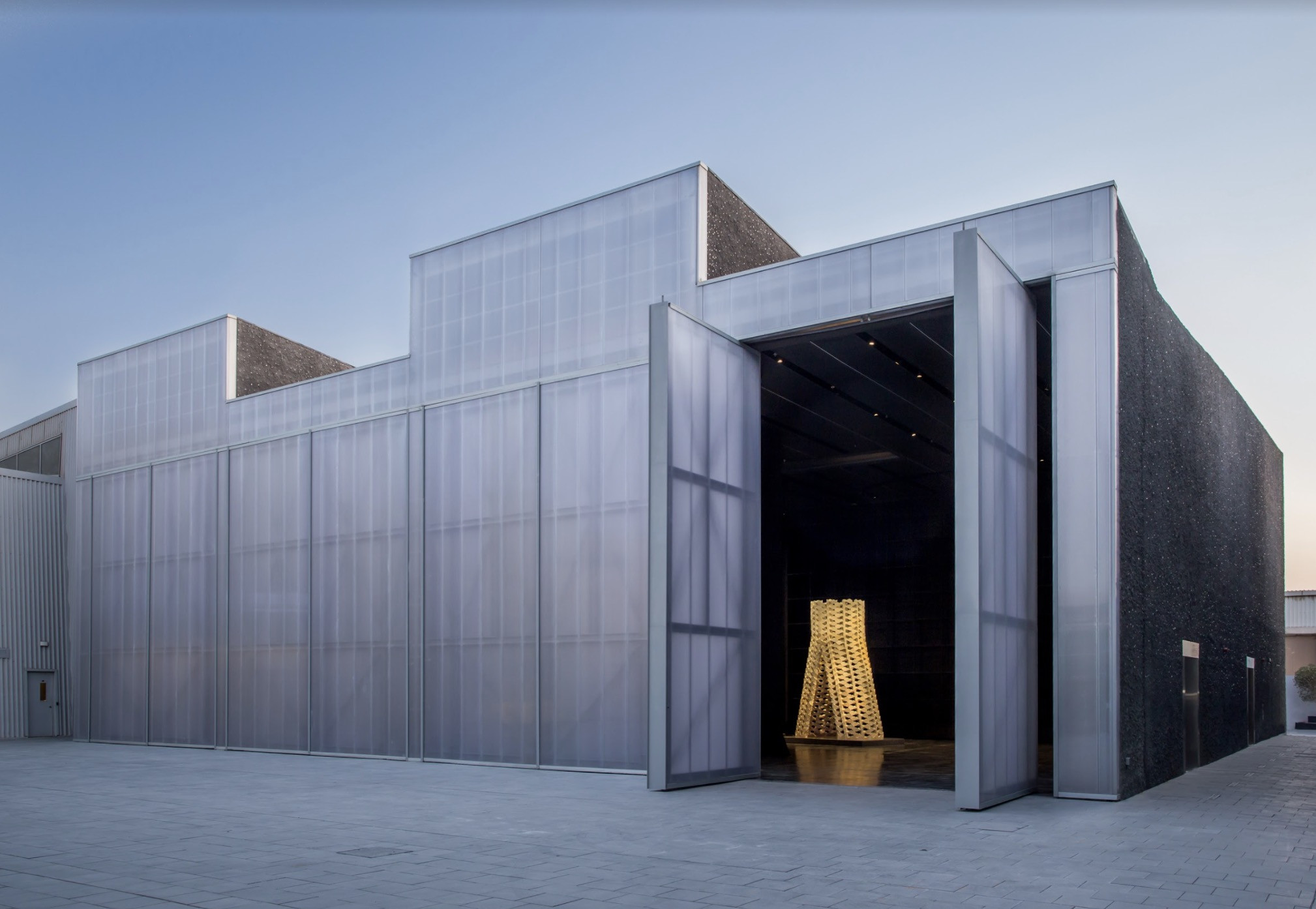
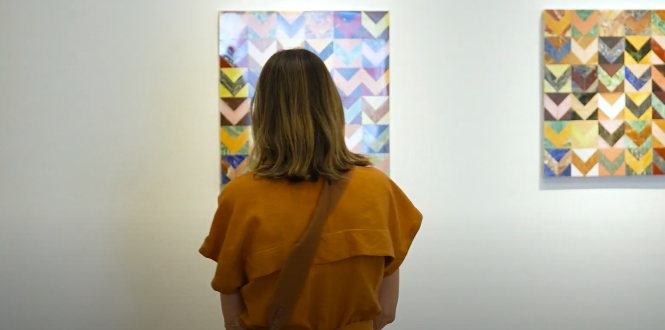
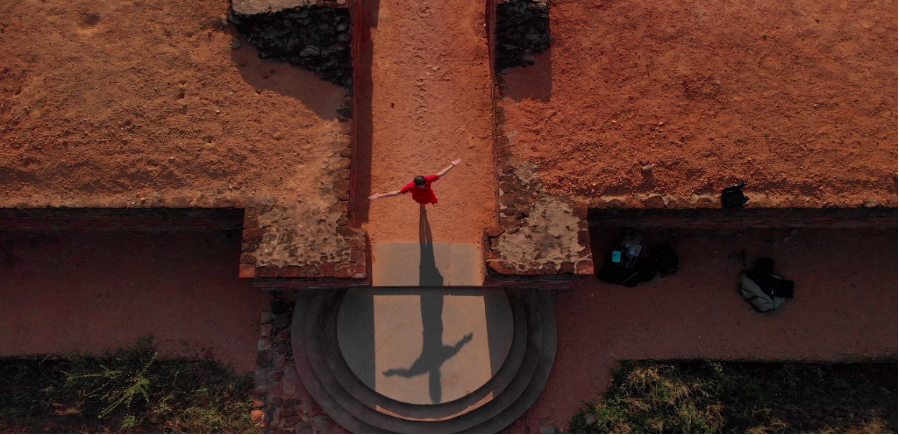
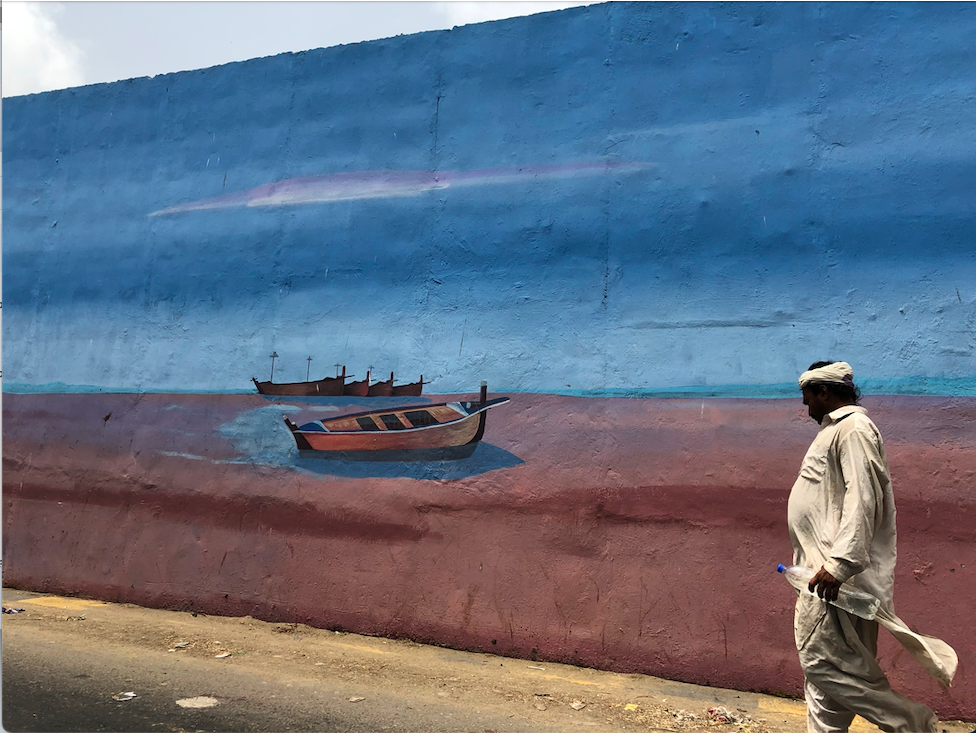
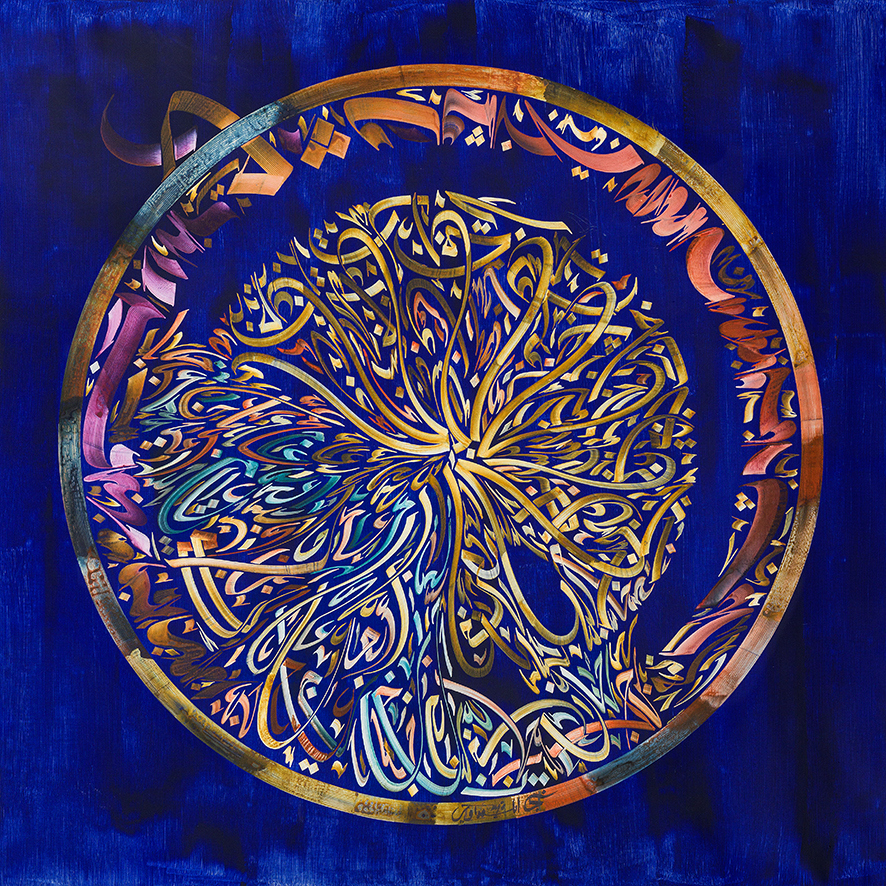
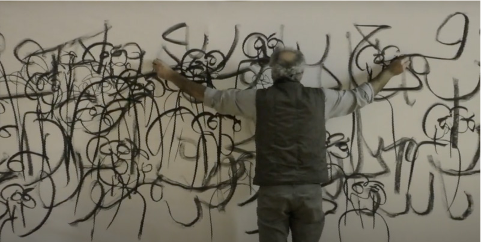
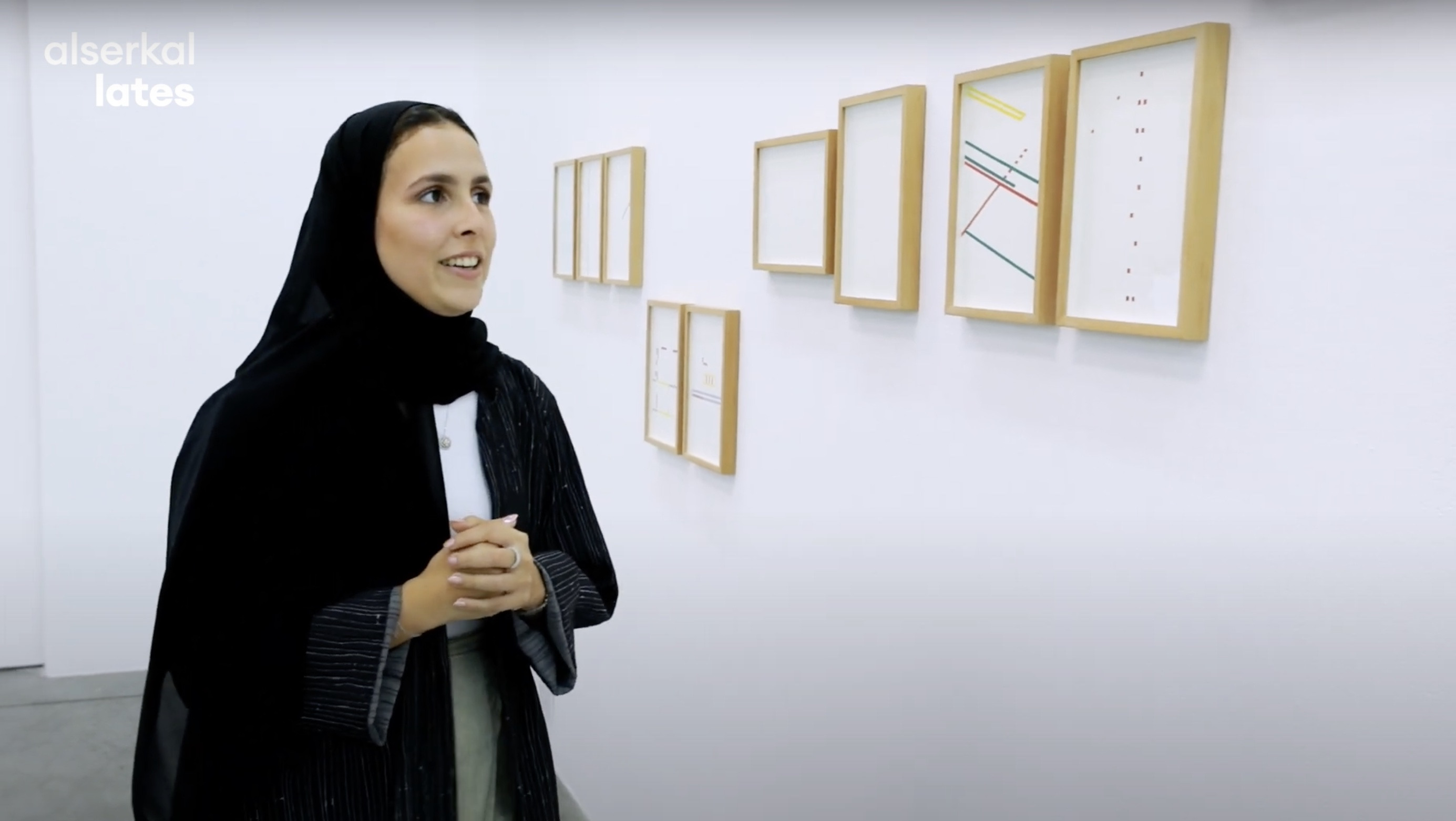
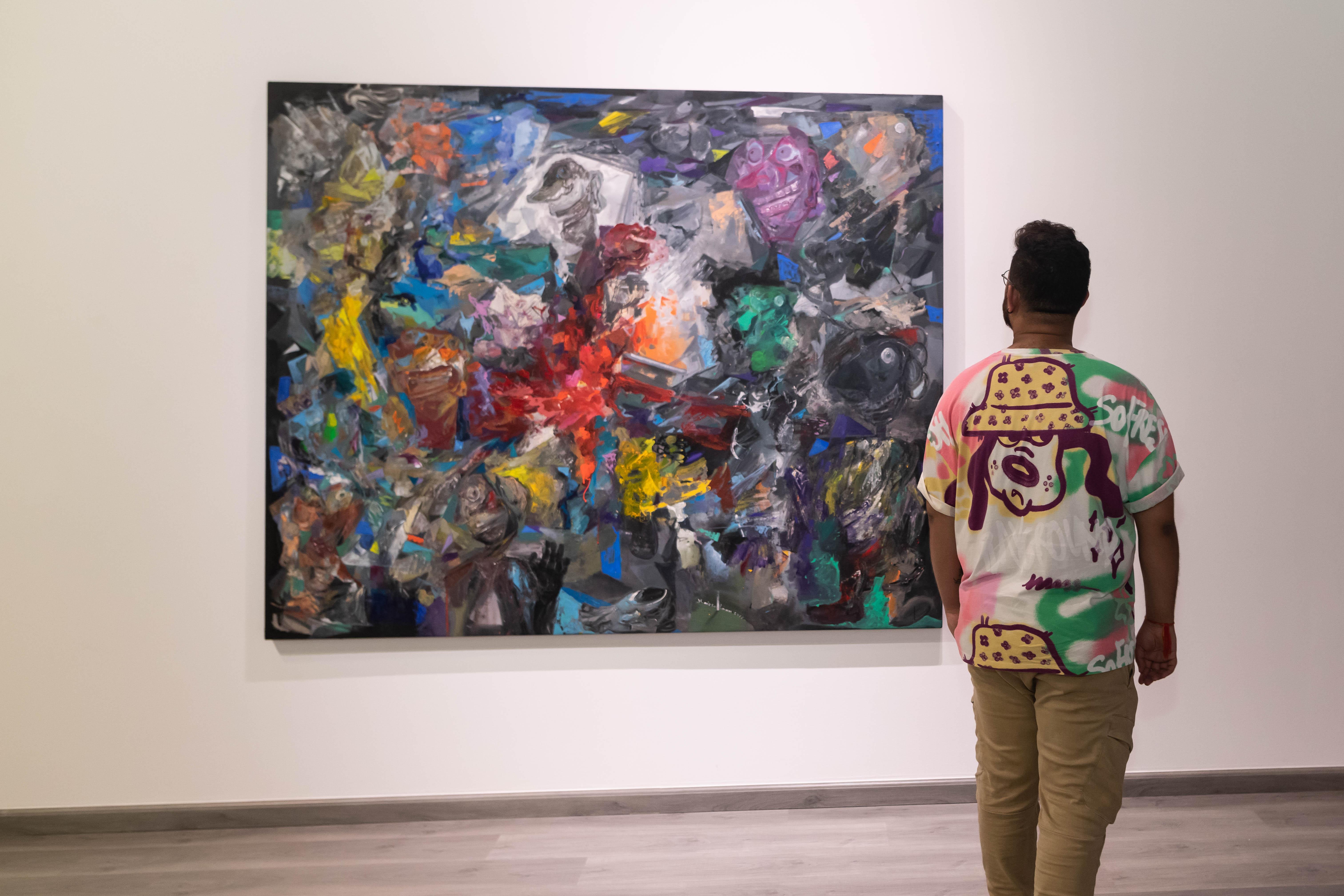
Alserkal Arts Foundation Fall 2024 residents - filmmaker Pallavi Paul, academic researcher and mixed-media artist Thlana Bazik, writer and visual artist Sinzo Aanza and sound artist Jad Saliba opened up their studios and presented their research-led projects as part of their residency from September - November 2024. From techno fossil sonic fragments inspired by the Palestinian Tarweedah and objects from across the Indian Ocean found in Deira’s souks, to visuals notes of a sleepless city and ephemeral polaroids capturing transcendental lives.
Alserkal Arts Foundation hosts two residency cycles per year. Since these began in 2017, it has hosted 34 artists and researchers from multiple disciplines. The foundation welcomes practitioners from all fields of academic or practice-led inquiry, supporting critical and intellectually curious projects that impact the regional cultural sphere.
Learn more about the residency programme here.
Public Programmes
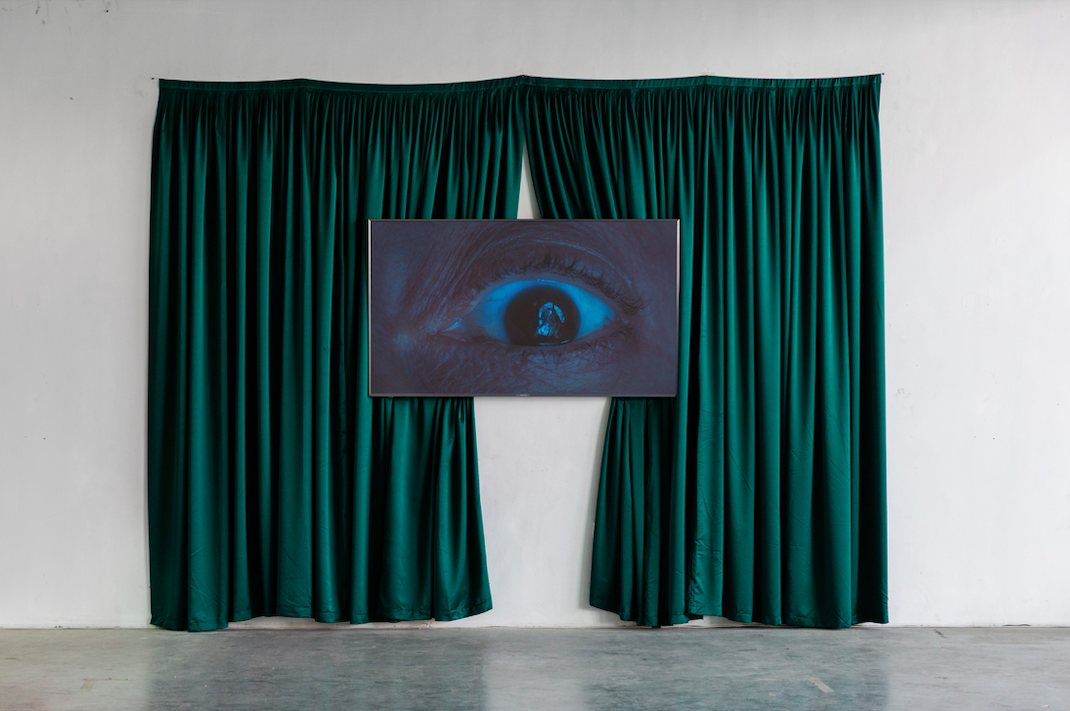
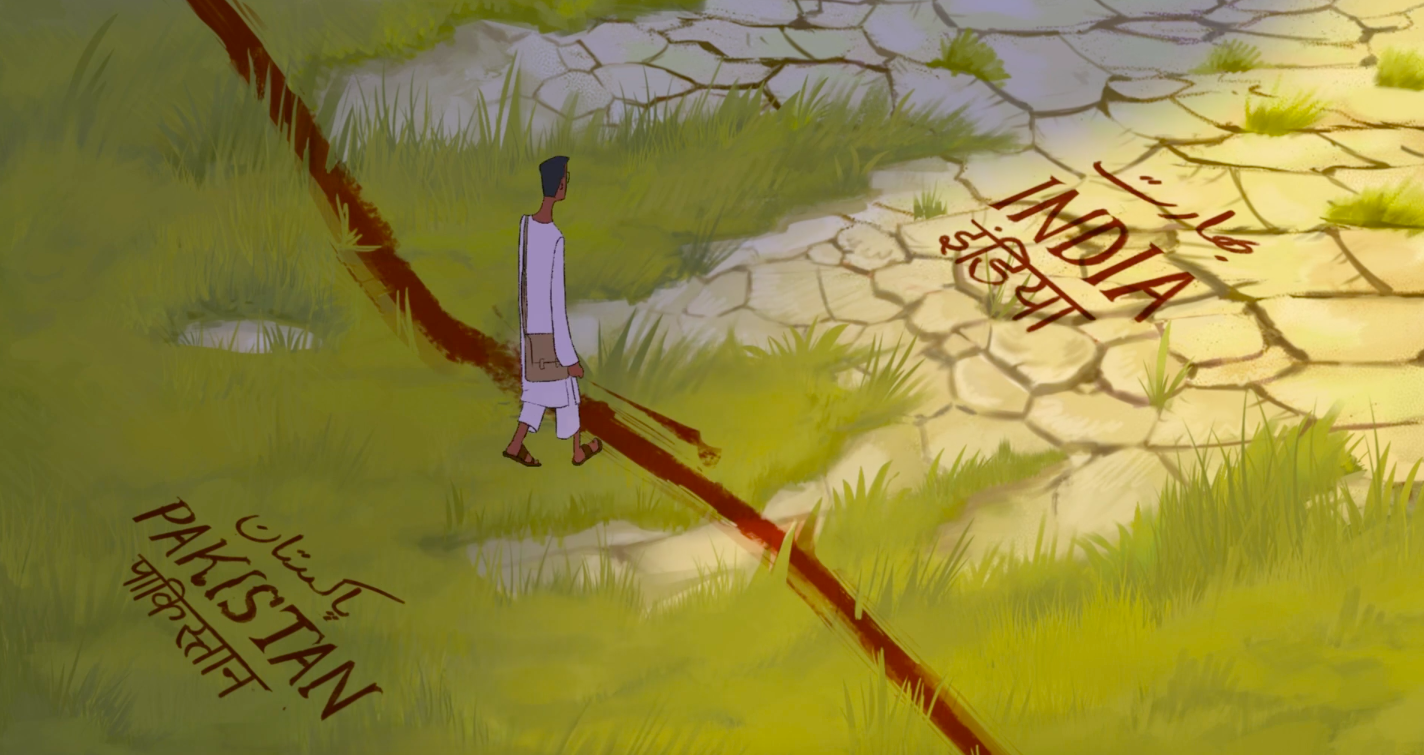
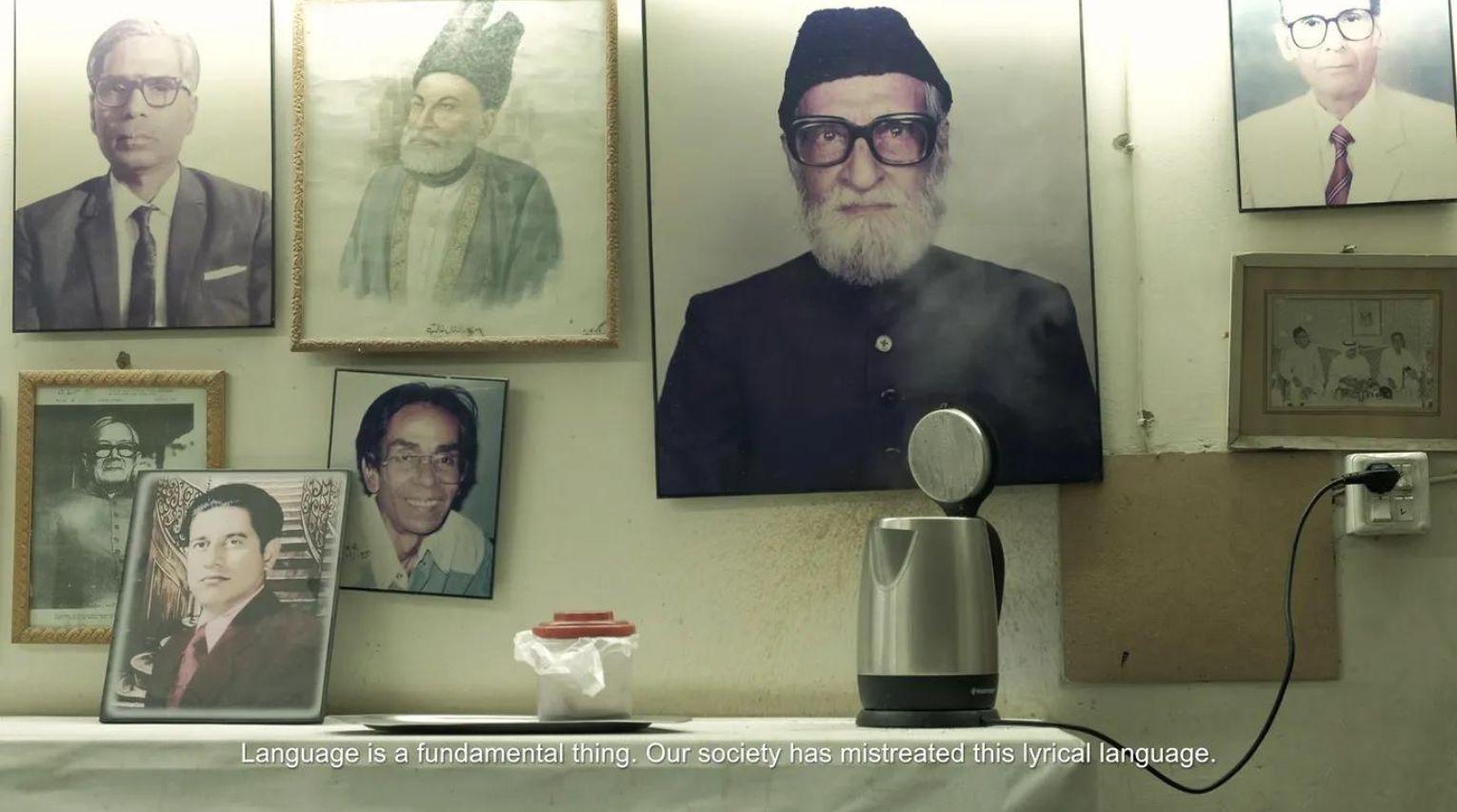
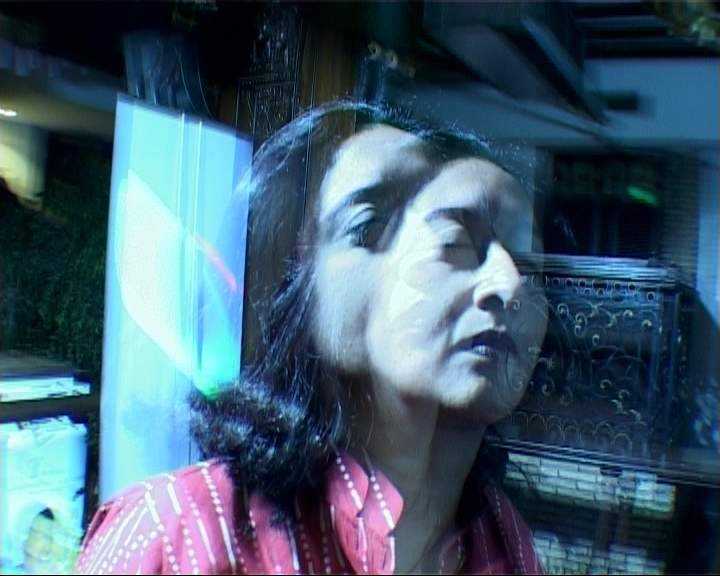
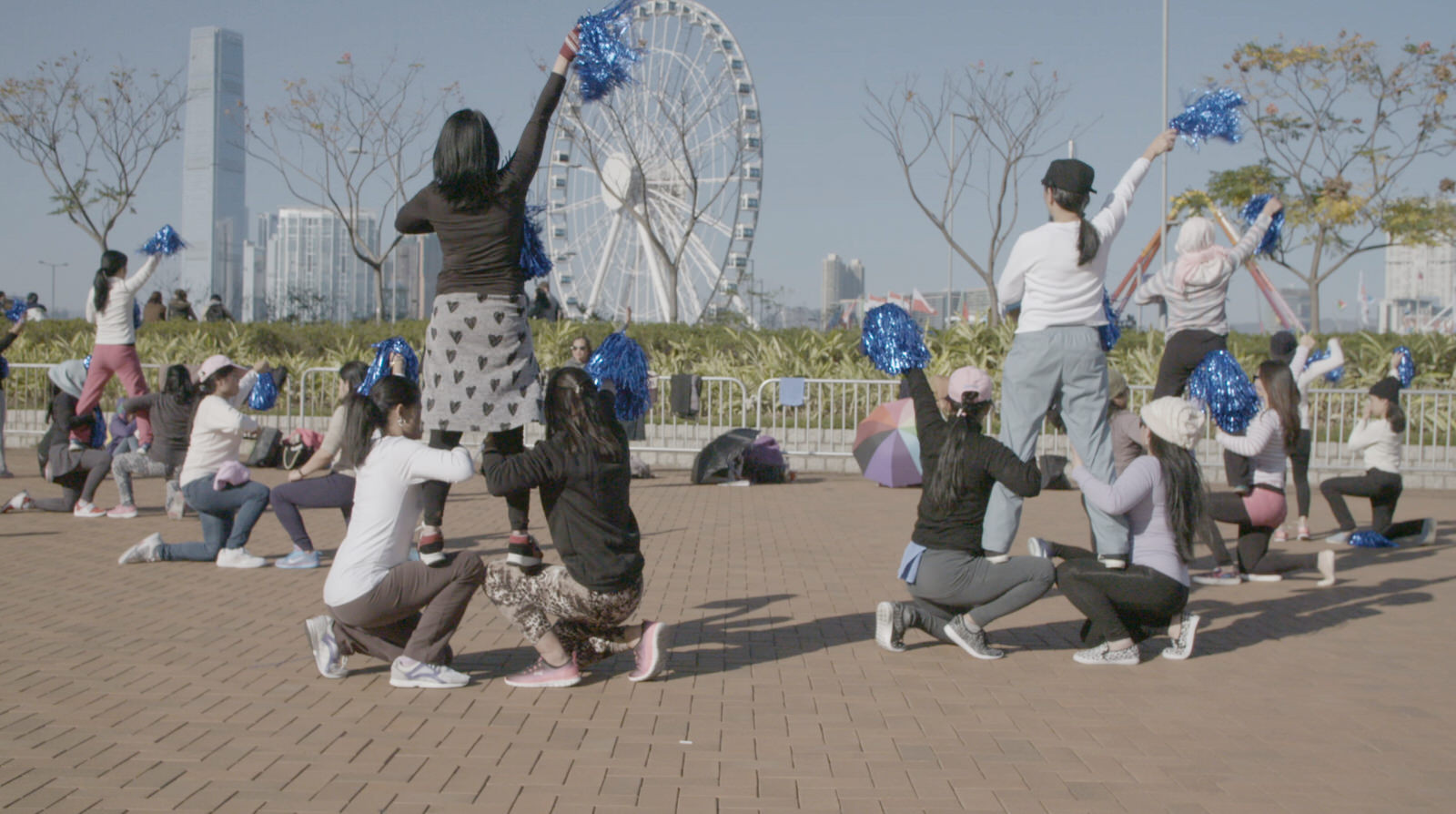
Paul screened her film ‘The Blind Rabbit’ (2020), that interrogates the brutality of a populist state. Chronicling the systemic abuse of power as it manifests in key, seemingly unrelated events from the 1970s to present day India, the film captures the resulting psychological fragmentation and trail of fear left in their wake.
From the Indian national emergency of 1975-77, to communal conflict and faith-based discrimination, the recent attacks on civil liberties don’t appear as moments that can be reported or captured fully, but as pulsing wounds. The film extends the idea of ‘blindness’ not as a loss of capacity, but a ploy and a counterforce to the hubris of state histories and power.
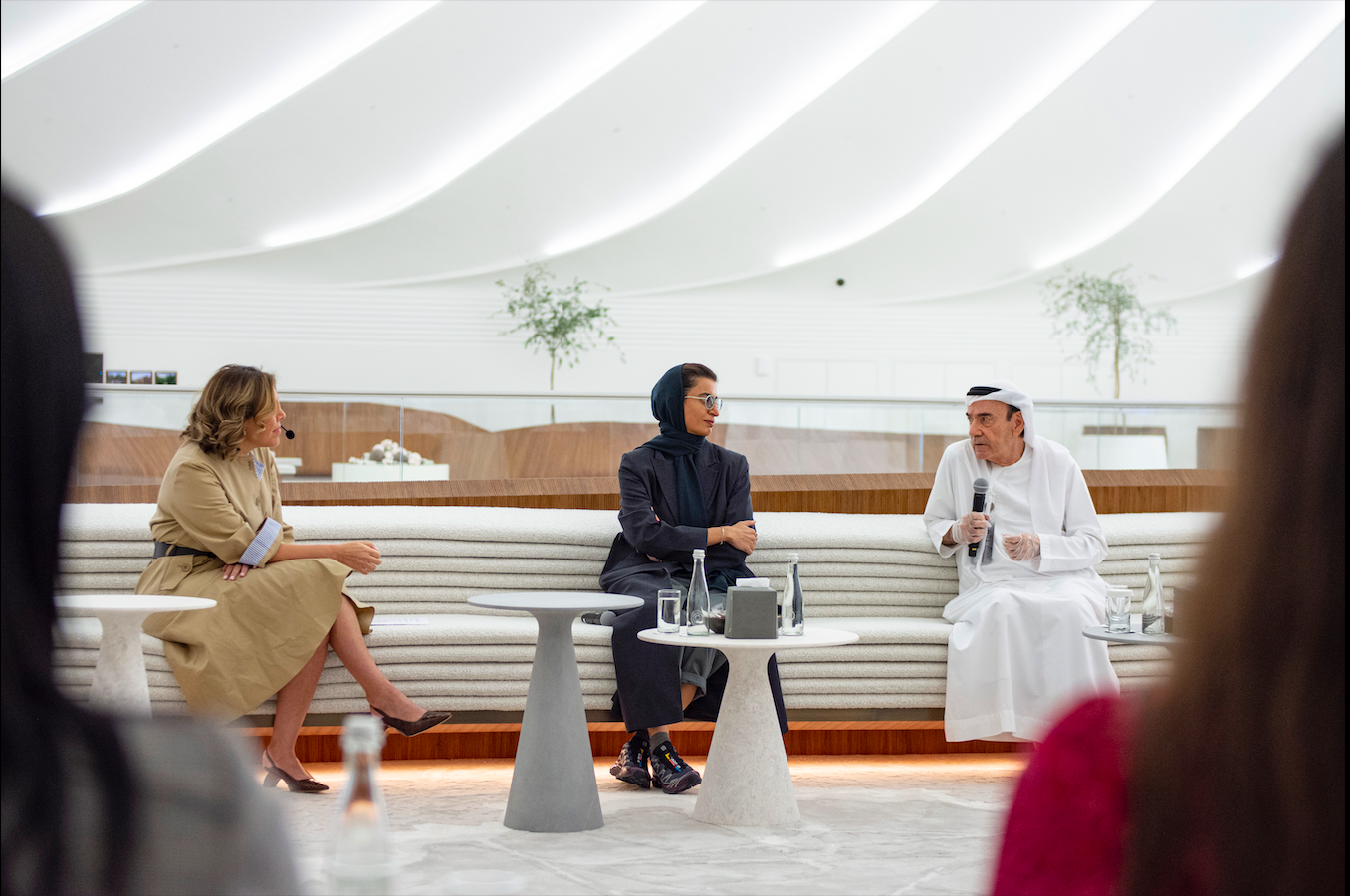
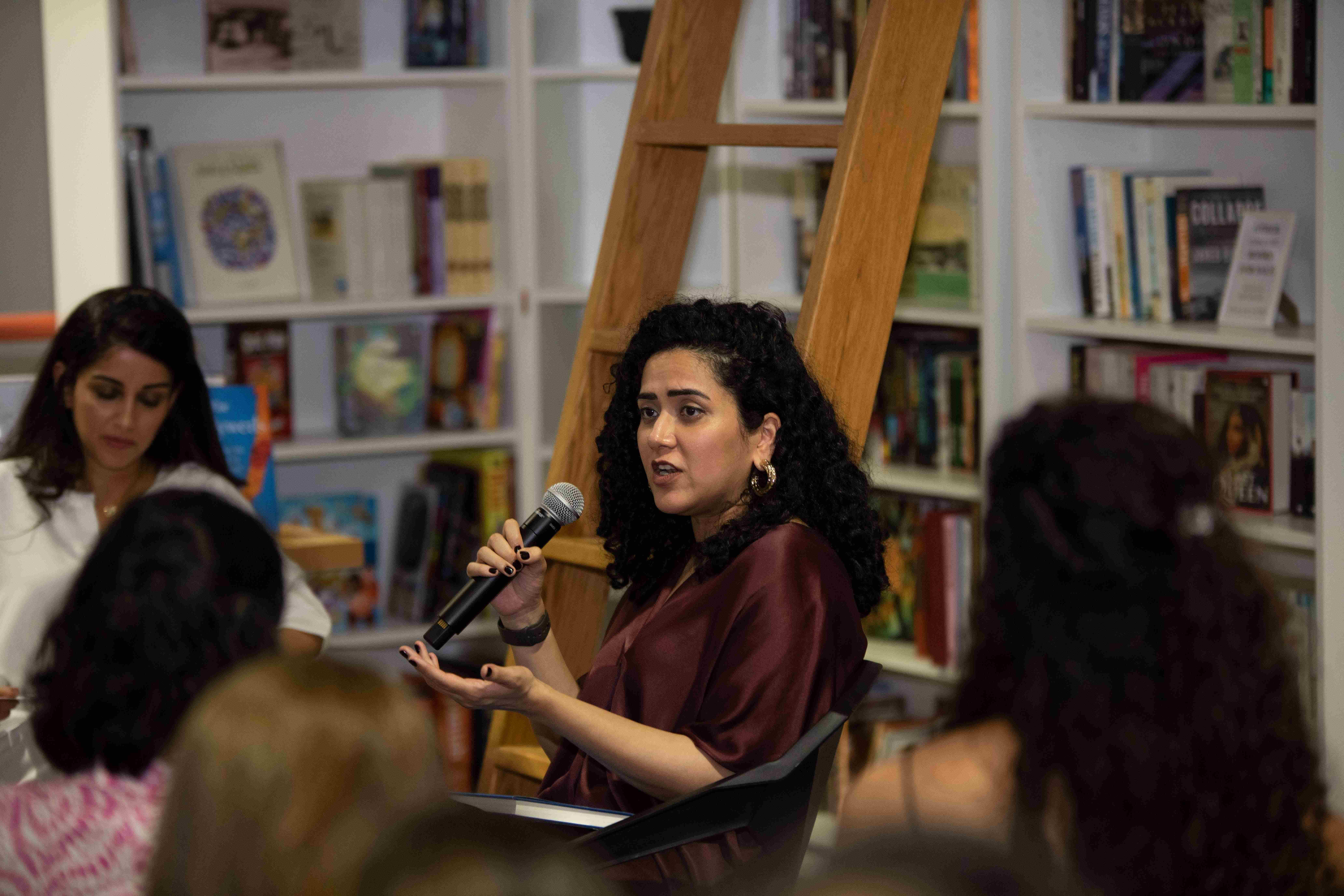
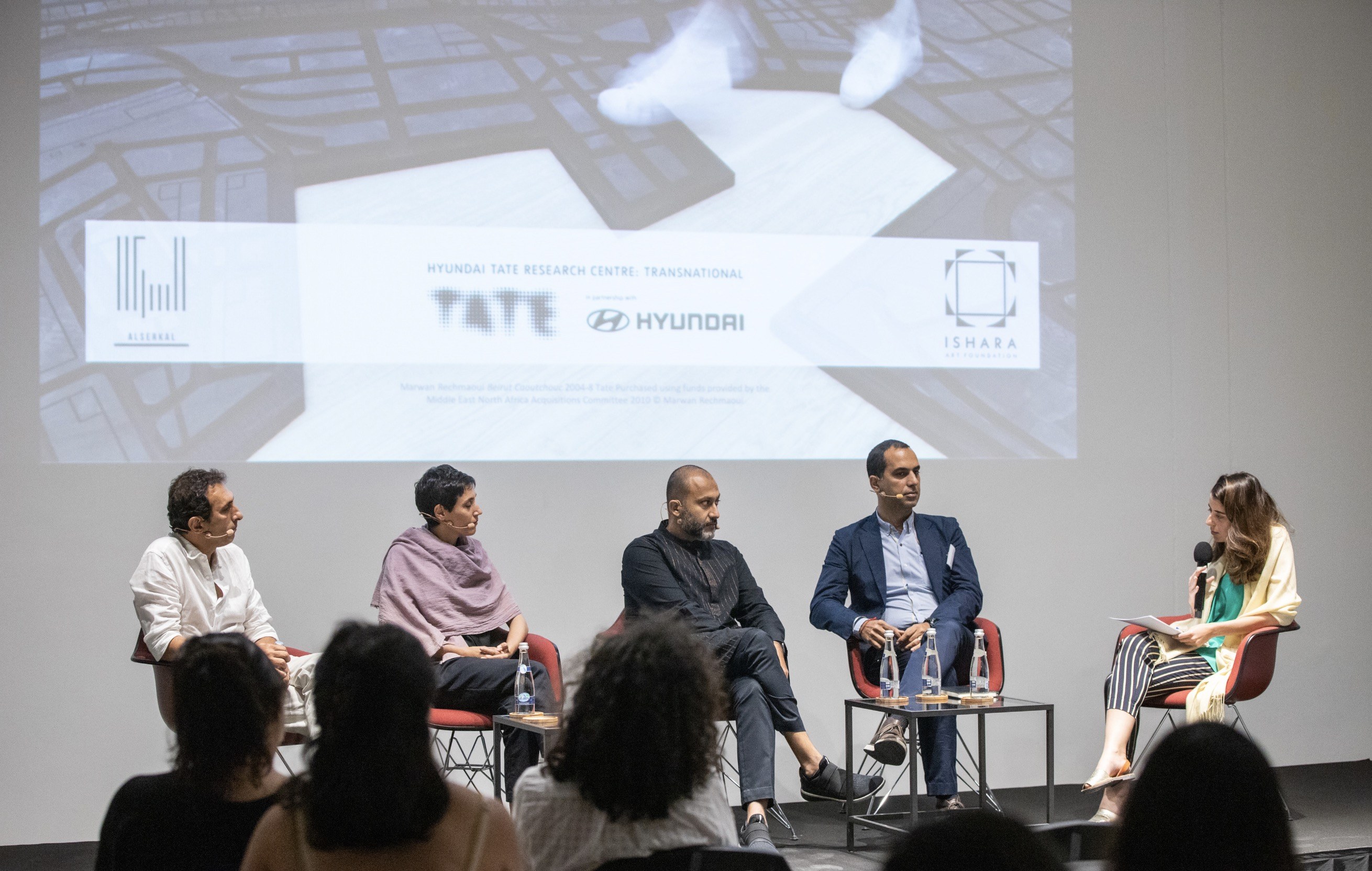
The film screening was followed by a conversation between Pallavi Paul and Carolin Köchling, who spoke about The Blind Rabbit within the context of Paul’s wider practice. They touched upon the artist’s research focus for her residency at Alserkal Arts Foundation around the rituals of mourning in the Gulf, building on her recent projects around death as the porous, shifting and sometimes even generative gap between the living and the departed.
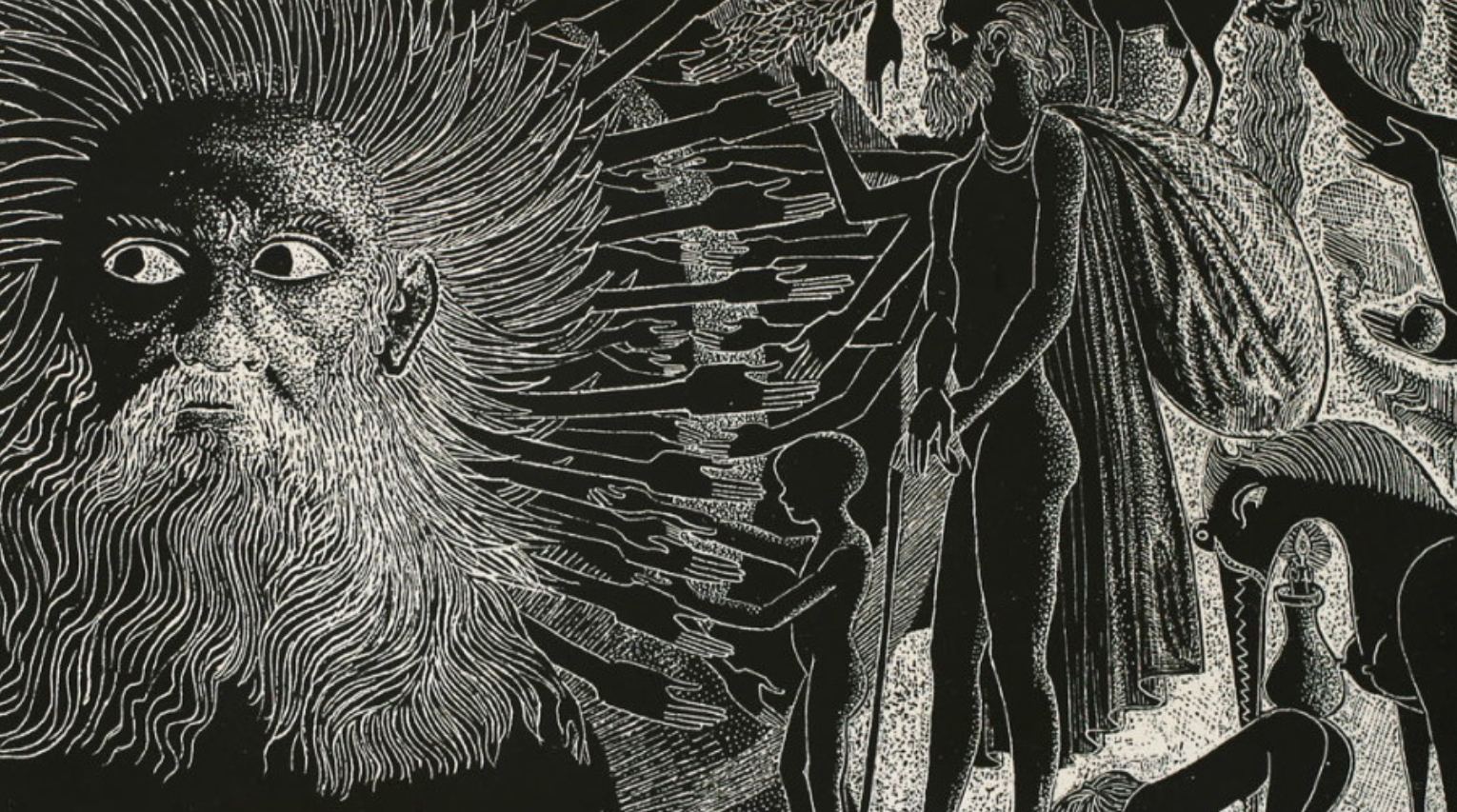
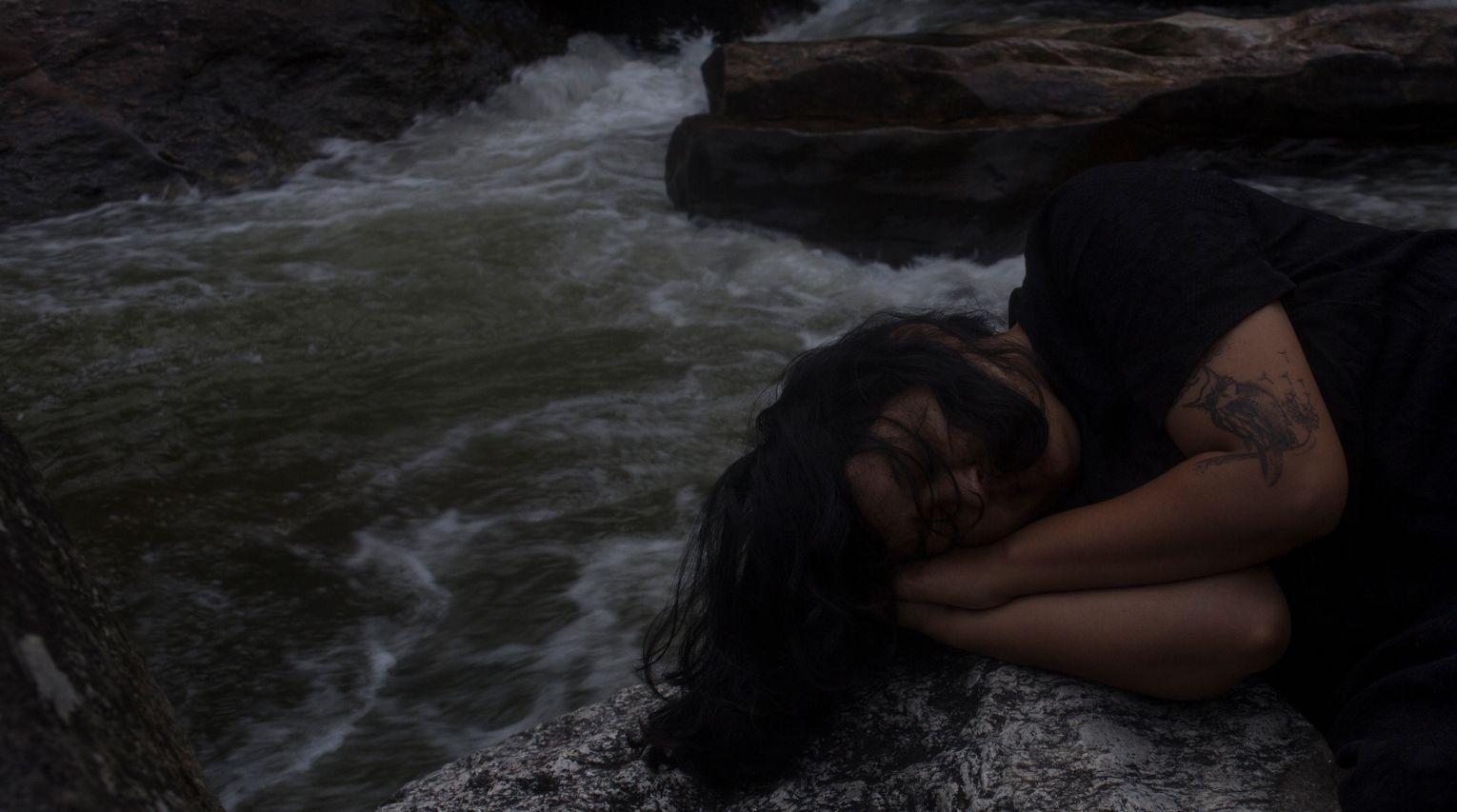
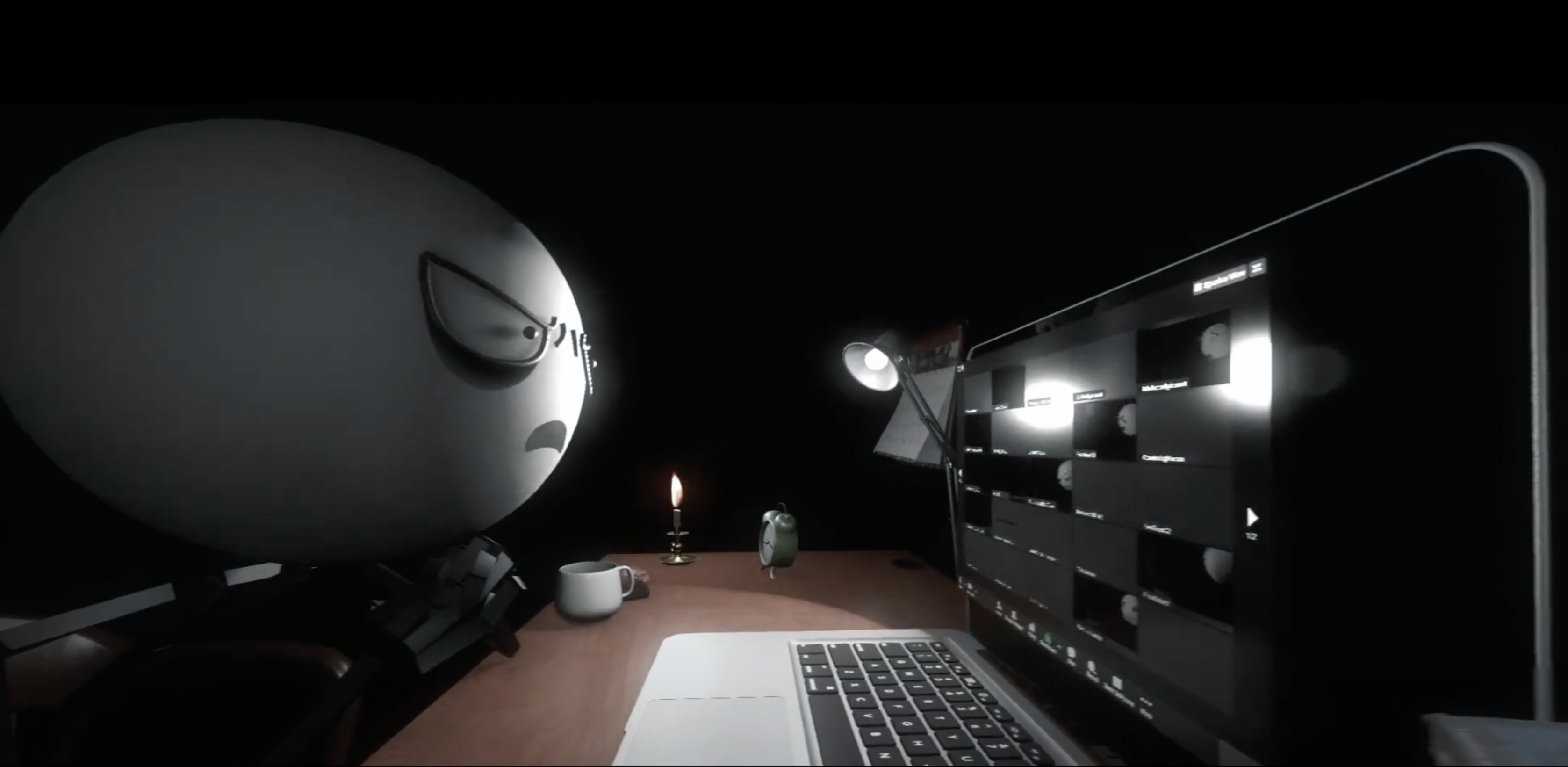
Bazik drew from his ongoing research on sleep paralysis to navigate the liminal terrain where rest becomes an elusive state. In this realm of ambiguity and disorientation, sleep offers no escape as the night-mare takes hold.
Through a close reading of the text "Night-Mare" (Macnish, 1830), along with auditory prompts and open discussion, the session confronted the forces that inhabit this in-between space, provoking a deeper inquiry into what prevents true rest, even in our moments of slumber.
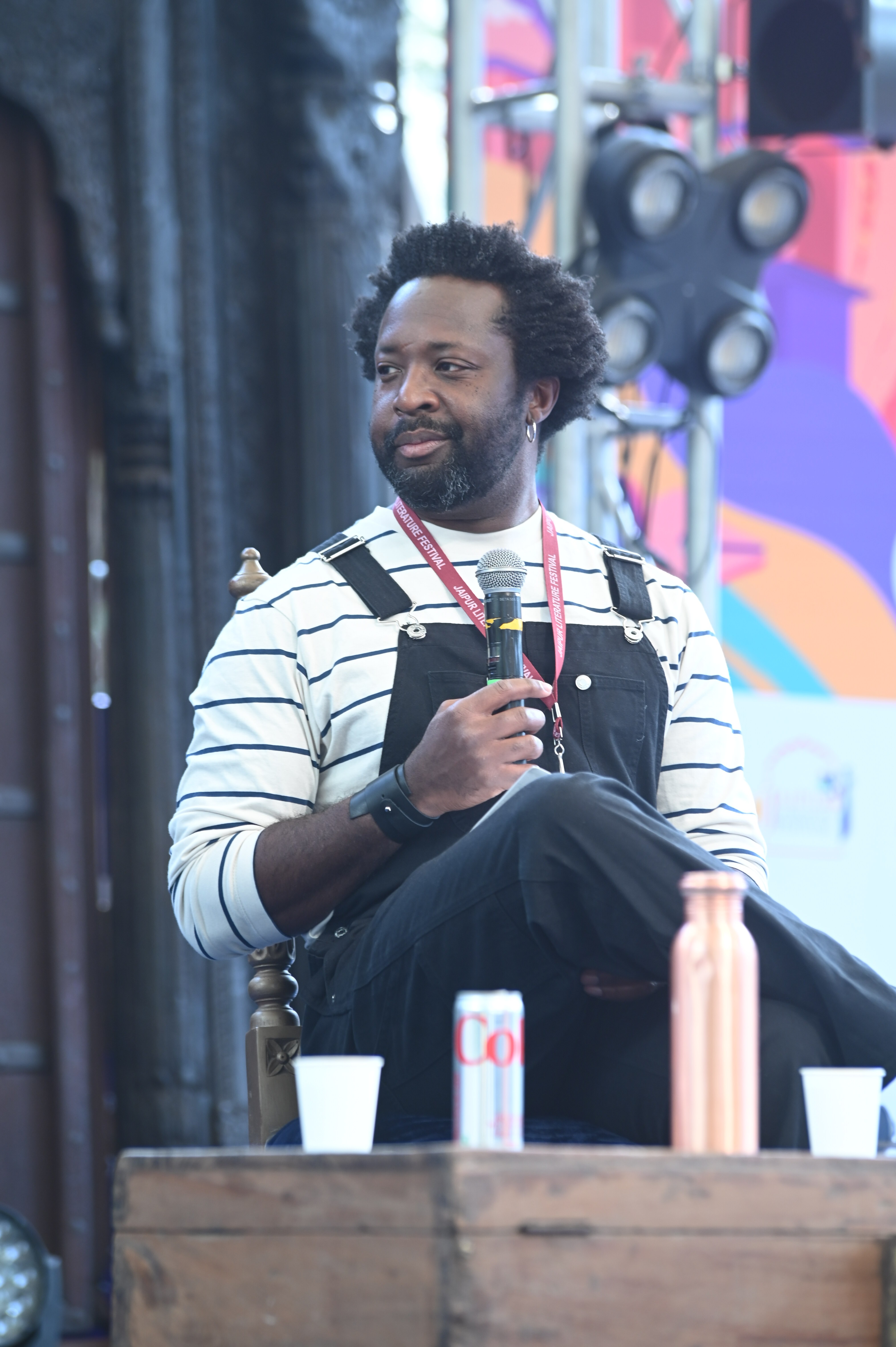
This intervention, between poetic performance, photography and discussion, explored a pivotal, although little discussed, aspect of the history of African art: the merchant's story, his projections and what he ends up building in space. It explored, from the history of colonial acquisitions of Congolese art pieces in what then becomes an African art market, the development of stories, knowledge and know-how on the one hand but also of artifacts production and cultural identification on the other.
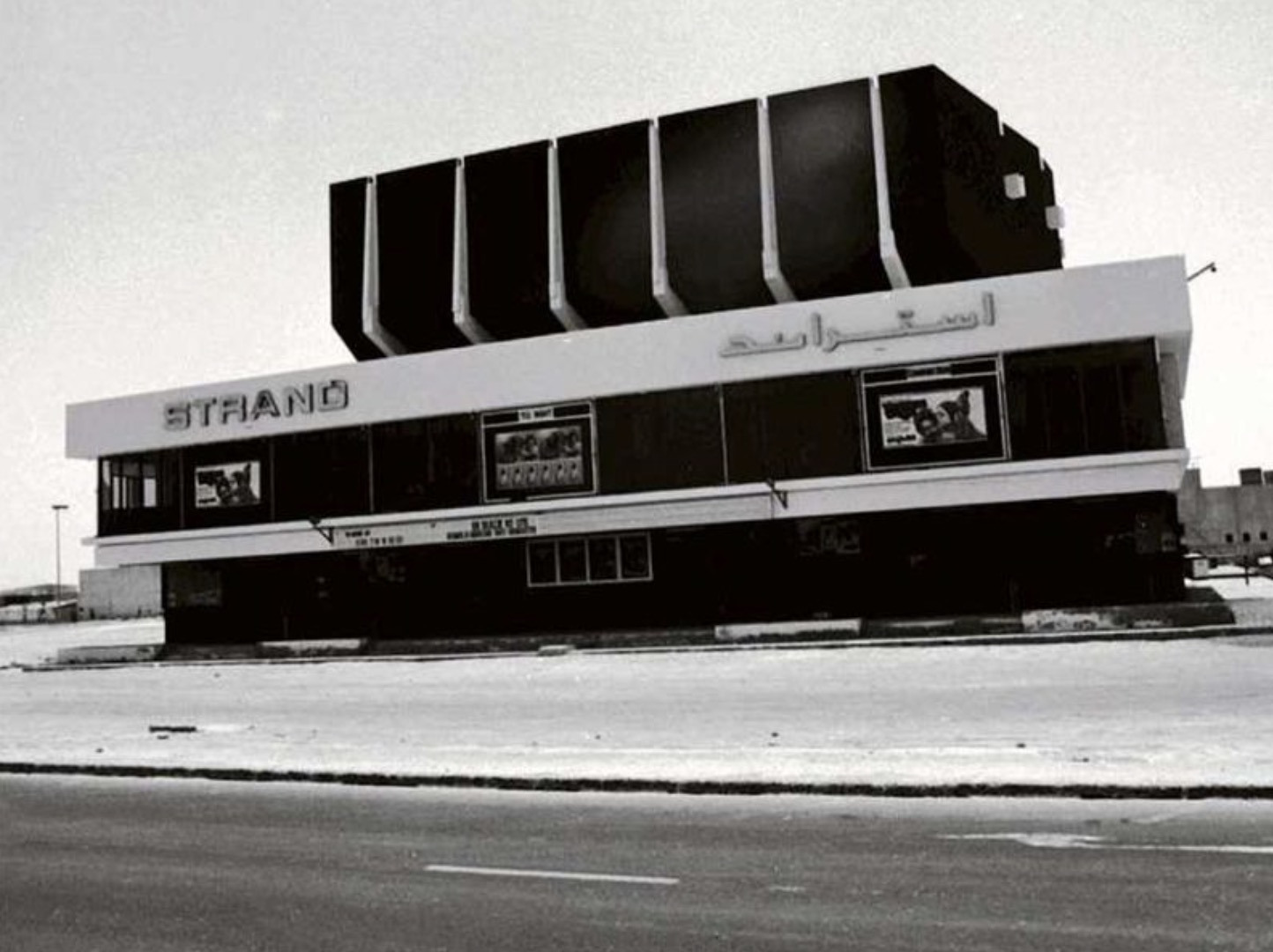
The presentation echoed the research currently being carried out by the artist in Dubai, interested in the impact of traders on the imagination of cities and their transformation, with the exchanges between Deira and the markets of Congolese cities as a starting point.
The poetry reading took place as a collaboration between Sinzo and UAE-based author, poet, and performance artist, Chandrama Deshmukh.
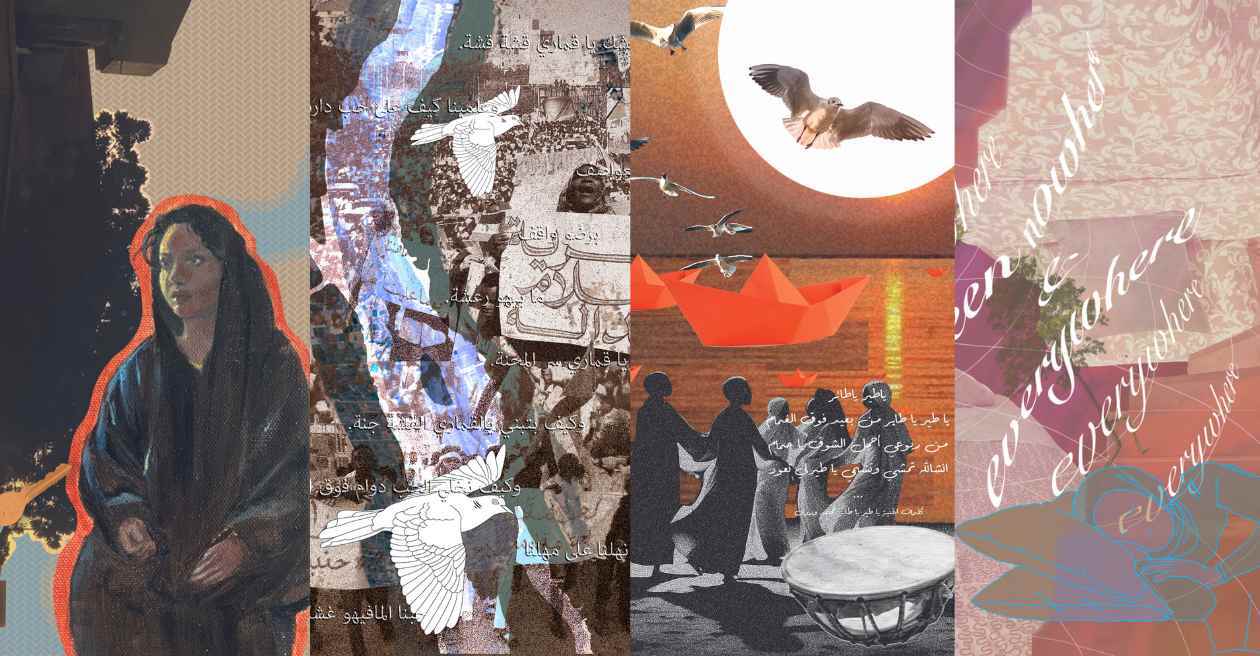
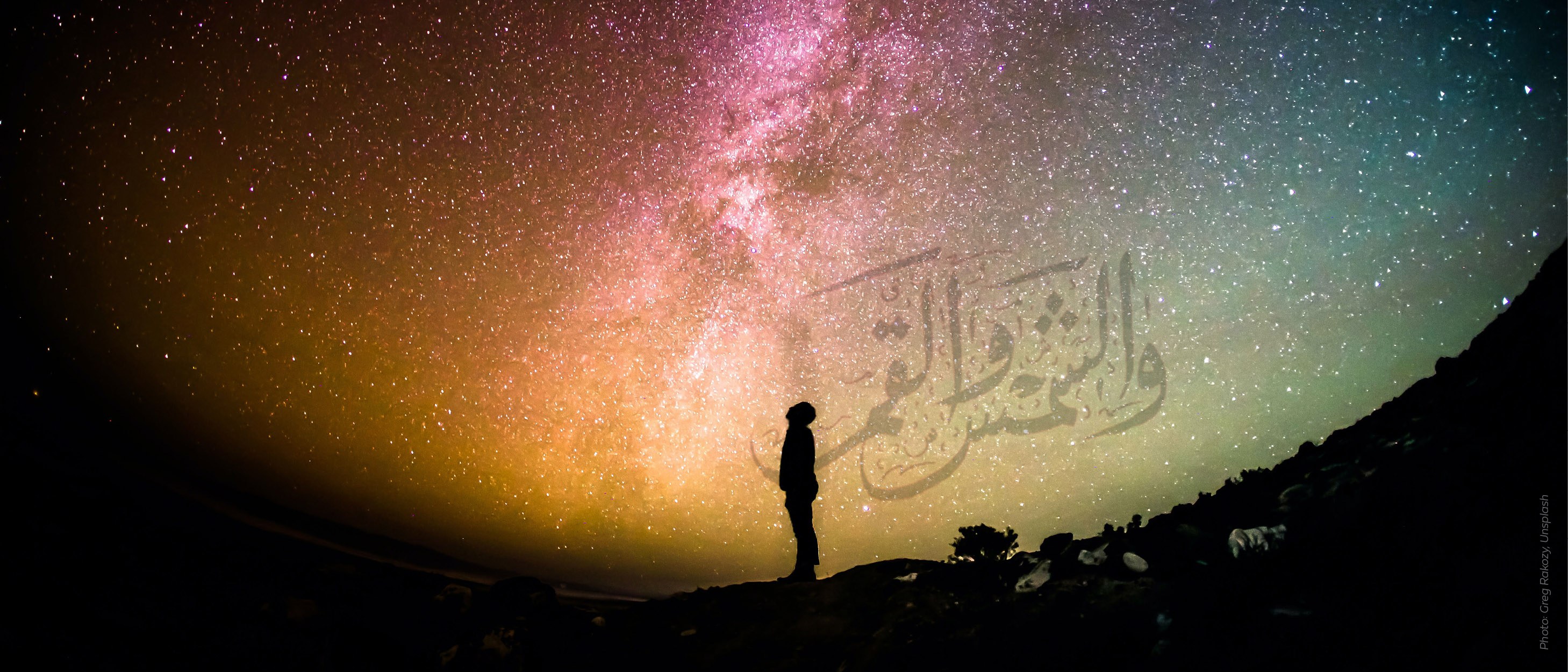
At the beginning of the Great Palestinian Revolution against British colonial forces in 1936, Tarweeda emerged as a sonic device for coded communication between detainees and their families, specifically through songs women sang to transmit news messages and warnings to the revolutionaries.
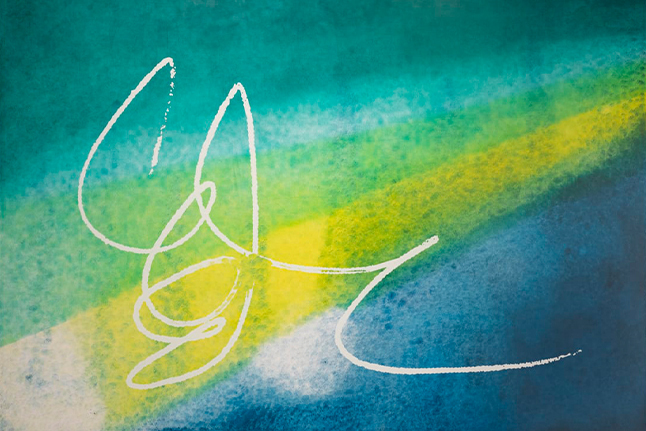
As encrypted song The Palestinian Tarweeda (الترويدة الفلسطنية) establishes a solid foundation for conceiving a tangible sonic space, thinking within an ecology of affect and exploring what could lead to an active form of sonic resistance.
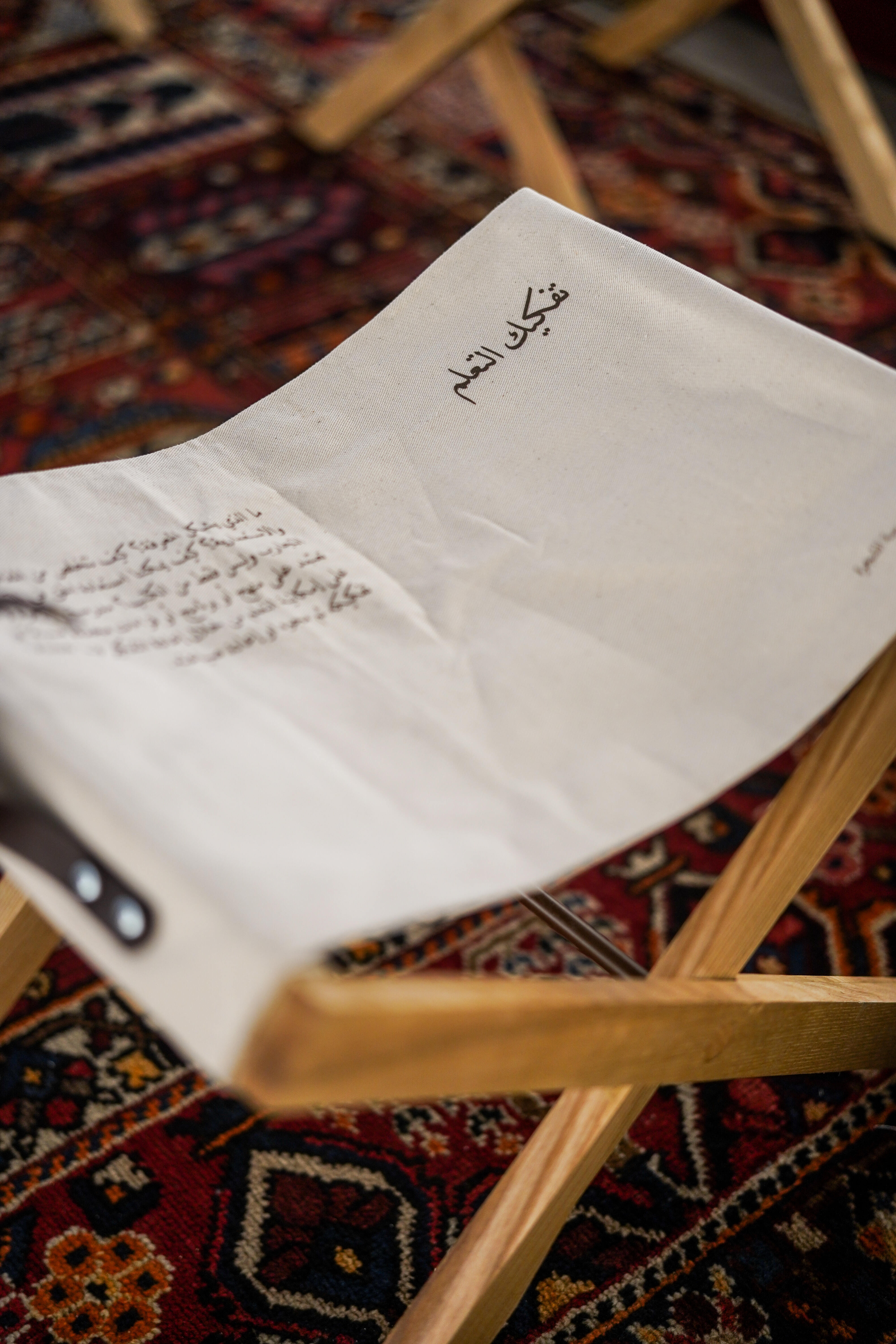
This project envisioned the letter Lam (حرف اللام) as a glitch—a vocal stutter that activates a nurturing sonic environment while also serving as a catalyst for decolonisation, emancipating radio warfare technologies at the time, while resorting to voice as their only weapon (Its lyrics were formulated to appear as a code by inserting *Lam* so that the occupier would not be able to comprehend its meaning).
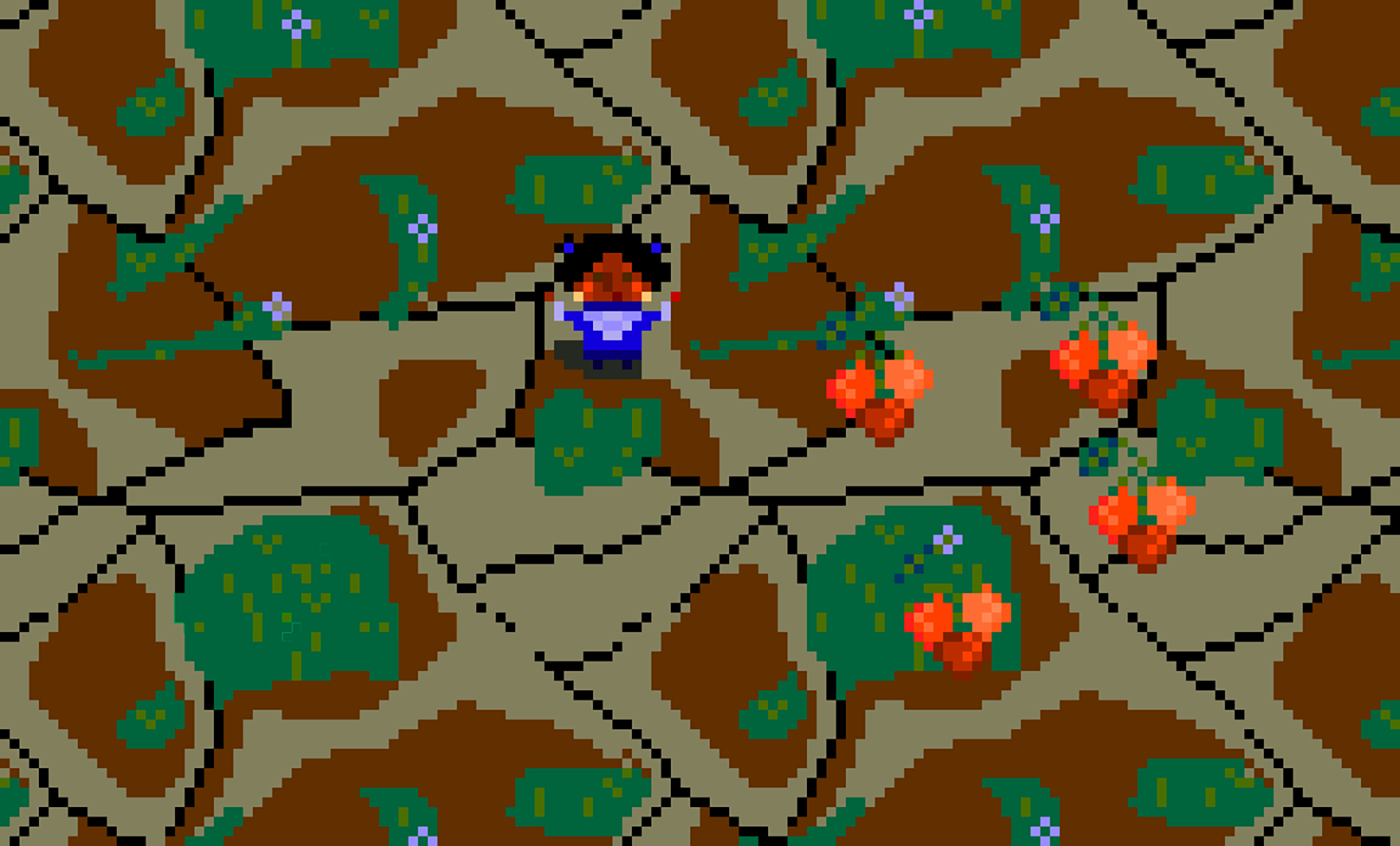
The Tarweeda’s inherent glitch introduces a distinct sonic realm, hinting at the possibility of uncovering a sonic code—a temporal arrangement that ultimately leads to fragmentation and transformation. Within this context, what sonic spaces might the Tarweeda aspire to create when interfaced with a modern drum machine? What forms of collaborative sonic practices could emerge from this interplay? Finally, what can the Tarweeda teach us about the process of decolonizing sound?
Biographies
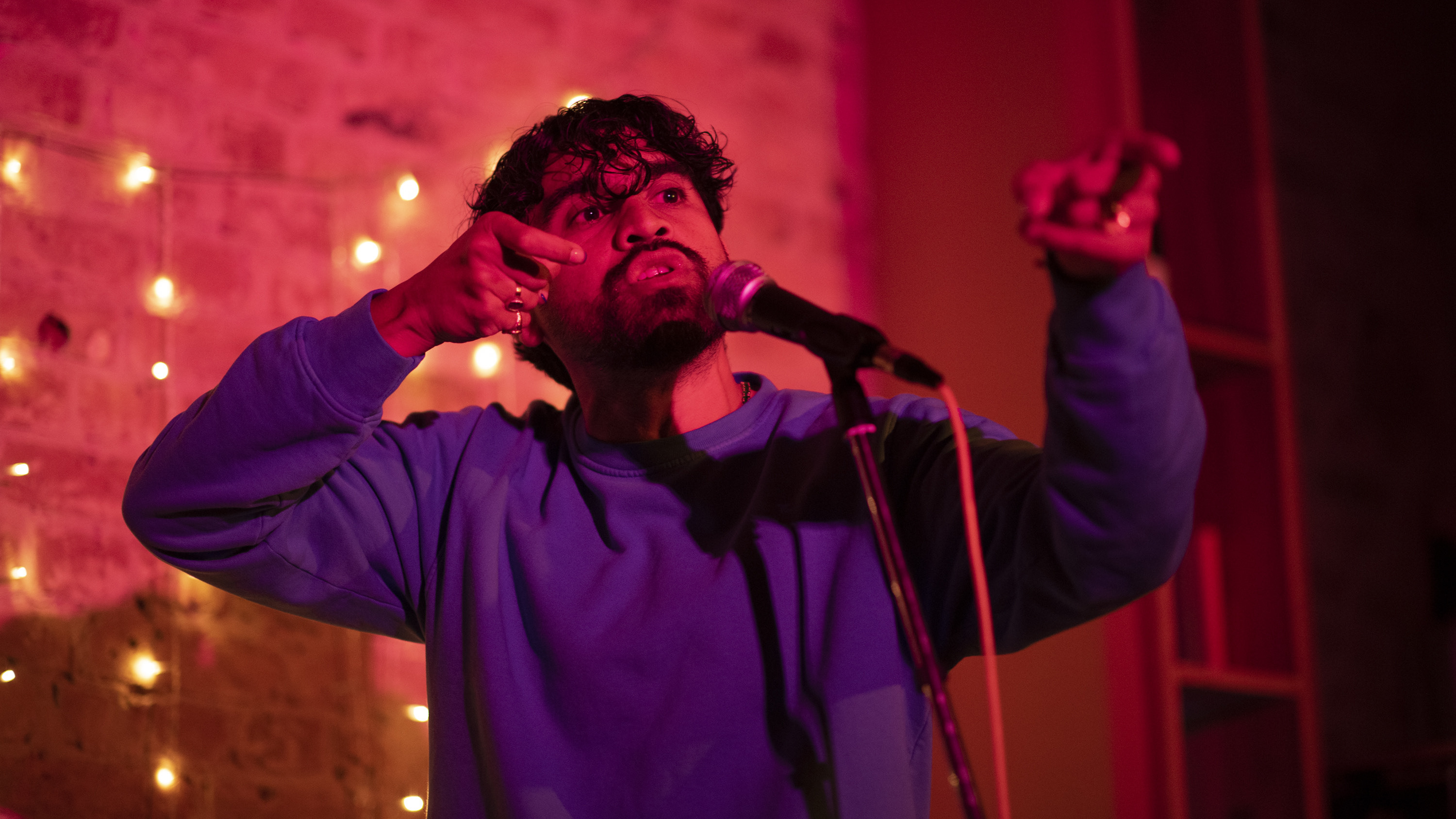
Jad Saliba (born 1984, Beirut) works primarily in sound. A former Oud player, co-founded ensemble ‘Mayal’ in 2010, performing renaissance music of early 20th century Egypt. Saliba was also part of ‘Irtijal’ Beirut’s collective of artists, playing alongside prominent members and other international experimental musicians. Graduated in master’s at the Institute of Sonology in 2020. His current work explores experimental drum machines, contemplating on alternative club music and online community radio broadcasts.
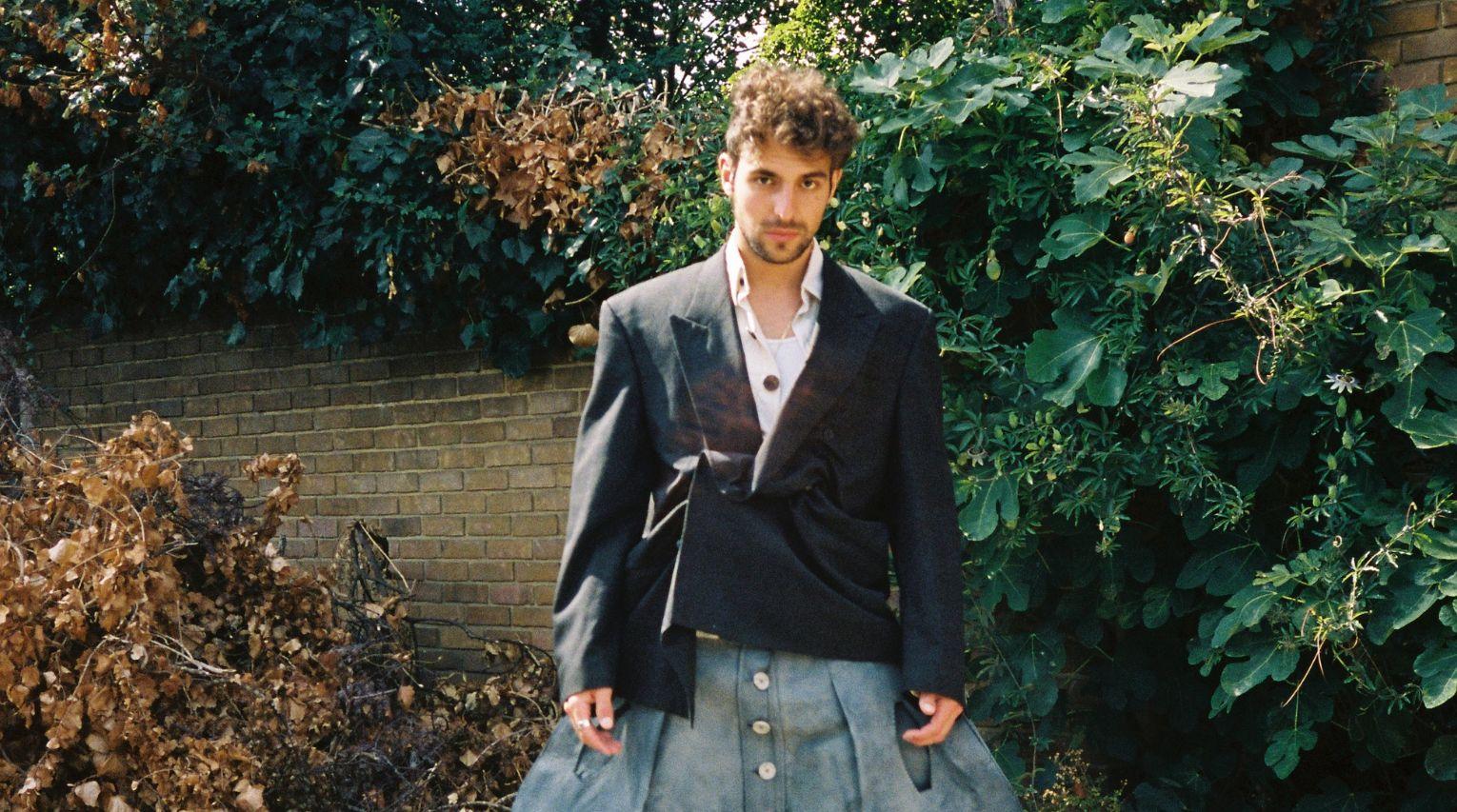
Sinzo Aanza is a Congolese artist whose work focuses on the radicality of fiction. In 2007, Luhindi K. Sinzomene created Sinzo Aanza, a radical fiction to whom he assigns the responsibility for the interactions between his creations, first literary and then visual, and the equally frictional social frameworks in which the encounter, discussion and projections around all the other inventions developed by men to frame life, its understanding, organisation and projections become possible. Aanza (b. 1990 in Goma, DR Congo) lives and works in Kinshasa, DR Congo.
A multi-media artist and an academic researcher from Mizoram, Lalthlanchhuaha a.k.a., Bazik Thlana defines himself as a socially conscious eccentric-owning a conscious refusal of a centrally defined axis as well as an unconventionality to his practice. His body of works are informed by research and writing with interdisciplinary works which includes painting and drawing, installation, artistic performance and the curatorial. He makes artist’s book, zines and comics and occasionally writes poetry. He enjoys challenging his audience and inciting people with his art, provoking thoughts and originating dialogue.
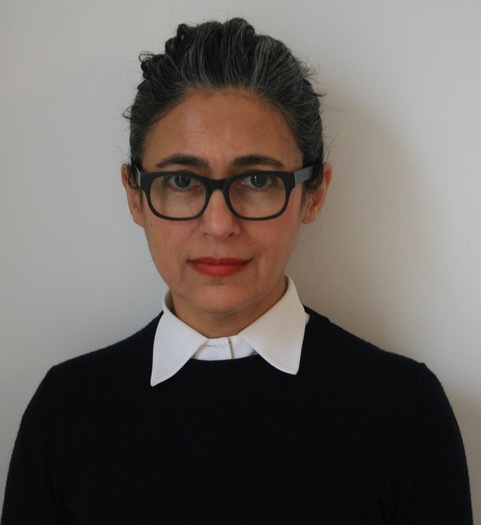
Pallavi Paul is a filmmaker, film scholar and artist based in New Delhi. Her practice speaks to poetic exploration of cultural histories, questioning the limits of speculation and facticity and evidence. Paul is also engaged in thinking about ideas of the archive, tensions between document and documentary and the implication of trace within these openings. She has received her PhD in Film Studies from the School of Arts and Aesthetics, Jawaharlal Nehru University, New Delhi. Paul’s film, ‘The Blind Rabbit’ premiered at the International Film Festival of Rotterdam in 2020. Paul’s work has been exhibited in venues including Tate Modern, London (2013); AV Festival, New Castle (2018, 2016), Beirut Art Centre, Lebanon (2018), Savvy Contemporary (2019), Contour Biennale, Mechelen (2017), New Alphabet School, HKW (2020). Her most recent solo exhibition 'How Love Moves' is on view at Martin Gropius Bau, Berlin.









Stay tuned...

Stay tuned...

Stay tuned...




Stay tuned...