

A Tour through A Supplementary Country Called Cinema
Introduction
“You should go watch the Mani Kaul ones,” My Appupa (maternal grandfather) said. “They are a must-watch. Sathyajit Ray too. Amazing film. The music is something else.”
My mother had pressed her phone to my ear a moment before, telling me to talk to Appupa, whom I had not seen in three years. After the usual ritual of asking about each other’s’ wellbeing, Appupa asked what I was doing at work and instead of the usual “arts events.” I told him I was helping with a film programme of old films he may know. I mention Sathyajit Ray and Mani Kaul and his excitement had him speaking louder of his admiration for both filmmakers.
My Malayali upbringing consisted of many nights at Abu Dhabio’s Eldorado Cinema with my parents. So cinema, or more specifically, the dialogues and music of those films, was my link to speaking Malayalam and keeping up with cultural references. Notable dialogues are still used as inside jokes among Malayalis, wherever they are. The memory of our ears seems so much stronger than our visual memory.
A Project into Listening
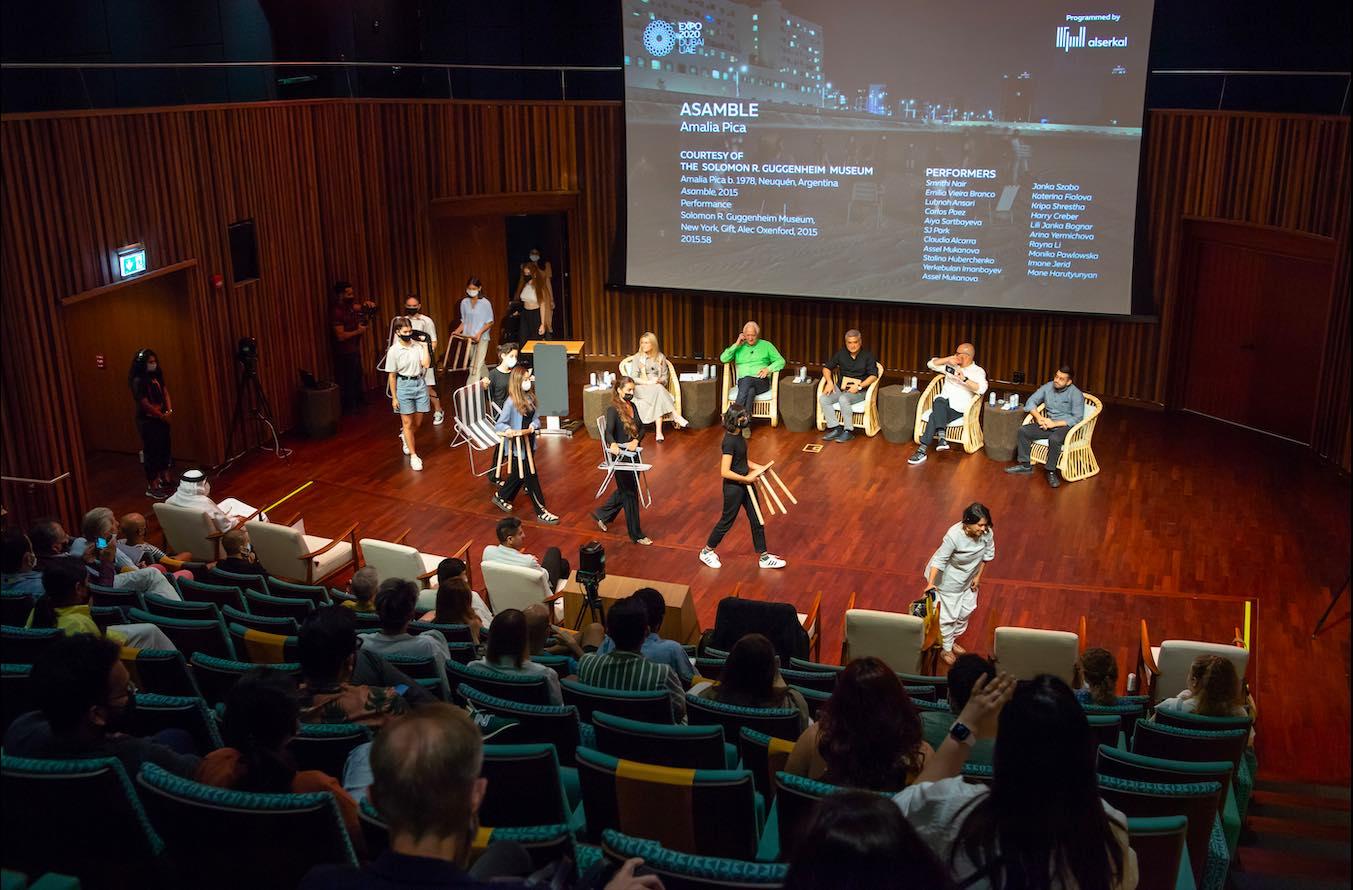
Curator Nida Ghouse and filmmaker Surabhi Sharma collaborated to create the programme for A Supplementary Country Called Cinema. In their introduction, they said that the idea started as “a project into listening,” where sound took centre stage in the storytelling and spotlighting works that use the medium of film to divert our intention from the screen to the speakers intentionally, whether it be explicit or implicit. However, the programme goes beyond that to ask: What can be recorded and what cannot? Can we understand the absences as well as what is in front of us? The films were paired using a broader canvas of themes and ideas beyond the stories of the films. Not only do the pairings reflect on gender, colonial legacies and history, but also sound and production, the power of the voice and the listener.
Unseen Cinema
Unseen Cinema: Jalshagar & The Other Song
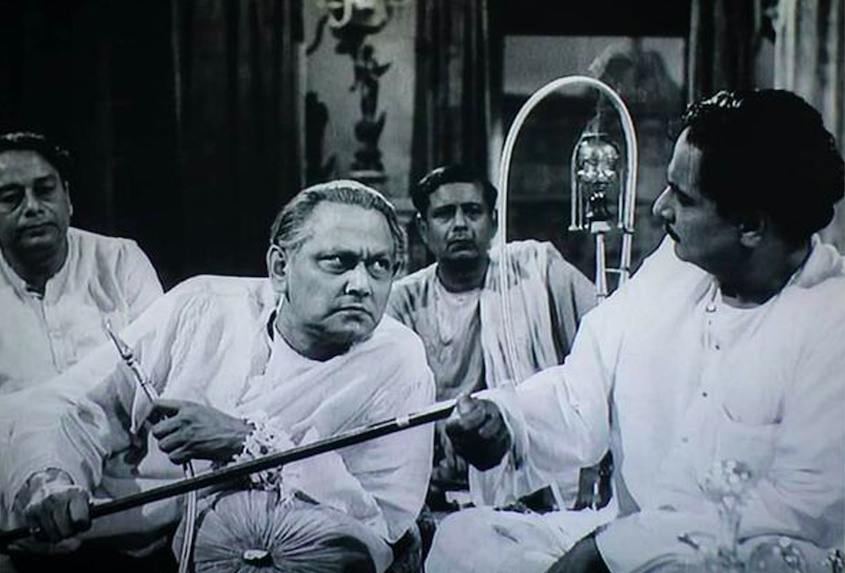
Sathiyajit Ray’s fiction film Jalshagar (The Music Room) and Saba Dewan’s documentary The Other Song was the first pairing. Sound designer Sukanta Majumdar introduced the two films by walking us through key sonic moments in each film to showcase the design of “a world of cinema that is not seen on screen.” It is clear in Jalsaghar, where sound is not just used to set the mood but constitutes a character alongside the destitute landlord Biswambhar Roy. Music is not entertainment here but a display of the landlord’s reputation. The absence of music in the house is a sign of despair, such as when Roy’s family dies at sea, or Roy’s final breakdown when the lights turn off in his beloved music room.
If Jalsaghar is a film of a man desperately clinging to the past as it goes in one ear and out the other, The Other Song is an archive that successfully captures a musical history considered lost, centring on the story of courtesan Rasoolan Bai. In doing so, the film also explores how the music from courtesan culture—classical and folk music with lyrics on female experiences— drastically changed and disappeared due to ideas of control, and censorship in India’s music industry. It is important to note that censorship was shaped by patriarchal ideas of chastity influenced by upper caste Hindus.
An immediately noticeable difference between the two films is the representation of women and men are shown: Jalsaghar’s dialogue is majorly male-dominated, especially with talk of pride and bloodline, while The Other Song features the voices of women past and present, trying to stand their ground and sing even when commandednot to. Beyond that, the movies juxtapose ideas of owning sound. Roy attempts to pay higher prices to have better performers at his music room in order to be remembered as the man who can afford prestigious music. Rasloon Bai sang a new version of her famous song, changing her words to stun listeners at that moment without wondering if it will live after her. After watching the movie, I wondered what Rasloon Bai would think of Dewan’s work of eight years following her story on the basis of a single word she changed when singing.
Sound without a source
Sound without a source: Siddeshwari and The Halfmoon Files
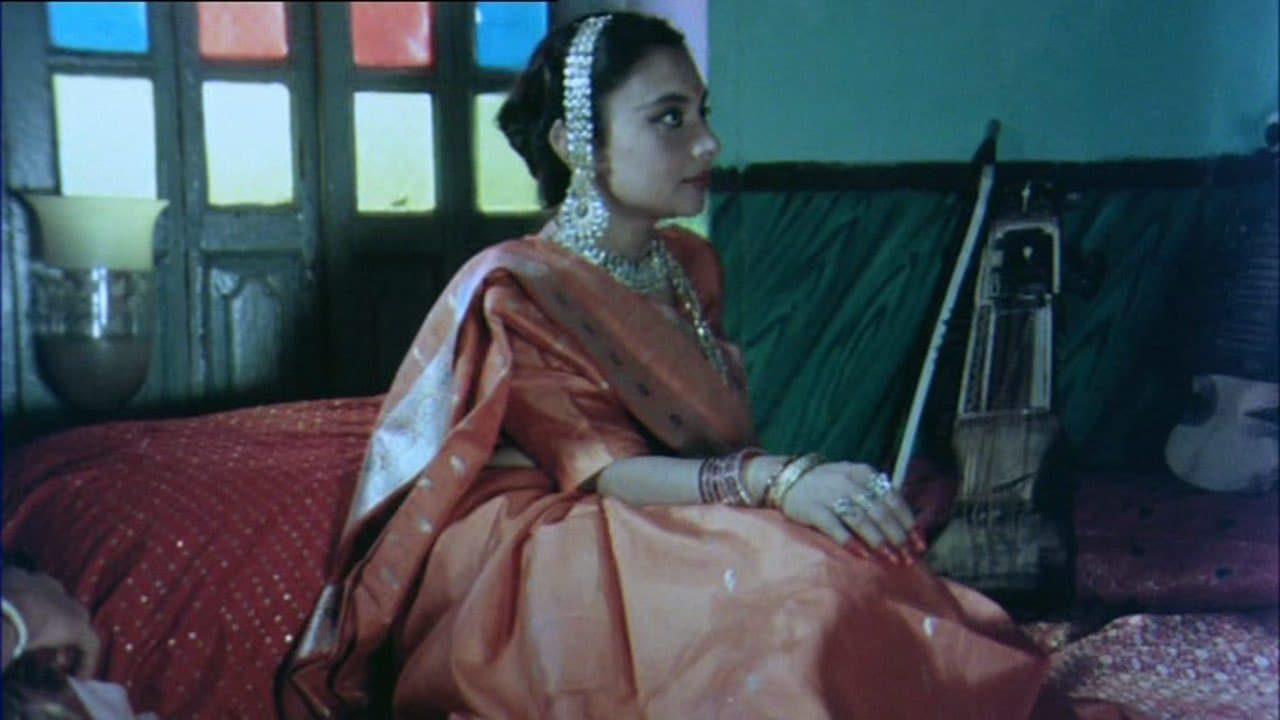
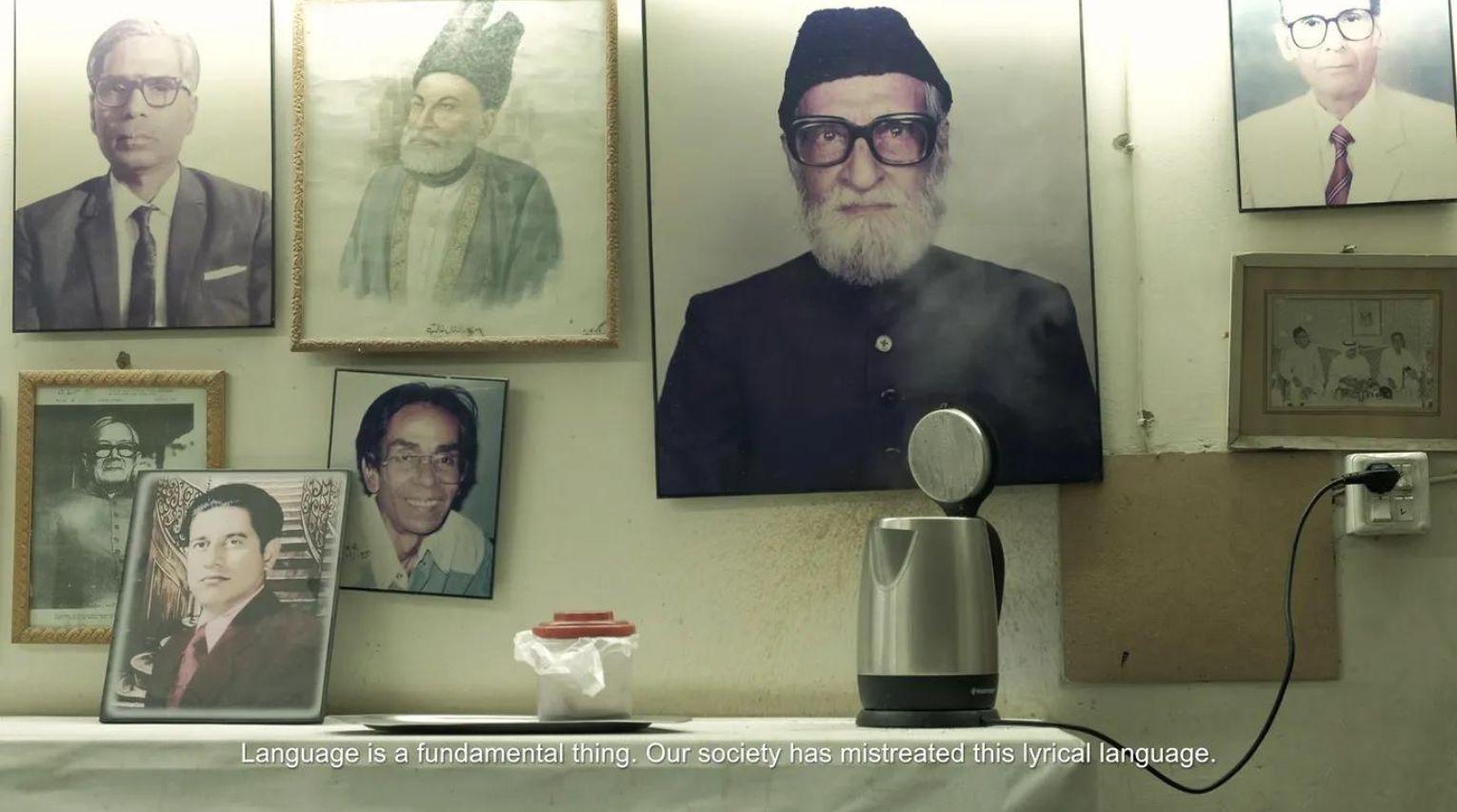
Professor Tejaswani Niranjana, who specialises in critical writing about Indian music, introduced the documentaries Siddeshwari by Mani Kaul and The Halfmoon Files by Philip Scheffner. One wonders what Kaul’s portrait about Siddeshwari Devi, a classical singer from Varanasi has in common with voice recordings by Mall Singh and colonial soldiers from World War I from Germany and the answer is that they are both remembered in the audio they left behind.
Niranjana began by pointing out that both films use acousmatic sound—sound without an identifiable source. While the previous pairing presented singers opening their mouths to sing or instruments being played, in Siddeshwari and The Halfmoon Files, the sound itself is present whereas its source is absent. It is haunting to not know from where sounds originates. Perhaps it is best described by a quote from a recording by Bhawan Singh, a WWI soldier featured in The Halfmoon Files: “So a ghost is like air. It can go everywhere." The acousmatic sound in these two films functions as a ghost, present but unseen, like wind that can be felt. Similar to horror movie depictions, Kaul and Scheffner stimulate the audience’s curiosity so they search where the sound is coming from and in turn, eventually find that the narrative being told to us is the indirect source of these sounds.
What separates Kaul and Scheffner is their use of cinema visuals. Kaul uses actors to recreate scenes from the past, invoking flashbacks in our minds. We are strung in by Siddeshwari’s vocals and the dialogue of actors, who are rarely shown speaking themselves. We only see Siddeshwari’s actual image at the end in the form of an old photo. Kaul uses the lure of typical narrative film to tell Siddeshwari’s story and do justice to her vocals, which are central. Scheffner, unable to film in India, uses almost all archival material from his research in Germany. What emerges from the cobbled material are the voices of Indians soldiers who were dragged into a war that was not theirs as subjects of European colonists. Long after they died, they now live on in the Halfmoon Files, their military portraits allowing us to put a face to the voice.
Modernity for the ear
Modernity for the ear: Hawa Mahal and Dhrupad
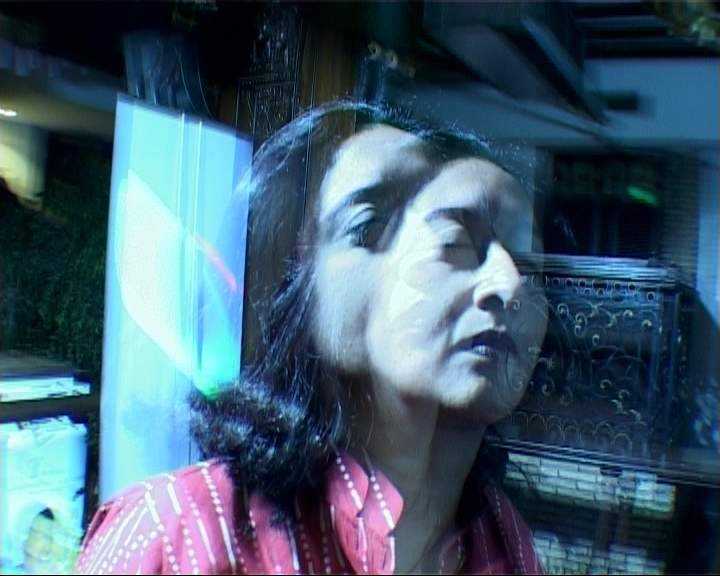
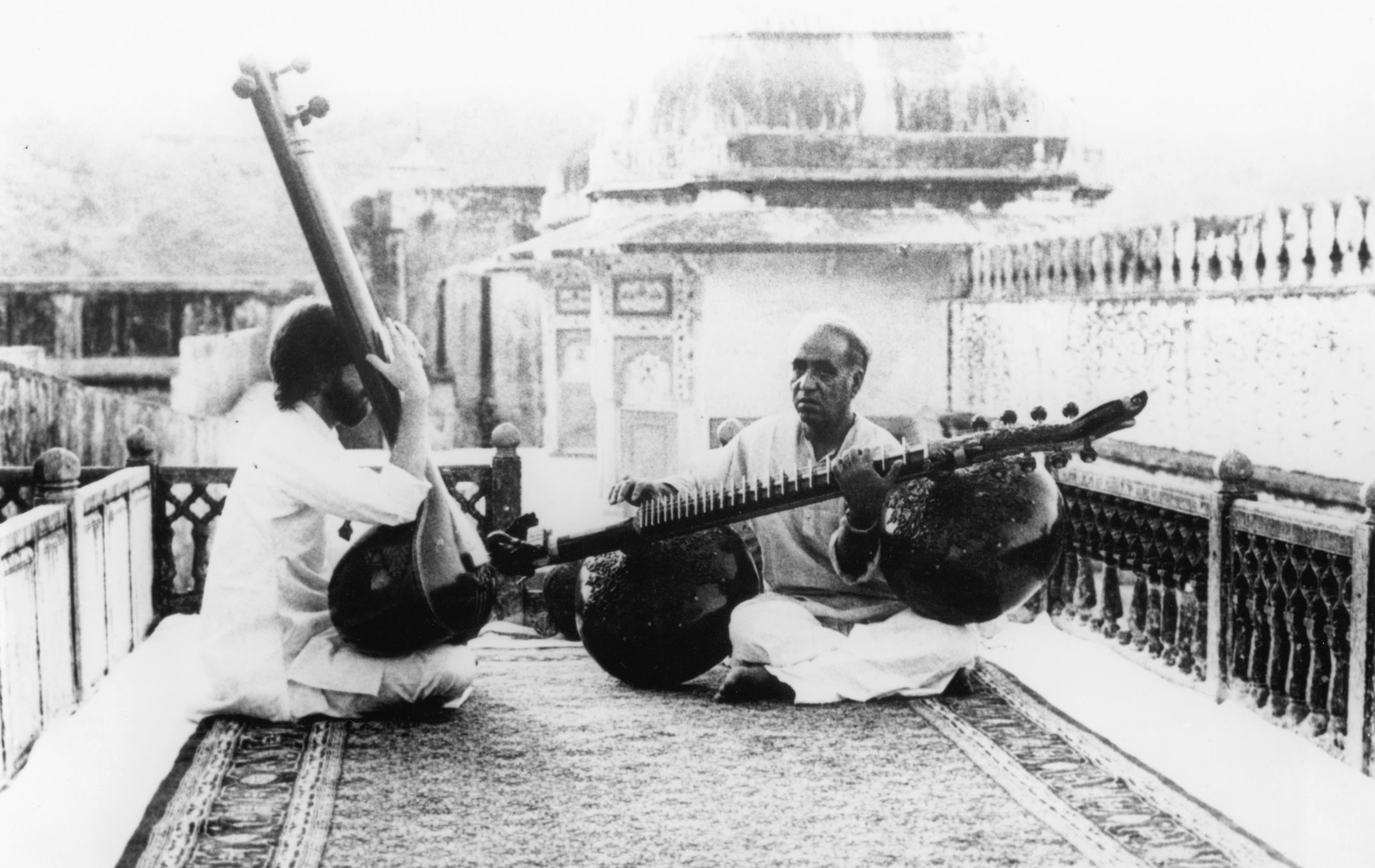
Professor George Jose, an anthropologist, spoke of how modernity is the common thread connecting Vipin Vijay’s Hawa Mahal and Mani Kaul’s Dhrupad. However, modernity is tackled differently in each film. While Vijay explores modernity through the history of radio in India and its influence on the country’s relationship to music and sound, Kaul’s focus is on the tradition of “Dhrupad” (the musical form) persevering even in modern times.
This focus on tradition is depicted even in their respective film making styles. Dhrupad is shot with slow panning, normal wide shots of the palace, and close-ups of the live performers and their music notes. Hawa Mahal is much more experimental, with archival documents interspersing slowed down videos of movement and people interacting with the radio shot in distorted angles, keeping up with the unpredictable tempo of the radio’s static voice. Kaul also emphasises recreating a moment from the past, similar to his approach with Siddeshwari, while Vipin pulls us through time, almost making us dizzy with the rapid changes that arrived with radio.
Vijay and Kaul explore the common theme of displacement in their respective compelling methods. In Dhrupad, the musical form exists in a liminal space between the past and the present; the film lets us time travel to that space to experience the past in our reality. Hawa Mahal shows literal displacement: people travelling from rural (ancient) spaces to urban (modern) centres. Alongside that visual transition of travelling, we hear the radio. In that process, we see radio elevated to a medium of connection. During the Q&A, I asked George Jose whether radio is sustainable as a medium for the future, talking about how my grandparents listened to music on it in Kerala even now and how my Acha receives news from the radio on his drive to work in Dubai. Jose responded that cultures of listening, celebrated by both movies, will remain regardless of the medium. The radio’s versatility, though, is an asset to this day, through which people are always ready to hear music and poetry. I left the talk thinking that, ultimately, given the various ways we look at sound, we all simply want to hear and be heard.
Rhythms of Religion
Rhythms of Religion: Altar of Fire and Something in the Air
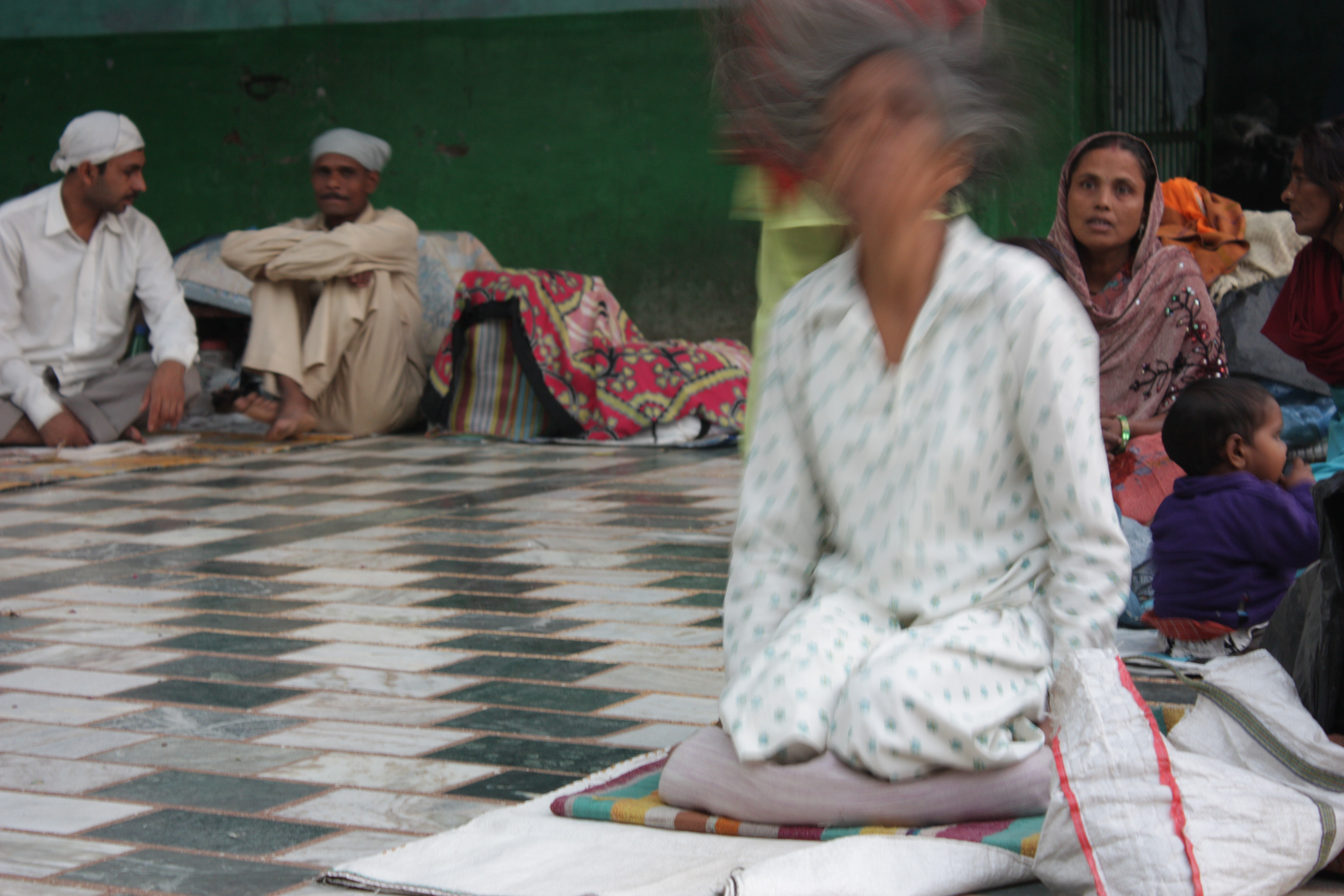
The fourth pairing, Altar of Fire and Something in the Air, invites the sounds of religion and ritual to the conversation. Anand Vivek Taneja, assistant professor of religious studies and anthropology at Vanderblit University , points out that if these films been screened together in India, it may have instigated violence due to the different religious traditions each film engages with. Altar of Fire by Robert Gardner focuses on a practice by Hindu Nambudri Bhramins. In Something in the Air, Iram Ghufran gives space to women petitioners at a Muslim Sufi Shrine. The pairing unites two religions that have been repeatedly used by political parties to divide and manipulate the country, especially by the BJP, the right-wing party currently in power. Anand speaks of this both from his experience in religious studies and as an alumnus of Jamia Millia Islamia, the university famous for police attacks on their student protesters during the December 2019 CAA protests.
Altar of Fire, set in Kerala, focuses on the oldest surviving ritual known as the Agnicayana, which lasts over twelve days and involves continuous recitation of the vedas in Sanskrit. The ritual is passed down orally from father to son, as seen in a sonically and visually striking scene between an older boy gripping the head of a younger boy and moving it to the rhythm of the Sanskrit verse they recite together. The rhythms are repetitive, keeping the audience in the zone of the ritual. However, Gardner’s voice over-explaining the ritual in English over the Sanskrit prayers is jarring, reminiscent of colonial documentaries, looking in from the outside. Gardner is shown watching the experience intently, translating the historical and spiritual weight of the priests to the viewer.
In retrospect, Ghufran’s film Something in the Air let the women petitioners and others take agency as they speak of their various views on spirituality and showcase their dances and songs. The movie flowed like a well-choreographed dance, in time with the jingles of the ghungroo worn by the dancers on their ankles. Unlike Altar of Fire, which seemed rooted to the earth through the process of building the altar used for the ritual, the women’s prayers felt like air and water, flowing far beyond the physical Sufi shrine they inhabited, suggesting the element of spiritual possession. Their voices seemed disembodied as if they were messages from another world, as they are not shown speaking. While the women talk about being seen as insane, Ghufran’s filmmaking tells the viewer that, while we may not understand this experience, it makes sense to these women. Insanity or being misunderstood is a universal experience delicately captured by Ghufram. These films show us that our opinion on the religion can be biased by the gender we see practicing it. Often in religious spheres, women are perceived as crazy for singing
The nuanced curation of the film programme A Supplementary Country Called Cinema shines through, teasing out sounds we wouldn’t consider significant, and thoughts that come in the conversations between the paired films and their speakers. I am more appreciative of my listening abilities. Also, my Appupa was right about Mani Kaul’s films.


























































Stay tuned...



Stay tuned...






Stay tuned...



















Stay tuned...