

Stepping Forward

Day One

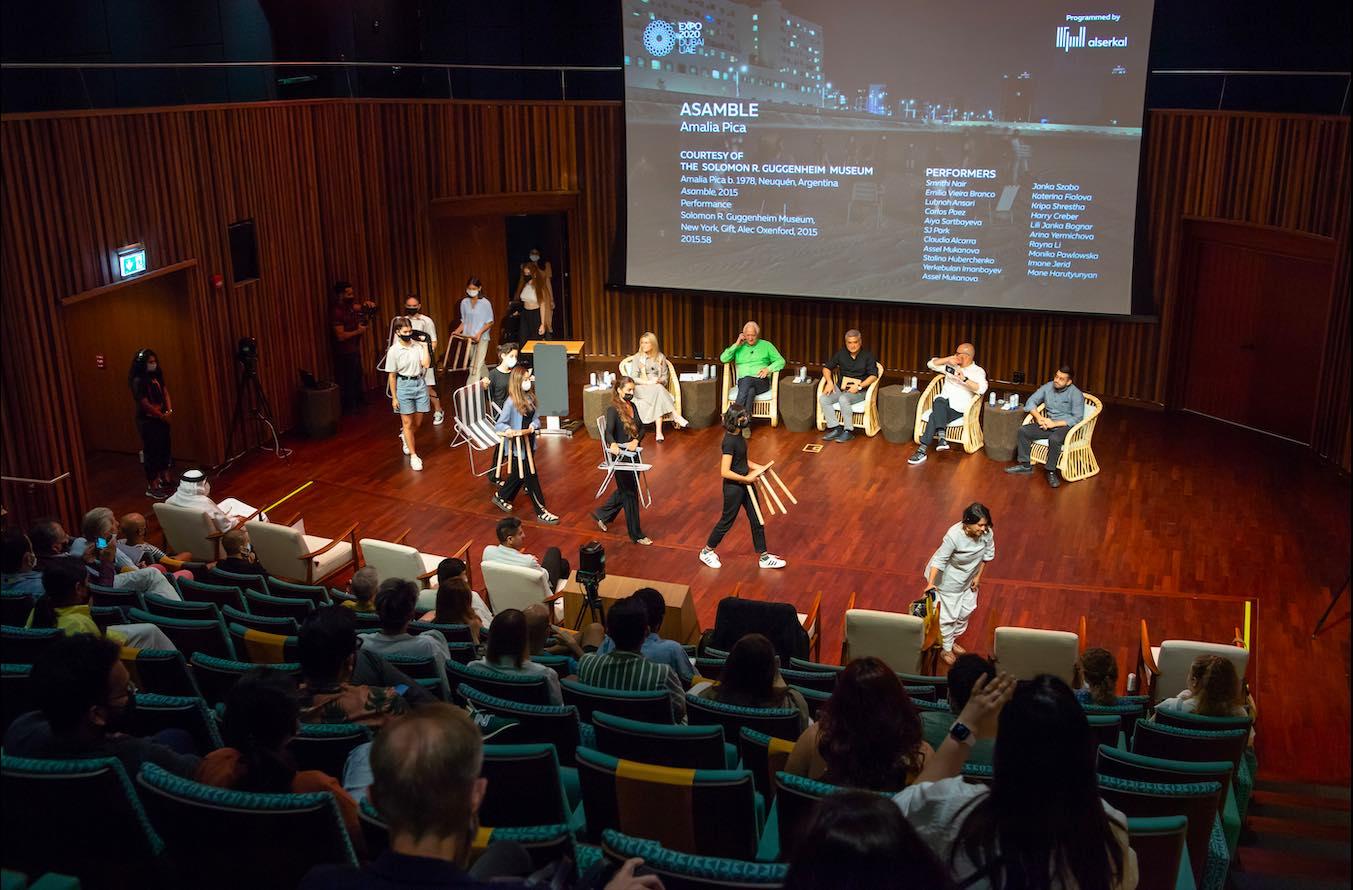
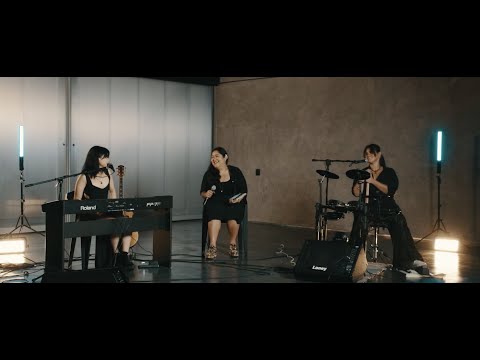
Stepping Forward: Performance, Research, and Practice, Here is conceived, produced, and presented collaboratively by 421, Alserkal Arts Foundation, and New York University Abu Dhabi.
Stepping From Here
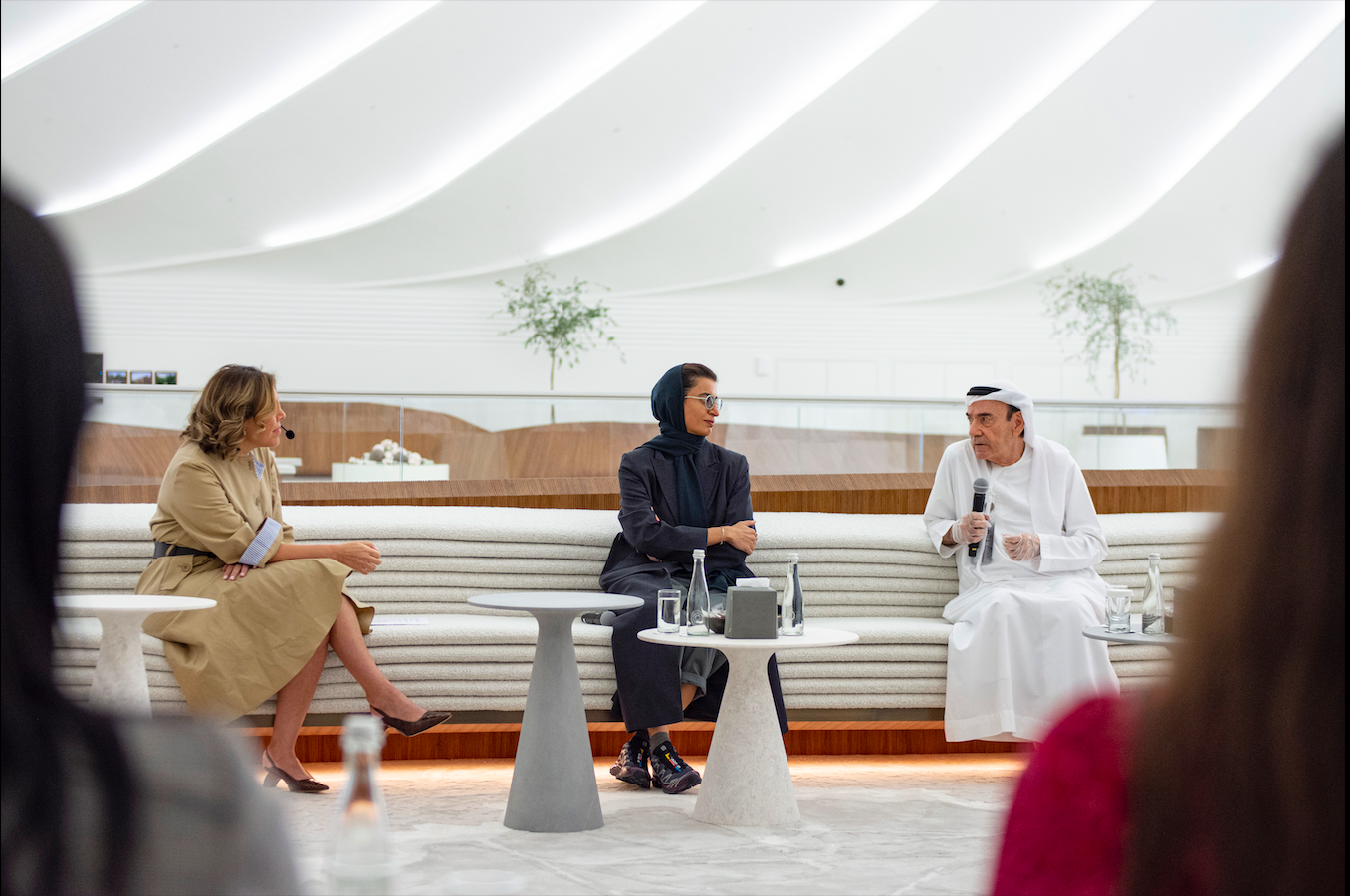
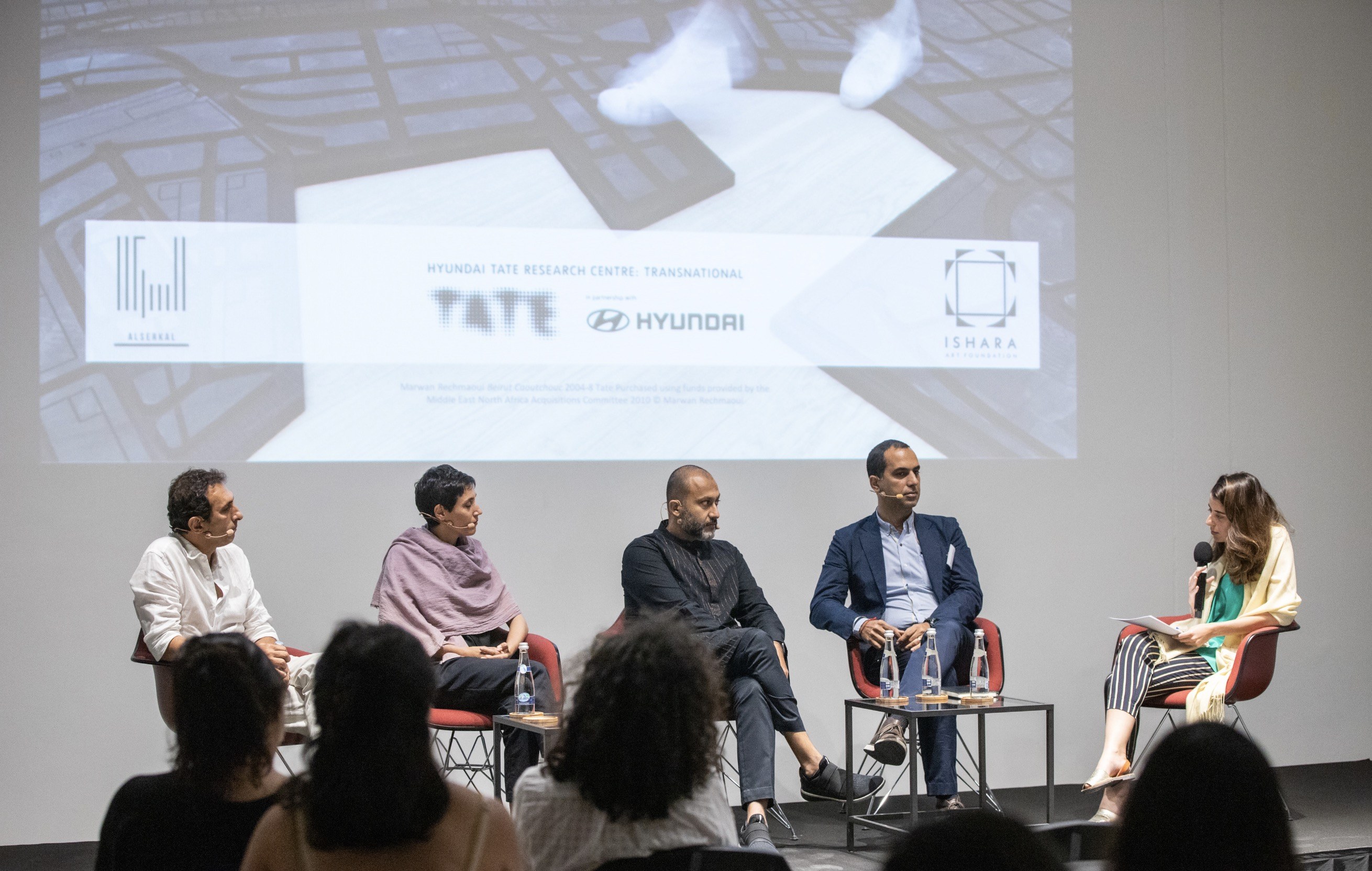
Panel moderated by Reem Fadda
Curator, Palestine/UAE
To kick off our public programme, we invited UAE-based artists Nujoom Alghanem, Mohammed Kazem, and Ammar Al Attar along with curator Reem Fadda to reflect on performance and performativity in the UAE context. Emerging from conceptual art in the 1970s, UAE pioneers employed performance to break down barriers between traditional art categories, bringing formal and conceptual ideas to life. From the gestural explorations of Mohamed Kazem to Nujoom Alghanem’s costumed and cinematic performances, these practices continue to actively influence performance in the UAE, with Ammar Al Attar’s most recent body of work as a case in point.
With this panel, we positioned the discussions to follow within the fraught and complex history of performance in the UAE, and the rapid and continuous evolution of its creative and social context.

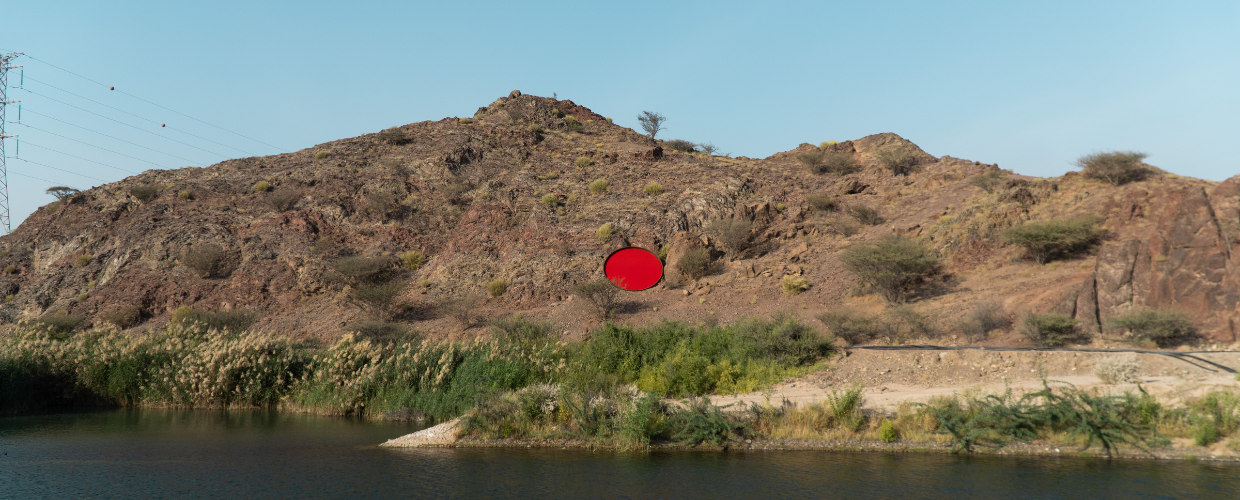
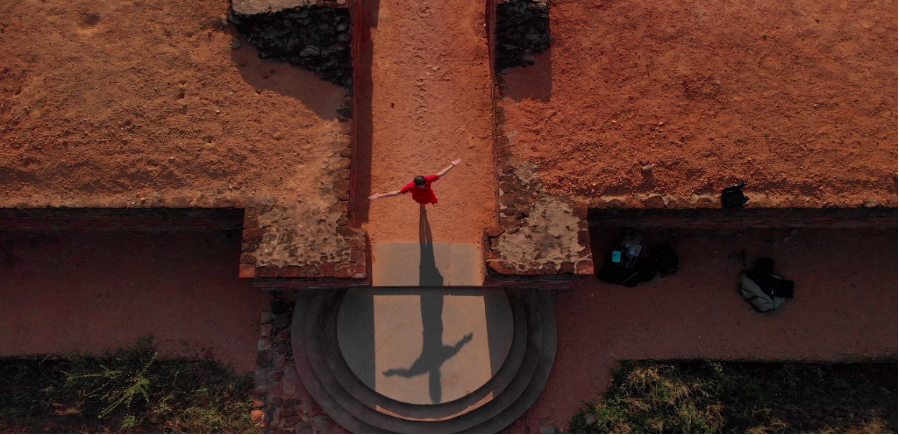
Ammar Al Attar’s performances evolved out of his photography-based practice over the last two years, drawn to performance art’s radical potential to open new directions in conceptual practices. Characterized by his determination to immerse himself in site-specific contexts, Ammar spent months preparing before documenting his performances, which until now have only been accessible as videos or photographs. In the mediated performances, Ammar is seen doing repetitive, seemingly menial tasks in his kandura (formal Emirati dress) such as drawing a circle around himself or stamping blank papers with a black block stamp.
View: Stepping From Here | Ammar Al Attar
The conversation took key works of each artist as triangulation points to chart a map of performance practices and their ecology of thought in the UAE, starting with Mohammed Kazem’s exploration of the body in motion, as in the now iconic Tongue (1994). Next we considered urban mobility in his Photographs with Flags (Dubai, 2003/1997), then explorations of the implied body in Showering (1998). Finally we considered the audience’s body in Wooden Box (1996).
View: Stepping From Here | Mohammed Kazem
With Nujoom Alghanem, the panel unpacked performance art as a subject in her early documentary Amal (2011) and its resonances and reintegration in her later multimedia installation work Between Heaven and Earth, the Body I Borrowed (2017).
View: Stepping From Here | Nujoom Alghanem
Practice
Panel moderated by Katia Arfara
Curator and scholar, Greece/UAE
Considering the nature and terms of performance as a medium, we hear from practitioners whose work encompasses movement and choreography, lecture performance and installation, and scholarly research, writing, and pedagogy.
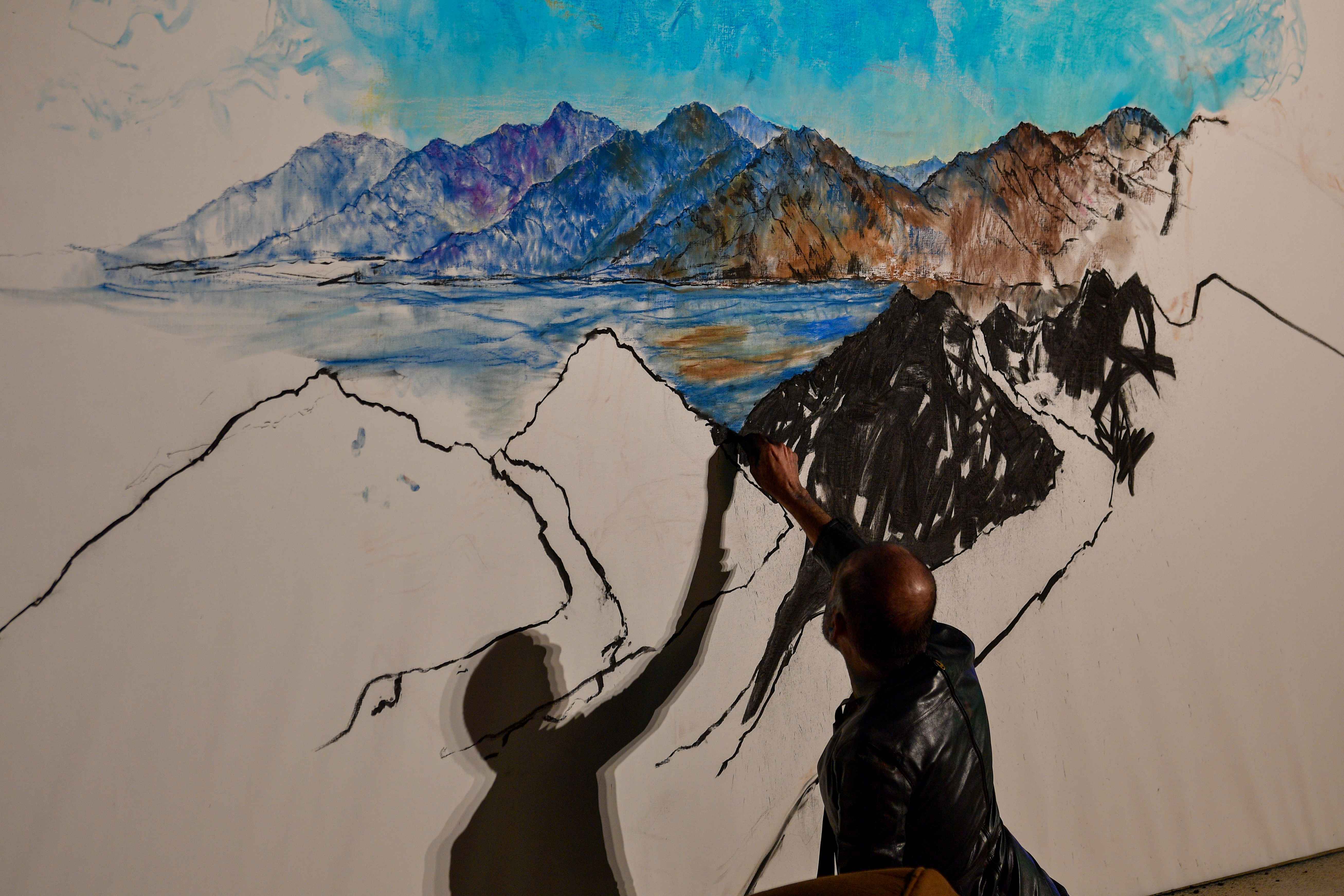
Ways of (Not) Seeing “the Economy”
Ho Rui An
In recent years, the projects of Ho Rui An have sought to understand what it means to observe the thing we call “the economy”. Through works that have examined such seemingly abstract and expansive phenomena as financial capitalism and the so-called socialist market economy in Reform-era China, he approaches the medium of the lecture as a form through which one can produce knowledge and make arguments that returns them to the body.
States of Freeze
Alia Hamdan
In this talk, Alia presents her research around the physical state of ‘freeze’. This state echoes the fundamental experience of August 4 in Beirut, an instance of rupture in time, which got fixed in the bodies of the inhabitants of the city. How to inject time inside a fixed present? How can the filmic medium be used to pour time inside frozen gestures?
A free body that invents its own gesture!
Sofiane Ouissi
How, through the body, can we transcend the gesture of reality: sublimate it, anesthetize it and transmit it? How can a gesture build a new shared space, of contagion, of living together and of friction? From this gesture, what is the body to be reinvented? What state will this new body produce? How will this state impact on the people invited to take part in this process, in this new space being created in order to carry political narratives, to provoke and build spaces for encounters?
View: Practice | Sofiane Ouissi
Archive
Panel moderated by Nada Raza
Director of Alserkal Arts Foundation, UK/Pakistan/UAE
How do we cite and attribute the performative? Is live art a fugitive medium? As practitioners and researchers looking to build on and acknowledge the legacies that have preceded us, the role of the archivist and art historian become more relevant and urgent. Bringing together research on South East, South, West and Central Asia, this panel explores comparative approaches to performance and exhibition histories.
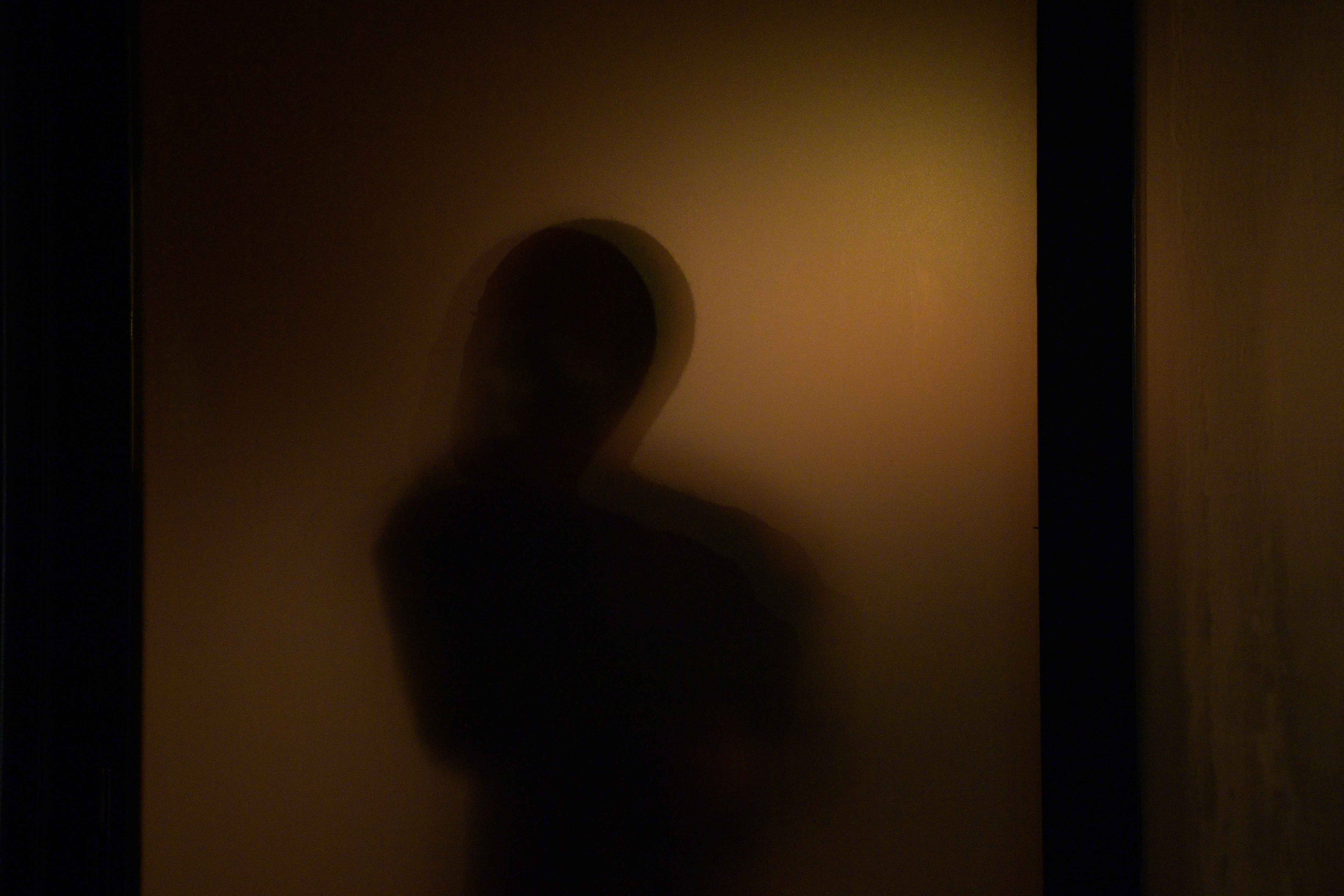
Performative Documentation: Archival Departure
Eva Bentcheva
While the close relationship between live performance and audio-visual documentation has been widely acknowledged (Auslander 2006; Jones 1997), the recent rise of institutional and online archives of Performance Art has raised a question: what alternative forms of ‘documentation’ beyond photography, video and textual accounts exist to convey socio-political contexts and micro-histories of performances?
Recuperating Rummana
Rattanamol Singh Johal
In the absence of a consolidated and accessible archive, Johal’s work on Rummana Hussain’s performances and installations has deployed individual memories and documentary traces as a writing tool and mode of reconstruction, existing in tension with the works’ iterative, temporally bounded, nonreproductive nature.
View: Archive | Rattanamol Singh Johal
The Live Audio Essay
Lawrence Abu Hamdan
To some extent every artwork Lawrence made began its life as a performance, or what he calls a live audio essay. They are essays because they present a network of relations that are yet to be solidified in the artworks final form; they are "live" because the audience is a central component in that process by which those said relations become solidified.
View: Archive | Lawrence Abu Hamdan
Day Two
Pedagogy
Panel moderated by Tina Sherwell
Curator and scholar, Palestine/UAE
Given that practice-led pedagogy is germane to live art, this panel addresses questions essential to the growth of a regional performance framework. What are the tools and methods that the field relies on for research and critique? What does it mean to teach performance, here?
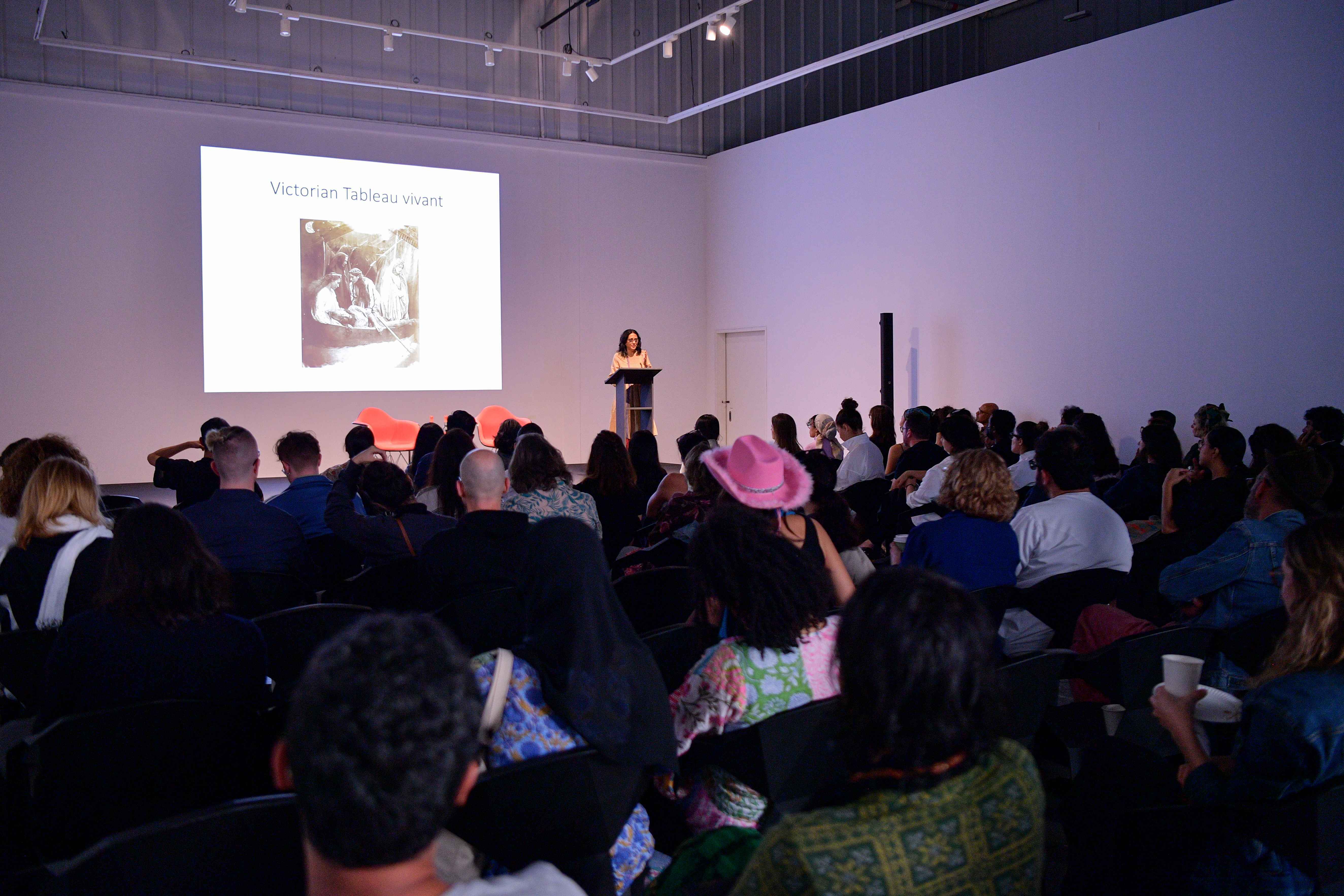
The Body Politic
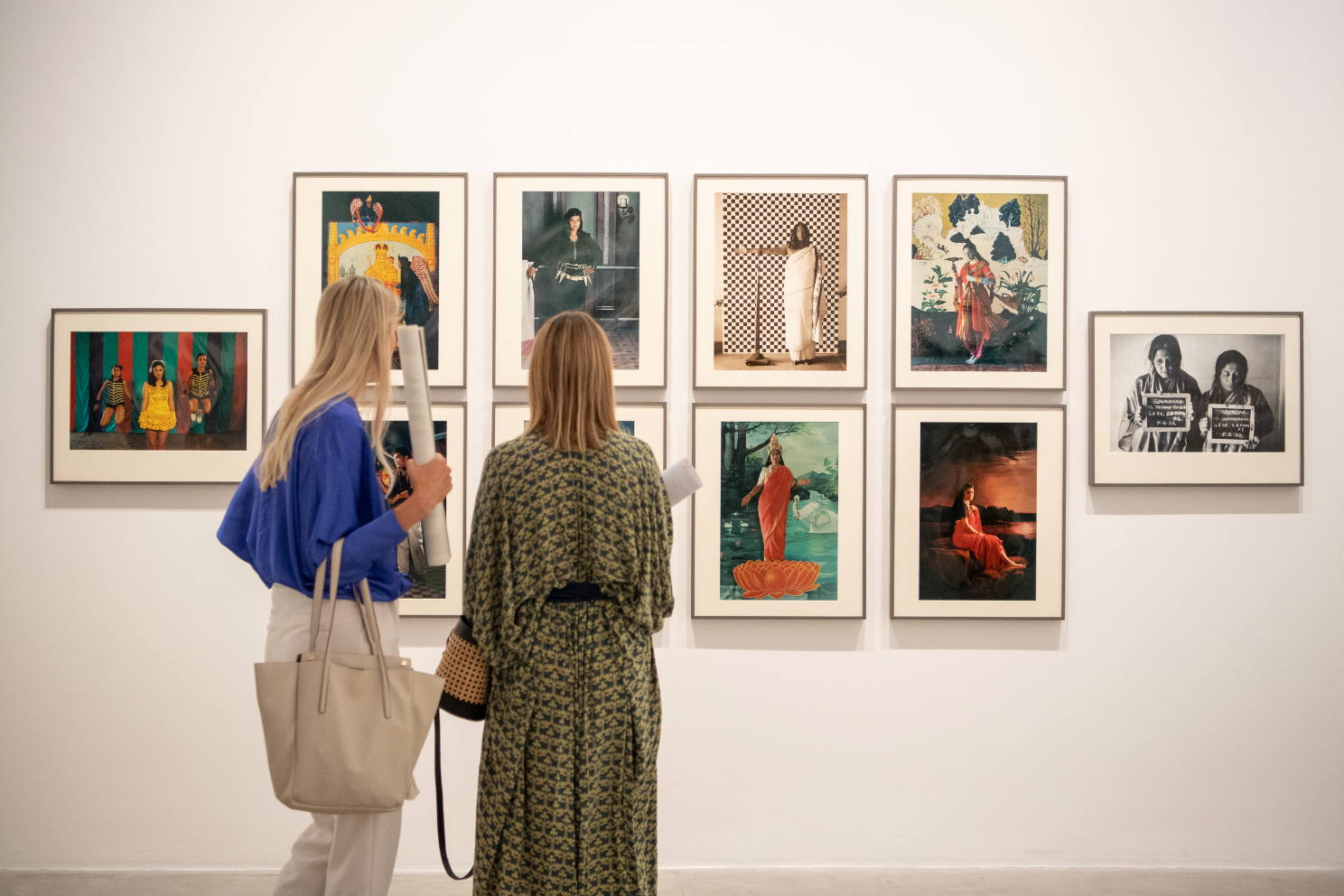
Talk by Pushpamala N., artist, India
Born in Bangalore, Pushpamala is considered one of India’s most established artists. In this talk, Pushpamala will walk audiences through the feminist performance & indian histories that closely influence her work.
View: Pedagogy | Pushpamala N.
Making Theater: A Global Classroom Case Study from NYU Abu Dhabi
Joanna Settle
This talk shares the development process for a course designed to give students from around the world a shared collaborative experience making theater together, without defining the parameters of what "theater" might be.
View: Pedagogy | Joanna Settle
Structures of Experience
Rabbya Naseer
Based on the experience of making, teaching, curating, & archiving ‘Performance Art’ within (but not limited to) the context of Pakistan, this talk will delve into some of the methods of inquiry; how to teach and archive a practice/medium/form that resides in-between disciplinary boundaries and resists definitions?
View: Pedagogy | Rabbya Naseer
Be Like Water
Lecture Performance, Nikhil Chopra
In the famous words of martial artist and film star Bruce Lee “Be like water my friend, be formless, you put water in a cup it becomes a cup” I find a relationship to a practice of making art live, in a state of flux, that then exists as a memory of a moment or a series of moments archived and recorded in photographs, videos and drawings.
View: Pedagogy | Nikhil Chopra
Support
Panel moderated by Chinasa Vivian Ezugha
Artist and scholar, UK/Nigeria/UAE
What institutional infrastructure best supports a performer’s process? What do commissioners, curators and host institutions need to consider when developing a performance programme?
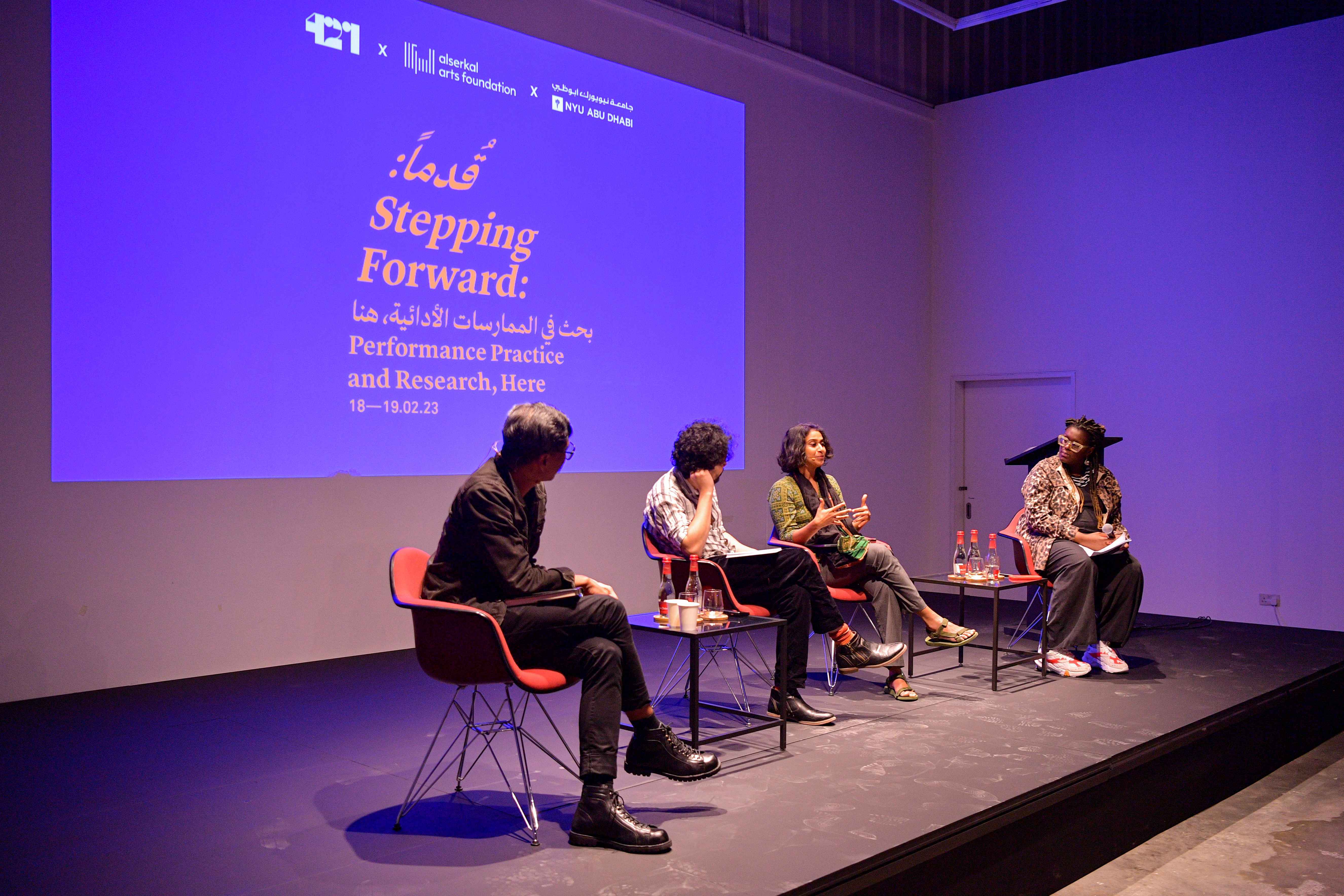
A Search for Decolonial Institution: Akademi AntarRagam and Majelis Dramaturgi as Experiments of Performing Supports
Ugoran Prasad
Our (globalized, globalizing) institutions are crumbling. Hence, these are exciting times. Should we delink from the institution –a notion of the social body that is embedded in Eurocentrism– and how?
Communities of support - From local to translocal
Venuri Perera
Finding herself a part of different communities, Venuri is a receiver, mediator and negotiator of various forms of support. She will share her experiences with these varied support systems through her collaborations with Colombo Dance Platform, The Packet Collective, and Portals Next.
Toward a Perennial Future
Tanzim Wahab
This presentation will discuss the current dynamics of social and institutional support of performance art in the context of Bangladesh. Bangladeshi performance art is characterized by the interdisciplinary exchanges it has always generated.
The Oil in the Tankers, the Wind in the Trees
Performance by Ho Rui An, artist, Singapore
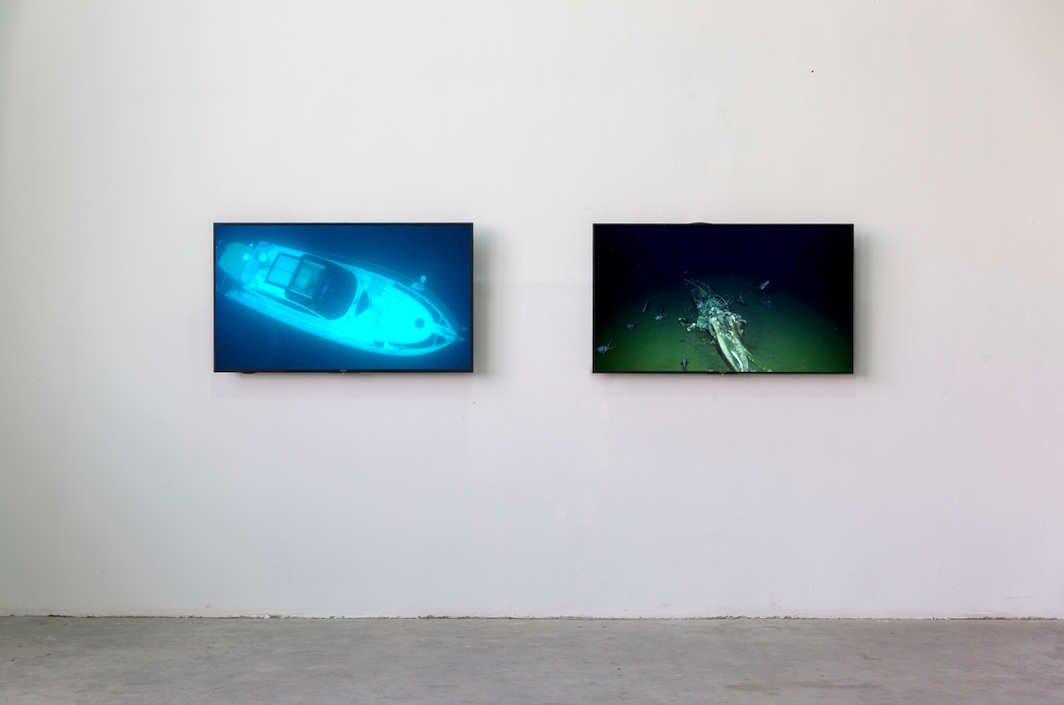
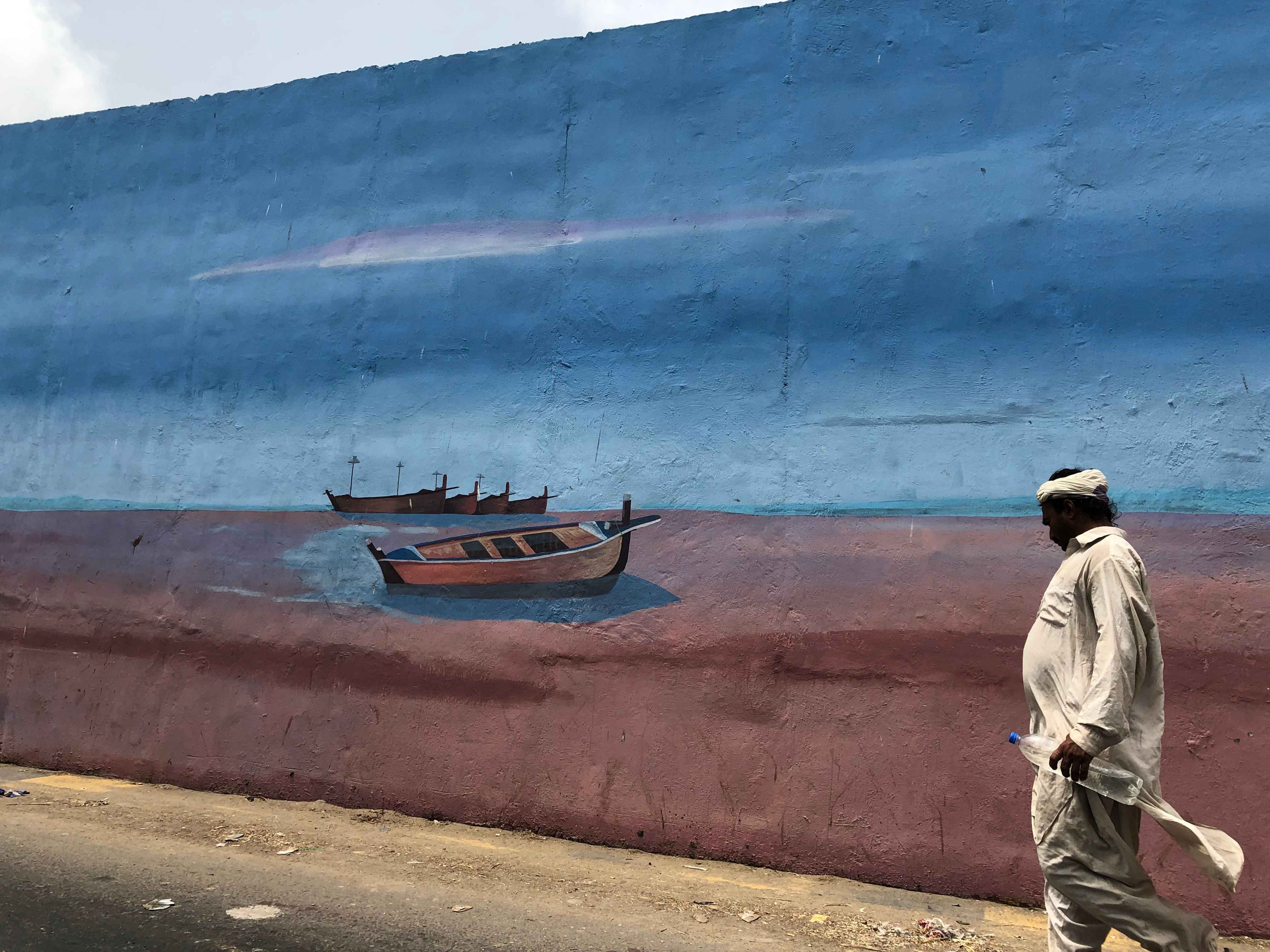
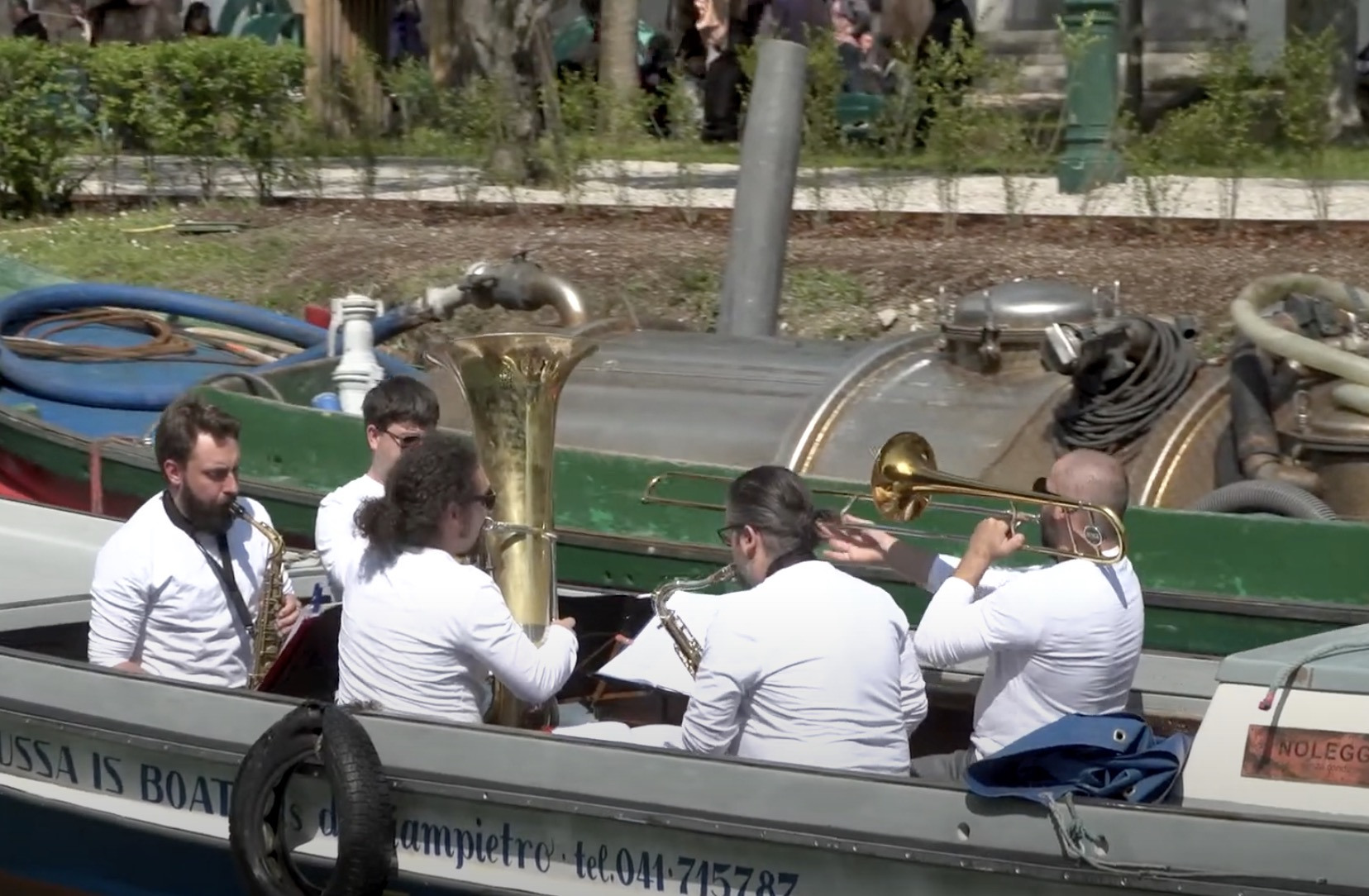
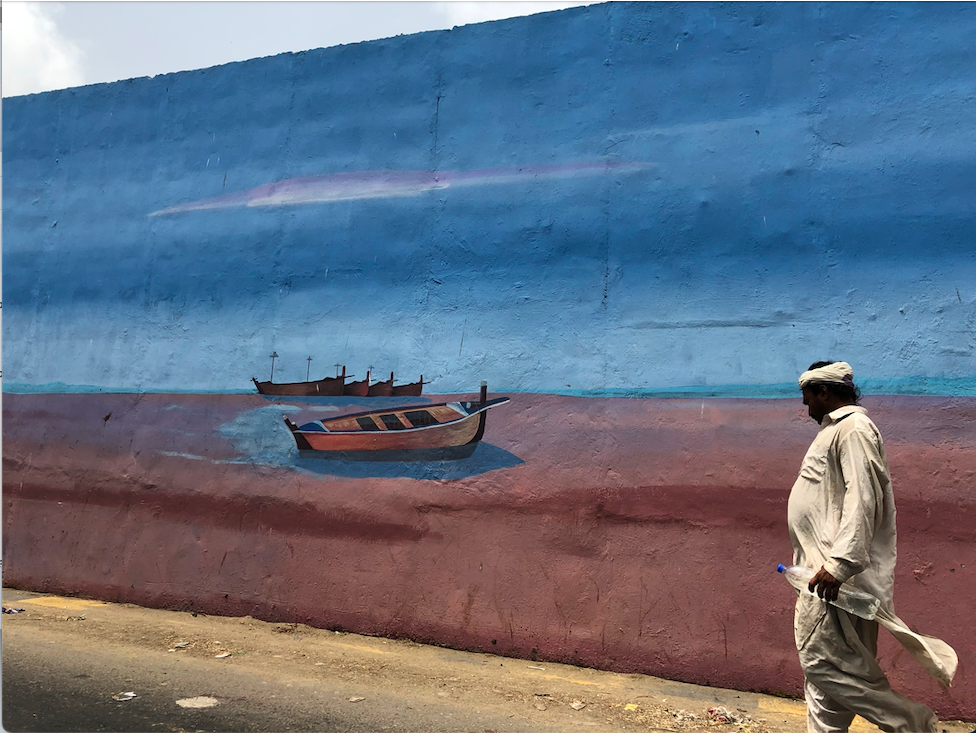
Sitting off the coast of Singapore are fleets of supertankers that speak to the economic significance of the oil industry in a country better known internationally as a postindustrial financial hub. Likewise, the botanical lushness of its urban landscape—a legacy of a nationwide greening movement launched in 1963—has allowed the city-state to produce an image of itself as “a city in a garden” that obscures its centrality within the global fossil fuels trade.
In this encounter between oil and trees, the vast tankers that allow oil to be kept out of circulation in order to be sold for higher prices at a later time are the underside to the alluring views of nature in constant motion, as observed by the American filmmaker D. W. Griffith when he famously invoked “the beauty of the moving wind in the trees”.
Biographies
Ammar Al Attar is a self-taught, Emirati mixed-media artist. Al Attar’s practice seeks not only to document and translate, but also methodically research and examine aspects of regional ritual, material culture, and geographic orientation that are increasingly elusive in his rapidly globalizing society. He has also been recognized with various prizes, including by the Emirates Fine Arts Society 2014, Emirates Photography Exhibition 2014, and Art Abu Dhabi Commission 2018. His pieces are held in public and private collections including Sharjah Art Foundation, Barjeel Art Foundation, Abu Dhabi Music and Arts Foundation, the British Museum and Yinchuan Museum of Contemporary Art in China.
Mays Albaik is a Palestinian artist and the Program & Community Initiatives Manager at 421, a creative platform in Abu Dhabi. In her practice she explores the triangulation of place, body, and language through video, sculpture, and installation. Mays holds an MFA from the Rhode Island School of Design, and a BArch from the American University of Sharjah, and is an alumna of the Salama Bint Hamdan Emerging Artist Fellowship.
Nujoom Alghanem is an Emirati poet, artist, and film director. She has published eight poetry collections and produced numerous films including documentaries, fiction, and art films. Her films have won over 40 regional and international prizes. In 2019, she was the solo artist of the UAE National Pavilion at the Venice Biennale, and two years earlier was one of five artists chosen to present the UAE in the same pavilion. She received the Pride of the UAE Medal through the Mohammed bin Rashid Government Excellence Award, and is currently a trustee of the International Prize for Arabic Fiction.
Ho Rui An is an artist and writer working in the intersections of contemporary art, cinema, performance and theory. He has presented projects at the Bangkok Art Biennale; Asian Art Biennial; Gwangju Biennale; Jakarta Biennale; Sharjah Biennial; Kochi-Muziris Biennale; Haus der Kulturen der Welt, Berlin; and more. In 2019, he was awarded the International Film Critics’ (FIPRESCI) Prize at the International Short Film Festival Oberhausen, Germany.
Katia Arfara is Assistant Professor of Theatre & Performance Studies at New York University Abu Dhabi and curator. Her research, curatorship and teaching focus on performance and politics in the Global South, postcolonial dramaturgies, migration, and public art. She is the author of Théâtralités contemporaines and co-editor of lntermedial Performance and Politics in the Public Sphere.
Eva Bentcheva is an art historian and curator with a focus on transnational archives, conceptualism, performance and participation art in South/Southeast Asia and Europe. She completed her PhD in Art History at the School of Oriental and African Studies, University of London. She co-curated the exhibition Archives in Residence: Southeast Asia Performance Collection in 2019.
Nikhil Chopra’s artistic practice interweaves live art, drawing, photography, sculpture and installations. His performances began internationally in 2008 with contributions to the Yokohama Triennale, kunstenfestivaldesarts Brussels, the 53rd Venice Biennale, Performa New York and more. In 2019 he presented a nine-day solo performance titled “Lands, Waters and Skies” for the Metropolitan Museum of Art. Nikhil Chopra was born in Calcutta in 1974, and lives in Goa.
Chinasa Ezugha (Nigeria/UK/Abu Dhabi) is Co-Director LADA and Assistant Professor of Live Art as Social Practice at NYU Abu Dhabi. Her interdisciplinary practice spans Live Art, film and drawing, questioning her identity as a Black woman living in England. She is currently a PhD candidate at the University of Exeter.
Reem Fadda is a curator and art historian who has organised many international exhibitions and biennials, especially those pertaining to art and geopolitics in the Middle East. She is the Director of the Cultural Foundation, Abu Dhabi Department of Culture and Tourism. She was previously Associate Curator, Middle Eastern Art at the Guggenheim Museum and Director of the Palestinian Association for Contemporary Art (PACA), Ramallah.
Alia Hamdan is a researcher in esthetic politics and dance and performance theory and a performance practitioner. Since 2013, she has taught courses of performance theory and art history at ALBA, LAU and USJ in Lebanon.
Rattanamol Singh Johal is currently Assistant Director of the International Program at The Museum of Modern Art (MoMA) in New York. He holds a doctorate in Art History from Columbia University. He has held research and curatorial fellowships at MoMA, Tate Research Centre: Asia, and the Whitney Independent Study Program.
George Jose researches metropolitan transformation in and of contemporary south Asia. He is currently a Visiting Associate Professor of Anthropology at NYU Abu Dhabi, and has held research and leadership positions including Dean of the Jyoti Dalal School of Liberal Arts at NMIMS University, Mumbai, and inaugural Program Director for Asia Society India.
Mohammed Kazem was born in Dubai in 1969. He studied painting as a teenager at the Emirates Fine Art Society, Sharjah, and received an MFA from the University of the Arts, Philadelphia in 2012. A conceptual artist who has worked closely with his mentor, artist Hassan Sharif, Kazem uses overlooked remnants of the everyday to measure and navigate global transformations.
Abhishek Majumdar is a playwright, theater director and scenographer. He is also faculty and Program Head Theater at New York University Abu Dhabi.
Pushpamala N. is an artist based in Bangalore, India. In her strongly feminist and subversive work as a photo and video artist, sculptor, performer, writer and curator, Pushpamala seeks to intervene in the dominant cultural and intellectual discourse. She was the Artistic Director of the Chennai Photo Biennale (2019).
Sofiane Ouissi is a choreographer, dancer and curator who works collaboratively with his sister Selma. They are considered major figures in contemporary dance in the Arab world. In Tunis they created ‘Dream City’, a biannual inclusive festival concept, and the structure ‘L’Art Rue’, dedicated to artistic gestures that aim for social and political transformation.
Venuri Perera is a choreographer, performance artist, curator and educator from Colombo. A member of the Chitrasena Dance Company for 15 years, since 2017 she has been exploring the power dynamics of gaze, anonymity, sensuality and subverting frameworks of ritual through performative experiments in public space, theaters and galleries.
Ugoran Prasad is a fictionist, dramaturg, and performance scholar, Associate Artistic of Teater Garasi/Garasi Performance Institute (Yogyakarta). He leads Akademi AntarRagam, a deschooling program based on expanded dramaturgy and social practice, and is a PhD candidate in Theatre and Performance at the Graduate Center, City University of New York.
Nada Raza is a curator and researcher whose work focuses on contemporary art from South and West Asia. She is currently the director of Alserkal Arts Foundation and previously Research Curator at Tate Research Centre: Asia and founding artistic director of Ishara Art Foundation in Dubai.
Joanna Settle is the Associate Dean of Faculty Affairs and Social Impact and an Arts Professor of Theater at NYU Abu Dhabi. Her work has been seen at PS122, Museum of Contemporary Art in Chicago, MASSMoCA, and other venues. She recently completed a residency with Cité Internationale des arts in Paris.
Tina Sherwell is a Visiting Associate Professor of Art and Art History and Director of the MFA in Art and Media at NYU Abu Dhabi. Her research focuses on topographies of belonging, home, loss, and exile in the work of Palestinian and Arab artists. She was Director of The International Academy of Art, Palestine.
Tanzim Wahab is a curator, researcher and lecturer based in Berlin and Dhaka. He is the festival director of Chobi Mela International Festival of Photography, Dhaka, and served as chief curator of Bengal Foundation from 2016 to 2021.
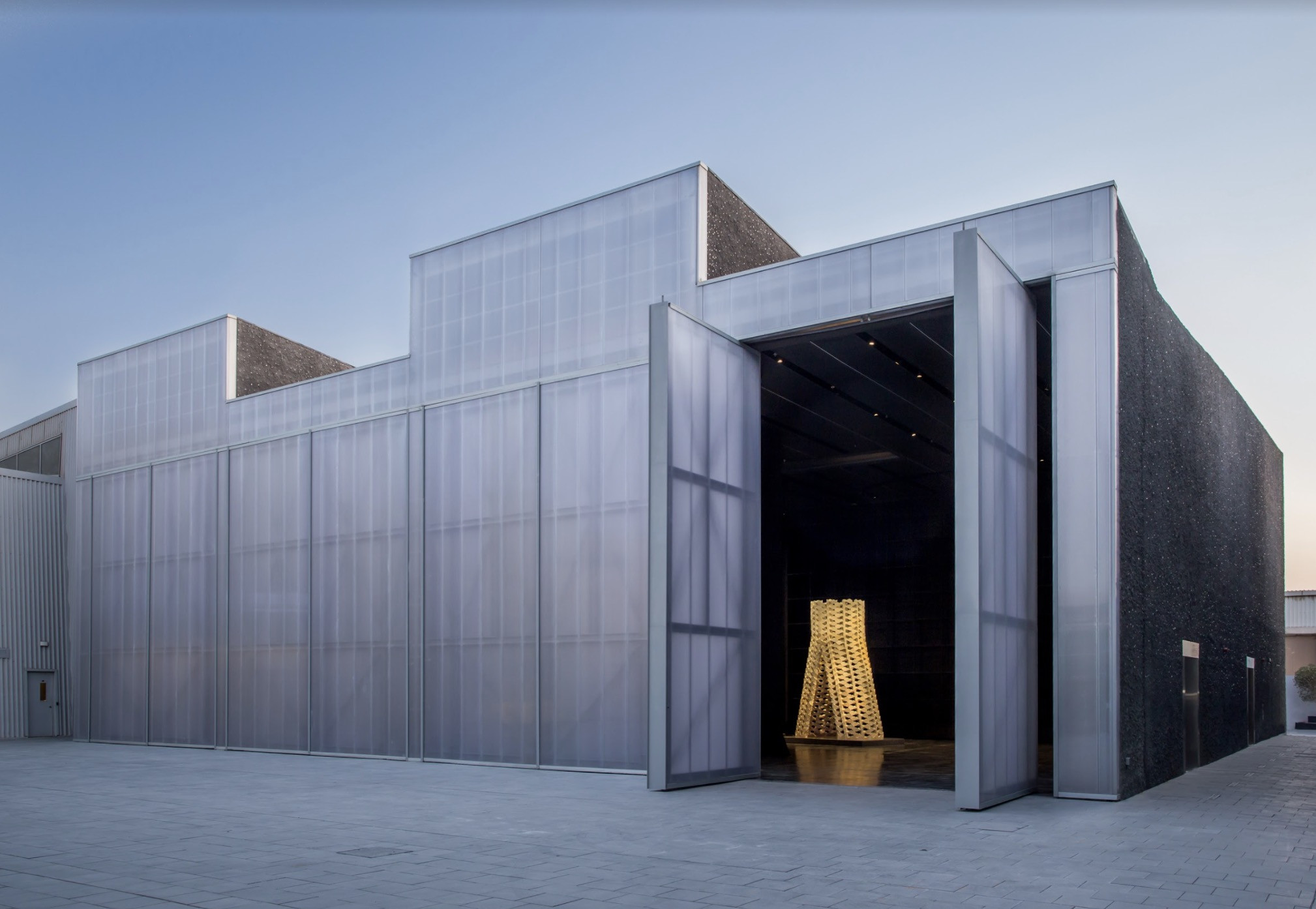
421 is an independent platform dedicated to emerging artists and creative practitioners in the UAE and across the region. Located in Abu Dhabi’s Mina Zayed, 421 presents a year-round program of exhibitions, talks, workshops, special events and educational initiatives.
Alserkal Arts Foundation is a non-profit that extends Alserkal’s mission to support cultural production, offering opportunities for research and artistic production to cultural practitioners and researchers whose work challenges the conventional boundaries of disciplines. Alserkal Arts Foundation is supported by Abdelmonem Bin Eisa Alserkal, Ahmad Bin Eisa Alserkal and the Alserkal family.
The Arts and Humanities at NYU Abu Dhabi encompass fields of central importance to human culture and creativity, spanning the disciplines to better understand the human experience through works of art and literature.










Stay tuned...

Stay tuned...

Stay tuned...





Stay tuned...