

From the Archive | Spring 2023 Residency

Open Studio + Open House
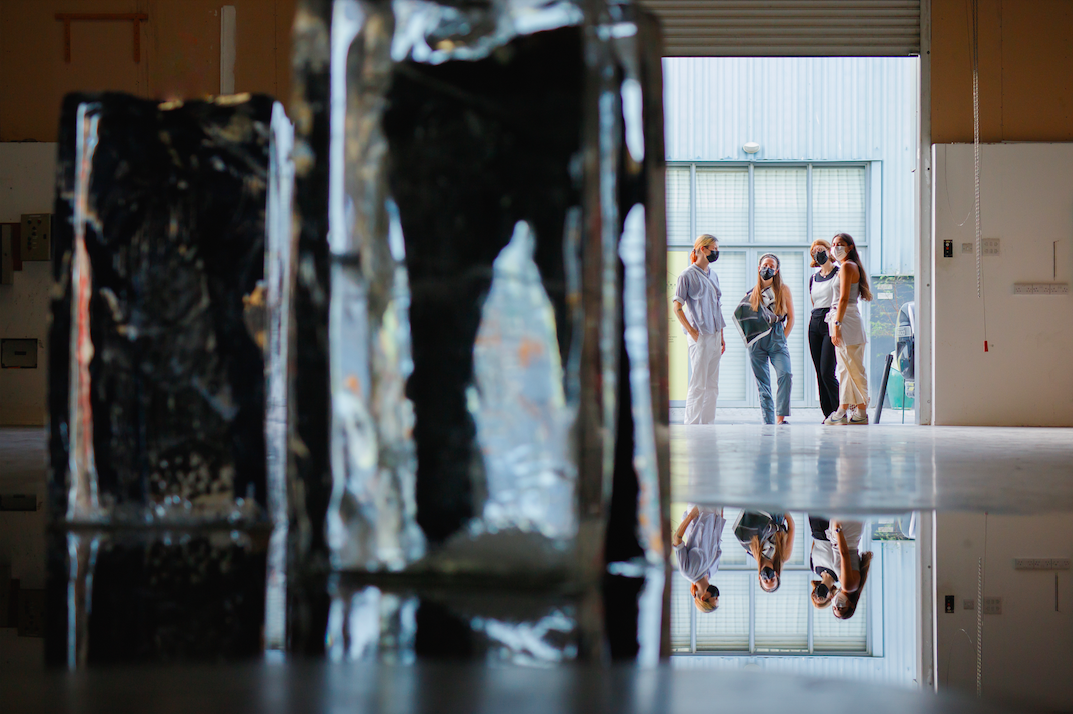
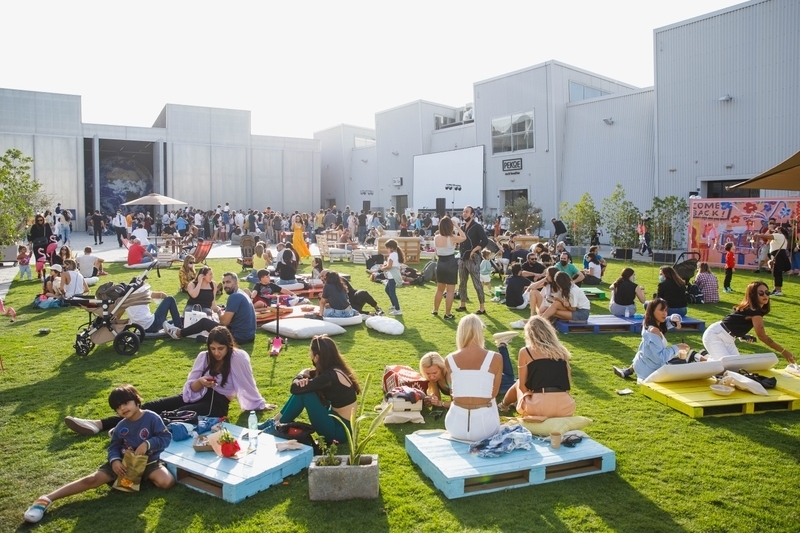
4 March | Open Studio | Meet the Residents
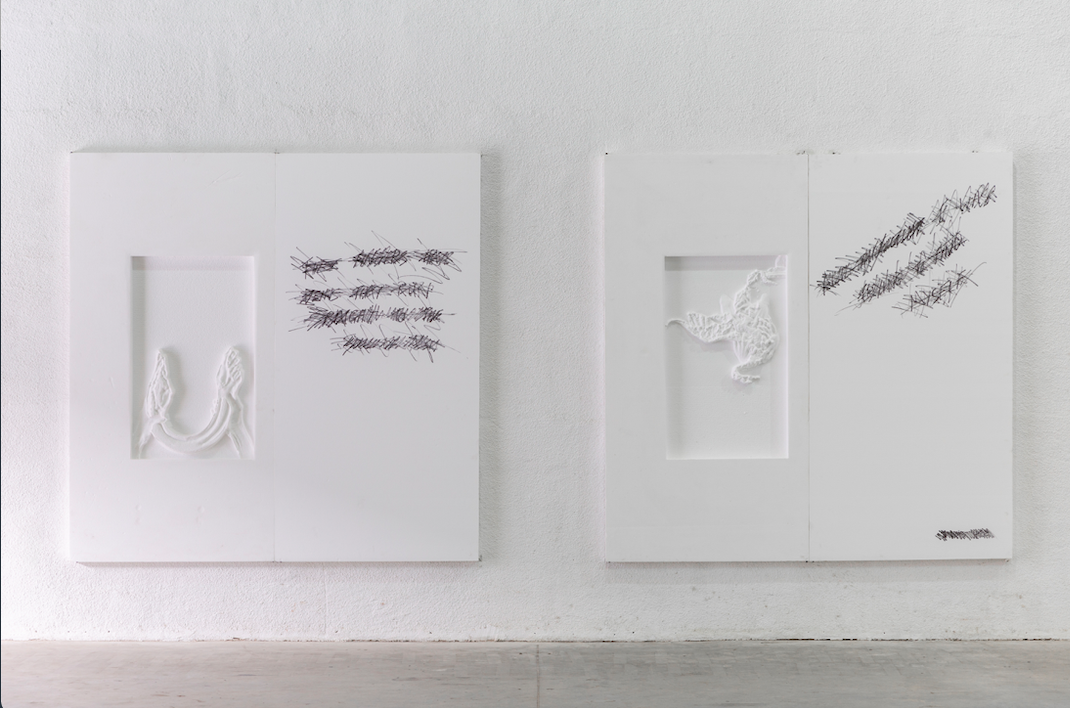
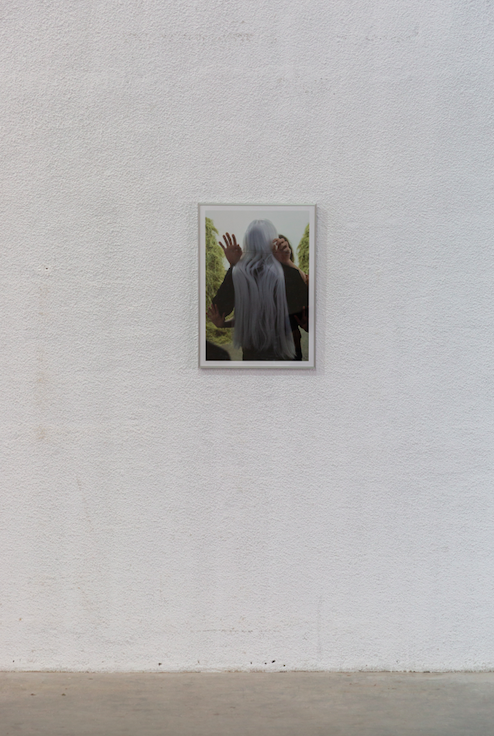
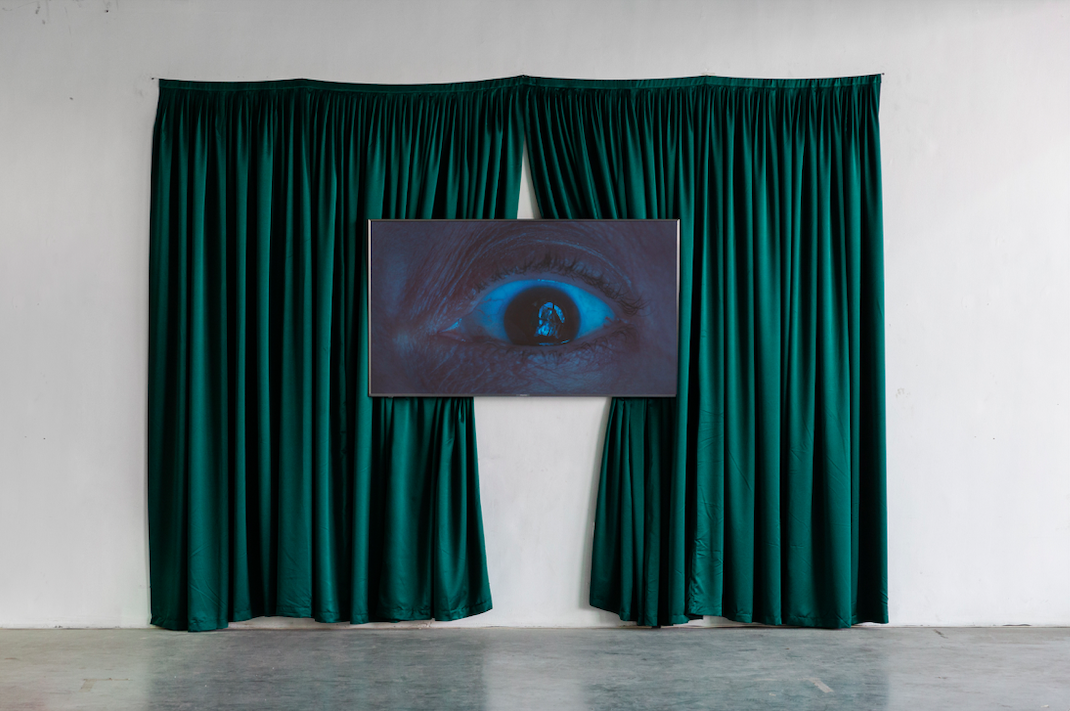
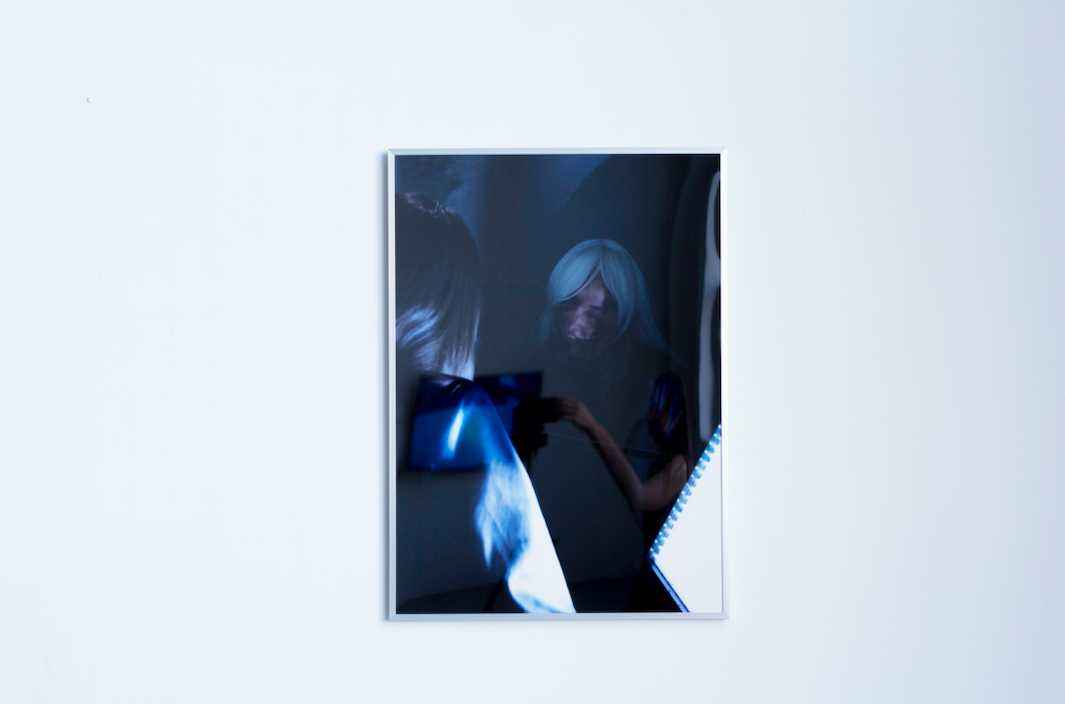
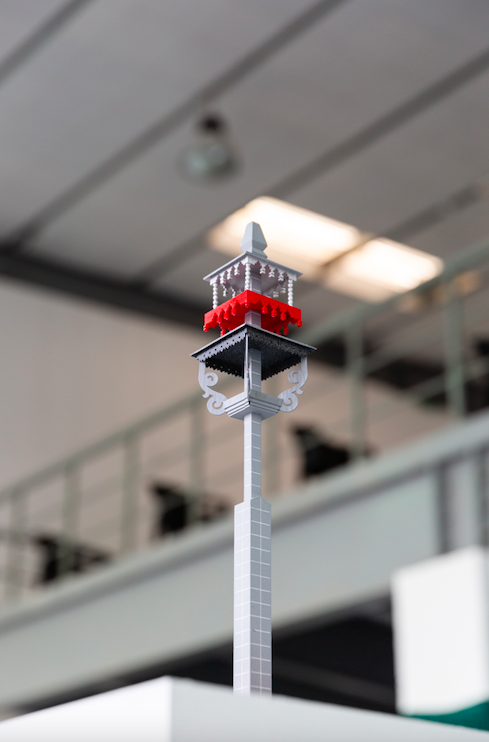
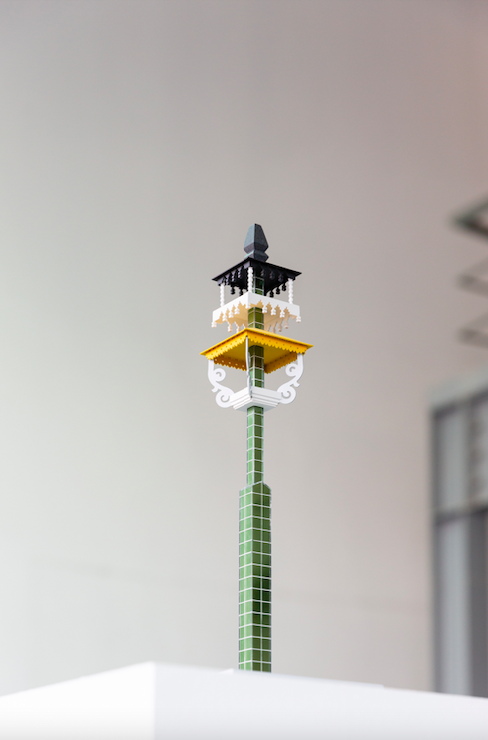
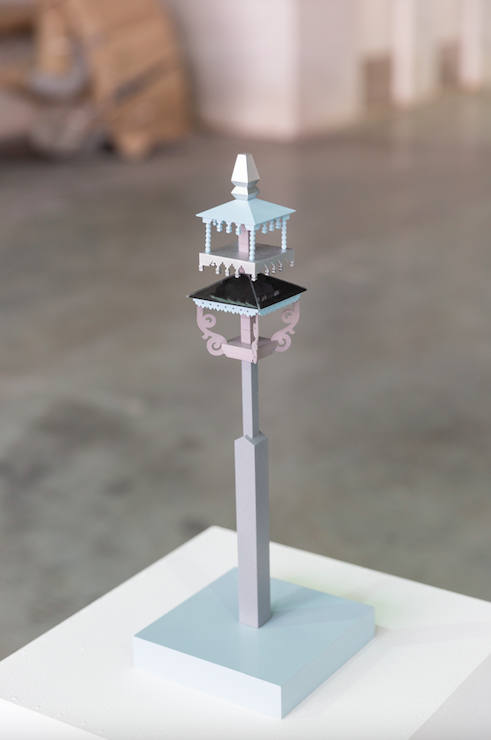
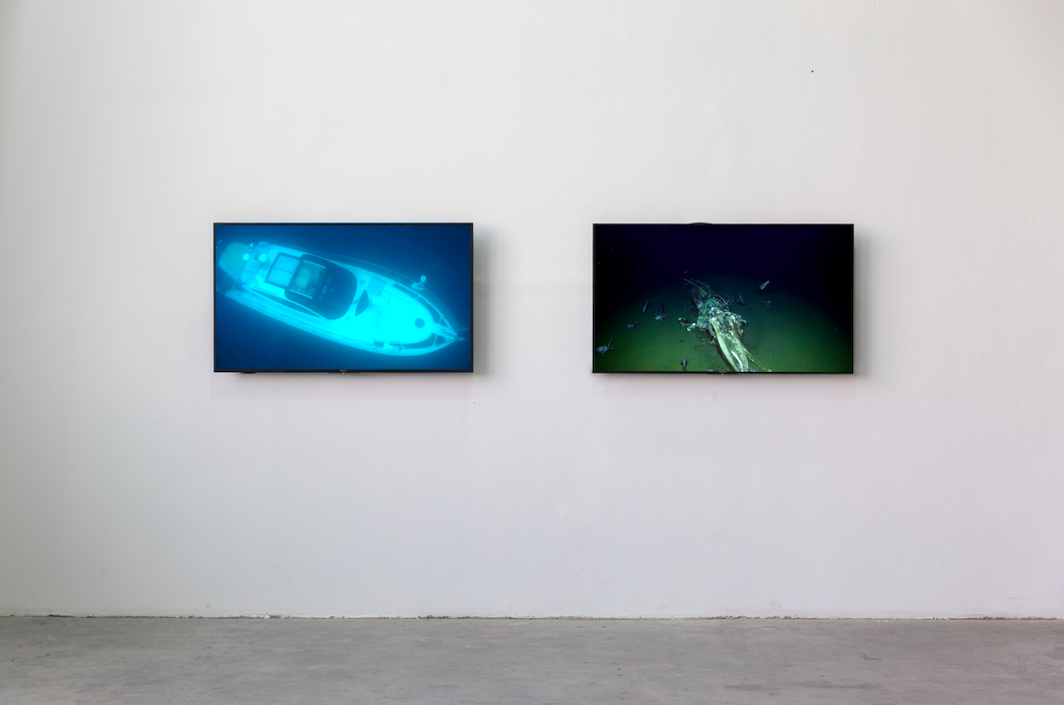
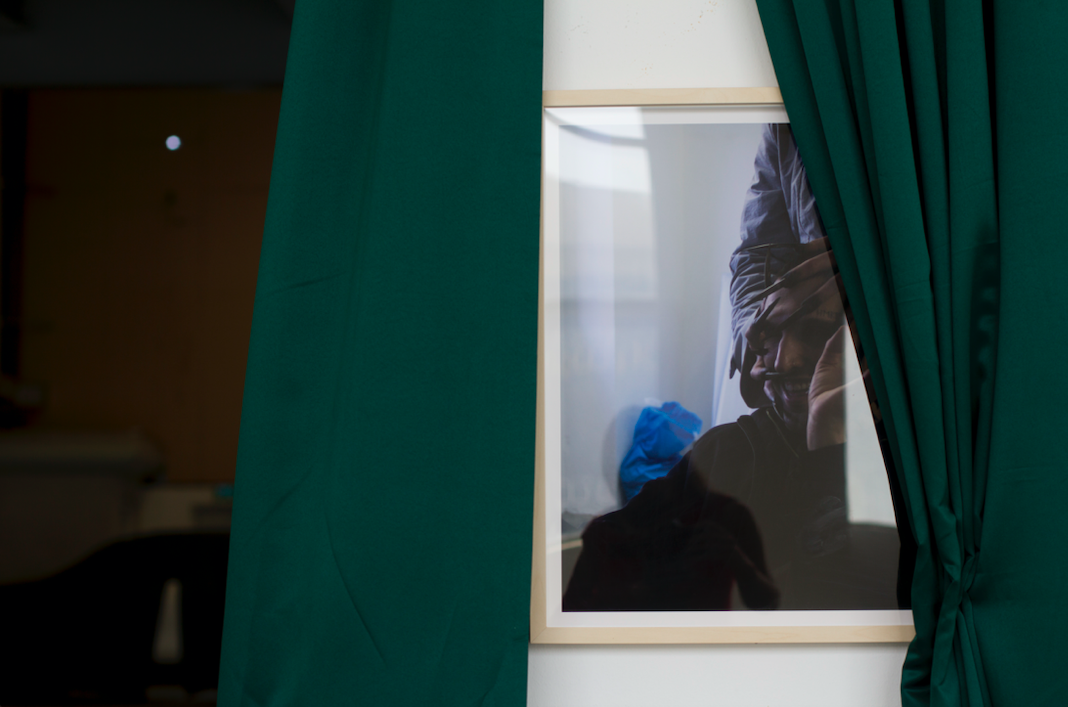
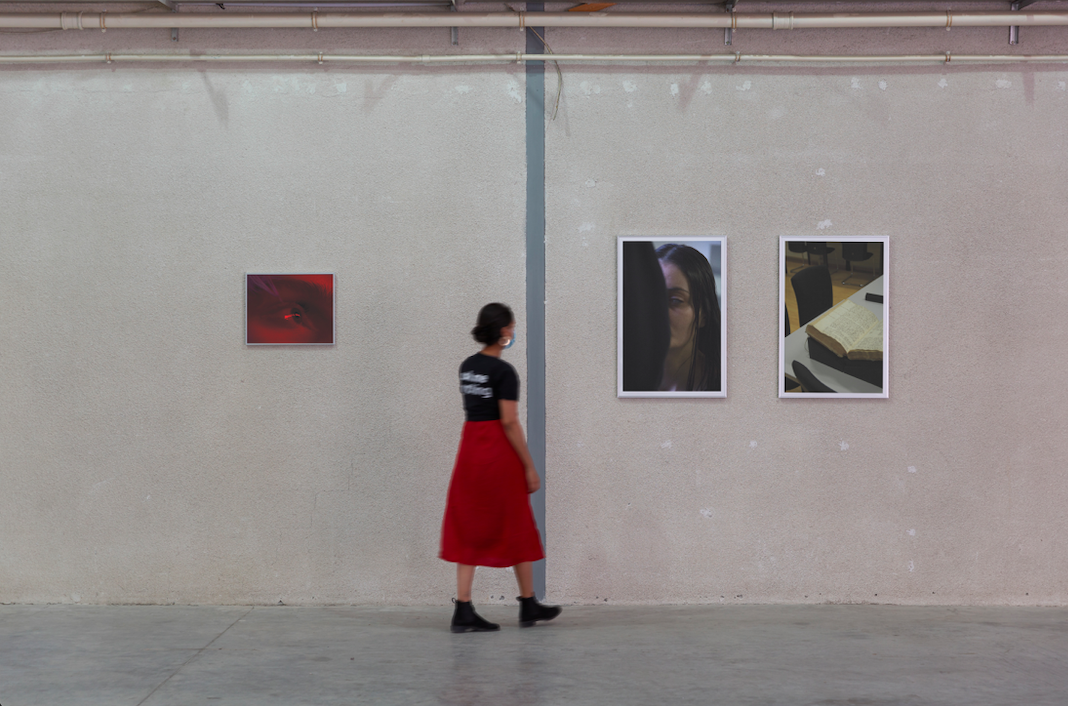
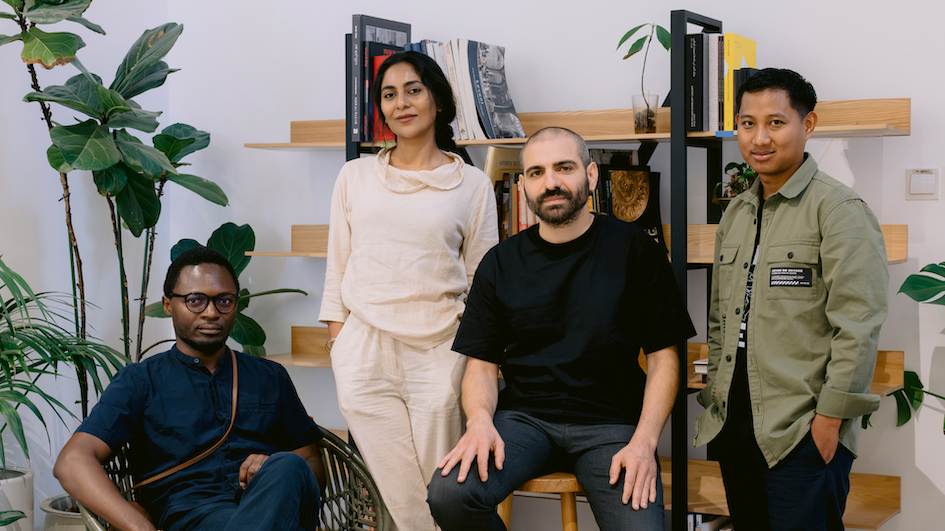
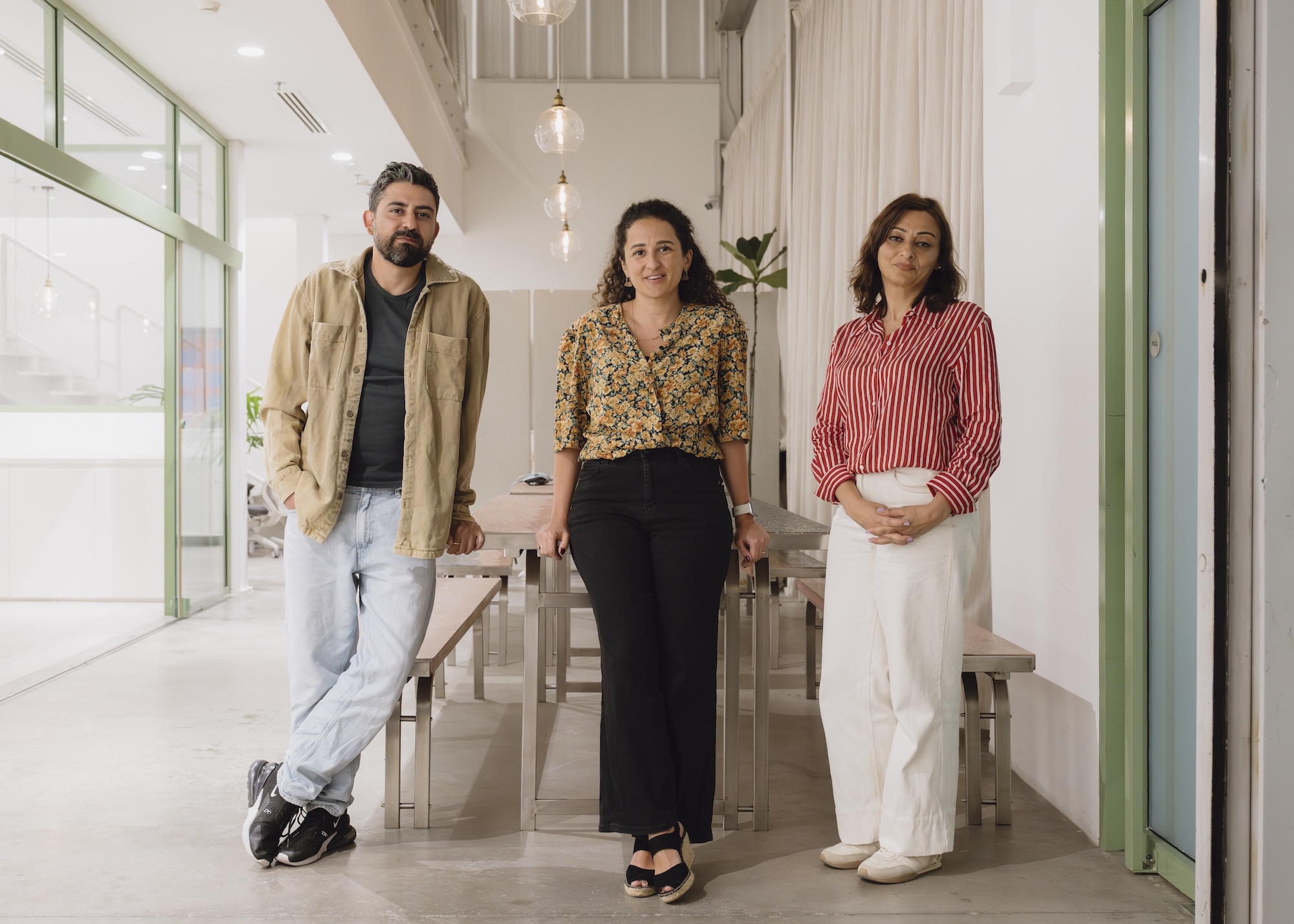
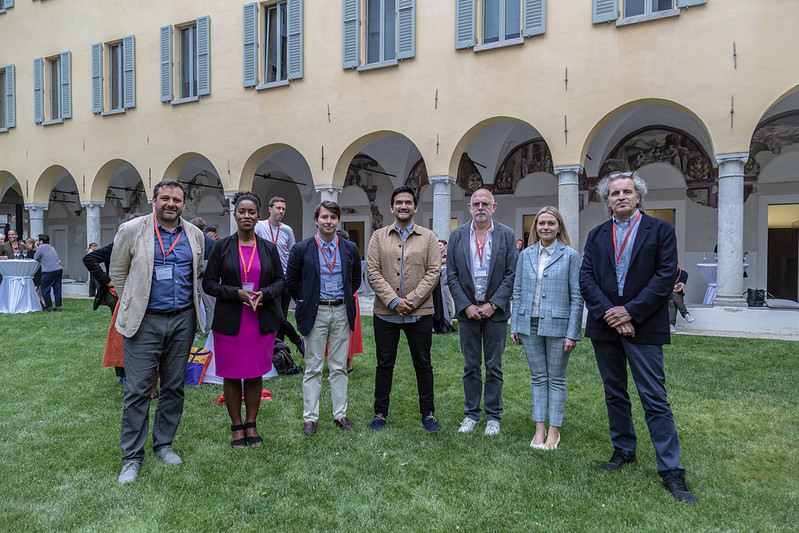
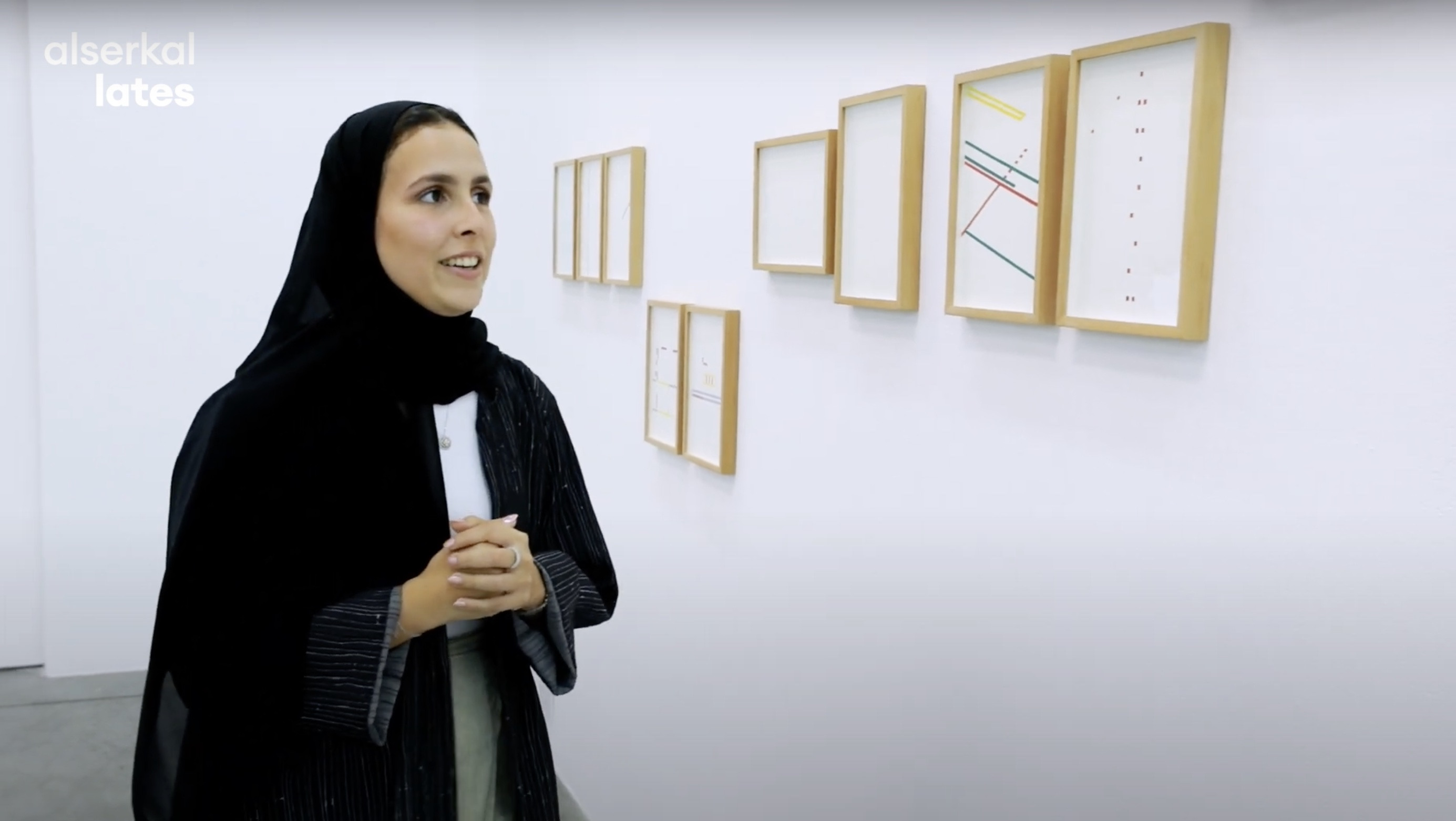
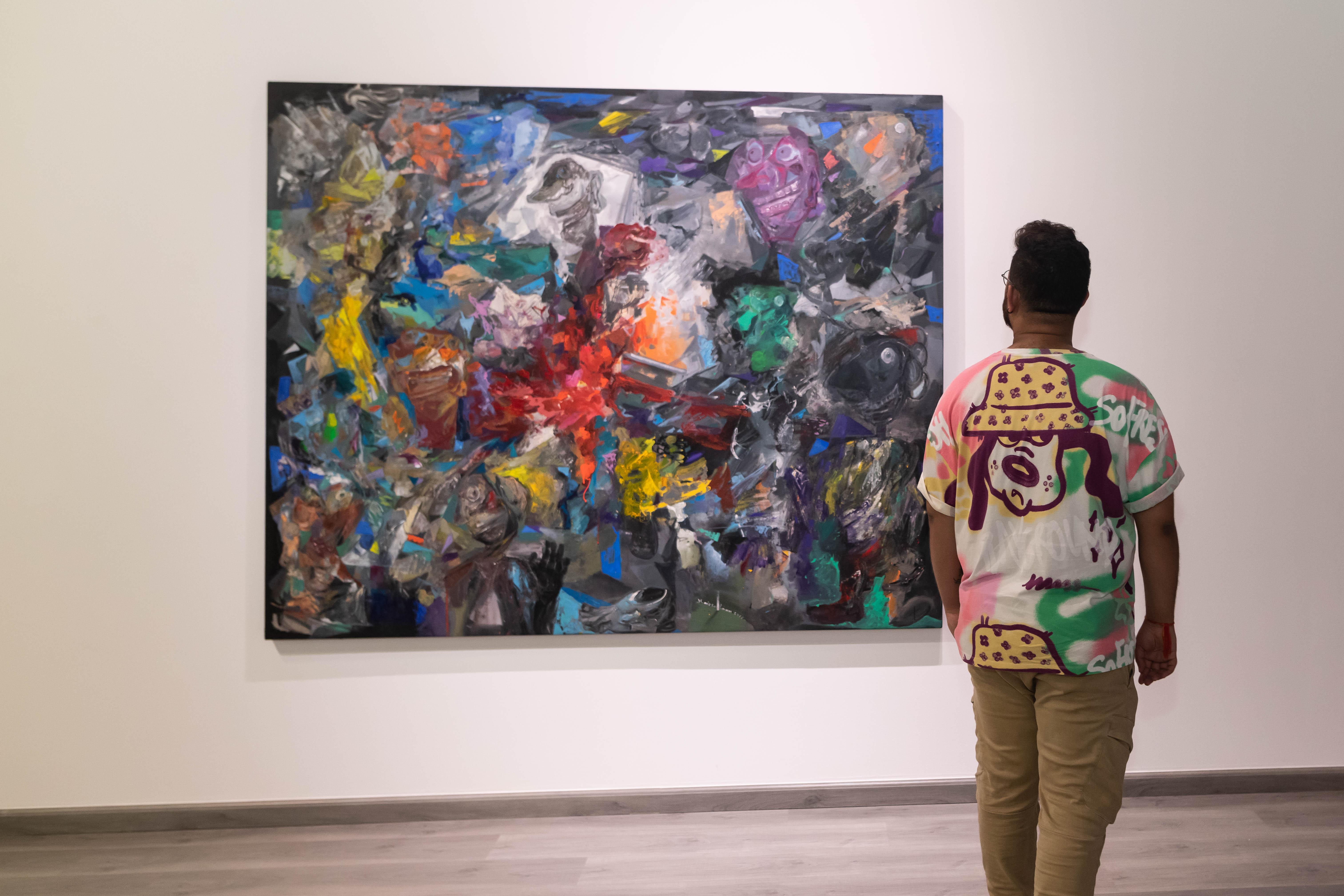
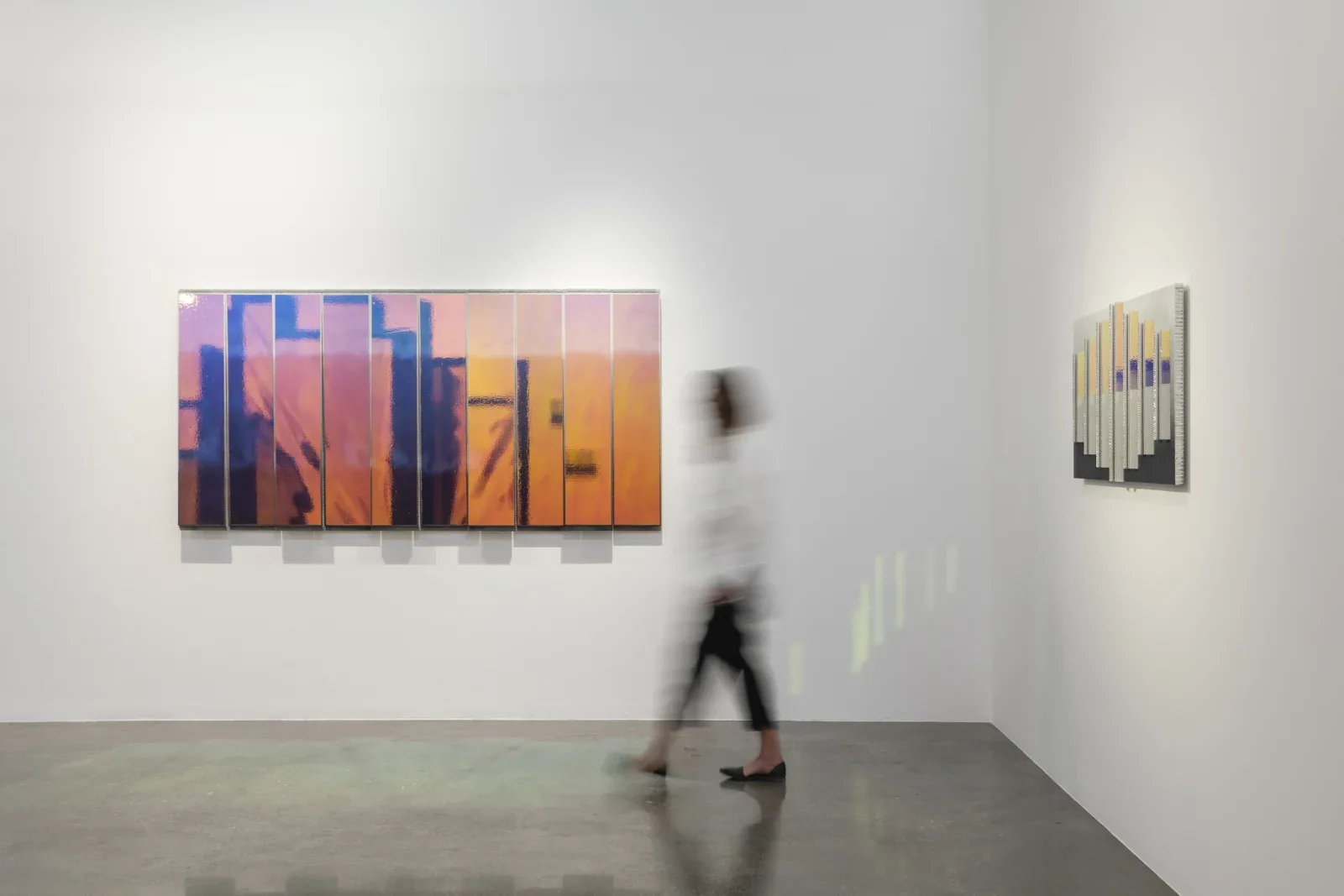
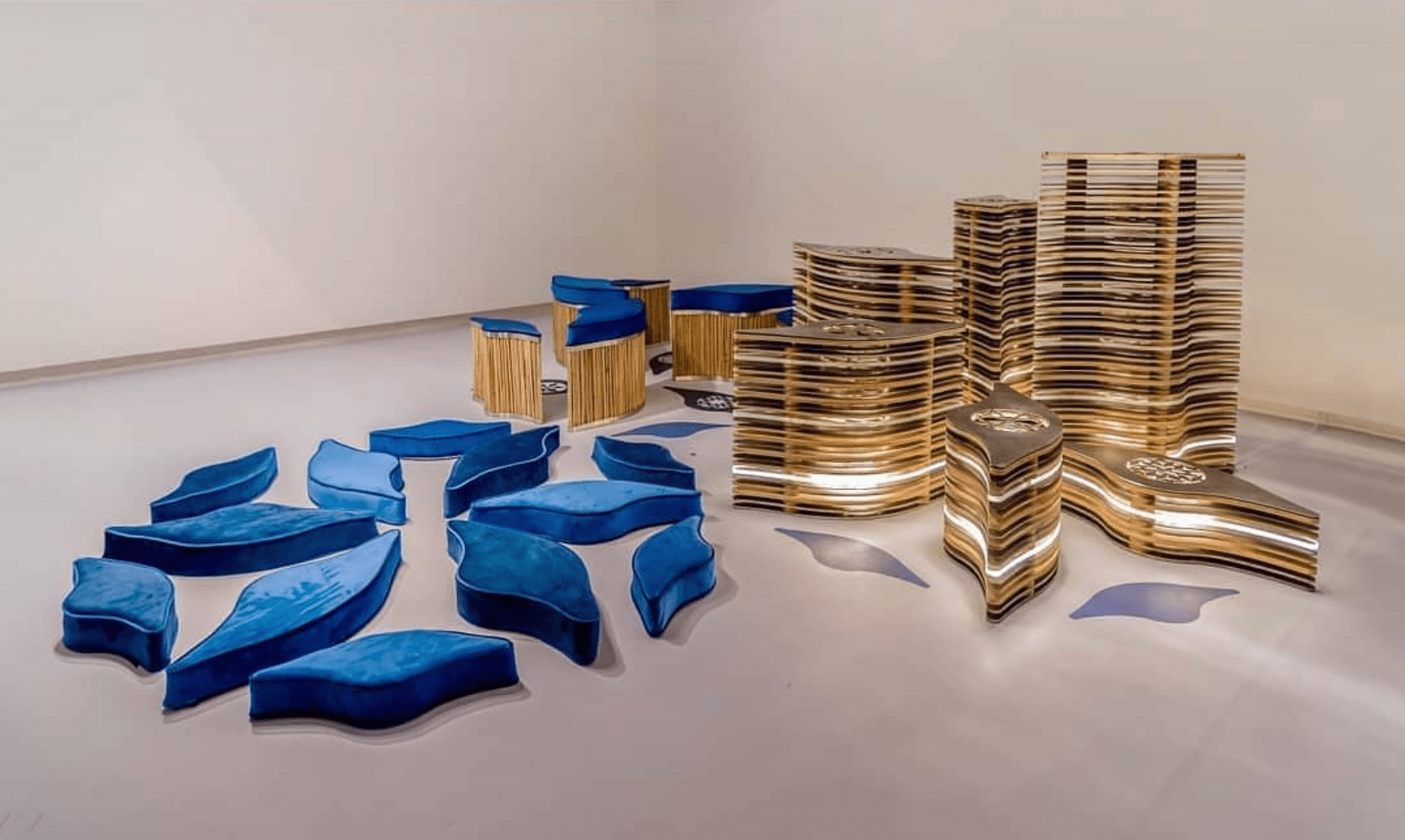
Visual artist Shada Safadi, artist researcher Mhamad Safa, emerging scholar Jalila Haider, and artist Masaru Iwai presented their research-led projects as part of their residency at Alserkal Arts Foundation from January to March 2023.
Alserkal Arts Foundation hosts two residency cycles per year. Since these began in 2017, it has hosted 34 artists and researchers from multiple disciplines. The foundation welcomes practitioners from all fields of academic or practice-led inquiry, supporting critical and intellectually curious projects that impact the regional cultural sphere.
Learn more about the residency programme here.
Public Programmes
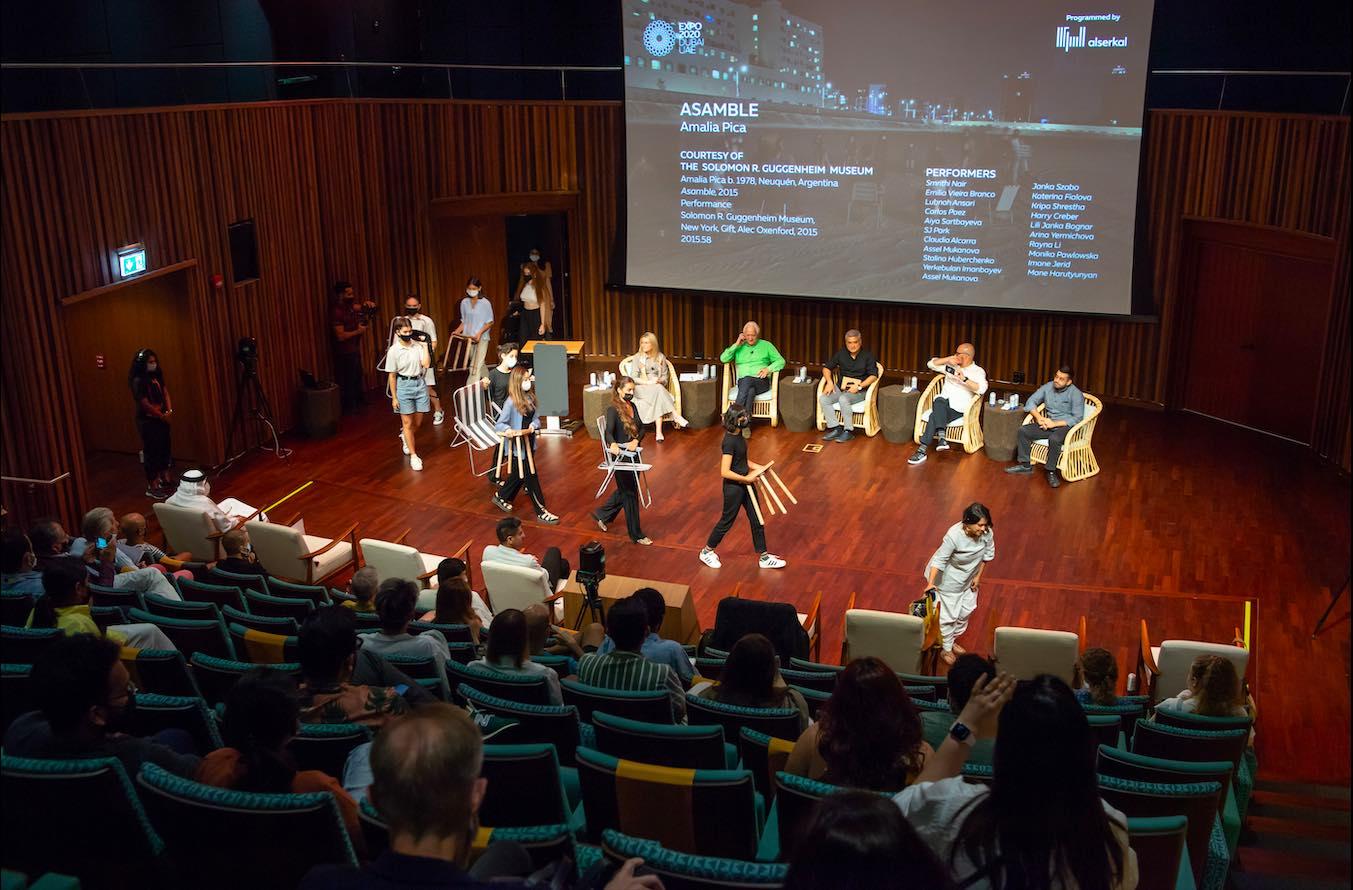
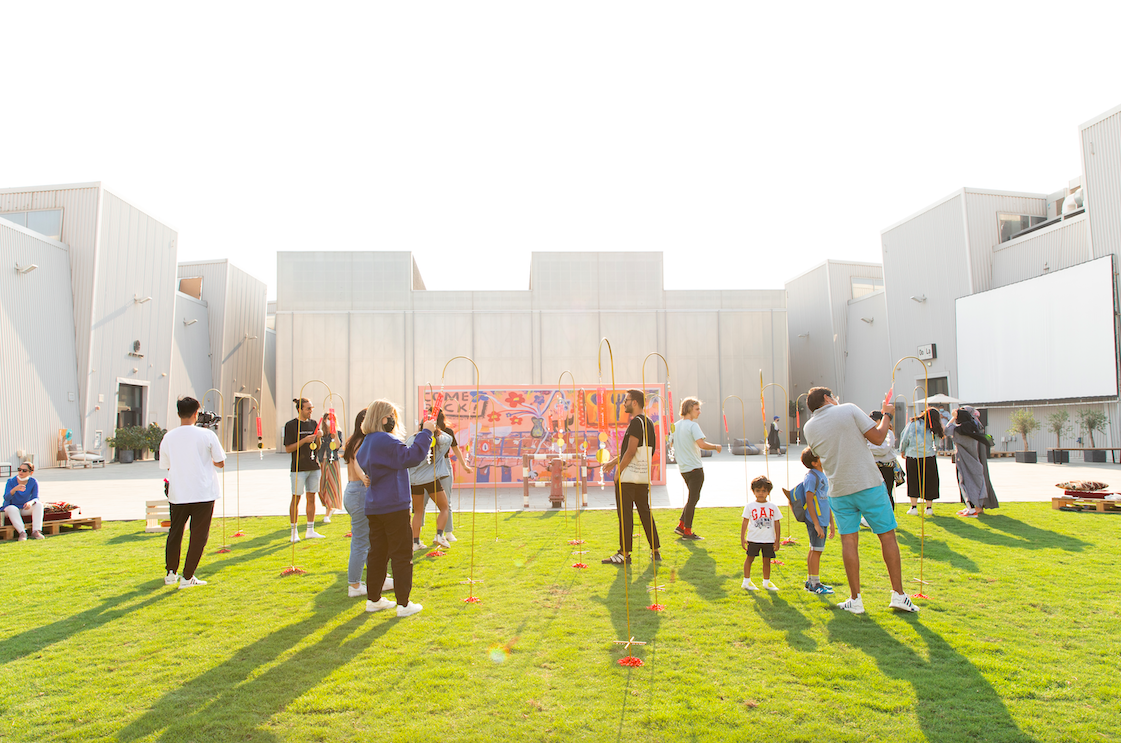
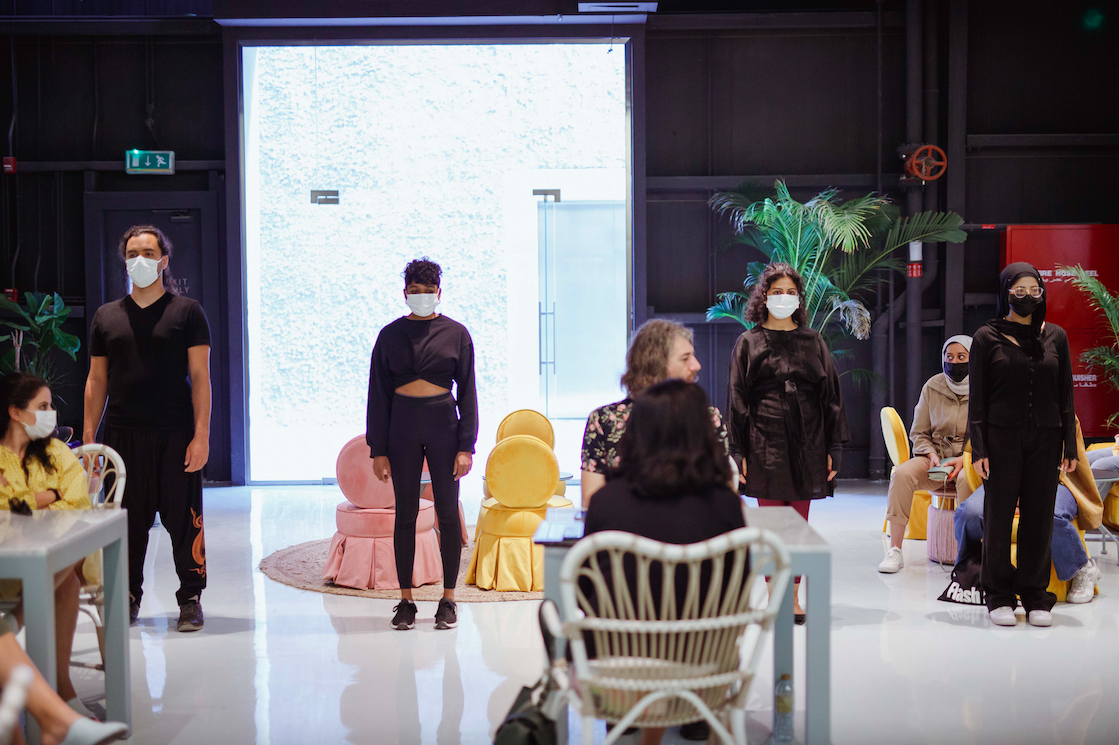
8 March | Surface / Active / Agent | Masaru Iwai
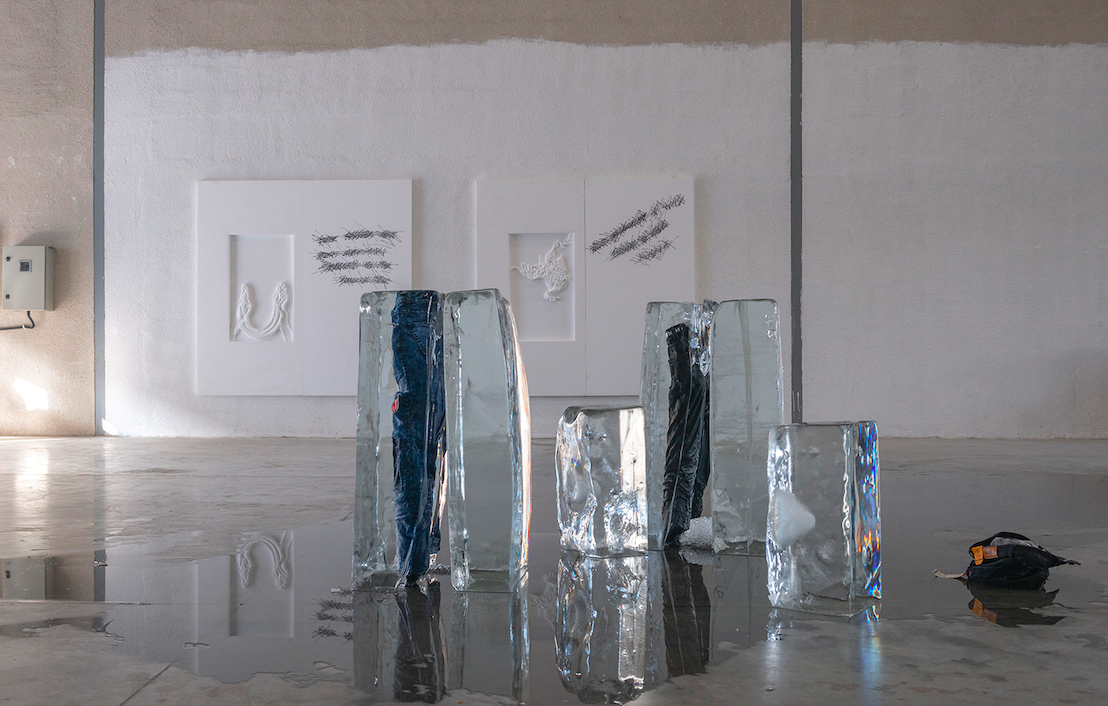
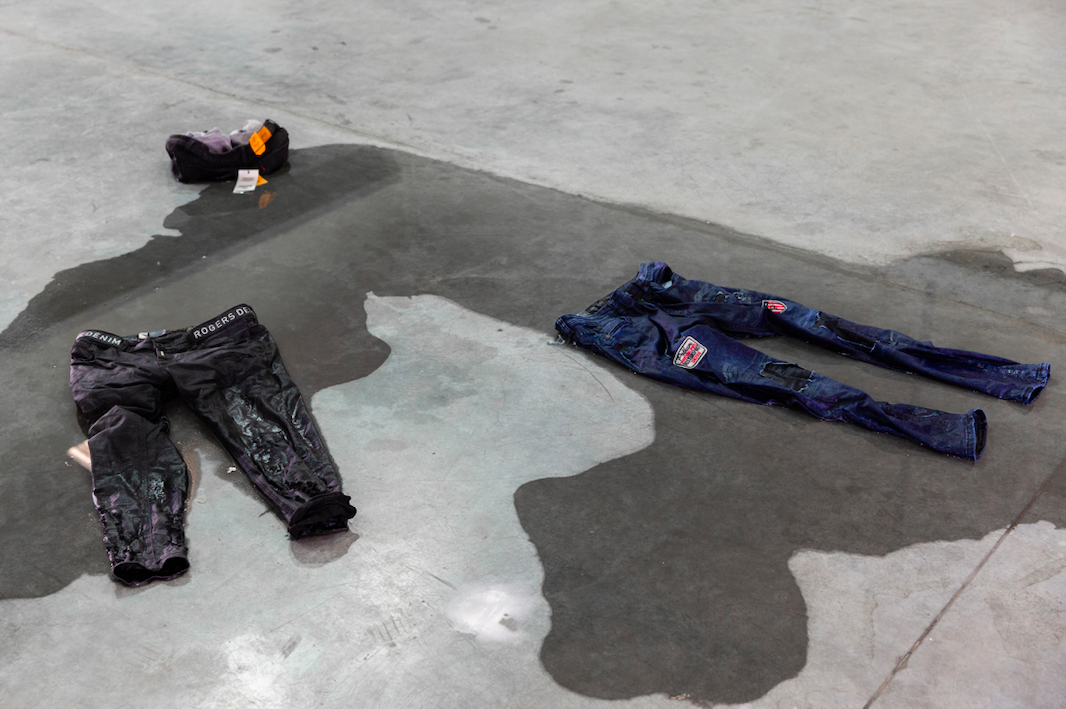
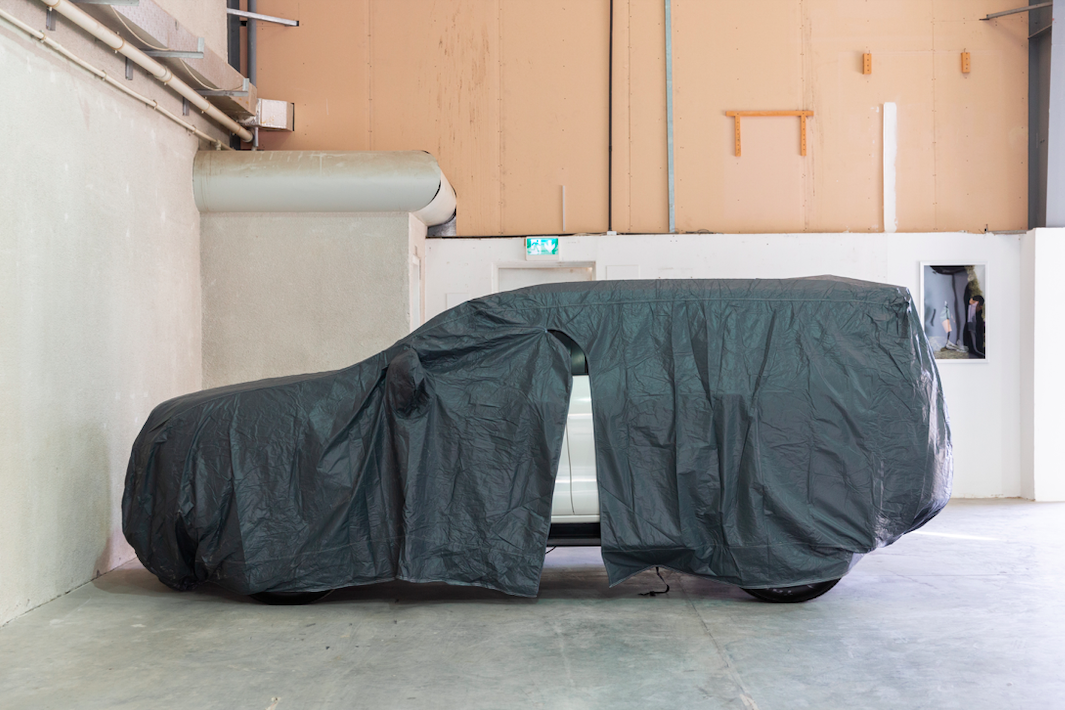
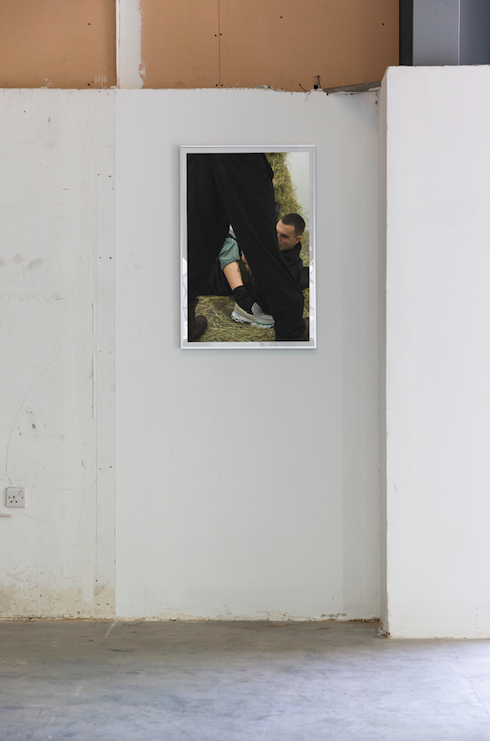
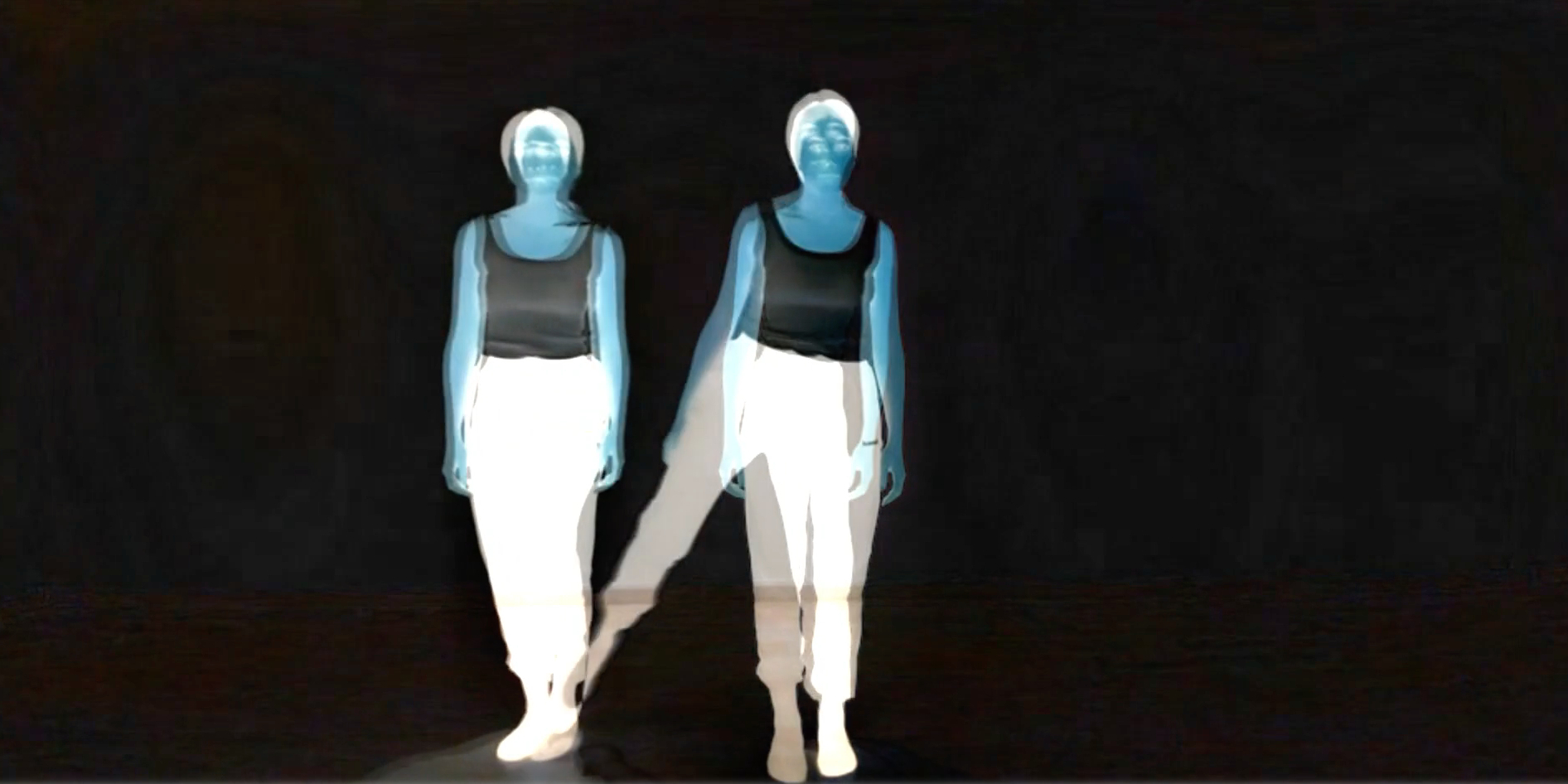
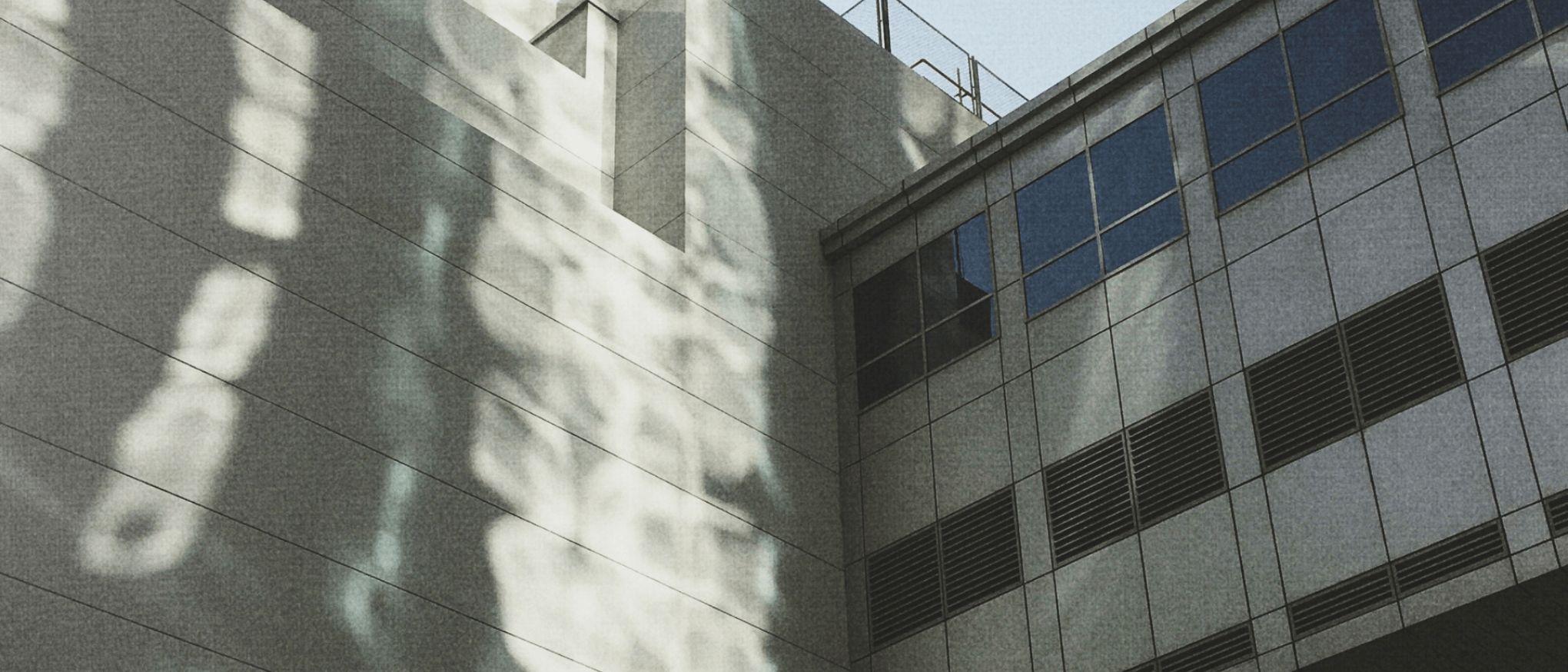
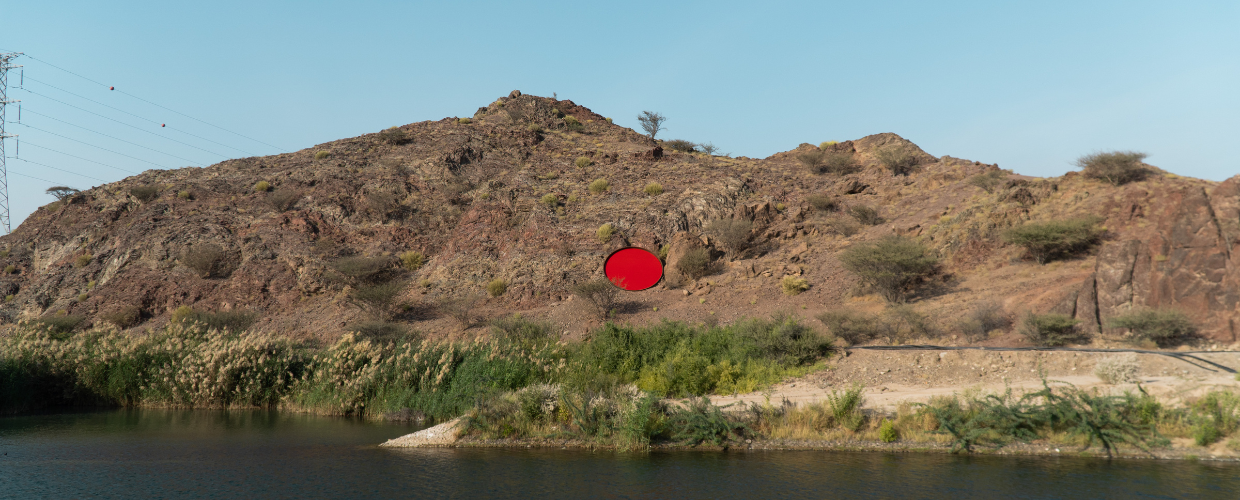
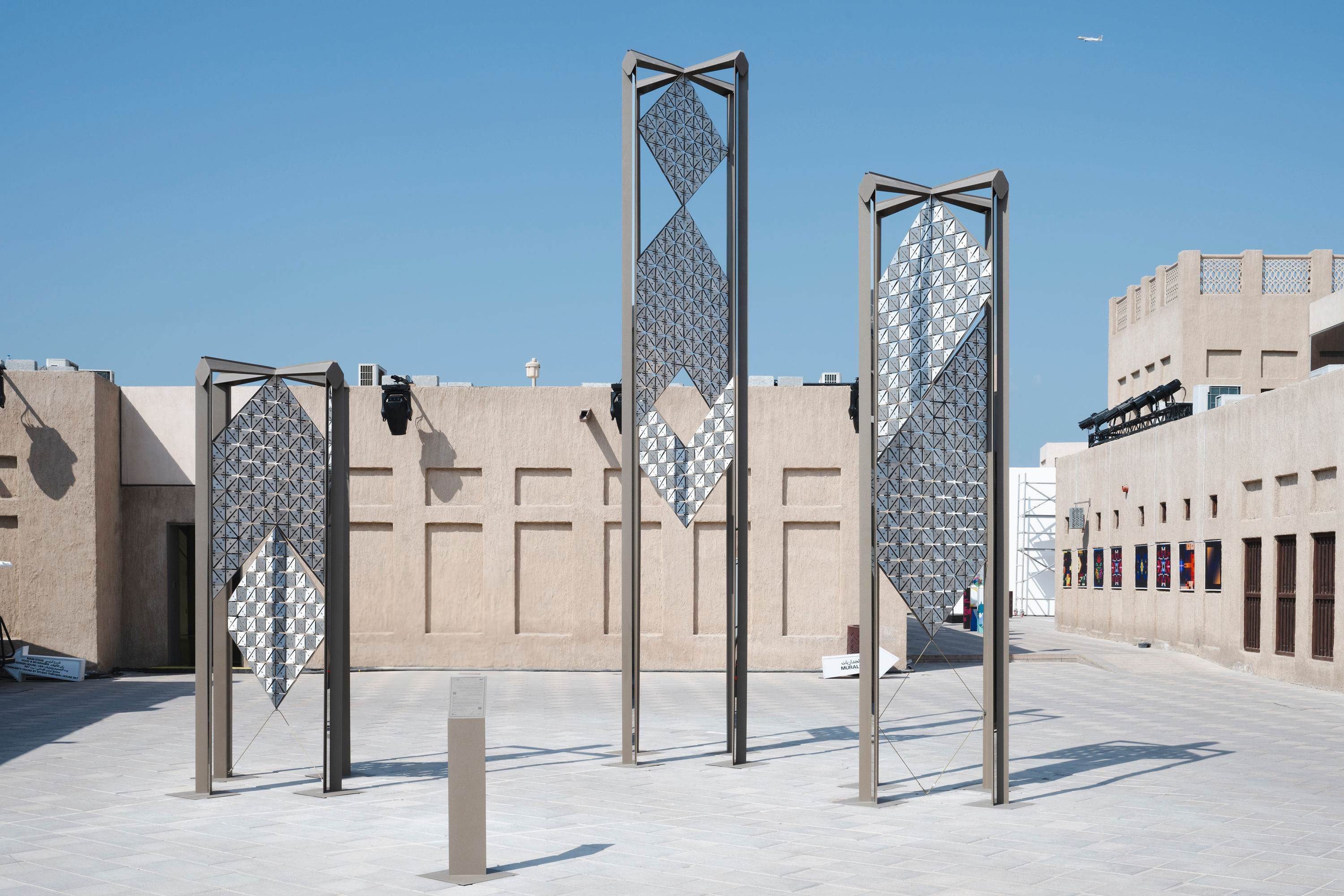
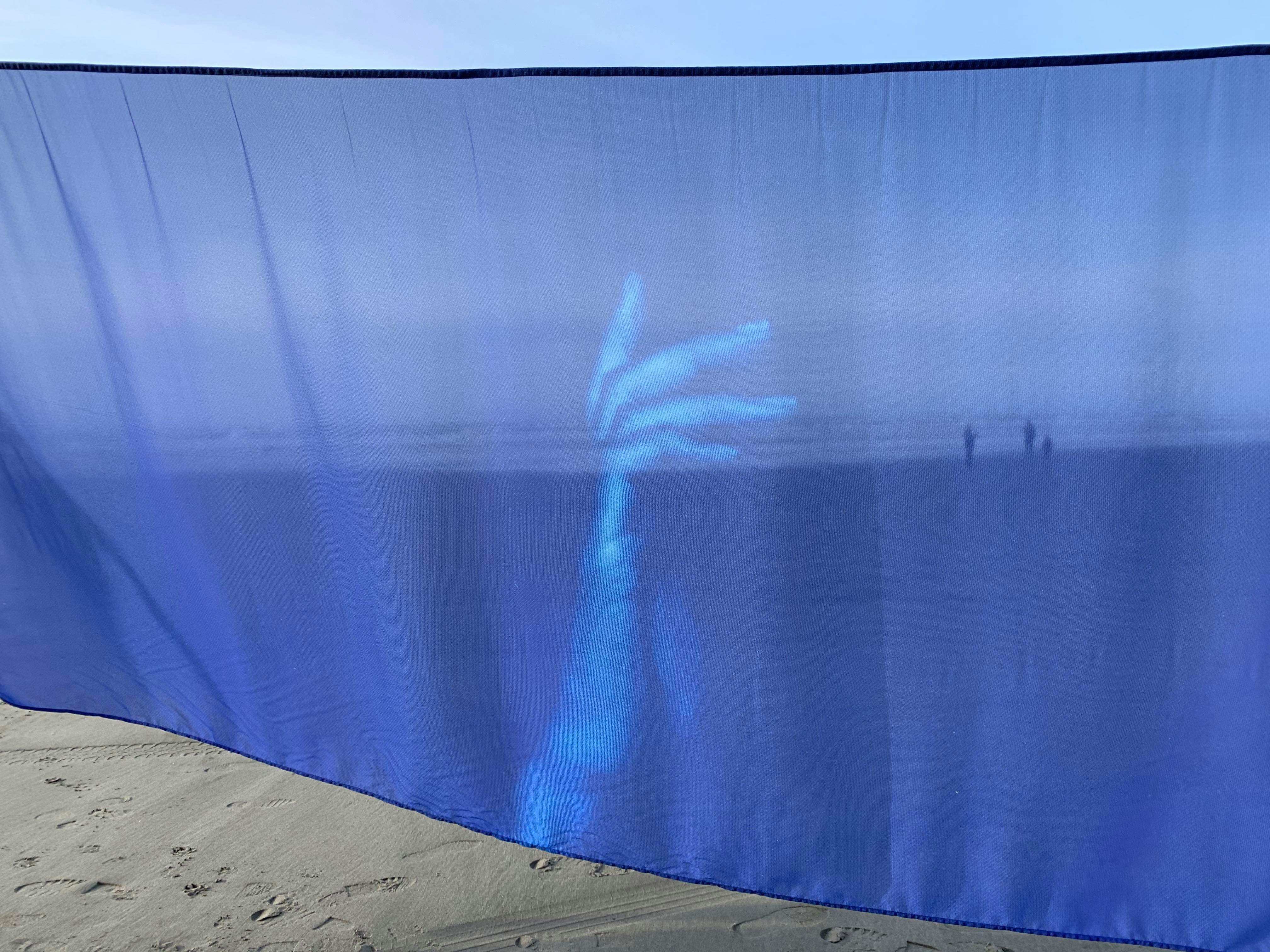
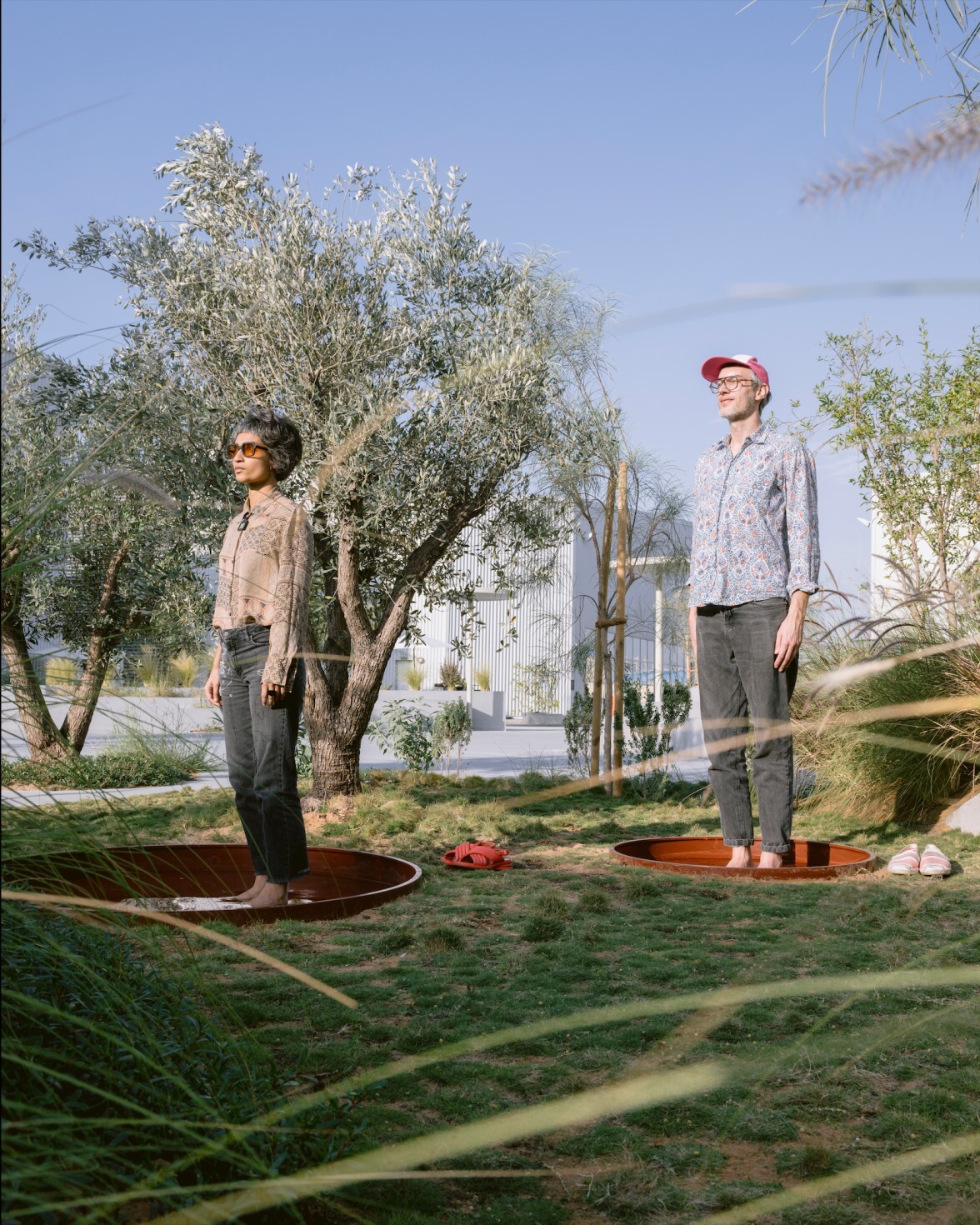
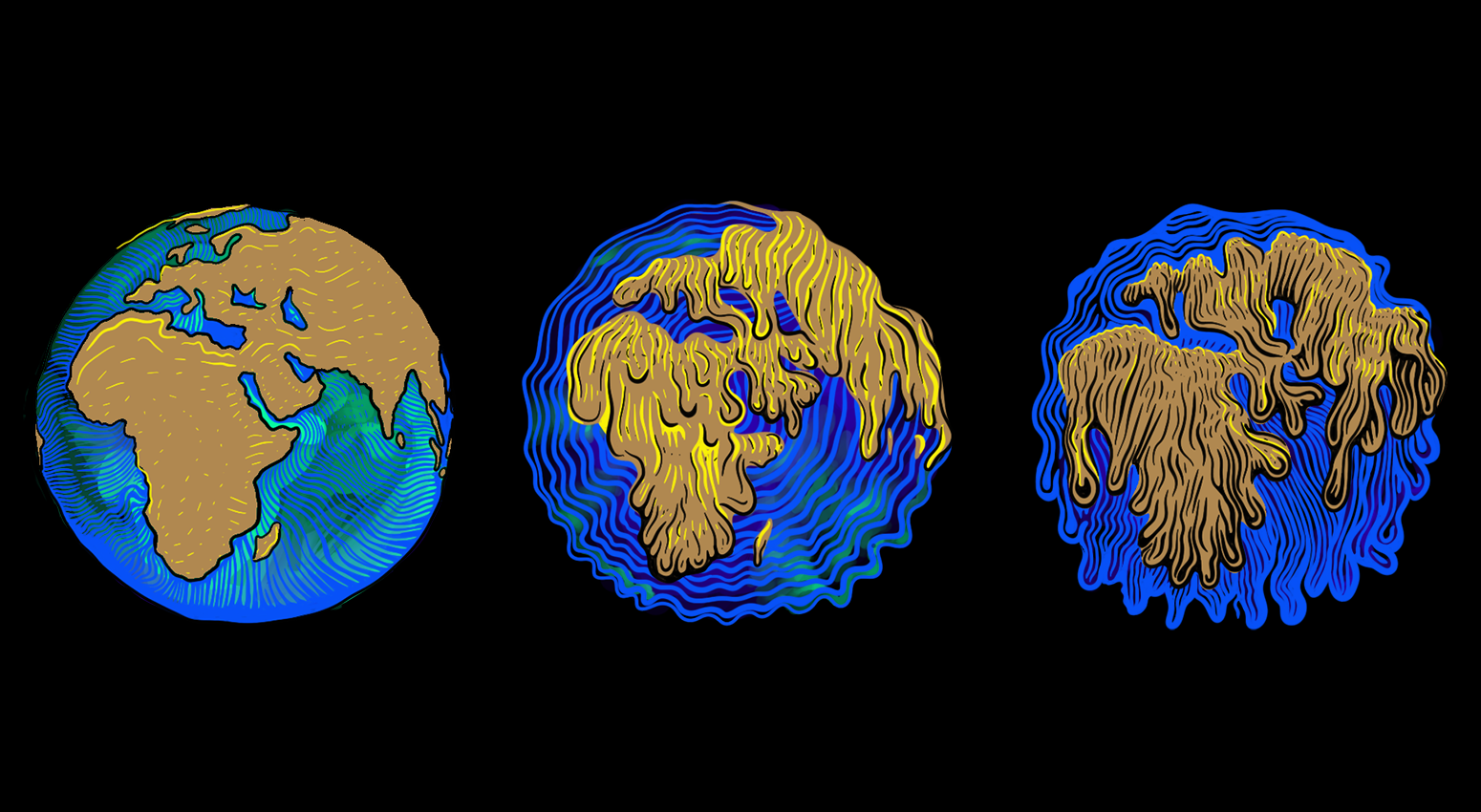
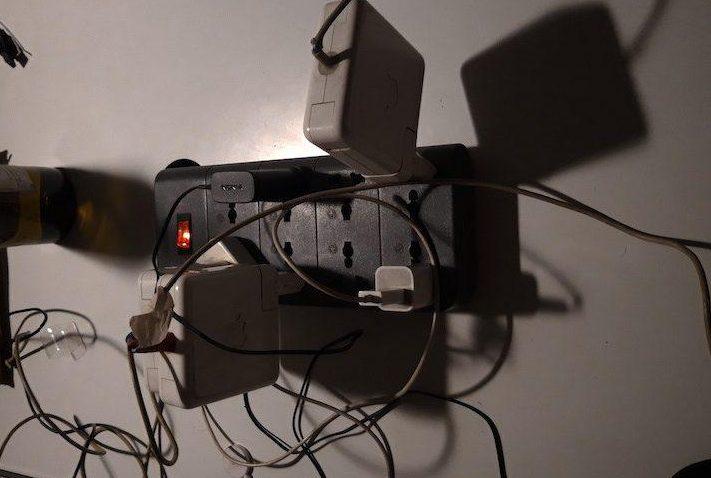
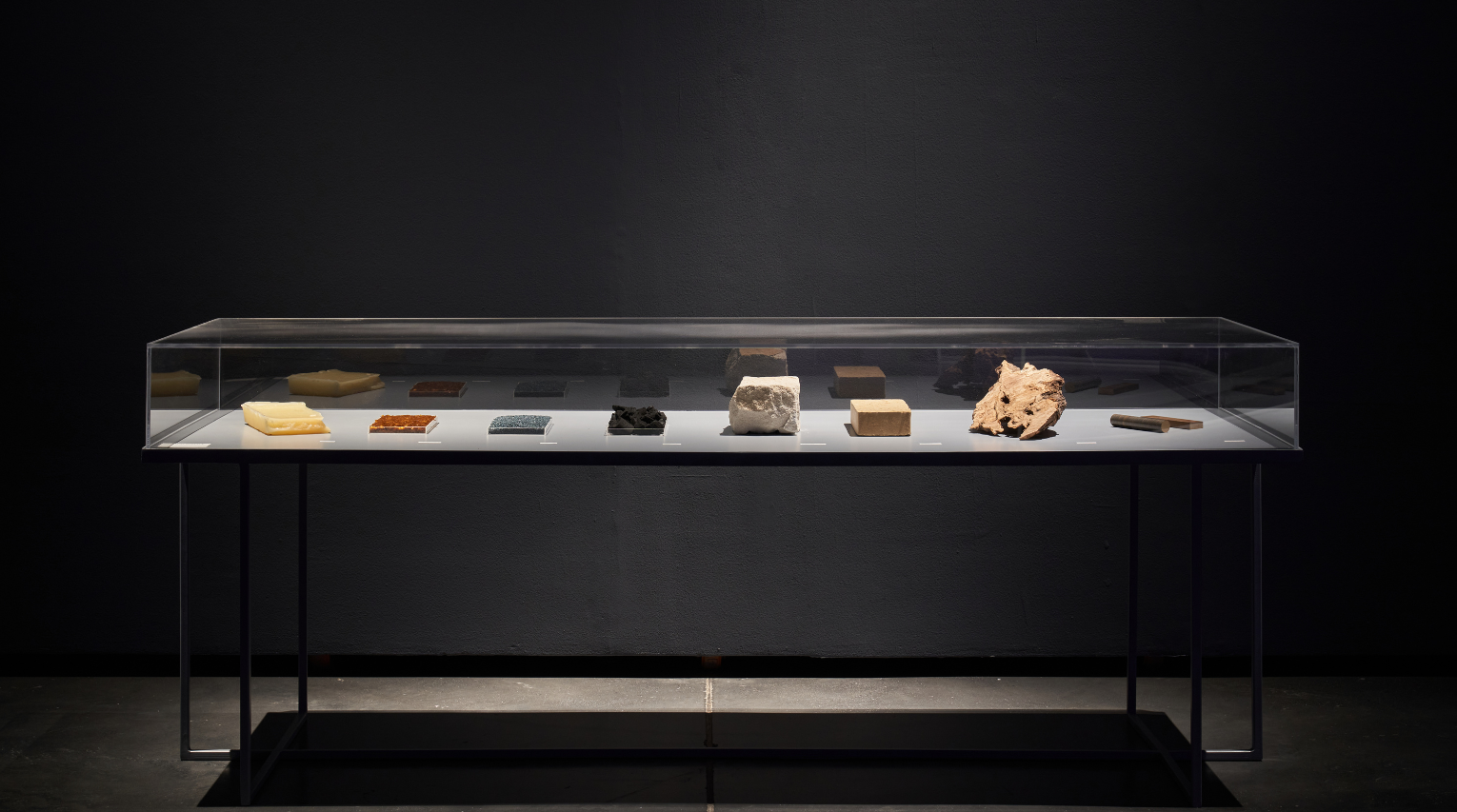
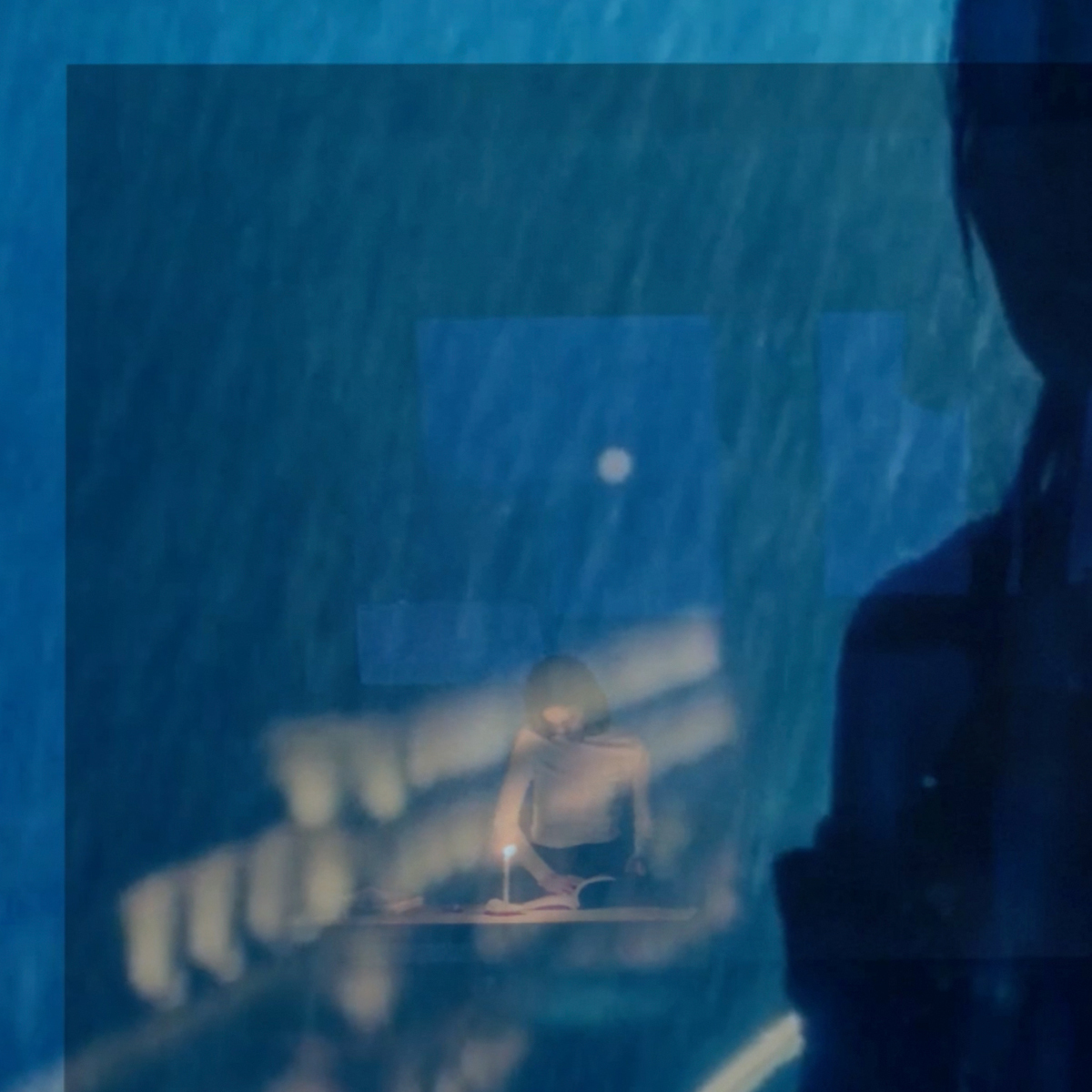
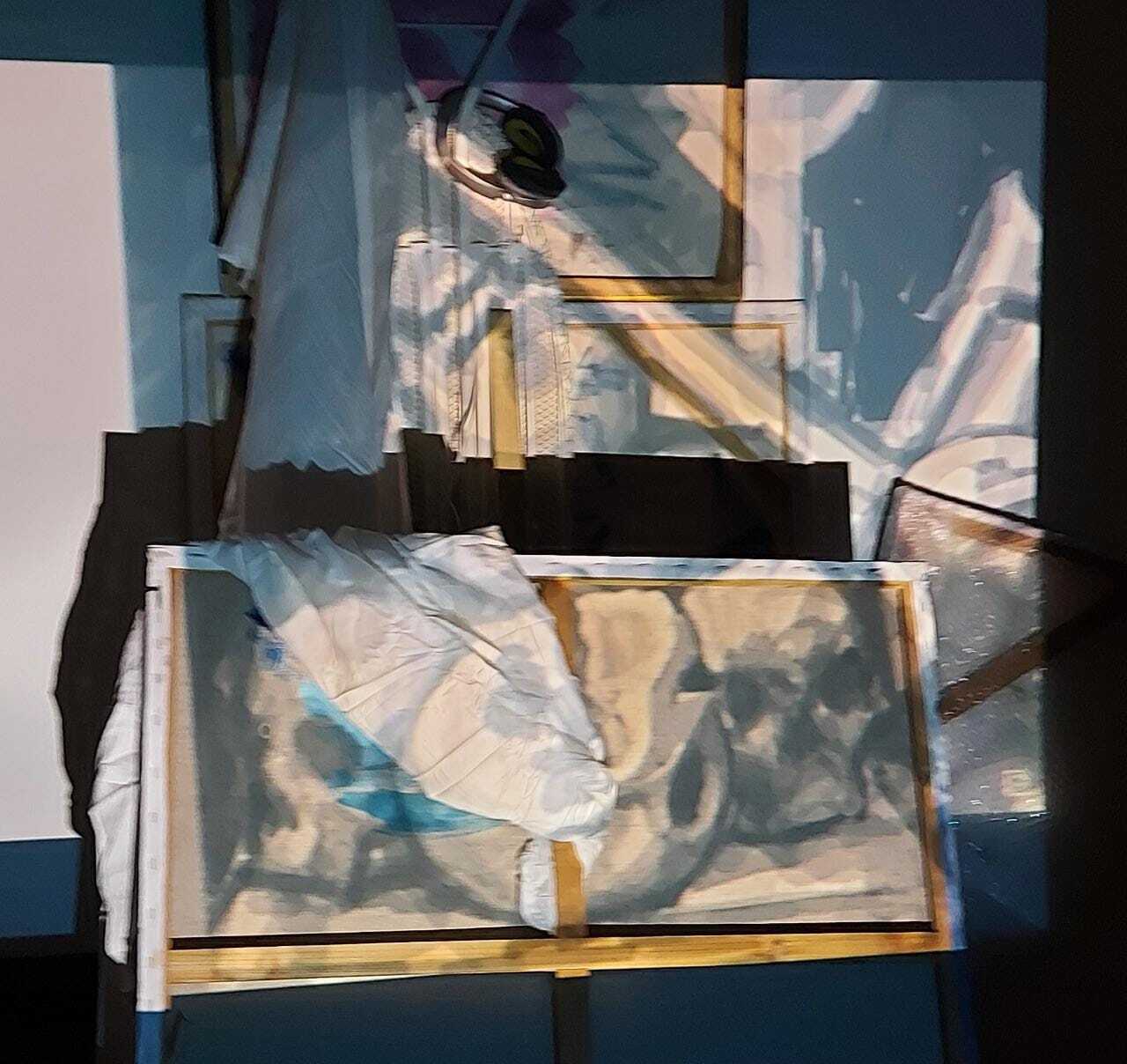
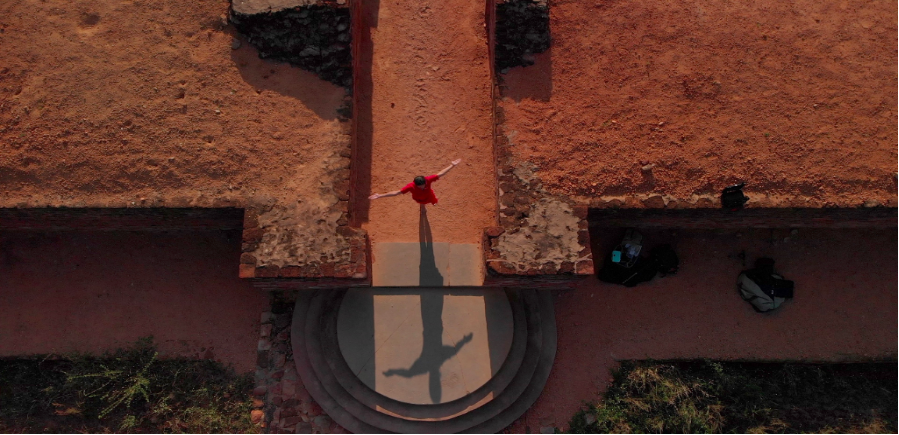
Masaru shared work-in-progress which examines the social symbolic meanings of cleaning and cleansing through video, photography, installation, and performance. Masaru's research focuses on energy and cleaning, specifically the energy that is generated from solar panels and the routine of cleaning, as well as the refinement of crude oil that leads to the detergents we use every day.
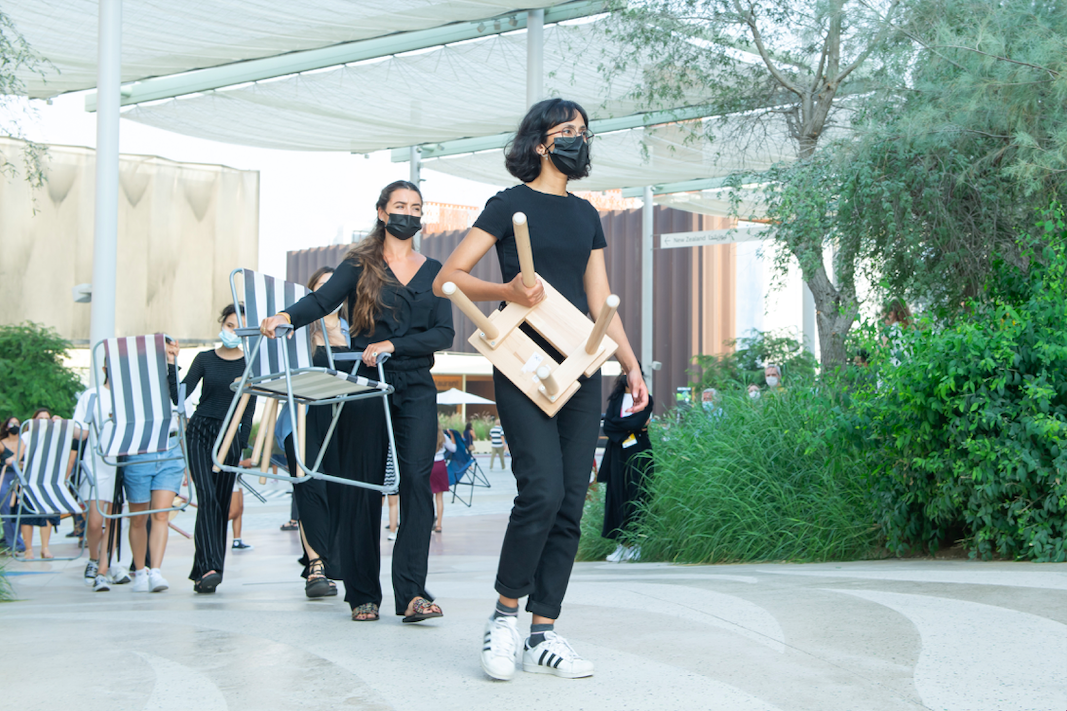
During his public programme, Masaru presented the research conducted in Dubai during his residency, as well as his artworks so far. Masaru invited participants to question the relationship between "energy and cleaning" in the form of open research. The performance took place in collaboration with Rei Co and Mohi of Sima Dance Company.
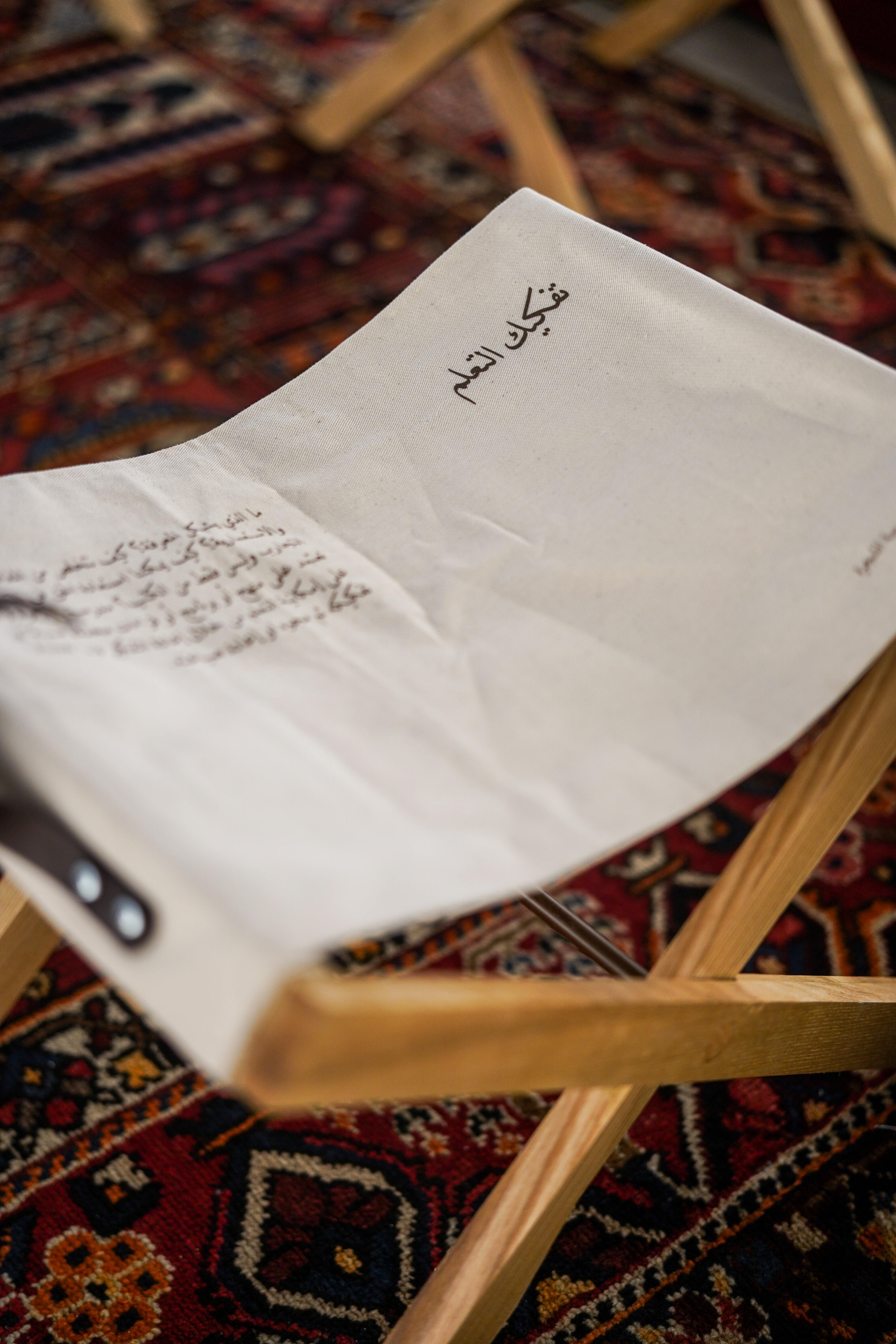
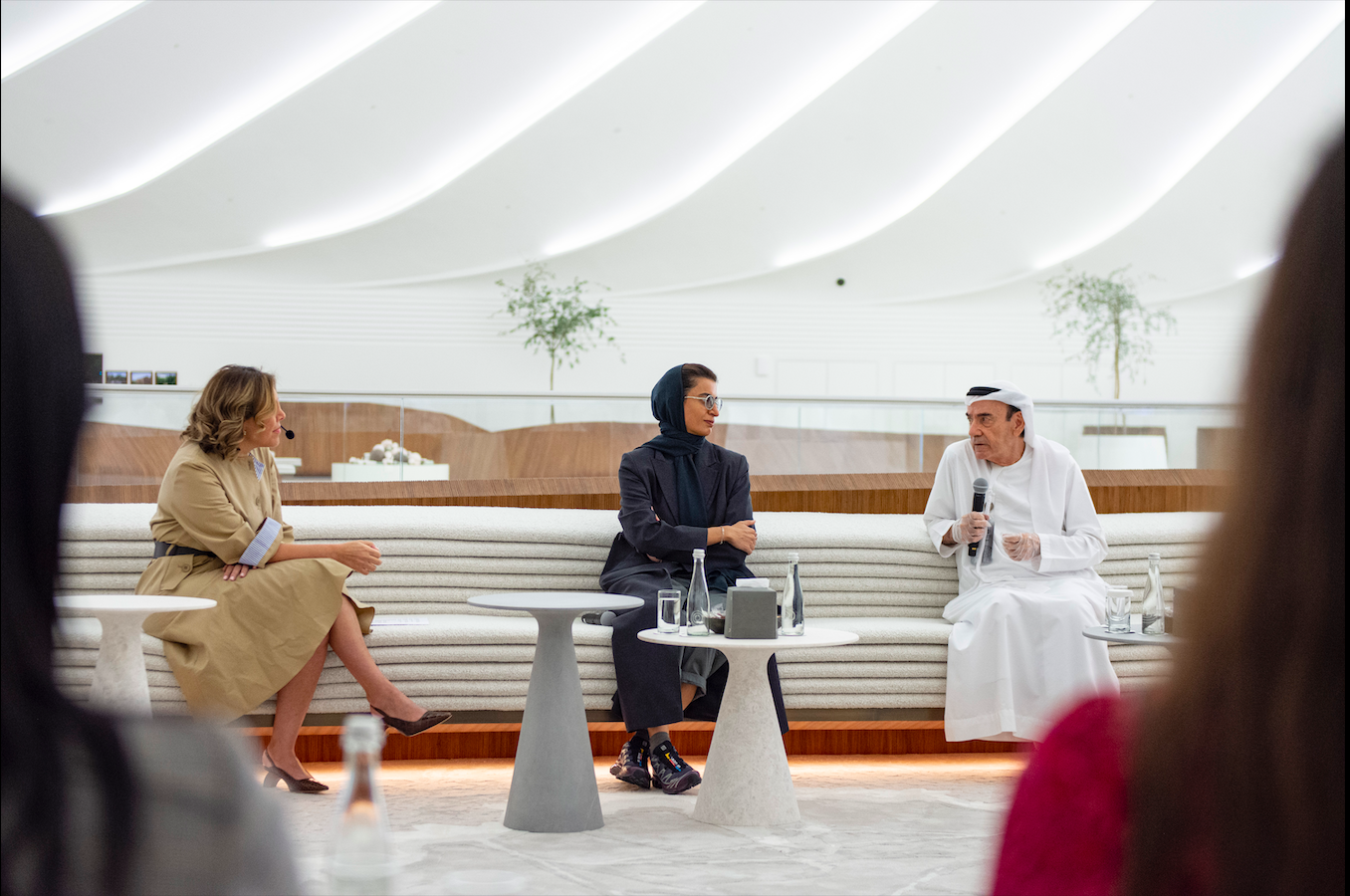
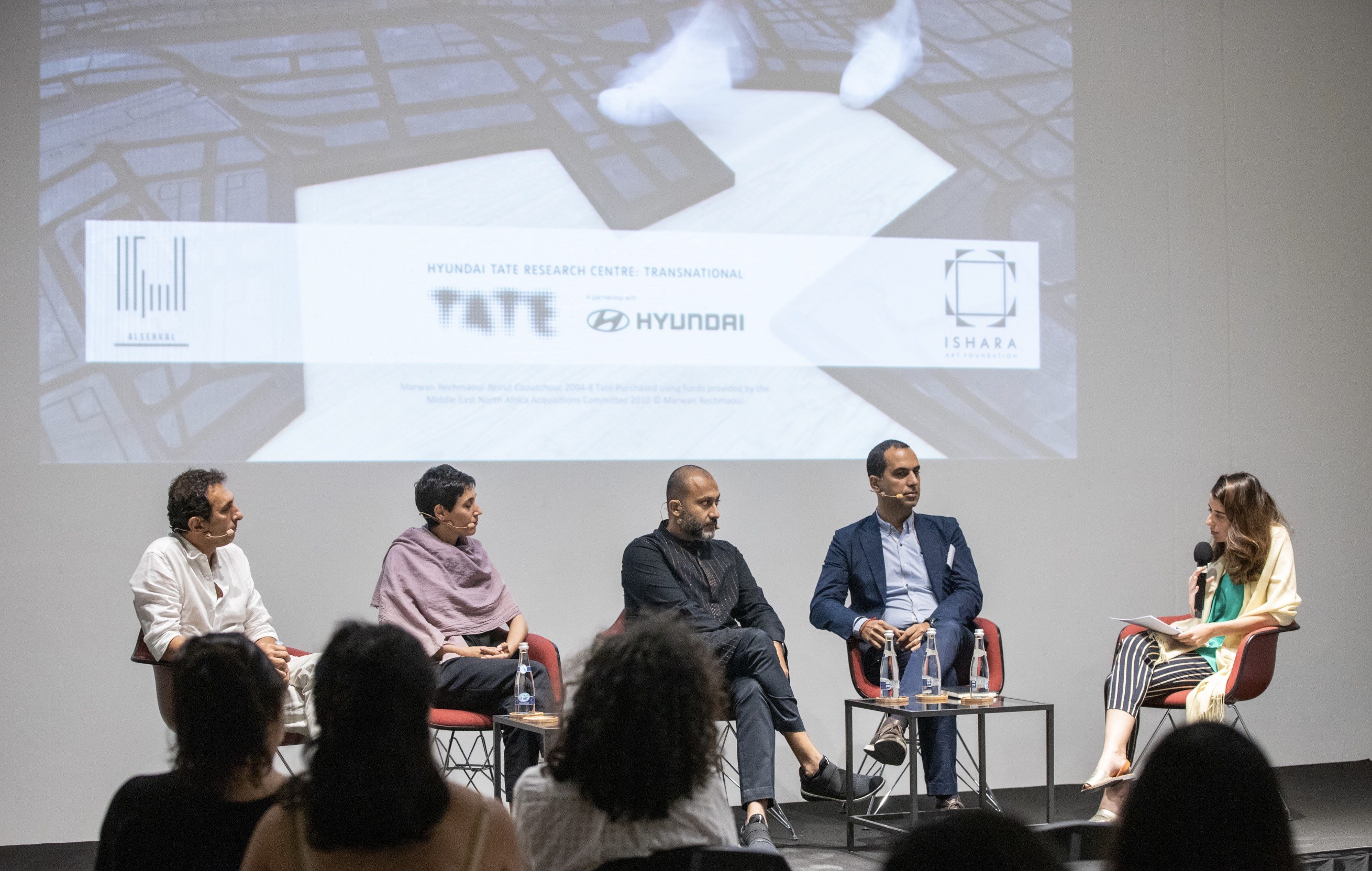
14 March | Devotional Listening: Sonic Practices at the nexus of the Spatial and the Otherworldly | Mhamad Safa in conversation with Lawrence Abu Hamdan
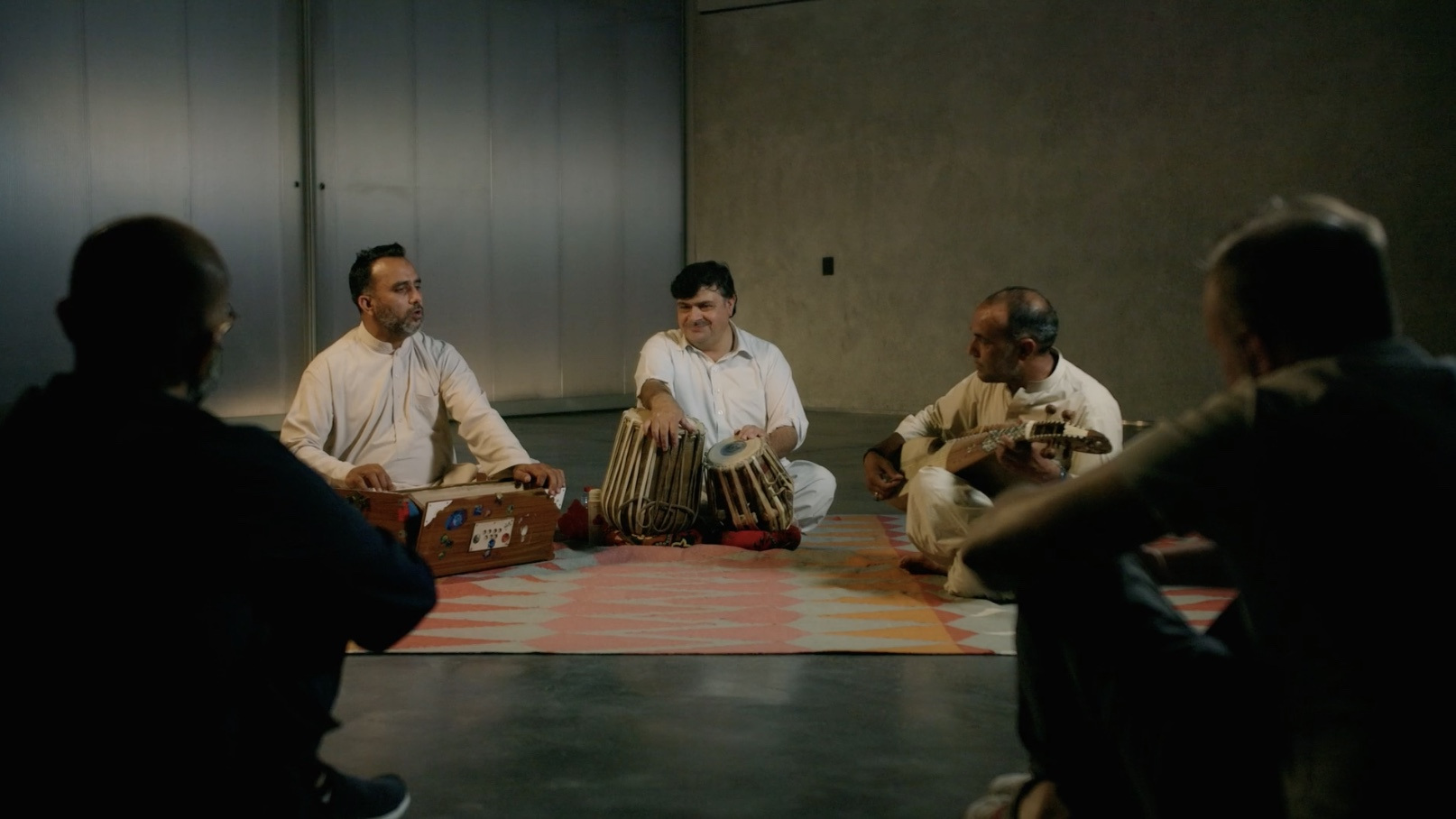
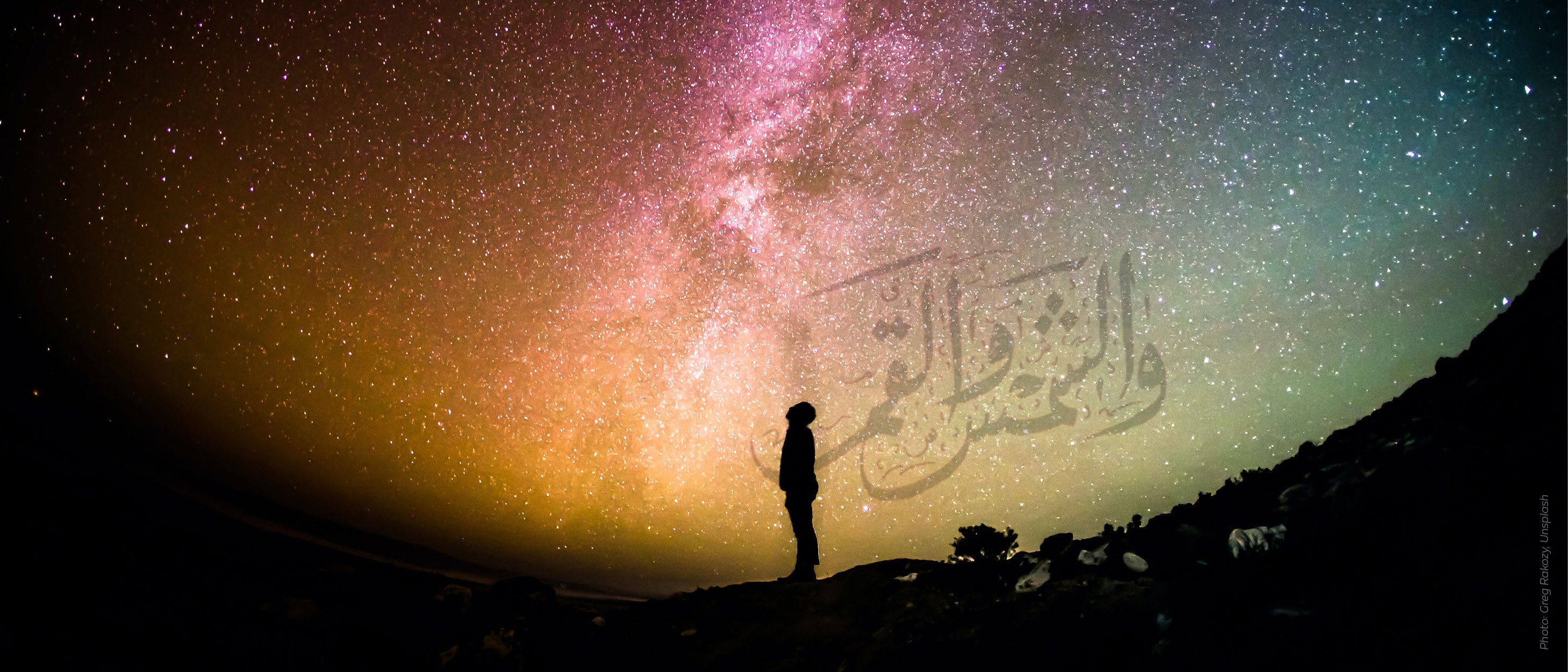
The presentation and panel examined the modes of listening and sounding within the Arabian Peninsula. They unpack the ways in which subcultural practices are entangled with narratives of migration, transborder soundscapes, and devotional imaginaries. Departing from the phenomenon of Istinzal, which occurs during the traditional musical performances of Saamiri, the sonic environments in focus are re-organised across diverse temporalities and geographies. A sonic sense is distorted, stretched, and accelerated through the celestial presence in the social. Sound can act as a source of trauma and its examination beyond the established western-scientific accounts. As it surpasses the audible and transcends borders, the region's sonic cultures reconfigure how knowledge is produced and distributed.
Lawrence Abu Hamdan is an independent investigator or Private Ear. His investigations focus on sound and linguistics and have been used as evidence at the UK Asylum and Immigration Tribunal and as advocacy for organisations such as Amnesty International and Defence for Children International together with fellow researchers from Forensic Architecture. Abu Hamdan received his PhD in 2017 from Goldsmiths College University of London and in 2021 completed a professorship at the Johannes Gutenberg University Mainz where he developed his research airpressure.info . Past fellowships have been held at the University of Chicago and the New School, New York.
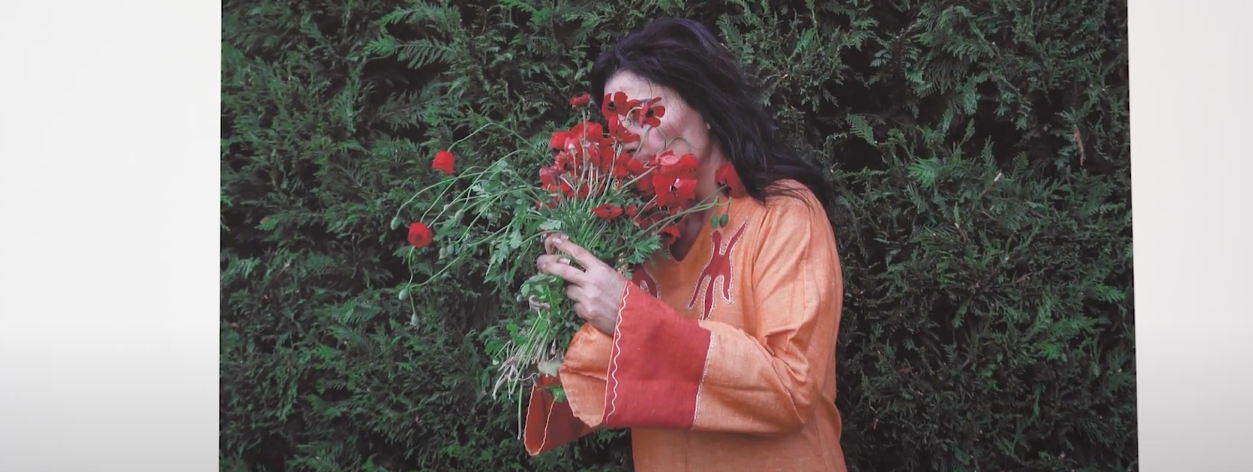
16 March | Birds, they no longer want to migrate | A Presentation by Shada Safadi
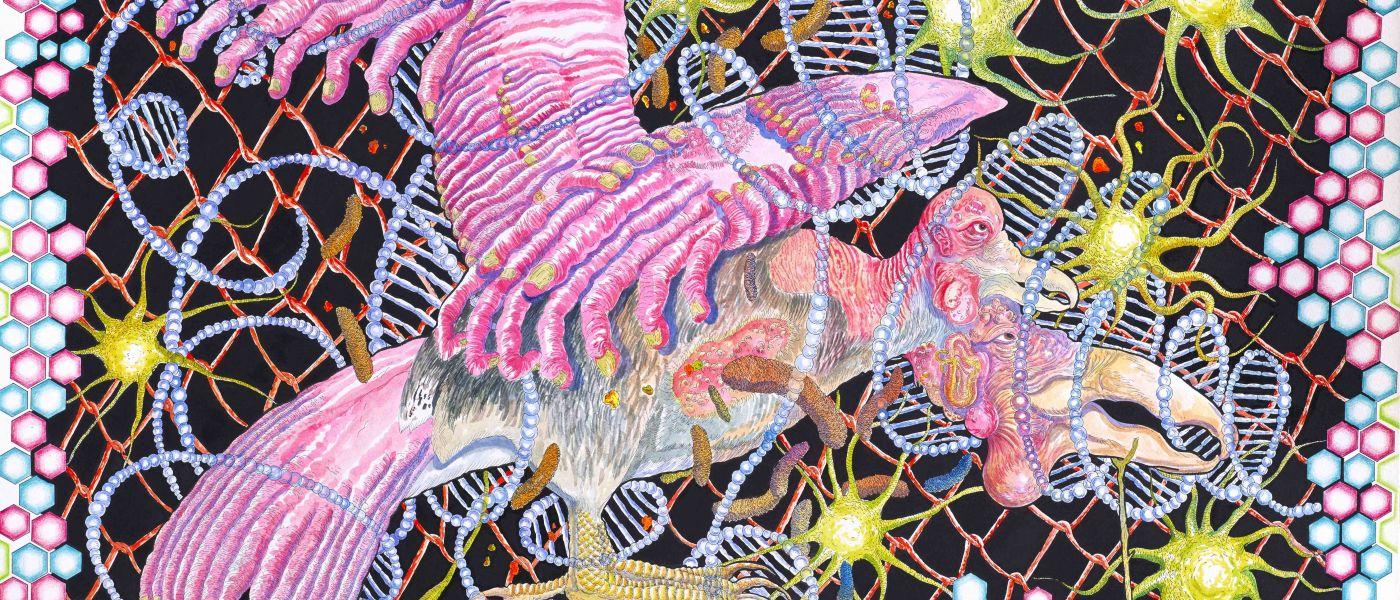
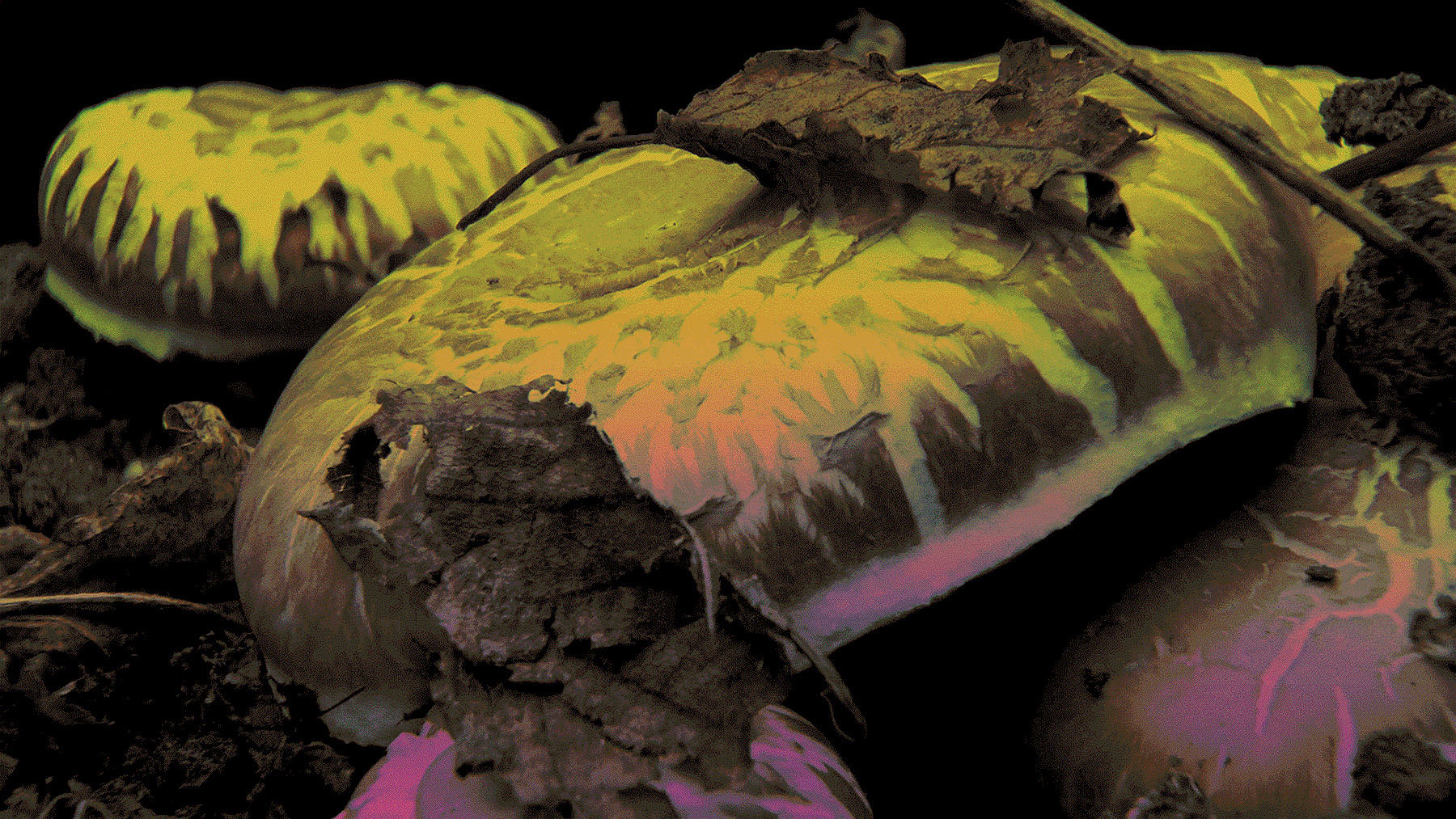
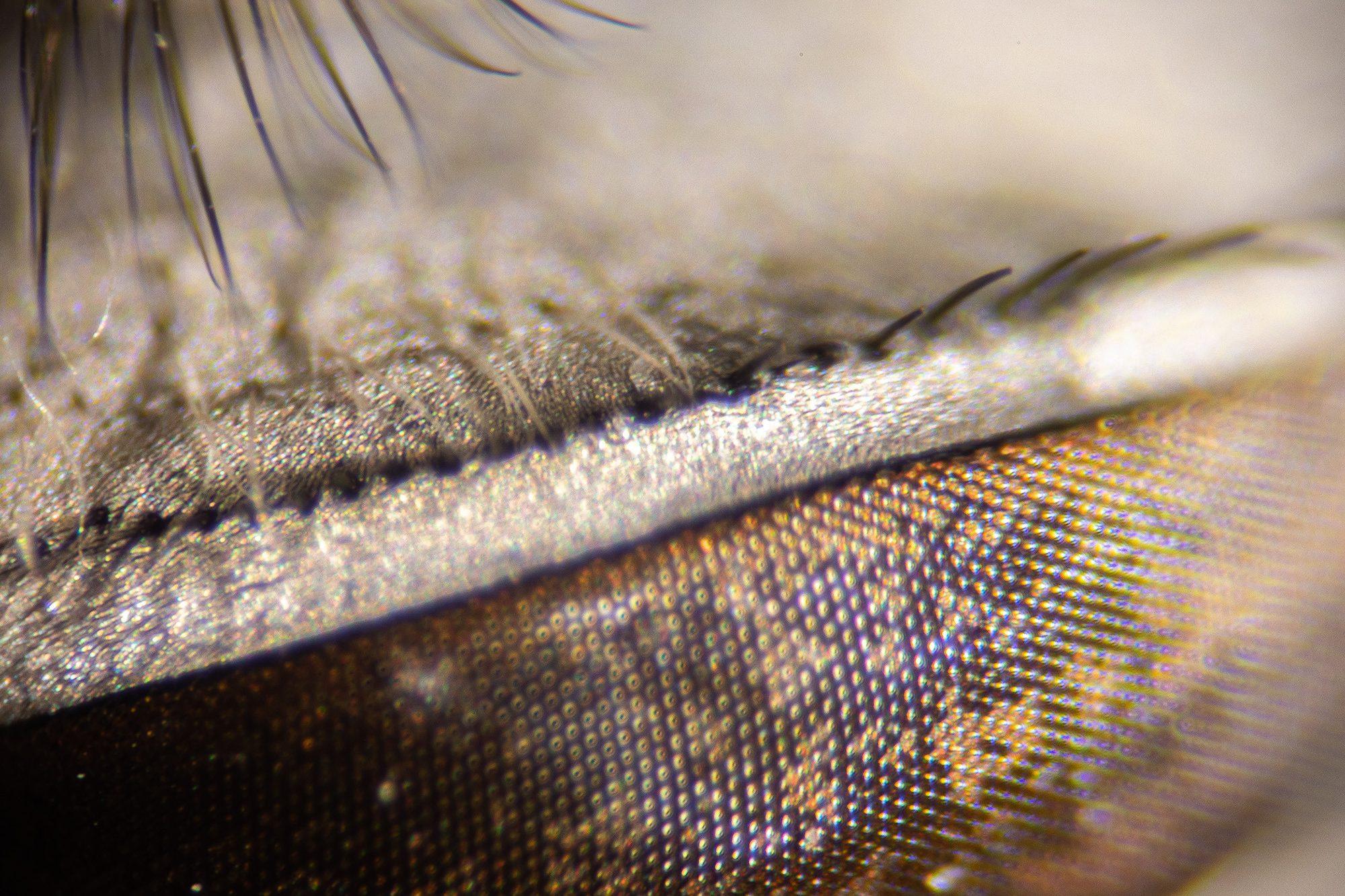
This presentation told the stories of different birds, including migratory, local, and endangered birds. Shada analysed how these stories deal with the relationship of birds and humans through social or geographical beliefs, and the efforts made to preserve the birds and the environment.
Shada also covered wind and the danger of wind farms to birds. Wind and air currents help birds to cross from one place to another and are an essential part of the migration journey, helping birds save energy during flight and to cover long distances. Shada examined how humans exploit wind to produce energy and questions what awaits us in the future with this continuation.
This presentation was in Arabic with simultaneous translation to English by Ban Kattan.
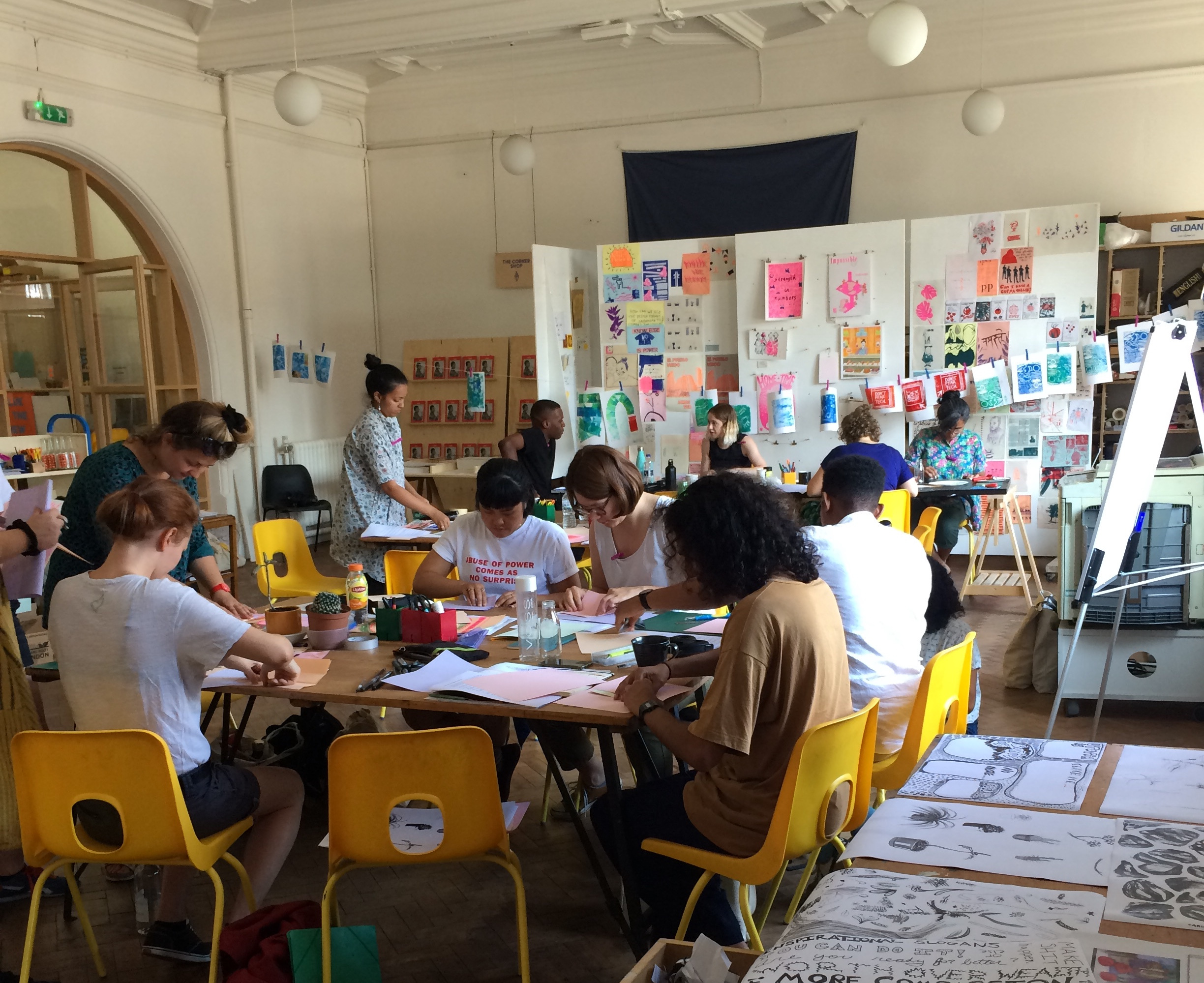
16 March | The Last Testament of Simurgh | Storytelling, sharing, and a meal with Jalila Haider
The Simurgh’s tale is an ancient story of a magical bird with healing powers that witnessed the world destroyed three times due to human cruelty. It is said that she will return to the world for a fourth time only when people amend their past behaviour and embrace kindness towards each other, and particularly to women. How might we collectively create a world where the Simurgh might rise again?
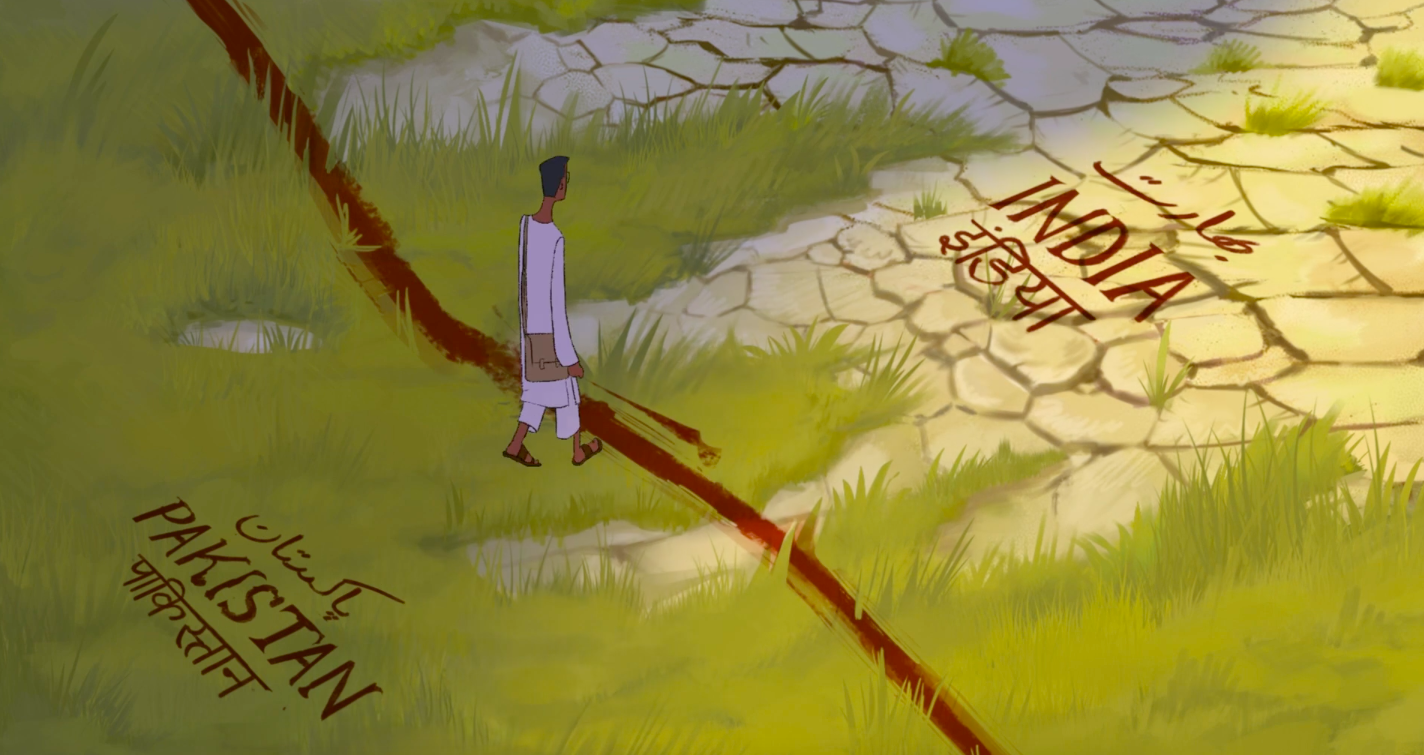
Jalila invited participants to read from fictional stories inspired by women she has met through field research as the first female lawyer from the Hazara community, an ethnic minority in Pakistan's Balochistan Province. Participants were invited to rewrite the ending of the stories according to their own imaginations. While the original accounts may have shared anguish, grief, and sadness, she wanted to help transform them into stories of power, bravery, and emancipation.
Biographies
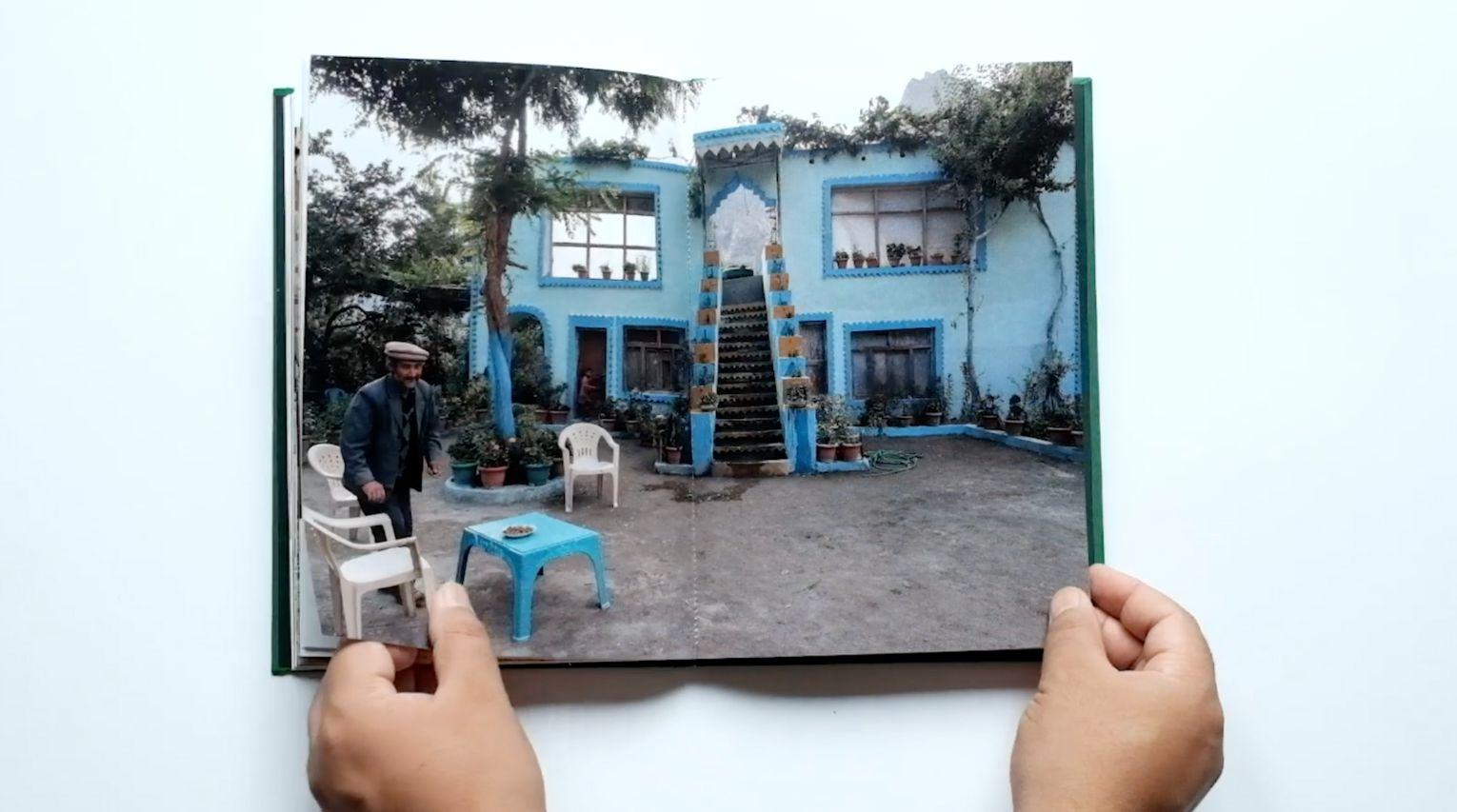
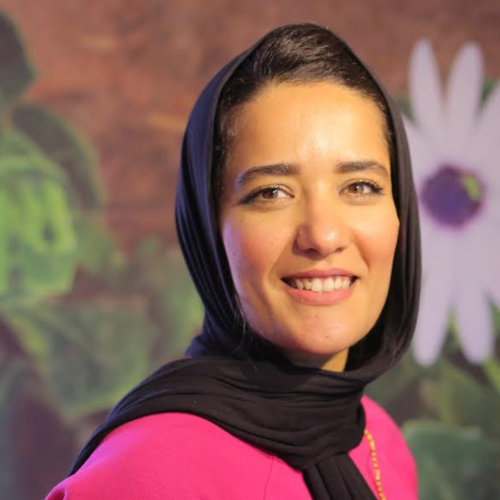
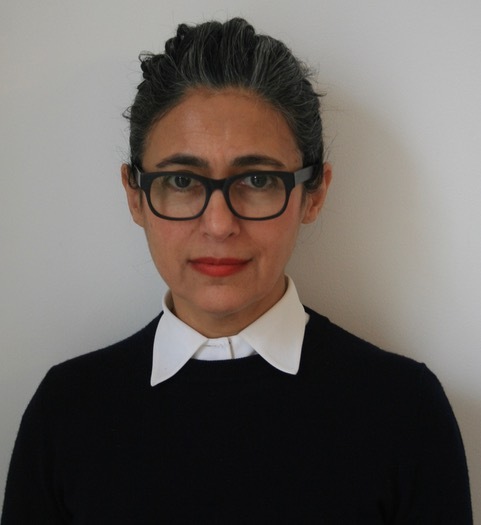
Jalila Haider is the first female lawyer from the Hazara community, an ethnic minority in Pakistan's Balochistan Province. The emerging researcher addresses human rights in her legal and academic work. As a feminist and human rights activist, she has earned several national and international accolades and recognitions, including the State Department's International Women of Courage Award (IWOC) 2020. In 2019, she was named in the BBC’s 100 Women, a list of the world's most influential women, in recognition of her work for women's and human rights in her country.
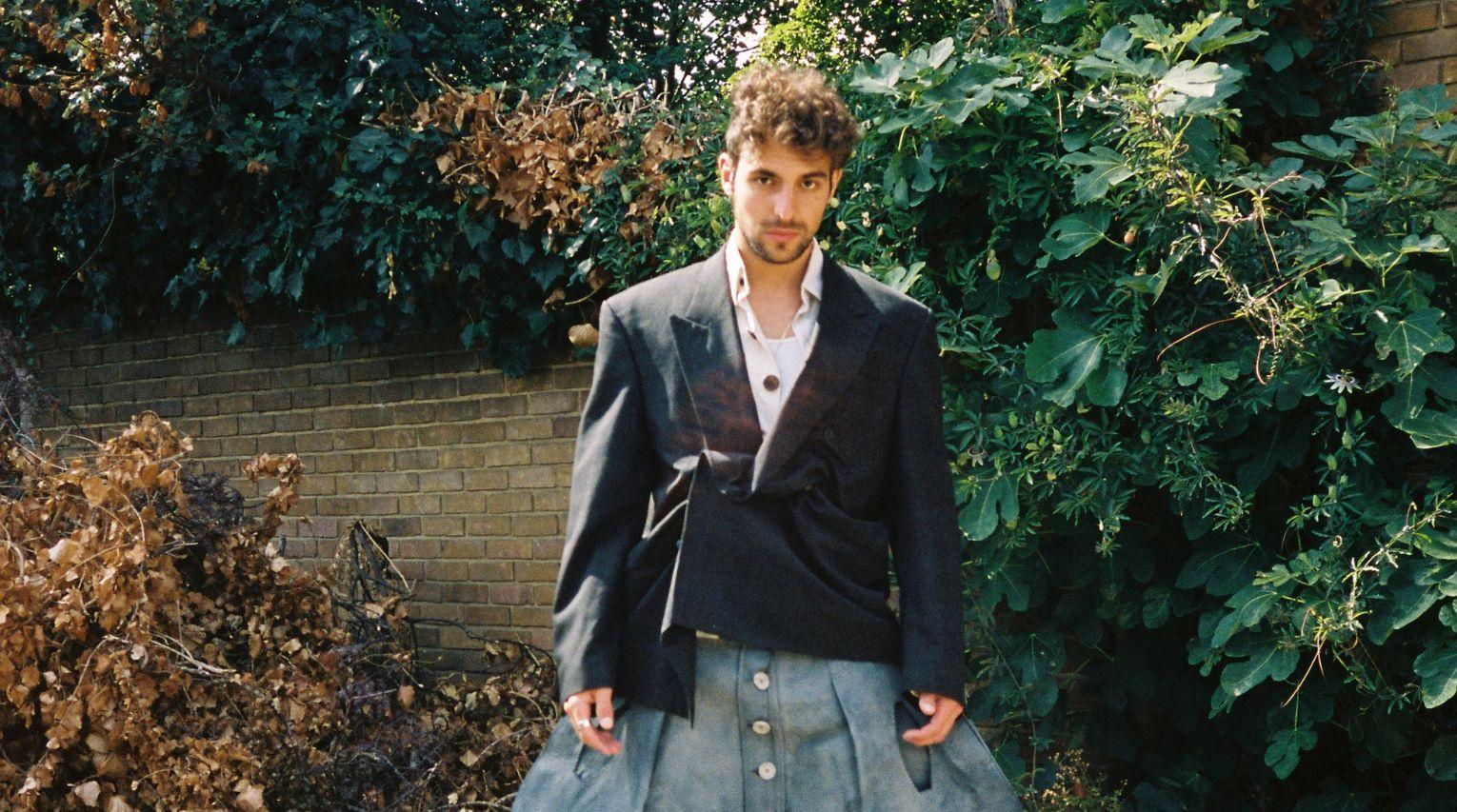
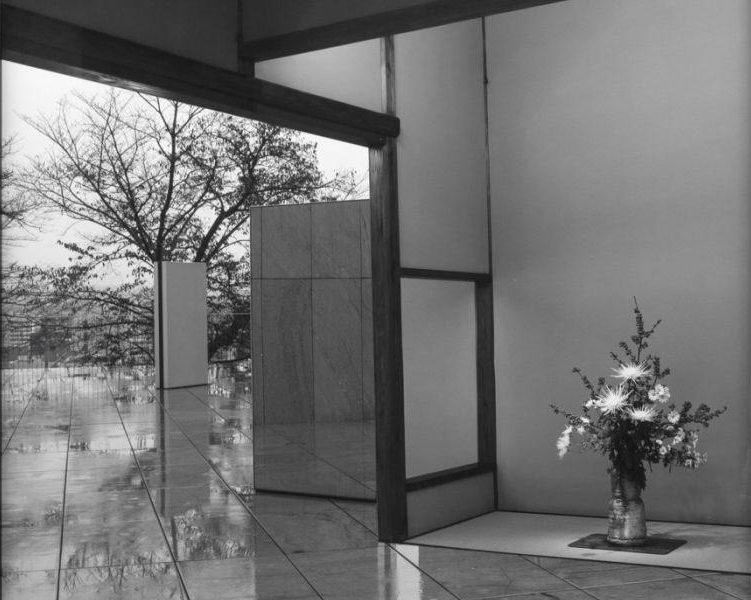
Masaru Iwai, born in 1975 in Kyoto, lives and works in Tokyo, Japan. Masaru’s film, installation and performance focus on the mundane act of cleaning and cleansing, revealing their underlying social and symbolic meanings. He participated in Seeing as Though Touching: Contemporary Japanese Photography Vol.19 at the Tokyo Photographic Art Museum, 2022; at the Yokohama Triennale with Afterglow, 2020; Reborn-Art Festival in Miyagi, 2017; New “Artists Today” Exhibition 2018 Unfixed Perspectives at the Yokohama Civic Art Gallery, 2018; and others.
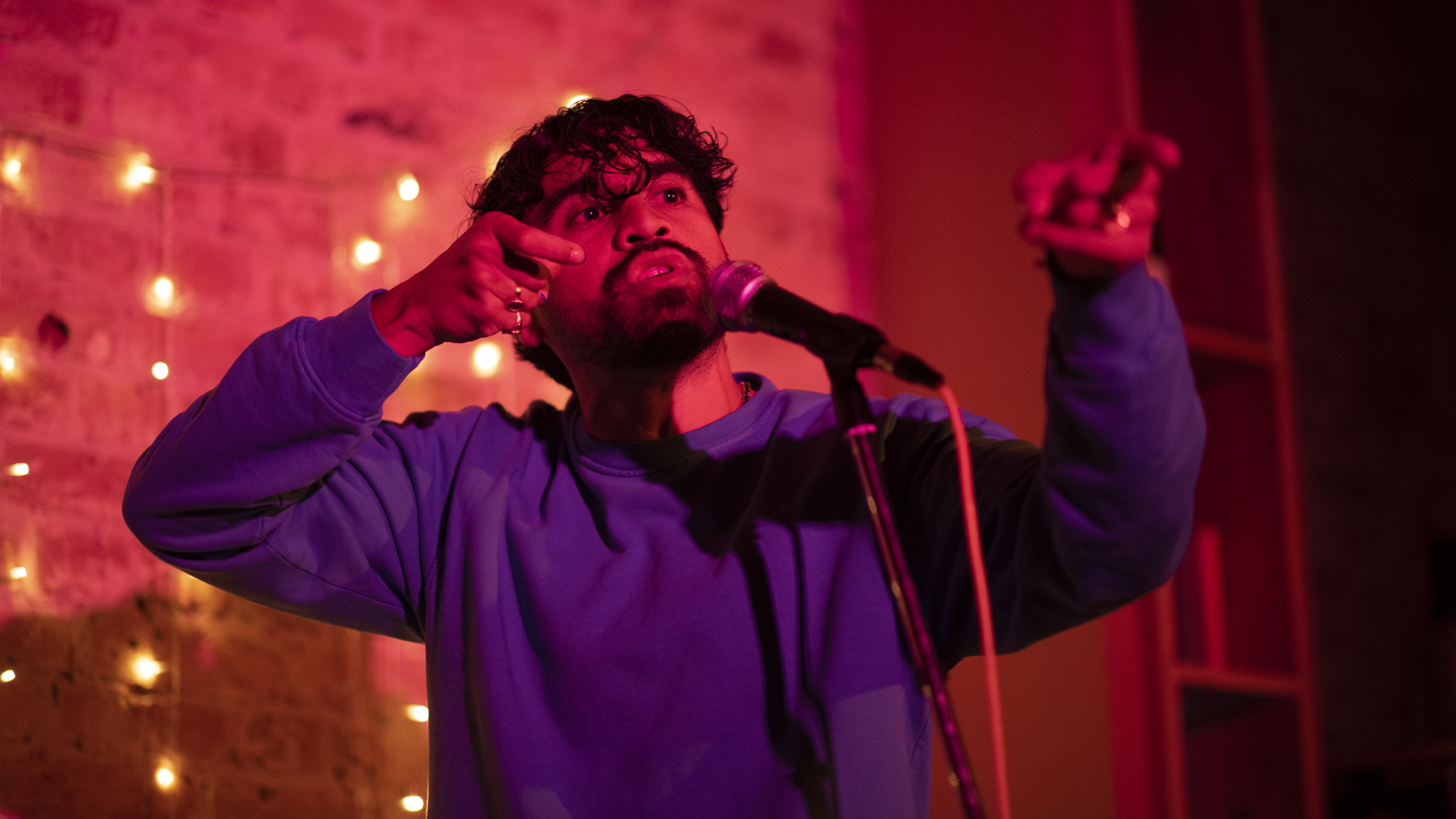
Mhamad Safa is a musician, architect, and researcher in sonic matters, based between London and Beirut. His work focuses on multi-scalar spatial conditions and their sonic make-ups. He explores their intersections with aural legacies of traditional and subcultural practices, as well as environments of conflict and violence. He graduated from the Centre for Research Architecture at Goldsmiths and is currently a PhD candidate in International Law at the University of Westminster. He is an Associate Lecturer in Media Studies at the Royal College of Art.
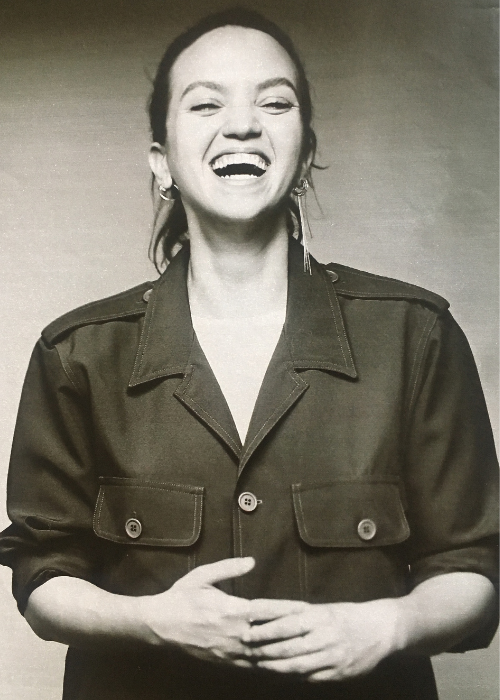
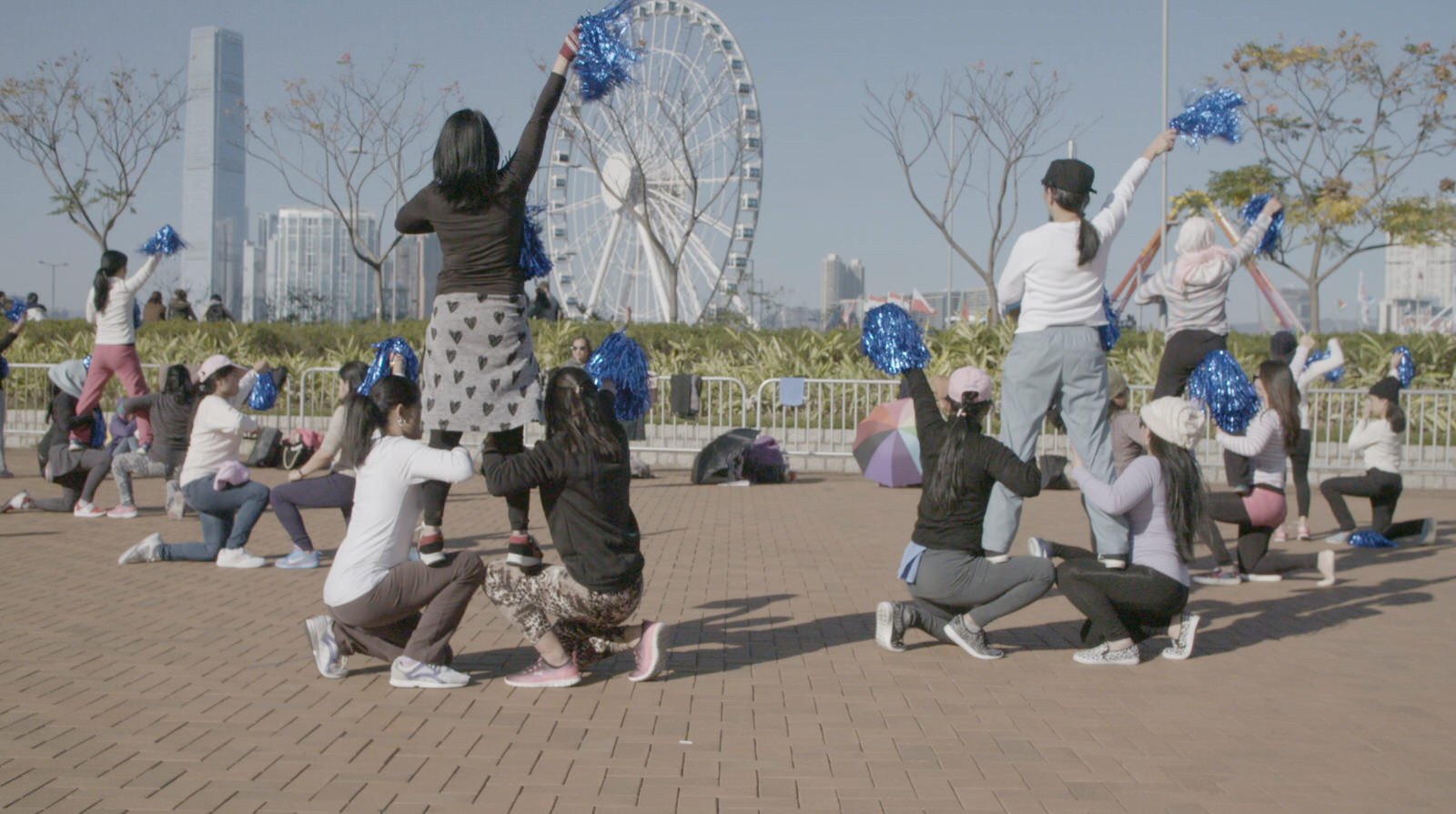
Shada Safadi was born in 1982 in Majdal Shams, the occupied Syrian Golan Heights. In 2004, Safadi completed a two-year class in painting and etching at Adham Ismail Institute, Damascus, following which she graduated with a degree in Fine Arts from Damascus University in 2005. A founding member of Fateh Al Mudarris Center for Arts and Culture in Golan Heights, Safadi has participated in multiple exhibitions, including a solo exhibition at Fateh Al Mudarris Center for Arts and Culture, Majdal Shams in 2006. In addition, her work has been featured in exhibitions in Damascus and Aleppo in Syria; Jerusalem, Ramallah, Birzeit, and Bethlehem in the West Bank; Umea in Sweden; and London in the UK. Recently, she participated in the Syrian Cultural Caravan, with exhibitions in France, Germany, Norway, Spain and Belgium.













Stay tuned...

Stay tuned...

Stay tuned...







Stay tuned...